Two Ships At Sea — History & Analysis
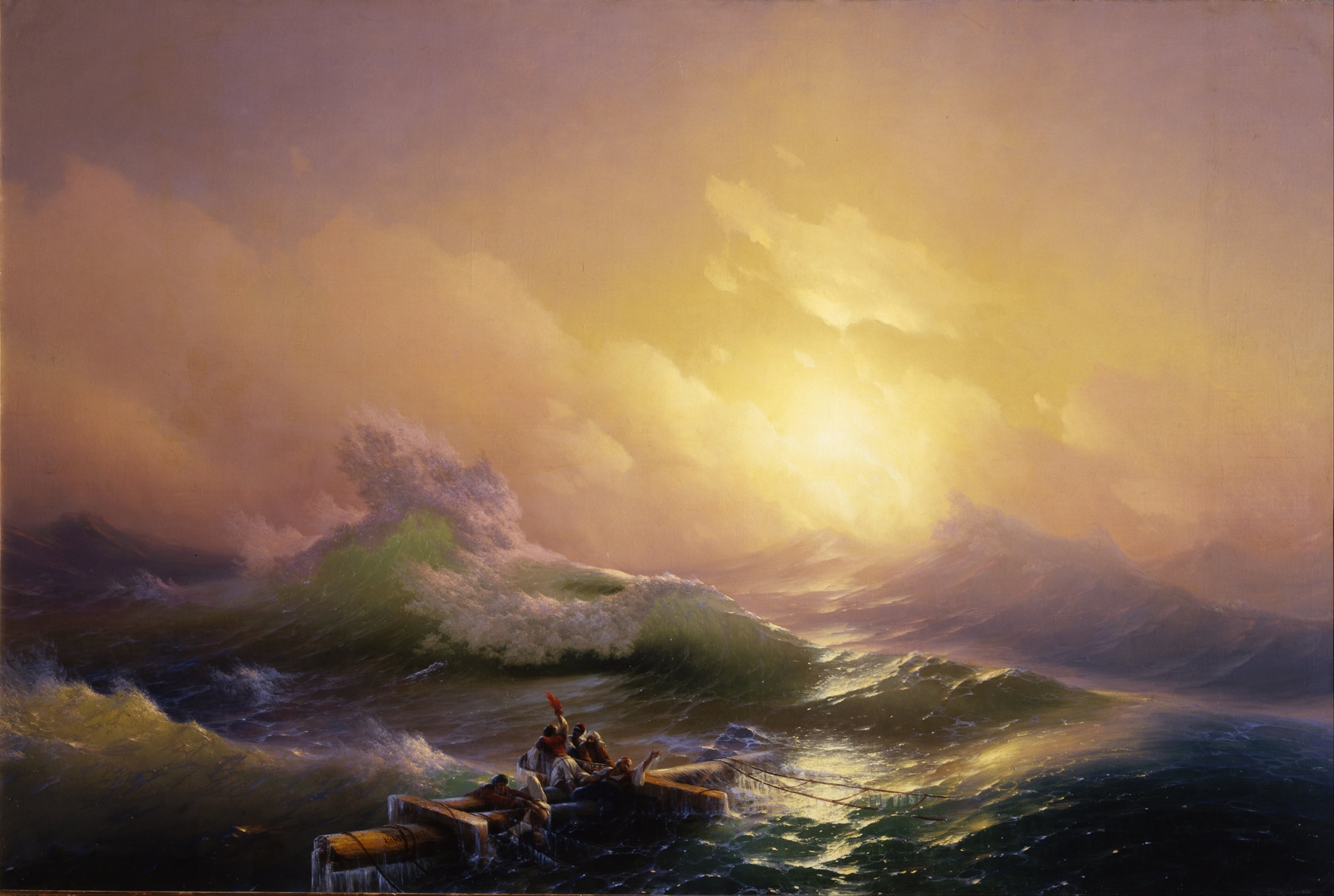
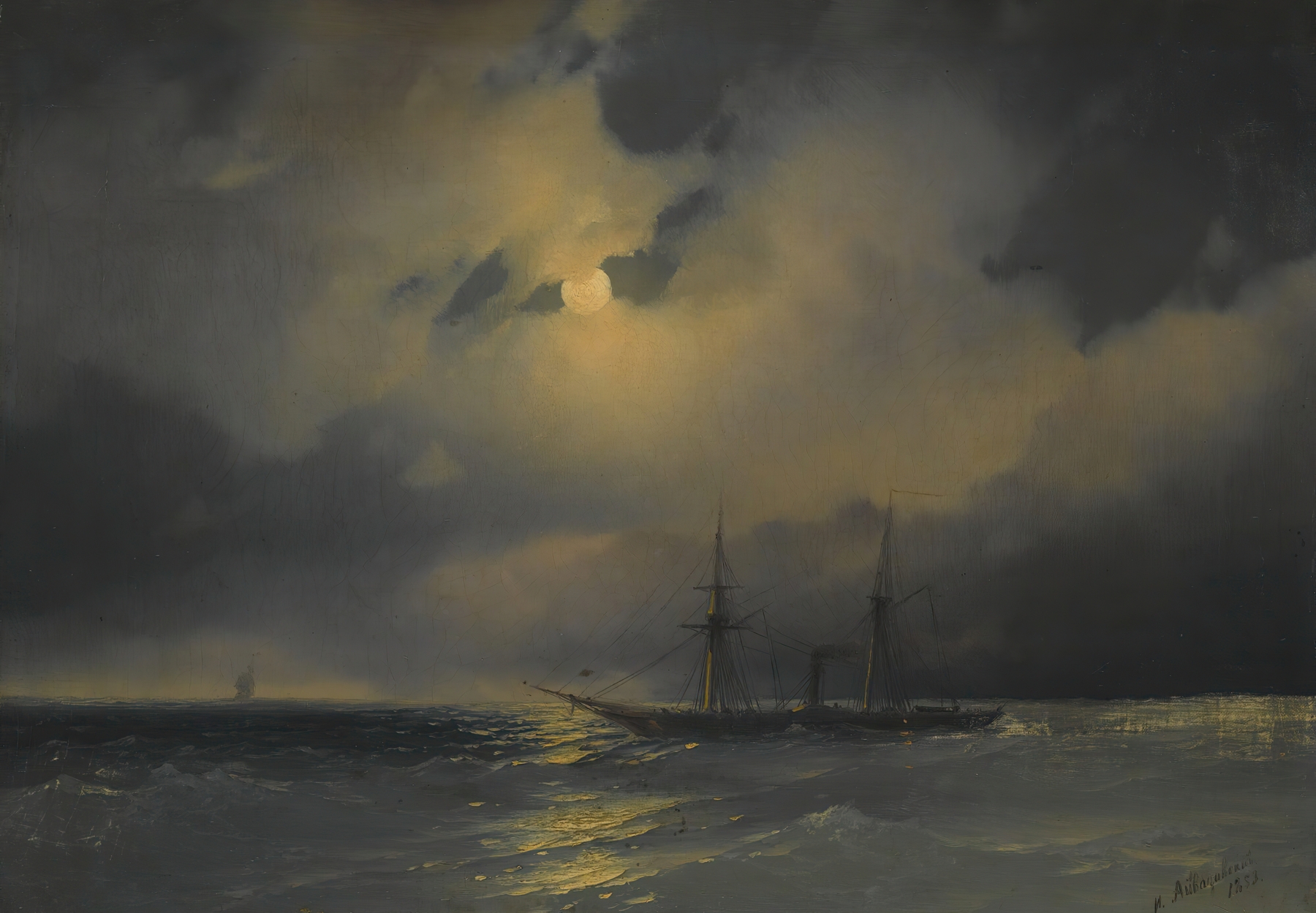
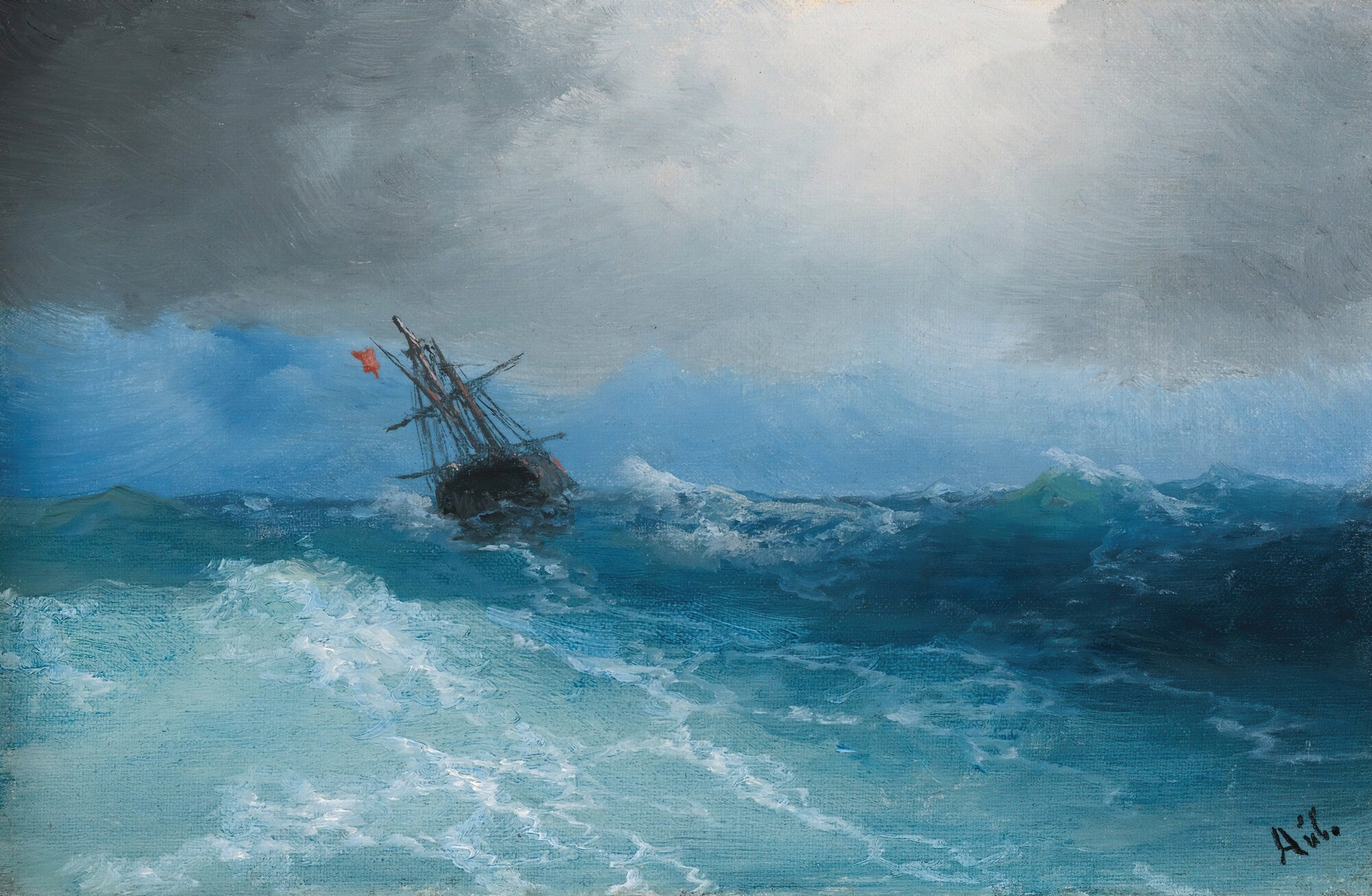
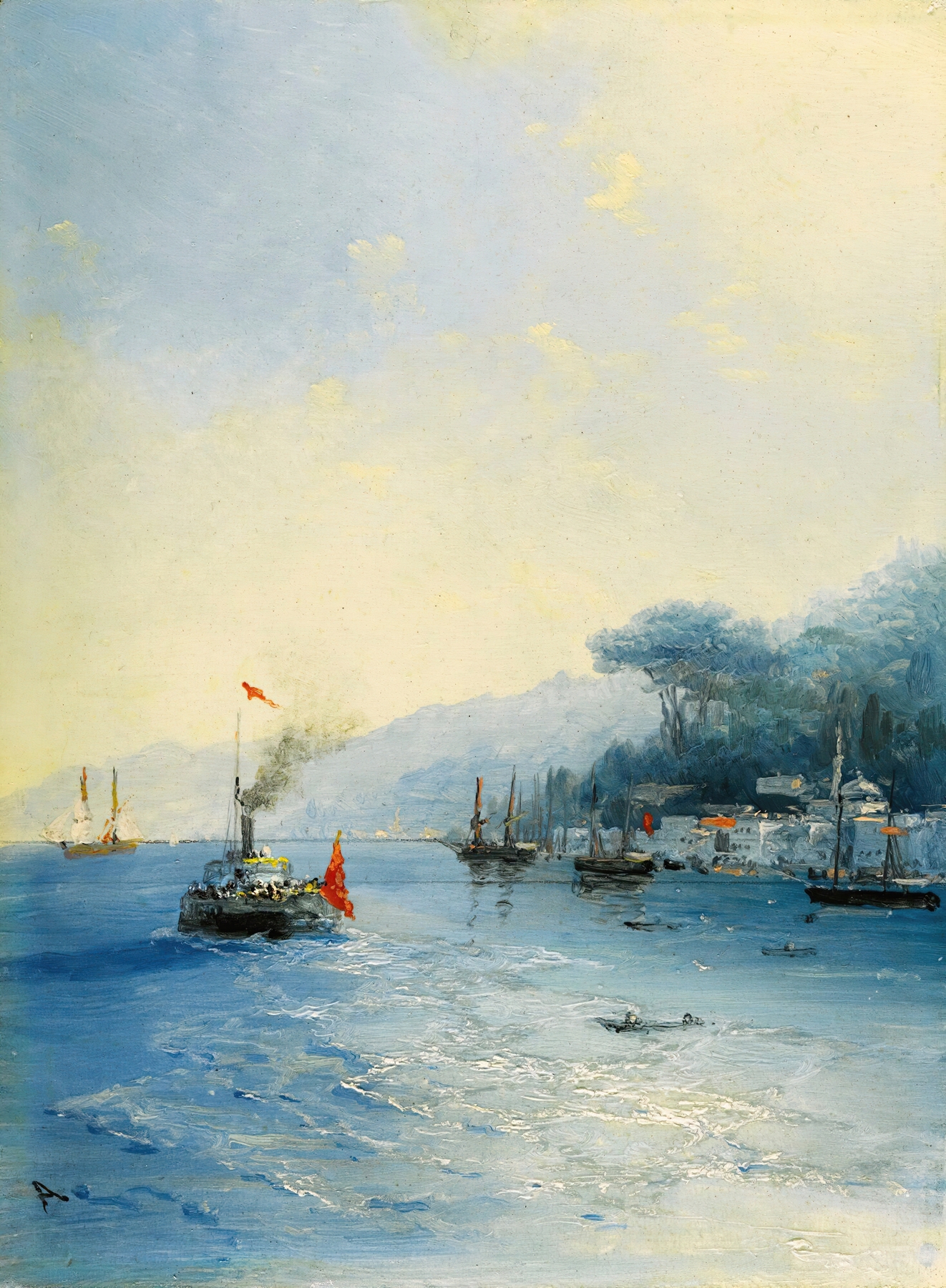
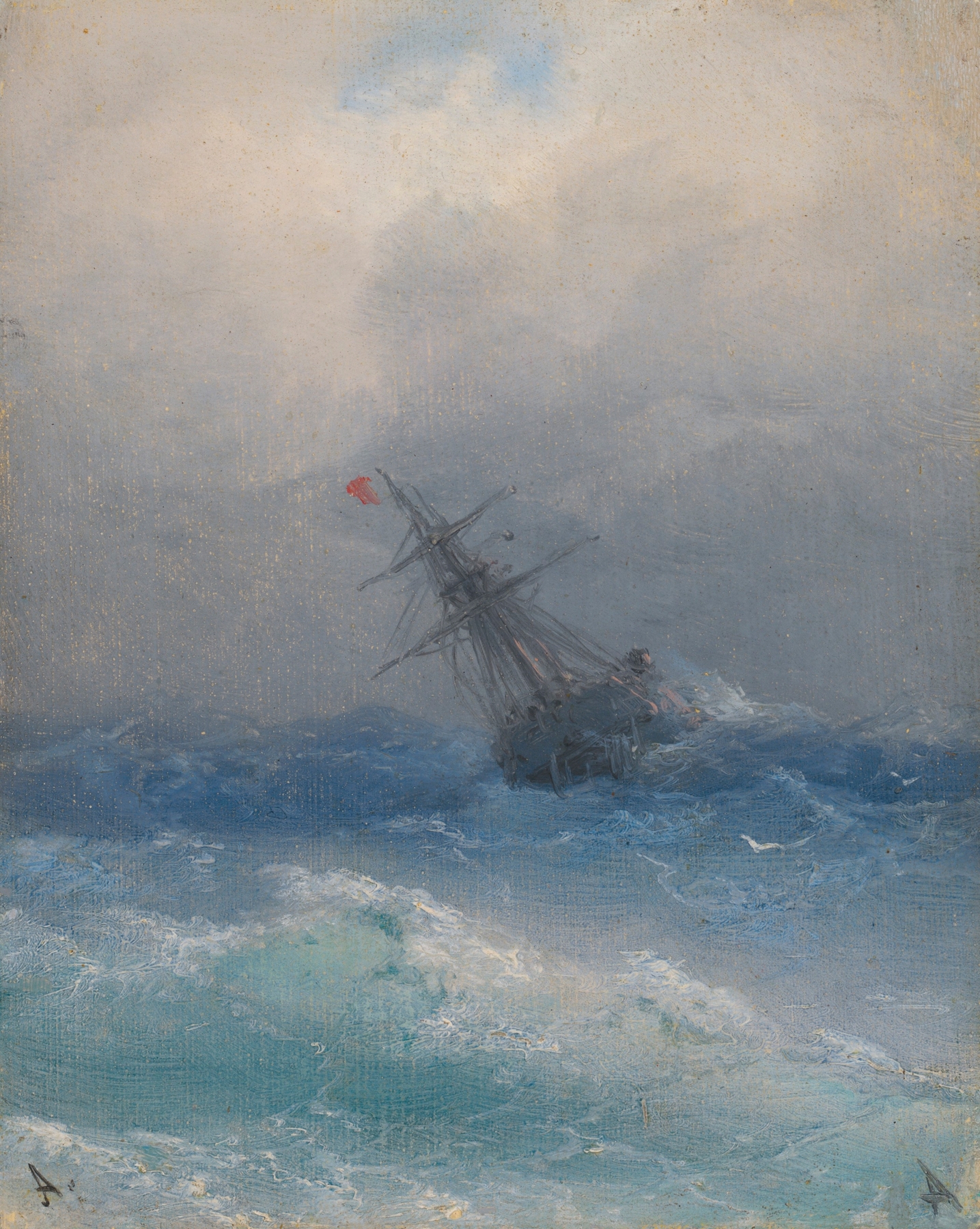
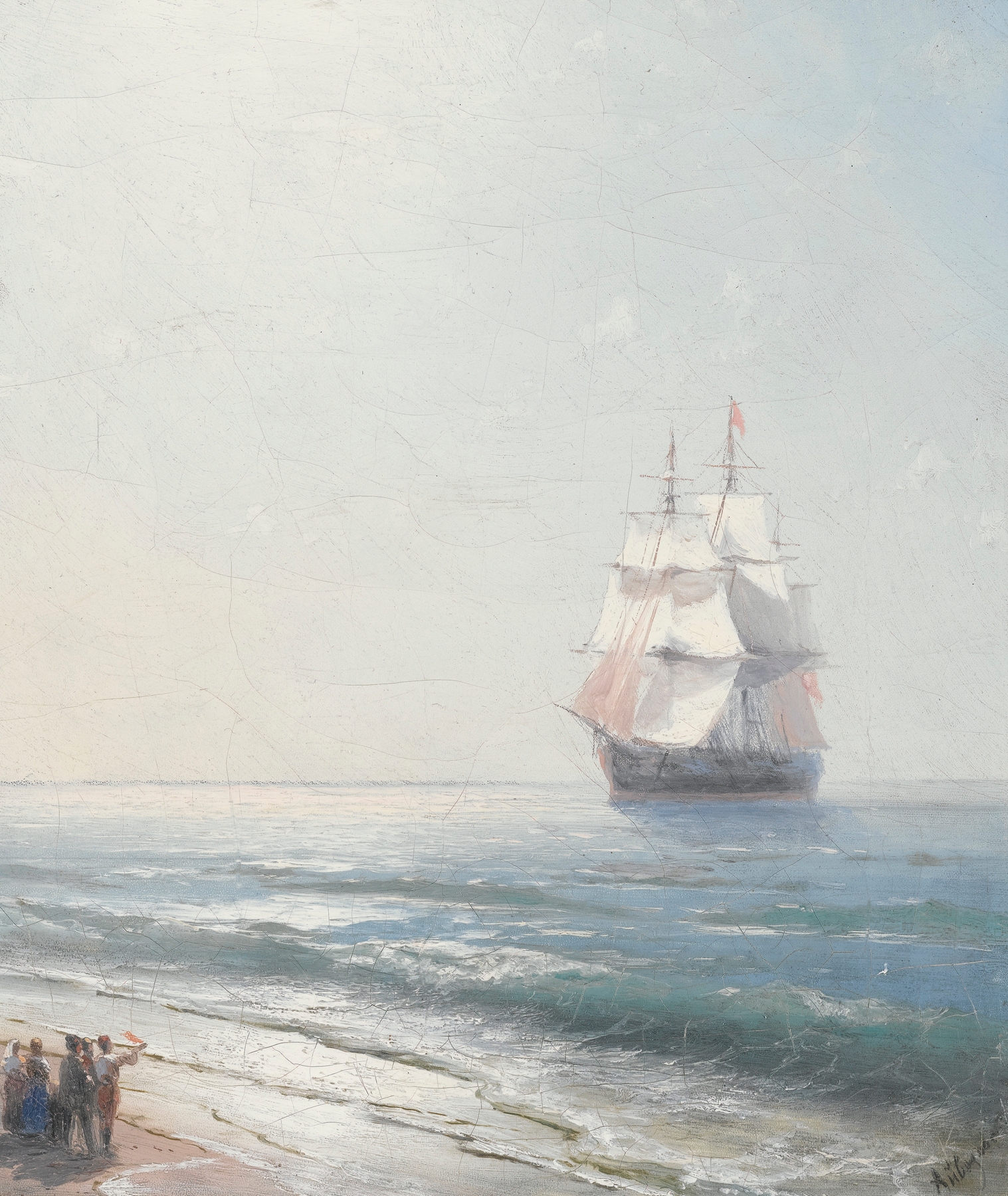
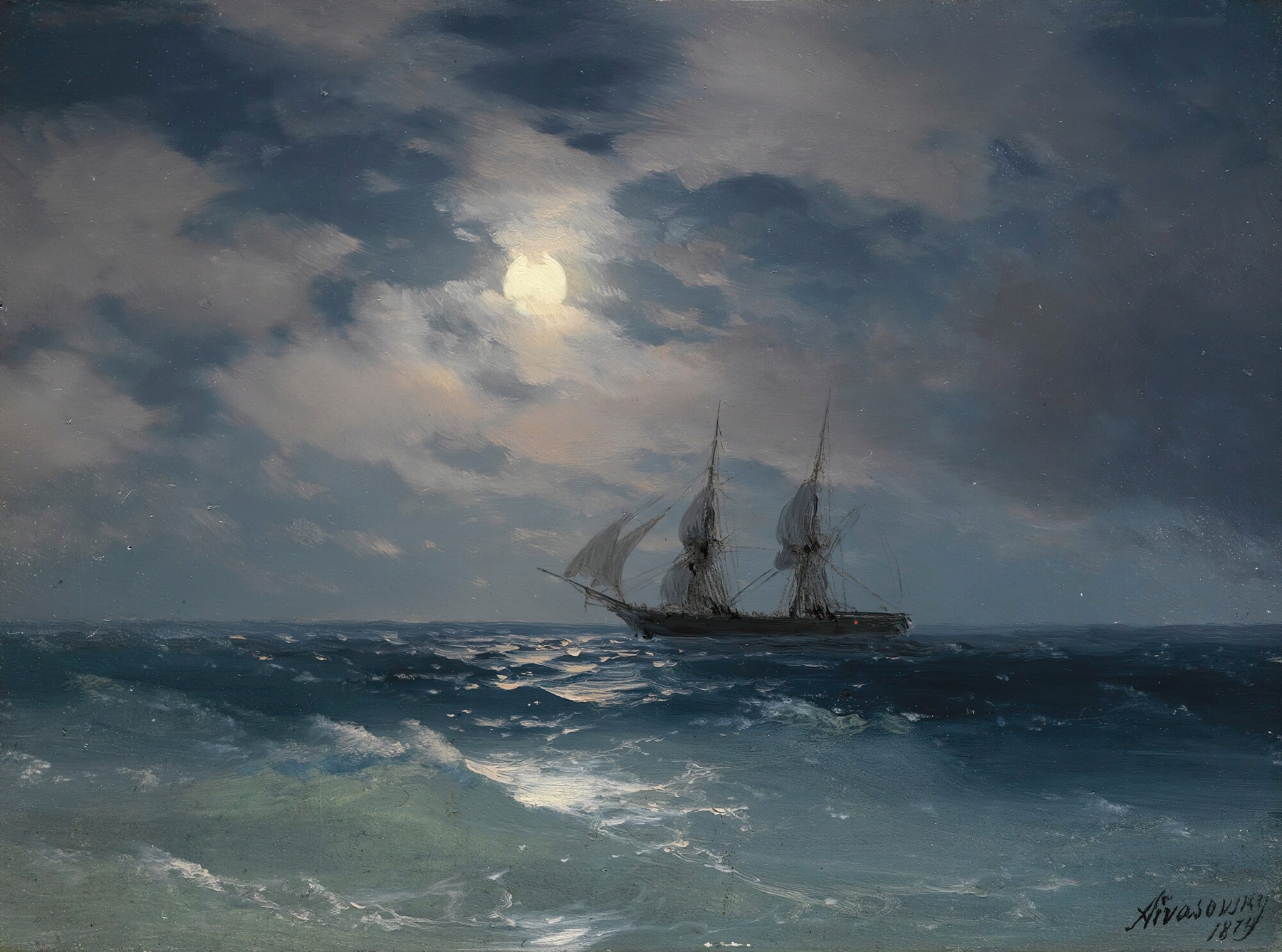
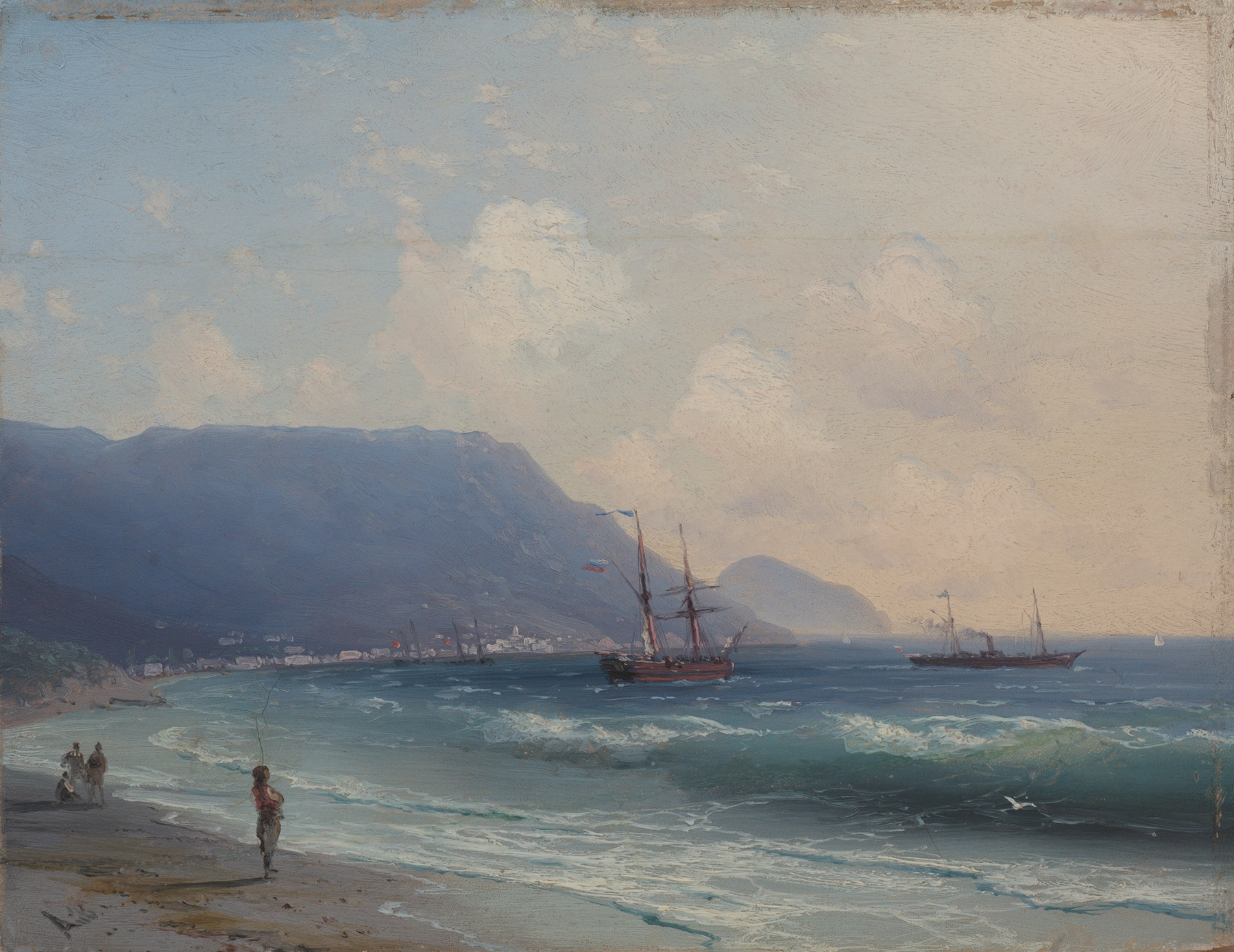
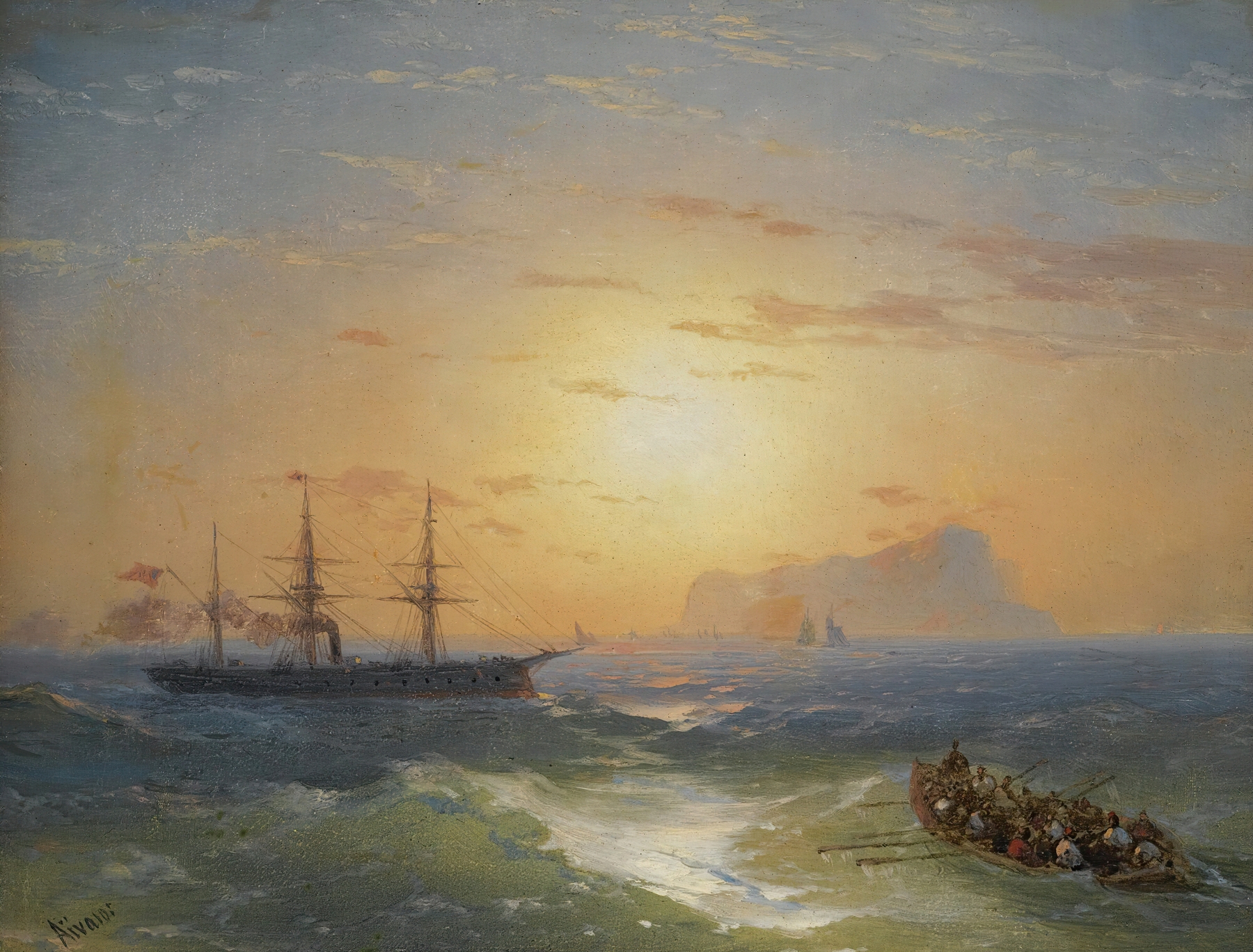
Could beauty survive in a century of chaos? As waves crash against the hulls of two distant vessels, a quiet obsession for the sublime emerges from the depths of a restless sea. Look to the center of the canvas where the ships are poised in a breathtaking standoff, their sails billowing against a backdrop of swirling clouds. The textured strokes create an ethereal dance of light and shadow, emphasizing the drama of nature at play.
Notice the deep blues and grays, punctuated by glimmers of sunlight cascading through the clouds, enhancing the tension between the ships and the encroaching storm. The precision of Aivazovsky's technique captures not just movement, but an emotional landscape that mirrors the unpredictability of life at sea. Within the turbulence lies a subtle contrast: the calm determination of the ships against the chaotic backdrop of nature’s fury. This balance hints at a deeper obsession—a yearning for mastery over the elements, representing humanity's struggle against the vastness of existence.
The ships, almost anthropomorphized, seem to embody the resilience of spirit amidst chaos, while the tumultuous sea reflects the inner turmoil of the human condition. In 1863, Aivazovsky was at the height of his career in Russia, celebrated for his unparalleled skill in marine painting. His works were marked by a fascination with light and movement, capturing both the physical and emotional resonance of the sea. During this time, the world was embroiled in political upheaval and transformation, yet he found solace and inspiration in the beauty of nature, striving to immortalize its grandeur through his art.