Un domingo en los suburbios de San Isidro — History & Analysis
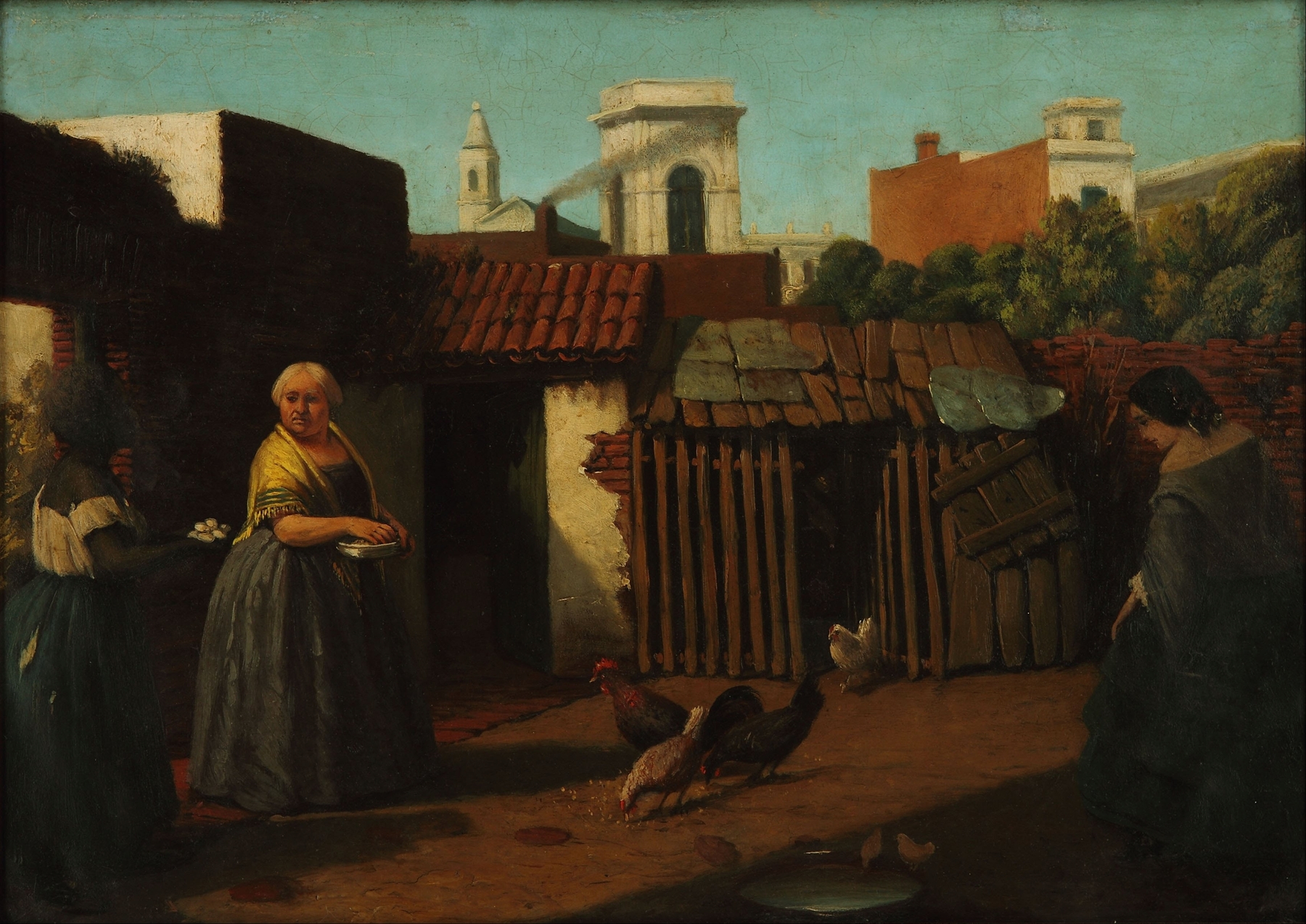
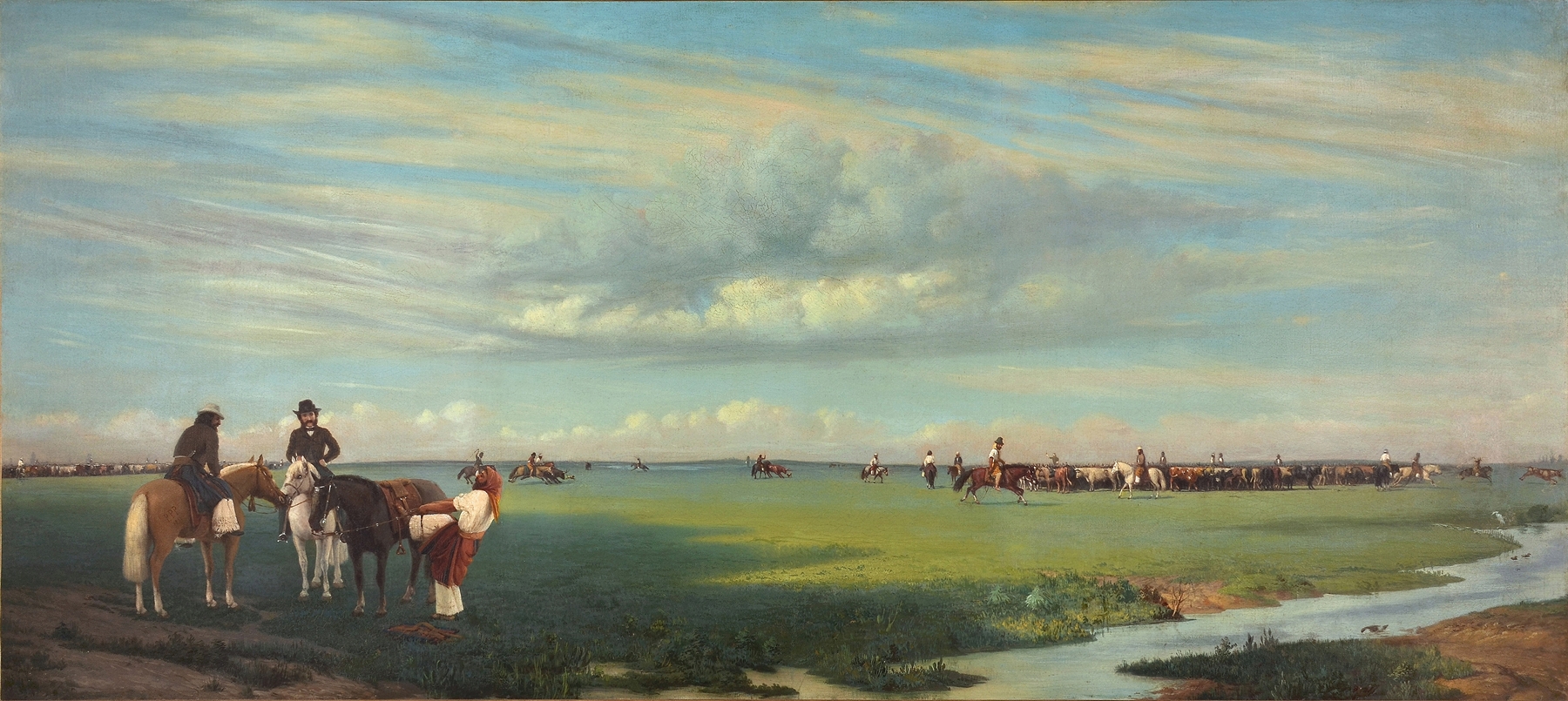
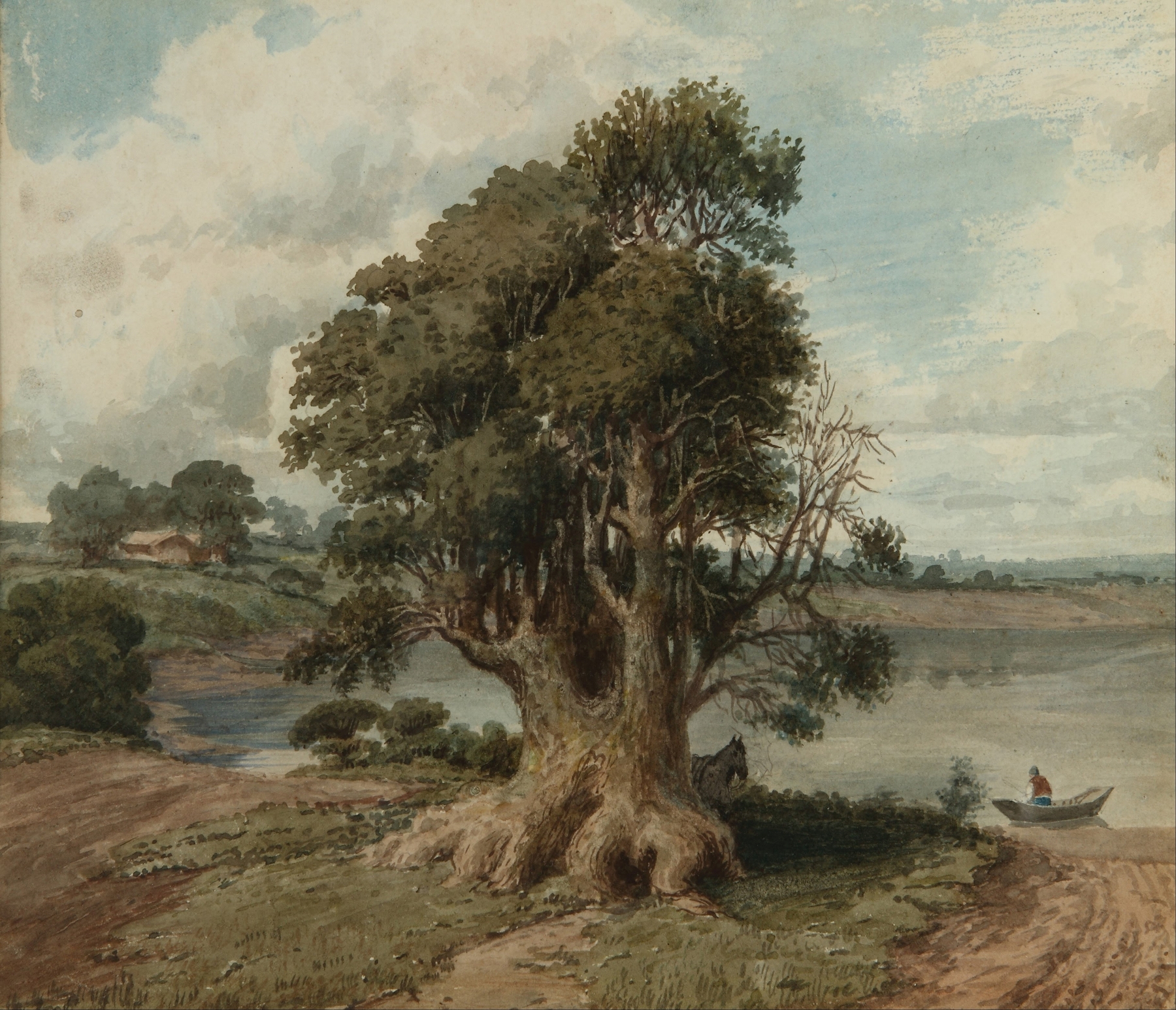
Where does light end, and longing begin? In the quiet expanse of suburbia, whispers of fear intertwine with the gentle embrace of sunlight, casting shadows that speak of untold stories. Look to the center of the canvas where figures congregate, their gestures hinting at unvoiced conversations. The warm, golden hues of the afternoon sun spill across the landscape, illuminating the lush greenery and the charming architecture of the homes in the background.
Notice how the light dances on the characters' faces, revealing a mix of hope and uncertainty, while the delicate brushwork brings a sense of immediacy to their interactions. As you linger on the details, observe the contrasting expressions of joy and apprehension among the subjects. The rigid posture of one figure suggests an inner turmoil, while another seems blissfully lost in thought, embodying the duality of existence. This interplay invites reflection on the complexities of life’s moments; the mundane can often veil deeper emotions—a palpable tension between the serene beauty of the scene and the fear of what lies beneath its surface.
In 1864, Prilidiano Pueyrredòn painted this piece amidst a period of personal and artistic growth, navigating the cultural shifts in Argentina. The burgeoning visual arts scene was influenced by European currents, and he sought to capture the essence of local life while confronting the new changes within society. This painting reflects not only his artistic prowess but also a poignant commentary on the human experience in a rapidly evolving world.