Paisaje (Tres Bocas Tigre) — History & Analysis
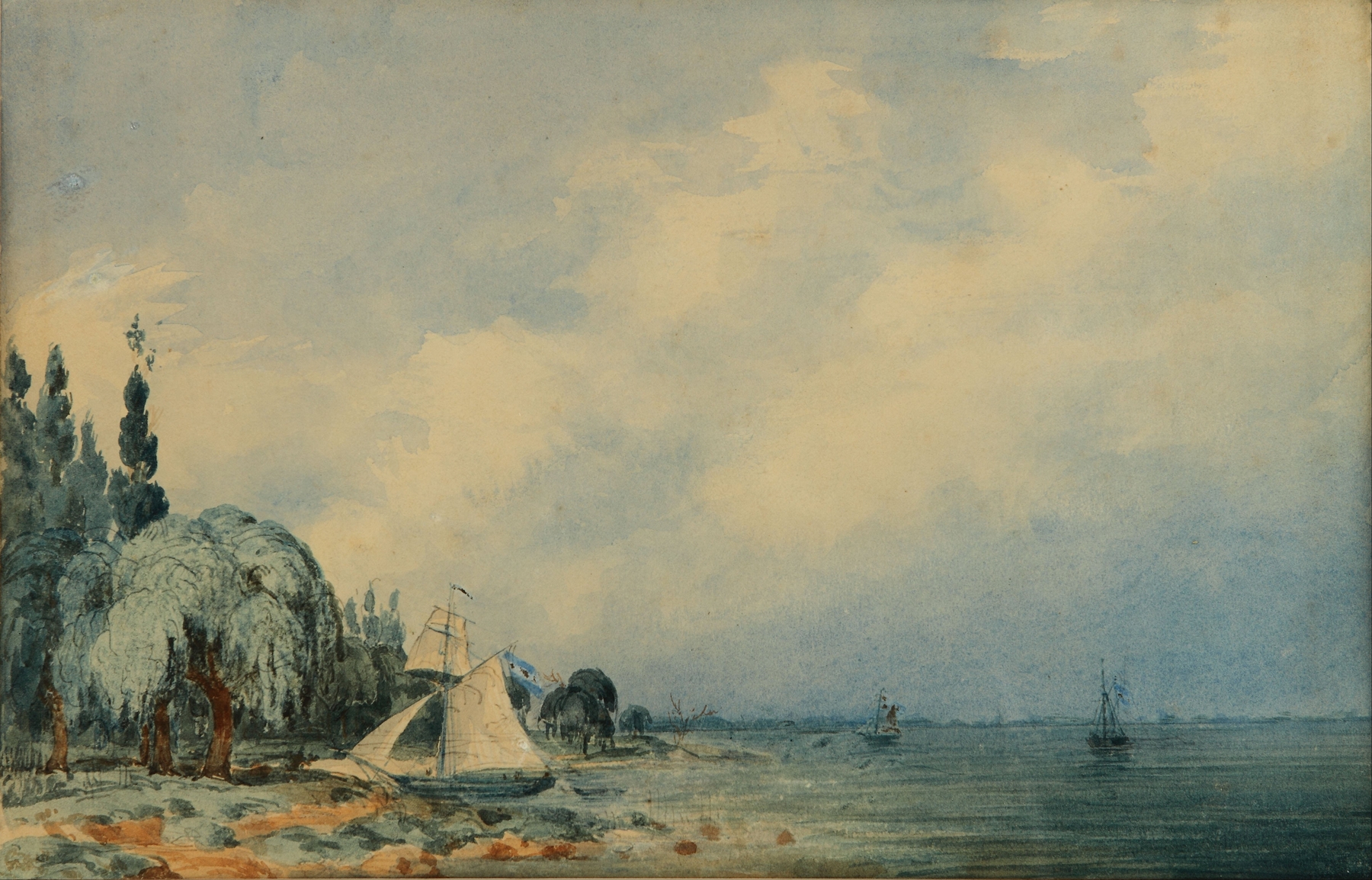
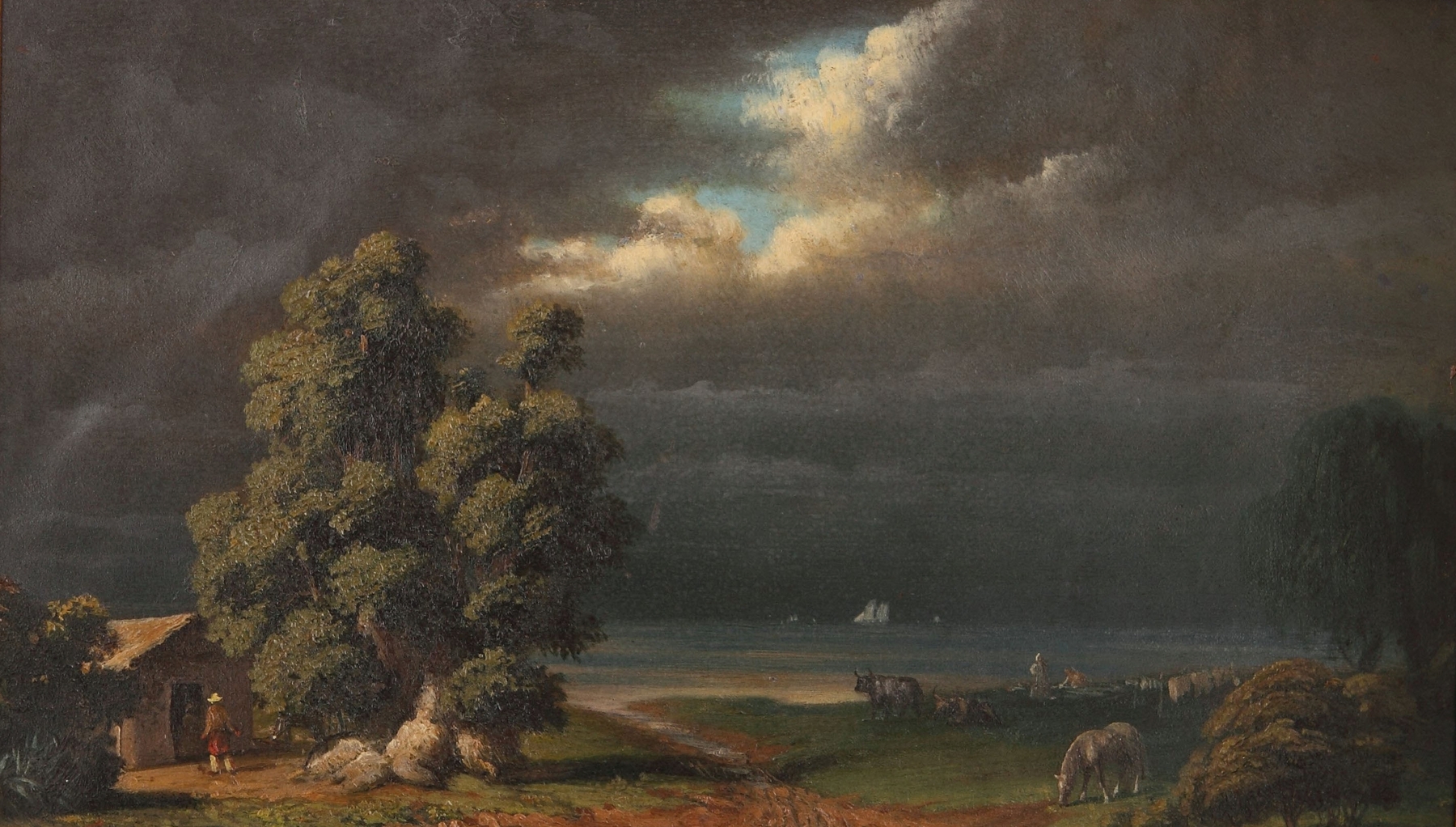
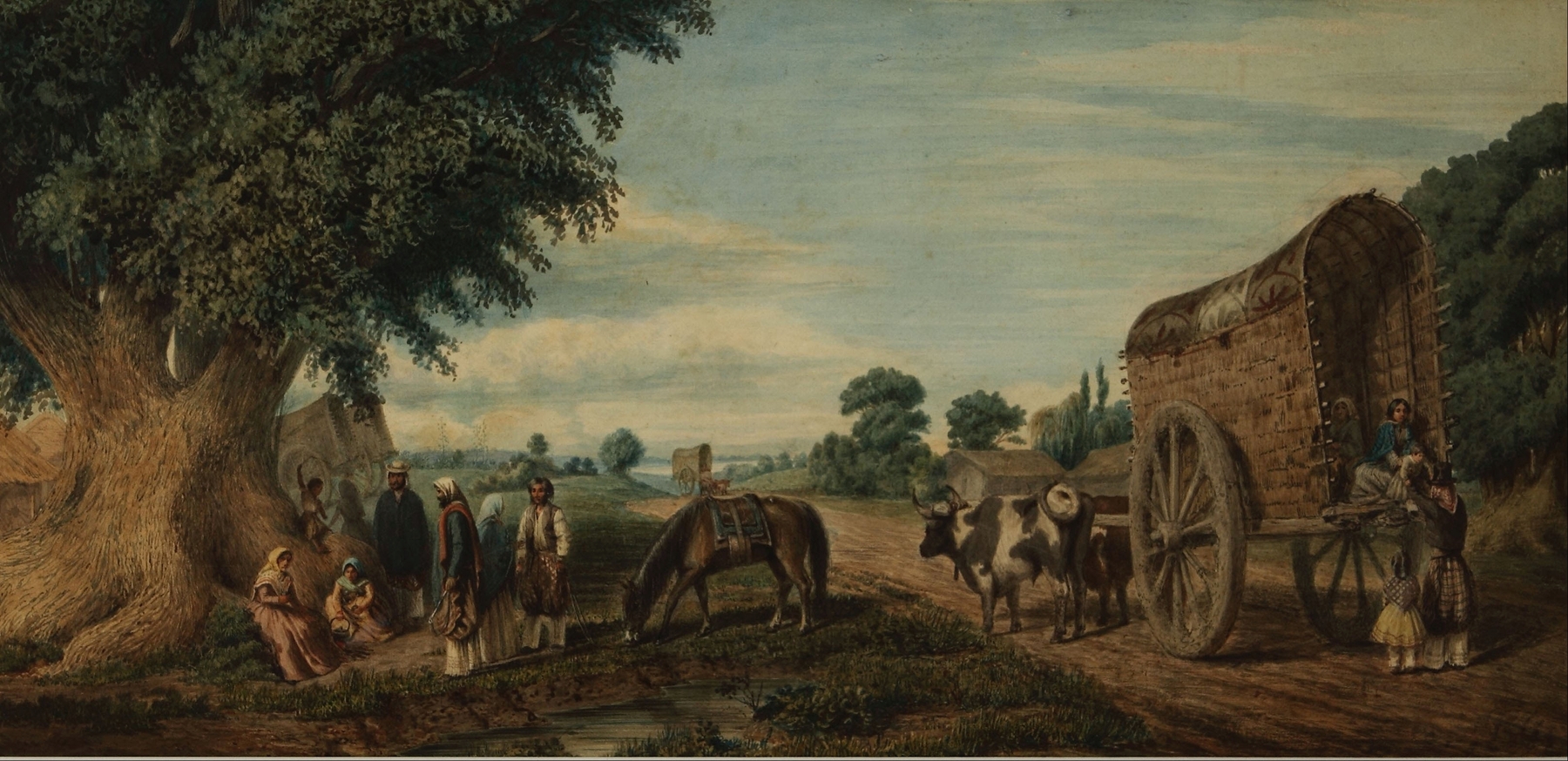
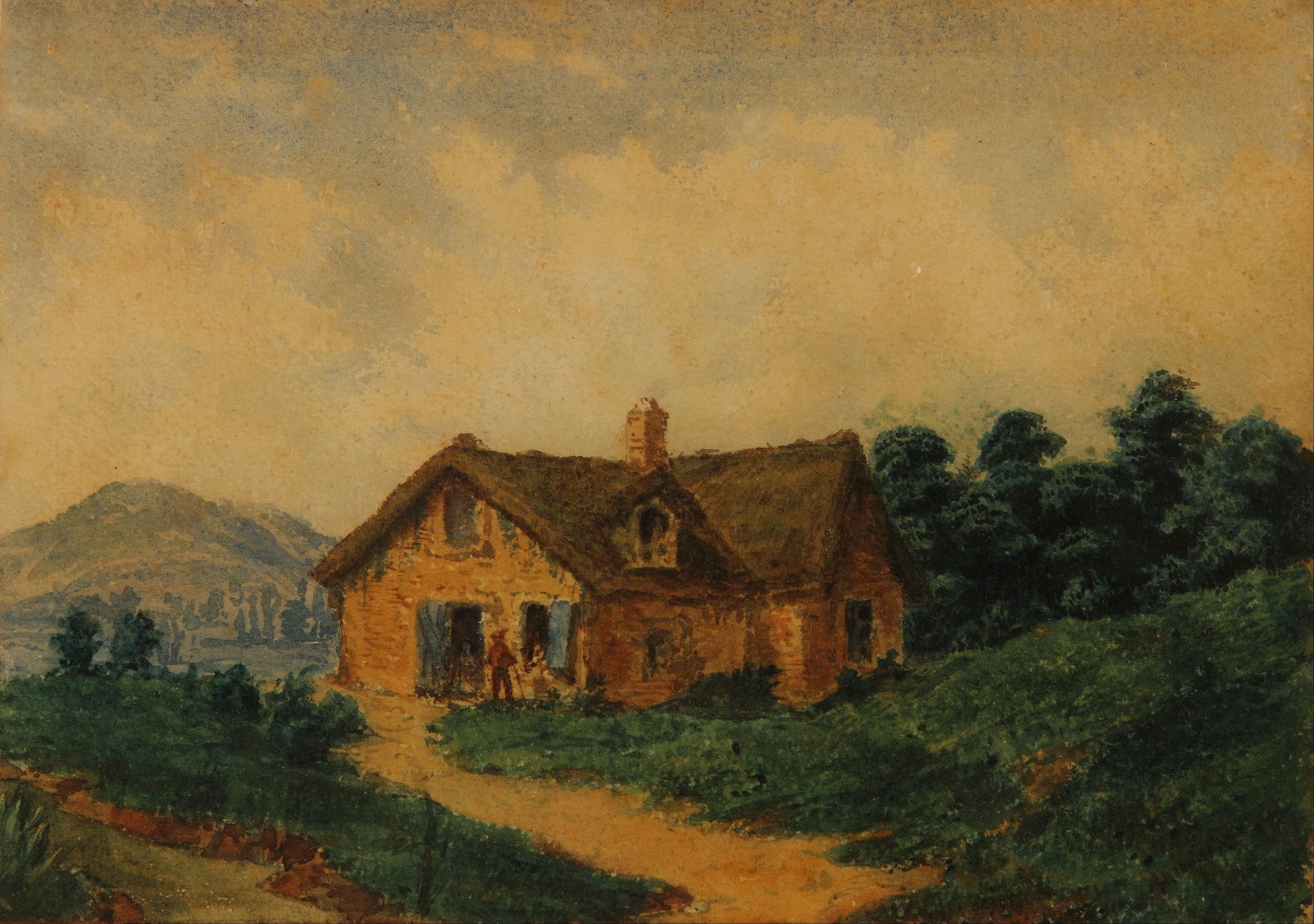
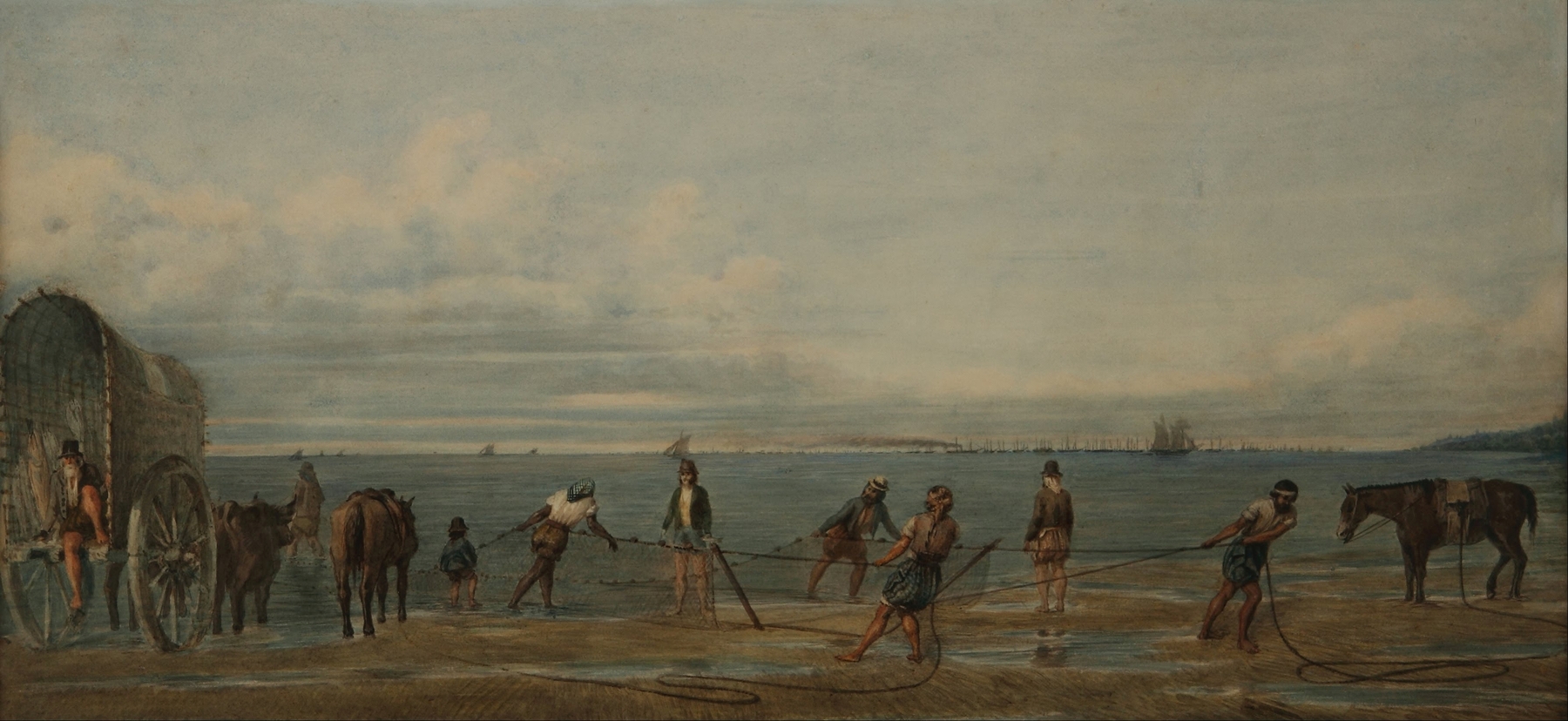
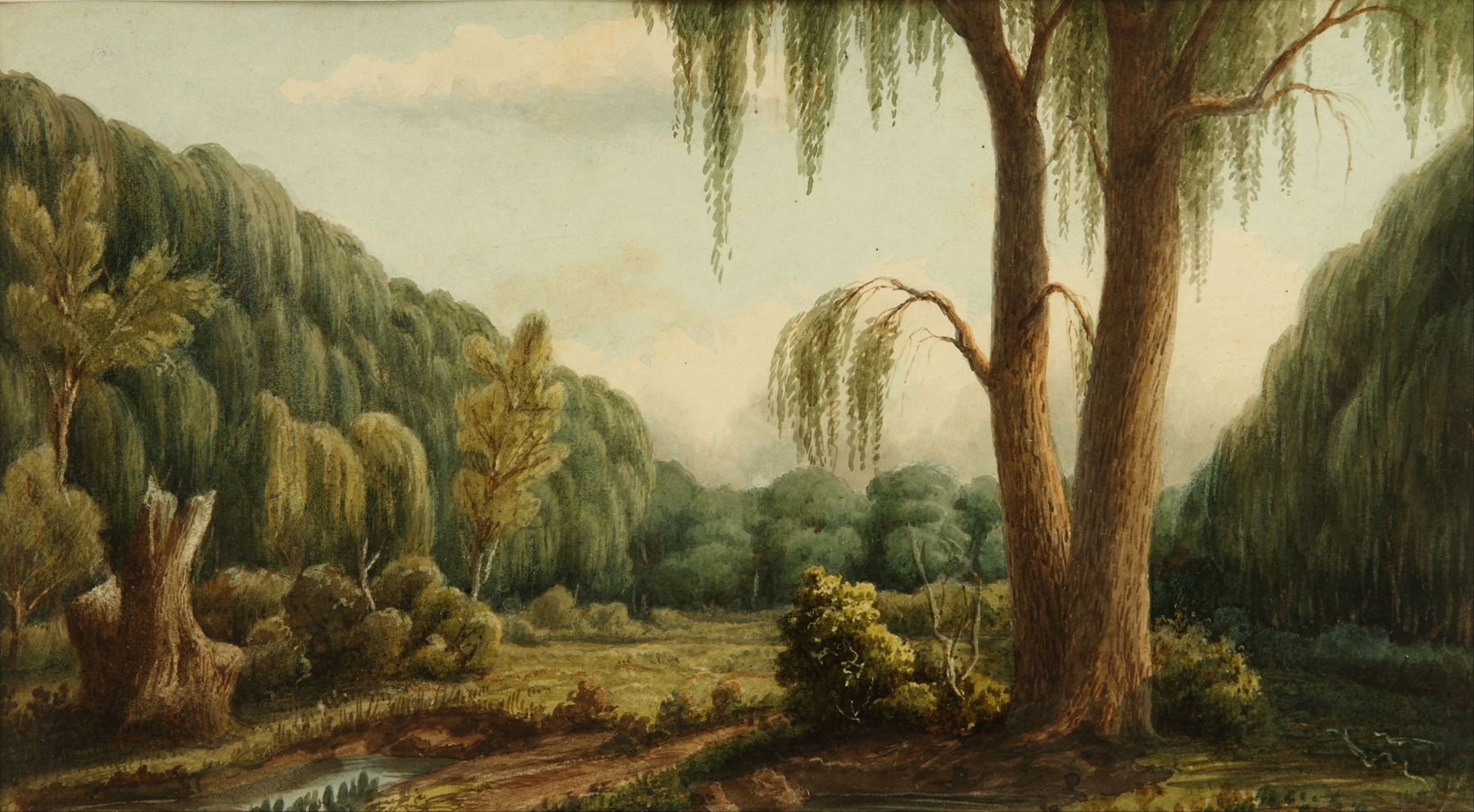
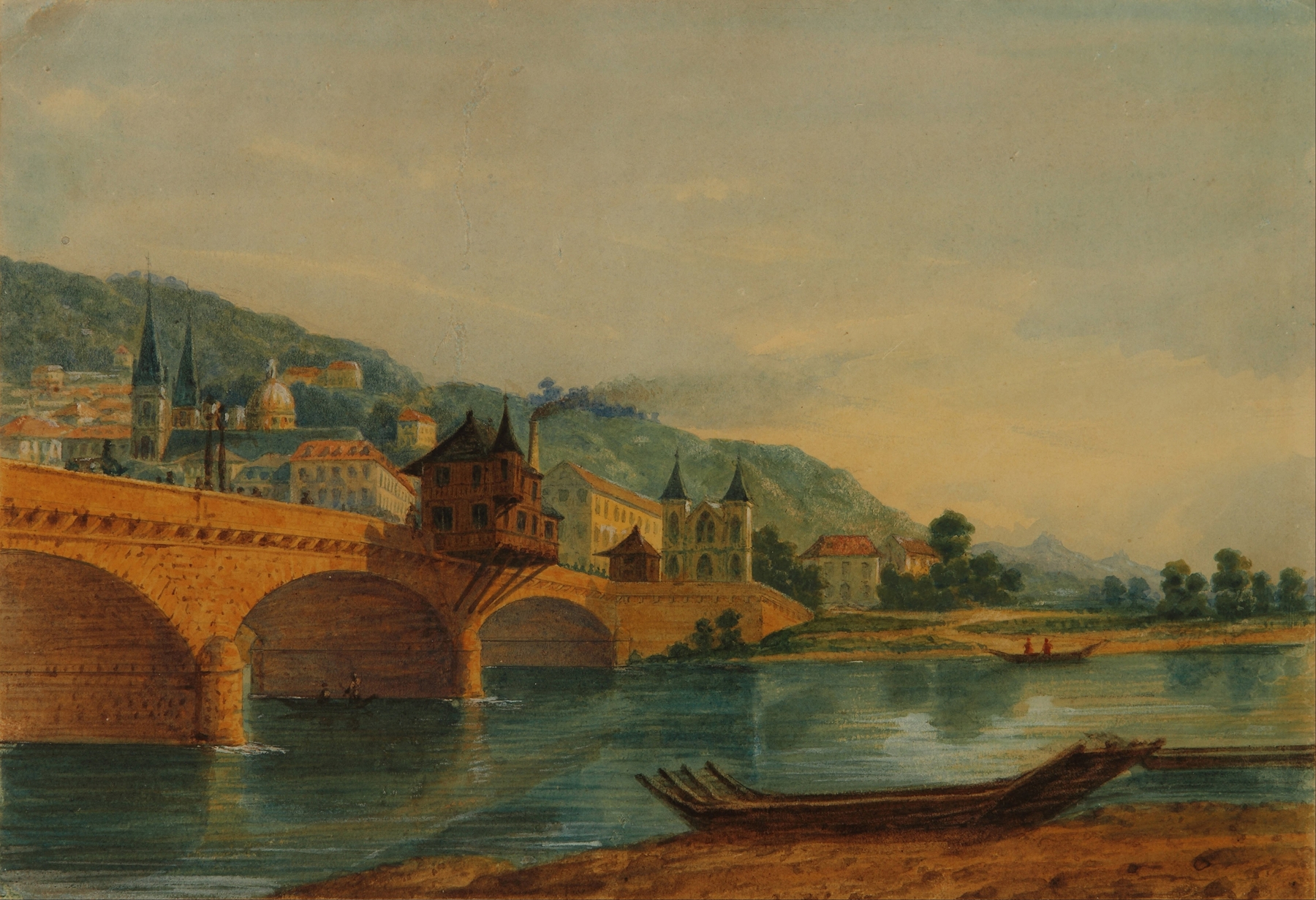
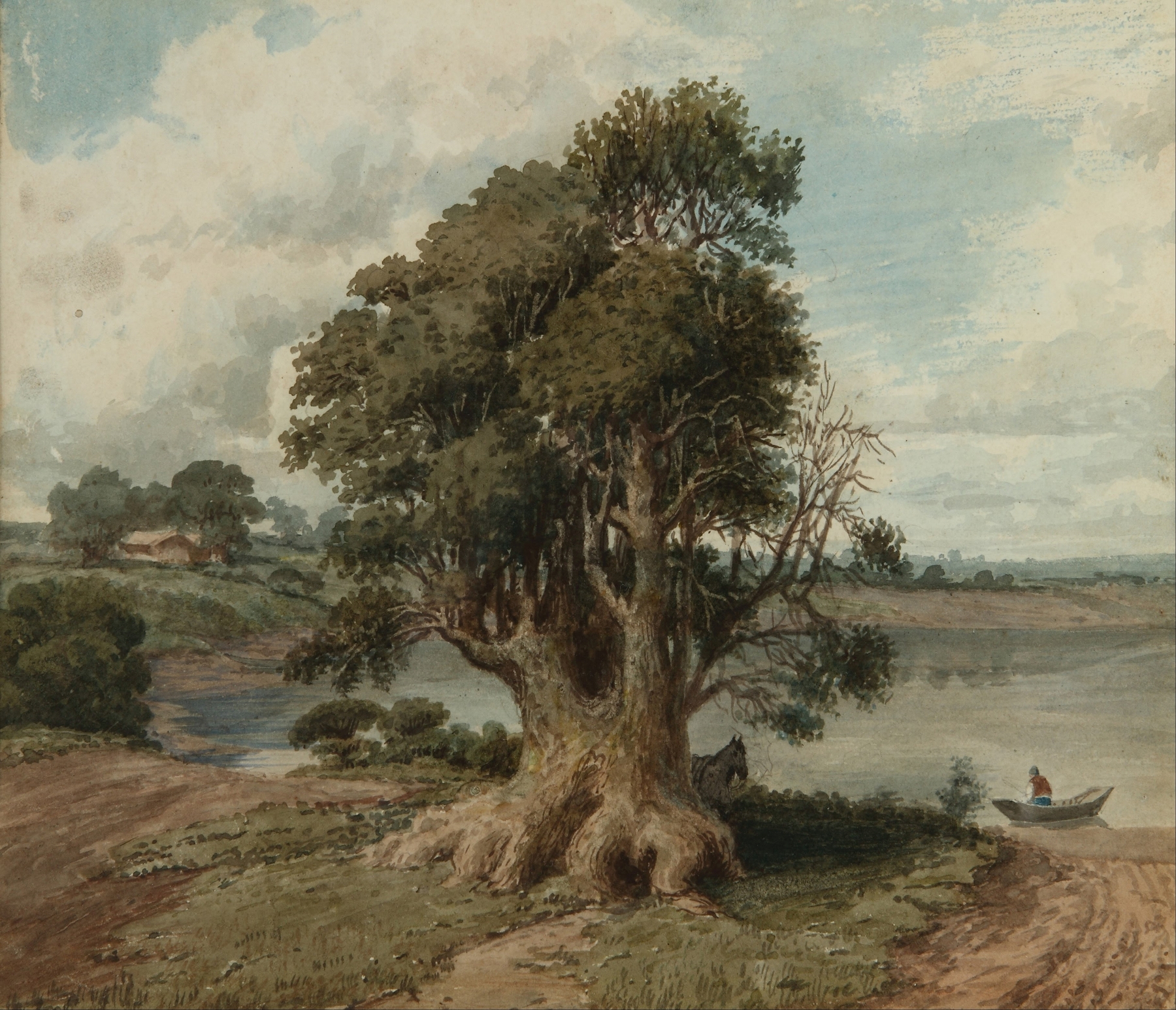
What if beauty was never meant to be finished? In Paisaje (Tres Bocas Tigre), nature unfolds with a rawness that invites both admiration and a sense of unresolved tension, hinting at betrayal tucked within its serene beauty. Look to the left at the delicate interplay of water and foliage, where a tranquil river gleams under the gentle embrace of sunlight. The artist’s deft brushwork creates a luminous atmosphere, inviting the viewer to trace the serpentine flow of the water with their eyes.
Notice how the earthy tones of the land contrast vividly with the vibrant green of the trees, a deliberate choice that enriches the scene's depth and complexity, engaging viewers in a subtle tug-of-war between tranquility and unrest. Beneath the idyllic surface, the painting hints at themes of alienation and loss. The flowing river, while picturesque, may symbolize the passage of time or the inevitability of change, evoking feelings of yearning for what has been lost.
The quietude of the landscape belies a deeper narrative—a whisper of betrayal that resides in the beauty itself, suggesting that nature, while captivating, holds secrets that echo the fragility of human experience. Prilidiano Pueyrredòn created Paisaje (Tres Bocas Tigre) between 1840 and 1870, during a period marked by political upheaval and a growing interest in landscape painting in Argentina. This work emerged amidst his explorations of national identity and the sublime beauty of his homeland, reflecting both personal introspection and a broader cultural awakening within the art world.