Bosque de Palermo — History & Analysis
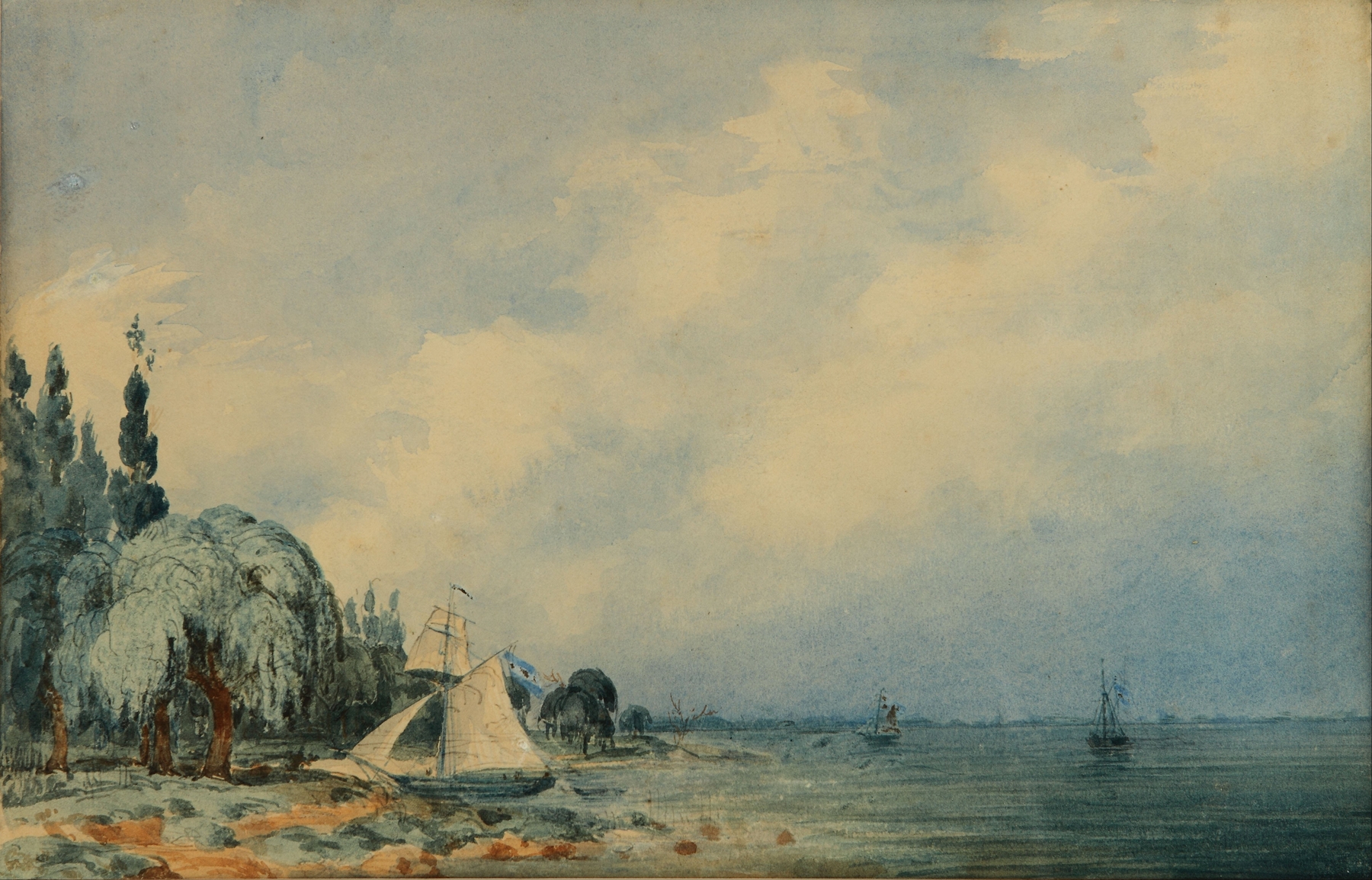
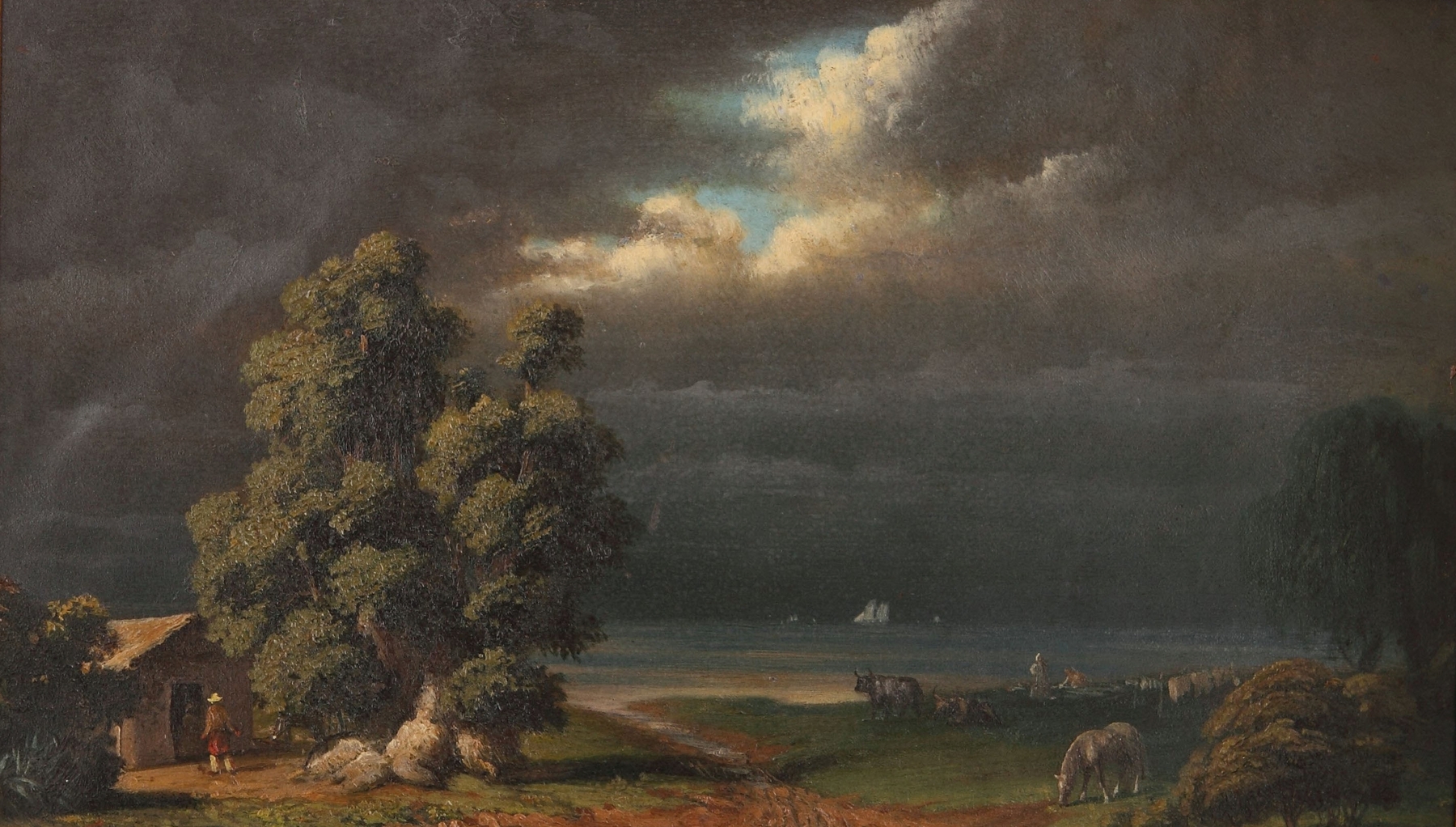
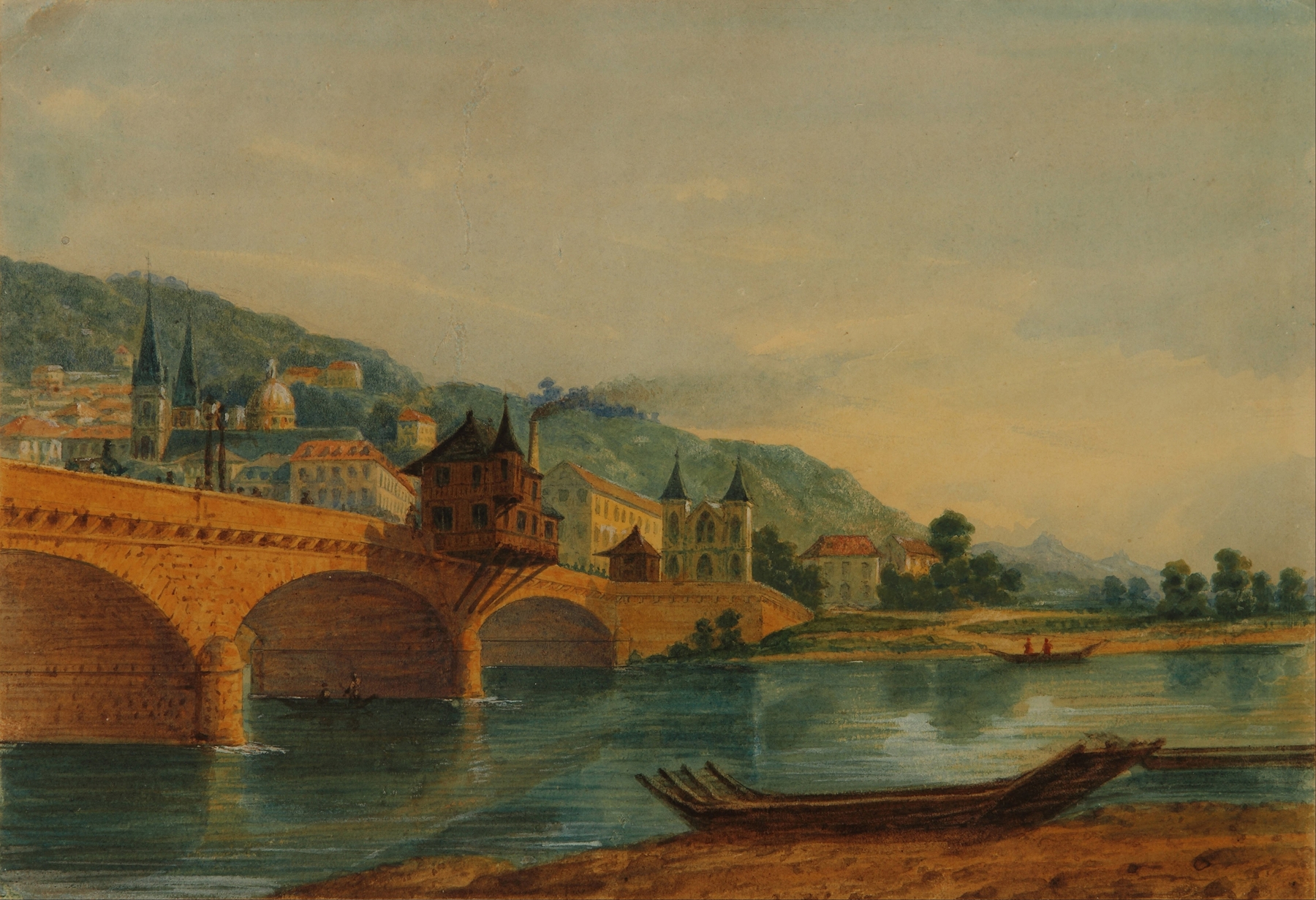
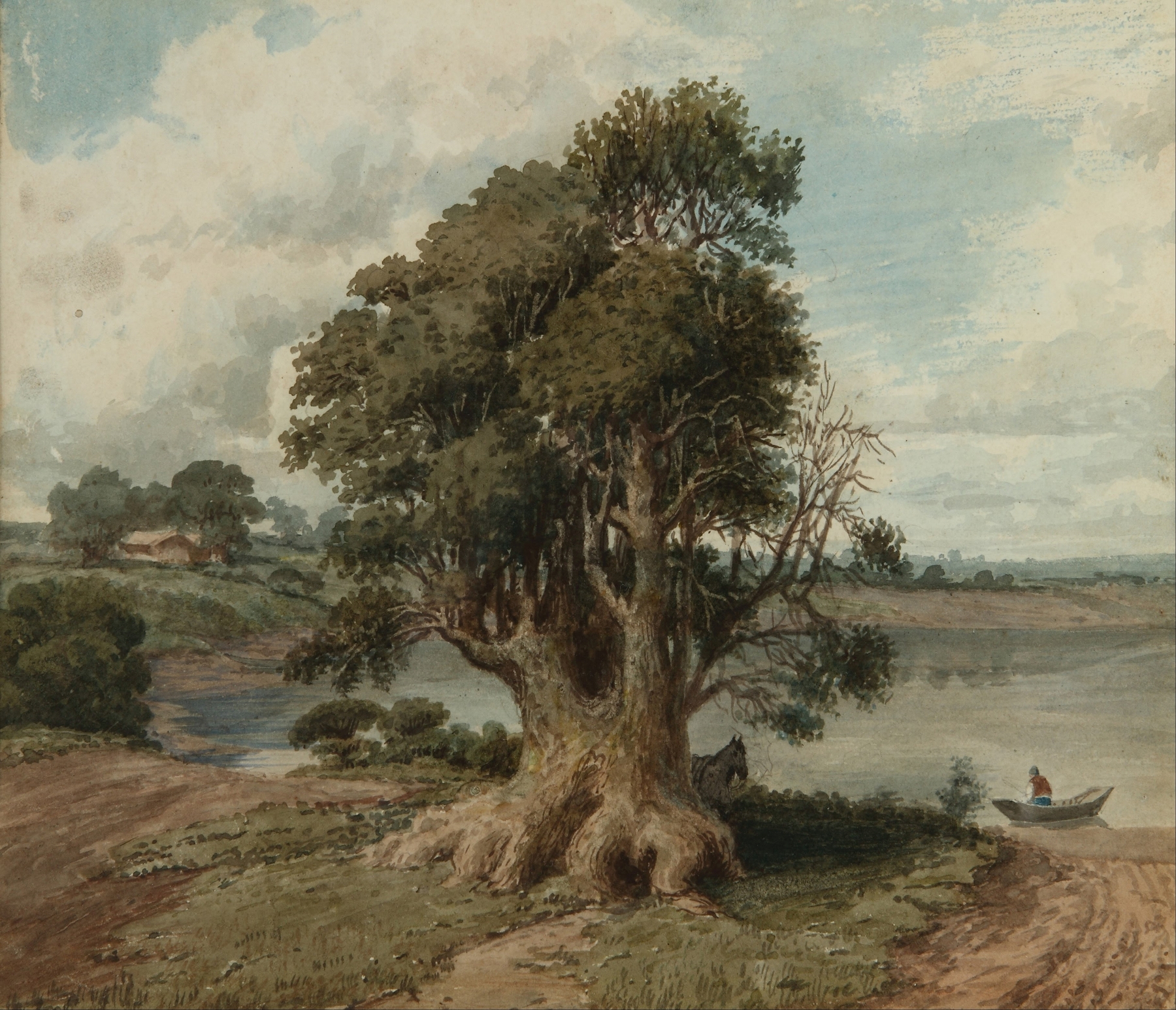
What if beauty was never meant to be finished? Prilidiano Pueyrredòn invites us to ponder this idea in Bosque de Palermo, a work that transforms the natural landscape into a reverent dialogue between the seen and unseen. Focus on the play of light that dances through the foliage, illuminating patches of vibrant green. Notice how the trees frame the composition, their trunks standing like sentinels, guiding your gaze deeper into the dense forest. The soft, diffused light creates a dreamlike atmosphere, as if the scene exists between reality and a reverie.
Each brushstroke evokes a sense of immediacy, pulling you into this lush sanctuary of nature. Hidden within this verdant embrace are layers of meaning. The interplay of shadows and light symbolizes the duality of existence, hinting at both the fleeting and eternal aspects of nature. The delicate detailing of leaves and underbrush speaks to a reverence for the natural world, suggesting that beauty is not merely to be observed but experienced.
Perhaps it challenges us to consider the impermanence of moments, urging viewers to find revelation in the transient. Created during a vibrant period for Argentine art, Bosque de Palermo emerged between 1840 and 1870 when Pueyrredòn was exploring his identity as an artist. Living in a time marked by political upheaval and cultural awakening, he sought to capture the essence of his homeland's landscapes. This work embodies his dedication to presenting the beauty of nature, a reflection of both personal introspection and the larger national narrative unfolding around him.