Costa del Rio de la Plata — History & Analysis
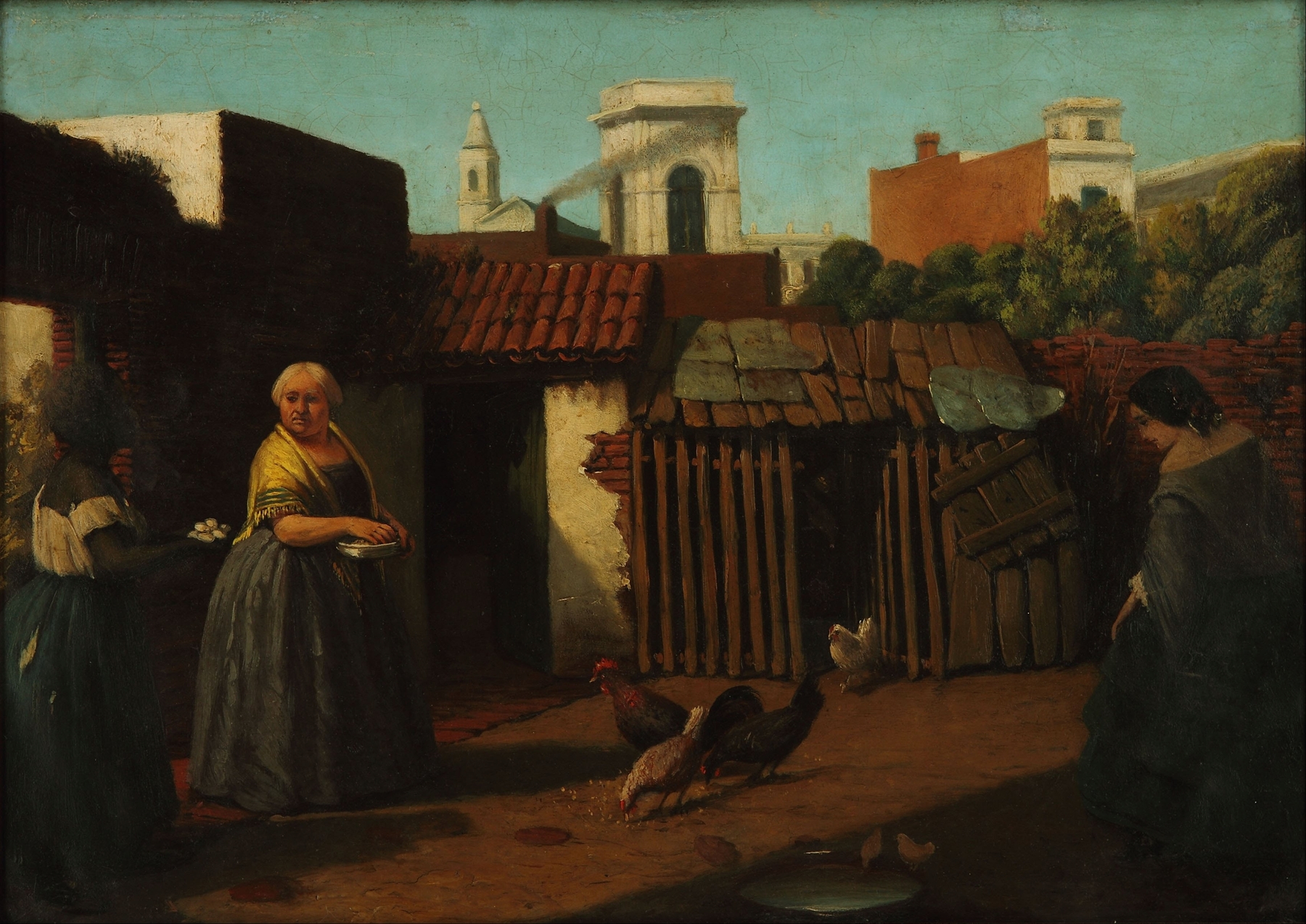
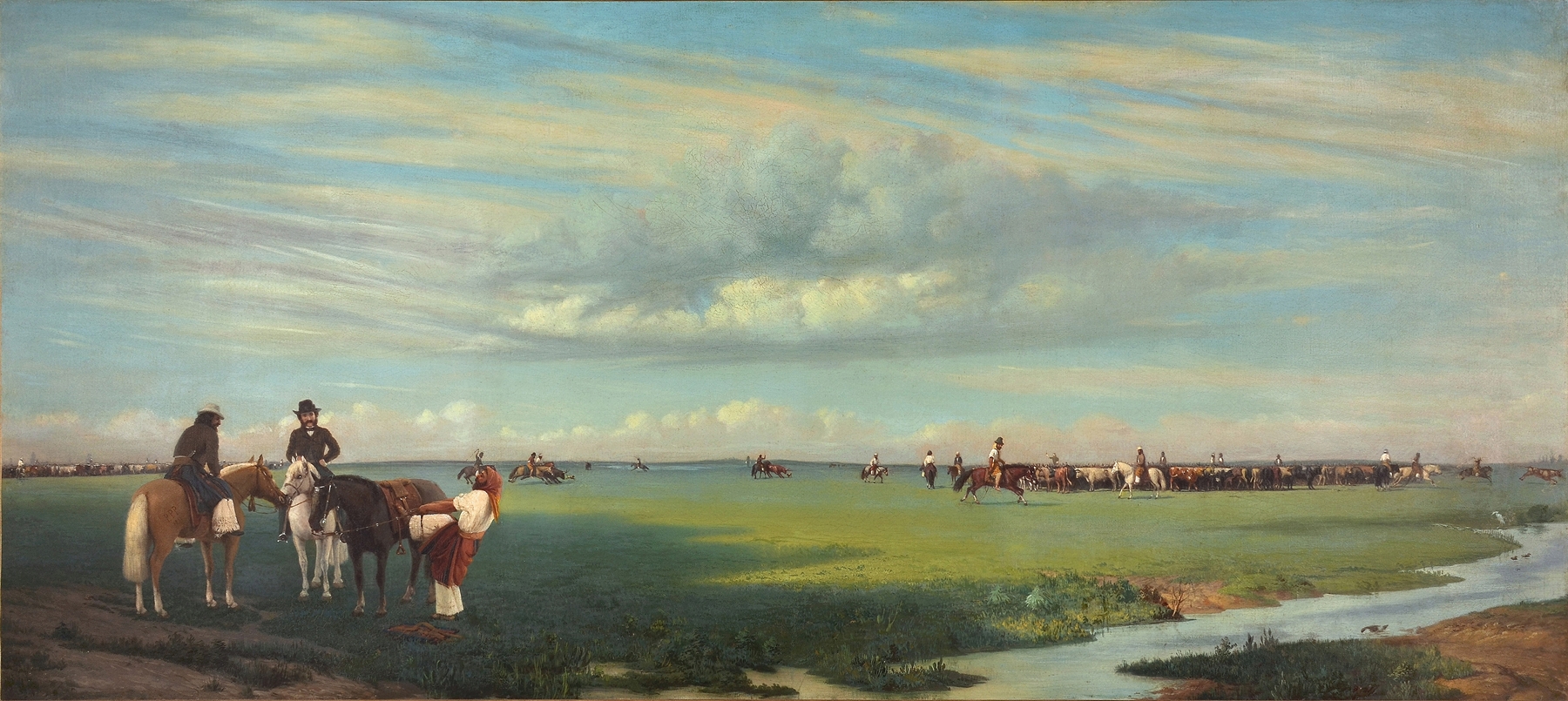
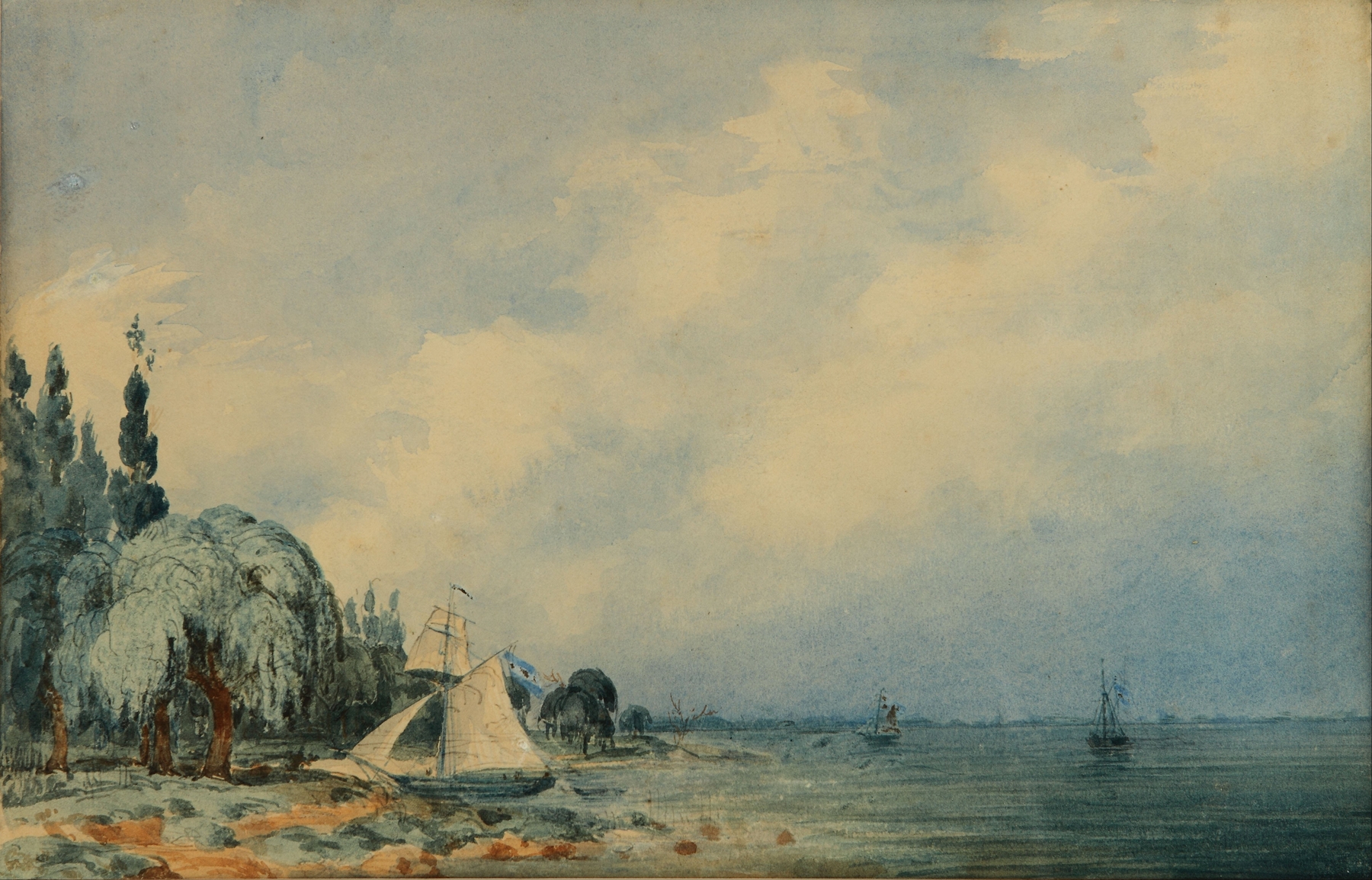
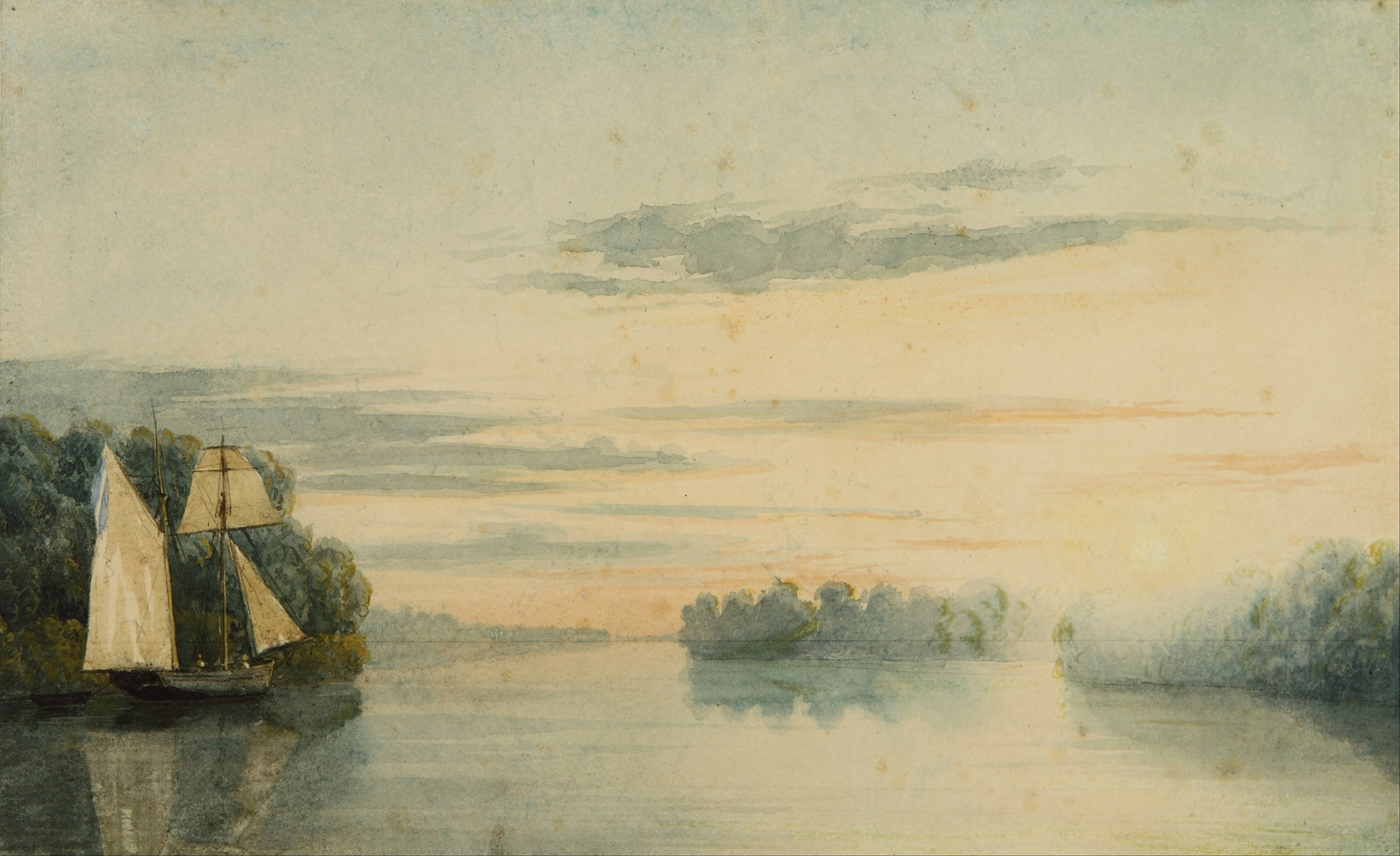
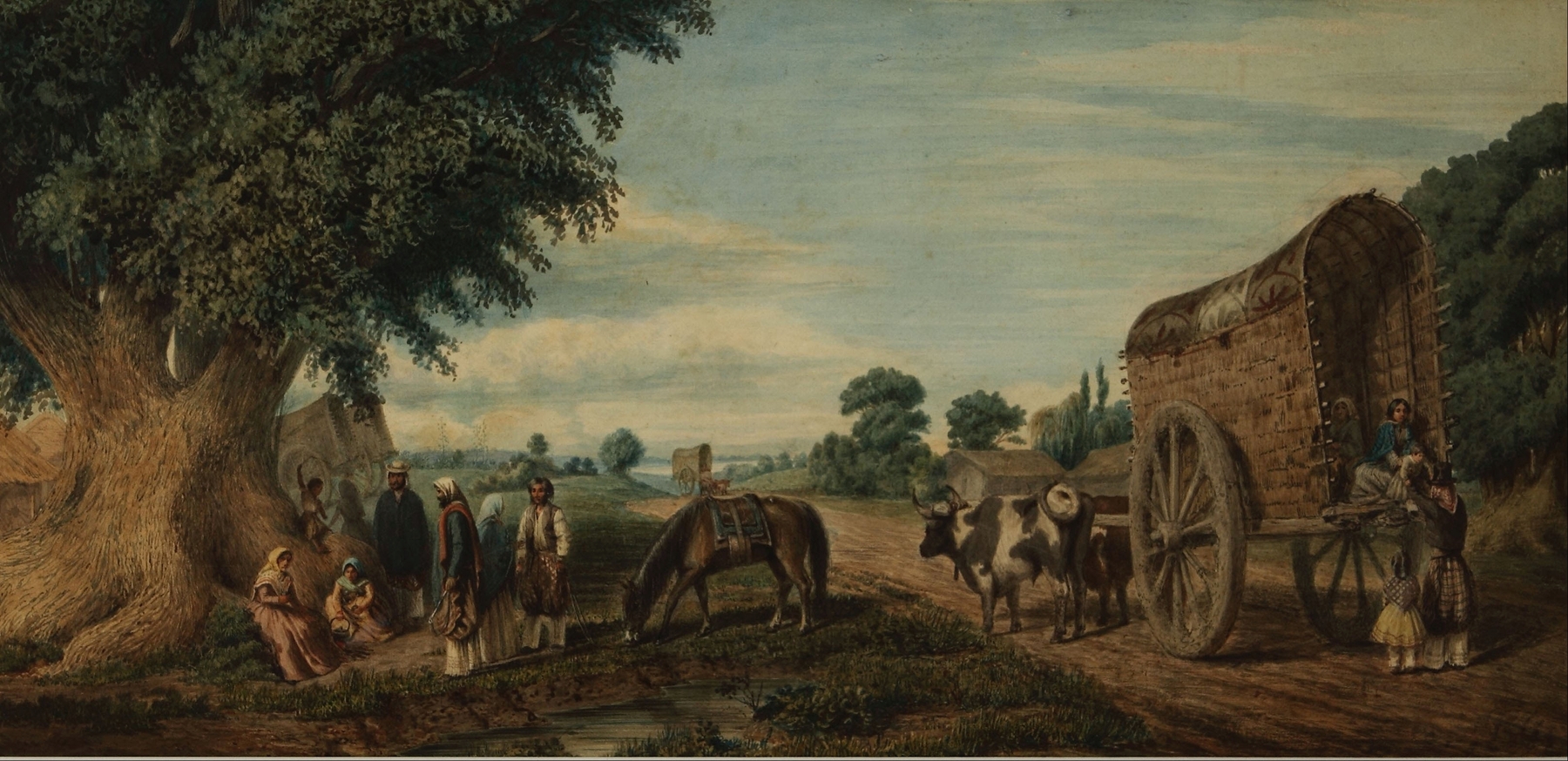
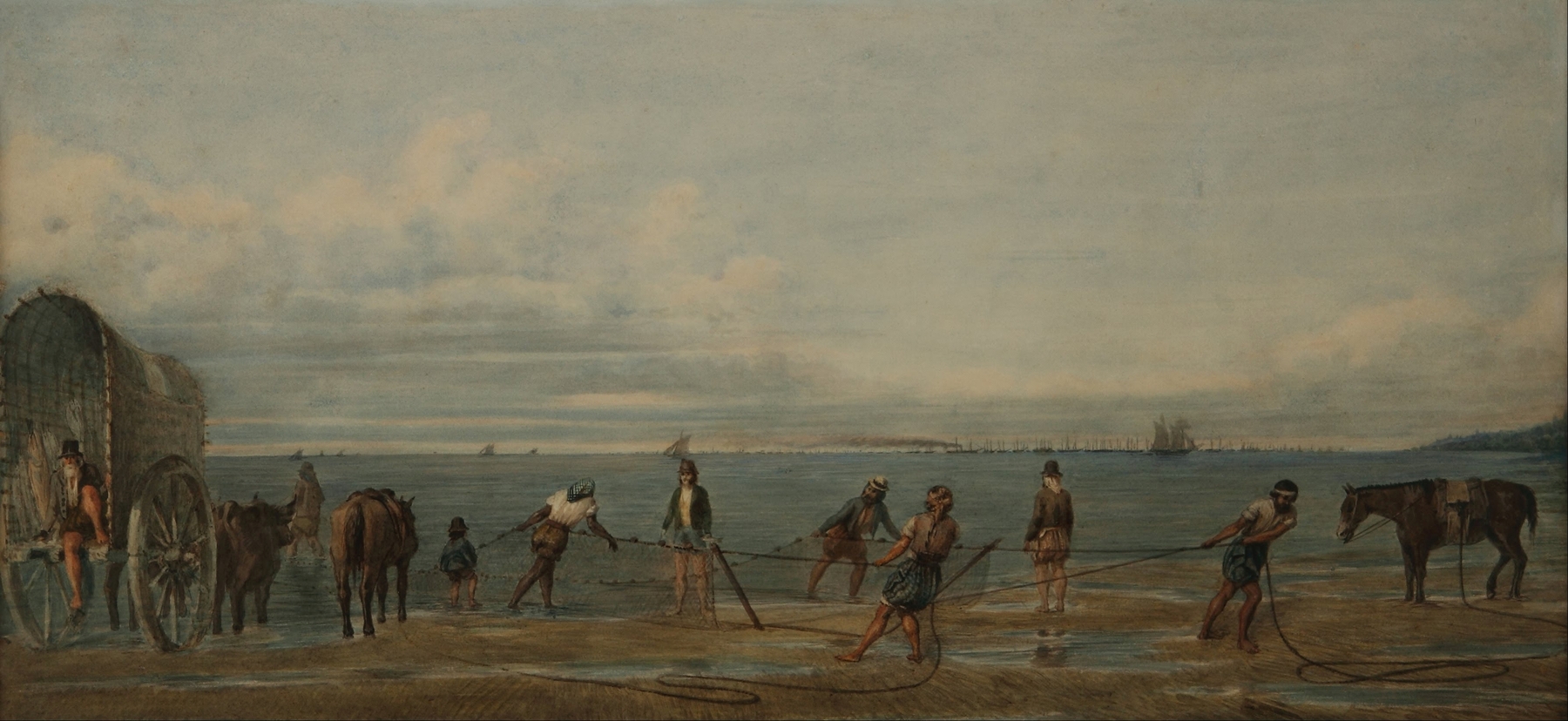
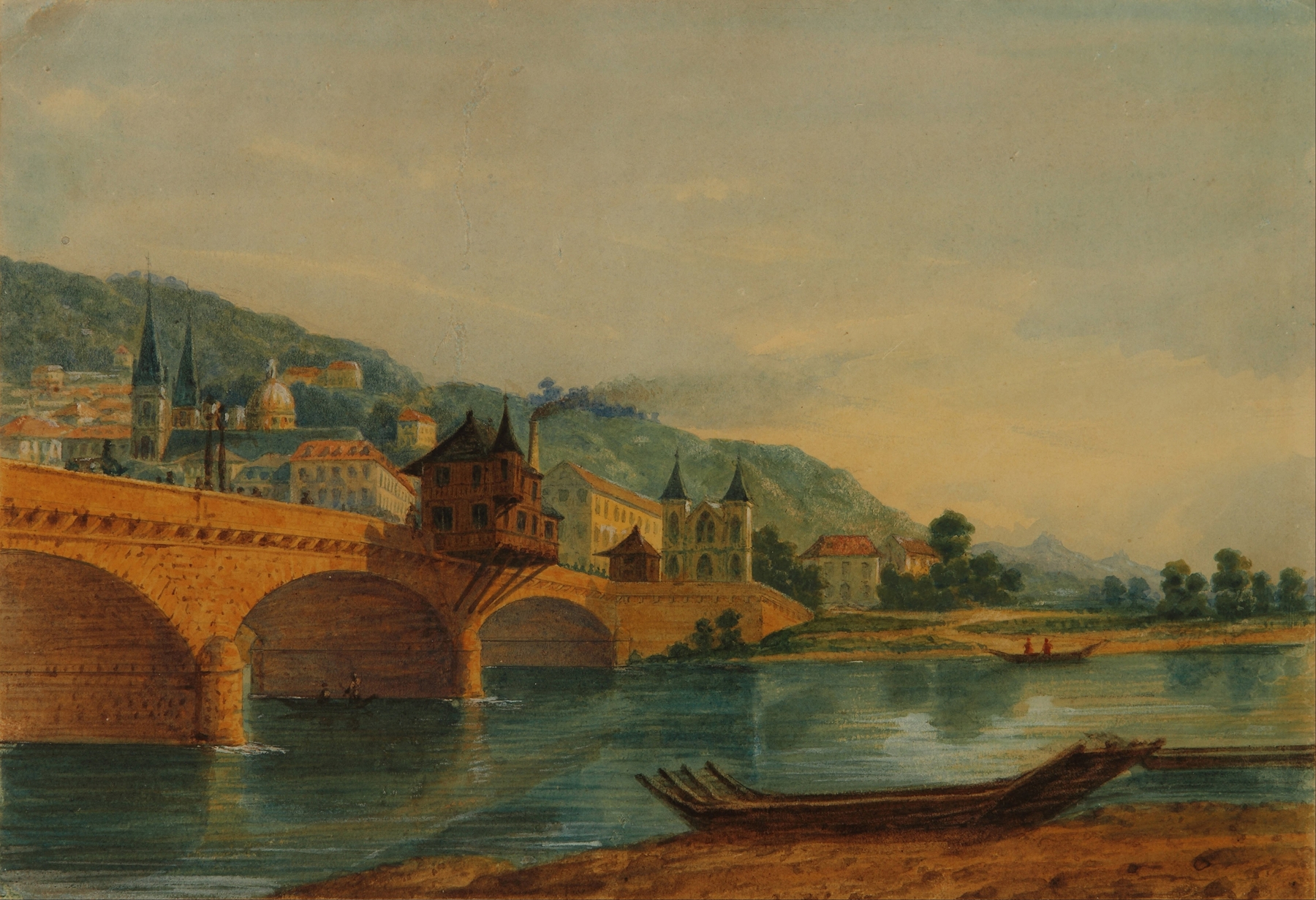
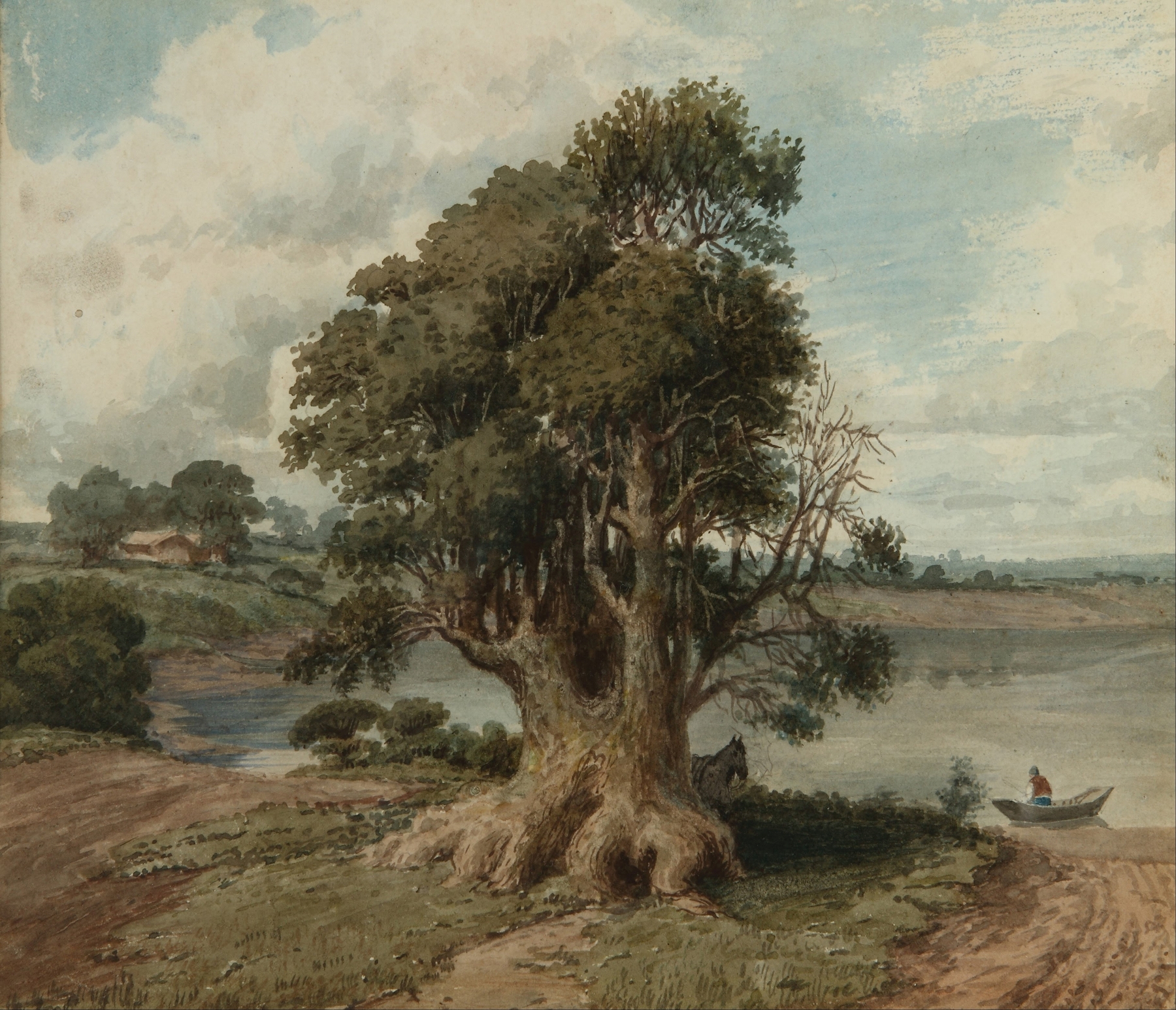
Who listens when art speaks of silence? In Costa del Rio de la Plata, the viewer is drawn into a realm where the whispers of water meet the stillness of the land, revealing truths obscured by time's passage. Look to the left at the gentle curve of the river, where the soft blue of the water mirrors the expansive sky. The subtle use of greens and browns in the foreground evokes the lush vegetation along the banks, while the delicate brushstrokes and muted palette create a serene ambiance.
The composition is anchored by a quiet horizon, where land and sky embrace, inviting the eye to explore the tranquil depths of the scene. Within this peaceful landscape lies a tension between the natural world and human absence. The absence of figures speaks volumes, suggesting a space both inviting and lonely, as if waiting for a story to unfold. The interplay of light casts a luminous glow on the water’s surface, hinting at revelations just beneath the calm exterior.
This silence resonates, evoking an introspective moment, where viewers are compelled to reflect on their own presence in the world. During the years from 1840 to 1870, Prilidiano Pueyrredòn was deeply engaged in the evolving landscape of Argentine art, marking a transition from colonial influences to a burgeoning national identity. Working in Buenos Aires, he aligned with the Romantic movement, embracing themes of nature while juxtaposing them against the backdrop of emerging modernity. His depictions reveal not only the beauty of the land but also the profound silence that accompanies its exploration.