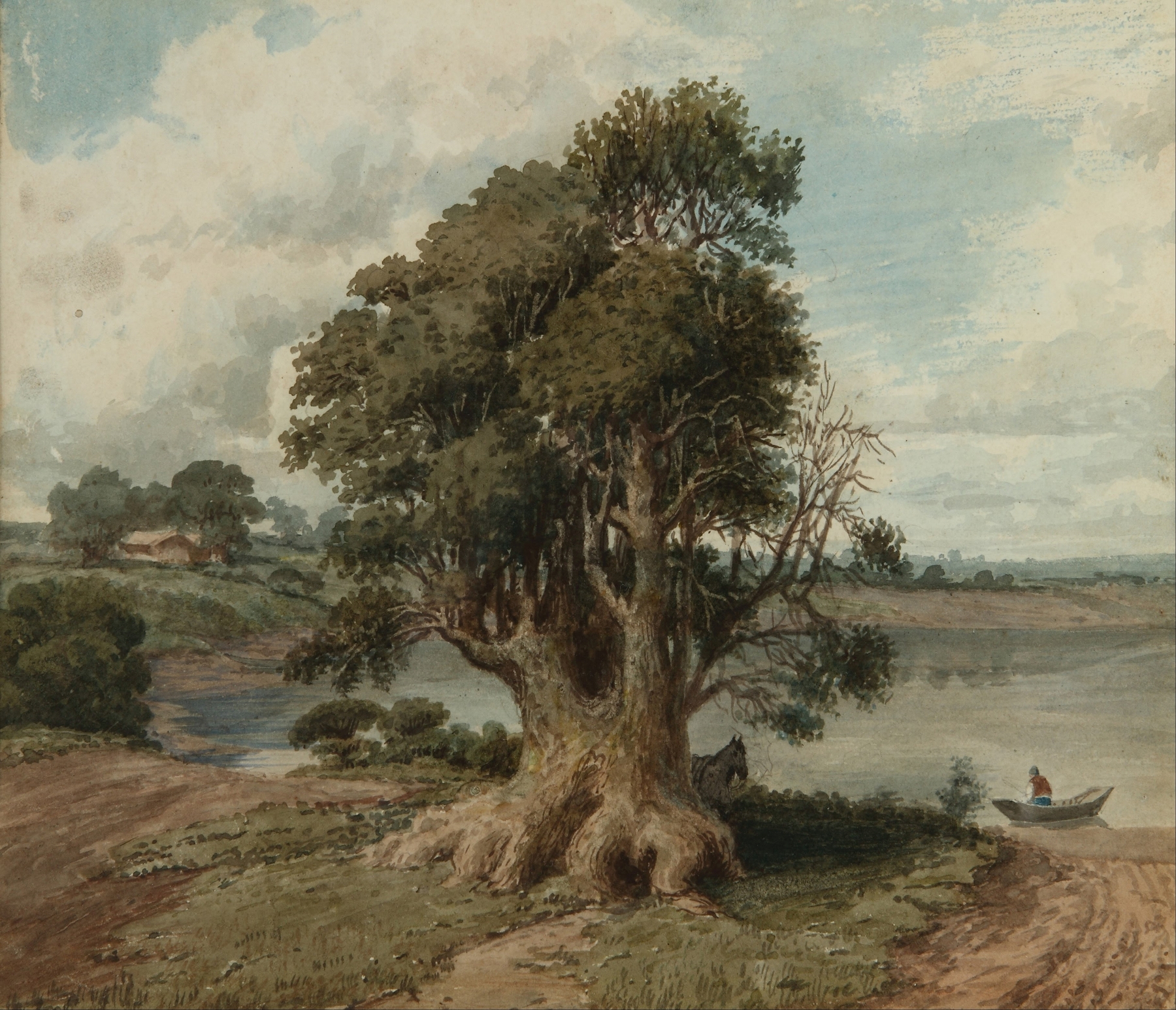
Paisaje de la costa (San Isidro) — History & Analysis
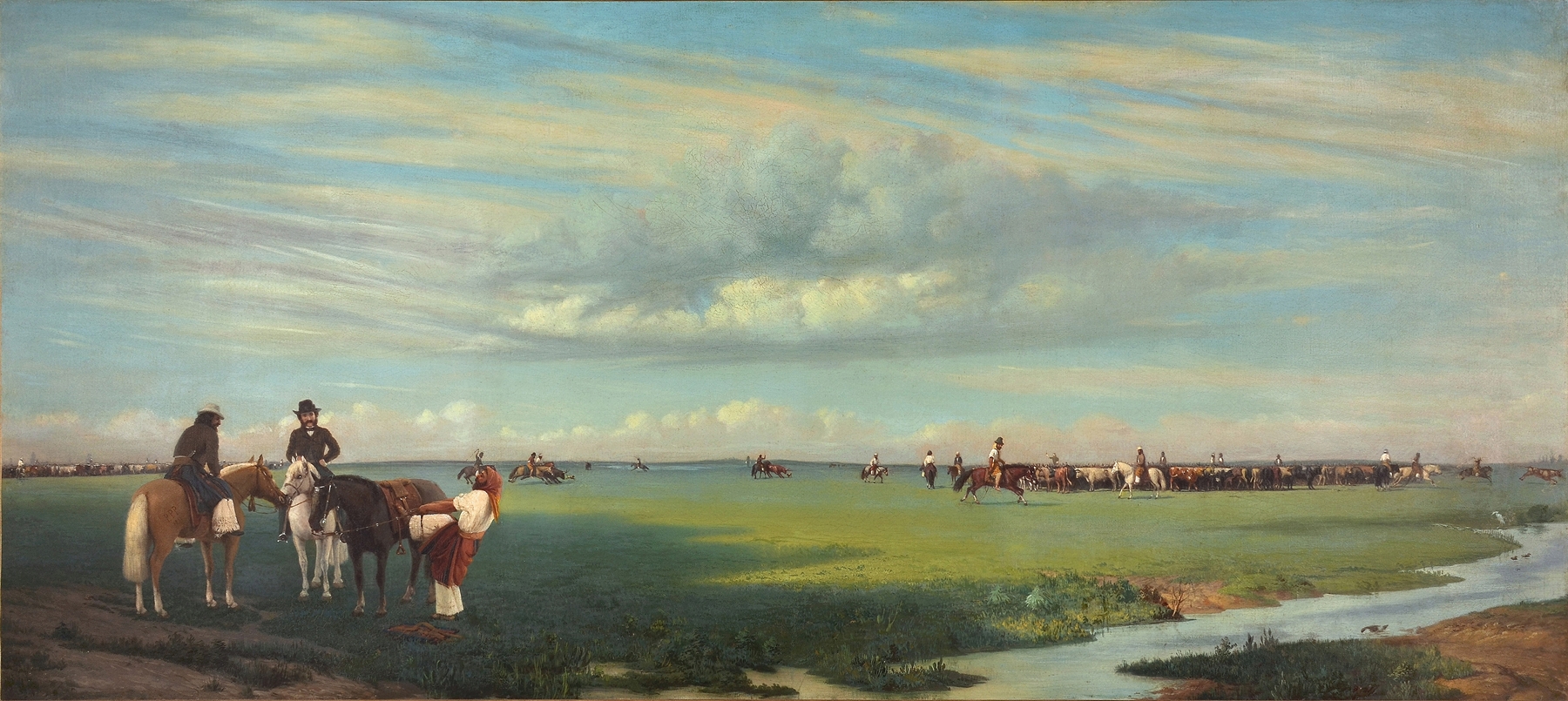
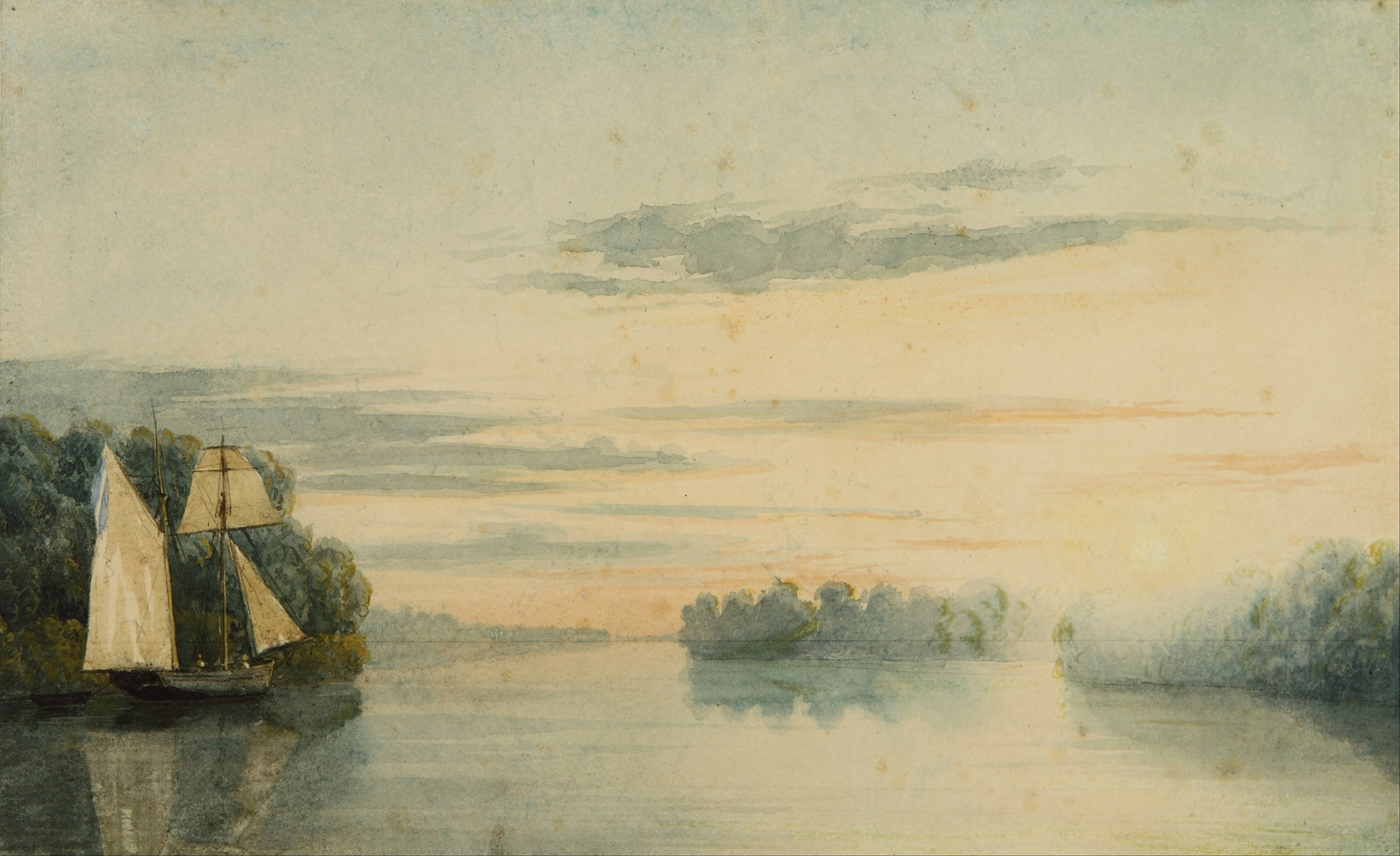
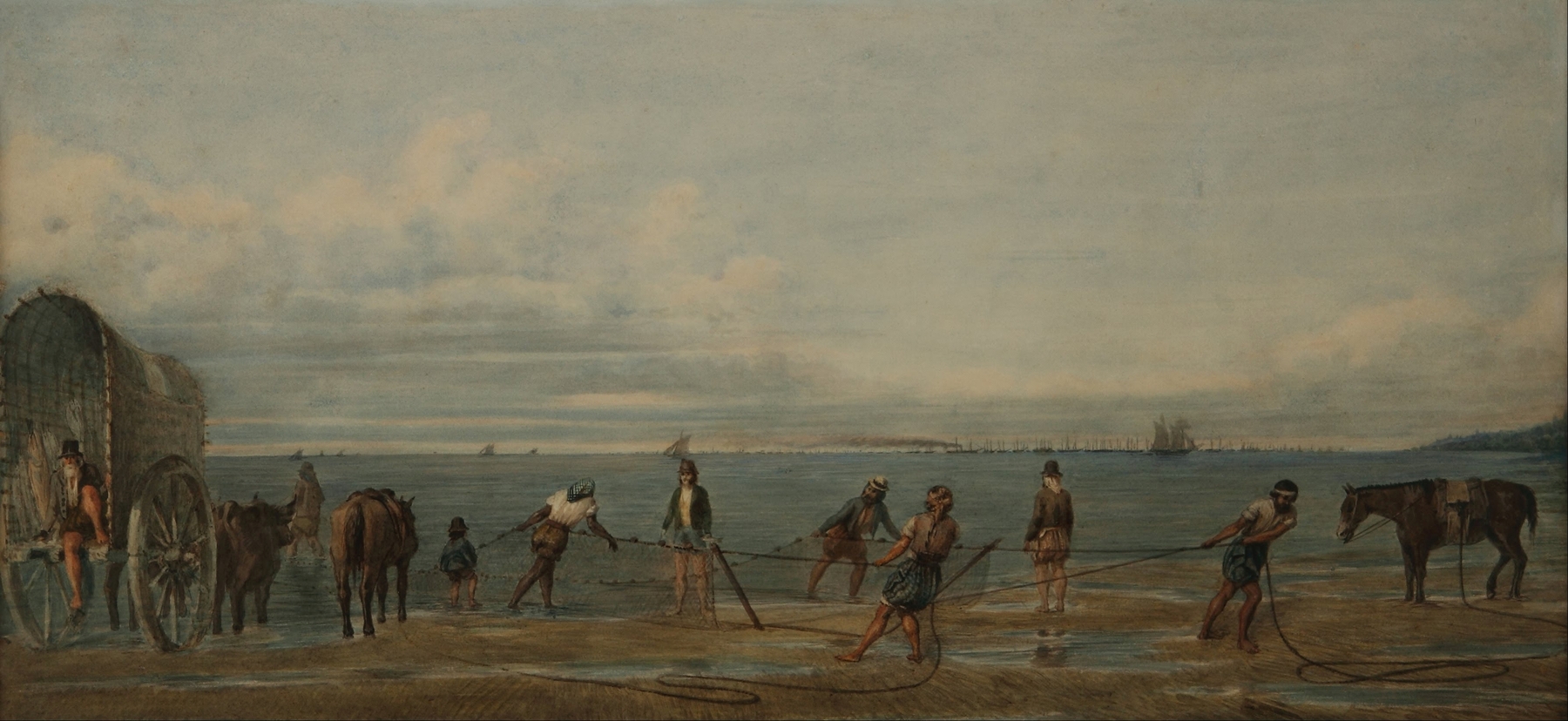
“The canvas doesn’t lie — it simply waits.” In the stillness of art, obsession finds its voice, wrapping landscapes in layers of longing and truth. Look to the left where soft, undulating hills cradle the shoreline, their gentle slopes kissed by the lapping waves. The palette of muted greens and browns shifts into the deep blue of the sea, creating a serene yet haunting horizon that draws the eye. Notice how the light dances upon the water’s surface, its shimmer almost beckoning, while shadowy clouds loom in the distance, hinting at a tempest beneath the calm facade.
Each brushstroke is deliberate, imbuing the scene with a palpable tension between tranquility and unease. The contrast here lies in the juxtaposition of nature’s splendor against the subtle suggestion of unrest. The composition, though idyllic at first glance, evokes a sense of the transient—reminding us that beauty can often harbor tumult beneath its surface. The waves crashing softly against the shore mirror the internal struggles of the human spirit, while the hidden details, like the distant silhouette of a lone figure, evoke themes of loneliness and existential contemplation.
Between 1840 and 1870, Prilidiano Pueyrredòn painted this work during a period of artistic evolution in Argentina, where Romanticism was taking root. Living in a time when the nation was grappling with its identity, he sought to express the emotional depths of landscapes that resonated with the soul’s unwavering quest for meaning. This painting embodies his vision, a testament to the powerful connection between man and nature, fraught with both obsession and beauty.