Paisaje (Granja europea) — History & Analysis
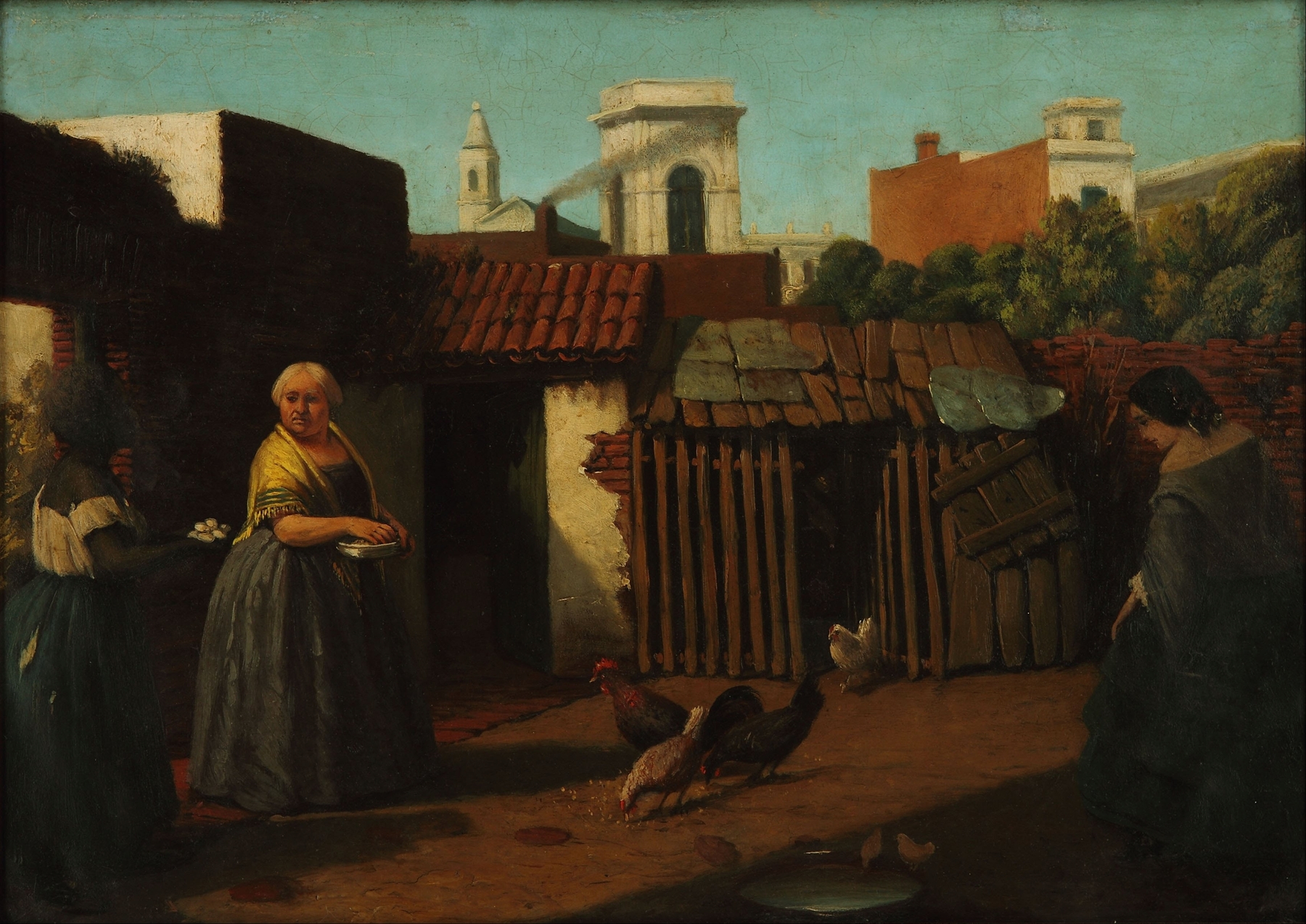
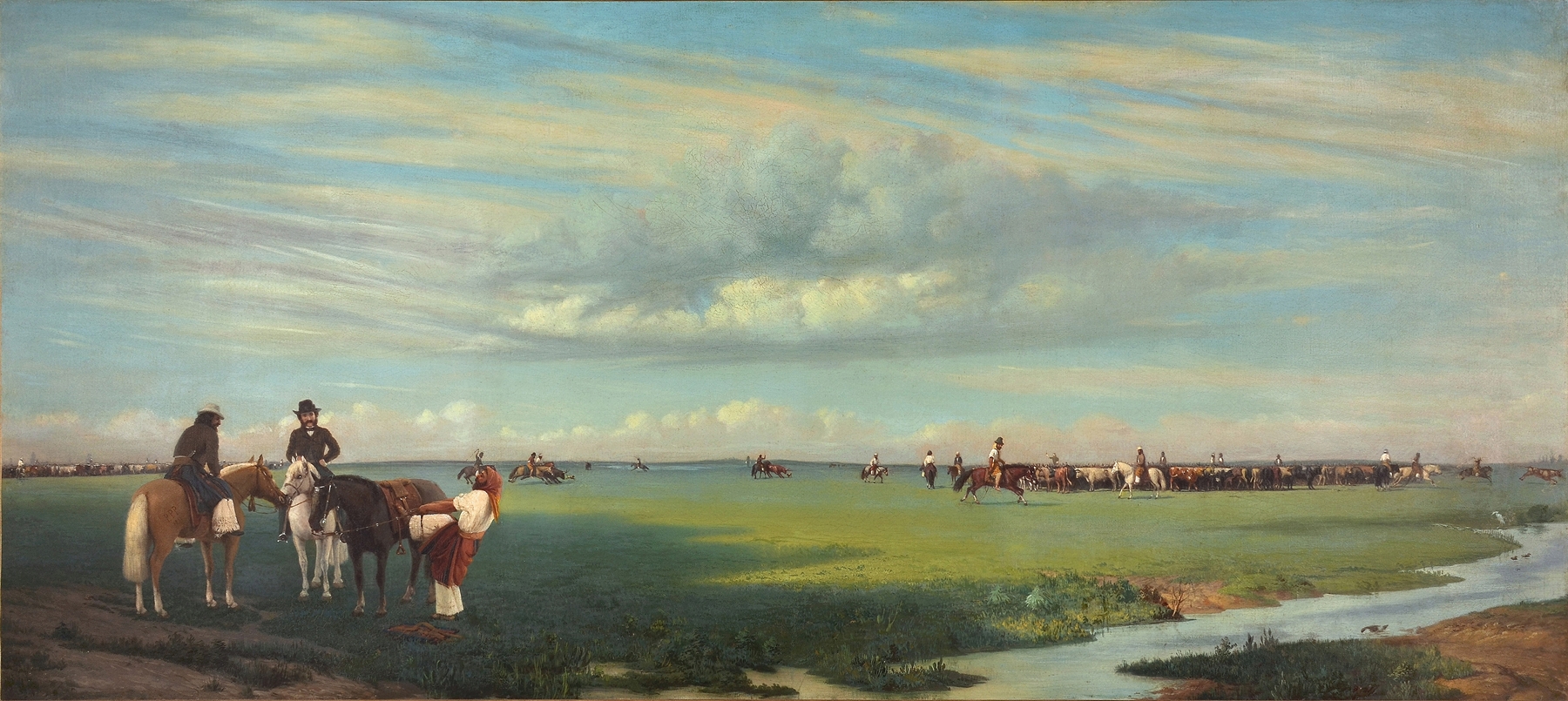
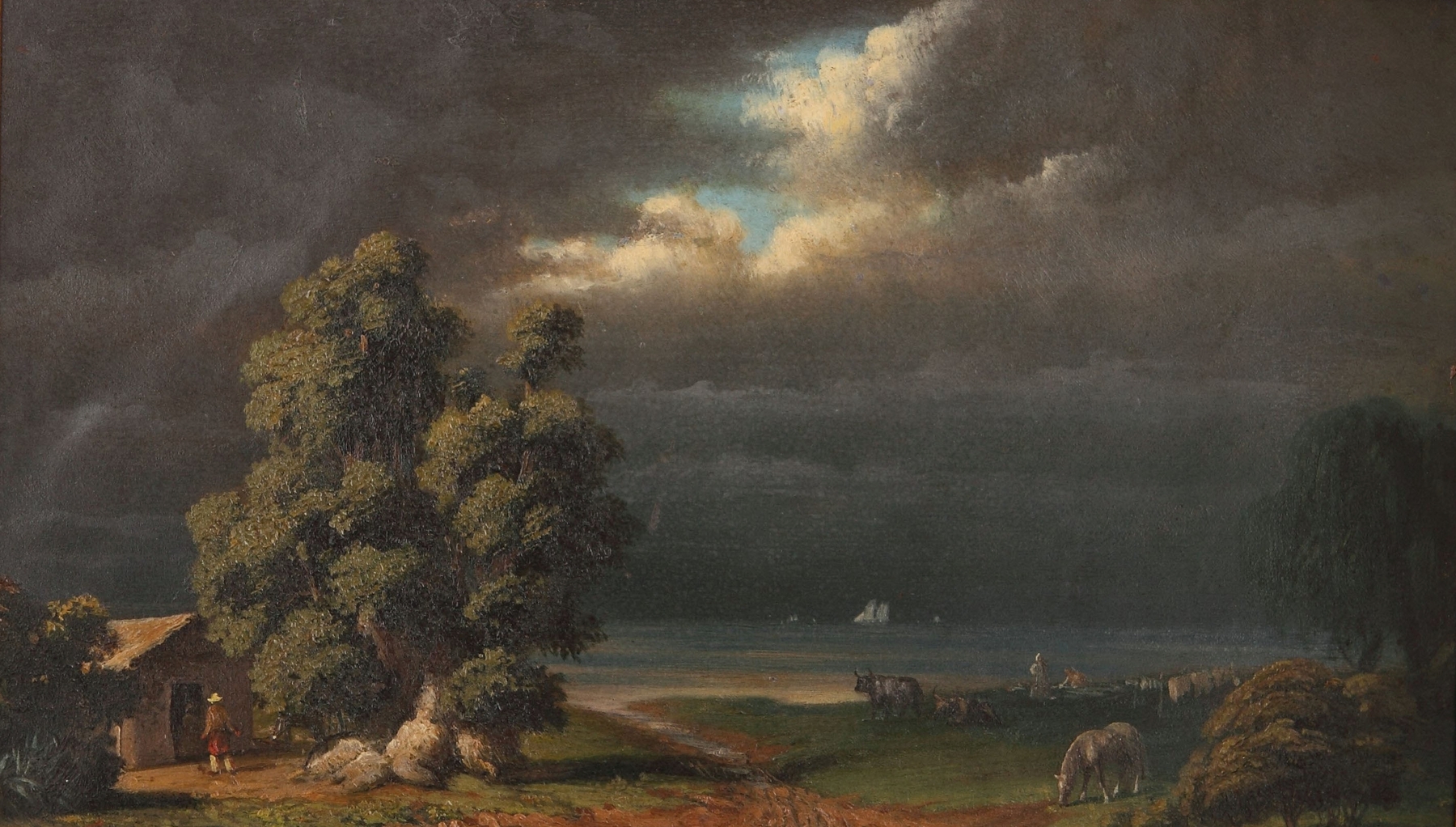
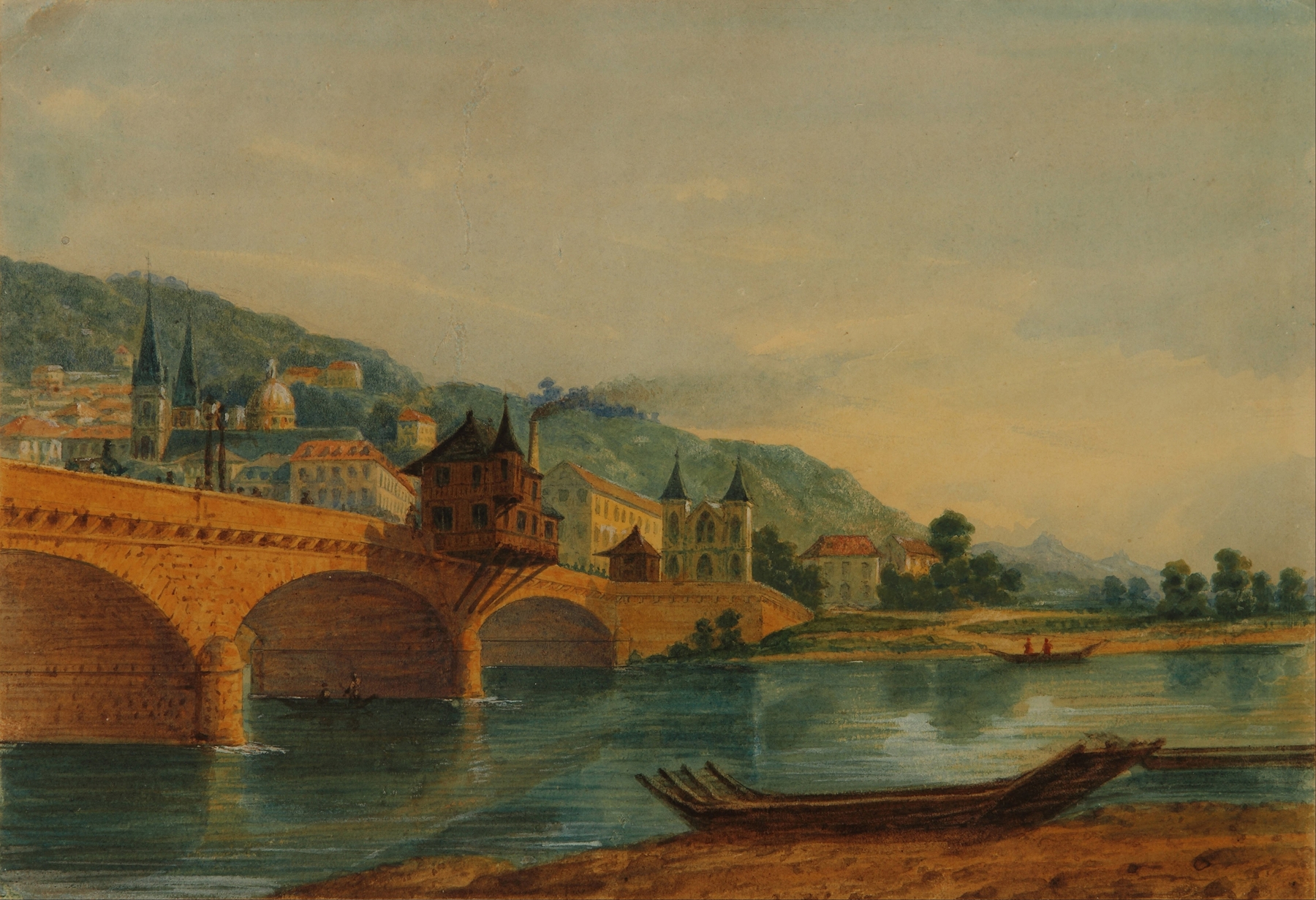
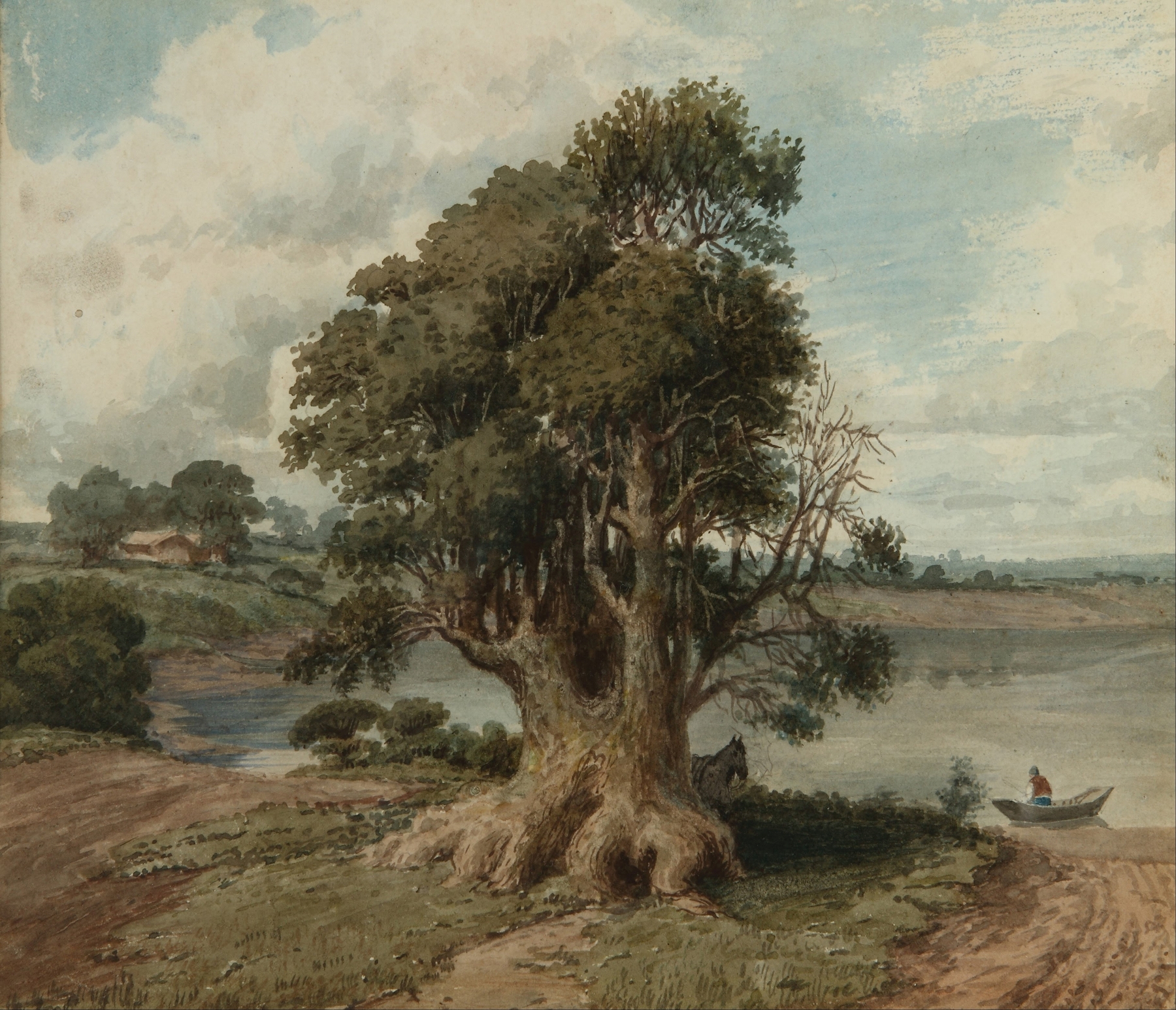
Who listens when art speaks of silence? In the stillness of Paisaje (Granja europea, yearning whispers emerge, inviting the viewer to ponder the echoes of longing. Look to the left at the gently rolling hills, where the verdant greens blend seamlessly into the earthy browns of the fields. The soft, diffused light caresses the landscape, casting a serene glow that draws your gaze across the expansive view.
Notice the subtle brushstrokes that create texture in the foreground, suggesting the presence of crops ready for harvest, hinting at the vibrancy of rural life while simultaneously evoking a profound sense of solitude. Beneath the idyllic surface lies an emotional tension, reflected in the solitary trees that stand sentinel against the horizon. The delicate interplay between light and shadow speaks to an unspoken narrative of resilience and yearning, as if the land itself holds memories of those who once toiled here. This landscape is not just a representation of nature; it embodies a deeper longing for connection—between the land and its inhabitants, and among the fragmented moments of daily life.
Prilidiano Pueyrredòn created this work during a transformative period in Argentine art, between 1840 and 1870, a time marked by the rising influence of landscape painting. Living in Buenos Aires, he sought to capture the essence of his surroundings, reflecting both the beauty and the solitude of rural Argentina in a rapidly changing world. This painting stands as a testament to his artistic evolution, blending observation with emotion to evoke a lingering sense of nostalgia.