Unloading the catch — History & Analysis
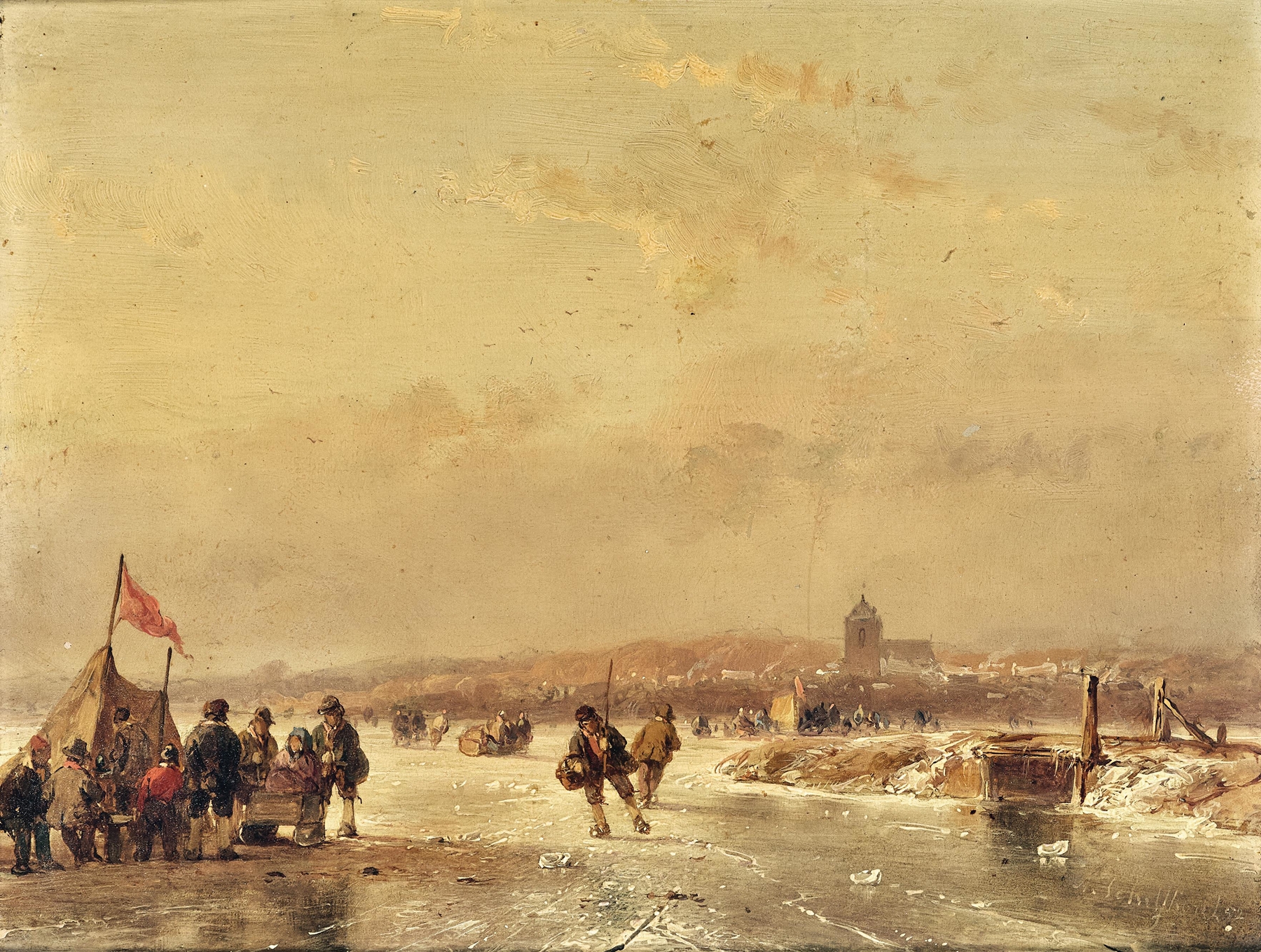
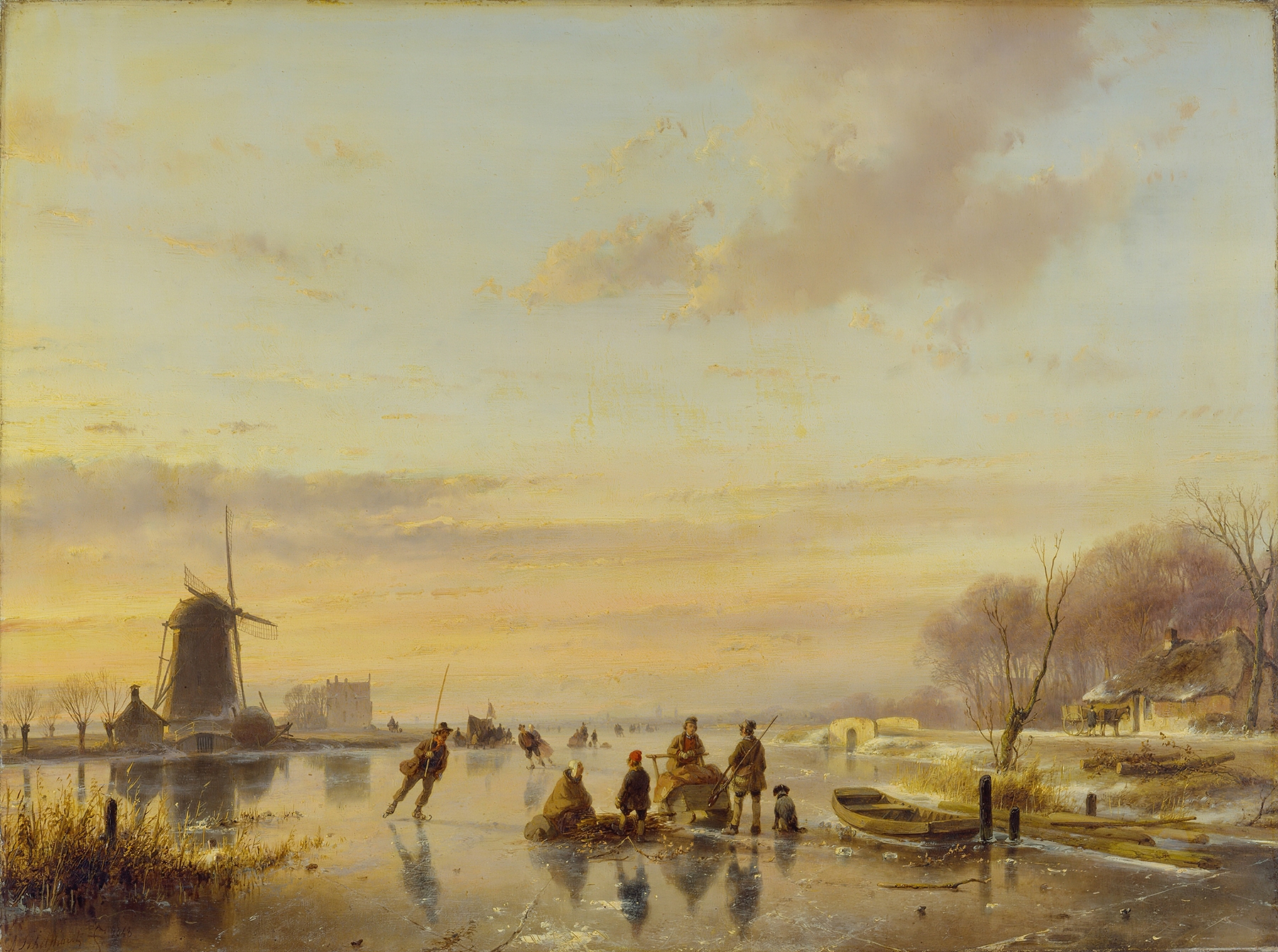
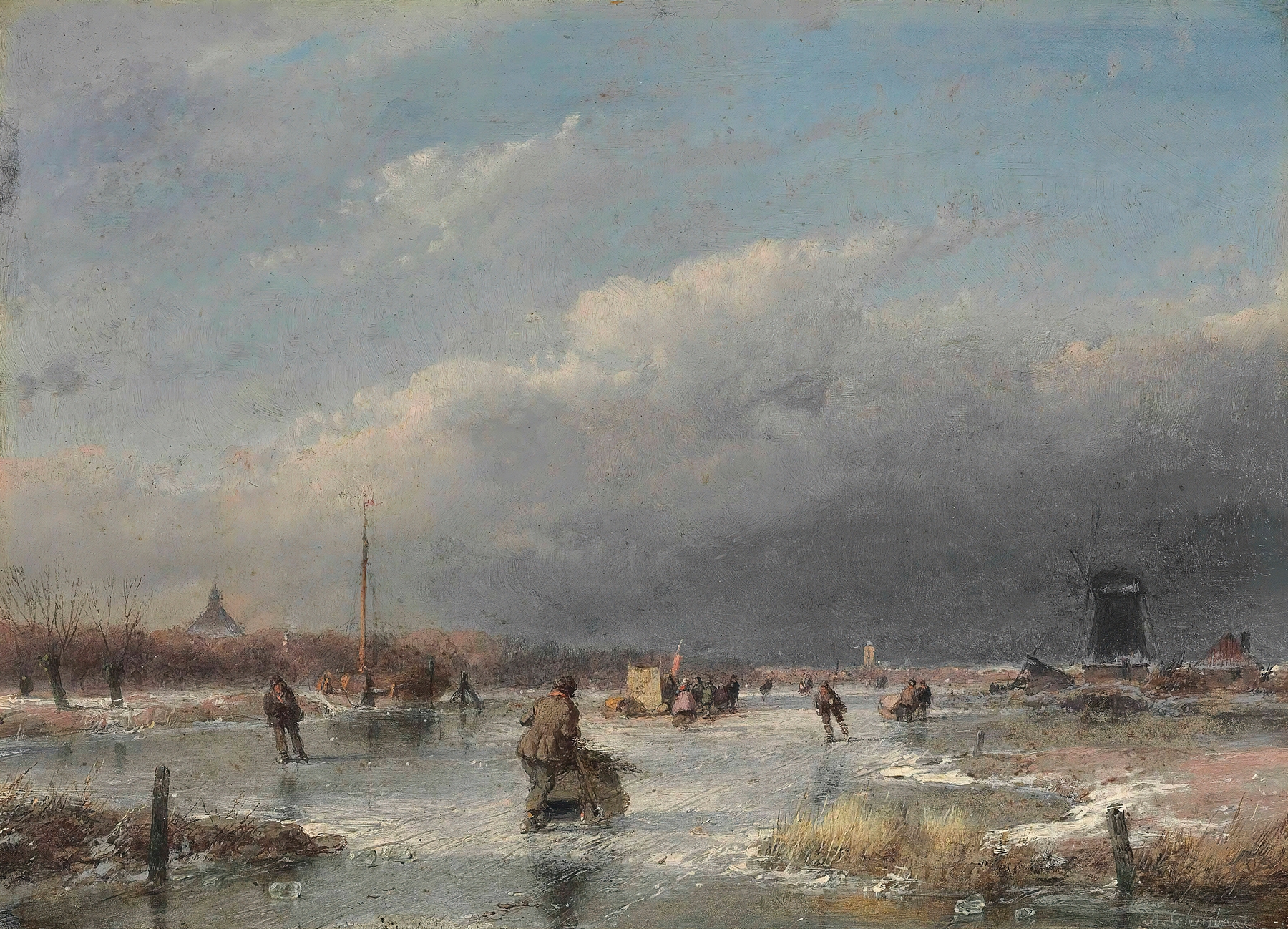
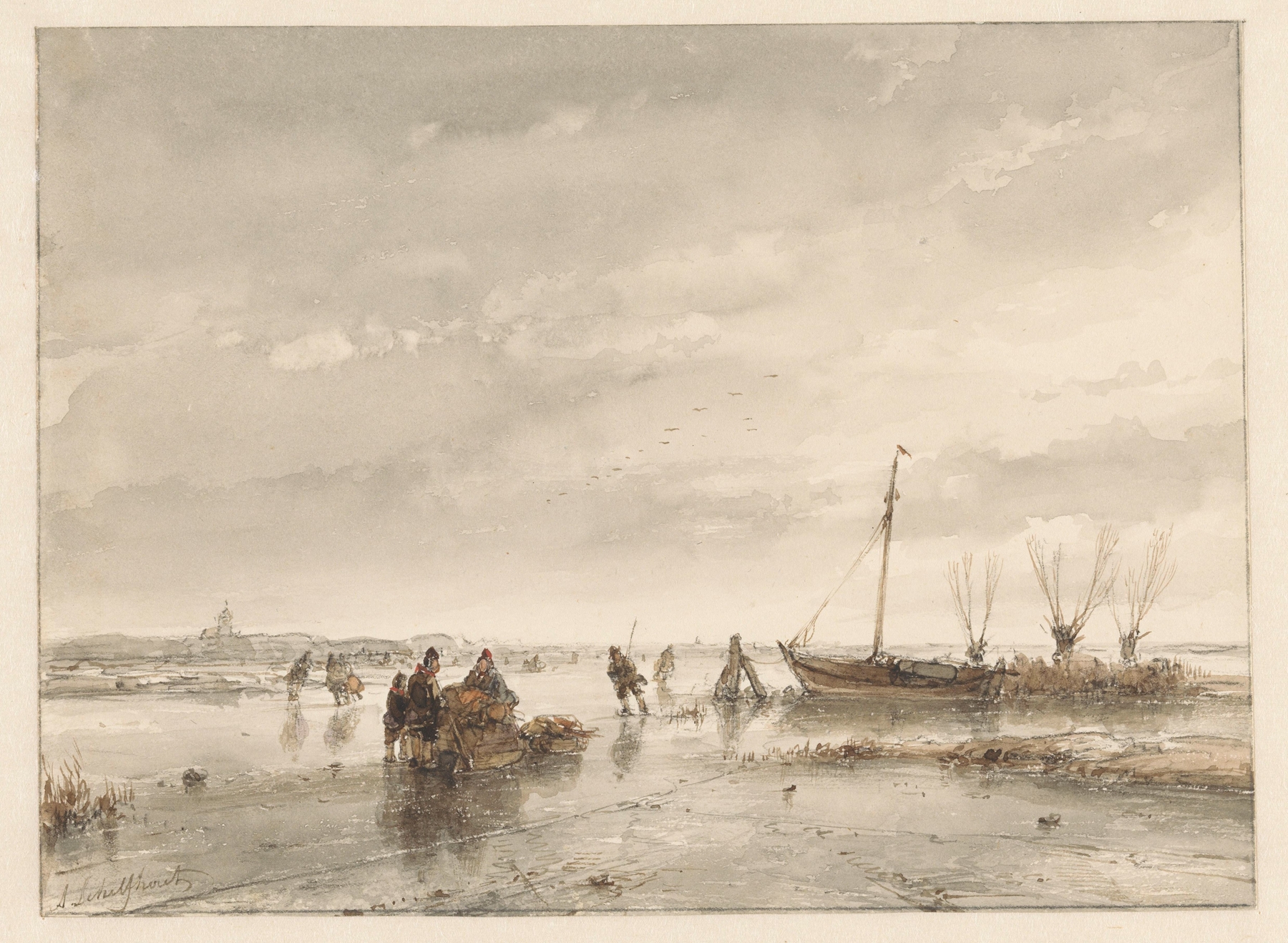
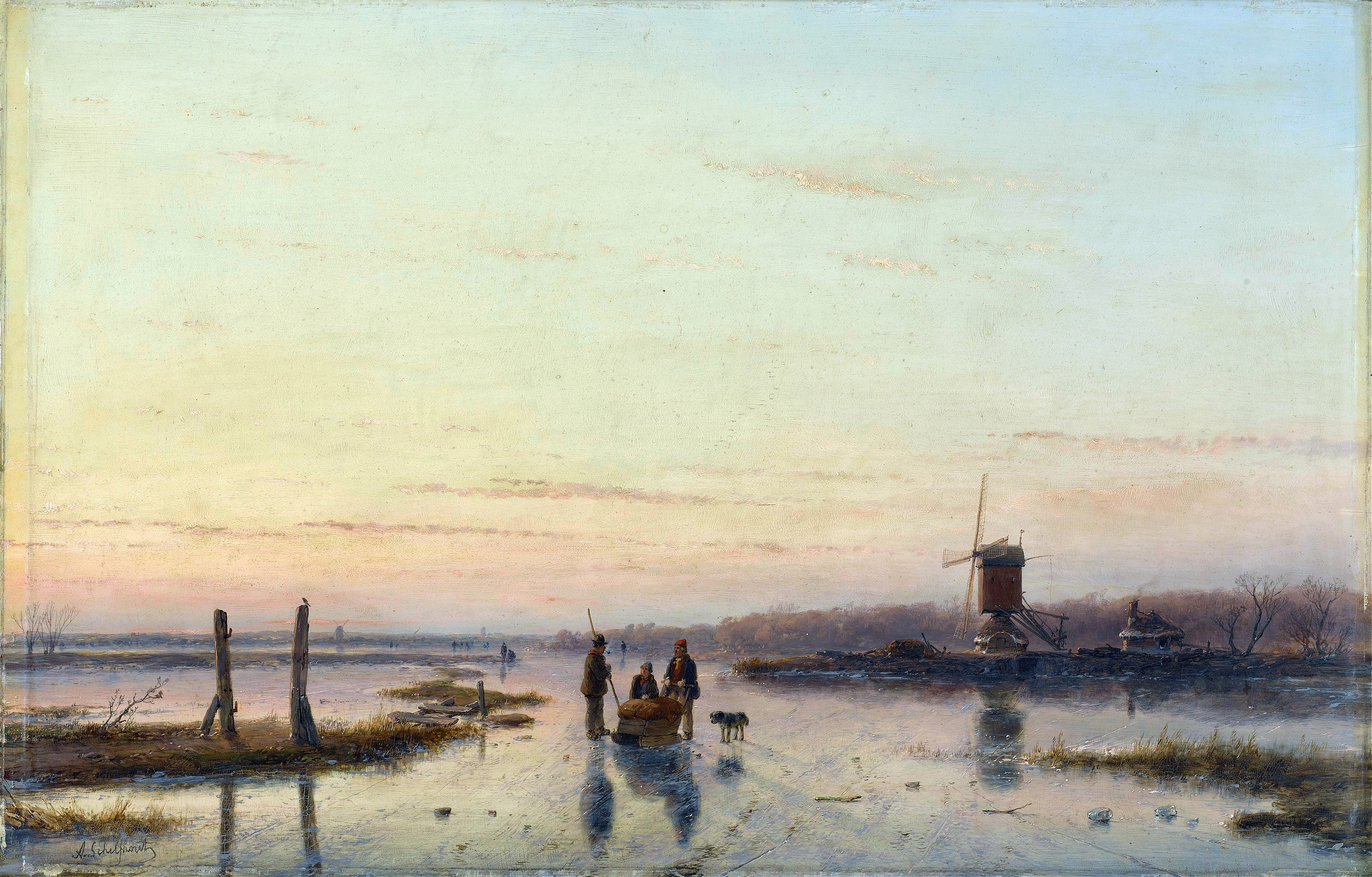
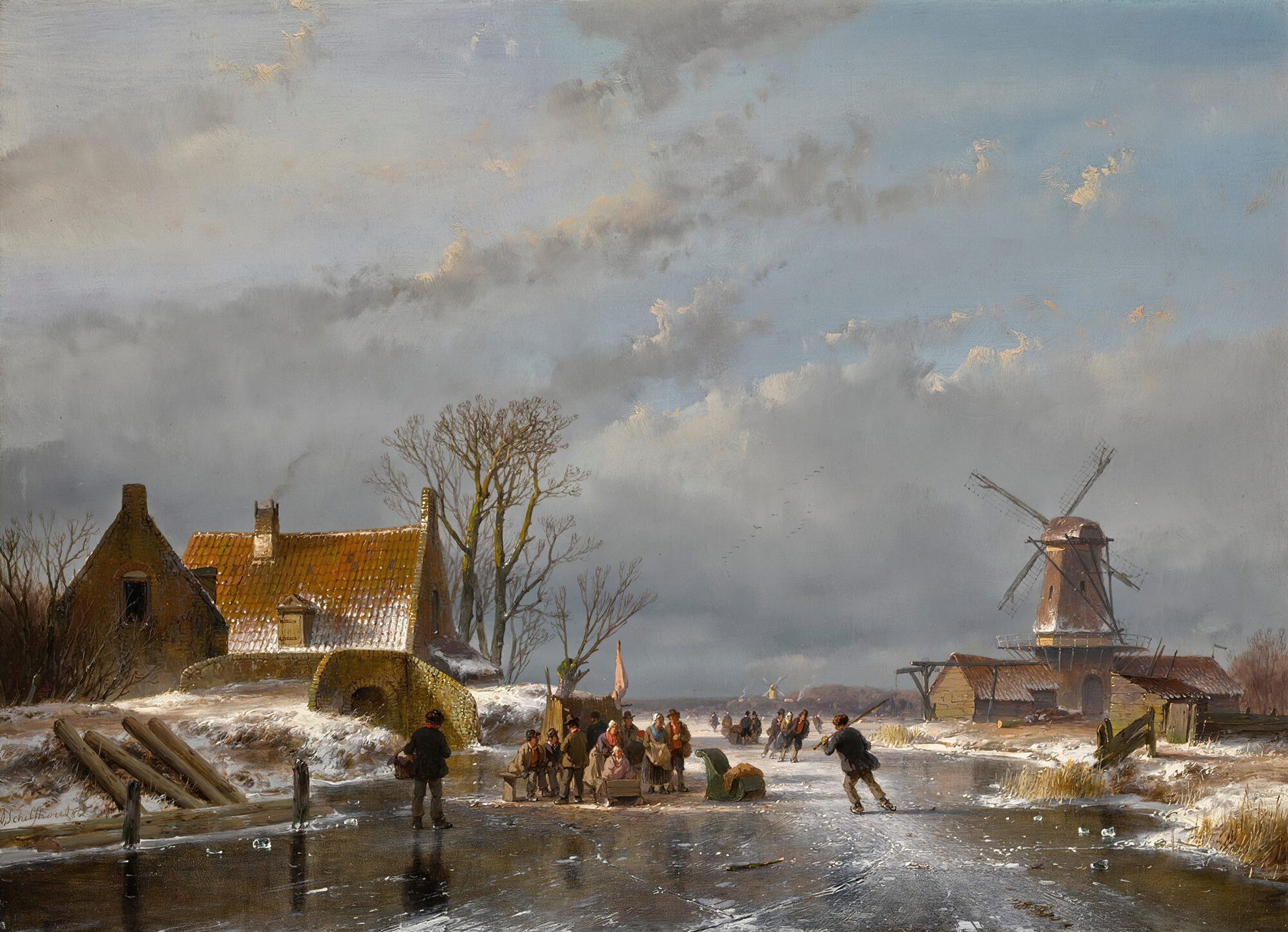
Is this a mirror — or a memory? The fleeting nature of life and the weight of mortality echo through the rippling waters and the sturdy boats in the scene. Look to the left at the boats, their dark hulls resting heavily on the shore, where fishermen unload their catch of the day. The earthy browns and deep blues blend seamlessly, invoking a sense of labor and life.
Notice how the light falls upon the glistening fish, shimmering like fleeting moments, while the sky, streaked with delicate hints of orange and pink, promises both dawn and dusk. Each stroke conveys a sense of movement, where every gesture captures the essence of a day well-lived. Embedded within this work is the tension between labor and leisure, the cyclical nature of life and death. The fishermen’s toil juxtaposes the serene beauty of the water, inviting contemplation of what is gained and lost in pursuit of sustenance.
Small details, like the scattered nets and distant birds, hint at the constant presence of nature, both as a provider and a reminder of life's transience. In 1853, Schelfhout painted this piece during a period of industrial revolution in Europe, where the relationship between man and nature was shifting. Residing in the Netherlands, he was influenced by the burgeoning realist movement, capturing not only the landscape but also the human experience within it. This work reflects both the beauty and the challenges of his time, emphasizing mortality as a persistent theme in the human journey.