Unter Birken — History & Analysis
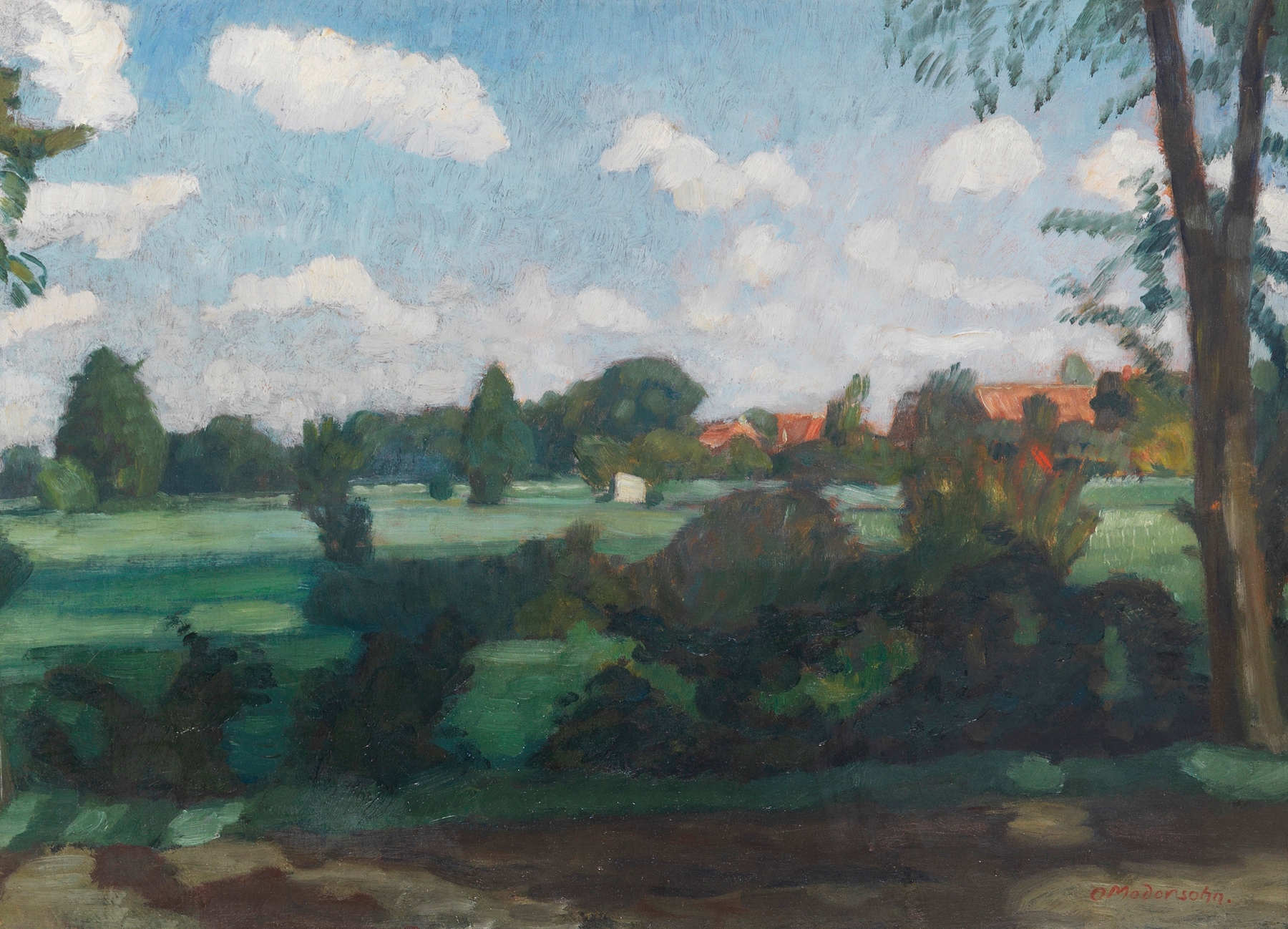
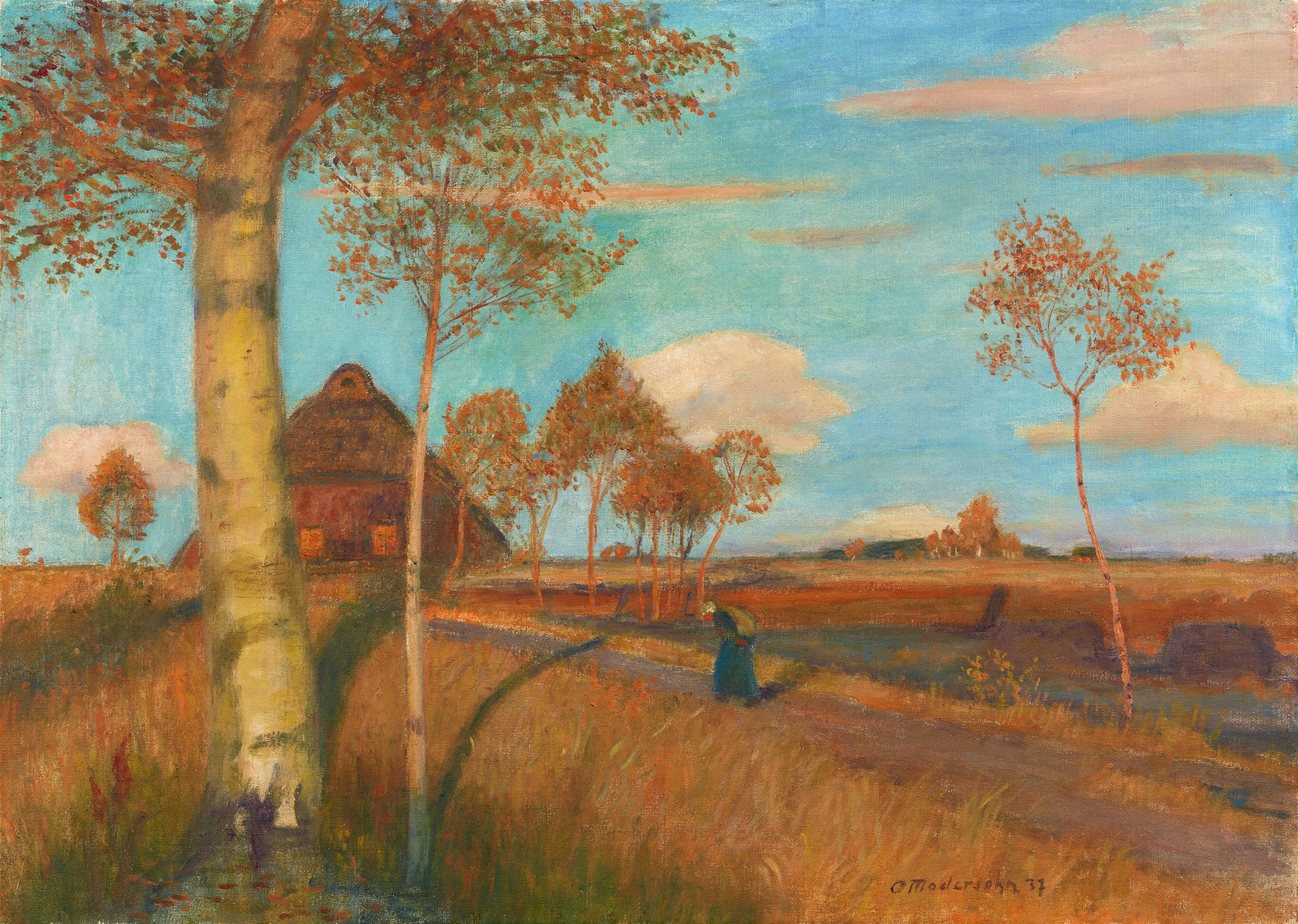
“Between color and silence, truth hides.” In the gentle embrace of nature, the beauty of decay reveals itself, whispering stories of life and loss. Look to the center of the canvas, where muted greens and earthy browns create a tapestry of birch trees, their white trunks stark against the foliage. The brushstrokes are fluid and expressive, inviting the viewer to wander through the scene. Notice how the dappled light filters through the leaves, casting soft shadows that dance upon the ground.
The subtle gradations in color evoke an atmosphere of quiet reverence, as if time itself has slowed down, capturing a fleeting moment of tranquility. Beneath the serene surface lies a poignant contrast—the birch trees, symbols of resilience, stand tall while hints of decay linger in the underbrush. The interplay between life and death is palpable; the vibrant greens hint at new beginnings, while the fallen leaves whisper of endings.
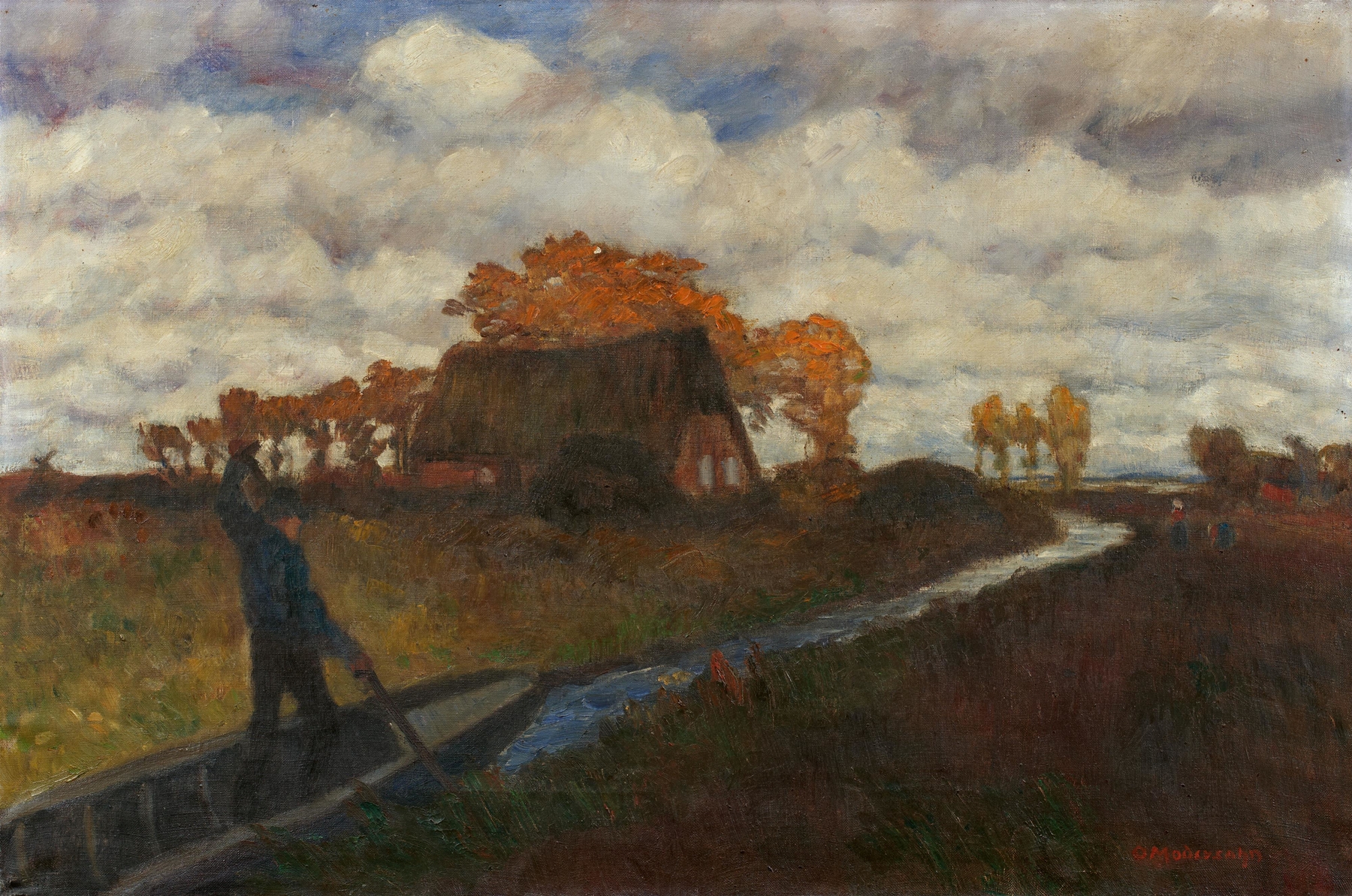
This duality invites contemplation on the cycle of nature, evoking emotions of nostalgia and reflection as we navigate our own journeys through transience. In 1902, Otto Modersohn painted this piece in his studio in Worpswede, Germany, a period marked by the burgeoning artists' colony that sought to capture the essence of the rural landscape. The turn of the century was a time of experimentation and exploration in art, as Modersohn, along with fellow artists, was drawing inspiration from the world around him, blending impressionist techniques with a profound connection to nature.