Unterbuchberg im Winter I — History & Analysis
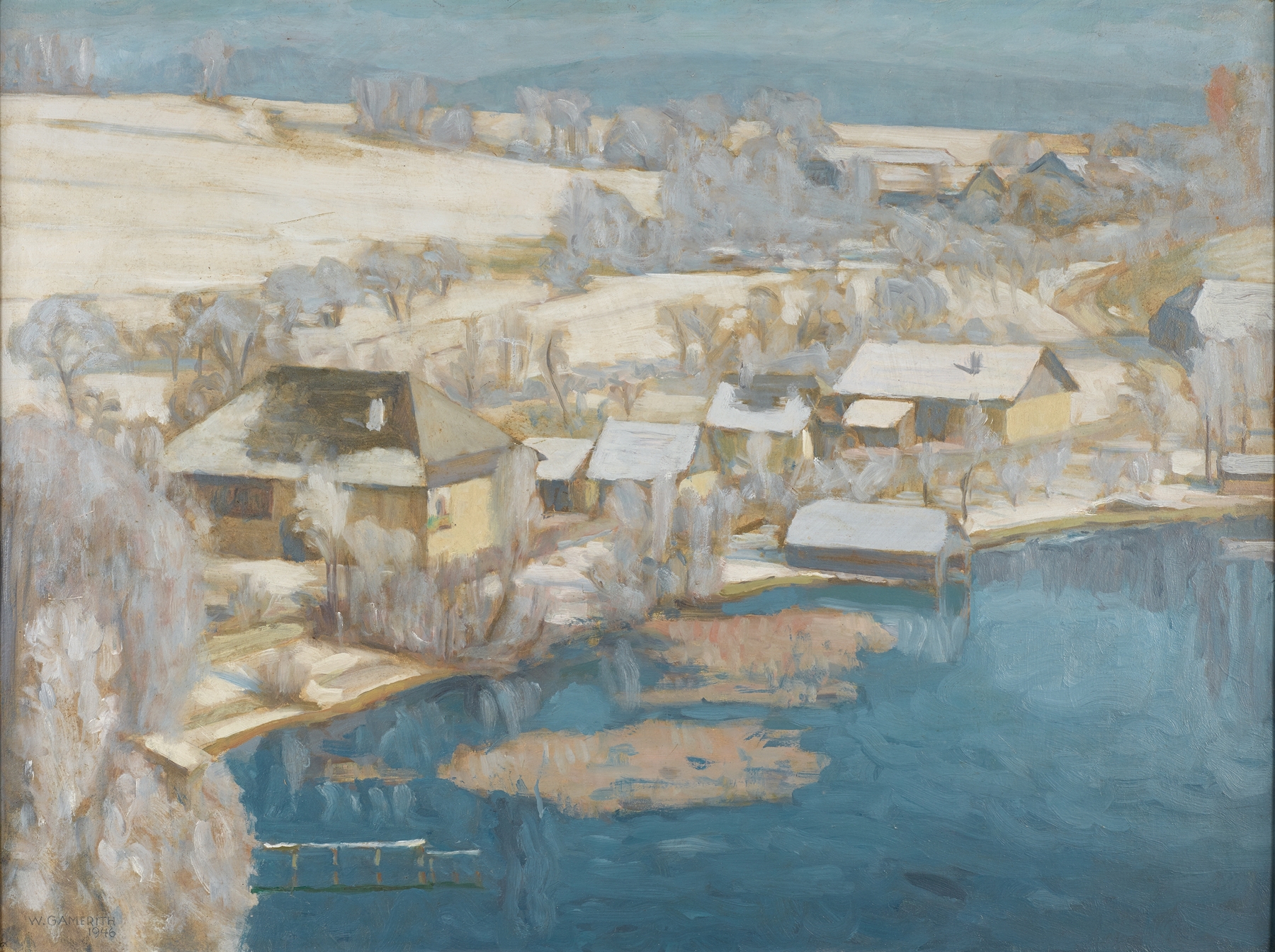
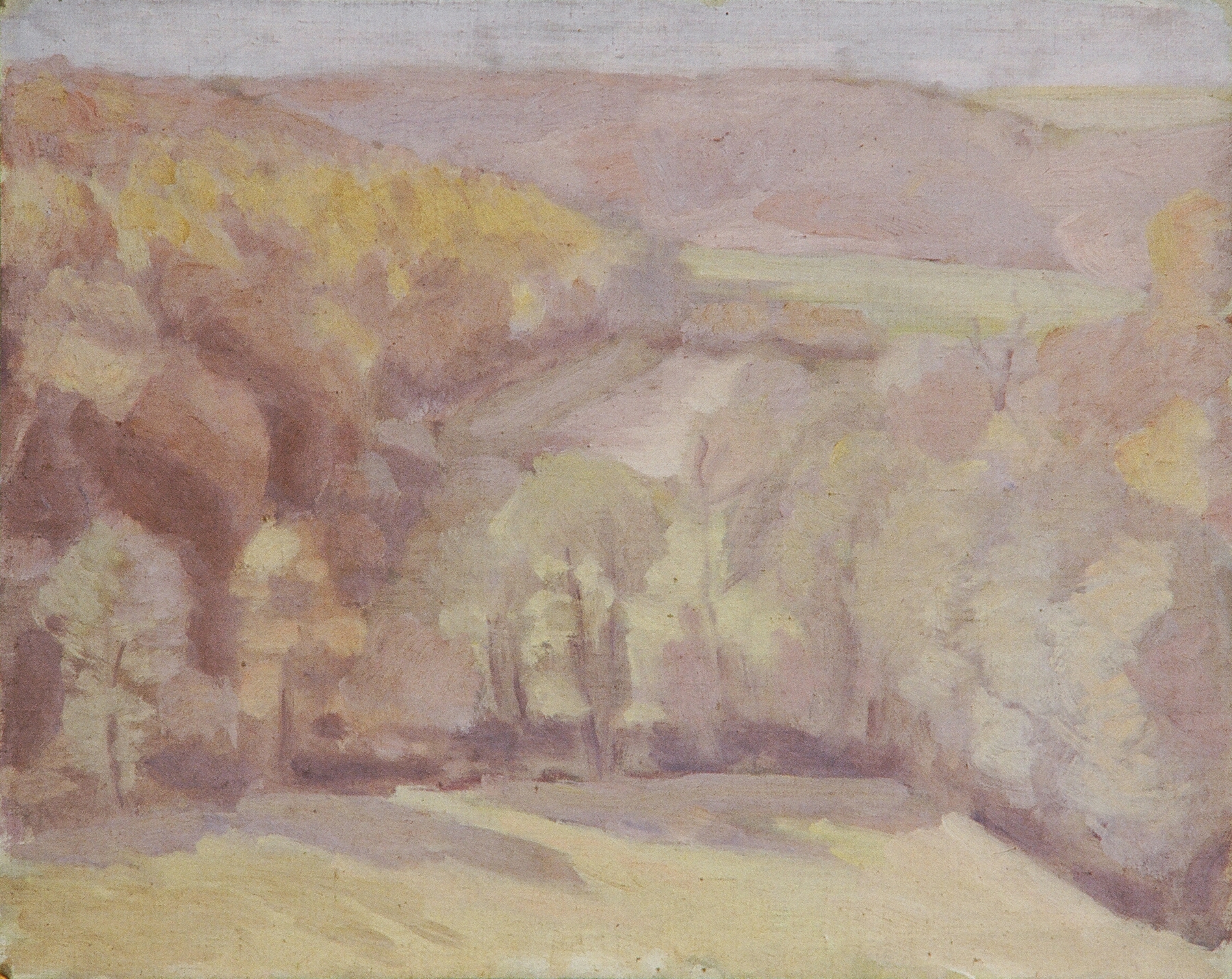
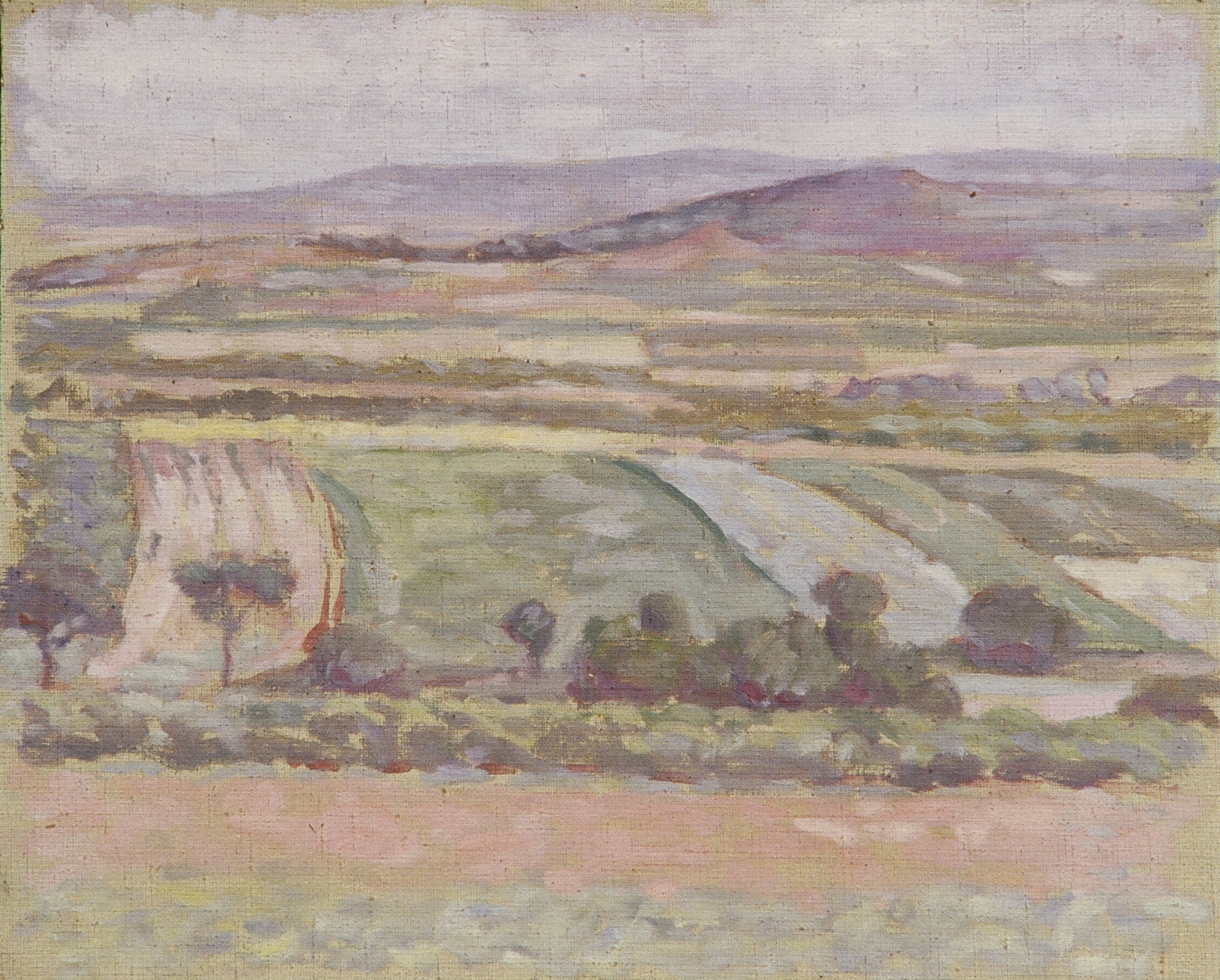
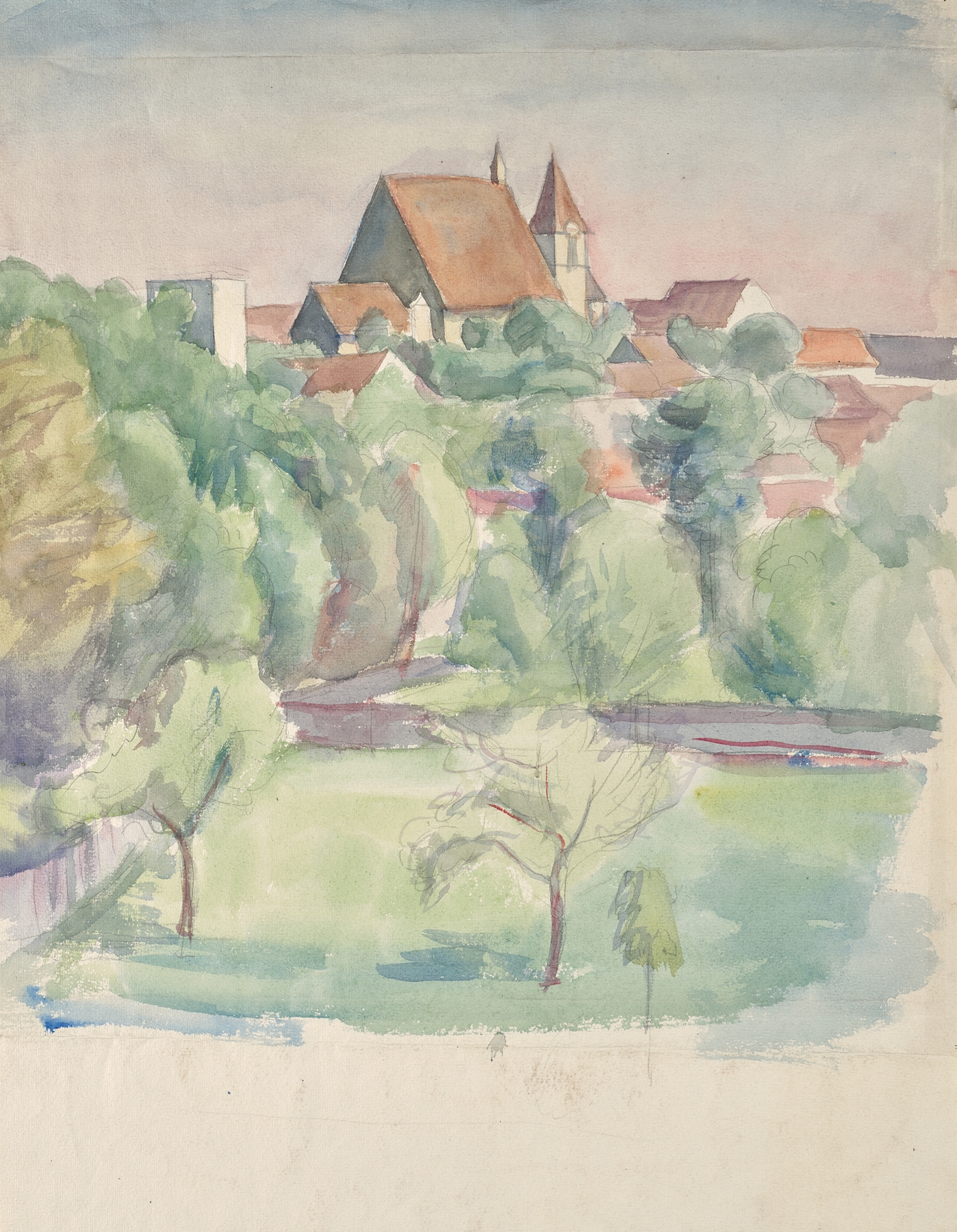
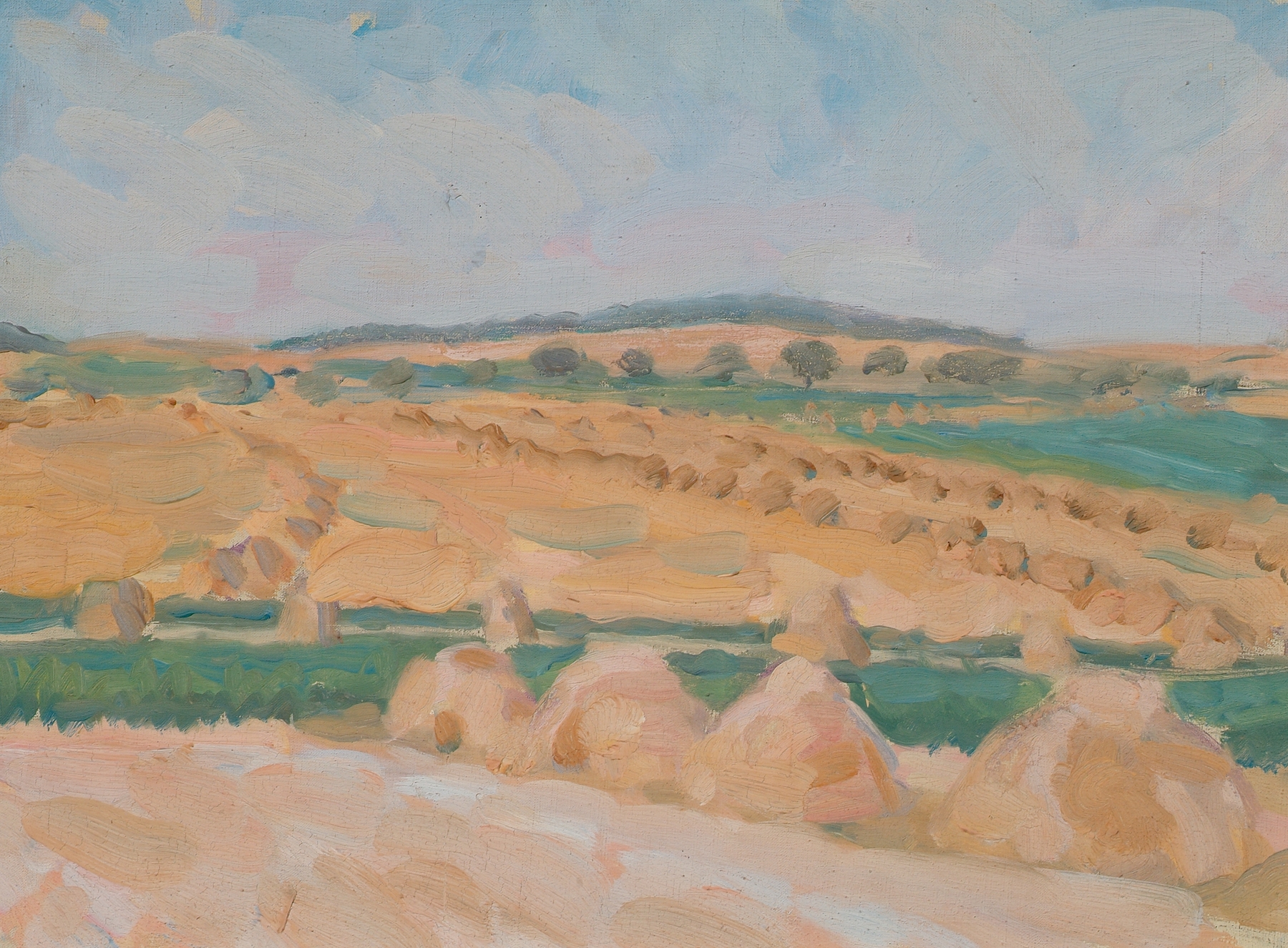
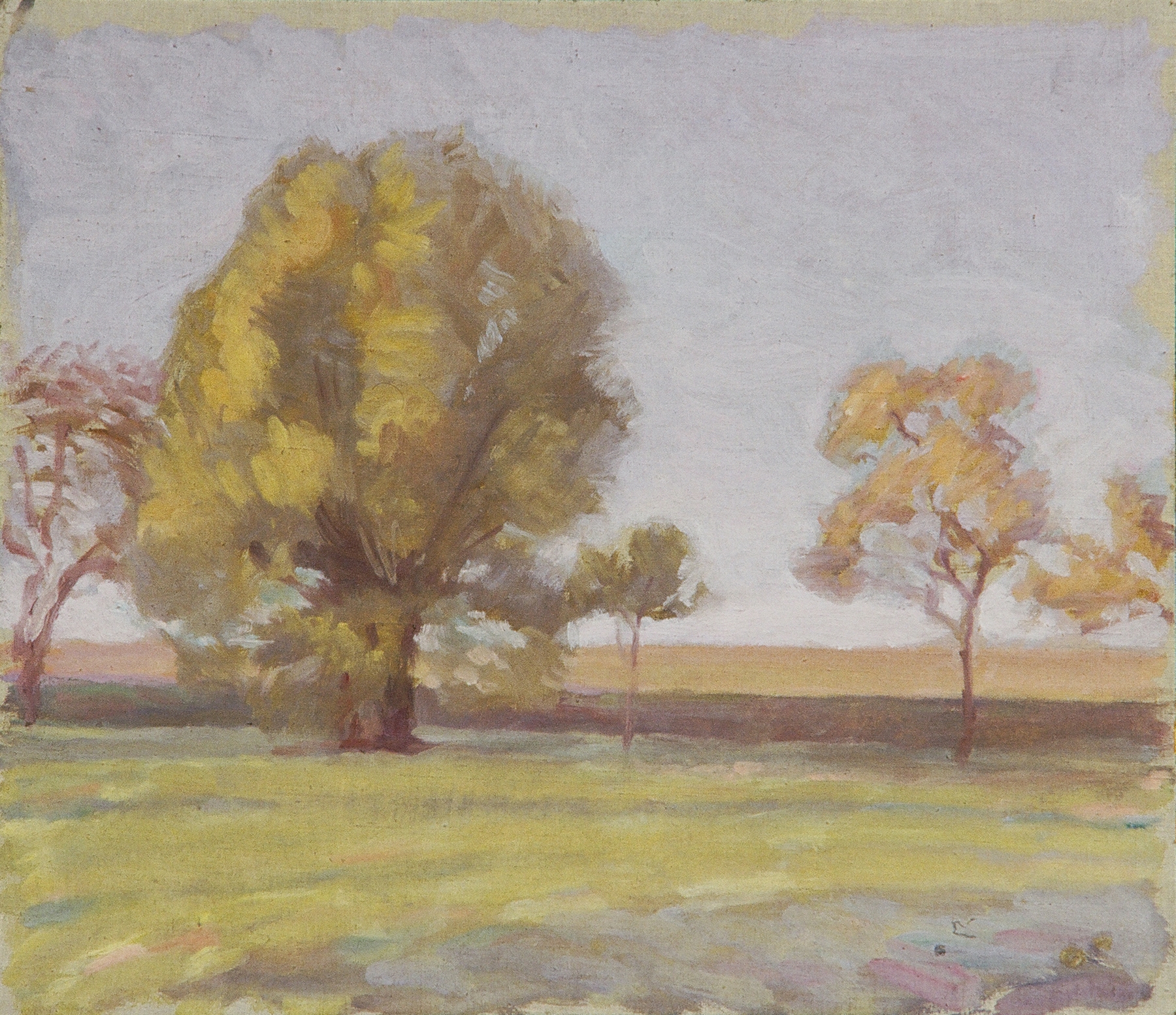
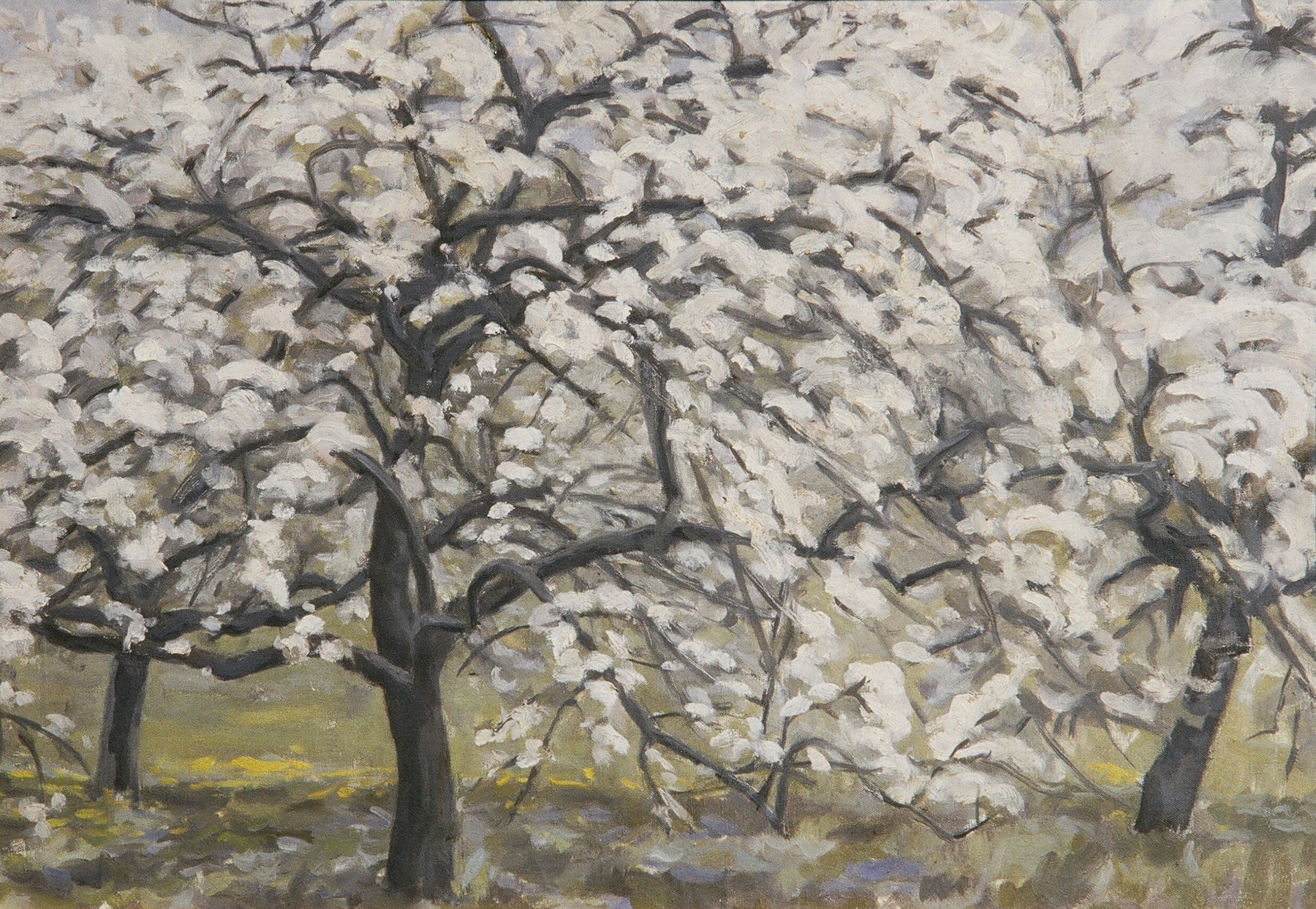
Is this a mirror — or a memory? The stillness of a winter landscape invites contemplation, beckoning the viewer to explore the delicate balance between reality and imagination. Look to the center of the canvas, where a serene expanse of snow blankets rolling hills, interrupted only by the silhouettes of bare trees. The muted palette of whites and soft grays evokes a sense of tranquility, while the subtle play of light suggests the sun is just beginning to rise, casting a gentle glow across the scene.
Notice the way the snow captures and reflects this light, transforming the ordinary into something ethereal. Beneath the surface, the interplay of light and shadow reveals emotional layers, symbolizing both isolation and peace. The sparse composition allows the eyes to roam freely, embodying a sense of quiet contemplation. The trees stand resolute, suggesting resilience amid the harshness of winter; they are both guardians of the landscape and reminders of nature's enduring cycles.
This juxtaposition of solitude against the vast expanses invites reflection on one's own connection to the environment. In 1940, while creating this piece, the artist worked during a tumultuous time in Europe, as the shadows of war loomed larger. Living in Austria, Gamerith sought solace in the natural world, capturing the essence of his surroundings at a moment when tranquility was rare. His commitment to portraying the landscape reflected a broader movement in art that emphasized connection to nature amidst the chaos of modern life.