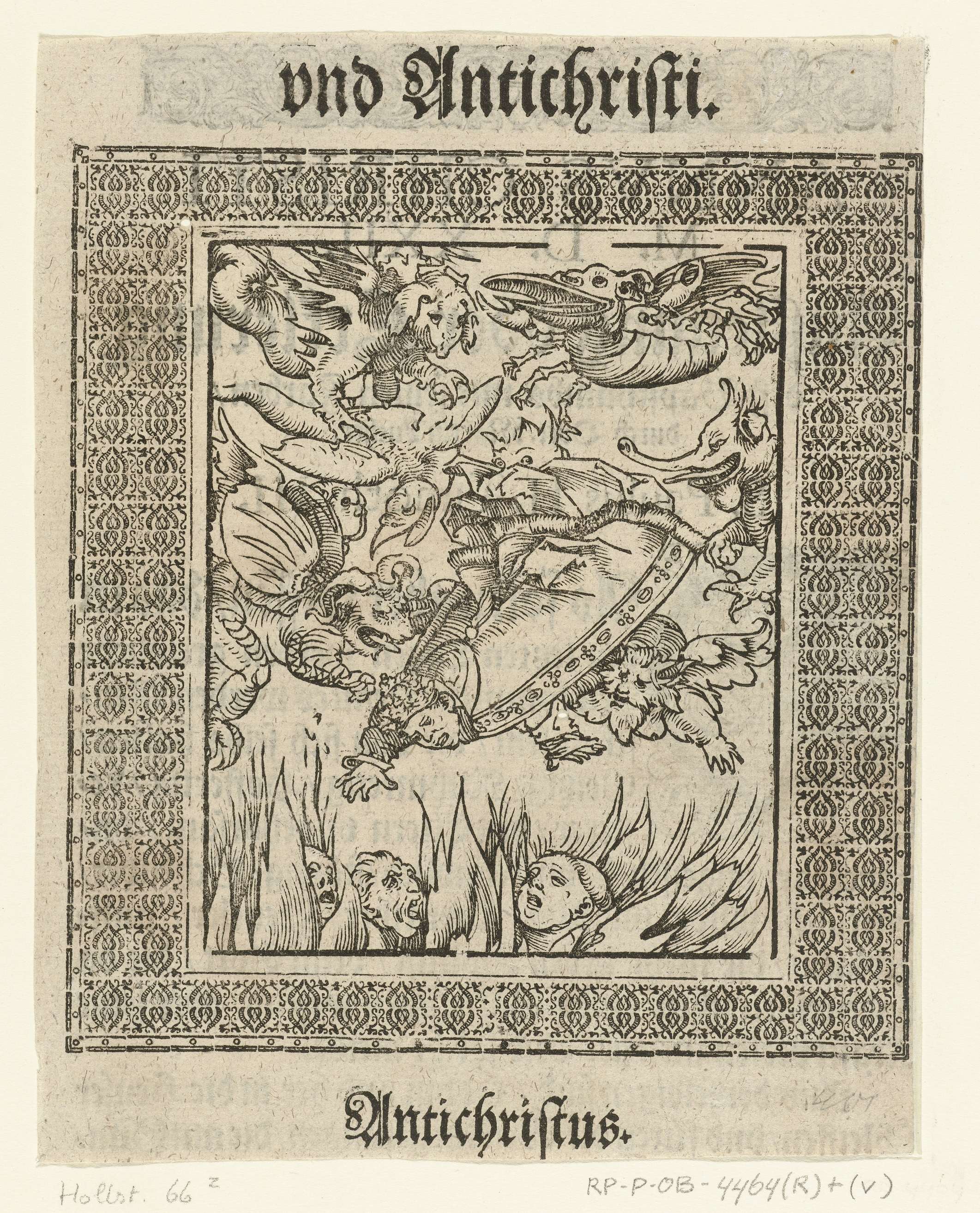
Val van paus in de hel — History & Analysis
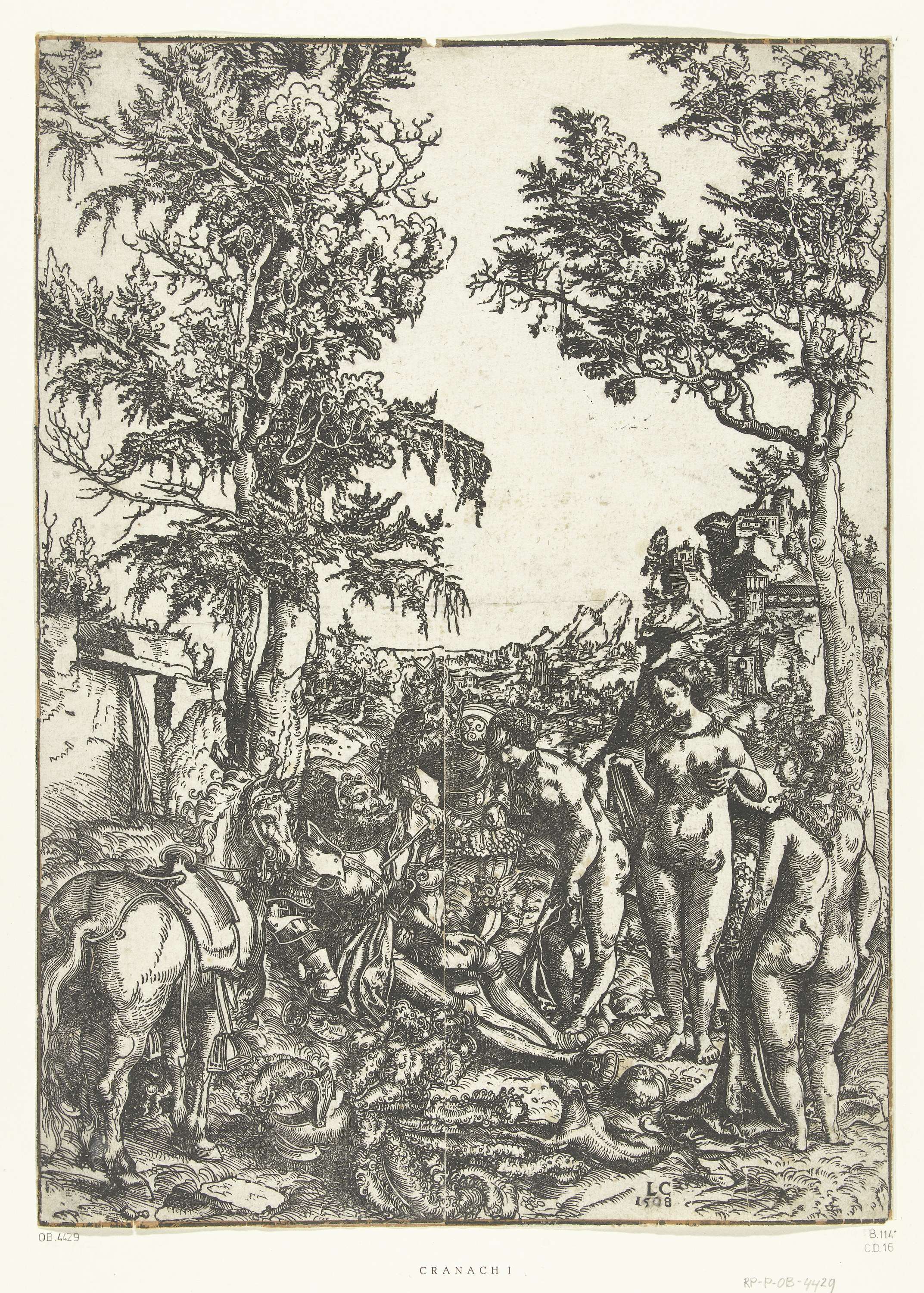
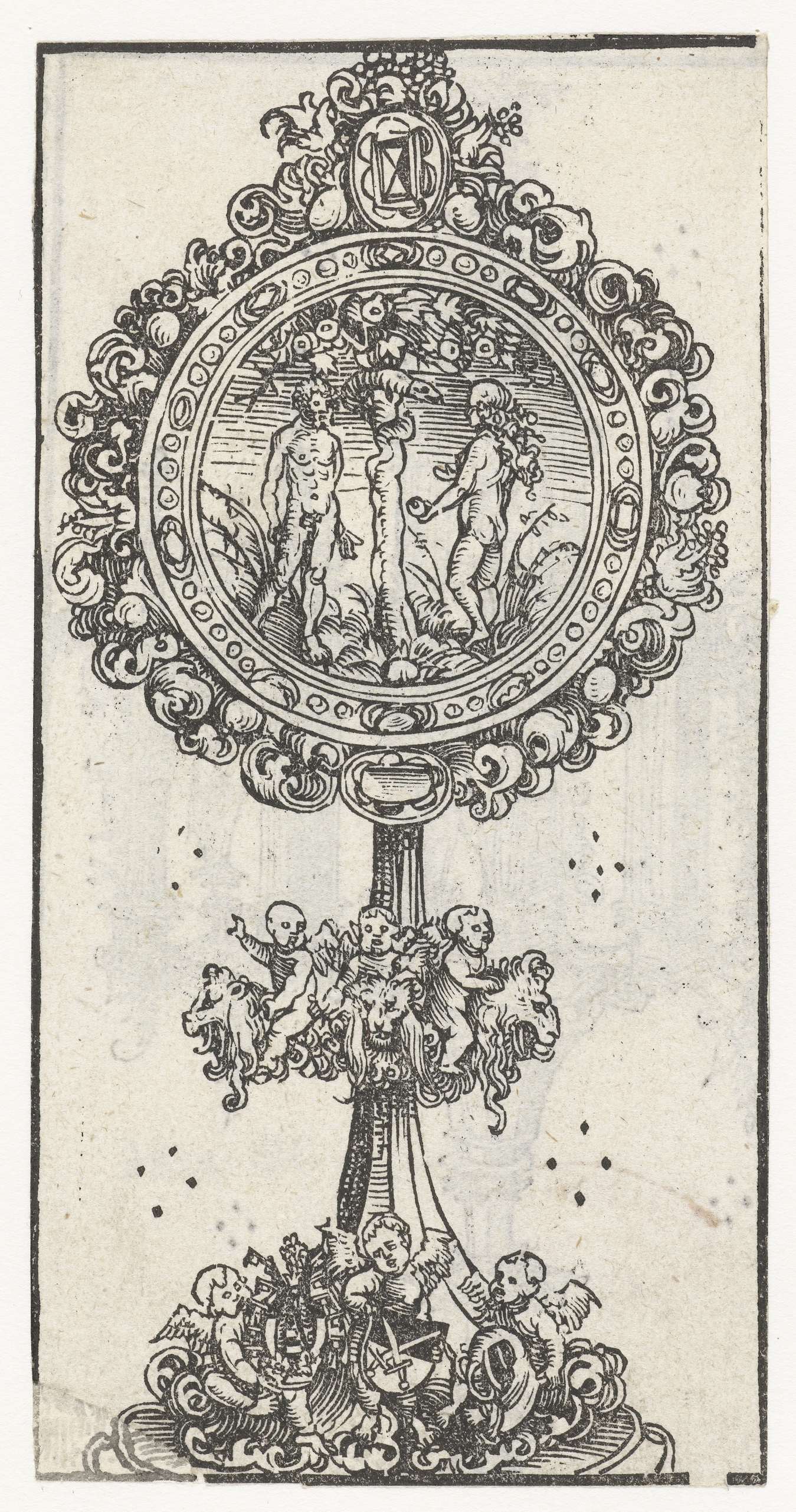
Who listens when art speaks of silence? In Val van paus in de hel, a haunting portrayal of the fall from grace unfolds, inviting reflection on the consequences of creation and ambition. Look to the center, where a serpent coils ominously around a tree, its twisted body drawing the eye toward a figure on the ground, shrouded in despair. The stark contrast between the vibrant greens of the foliage and the muted earth tones of the fallen figure underscores a sense of lost vitality.
Notice the meticulous detailing in the leaves and the serpent’s scales, revealing the artist’s adeptness in capturing texture and light, a testament to the intricate layers of both nature and narrative intertwined within the scene. Delve deeper into the work, and you’ll uncover the interplay of temptation and redemption that defines this moment. The figure, caught in a downward spiral, embodies the tragic consequences of yielding to desire. The vivid representation of the serpent evokes a sense of lurking danger, while the subdued colors of the fallen figure suggest a fading hope.
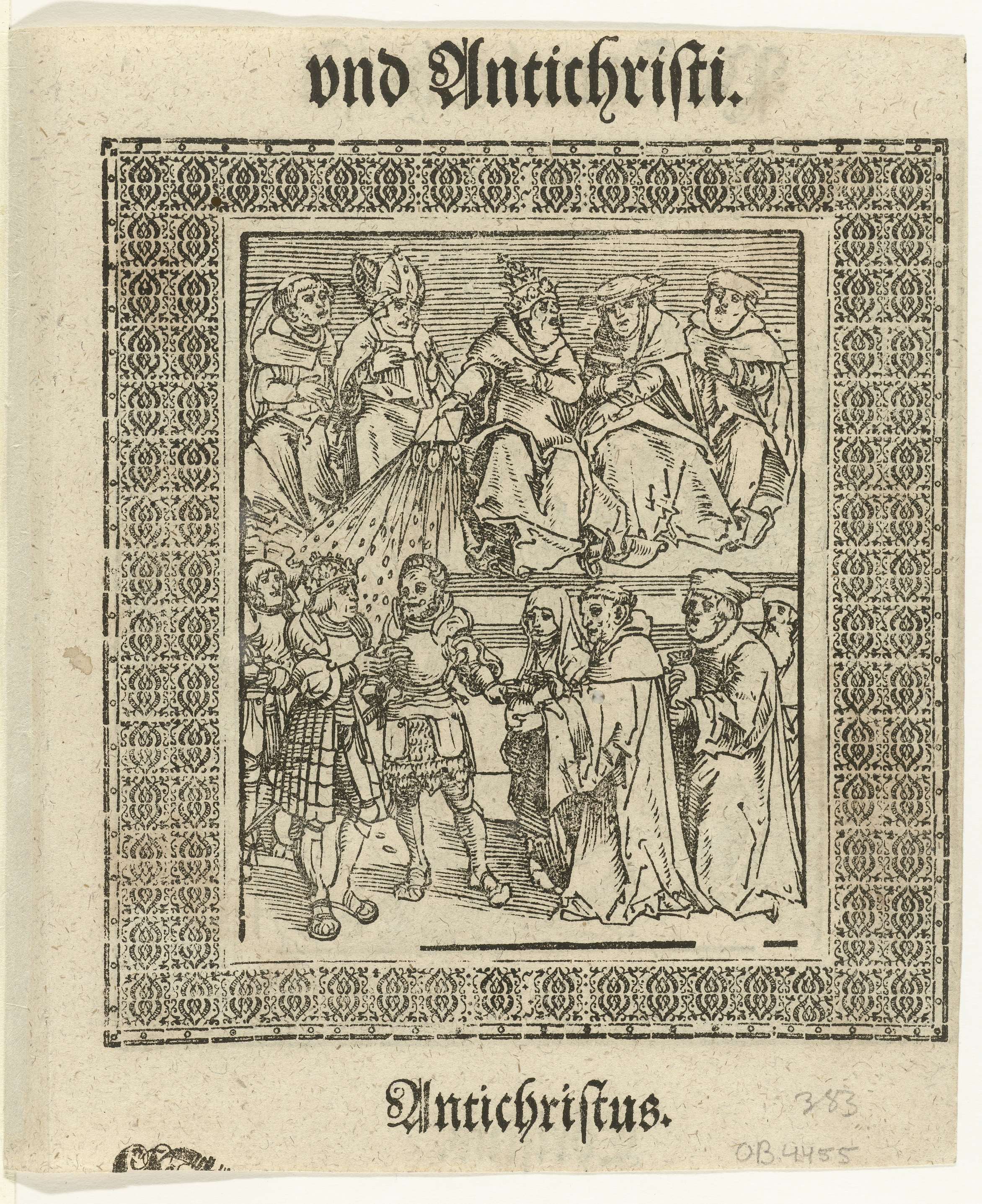
This juxtaposition serves as a powerful reminder of the fragility of human existence and the eternal struggle between aspiration and ruin. Lucas Cranach the Elder created Val van paus in de hel between 1521 and 1522 during a transformative period in the Northern Renaissance. Based in Wittenberg, he was deeply influenced by the religious upheaval of the Reformation, which often found expression in his works. At this time, the dialogue between faith and art was intensifying, and Cranach’s ability to navigate complex themes through his painting was a hallmark of his legacy, reflecting both personal and societal shifts.