Vale of Kashmir — History & Analysis
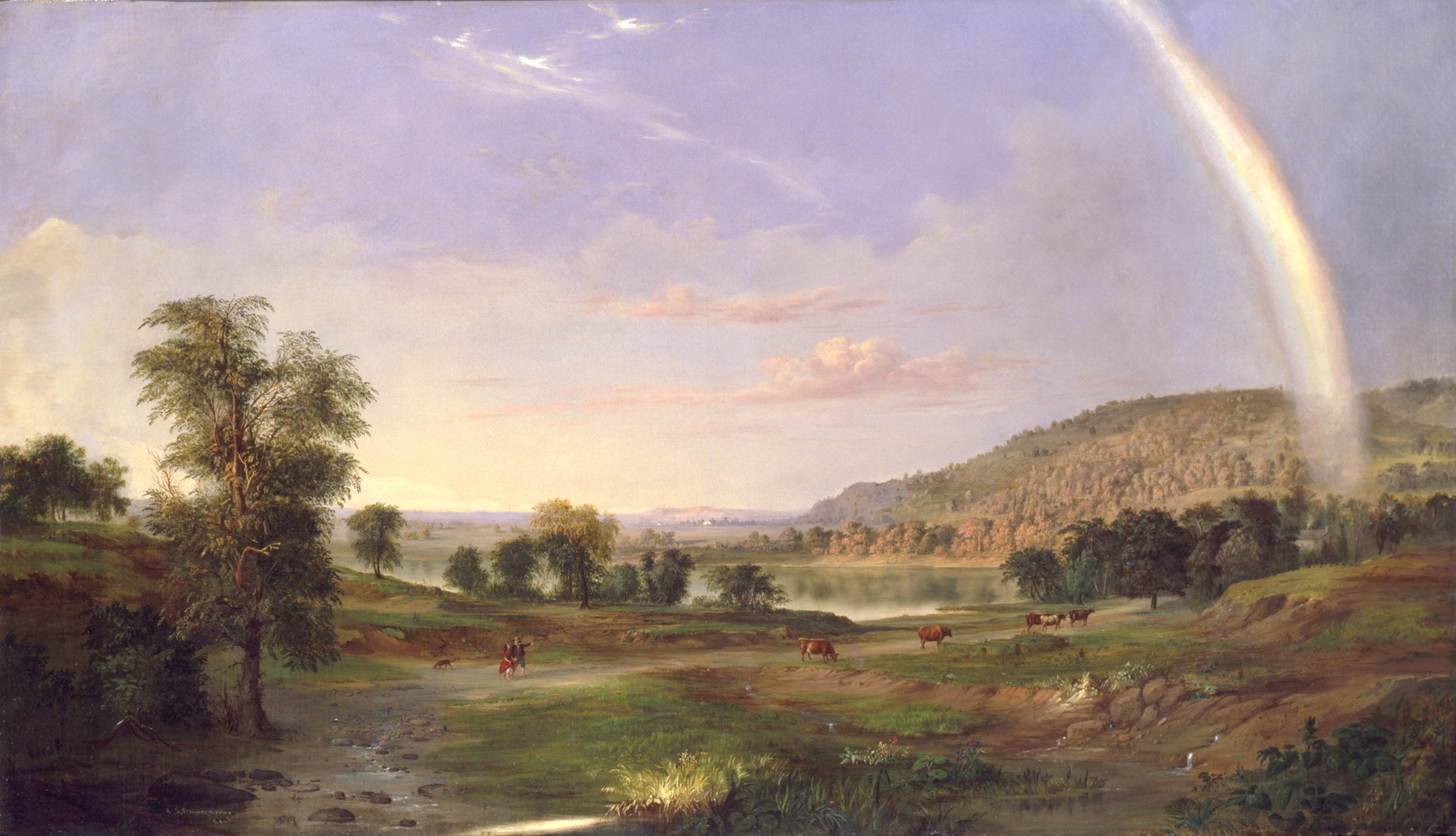
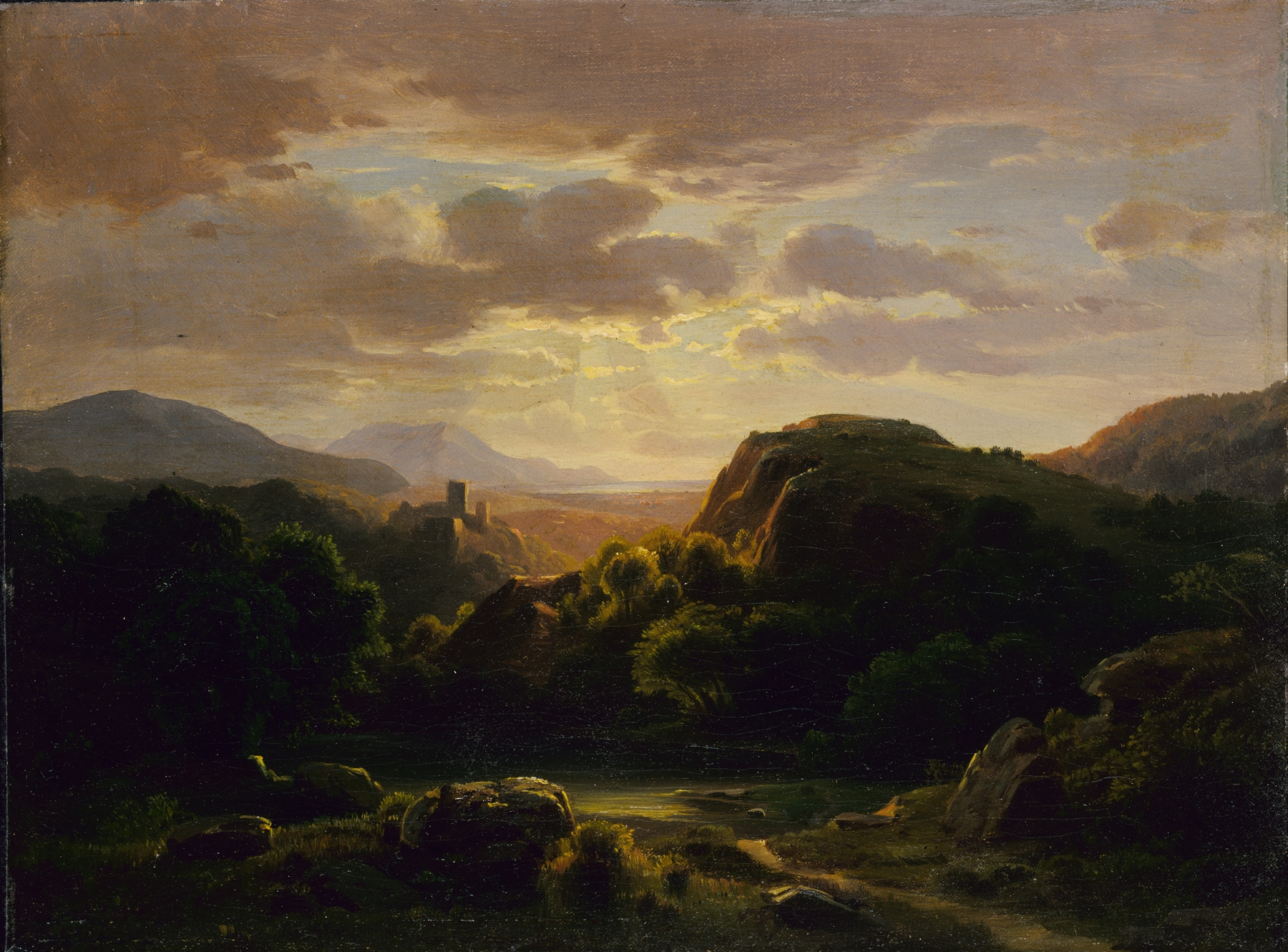
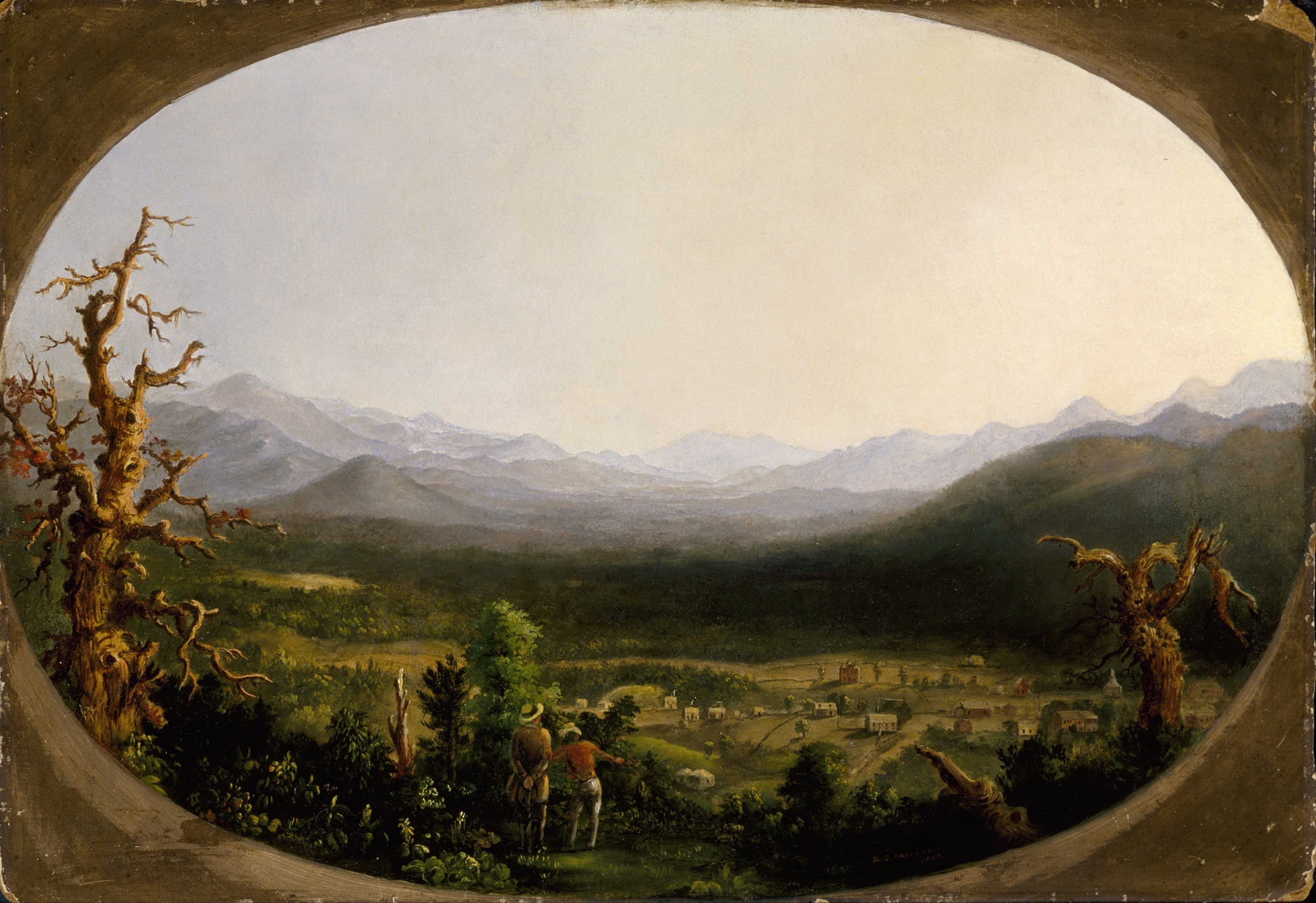
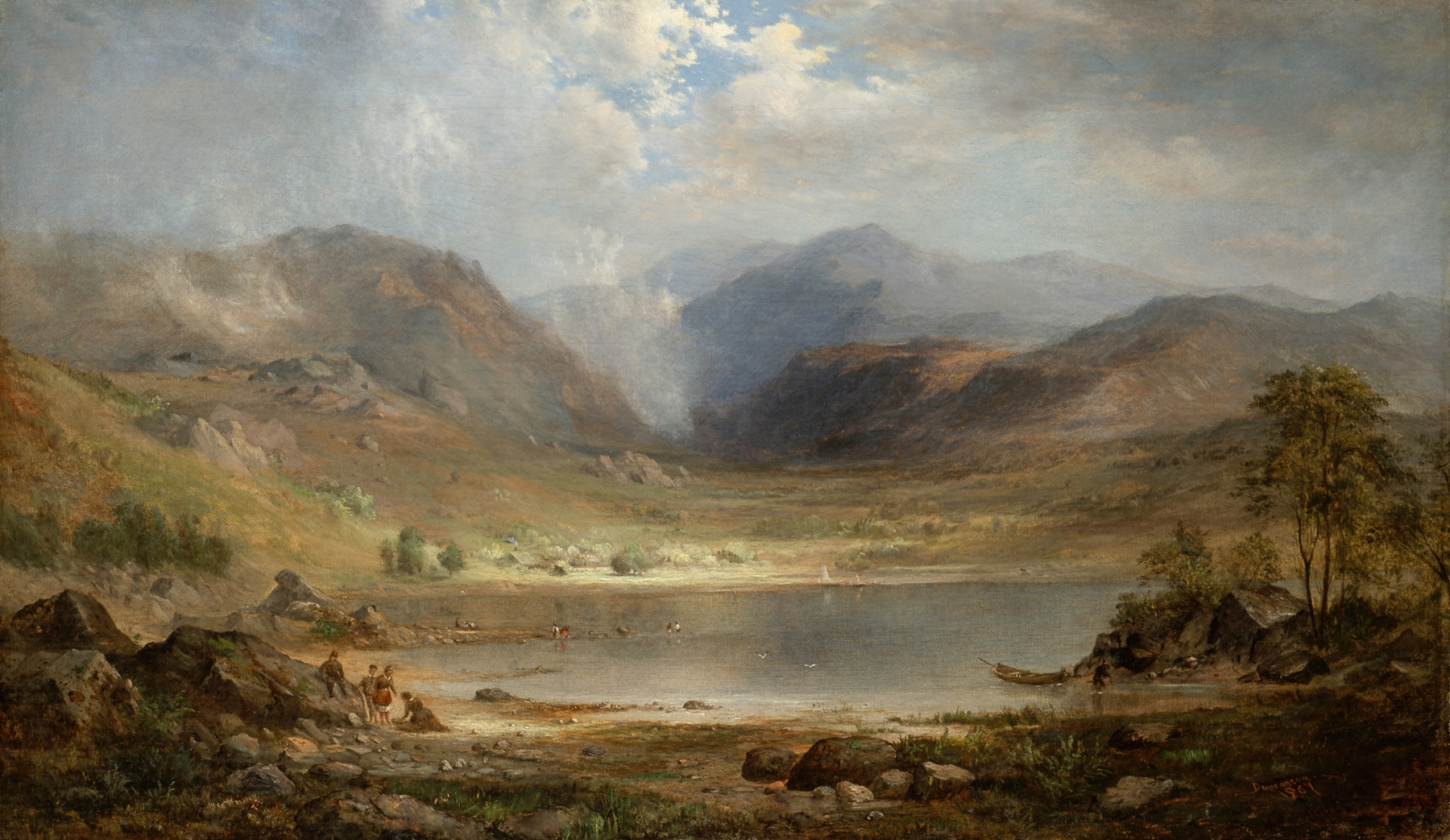
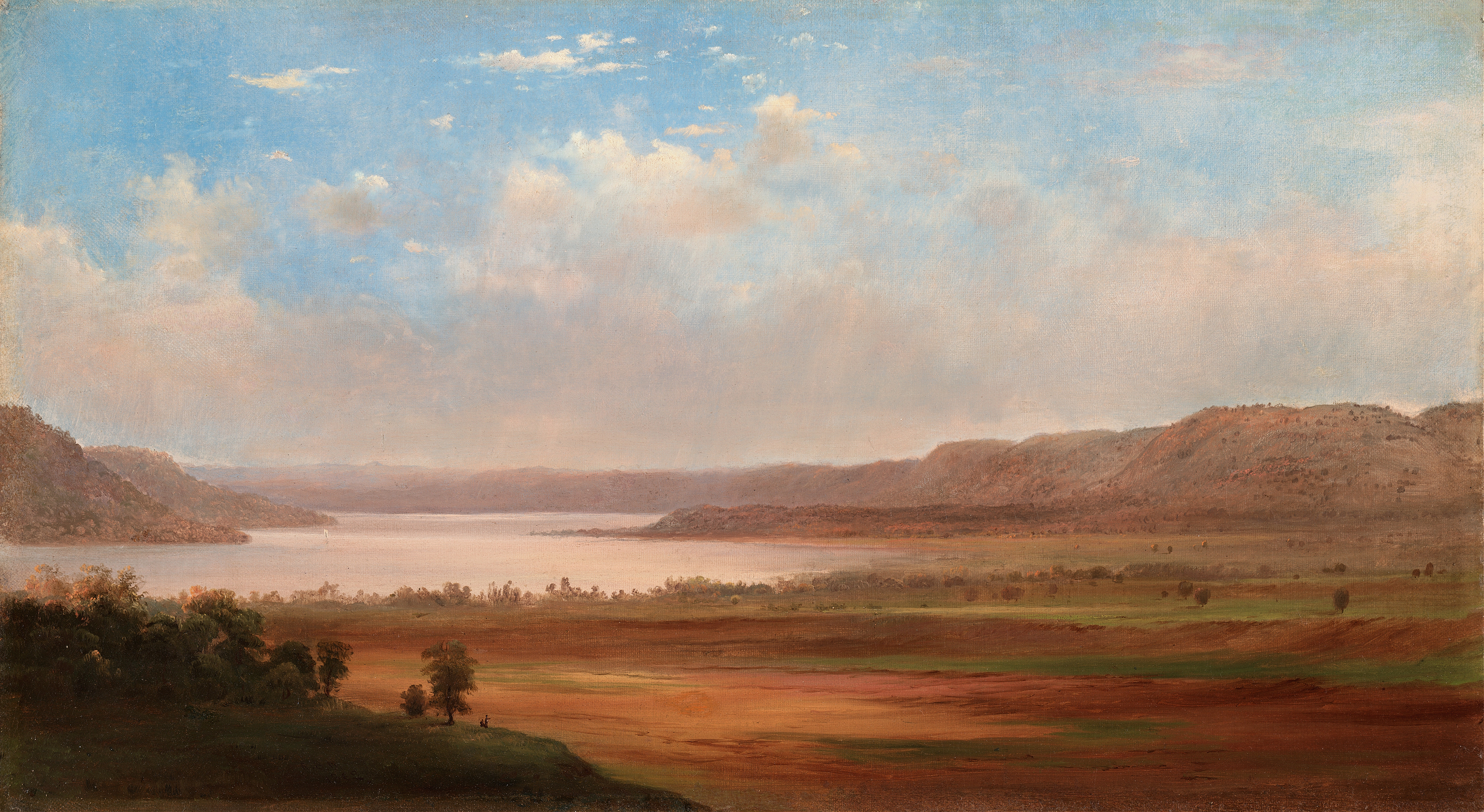
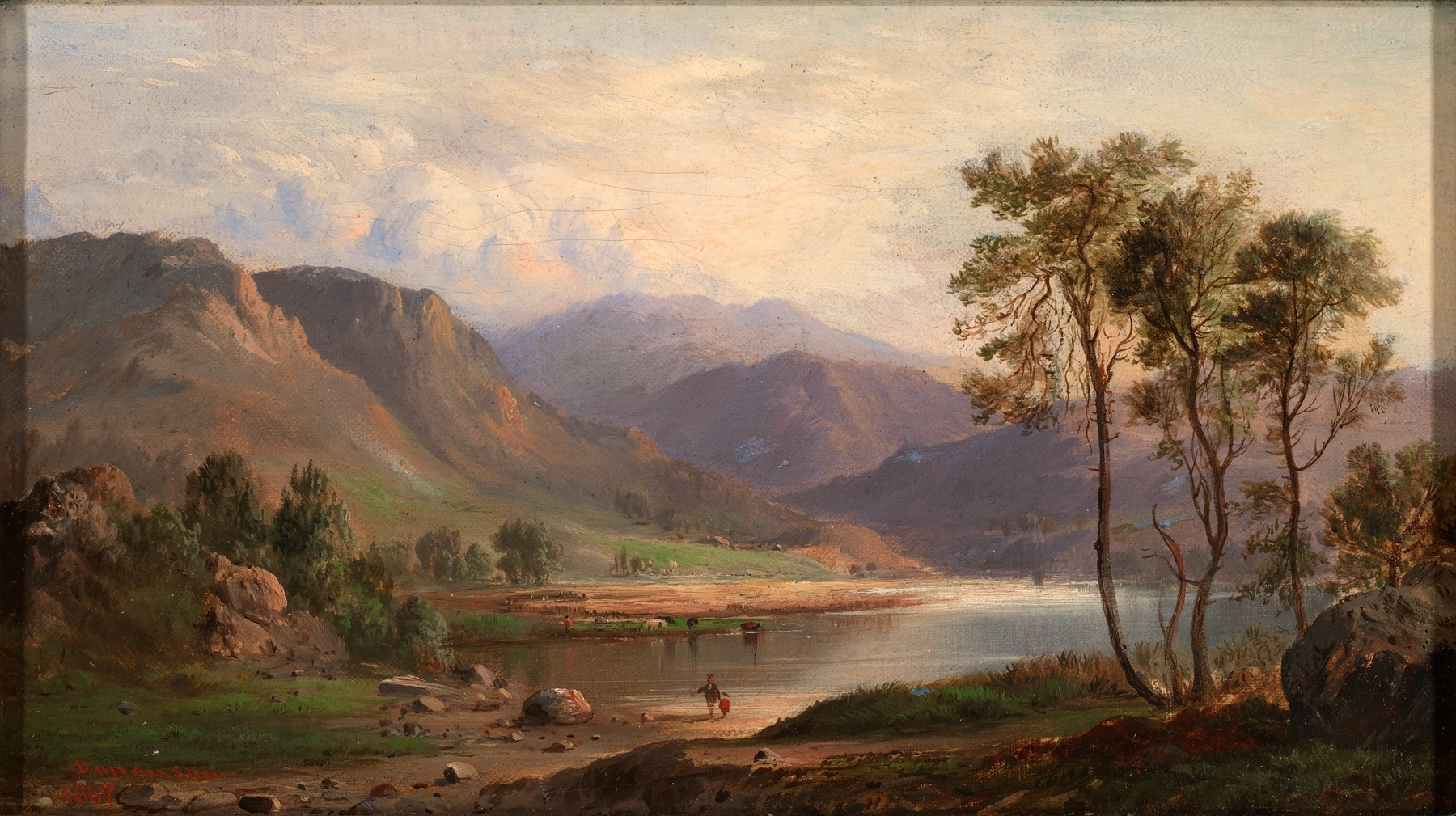
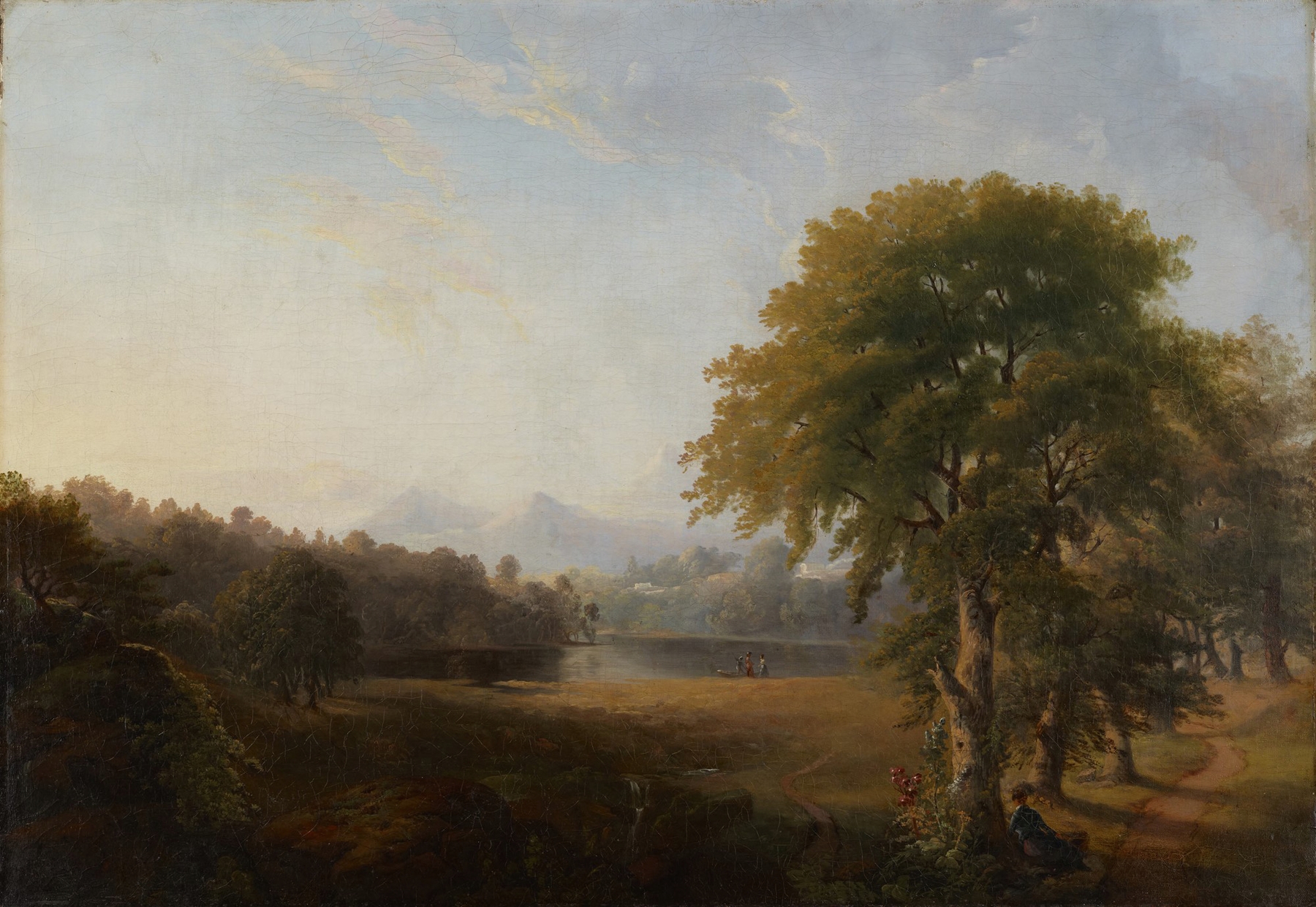
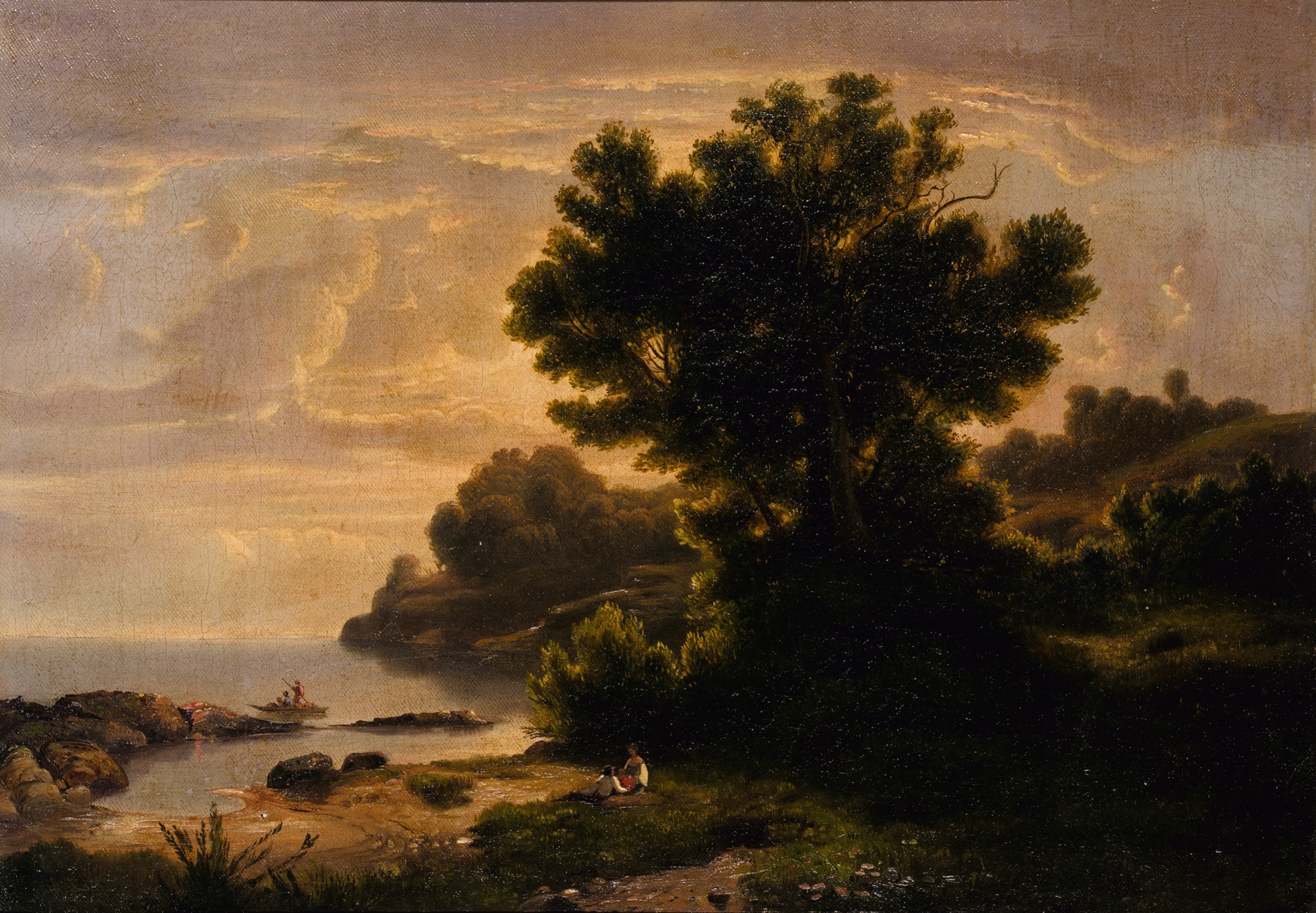
“Art reveals the soul when the world turns away.” In the stillness of a moment captured, we find the echoes of humanity's longing and the depth of nature's embrace, the shadows forming a bridge between reality and the unseen. Look to the foreground, where the delicate interplay of light and shadow invites you into a peaceful vale. The lush greens of the land are punctuated by the soft blue of distant mountains, their majestic peaks draped in a gentle haze. Notice how the artist has used rich, contrasting colors to create a sense of depth; each stroke adds texture to the foliage, while the sunlit areas seem to breathe life into the scene.
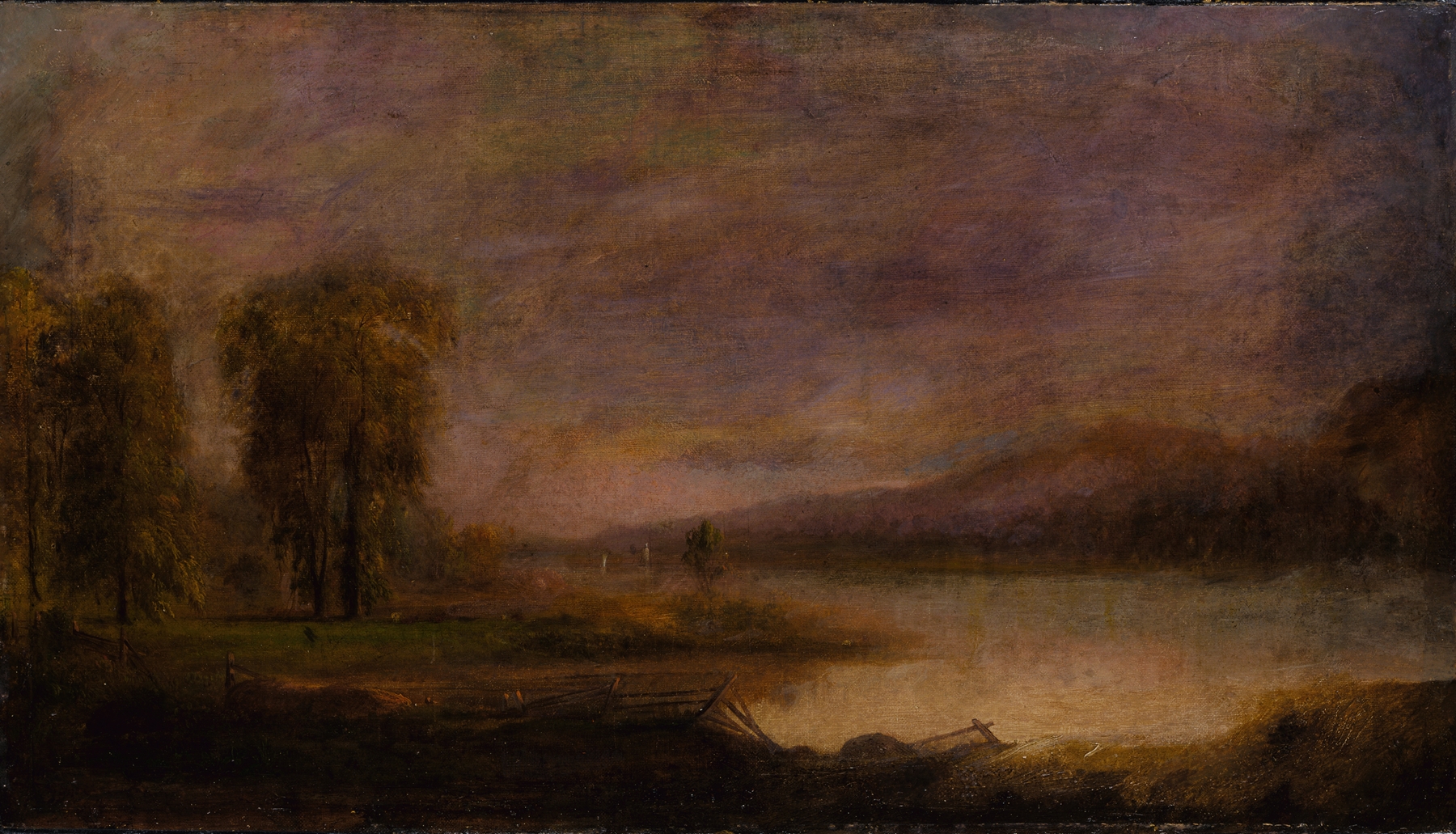
The careful placement of dark shadows serves not only to define the shapes but also to evoke a sense of serene mystery. Beneath the tranquil surface lies a profound commentary on the relationship between light and dark, both literally and metaphorically. The shadows whisper secrets of solitude and introspection, suggesting that within beauty lies the weight of unspoken stories. The delicate balance between the illuminated and the obscured reflects the duality of existence: joy intertwined with melancholy, presence alongside absence.
Each detail, from the gentle ripples in the water to the wisps of clouds overhead, resonates with an unyielding sense of calm that belies the complexity of life. In 1867, as Duncanson painted this work, he was navigating the challenges of being a Black artist in a predominantly white artistic landscape. Living in Cincinnati, he was able to escape the turmoil of the Civil War, creating serene landscapes that contrasted with the chaos of the outside world. This period marked a turning point—Duncanson’s work began to gain recognition in both American and European art circles, as he found his voice in the evocative beauty of nature.