Venedig — History & Analysis
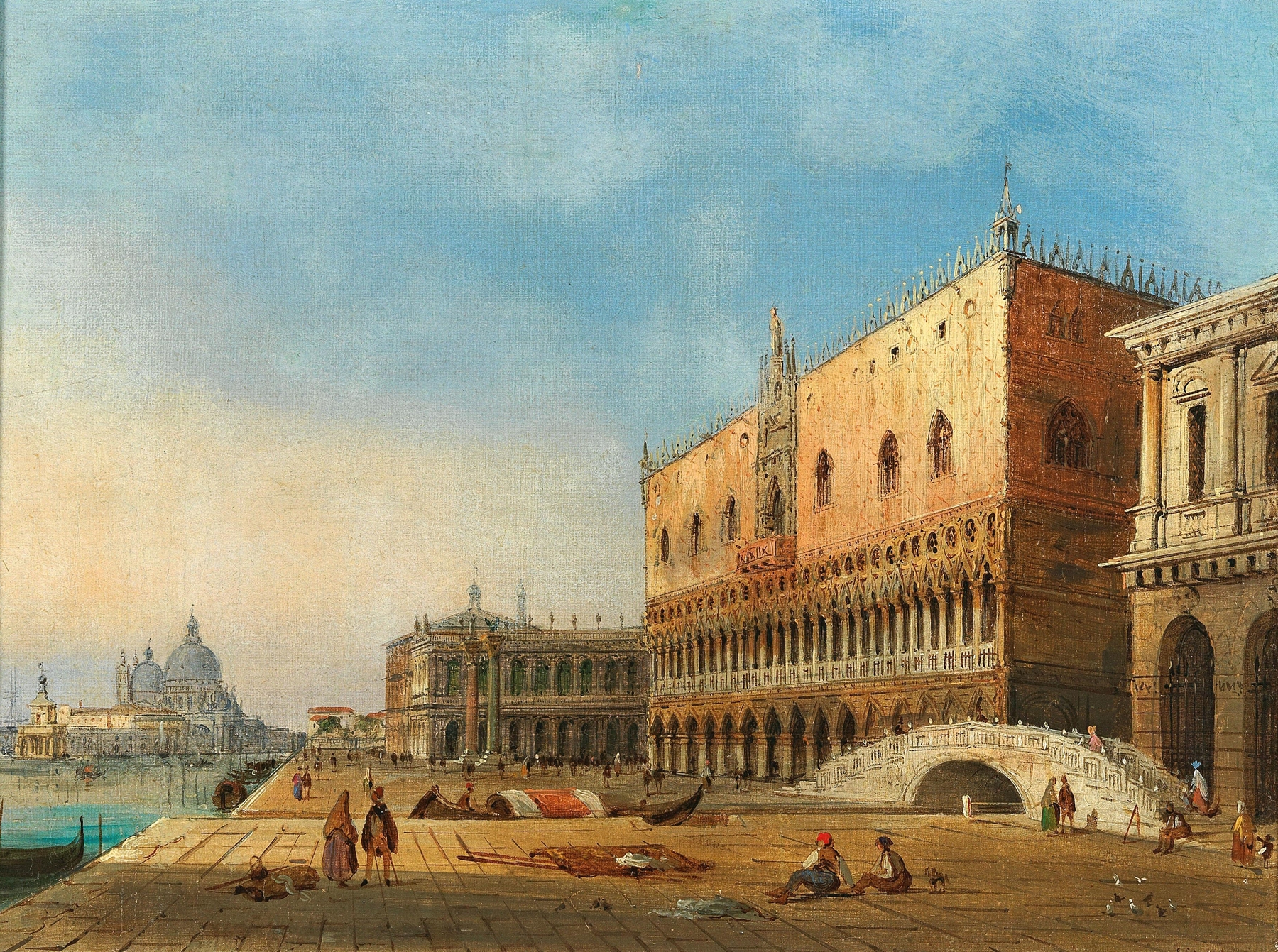
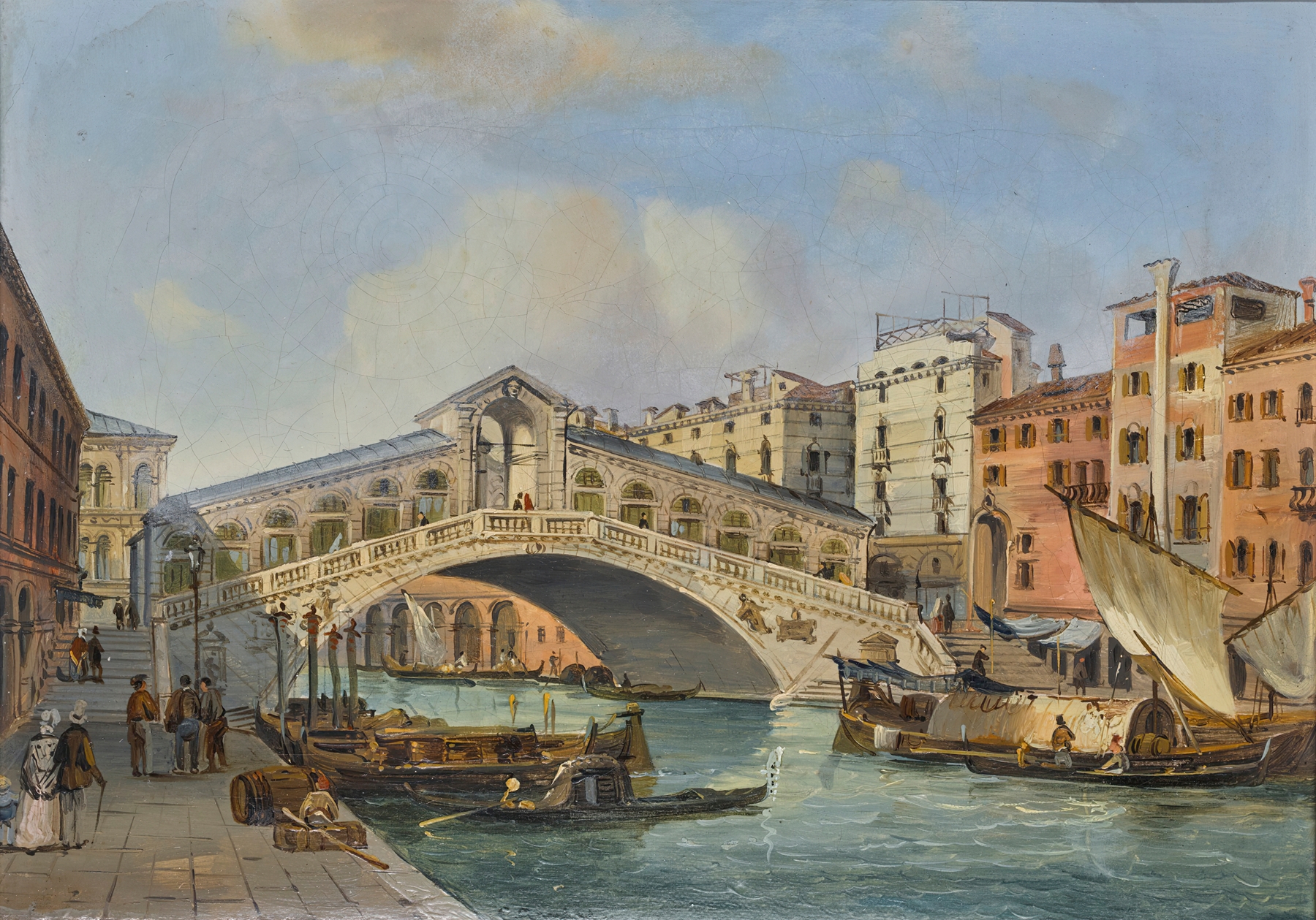
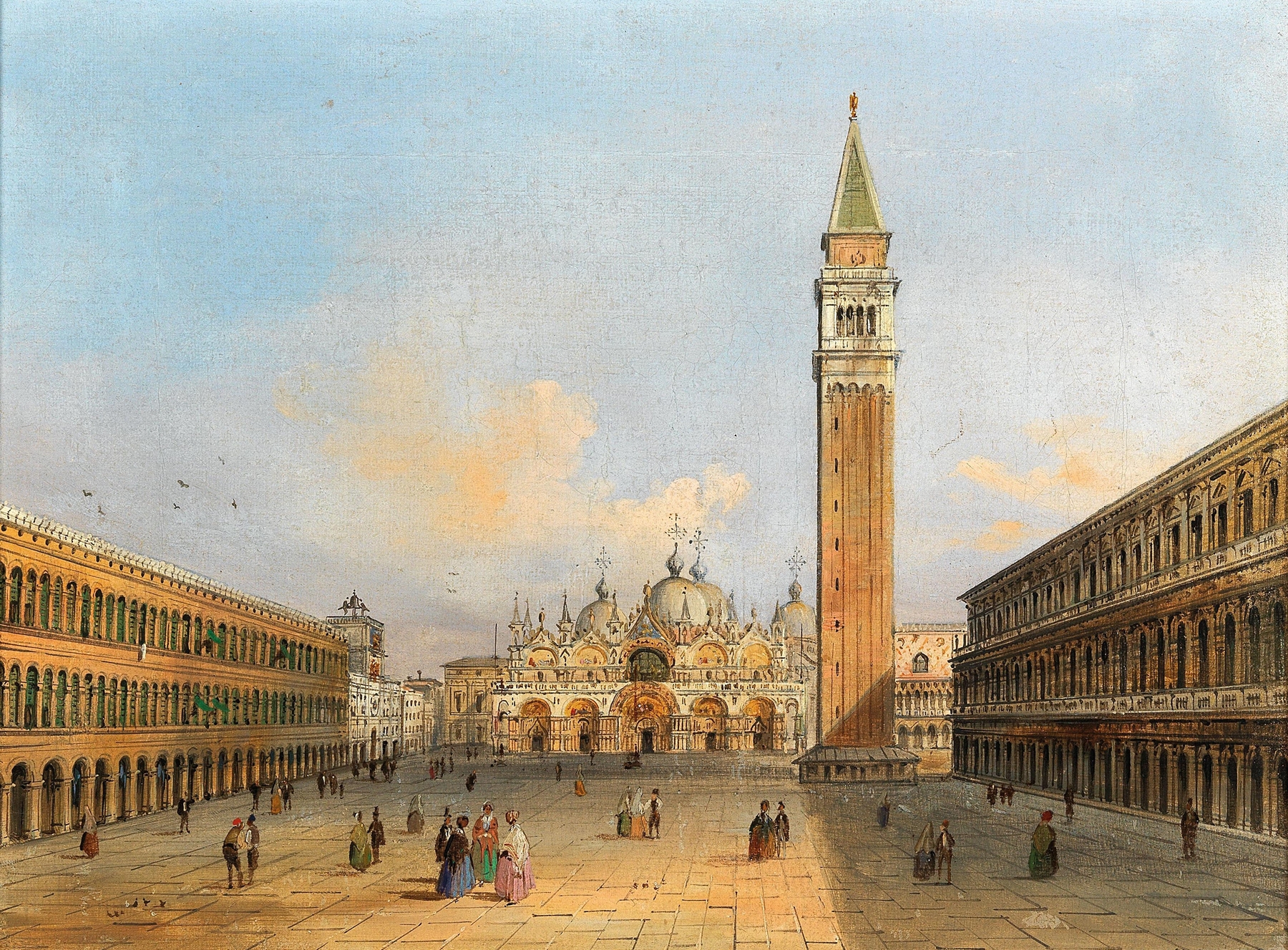
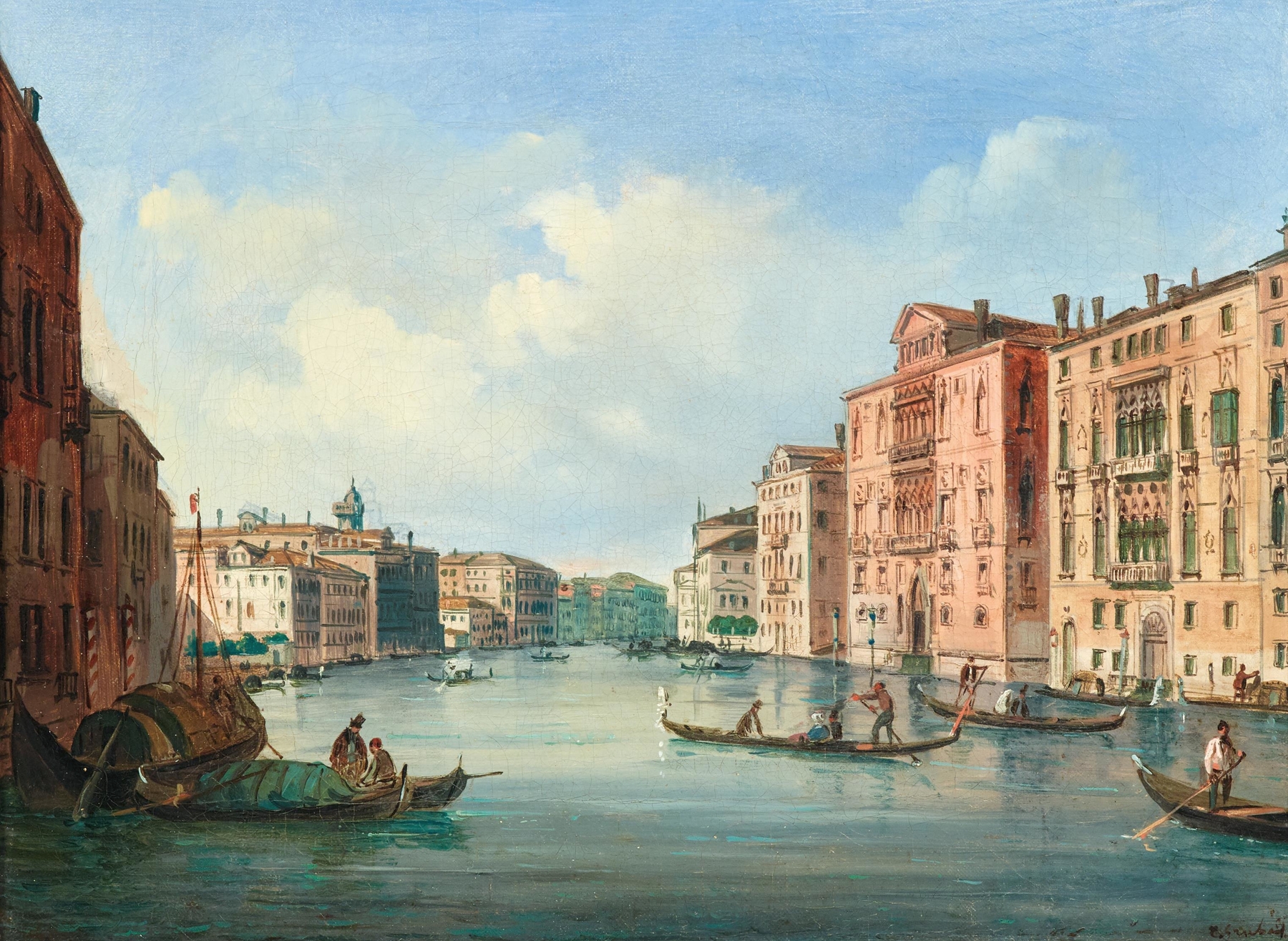
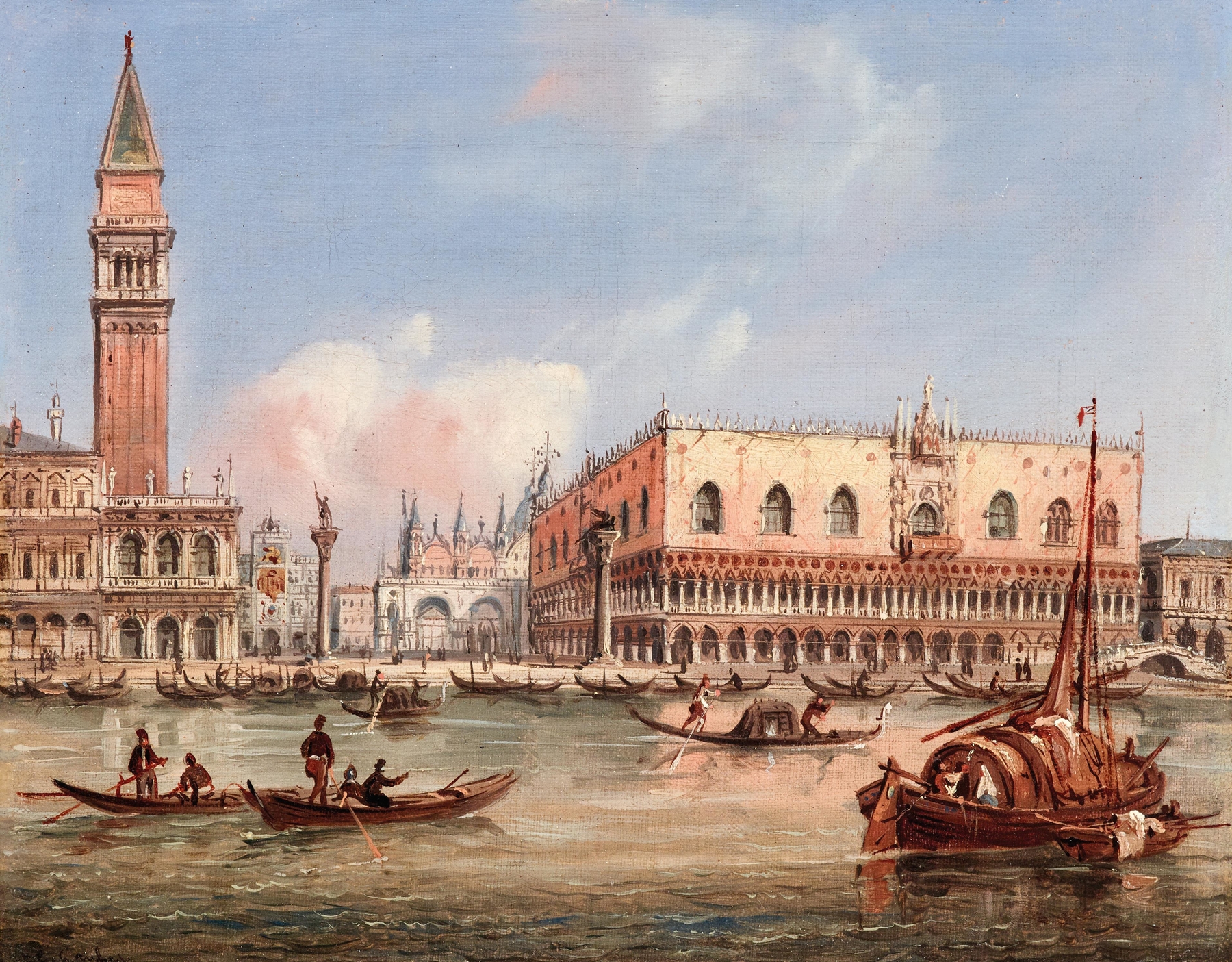
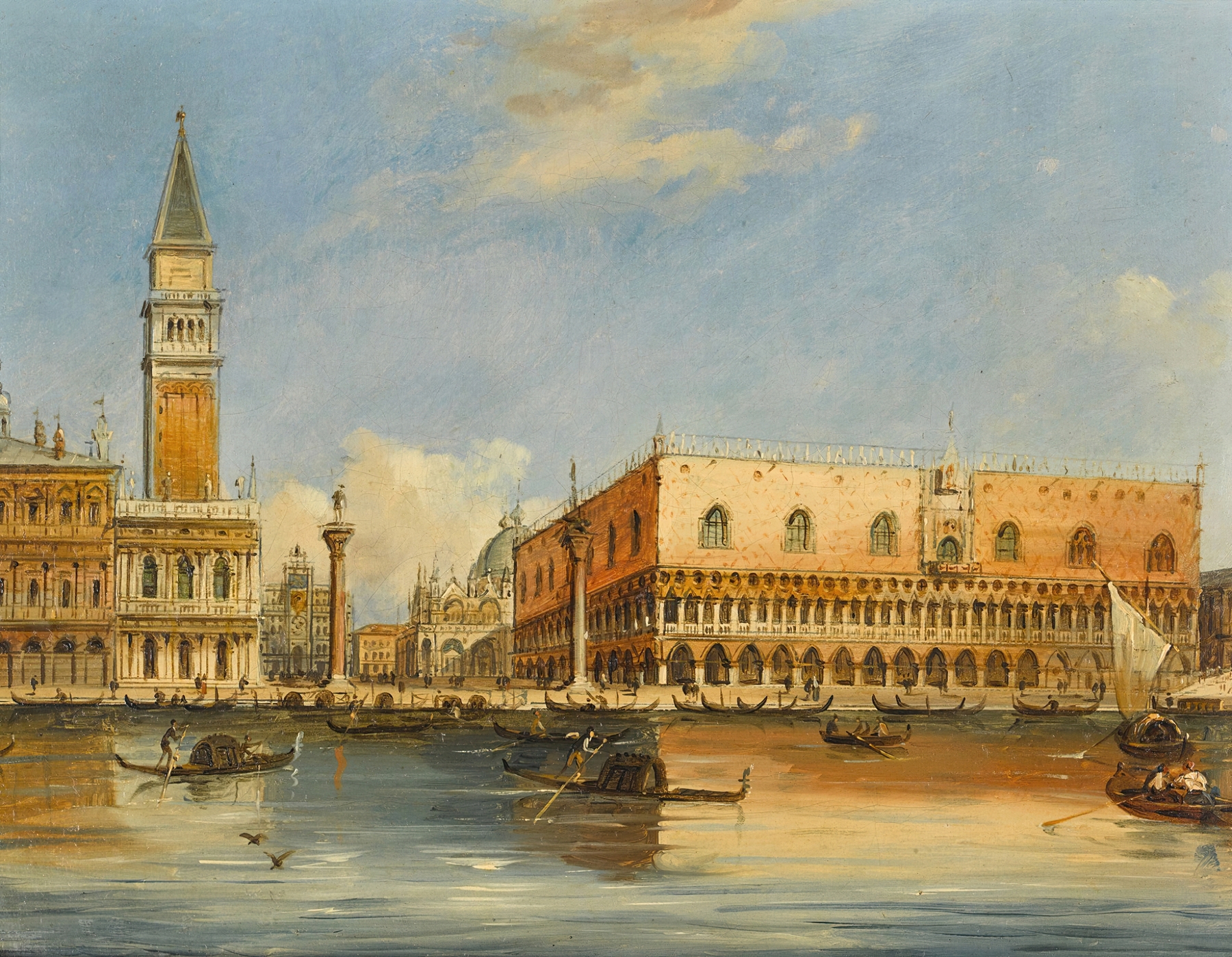
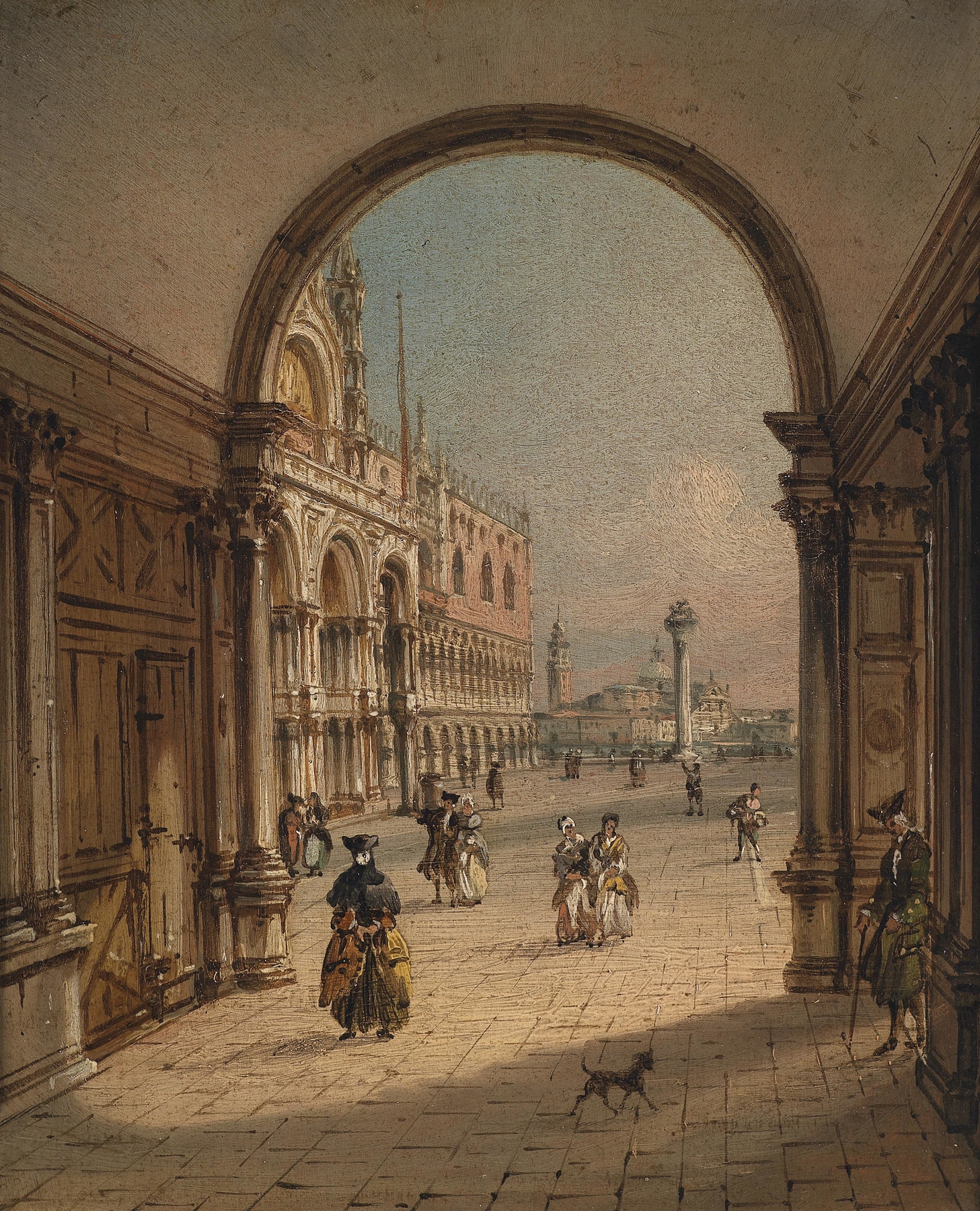
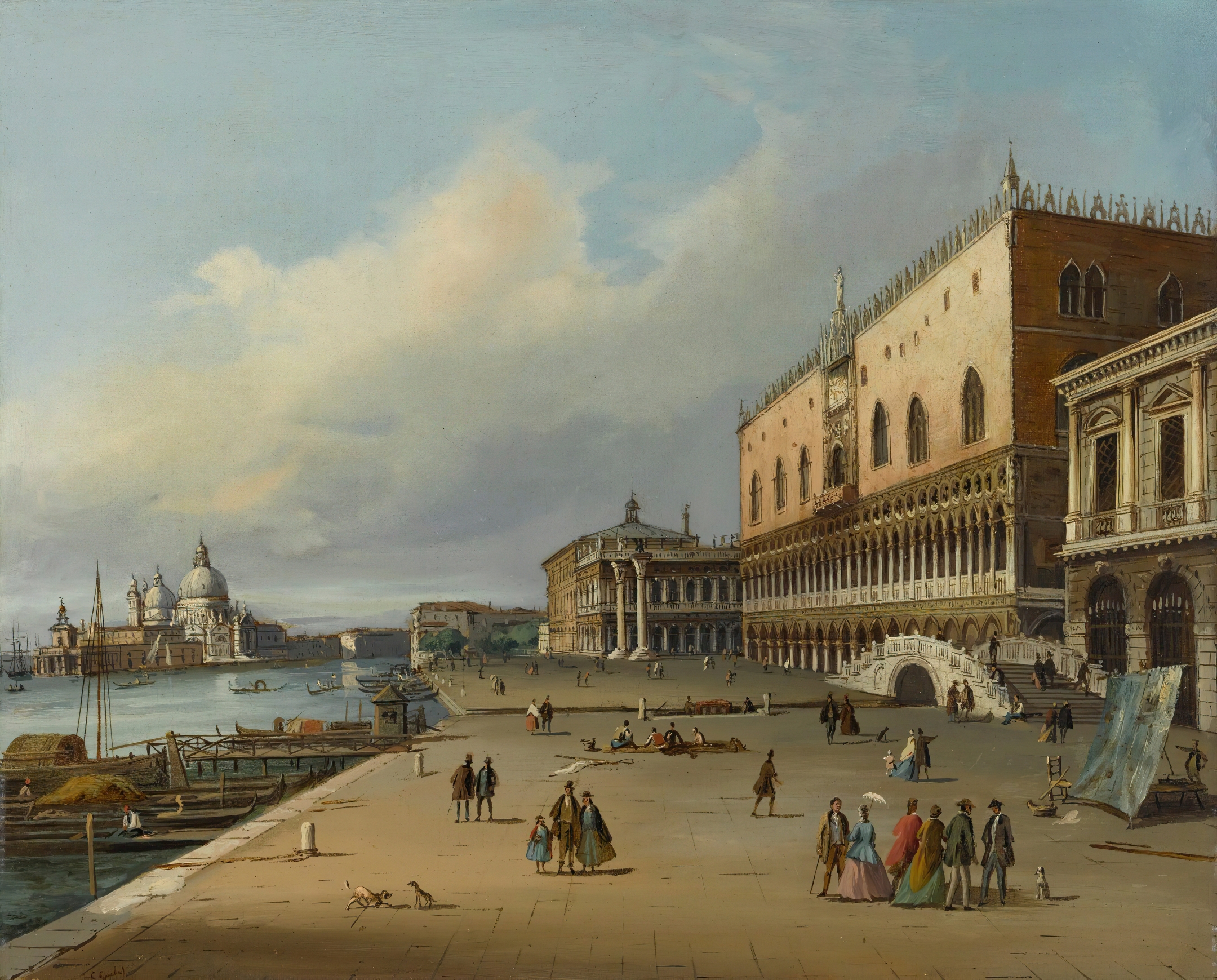
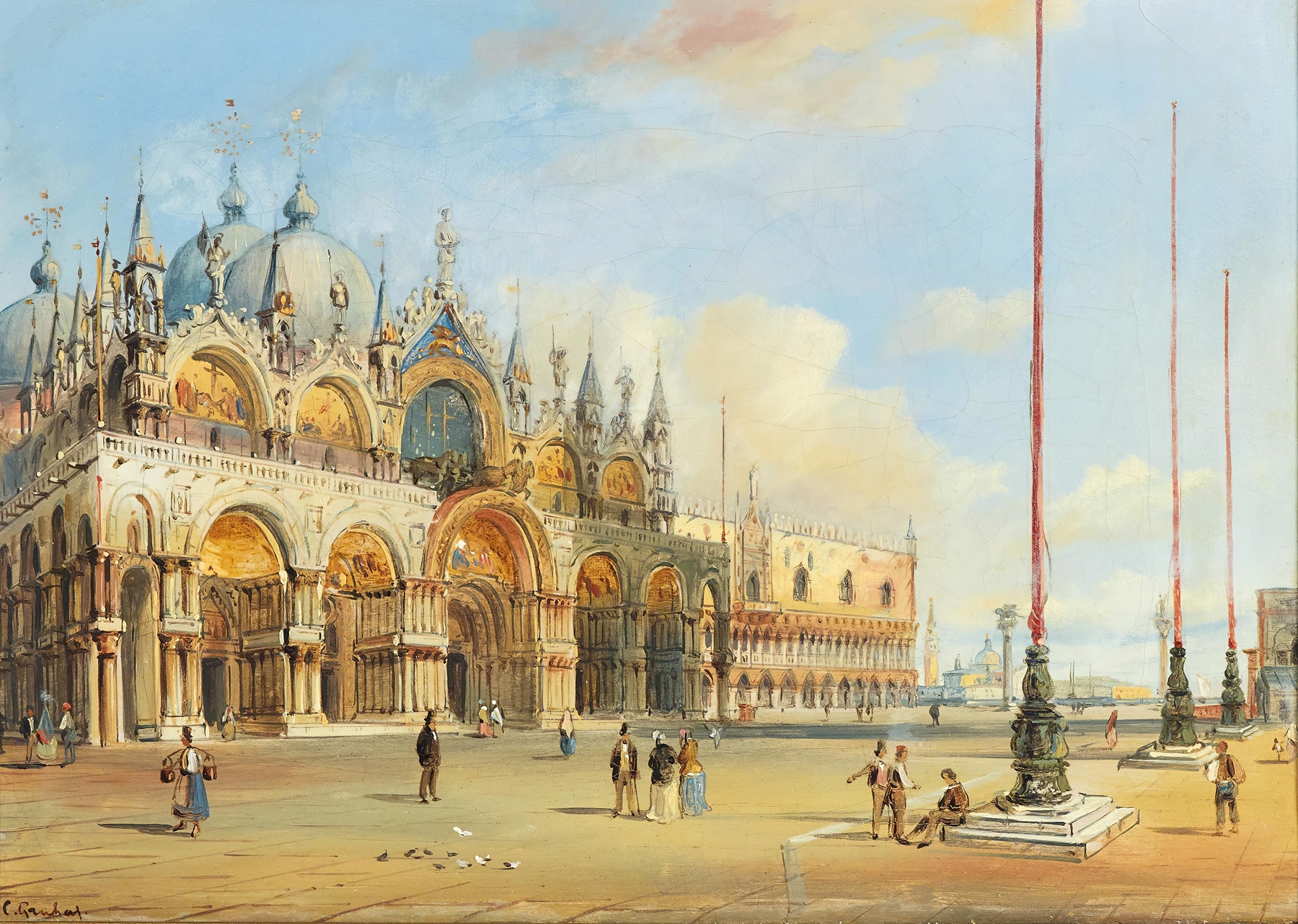
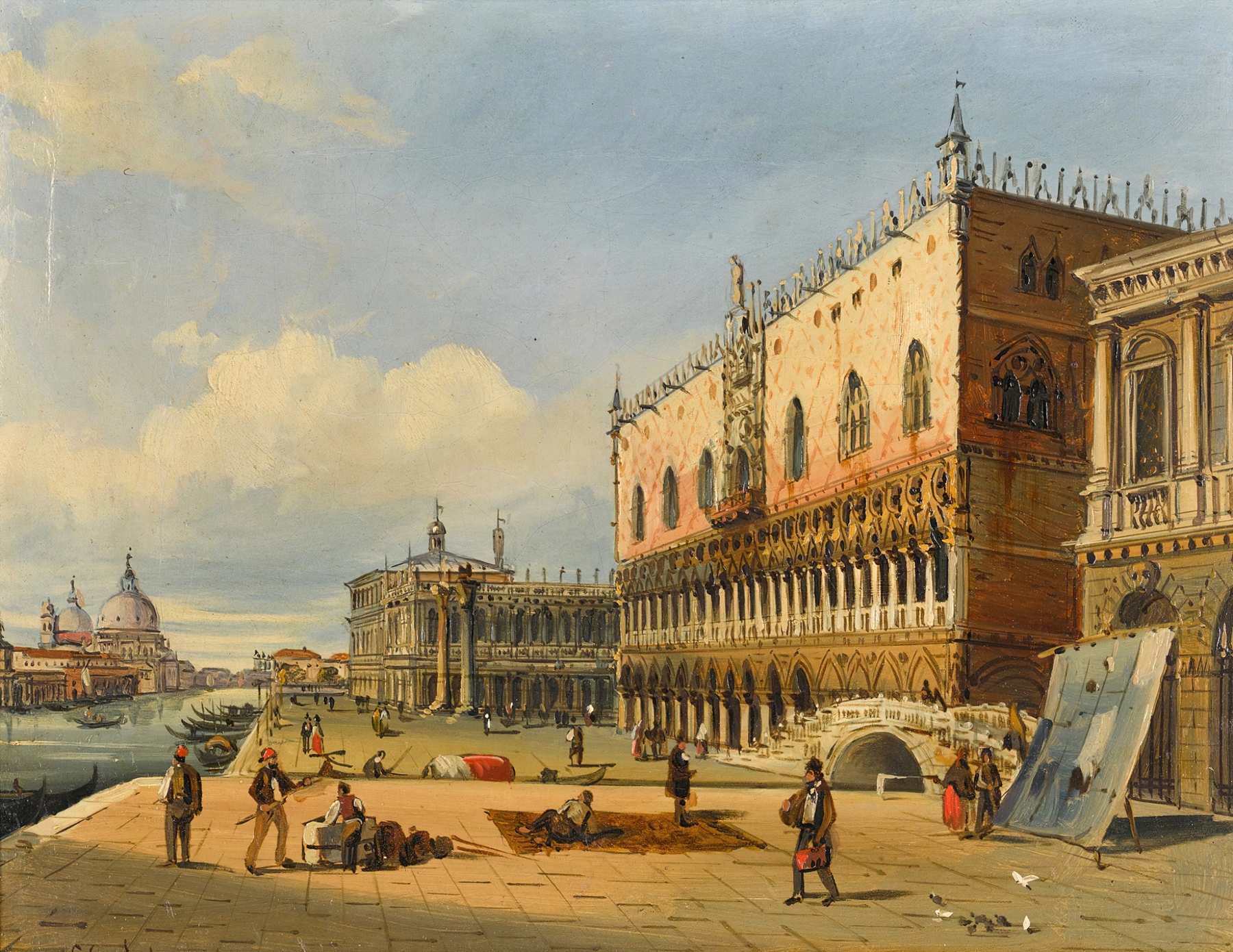
Who listens when art speaks of silence? In the stillness of Venedig, light becomes an eloquent voice, weaving through the architectural splendor of a city that thrives on whispers of the past. Here, the interplay of shadows and illumination beckons viewers to pause and reflect. Look to the left where the sun casts a golden luminescence on the delicate facades of ancient buildings, drawing your eye along the tranquil canal. Notice how the artist’s brushwork captures the shimmering water, creating a gentle ripple effect that mirrors the calm yet vibrant essence of Venice.
The warm palette of ochres and soft blues imbues the scene with a sense of nostalgia, as if the viewer is peering through a time-worn window, inviting them to linger in a moment suspended between day and night. Delve deeper into the details. Observe the subtle contrast between the sun-drenched architecture and the cool shadows lurking in the corners, suggesting stories of both light and obscurity. The absence of bustling figures speaks volumes; there’s a profound solitude that evokes a bittersweet longing.
Each stroke seems to echo the silence that blankets the space, urging contemplation of the city's history and the ephemeral nature of beauty itself. Carlo Grubacs painted Venedig during a time when he was deeply engaged with capturing the essence of his surroundings in his native Venice. Although the exact date remains uncertain, his work reflects the 19th-century fascination with realism and the romantic allure of Venice, a city that was both a muse and an artistic battleground amid rising modern influences. This painting encapsulates his attempt to immortalize the city's fleeting charm in a moment that feels both intimate and universal.