Venetian Scene — History & Analysis
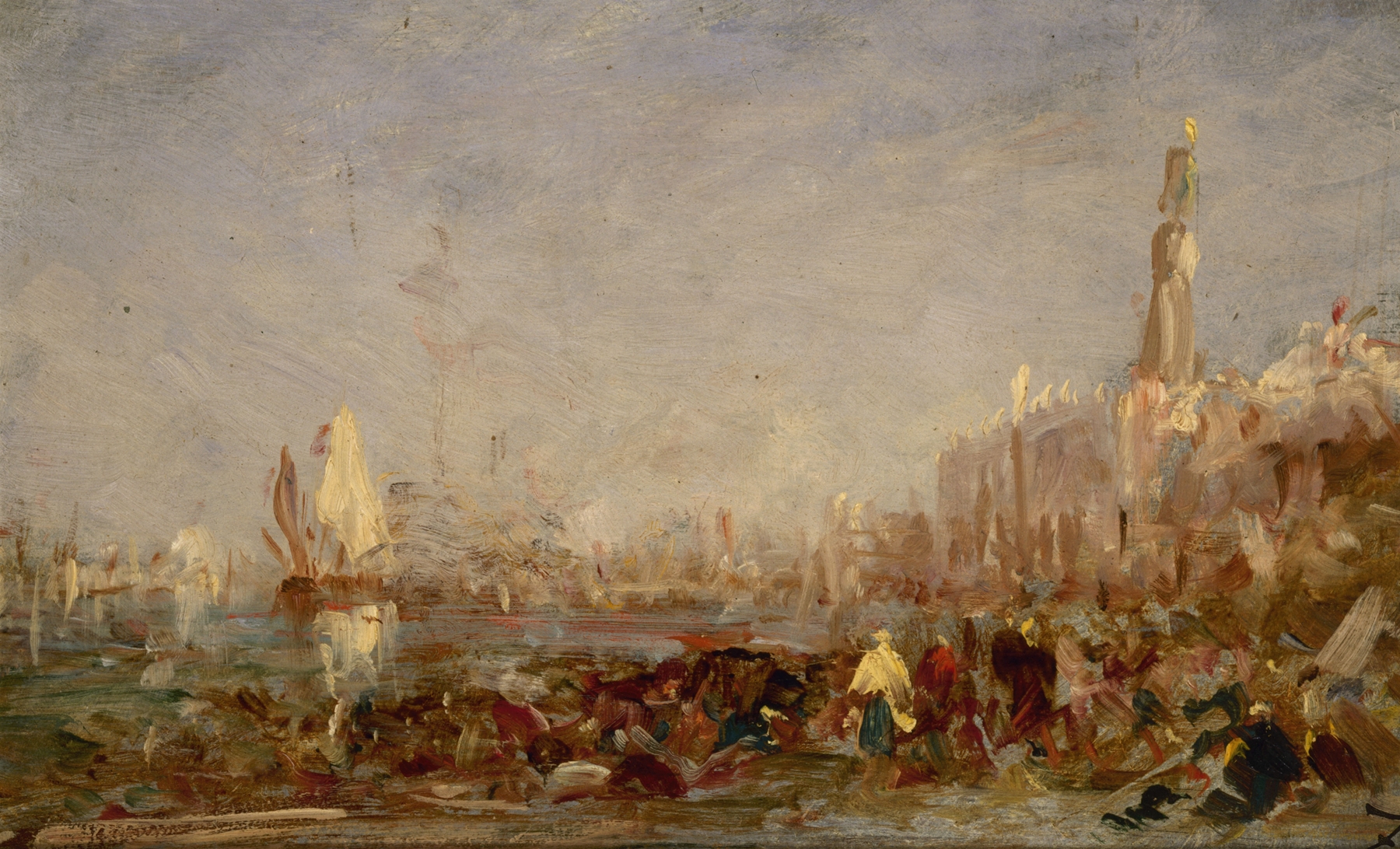
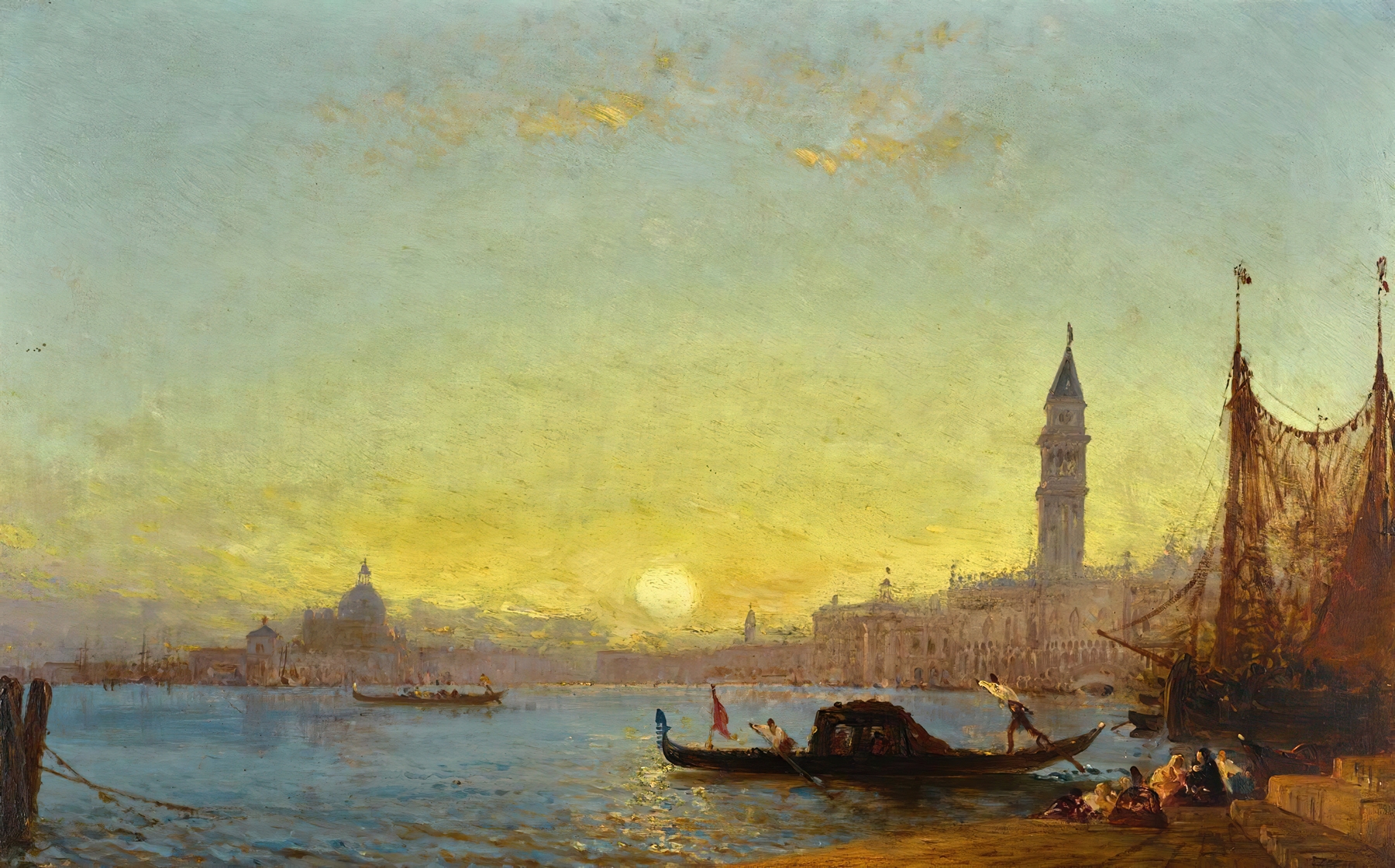
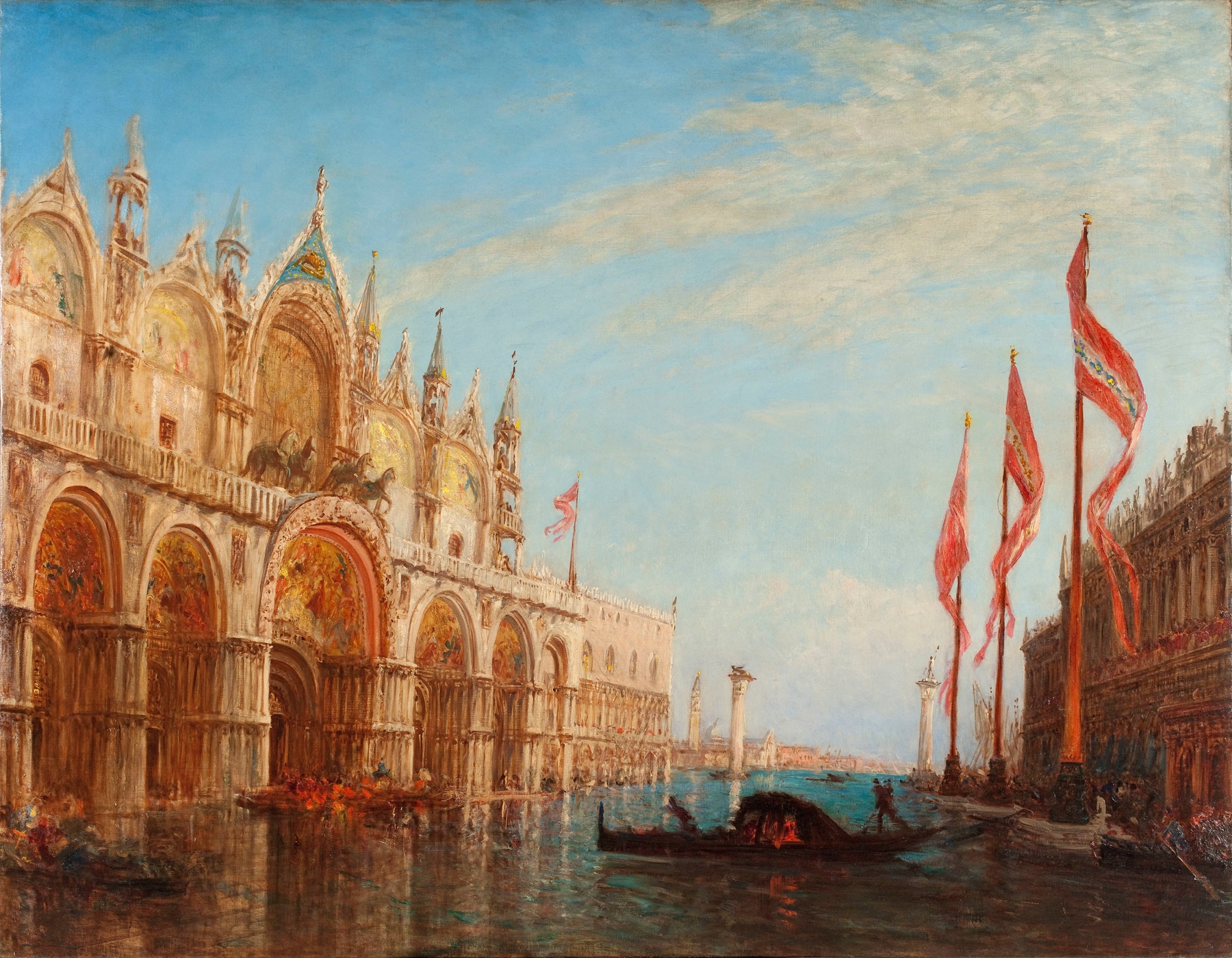
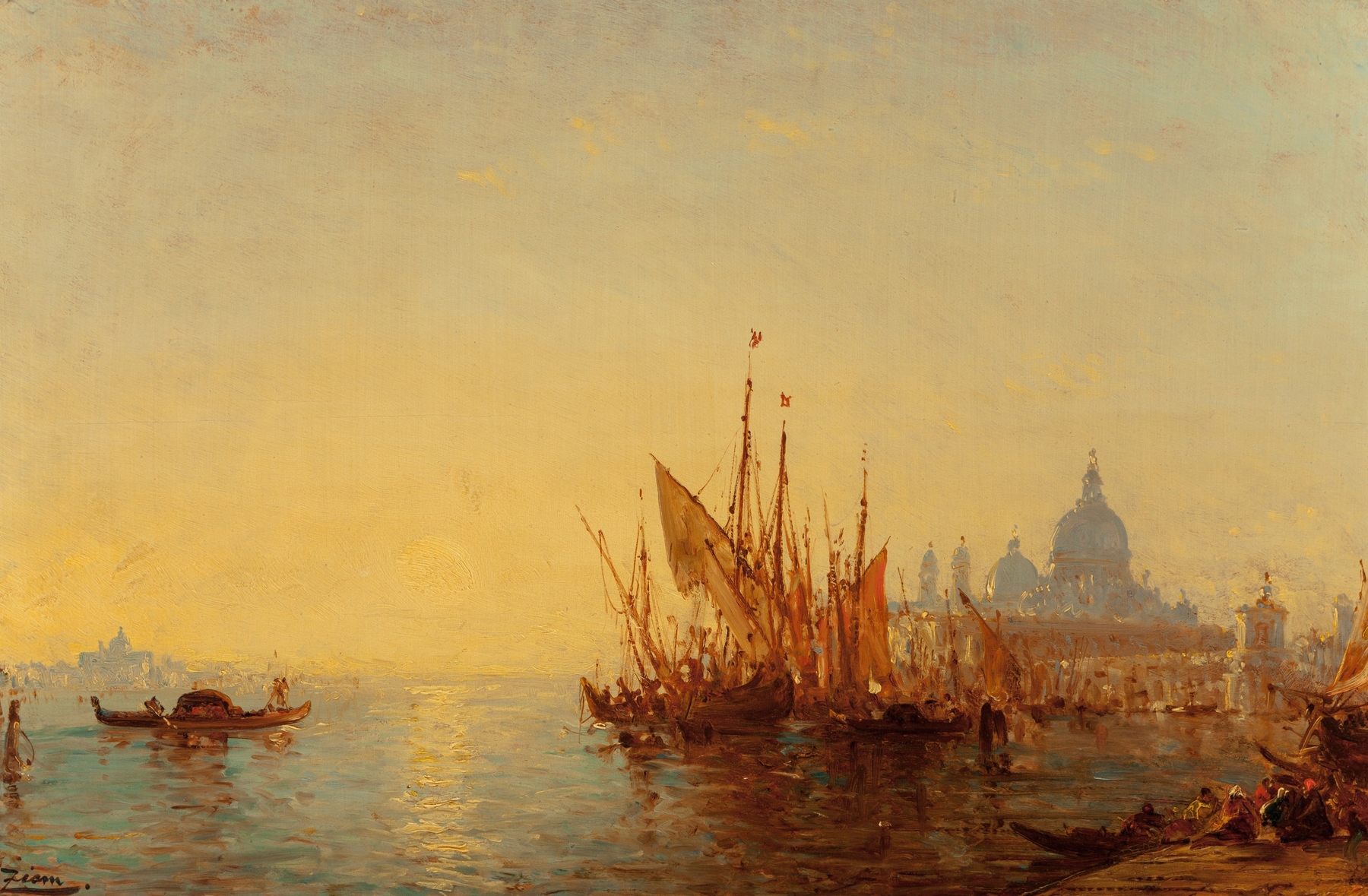
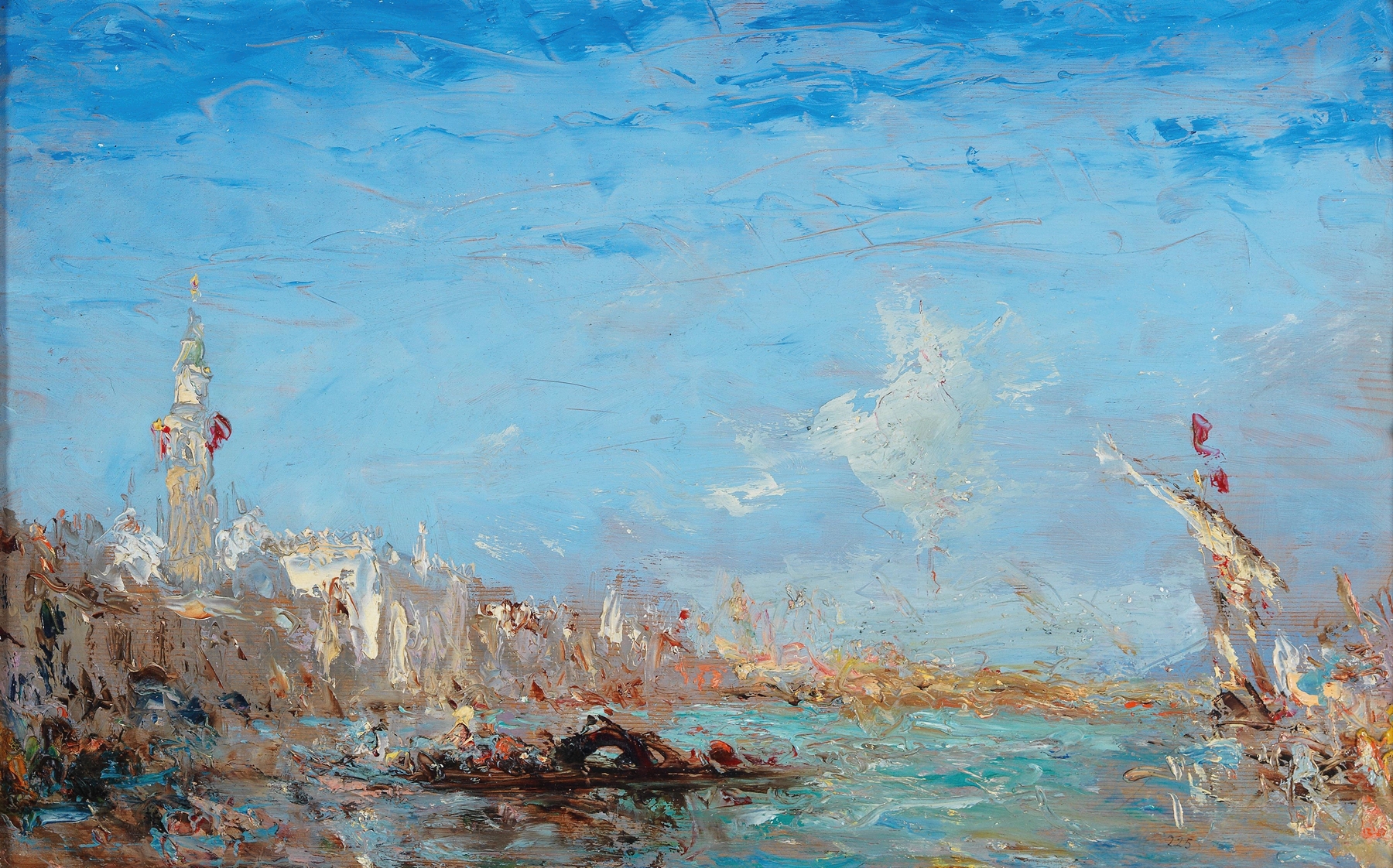
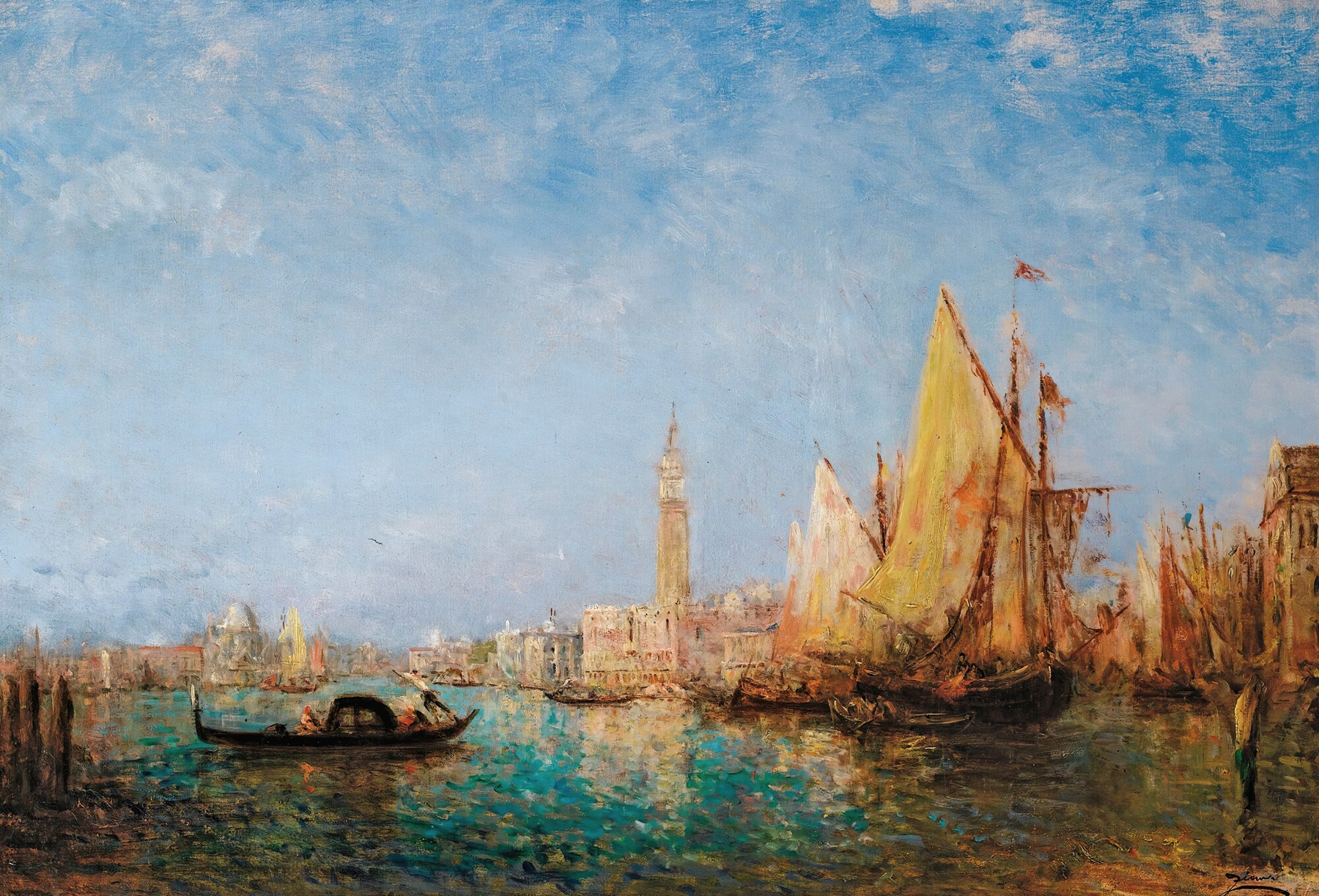
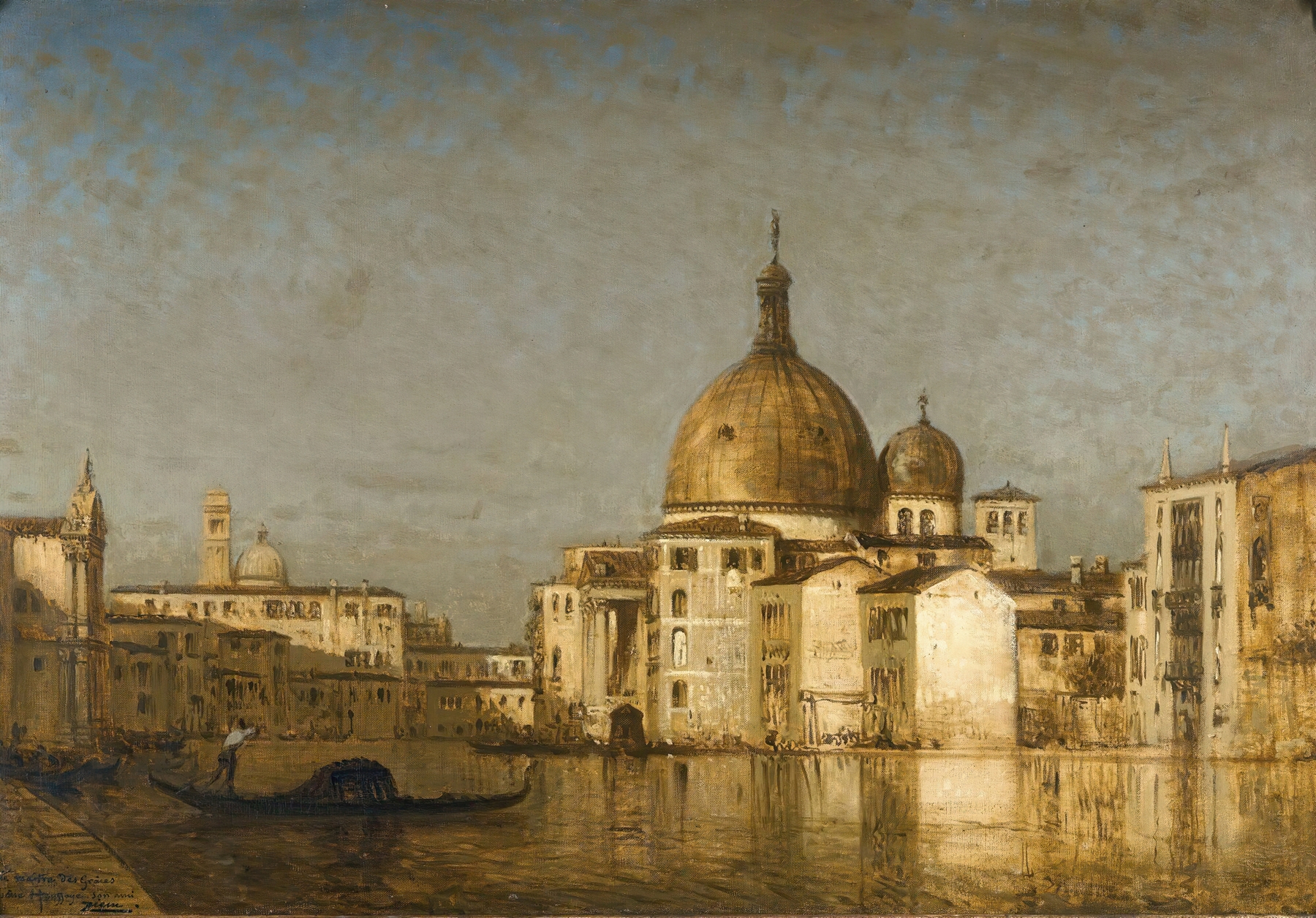
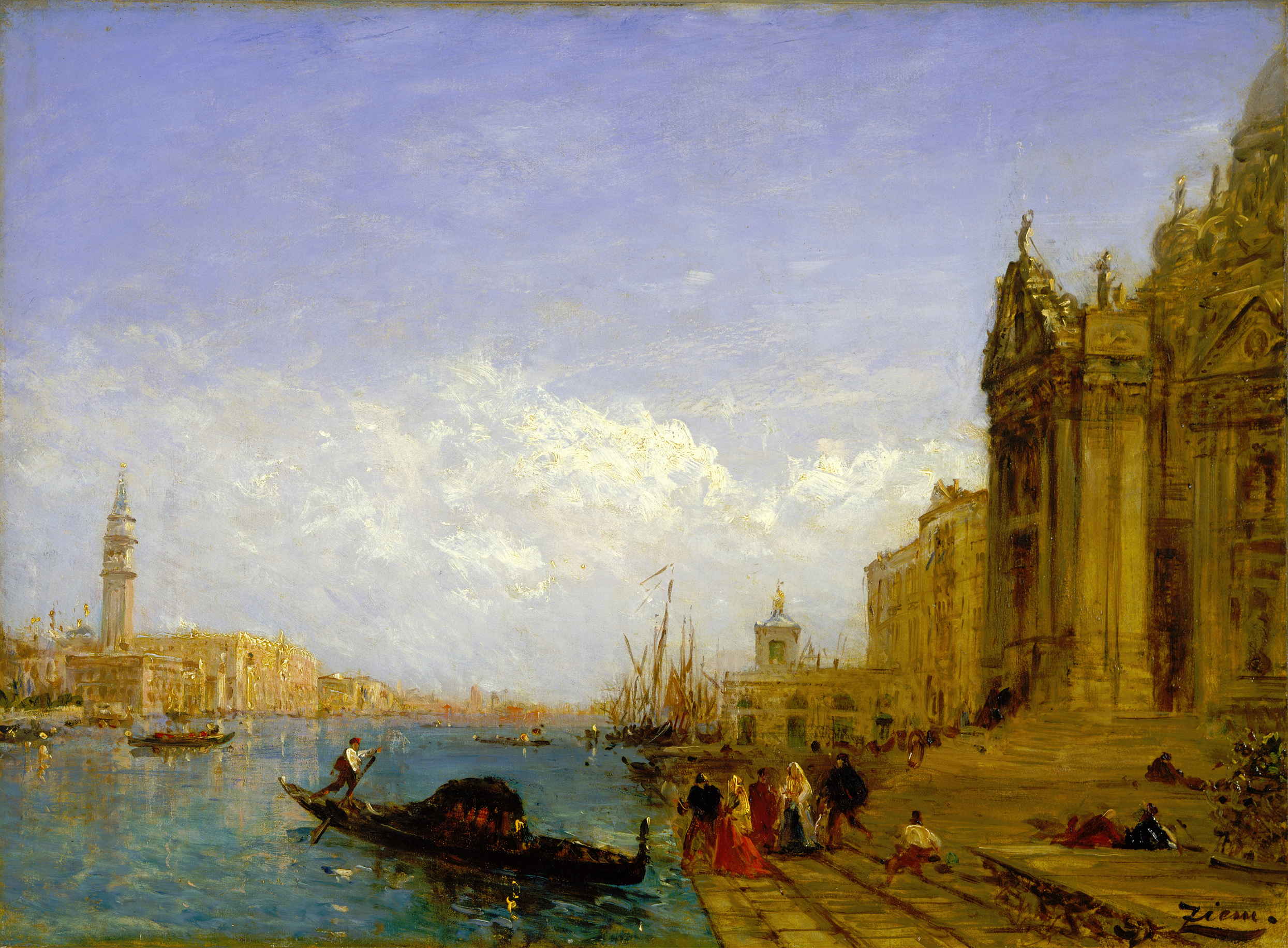
“Art reveals the soul when the world turns away.” In the ephemeral glow of a Venetian sunset, serenity washes over the canvas, inviting the viewer into a tranquil embrace. It’s a reminder that beauty can emerge from stillness, a sanctuary amid the chaos of life. Look to the left at the soft, undulating waves lapping gently against the gondolas, their reflections dancing with the fading light. Notice how Ziem employs a delicate palette of blues and pinks, blending seamlessly to evoke the calm of twilight.
The architectural details of the buildings, rendered with careful precision, stand tall yet serene, framing the water like guardians of an age-old story. Here, the contrast between the bustling activity of the city and the stillness of the water creates a tension that echoes the complexities of human experience. The gondolas, floating with an almost ethereal grace, symbolize the passage of time—a reminder of the fleeting moments we often take for granted.
Amid this scene lies the profound depth of solitude, a heart that beats quietly beneath the vibrant surface of life. Félix Ziem painted this piece during a period marked by both innovation and nostalgia, as the late 19th and early 20th centuries saw the rise of Impressionism and a yearning for the classical beauty found in traditional landscapes. Living in Paris, Ziem was deeply influenced by his travels to Venice, where the interplay of light and water became a recurring theme in his work, reflecting a world that was both modern and timeless.