Venezia Molo di San Marco — History & Analysis
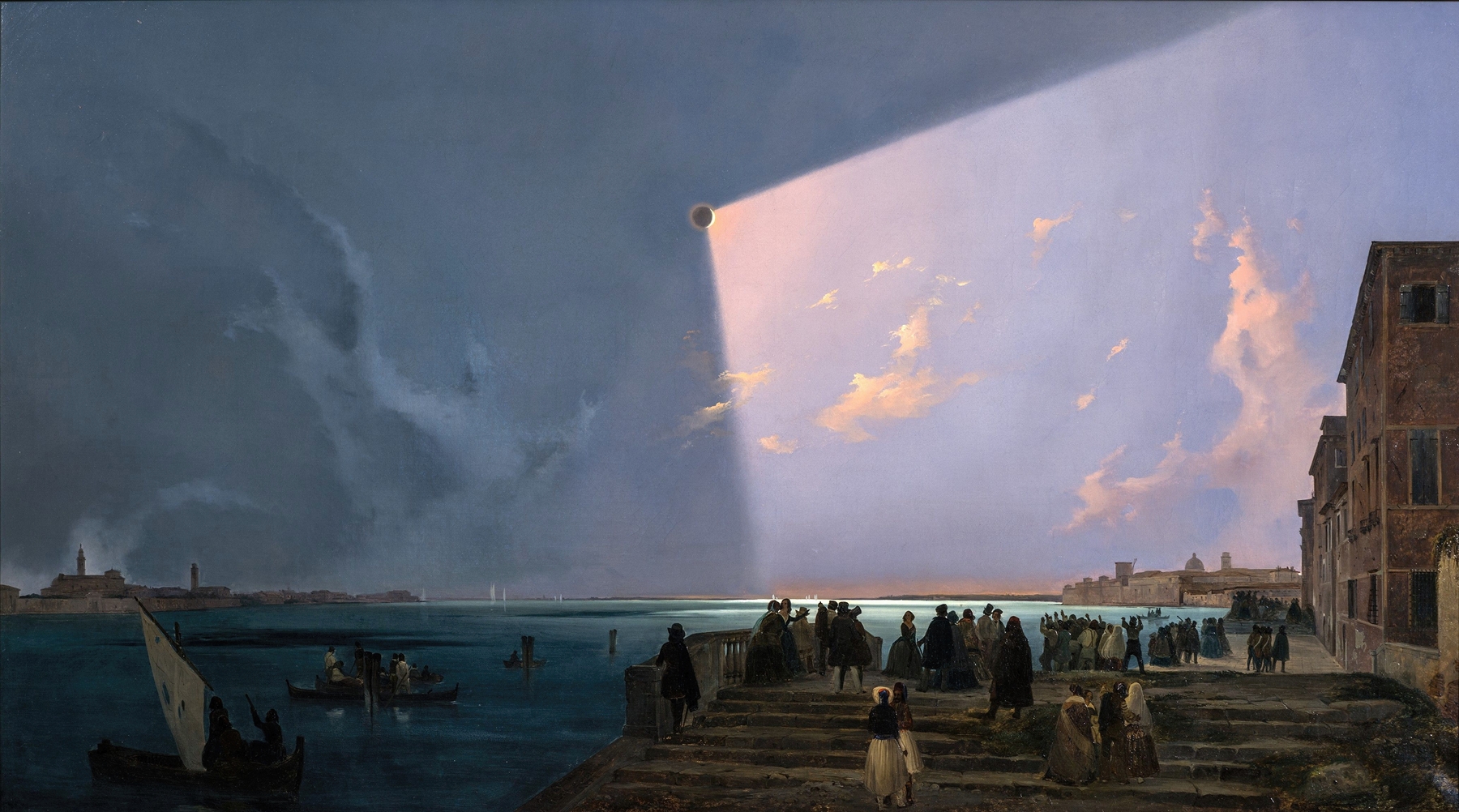
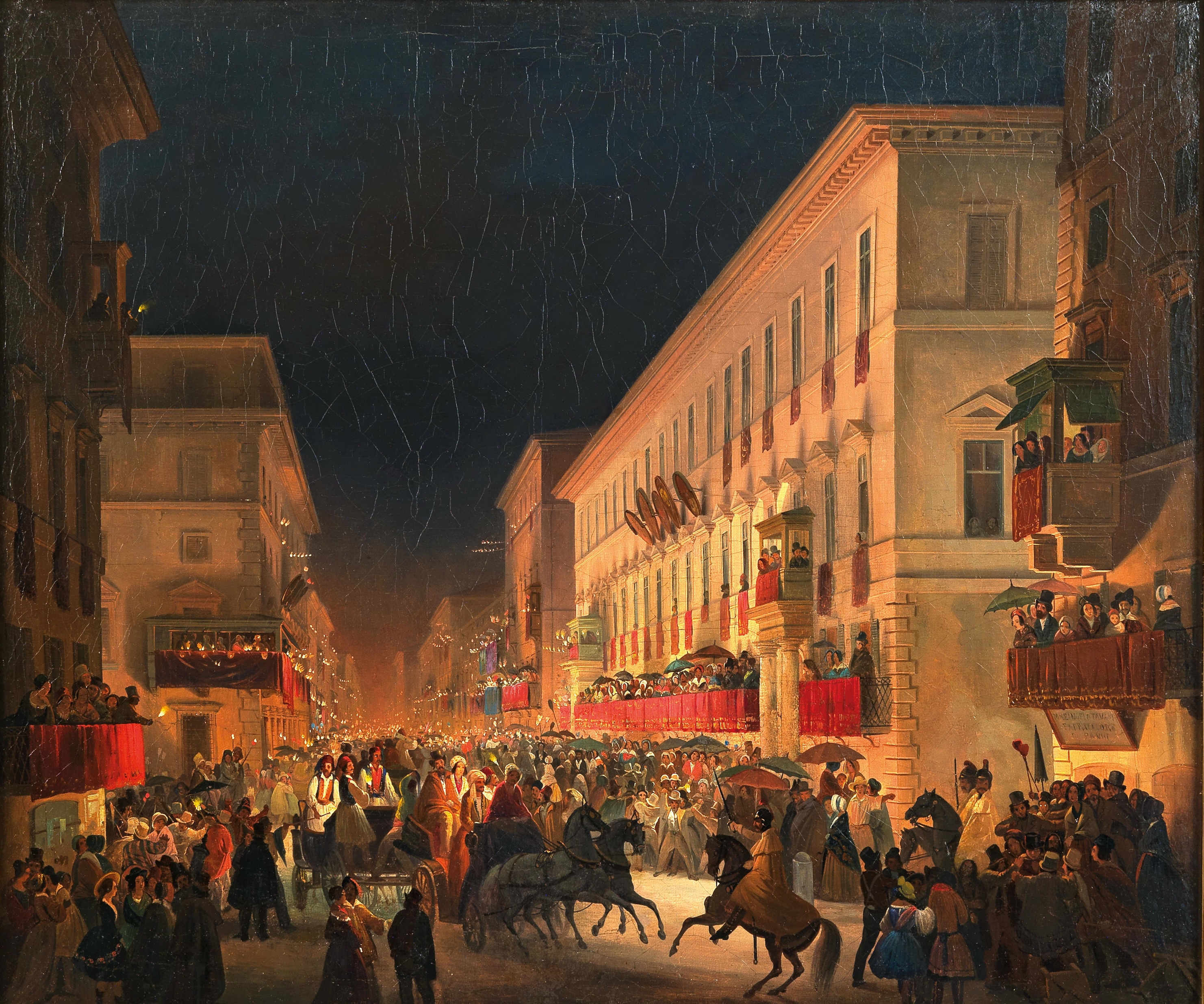
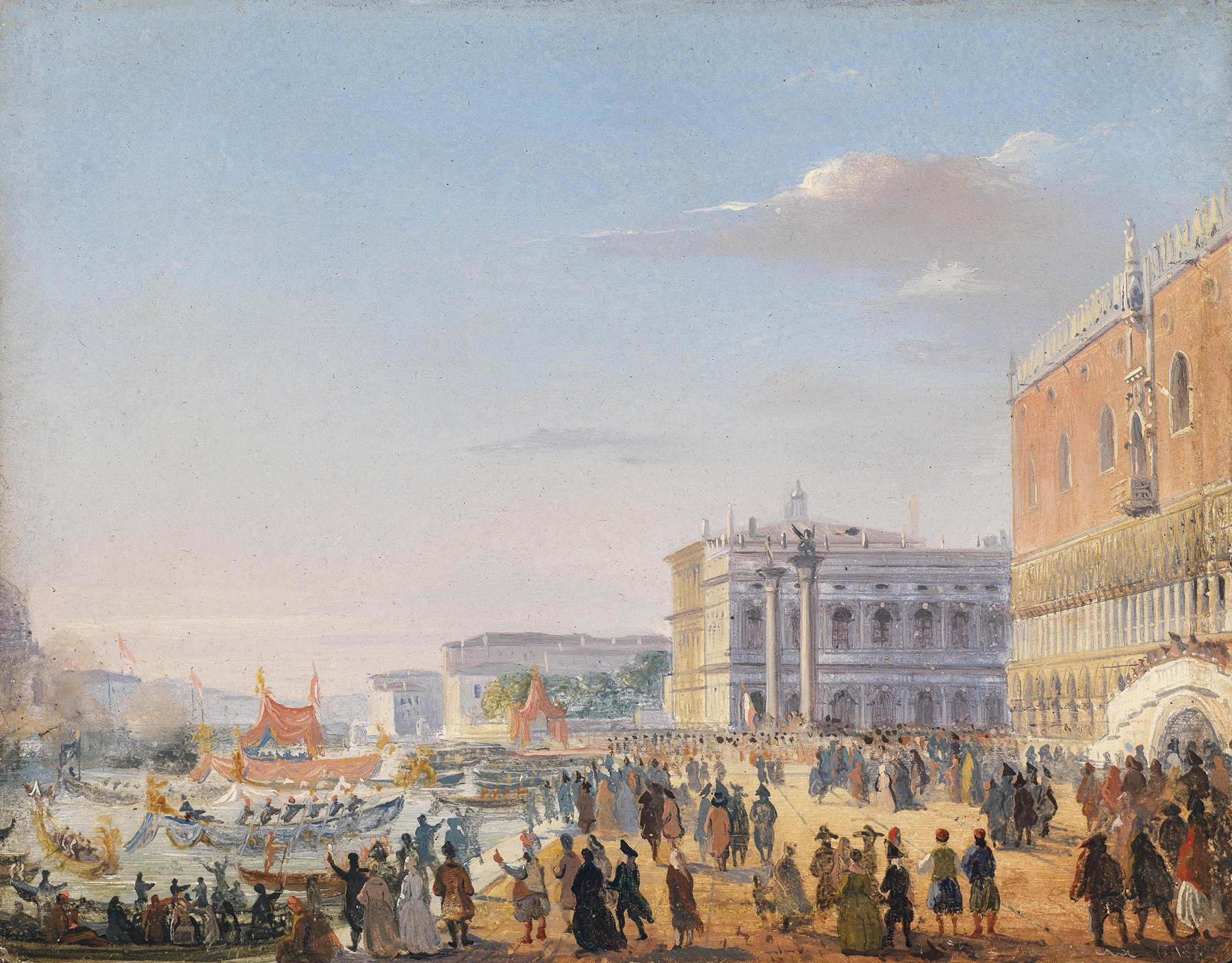
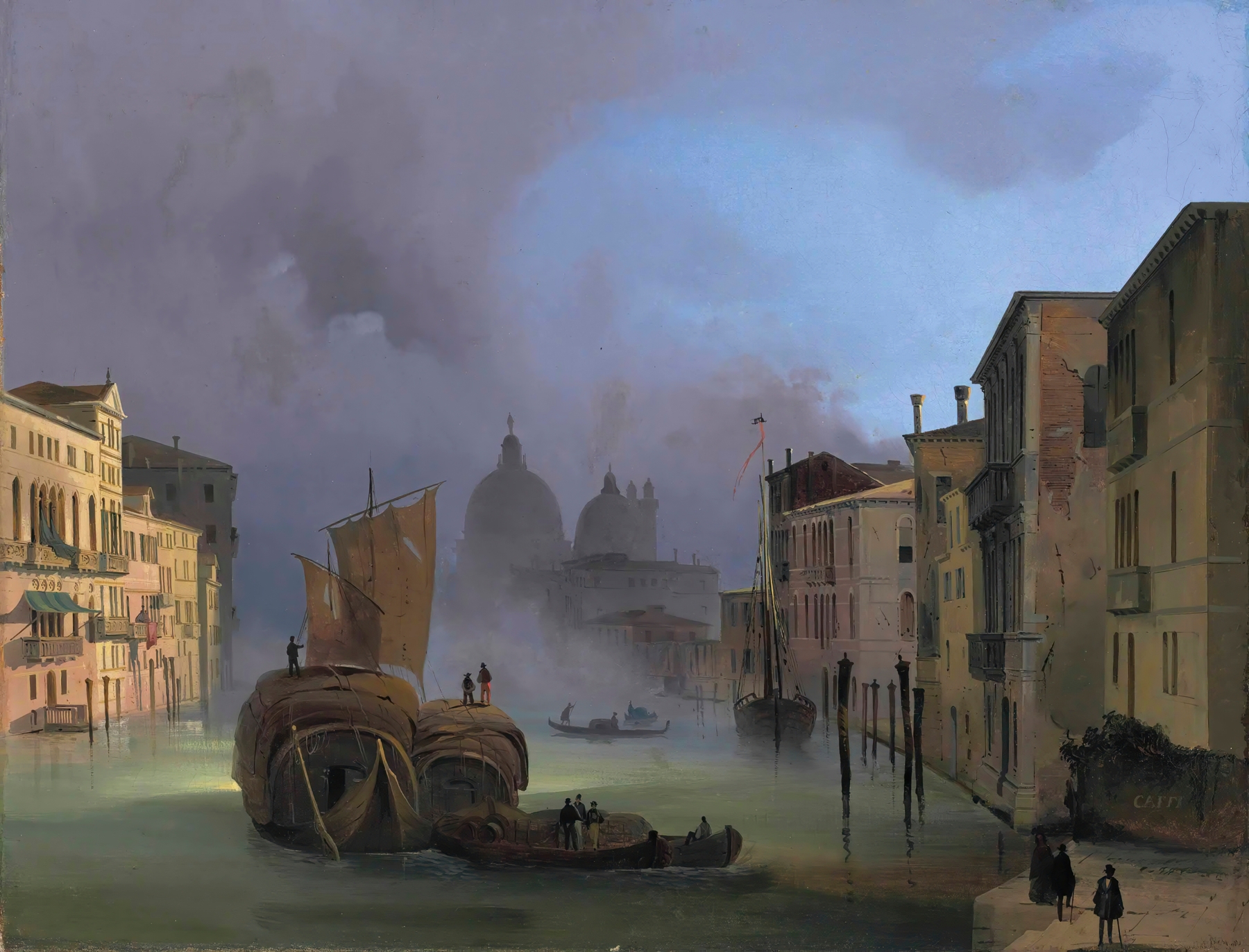
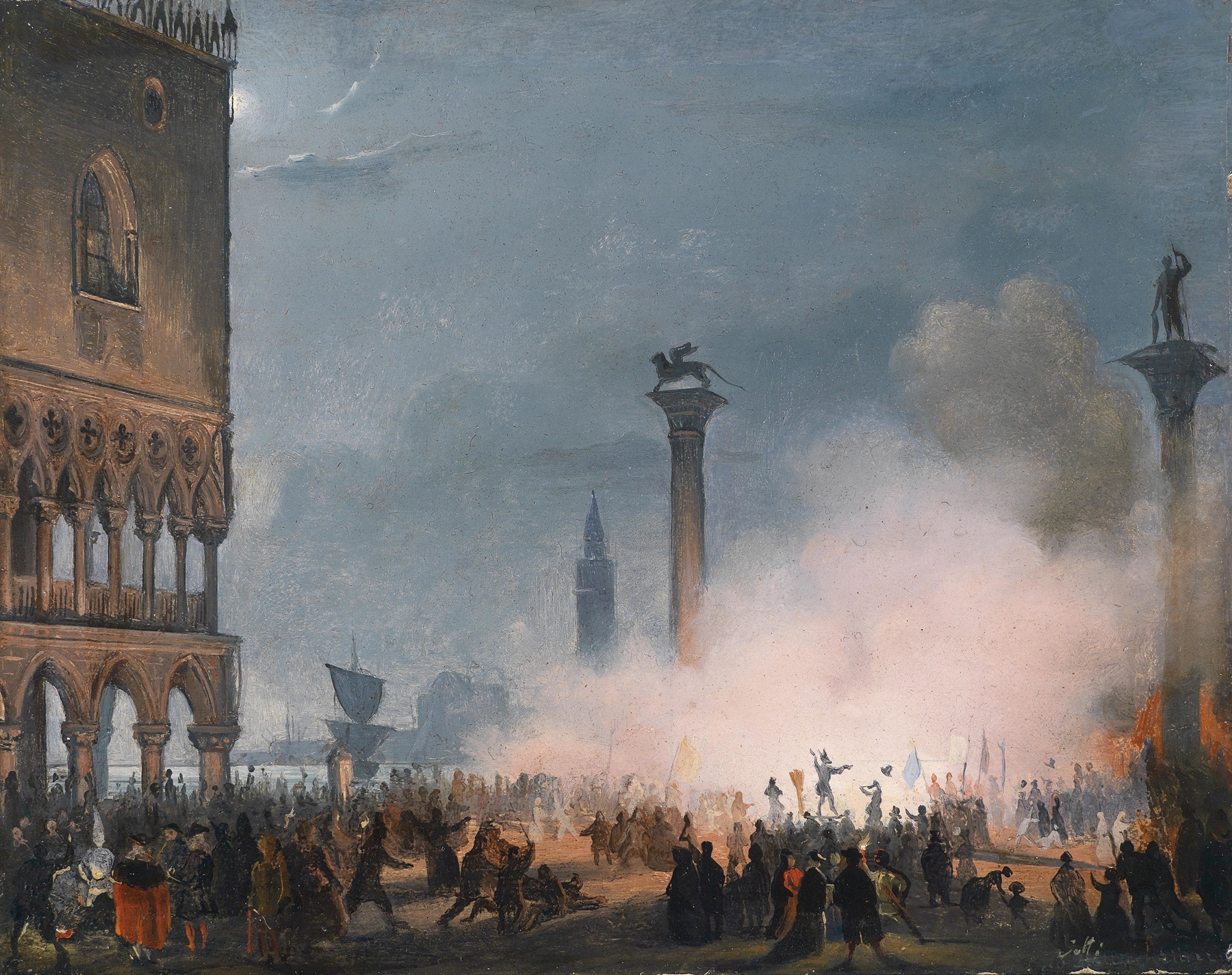
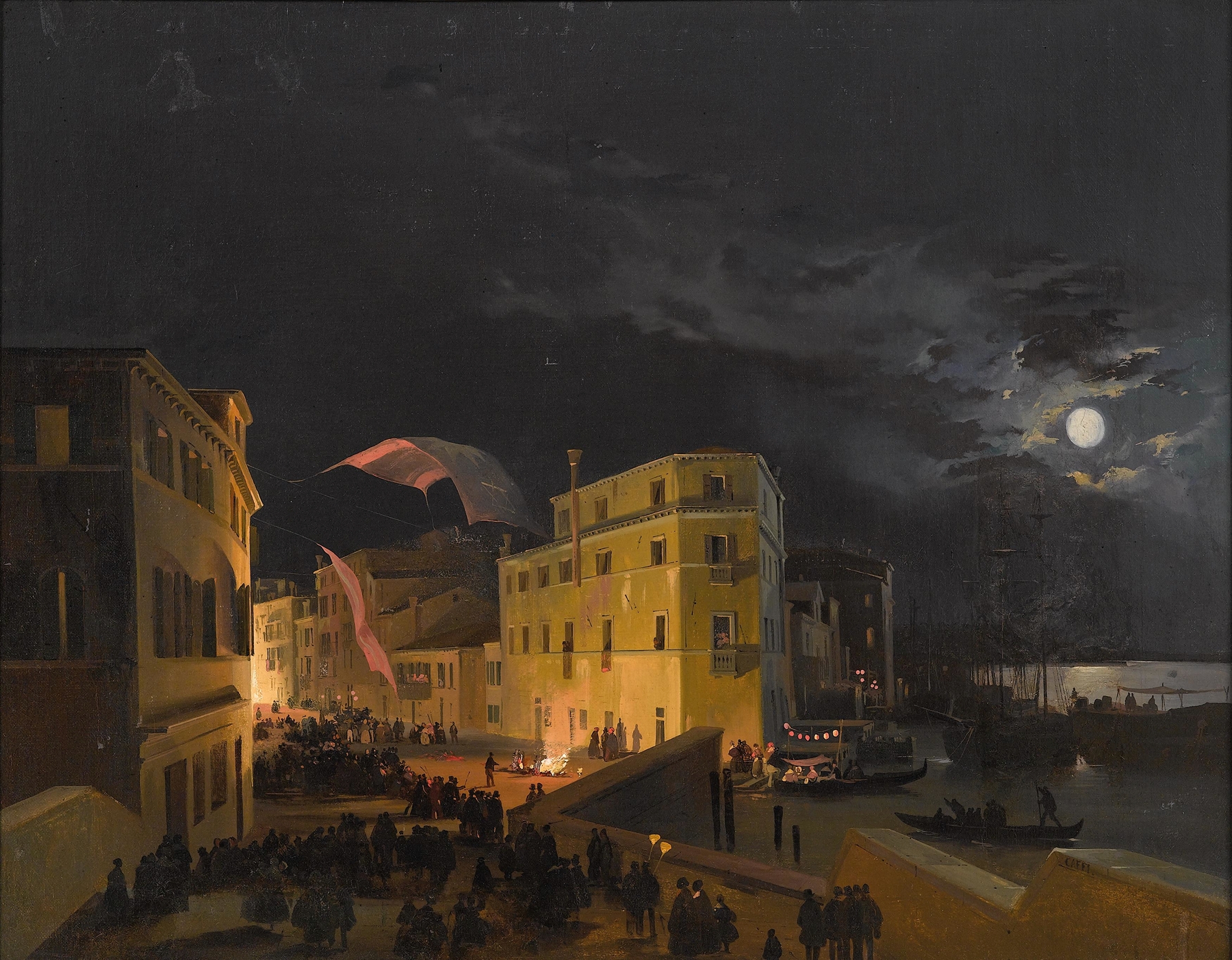
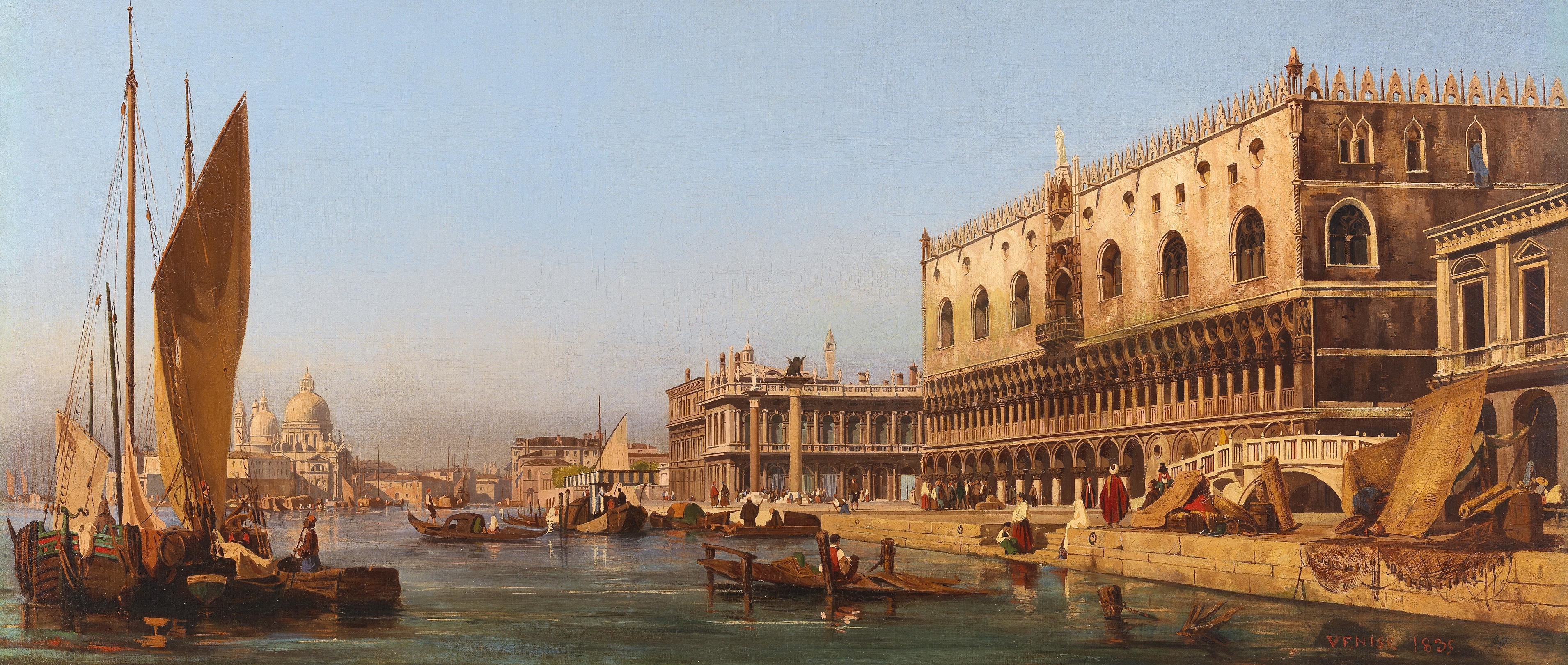
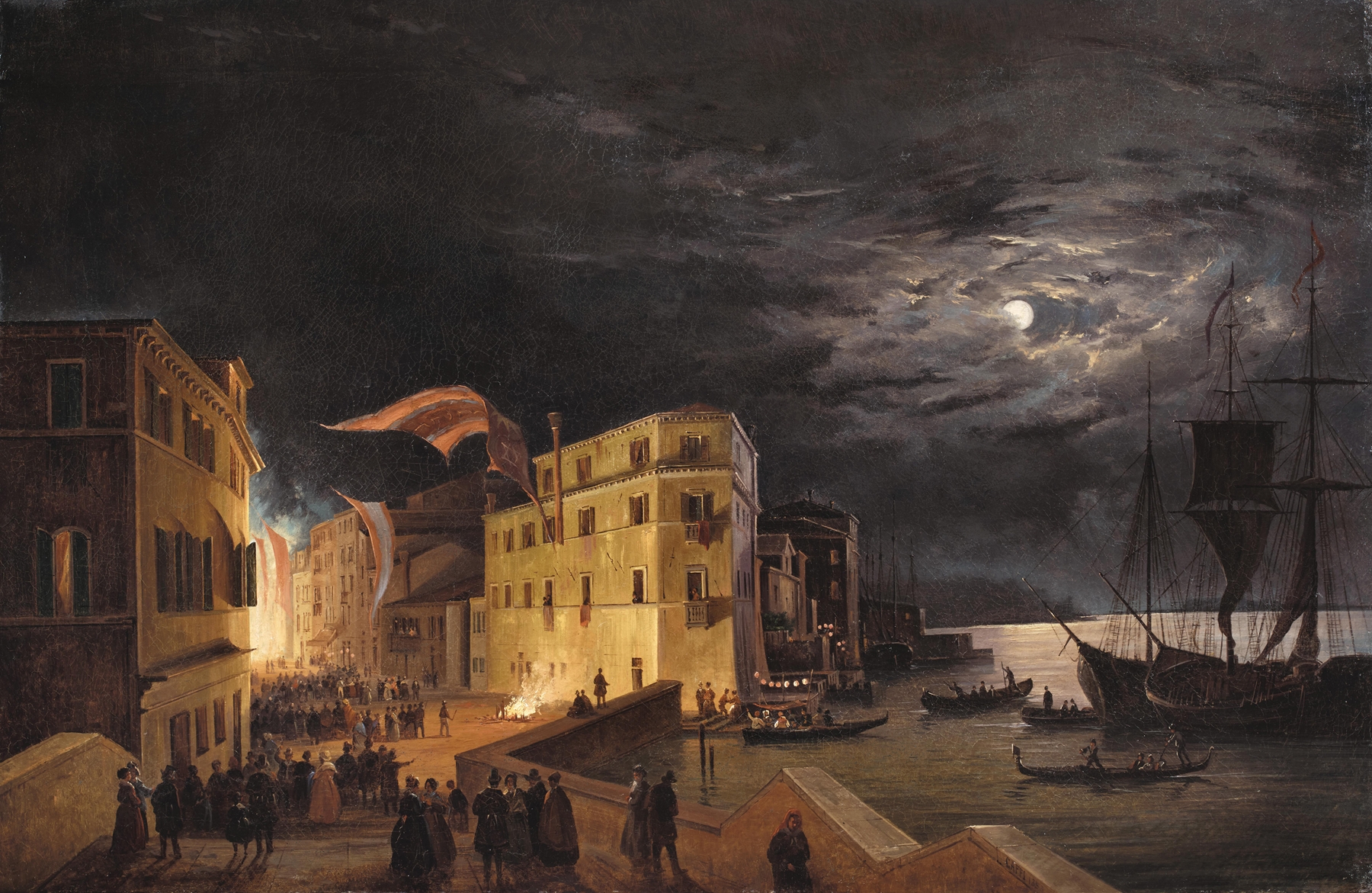
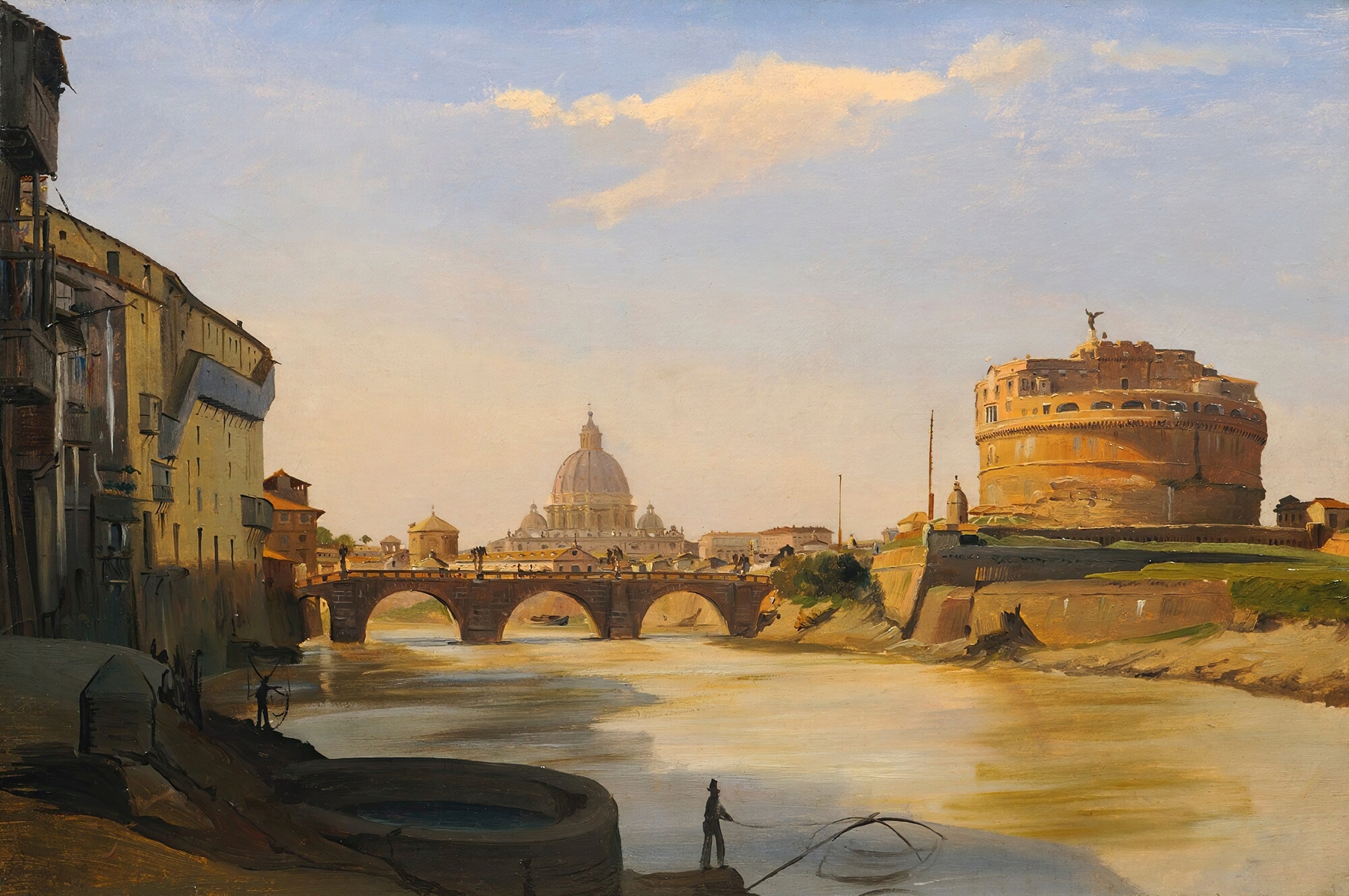
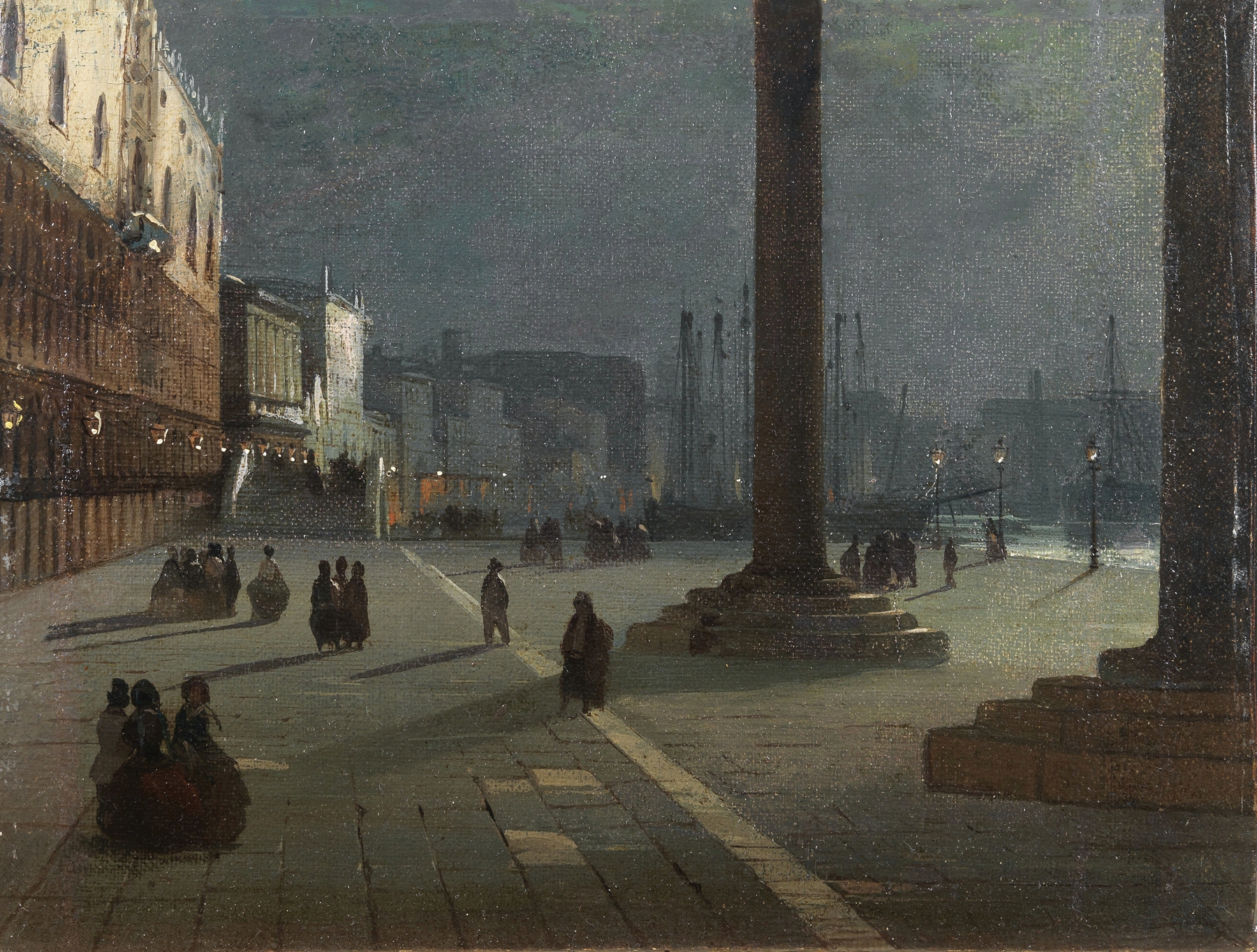
What secret hides in the quiet of the canvas? Beneath the serene façade of this Venetian scene lies a world on the cusp of transformation, where still waters reflect a tumultuous spirit of revolution. Look to the left at the majestic façade of St. Mark’s Basilica, its intricate details rendered with remarkable precision. The interplay of light and shadow creates a chiaroscuro that breathes life into the architecture, hinting at an undercurrent of change.
Notice how the boats dotting the lagoon are not merely vessels but symbols of freedom, with their sails catching the light, suggesting movement and the promise of departure. The soft palette of blues and earthy tones evokes a tranquil atmosphere, yet there is an unsettling tension that lingers in the air. The juxtaposition of the serene, timeless architecture against the unpredictable water hints at deeper emotional undercurrents. The calm surface belies the revolutionary fervor that was brewing in the mid-19th century, a time when the desire for change was palpable in Italy.
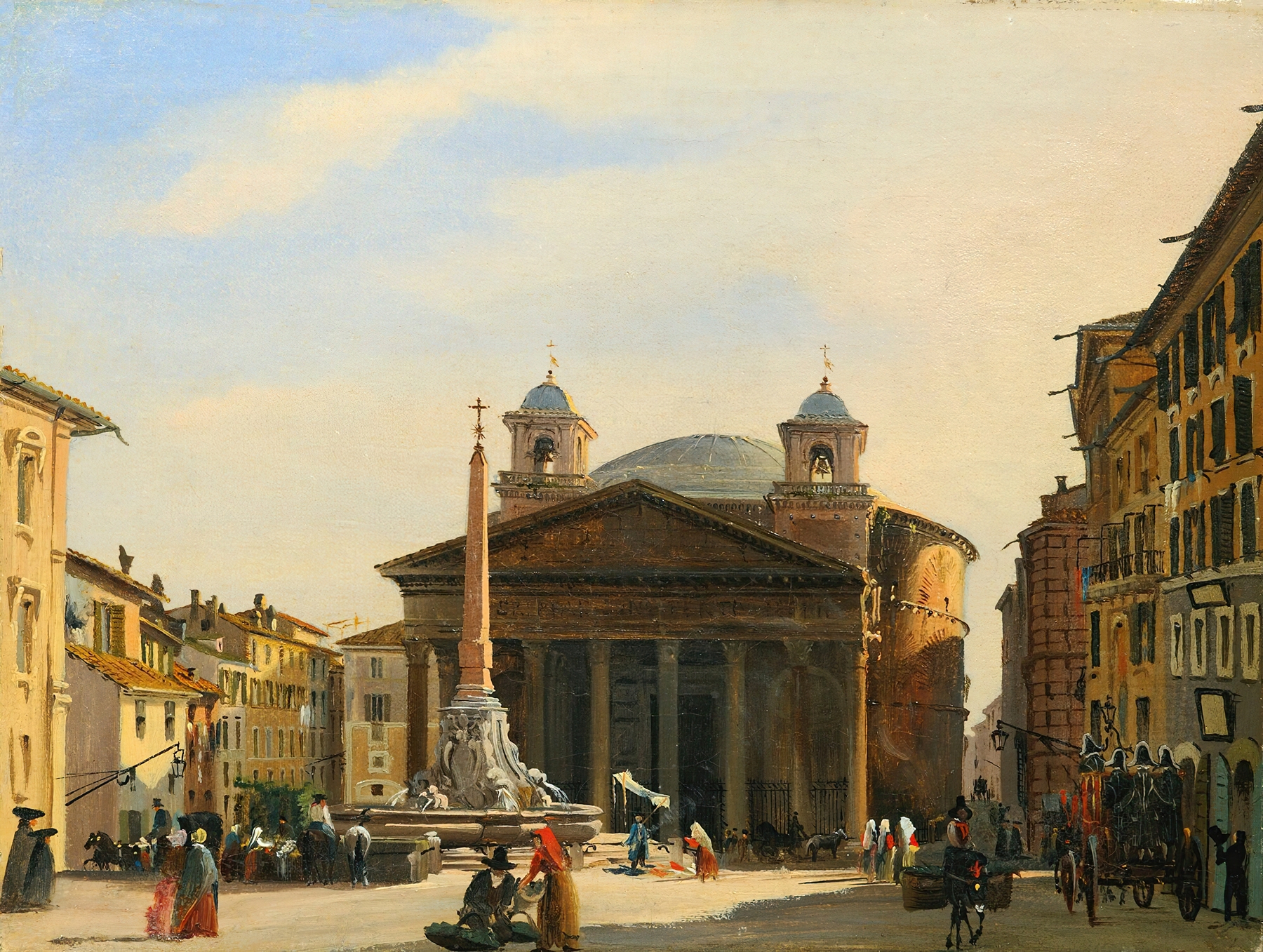
Each wave lapping at the boats can be seen as a metaphor for the push and pull of progress, and the figures on the shore, while seemingly passive, embody the unvoiced hopes of a society yearning for liberation. Ippolito Caffi painted this work during a period of great political upheaval in Europe, likely in the 1840s, when the Revolutions of 1848 were igniting passions across the continent. Living in Venice, he experienced firsthand the tensions between tradition and the emerging demand for national identity. This canvas reflects not only his artistic vision but also the societal shifts that were beginning to reshape the very fabric of Italian culture.