Venice, a view of the Grand Canal and the Rialto Bridge from the North — History & Analysis
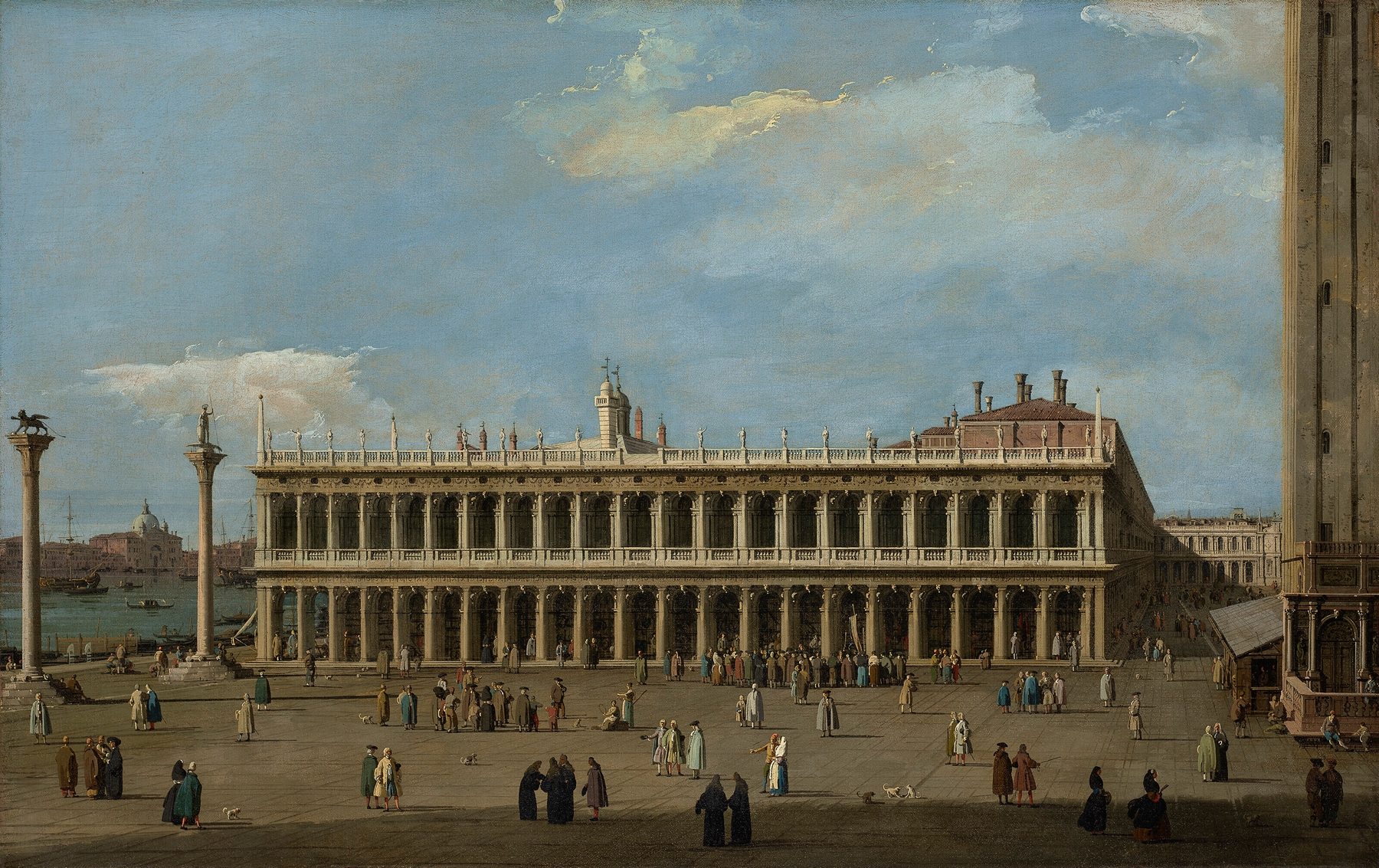
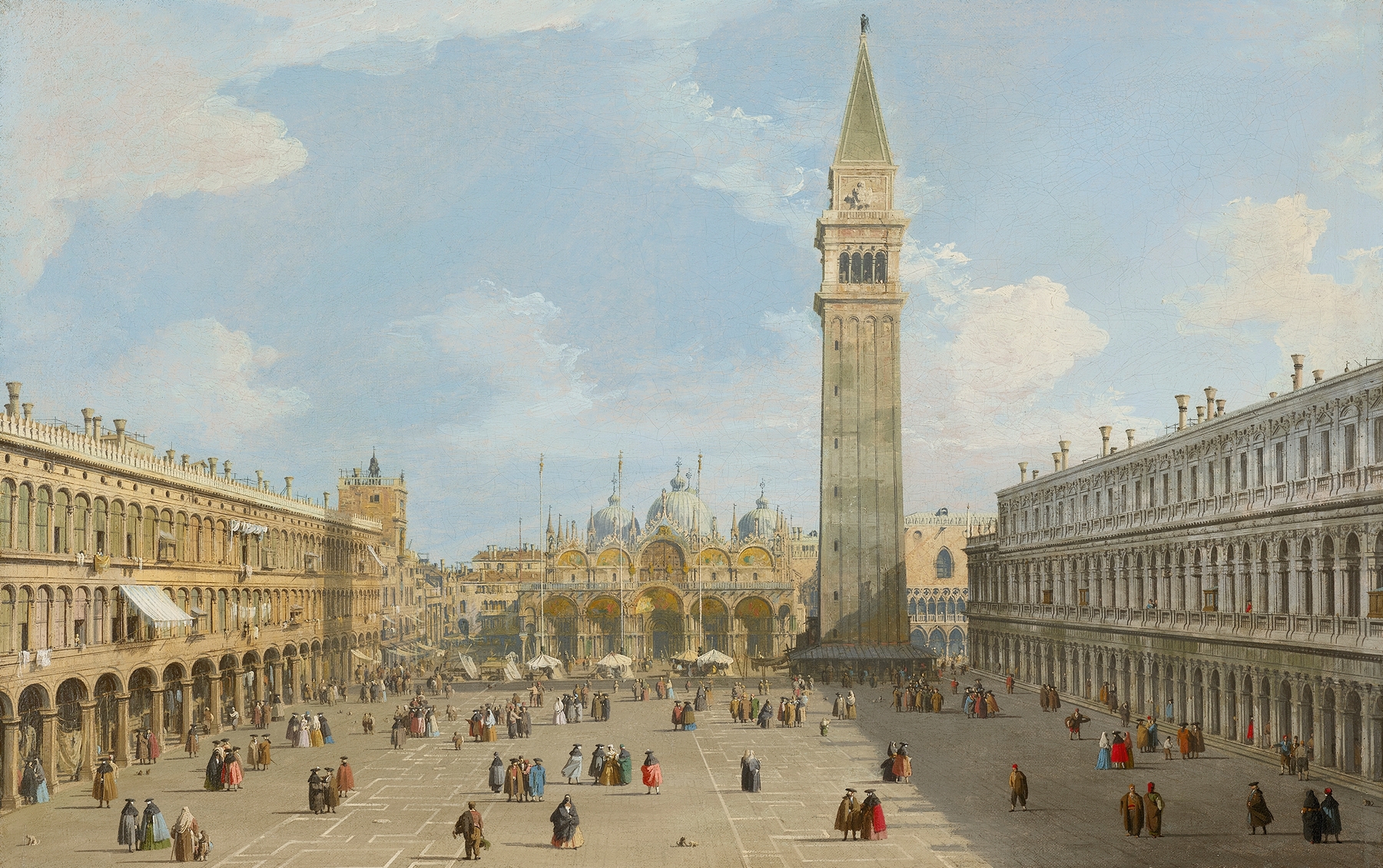
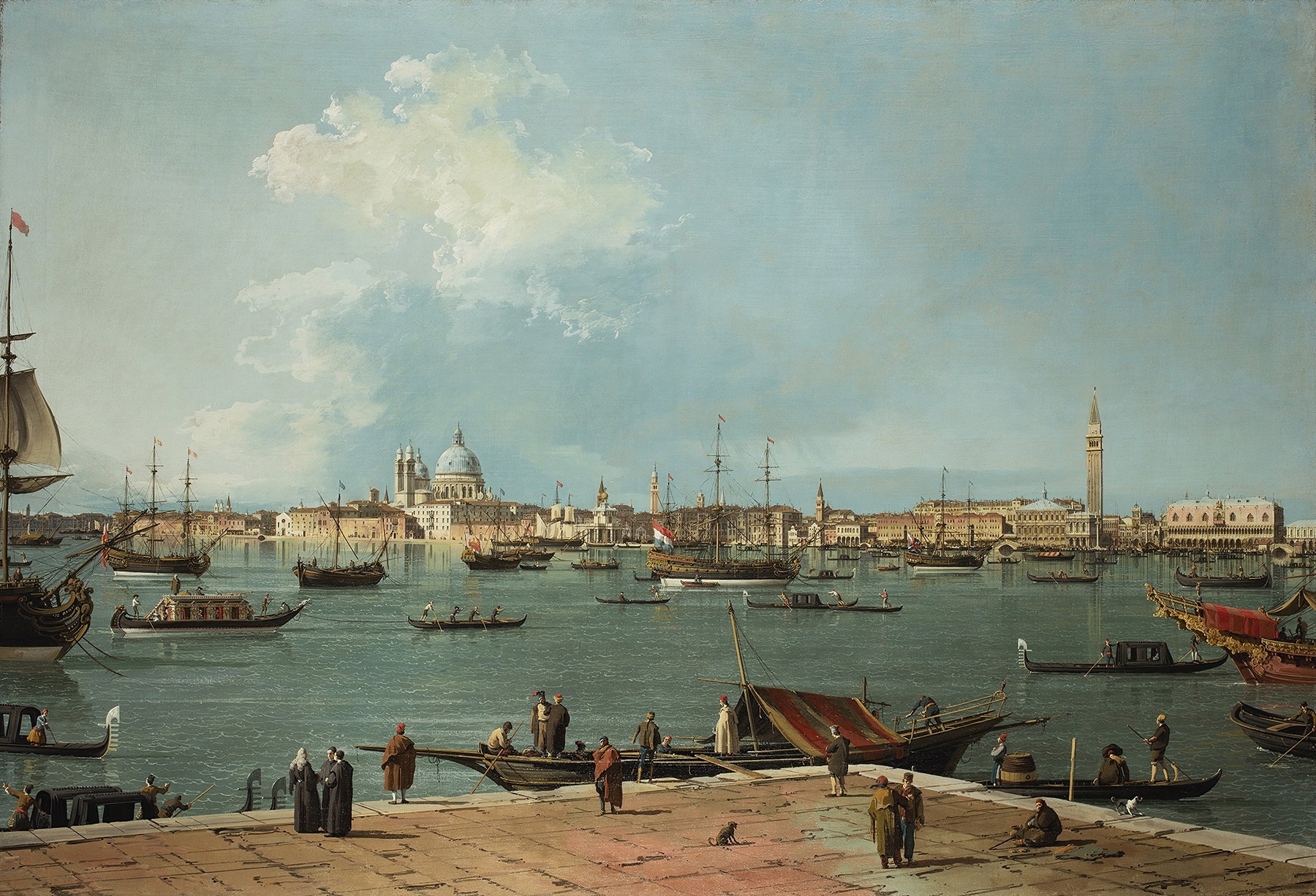
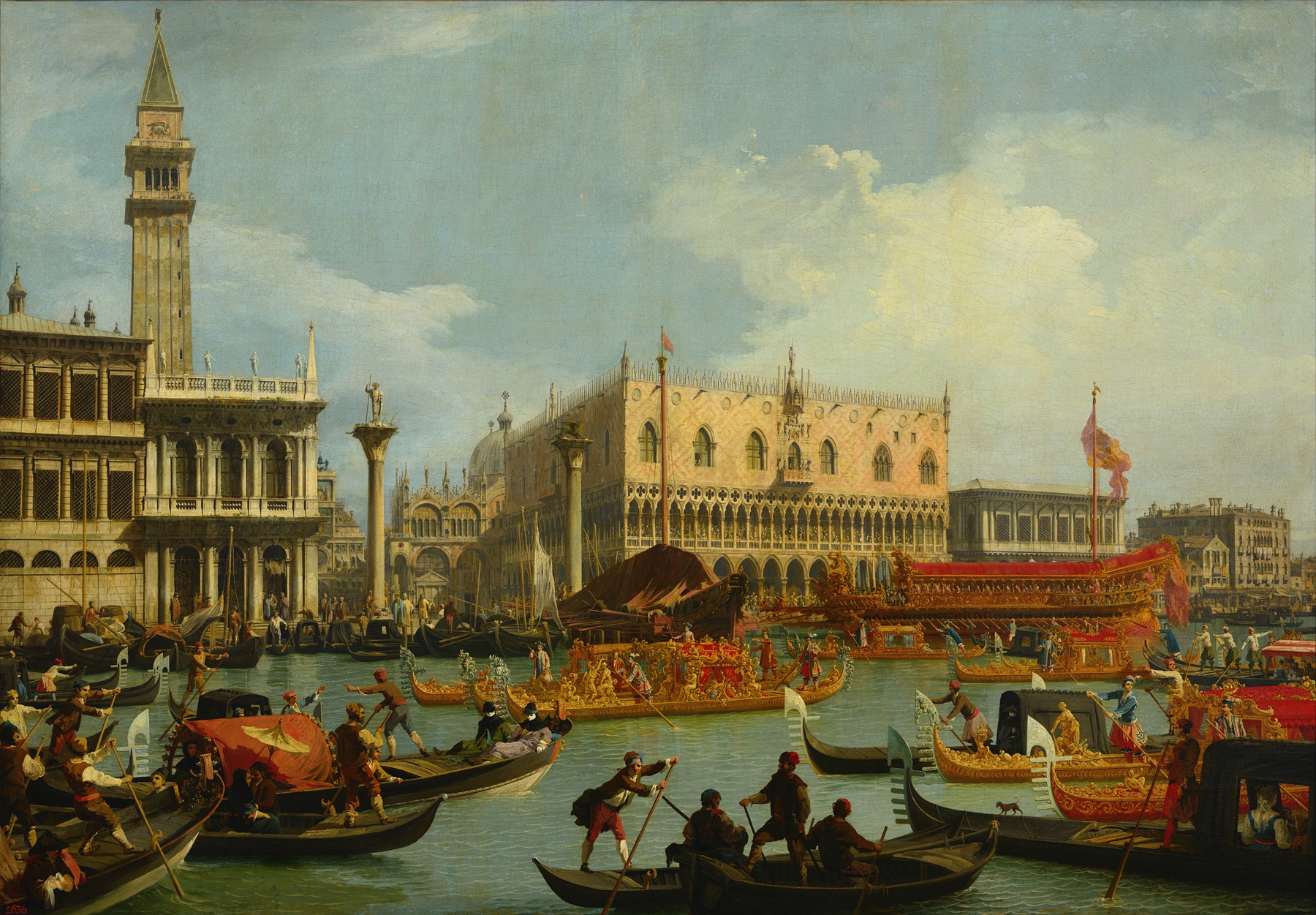
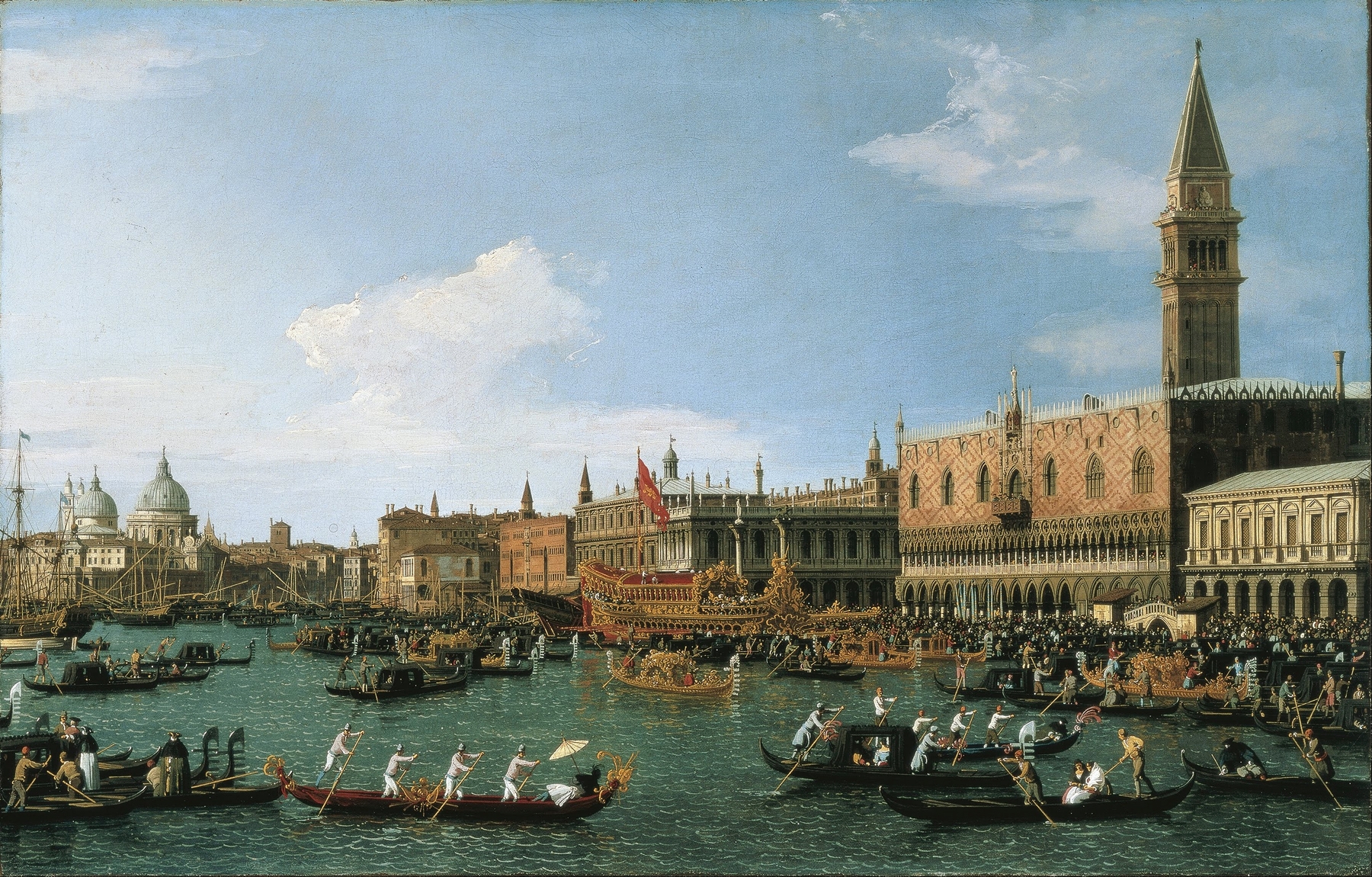
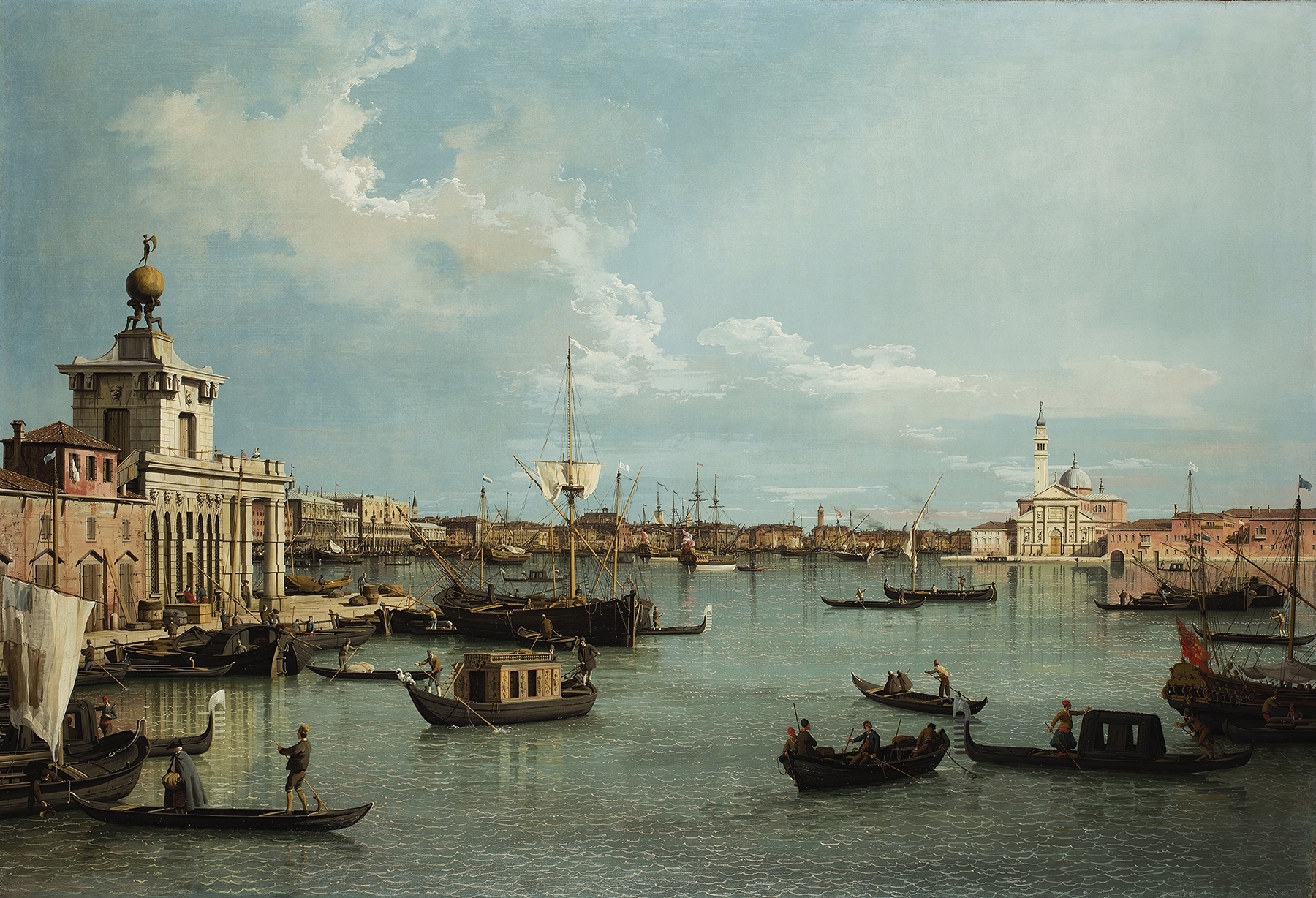
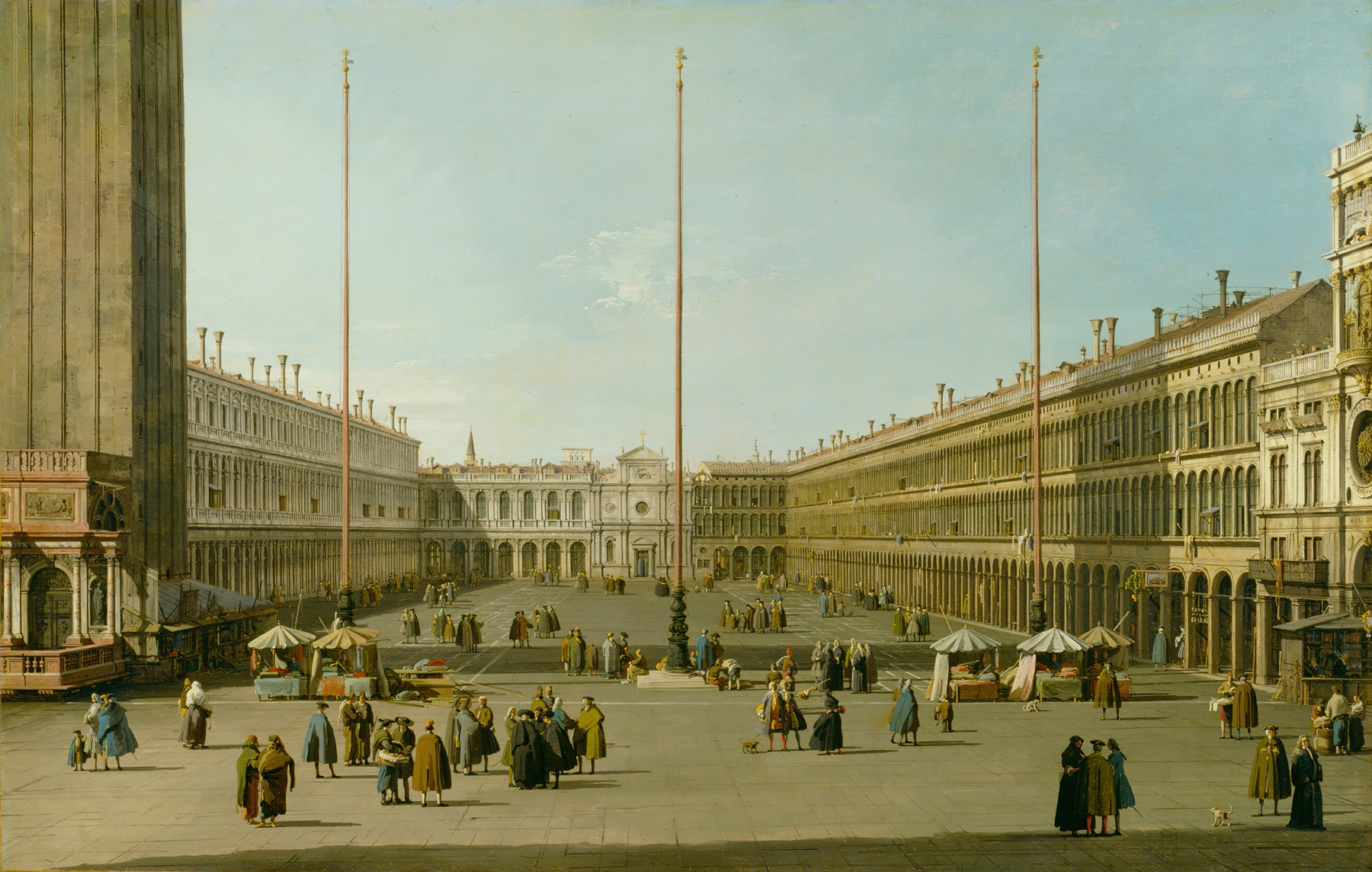
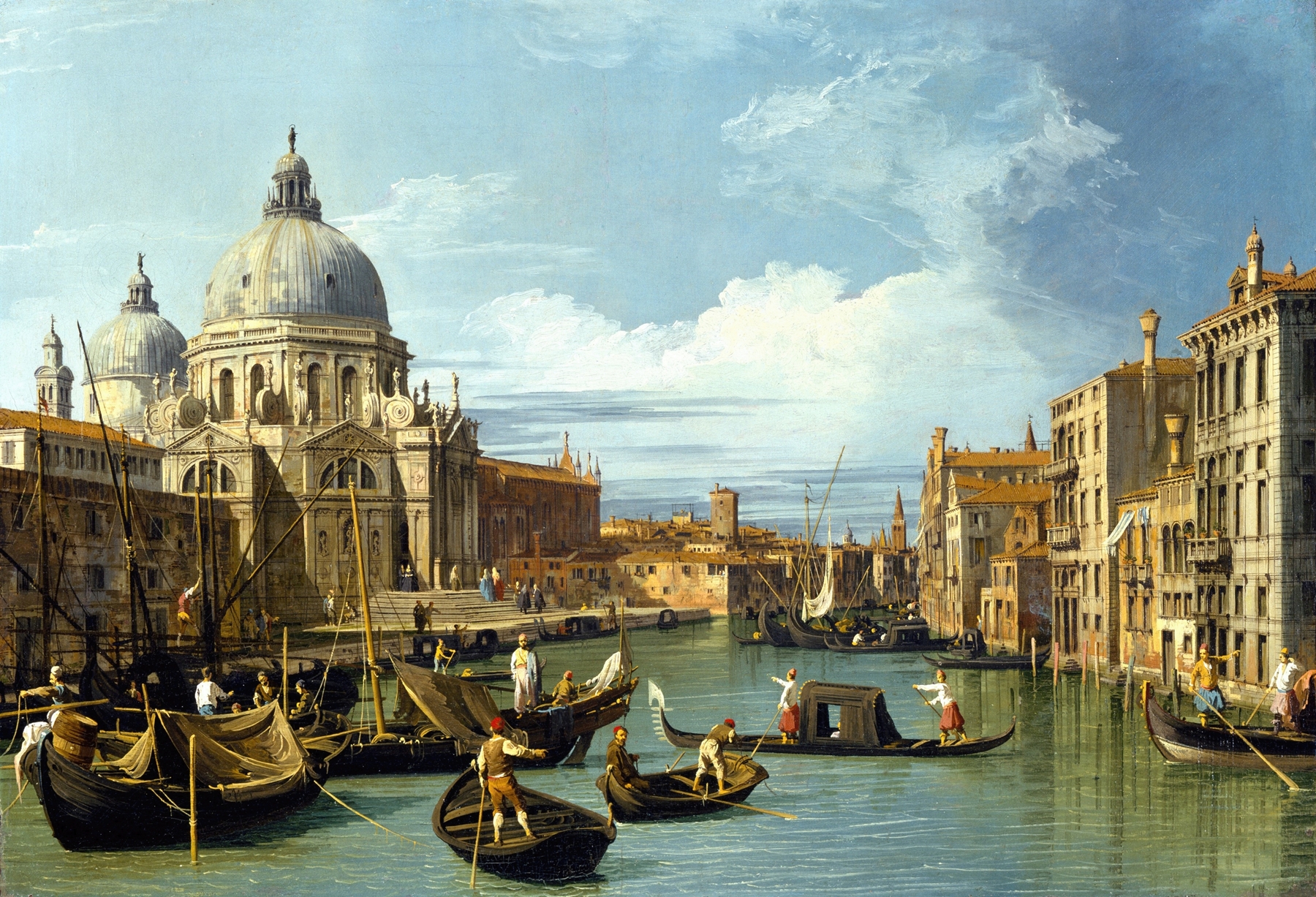
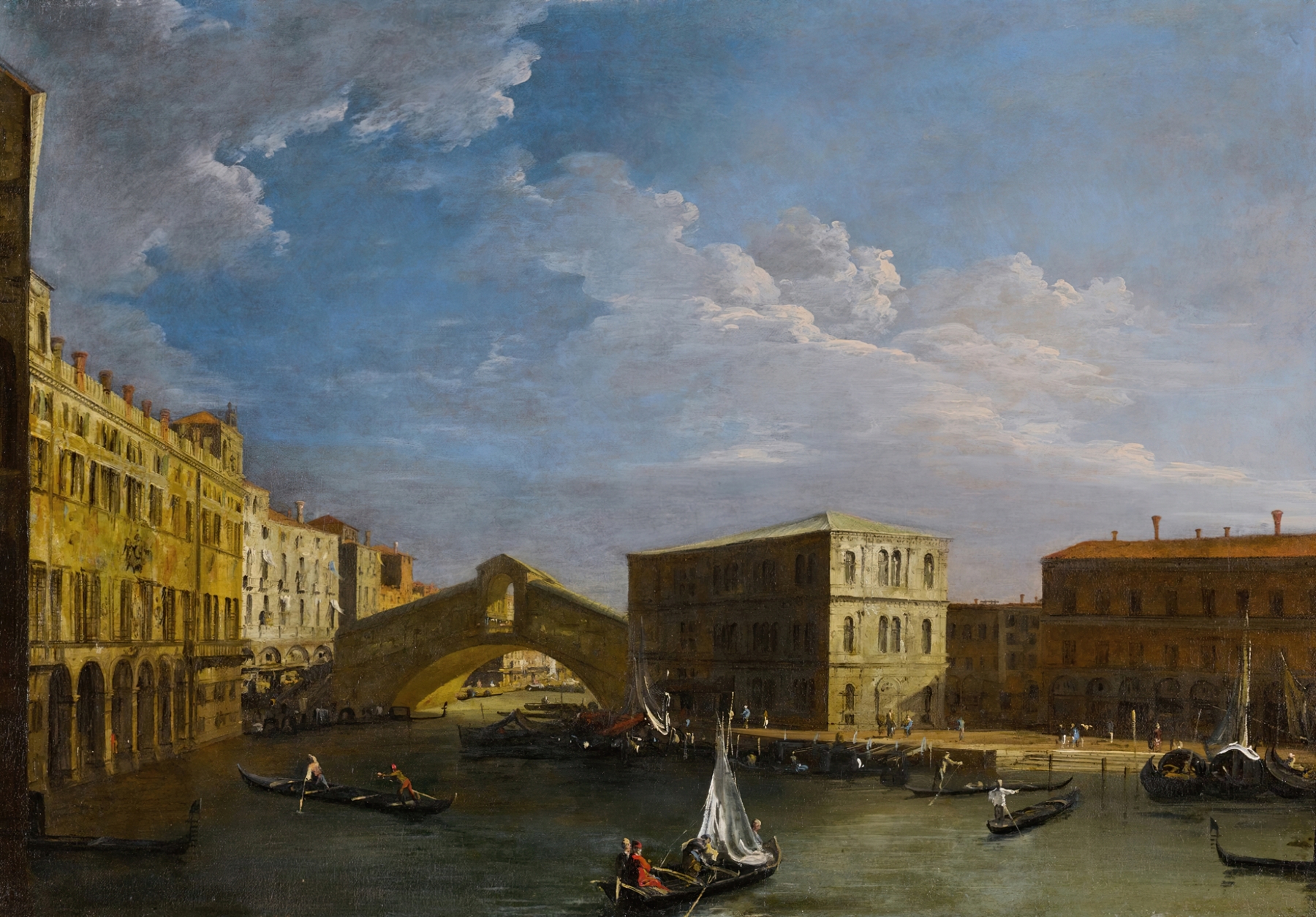
“Every brushstroke is a heartbeat remembered.” In the heart of Venice, amidst the echoes of history, decay lingers beneath the vibrancy. The Grand Canal flows like a pulse, a reminder of both beauty and transience. Look to the left, where the intricate architecture of the Rialto Bridge rises majestically against the serene blue sky. The artist’s careful attention to detail reveals not just the grandeur of the structure, but also the wear of time etched into its stones.
Notice how the shimmering water reflects the buildings' muted hues, evoking a sense of nostalgia, while hints of wear and age linger in the shadows, suggesting the inevitable passage that awaits even the most celebrated places. The contrast between light and shadow tells a deeper story. The lively activity by the water's edge, with boats and figures engaging in commerce, belies an underlying melancholy rooted in decay. Each façade, while regal, bears the marks of time—a subtle reminder of impermanence amid the city's vibrancy.
This tension between vitality and decline invites the viewer to reflect on what endures and what fades, capturing the very essence of Venice. During the 18th century, in a bustling Venice, this work emerged as part of a series that celebrated the city’s architectural grandeur and its daily life. Canaletto, navigating between tourism and artistry, sought to immortalize the fleeting beauty of a city that faced the pressures of modernization and deterioration. His meticulous technique not only showcased his skills but also documented the symbiotic relationship between a place of thriving activity and the soft encroachment of decay.