Venice from the Bacino di San Marco — History & Analysis
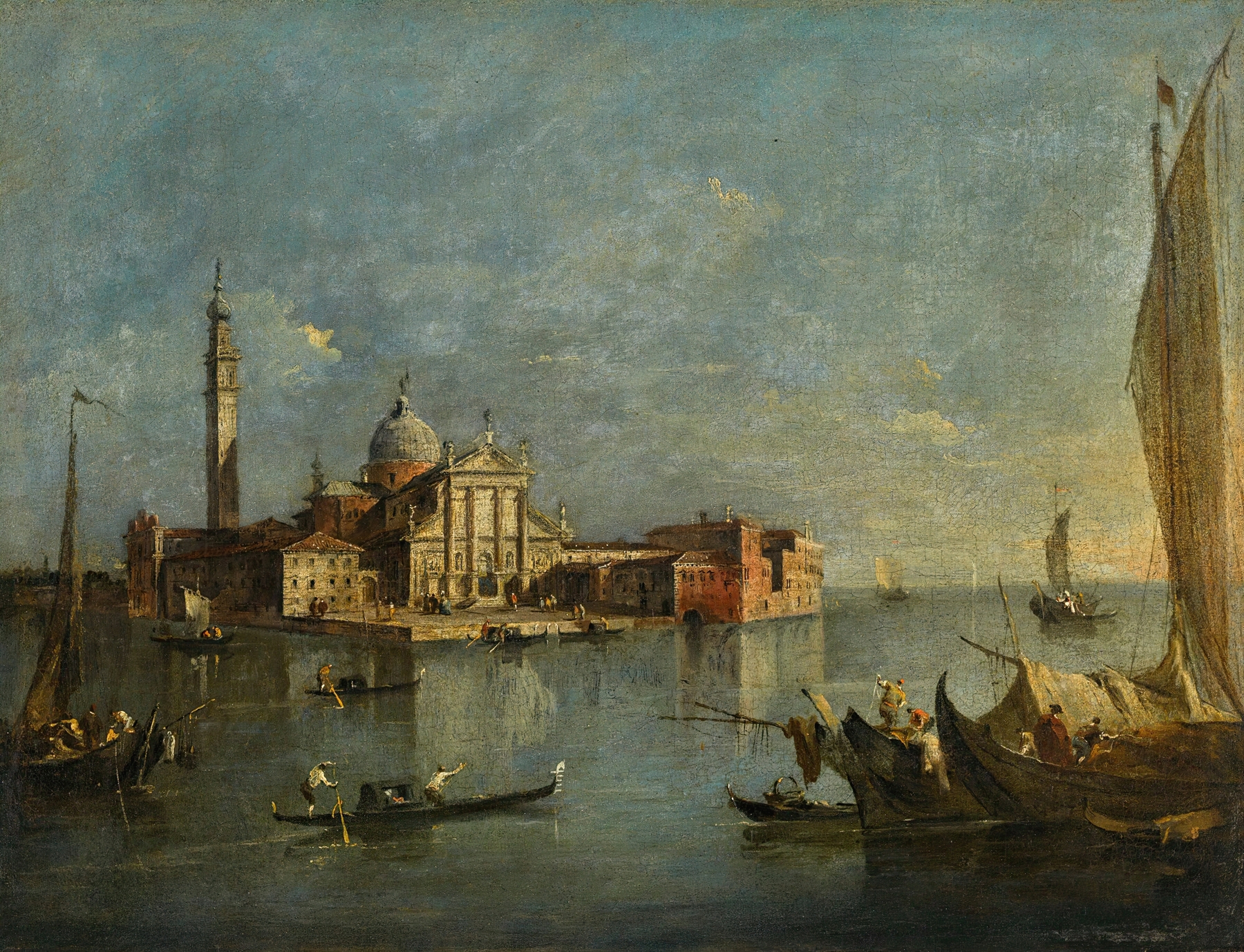
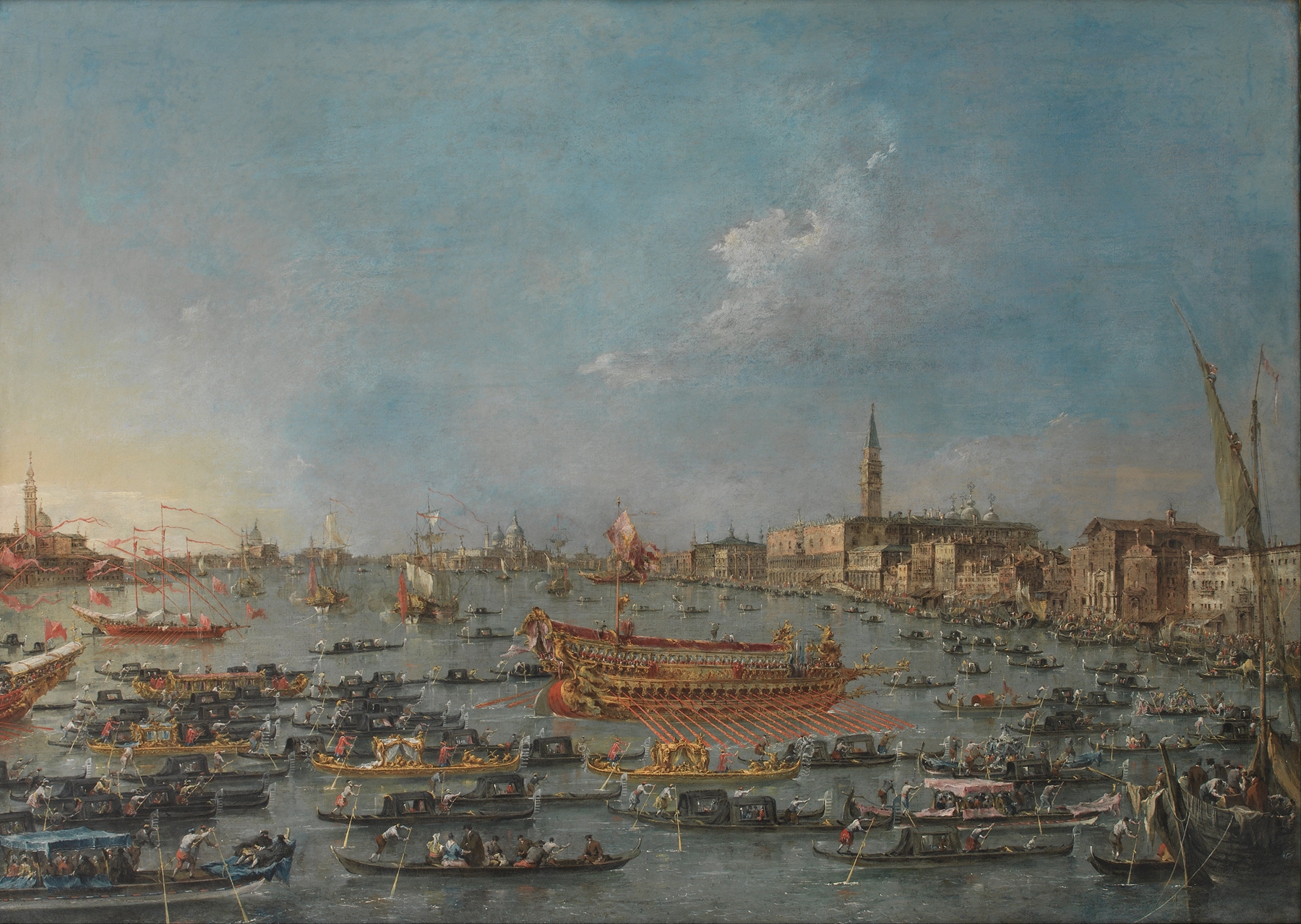
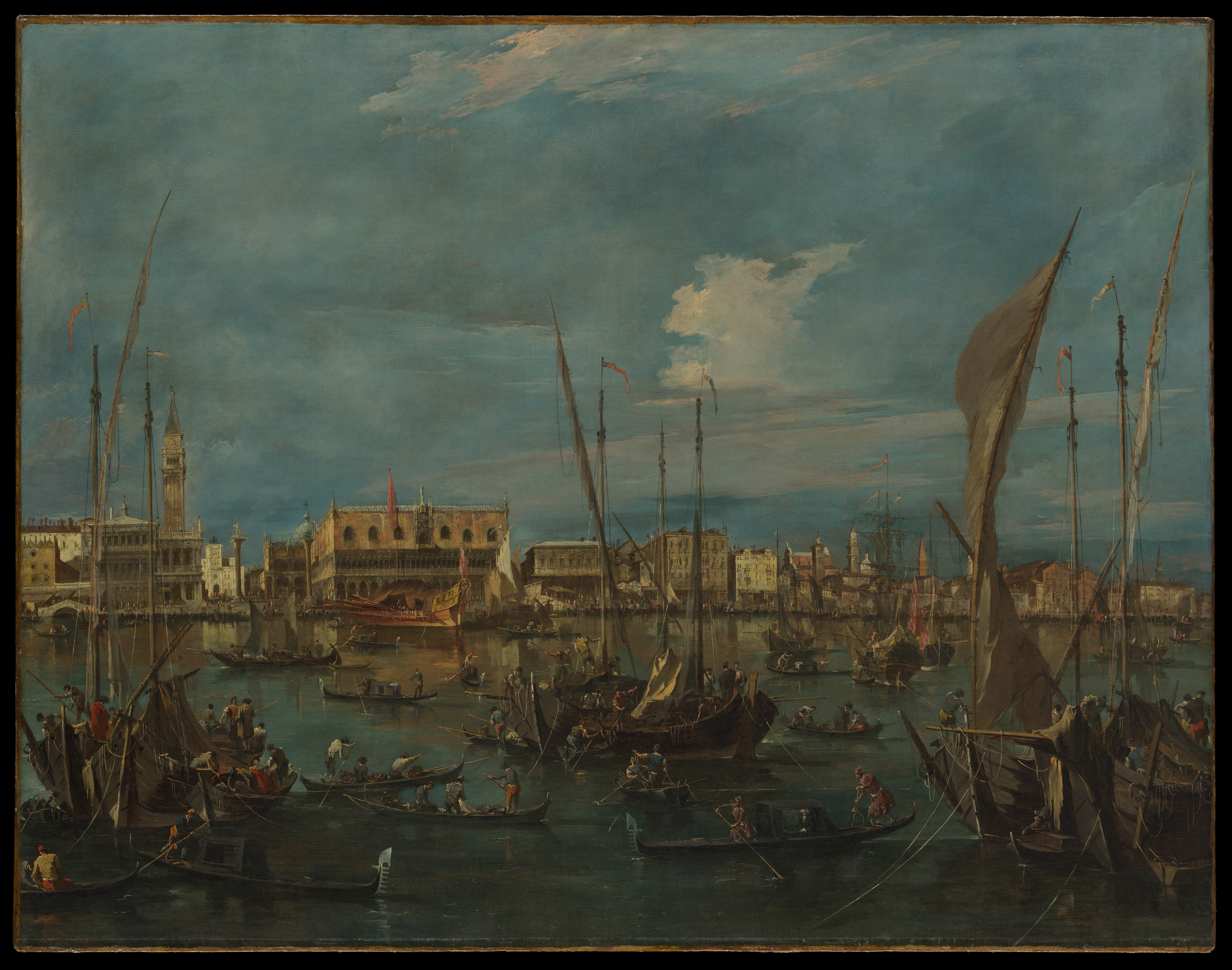
“To paint is to remember what time wants us to forget.” In Venice from the Bacino di San Marco, this delicate balance of memory and transience is masterfully captured, echoing the fragility of both the city and the moment. Look to the foreground where the vibrant blues of the lagoon blend seamlessly with the soft, warm hues of the buildings. The boats sway gently, their sails billowing, almost ghostlike against the backdrop of an ethereal sky awash with muted pastels. Notice how the light dances upon the water’s surface, revealing a shimmering path that beckons the viewer deeper into the scene, while the delicate brushwork suggests a momentary glimpse into the life of Venice.
Upon closer inspection, the fragile architecture of the city appears to float between reality and a dream — each building teetering on the edge of memory. The interplay of light and shadow creates a sense of ethereality, while the nearly invisible strokes invite introspection on the passage of time and the inevitability of decay. Through the vivid portrayal of this iconic landscape, there is an unsettling awareness of impermanence, showcasing the artist's deep awareness of nature's transient beauty.
During the period from 1765 to 1775, Guardi was immersed in a vibrant artistic community within Venice, witnessing a cultural shift towards romanticism and nostalgia. As the once-mighty republic faced decline, his works began to reflect a longing for the past, capturing the city’s beauty even as it teetered on the brink of forgotten history. This painting serves as a poignant reminder of both the splendor and the fragility inherent in the passage of time.