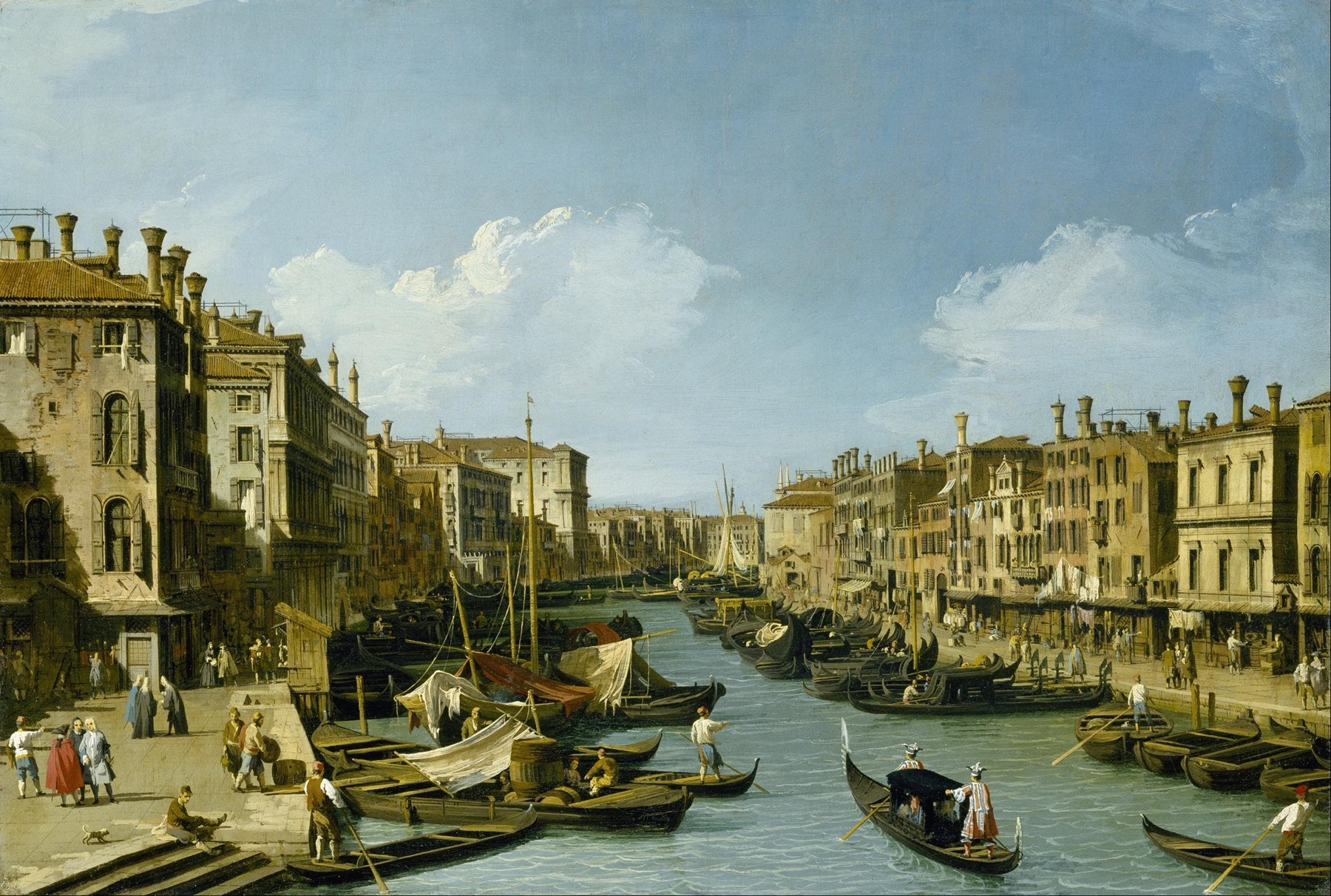
The Grand Canal near the Rialto Bridge, Venice — History & Analysis
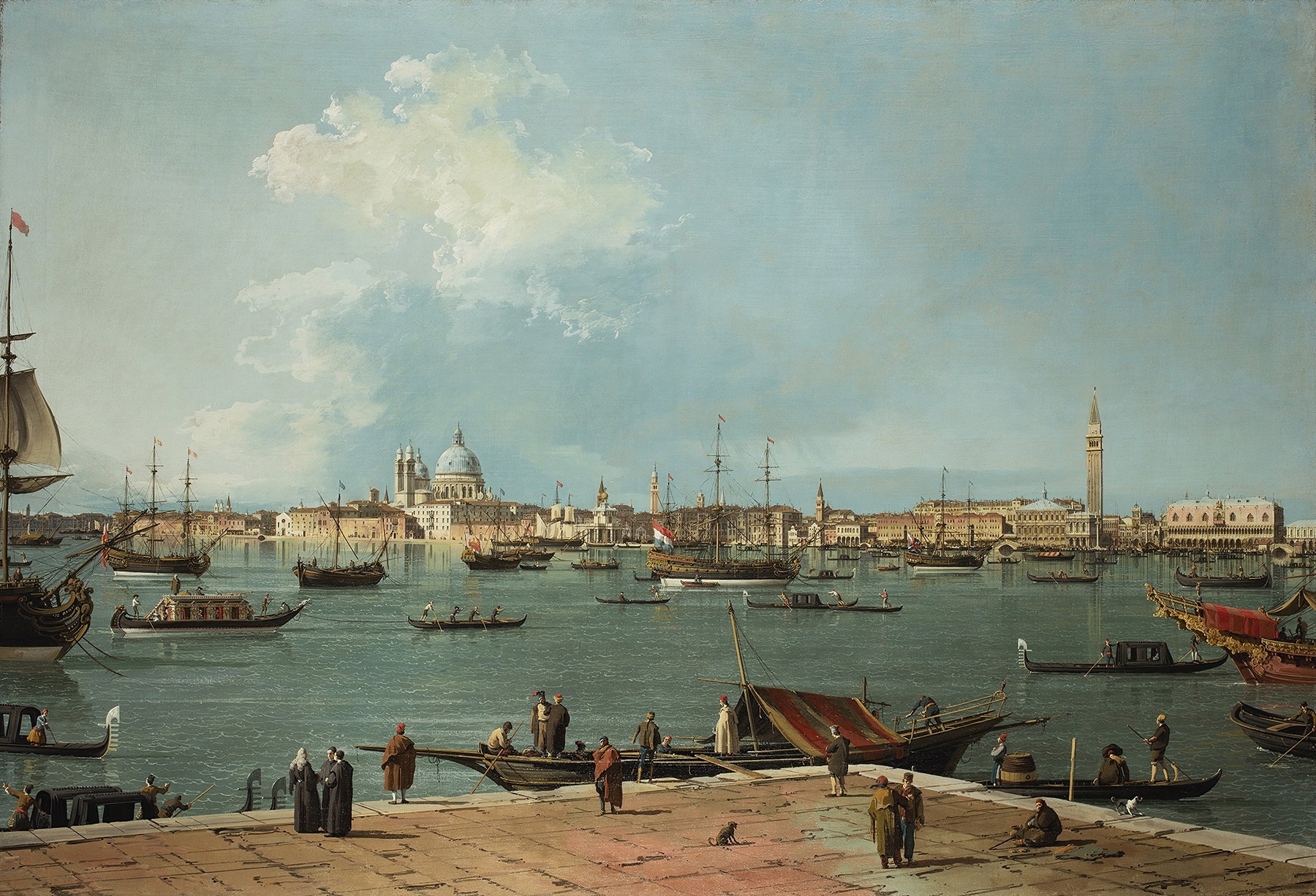
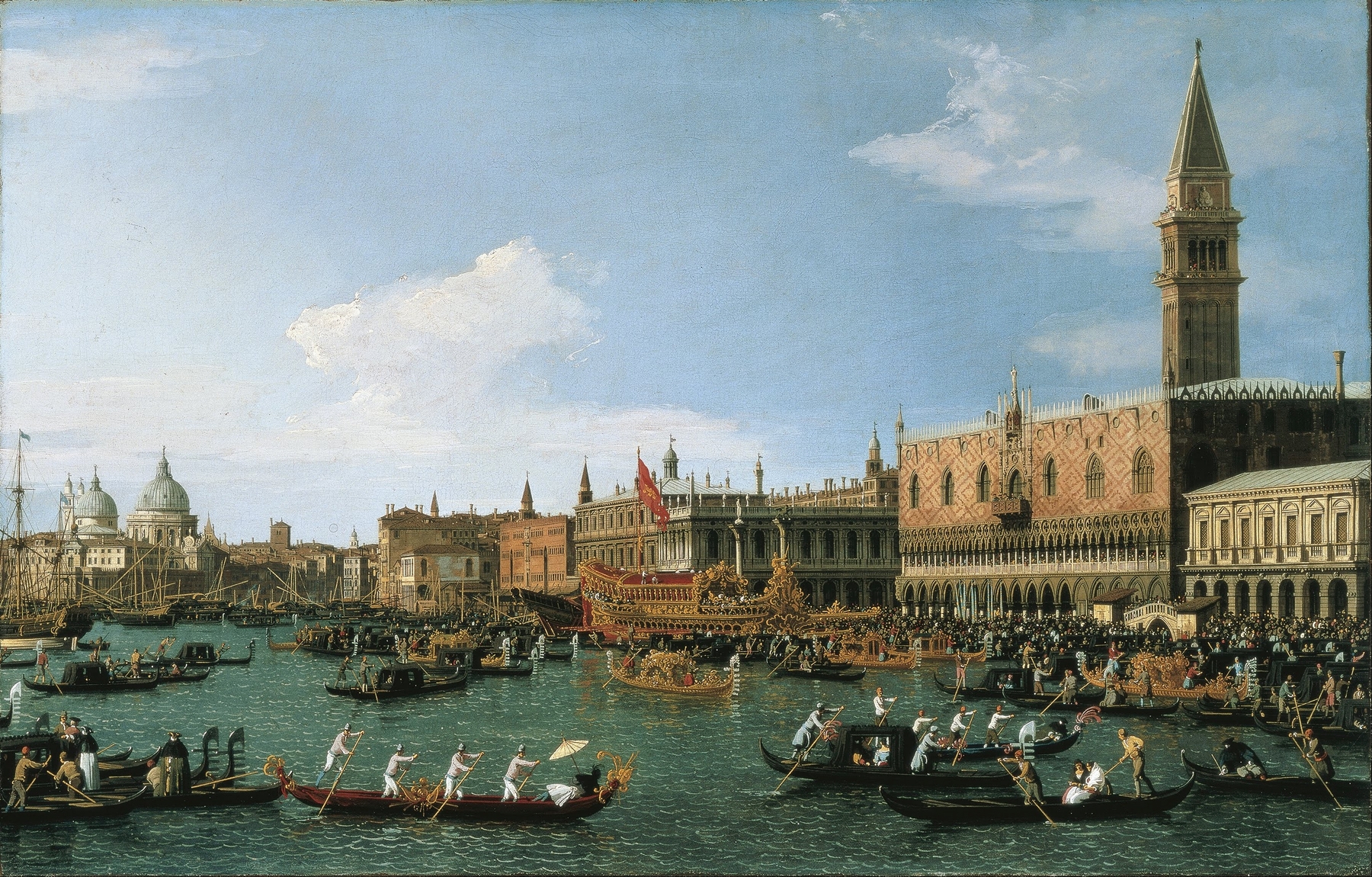
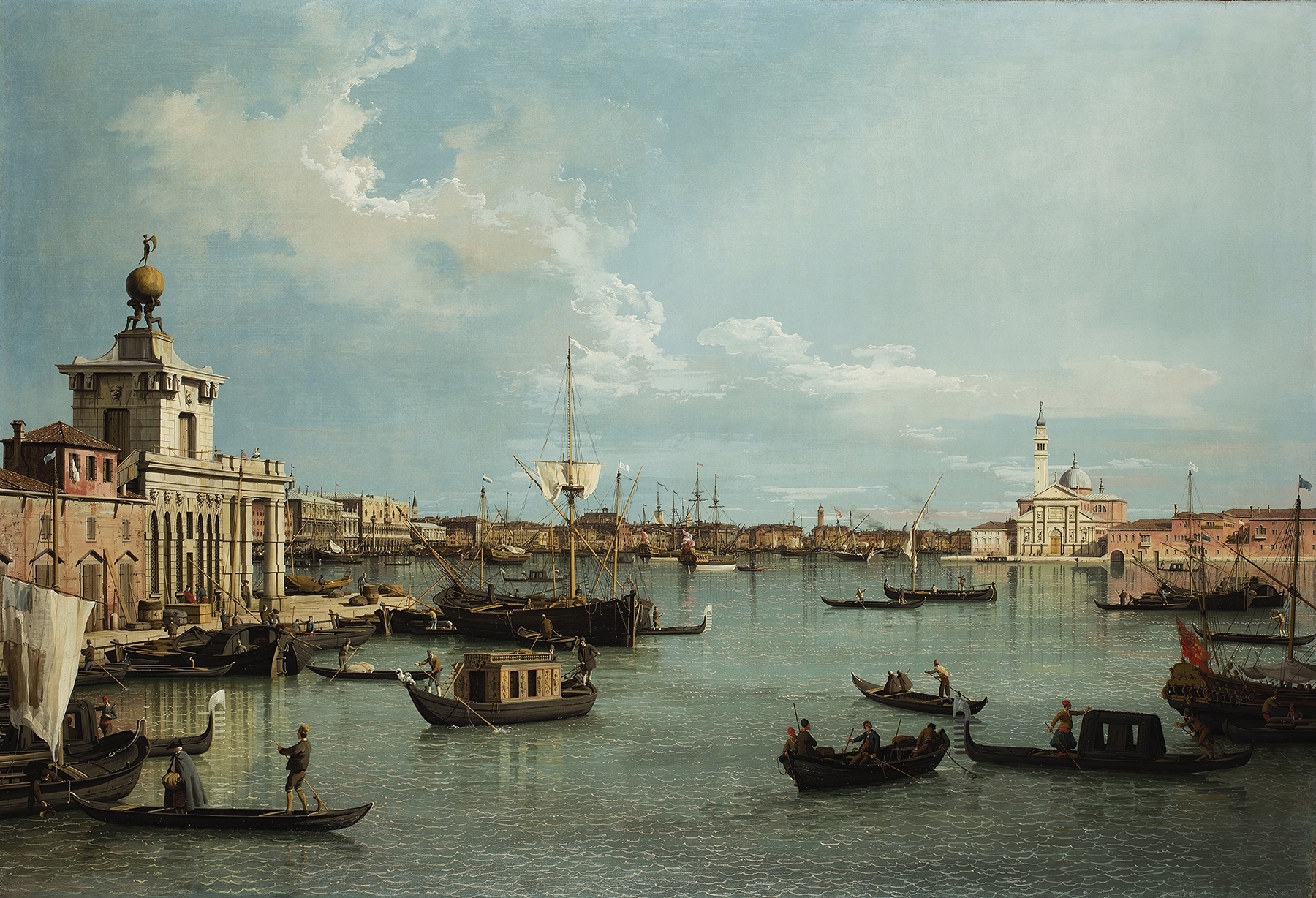
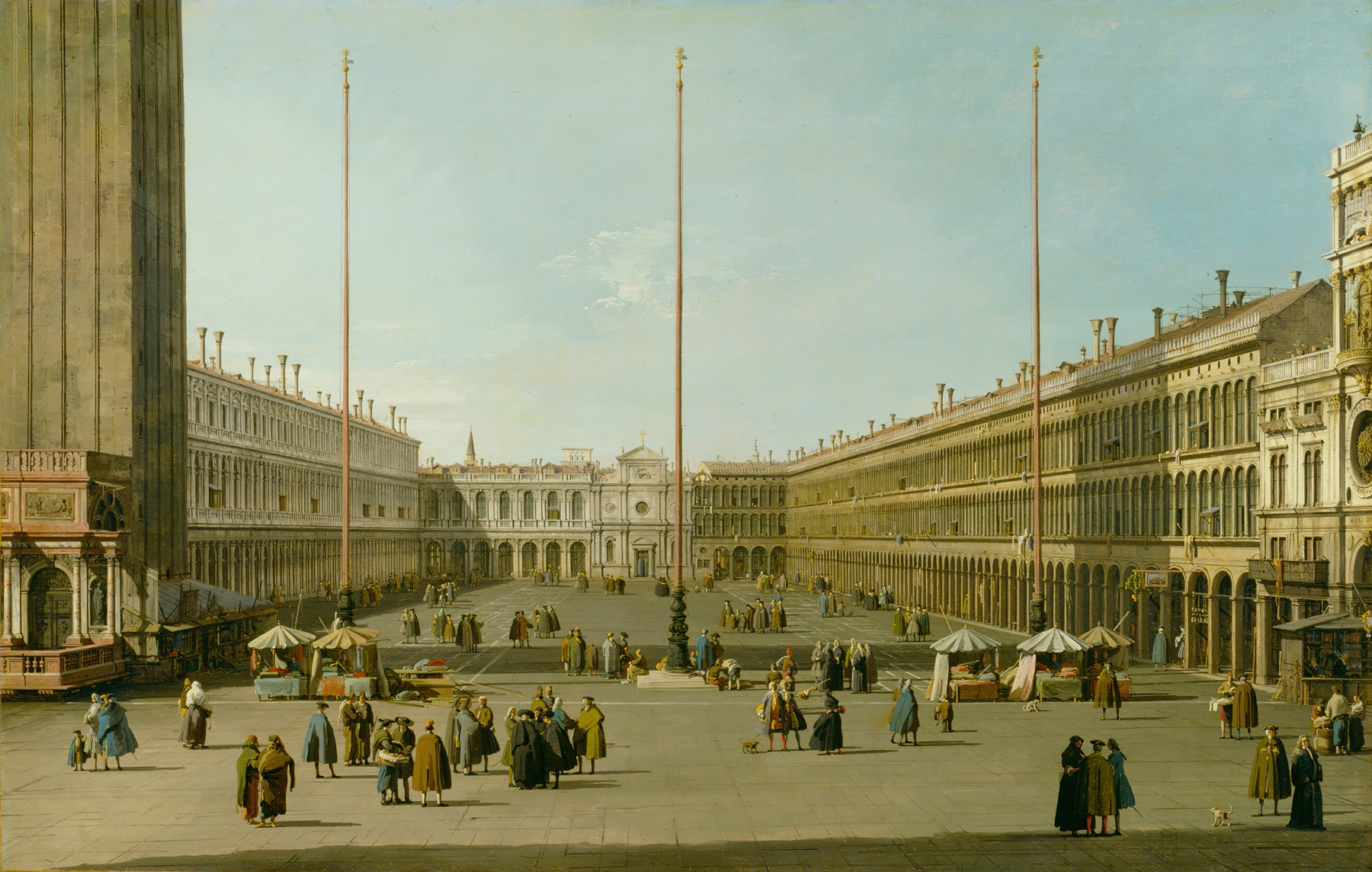
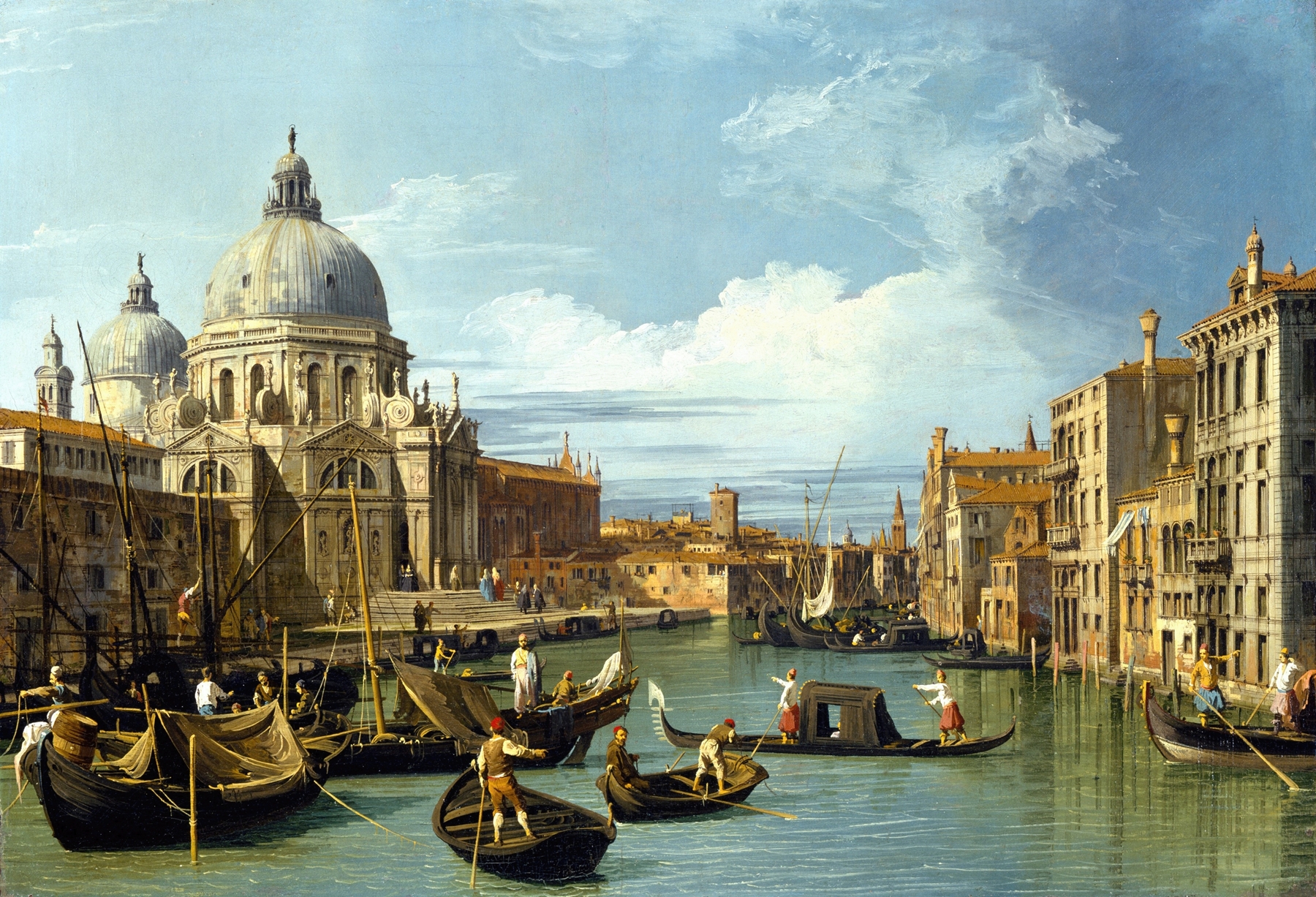
What if silence could speak through light? In the delicate embrace of dawn, the Grand Canal stretches like a dream, serene yet vibrantly alive, a testament to innocence wrapped in a cloak of soft reflections. Look to the left, where the sun bathes the facades of the ornate buildings in a golden hue, illuminating intricate details that evoke a sense of history and grandeur. The calm waters mirror this beauty, capturing the play of light and shadow with remarkable precision.
Notice how the boats, gently bobbing on the surface, seem almost weightless, creating a harmonious balance between nature and architecture. Canaletto’s meticulous brushwork highlights both the bustling life of the canal and the quiet moments of contemplation, inviting the viewer into a space where time appears suspended. Beneath the surface, the painting breathes with emotional tensions—the juxtaposition of the vibrancy of life against the stillness of the water. The vibrant blues and earthy tones bring forth a sense of innocence, evoking nostalgia for simpler times.
There is an unspoken dialogue between the robust structures and the fragile boats, suggesting a delicate relationship between the manmade and the natural world, where each element exists in peaceful coexistence. During the years 1728 to 1732, the artist captured this vision of Venice while he was established in England, bringing the city’s charm to a broader audience. This period of his life was marked by an increasing interest in landscape painting, as well as a growing fascination with architectural views, showcasing his ability to blend beauty and accuracy. The world was entering an era of Enlightenment, where art would begin to reflect the complexities of both nature and humanity.