Venice, the Chiesa del Santissimo Redentore — History & Analysis
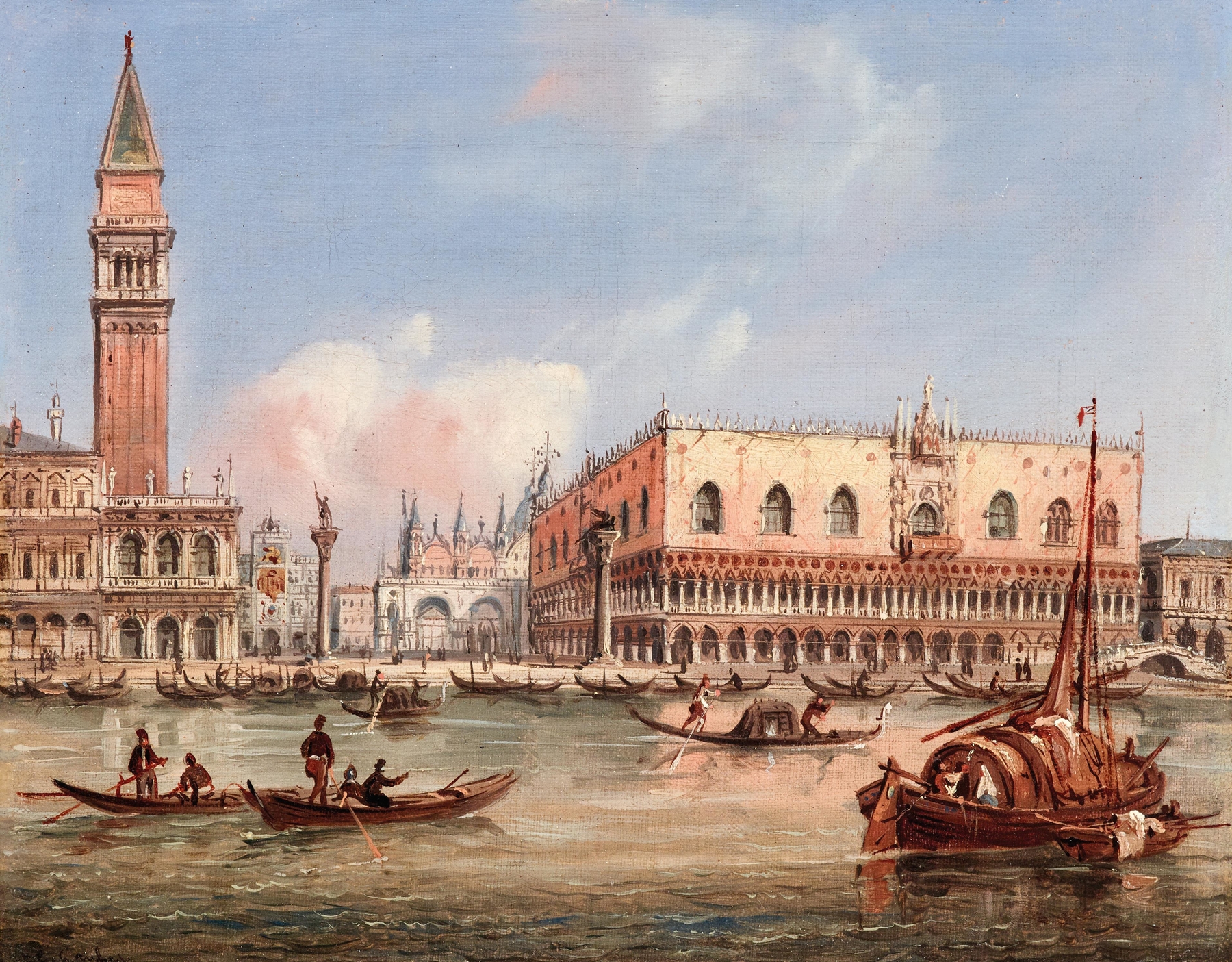
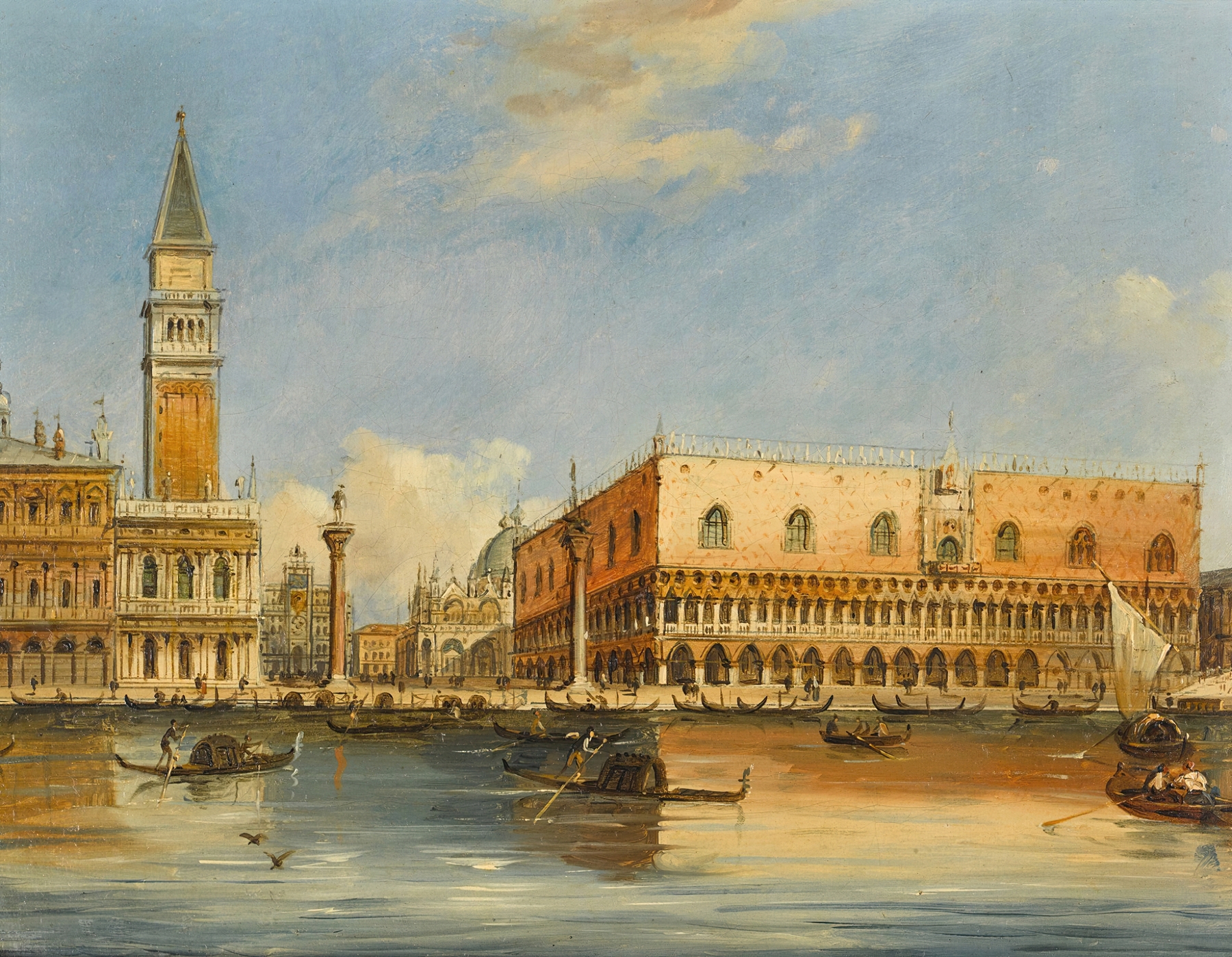
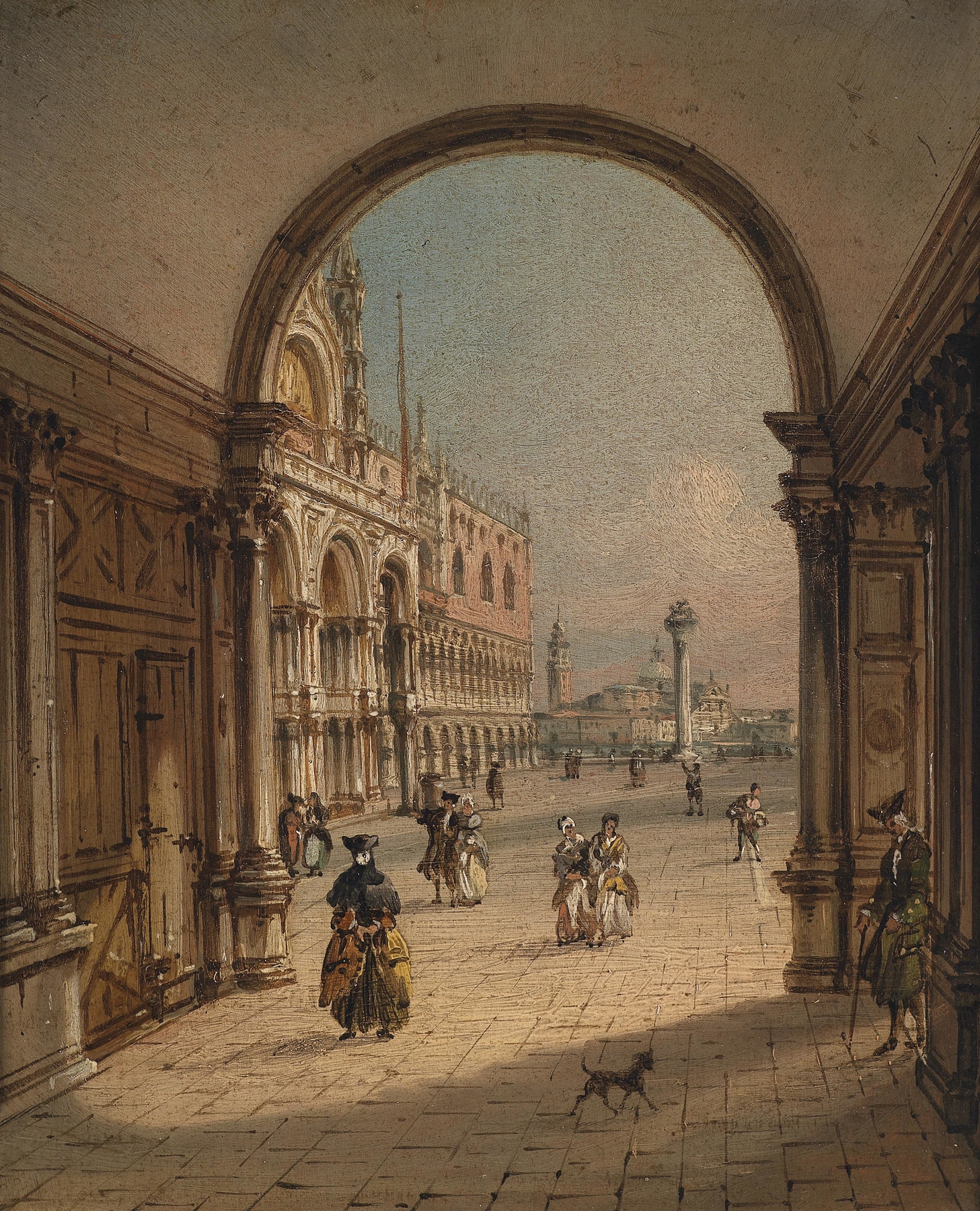
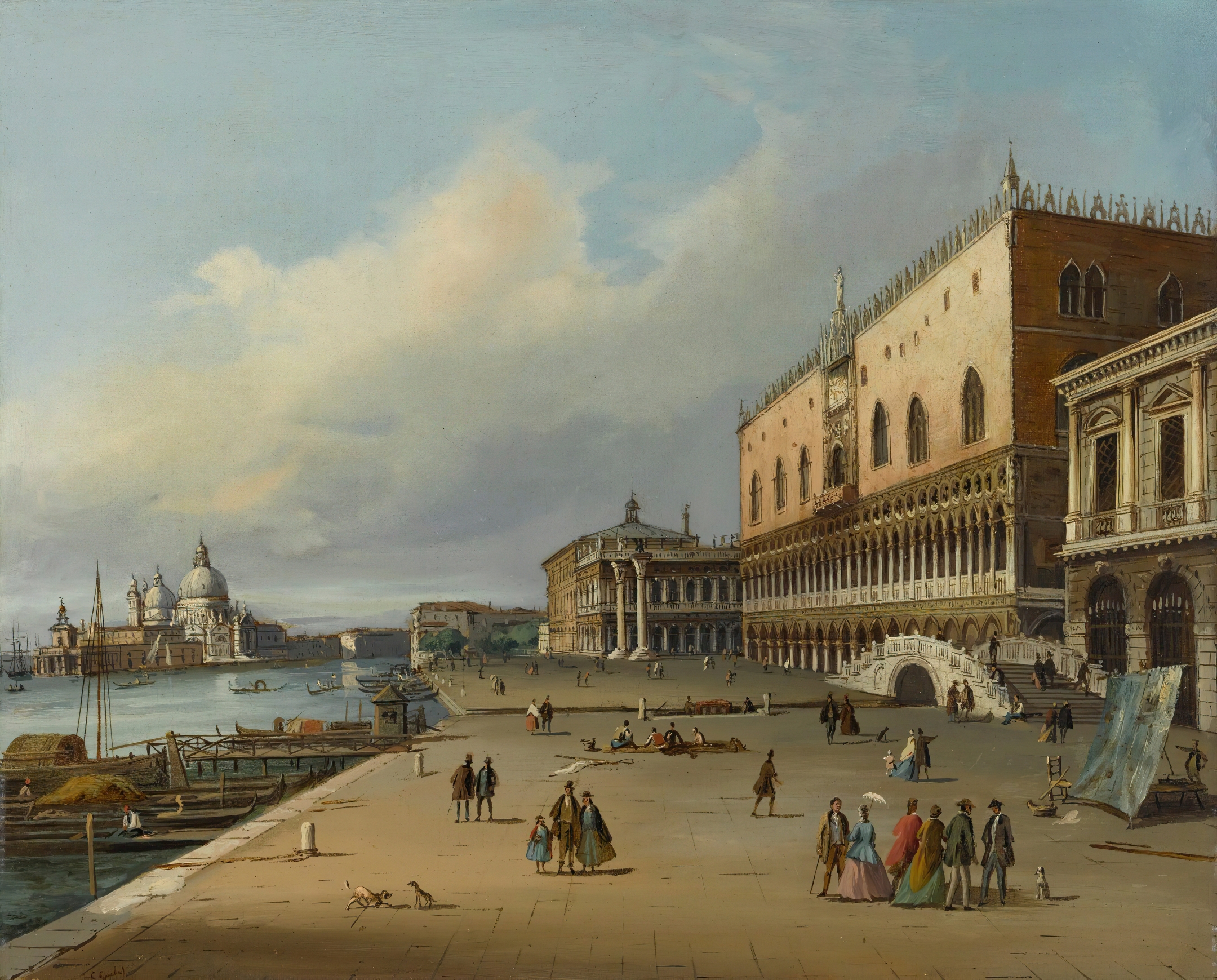
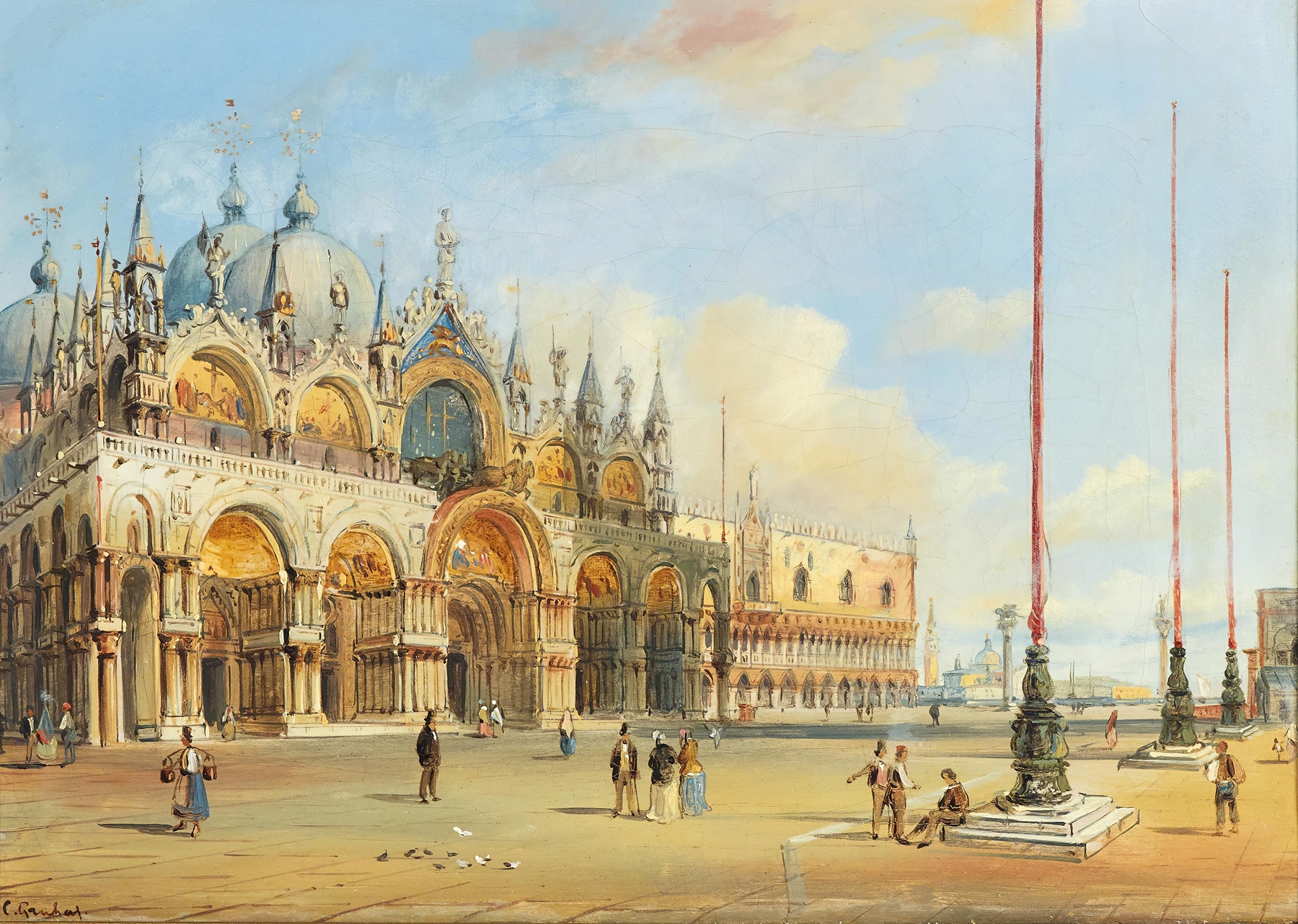
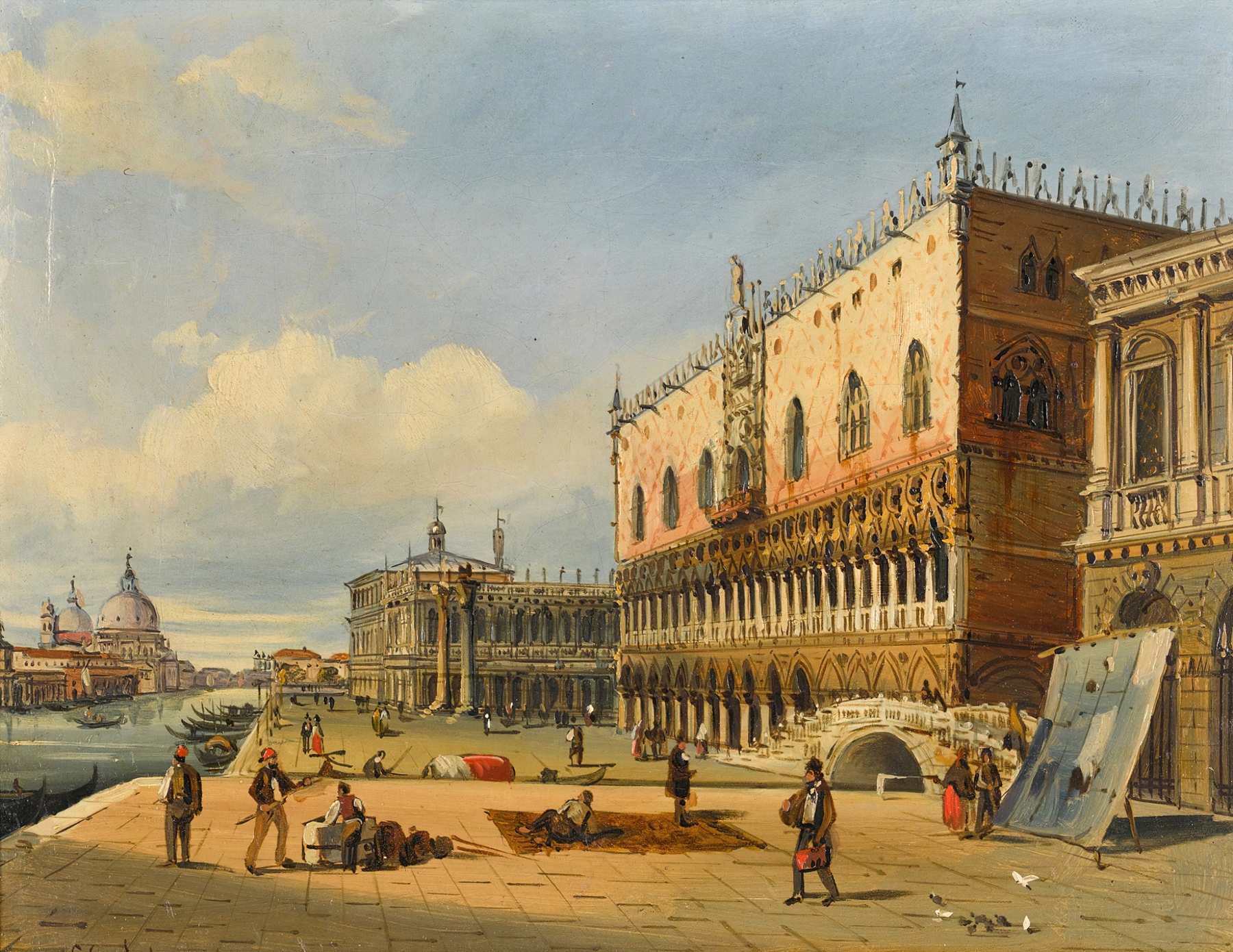
Did the painter know this moment would outlive them? The stillness of the Chiesa del Santissimo Redentore echoes through time, a sanctuary of whispers captured in brushstrokes. Look to the center of the canvas where the church stands majestically, its façade gleaming under the soft embrace of twilight. Notice how the delicate interplay of shadows and light dances across the intricate details of the structure, drawing you in as if to reveal secrets held within ancient stones.
The muted palette—soft blues and warm ochres—invites tranquility, while the painter’s meticulous technique reveals a profound reverence for this sacred space. Hidden within this serene portrayal lies a contrast between grandeur and intimacy. The church, a beacon of faith, stands alone against a backdrop of a fading sky, reflecting the tension between human aspiration and the inevitability of silence. The absence of people in this scene evokes a haunting solitude, prompting the viewer to contemplate the profound relationship between architecture and the passage of time—a momentary breath held forever in paint.
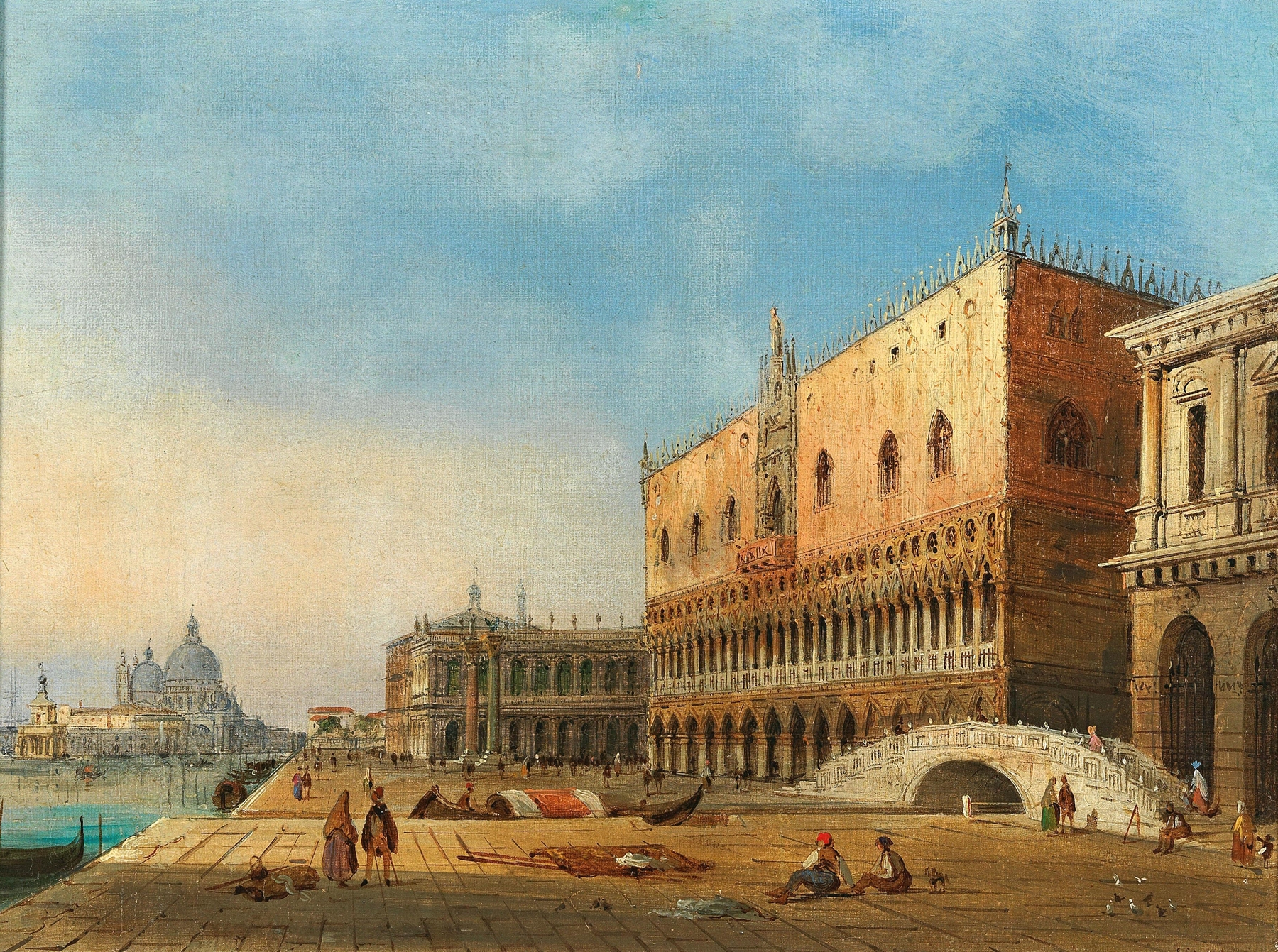
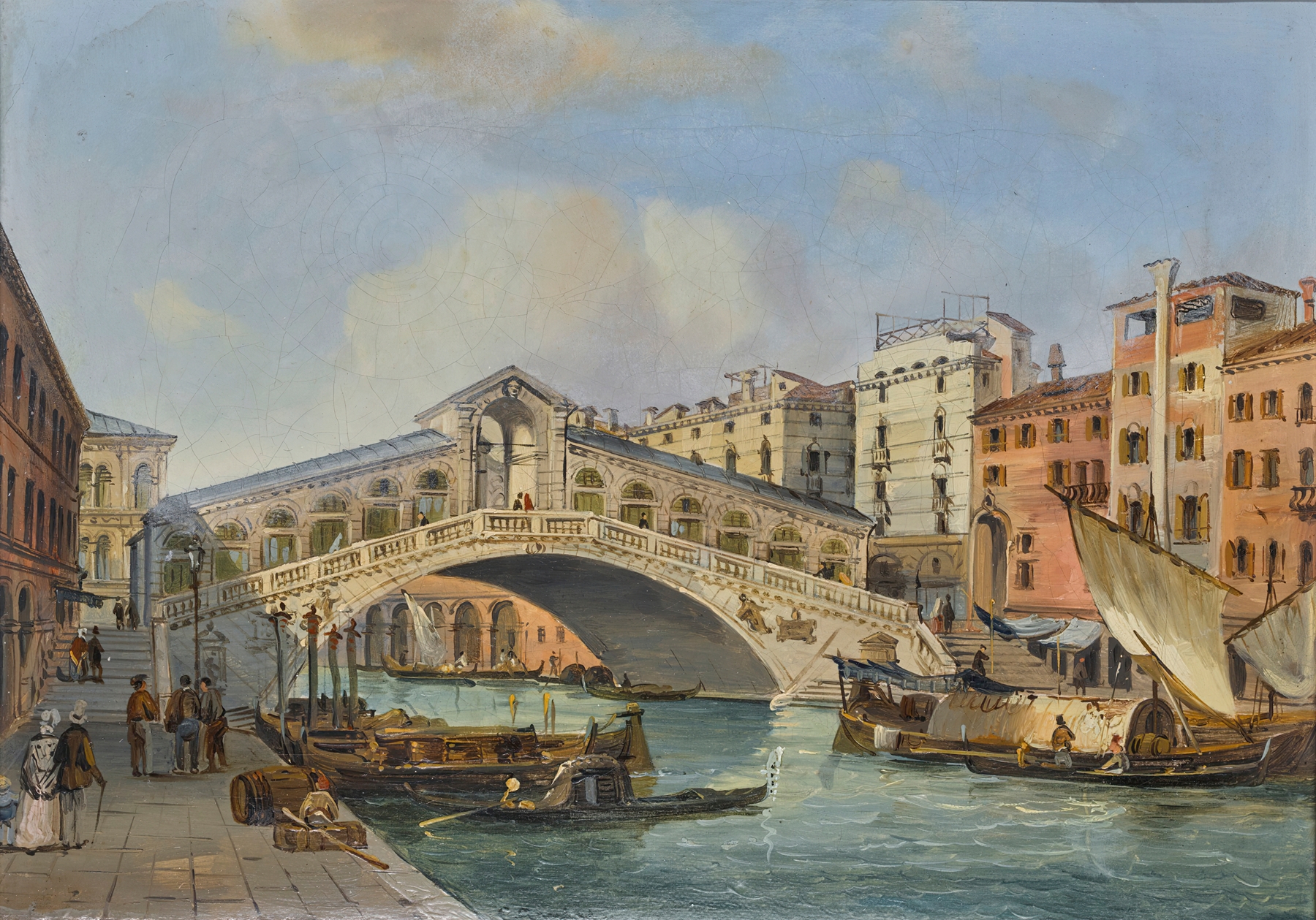
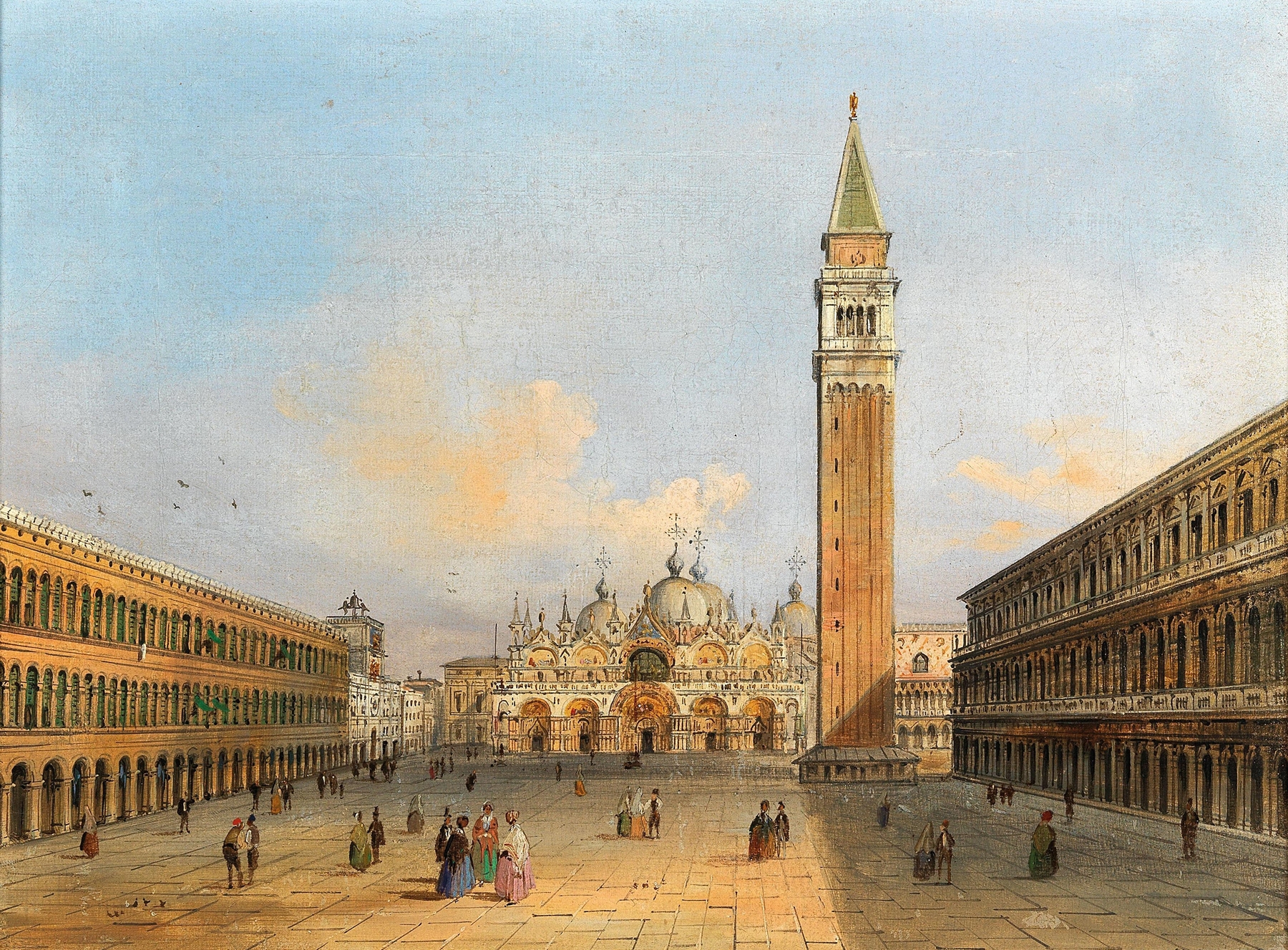
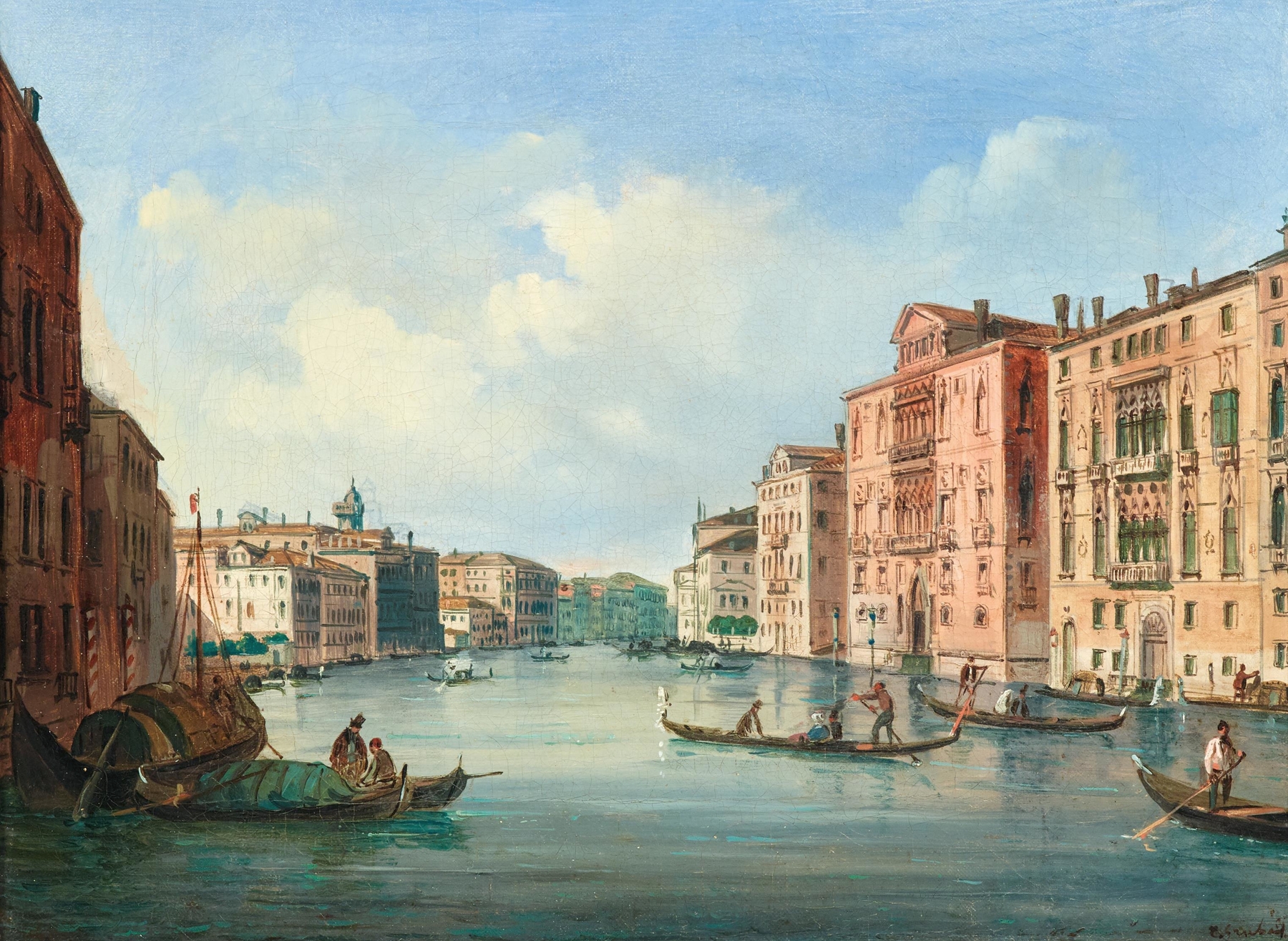
Carlo Grubacs created this work during an era of artistic exploration in Venice, likely in the late 18th or early 19th century. Amidst a flourishing cultural landscape, Grubacs was immersed in a city that celebrated both the grandeur of its architecture and the intimate moments of daily life. This painting reflects his ability to merge these elements, capturing a fleeting moment that resonates with the weight of history and the quietude of existence.