Venice, the Rialto Bridge — History & Analysis
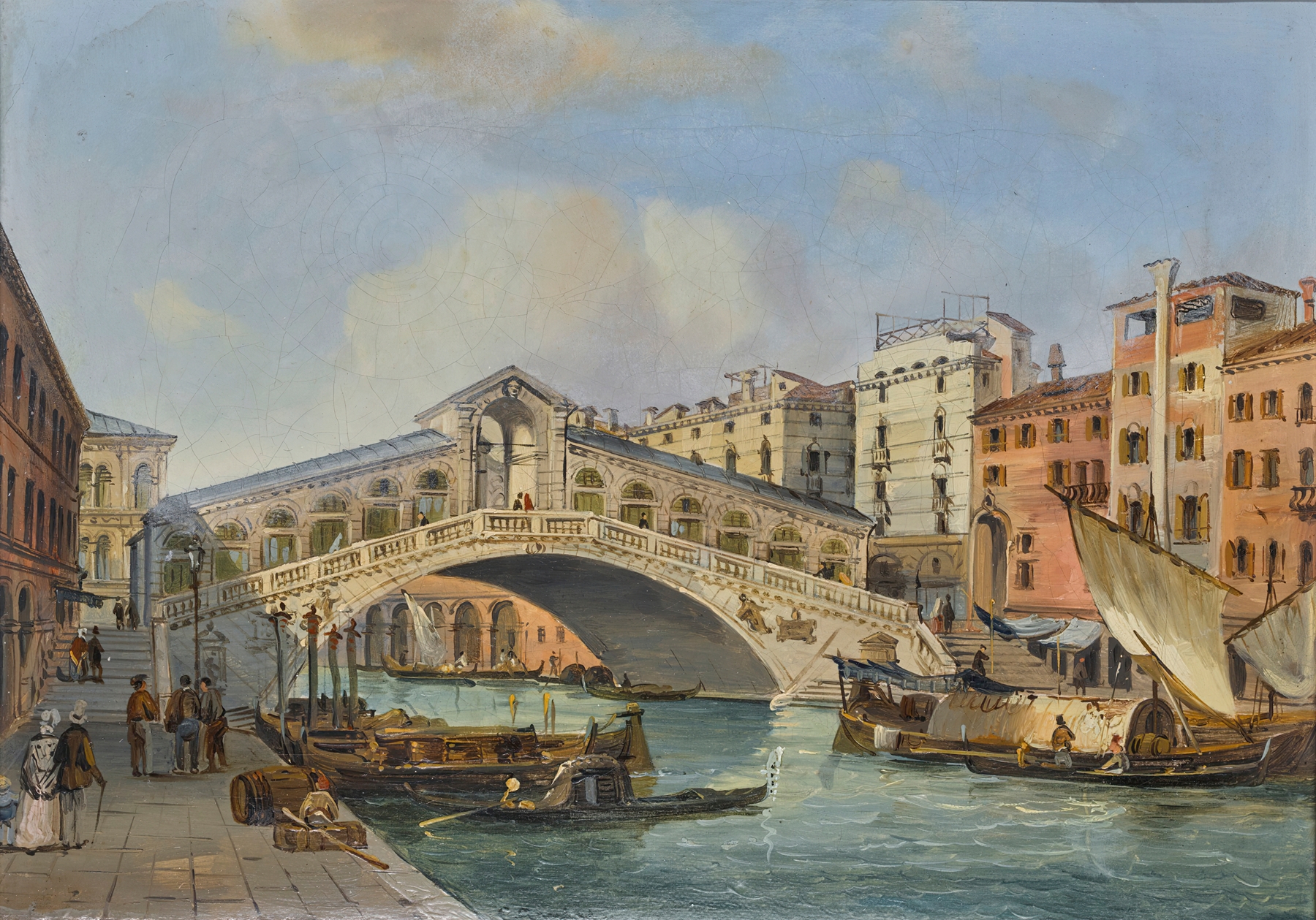
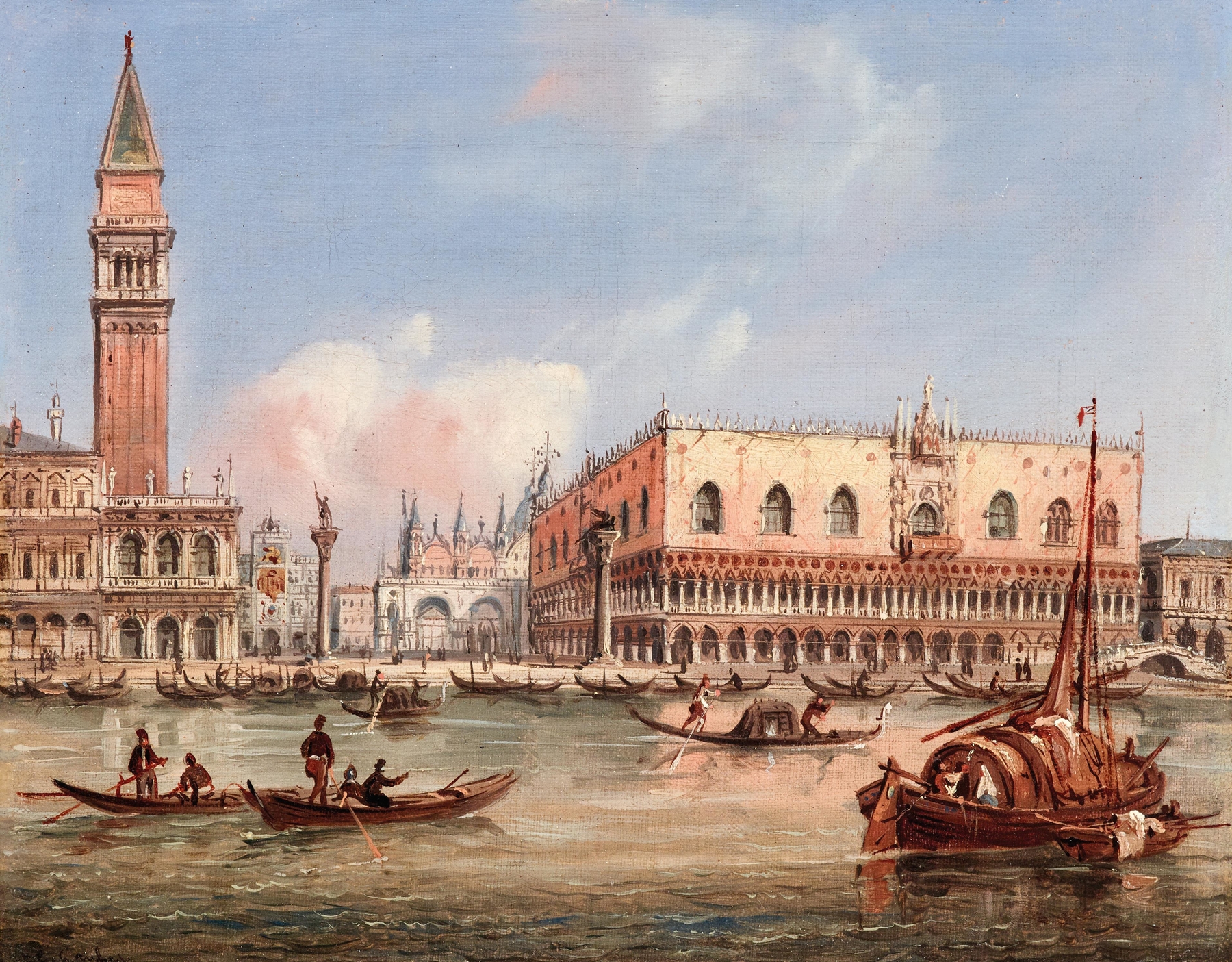
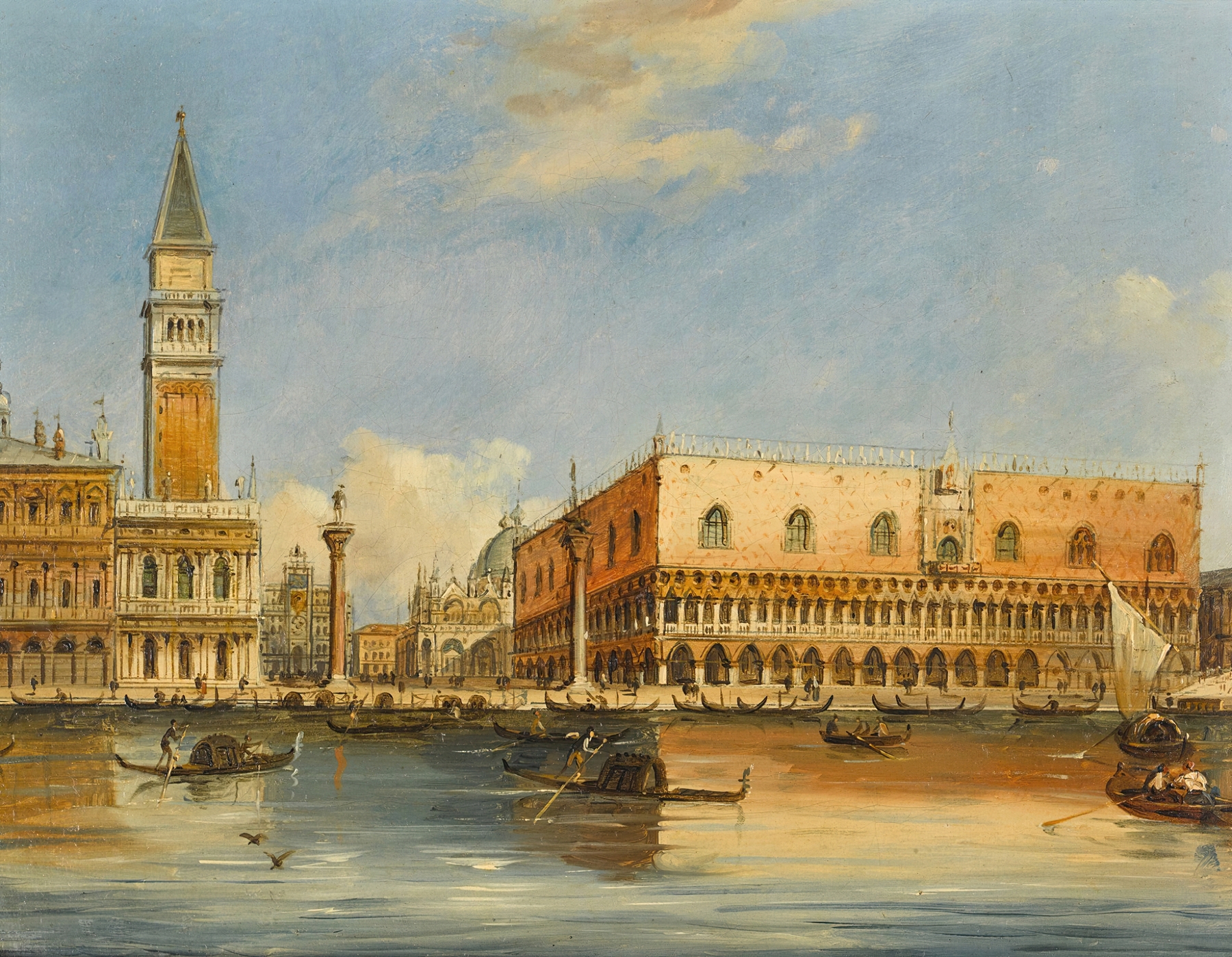
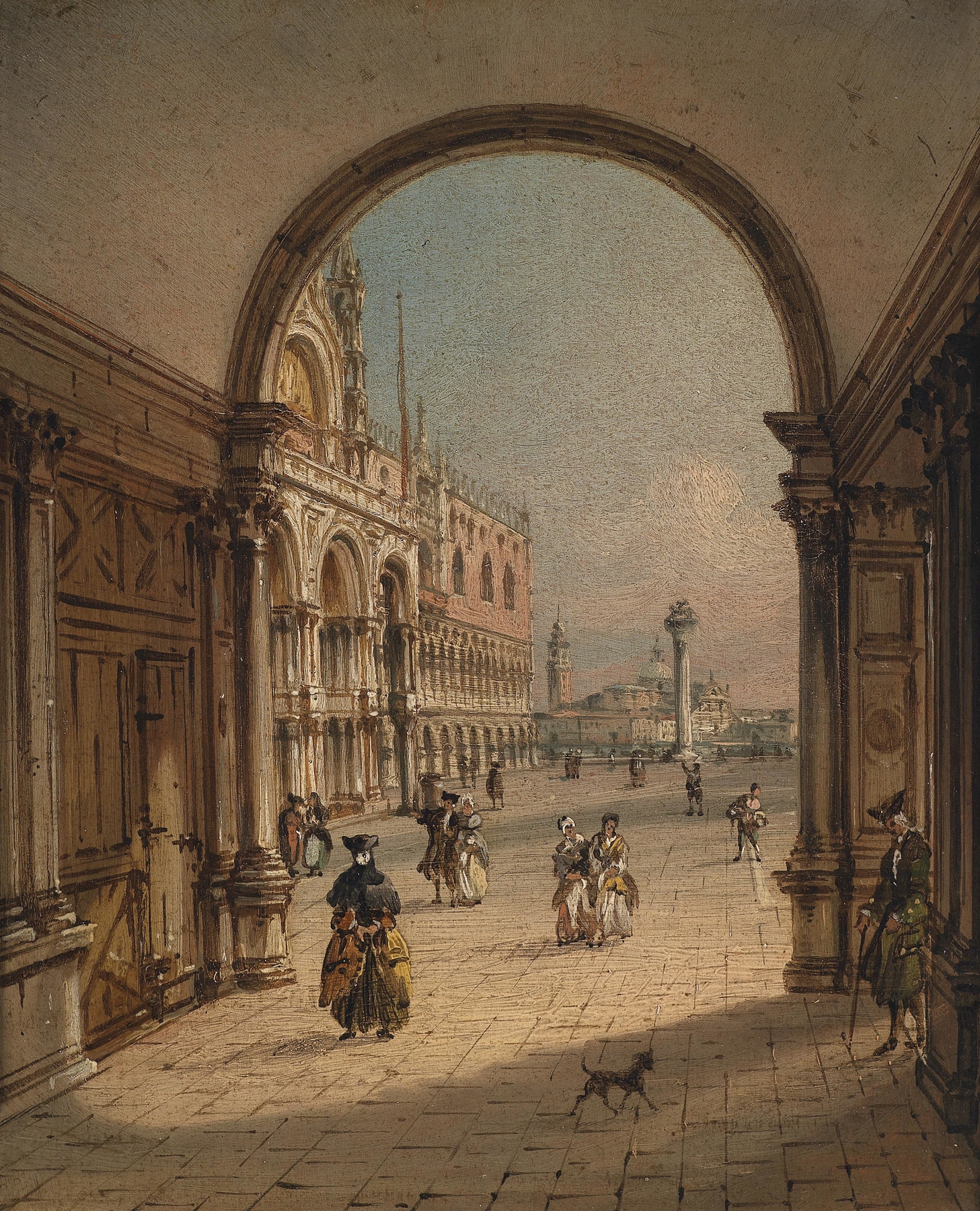
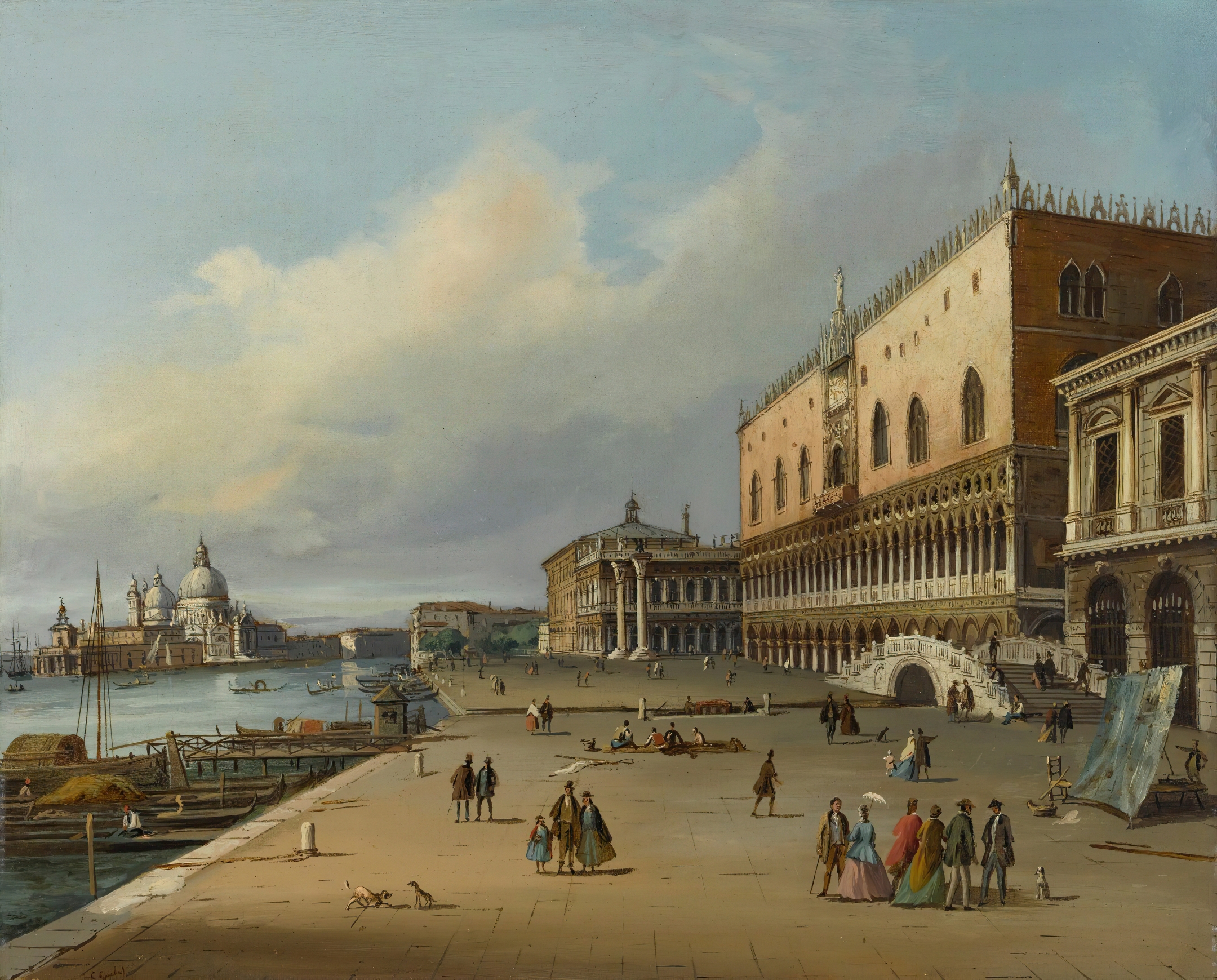
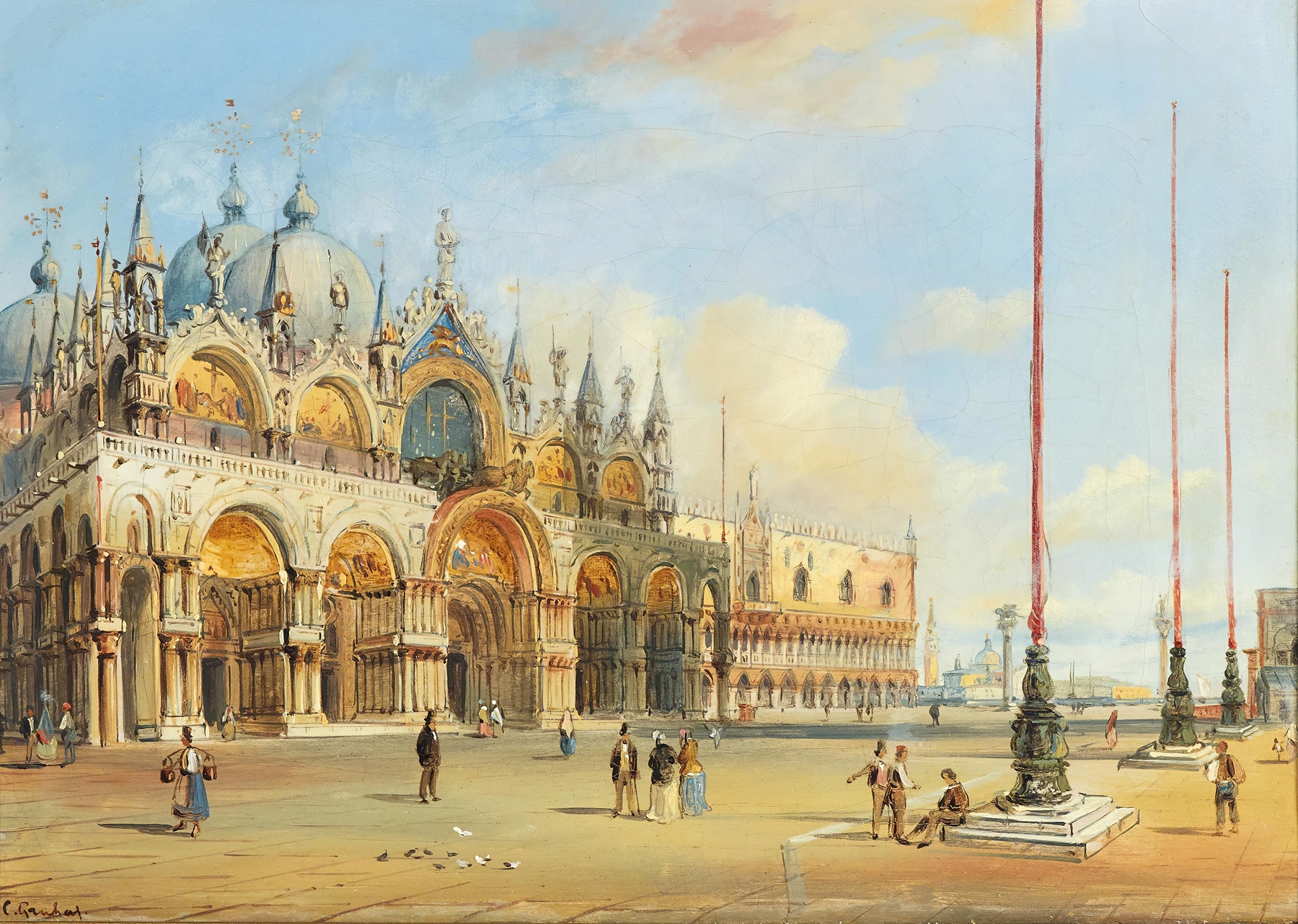
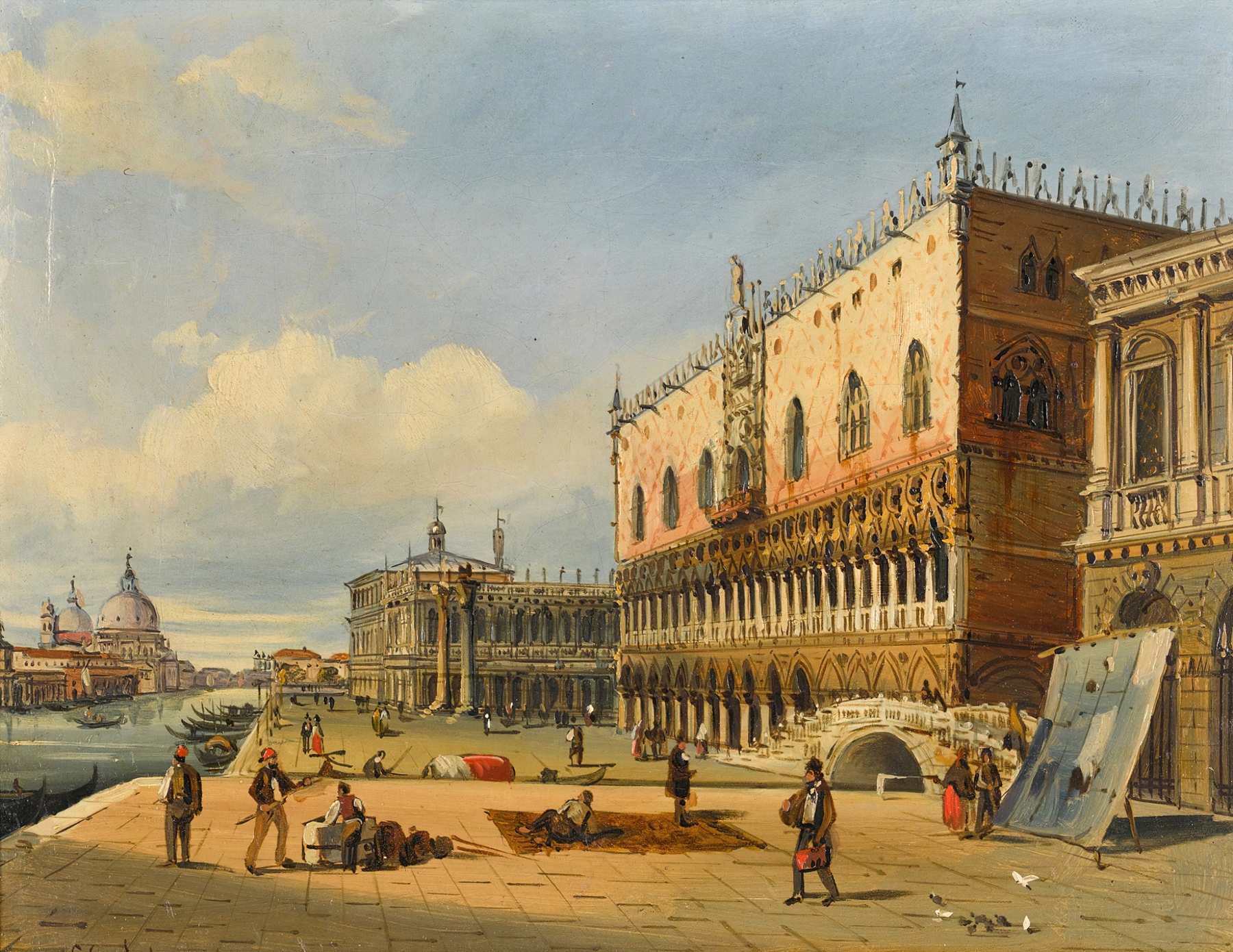
Can beauty exist without sorrow? In a world where the ethereal and ephemeral intertwine, this question lingers like a whisper over tranquil waters. Focus on the majestic Rialto Bridge as it curves gracefully across the shimmering canals of Venice. The careful brushwork captures the intricate details of the bridge's architecture and the lively boats gliding beneath it. Notice how the soft palette of blues and greens envelops the scene, evoking a sense of serenity that contrasts sharply with the bustling life above the water.
The reflections in the canal ripple gently, mirroring the passage of time, suggesting that while beauty flourishes, it is fleeting. Hidden within this idyllic portrayal lies a deeper contemplation of mortality. The vibrant life of the market stalls, teeming with people, hints at the inevitable decay of both structures and souls. Observe the figures, each absorbed in their daily activities, yet surrounded by a landscape that has witnessed centuries of joy and loss.
This juxtaposition of lively commerce against the backdrop of ancient stone speaks to the transitory nature of existence, where every moment of beauty is shadowed by the specter of time. Carlo Grubacs painted this work during a period when Venice was a critical hub of cultural exchange in the 19th century. As he explored its picturesque landscapes, Grubacs was also influenced by the burgeoning Romantic movement, which emphasized emotion and the sublime. His attention to both detail and atmosphere reflects a time when artists began to explore deeper philosophical themes within seemingly simple scenes.