Venise — History & Analysis
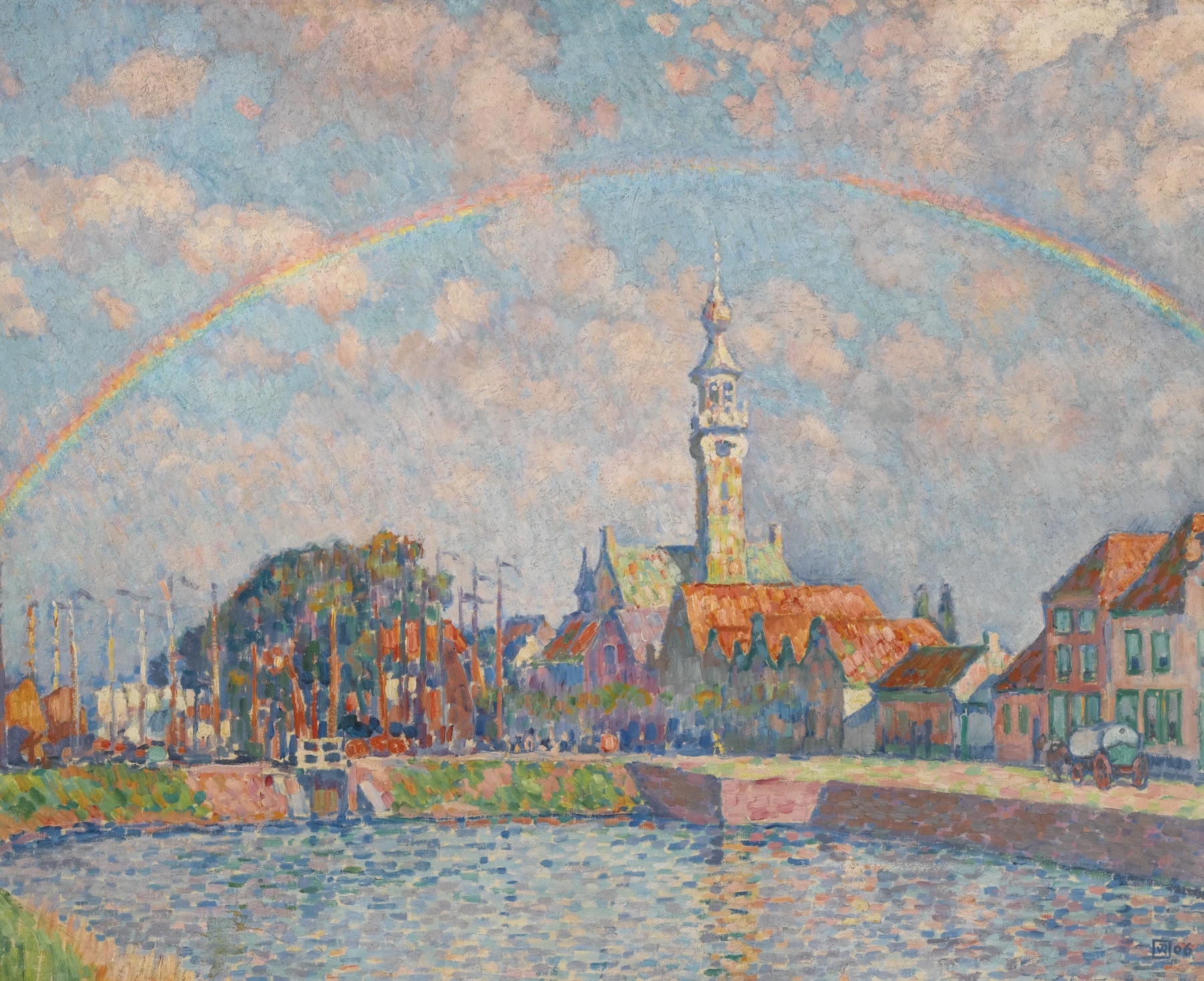
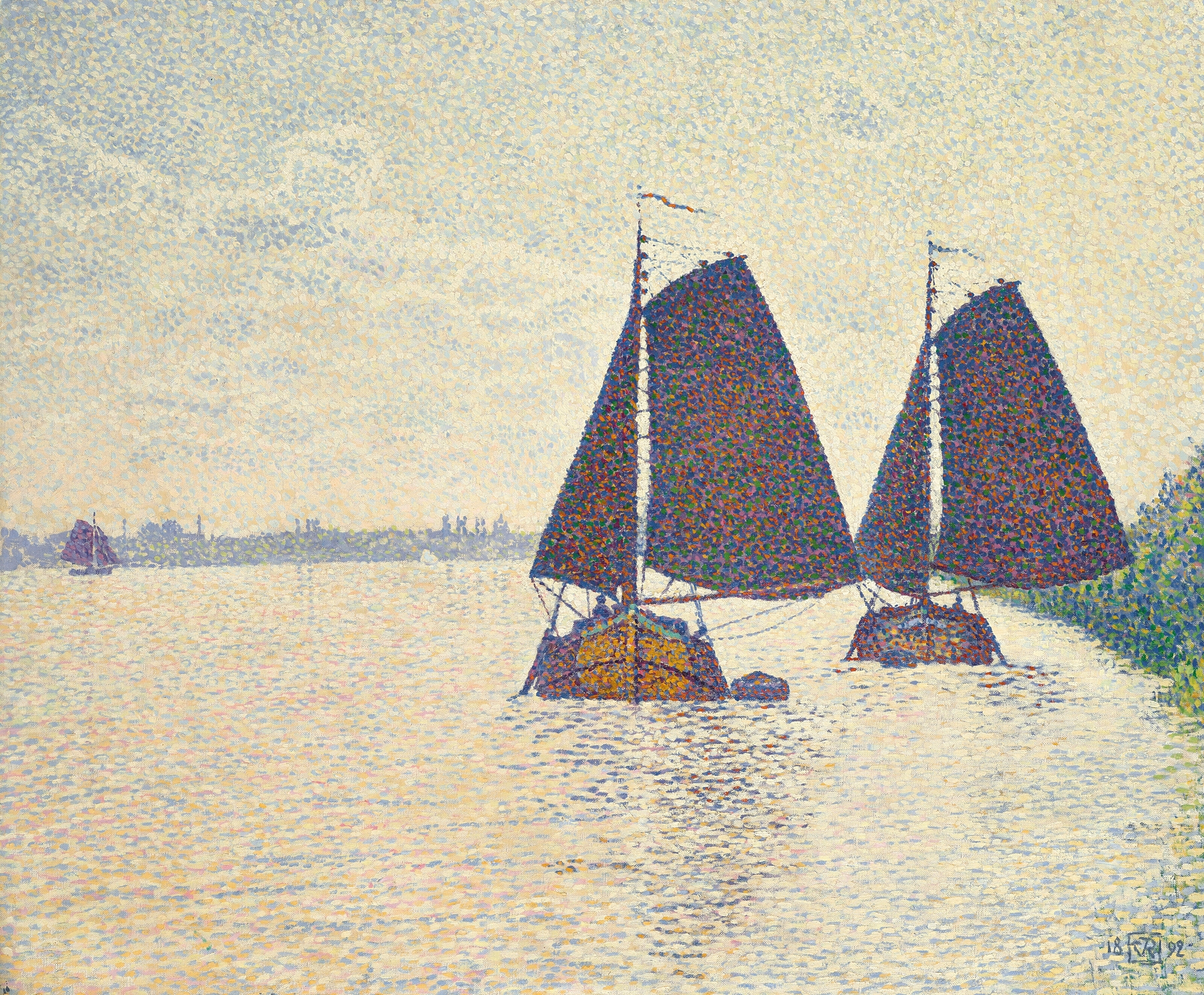
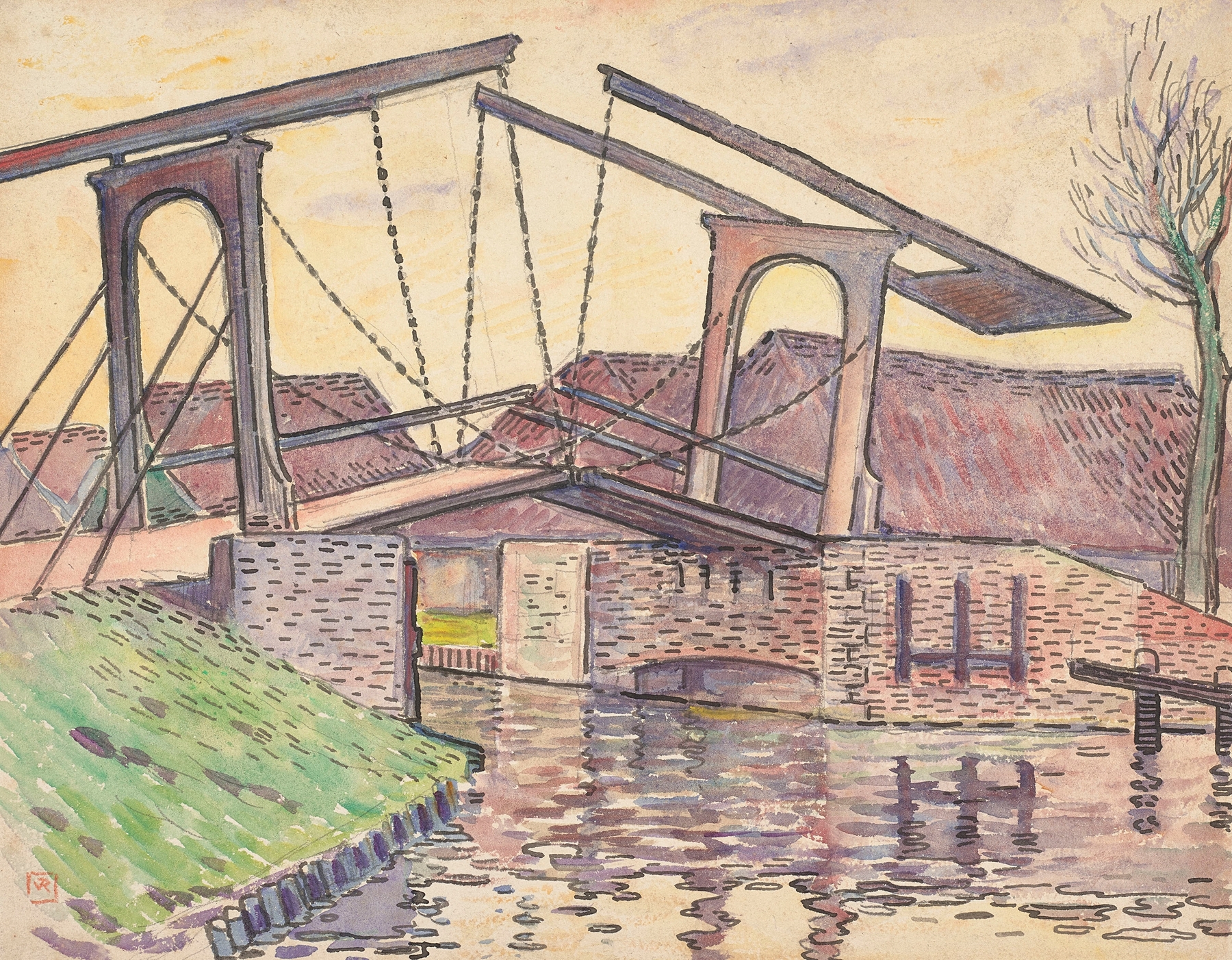
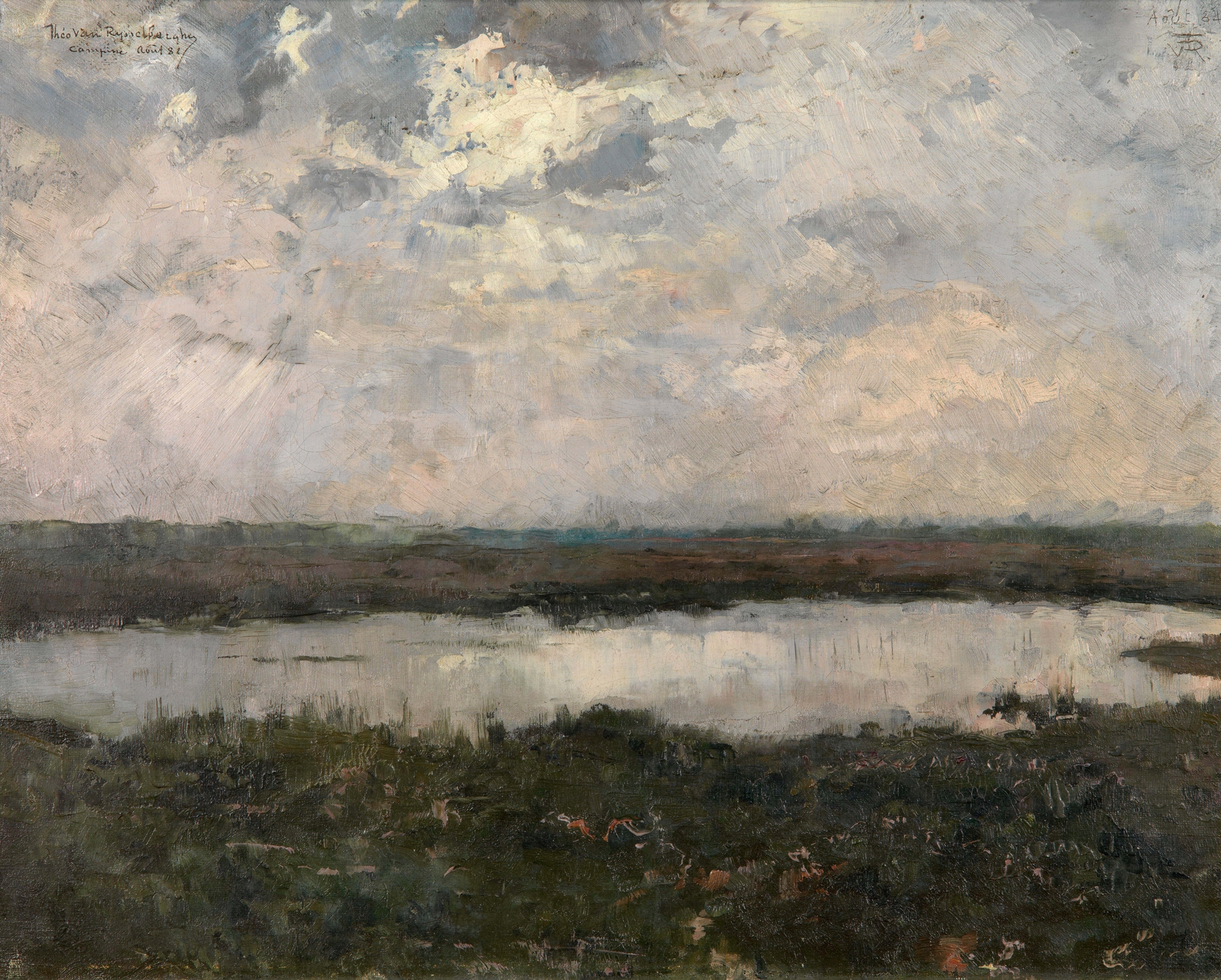
Is this a mirror — or a memory? In the shimmering stillness of this artwork, a place transcends mere geography, inviting viewers to ponder the divine essence of a moment captured in time. Focus first on the luminous water, where delicate ripples dance beneath the golden light, reflecting the enchanting architecture of Venice. Notice how the artist employs a palette of soft blues and radiant golds, conjuring an ethereal glow that envelops the scene.
The brushstrokes, both precise and fluid, create a sense of movement, guiding the eye upward towards the intricate silhouettes of historic buildings, their forms gently softened by the caress of sunlight. There is a profound juxtaposition at play here: the vibrancy of life against the stillness of water. The serene reflection not only captures the grandeur of the surroundings but also evokes a sense of nostalgia, suggesting that these moments are fleeting, almost sacred. The interplay of light and shadow serves to heighten the emotional intensity, making the viewer question the reliability of memory—what remains clear, and what fades into obscurity?
In 1897, the artist, then residing in France, was deeply influenced by the Symbolist movement and its exploration of light and color. During this period, he embraced new techniques that revolutionized the depiction of atmosphere, seeking to evoke emotion through his brushwork. The world of art was shifting, and Venise stands as a testament to a time when the boundaries between reality and memory began to blur, revealing a deeper, almost divine connection to the places we cherish.