Pont en Hollande — History & Analysis
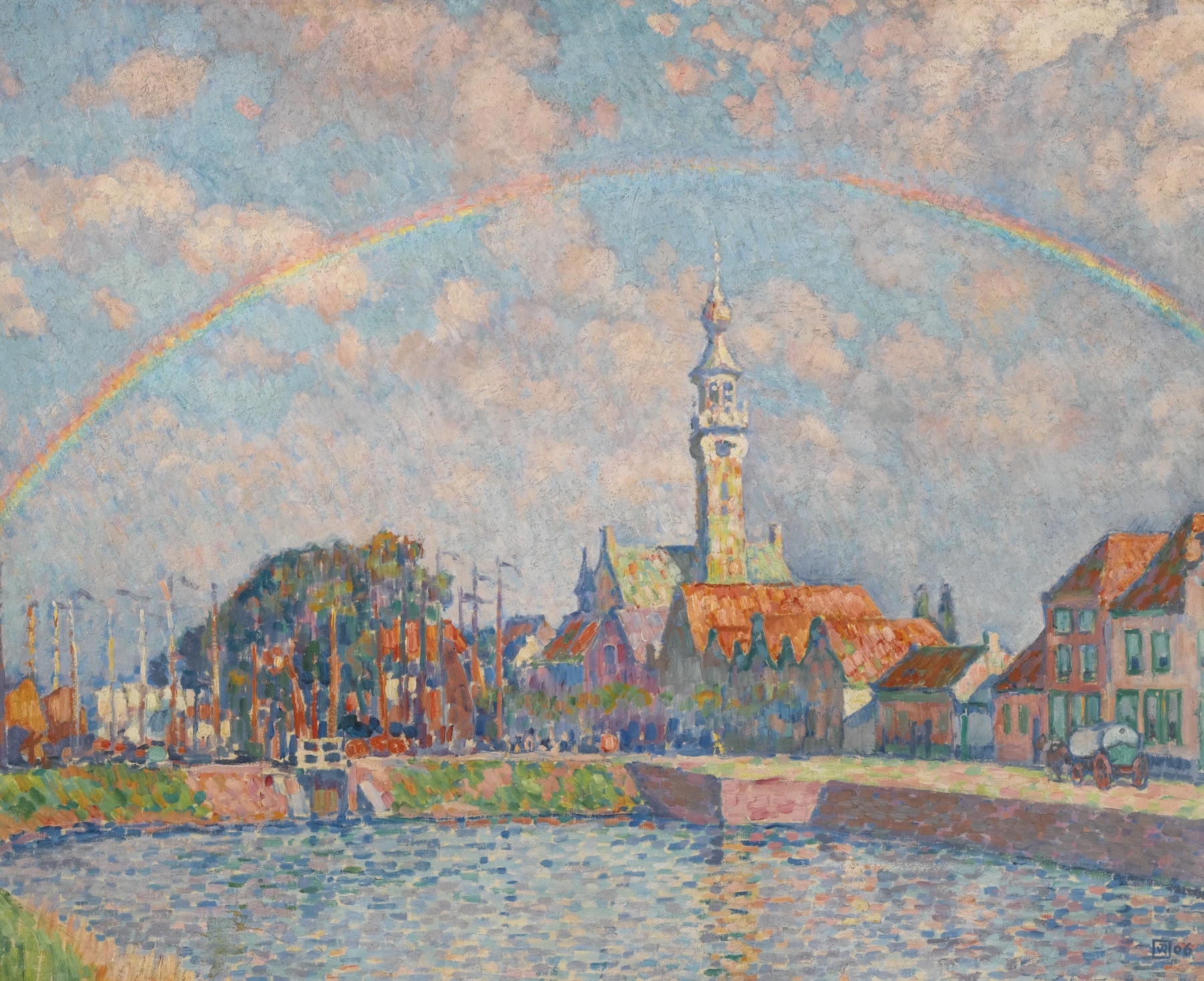
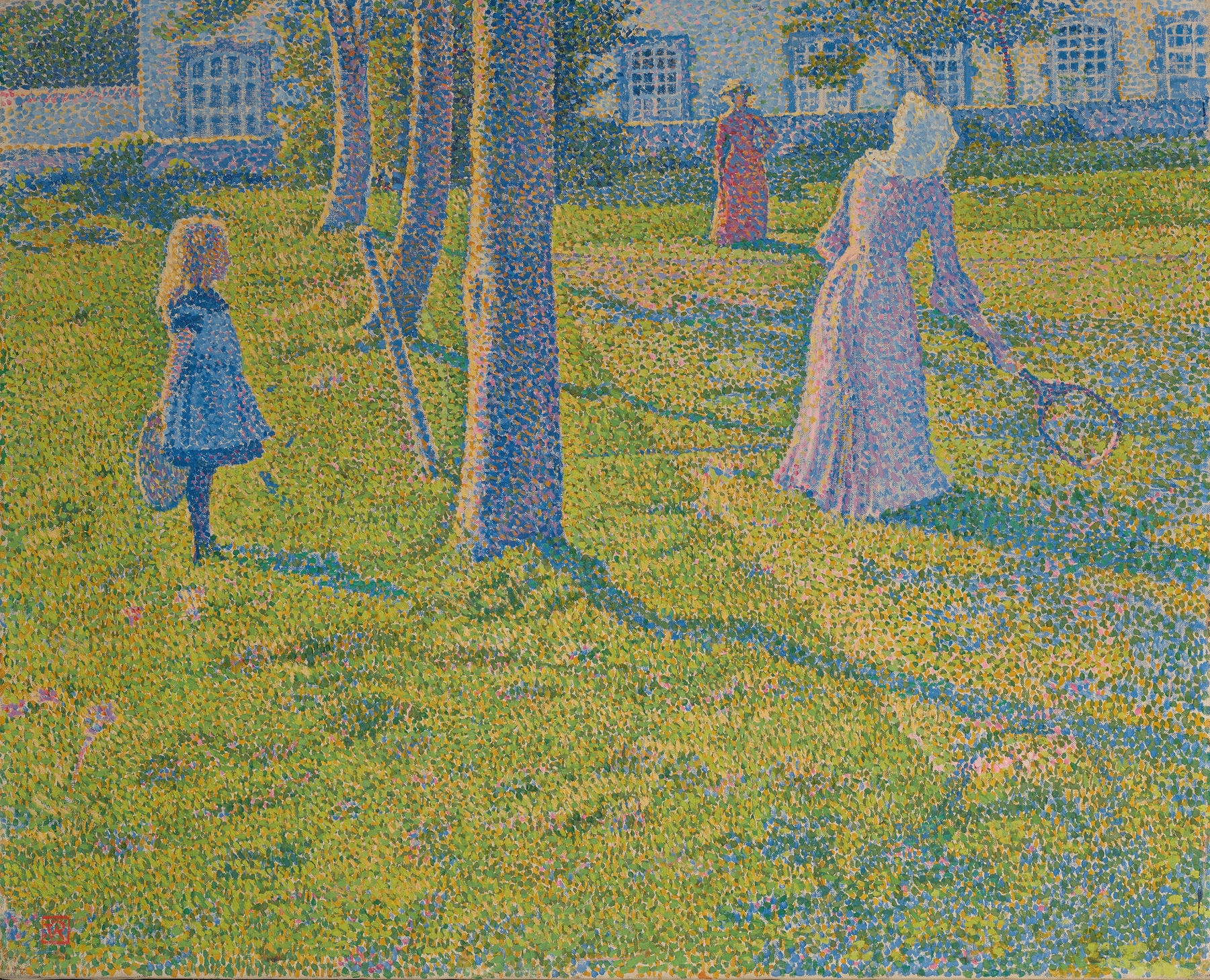
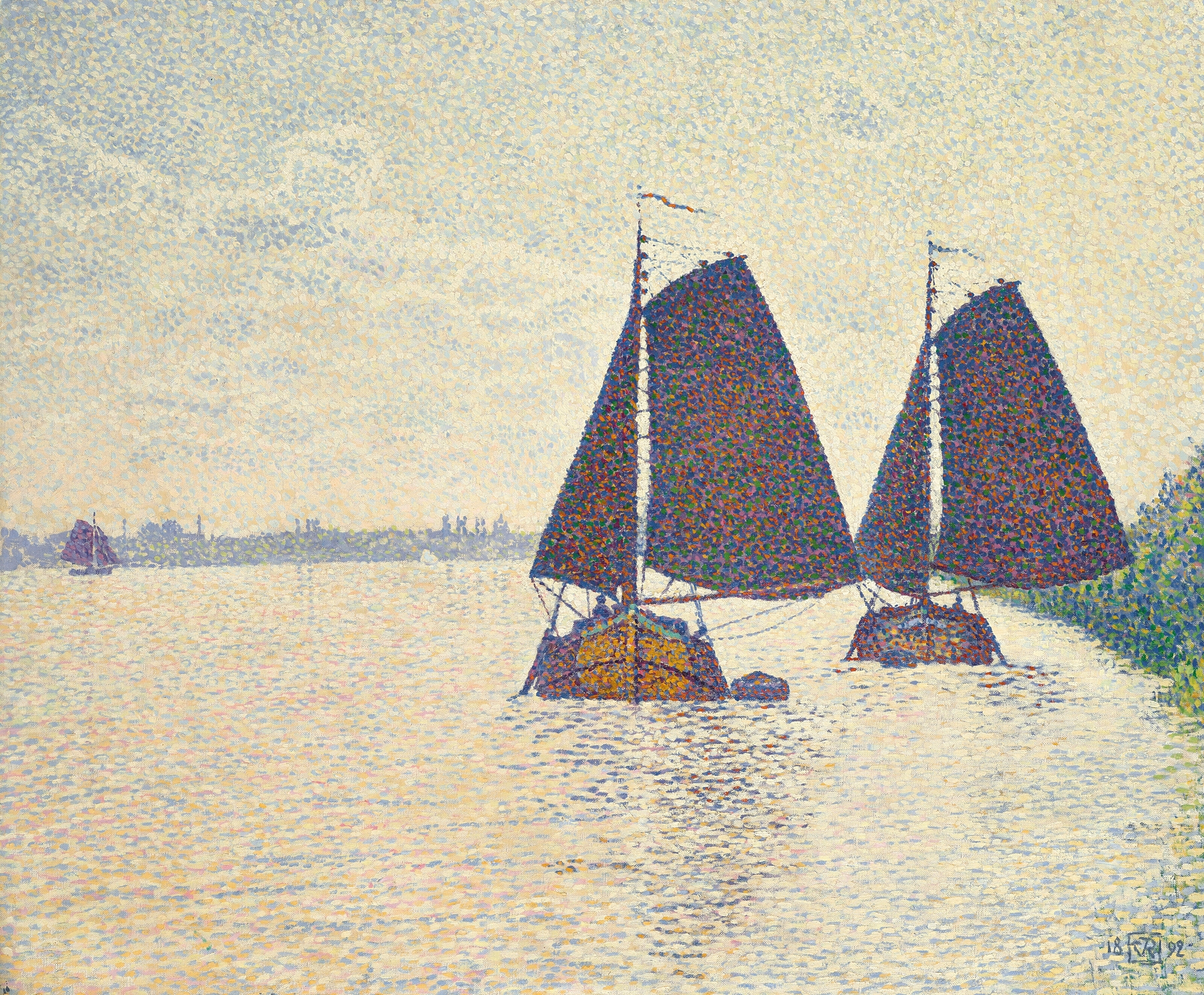
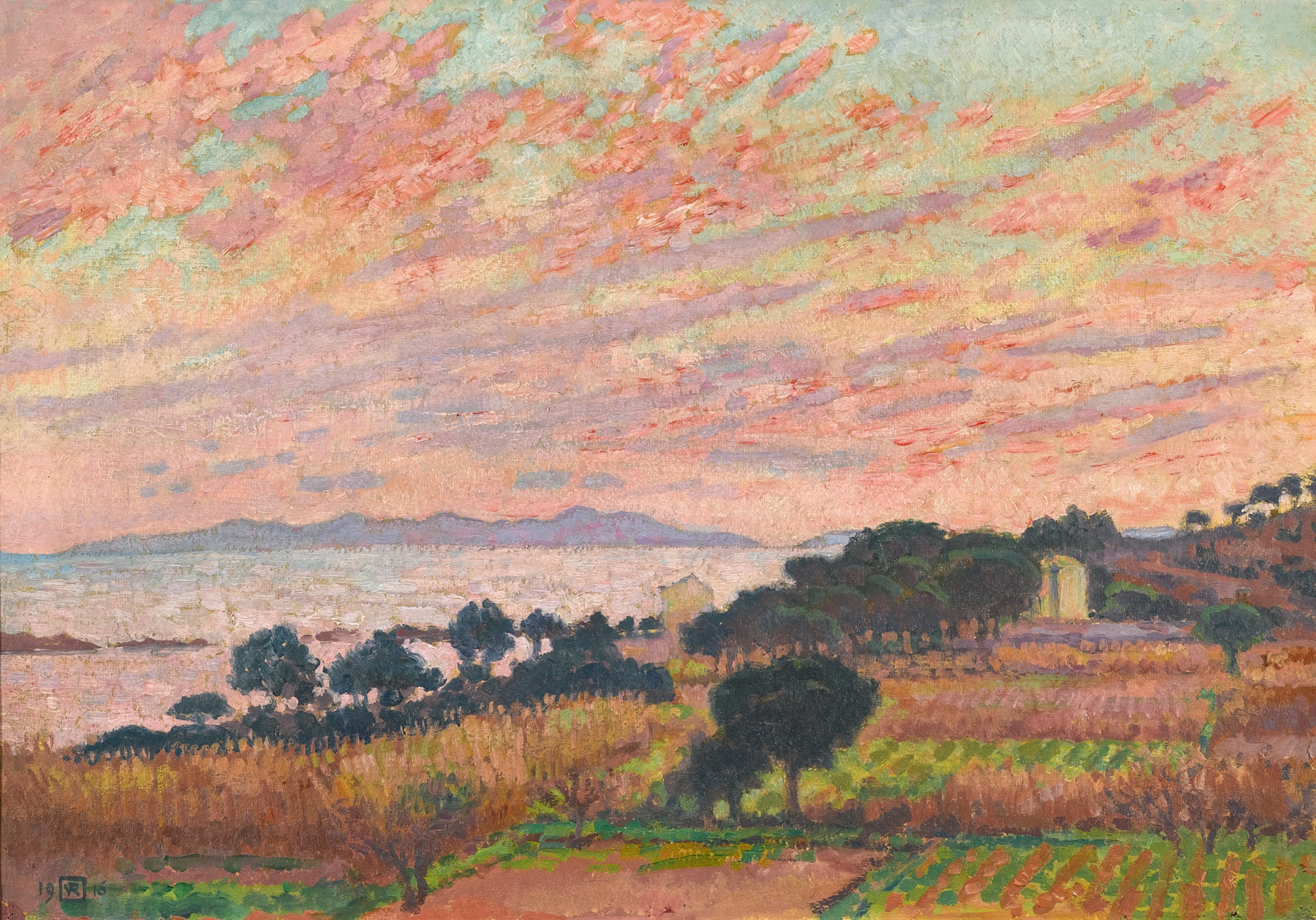
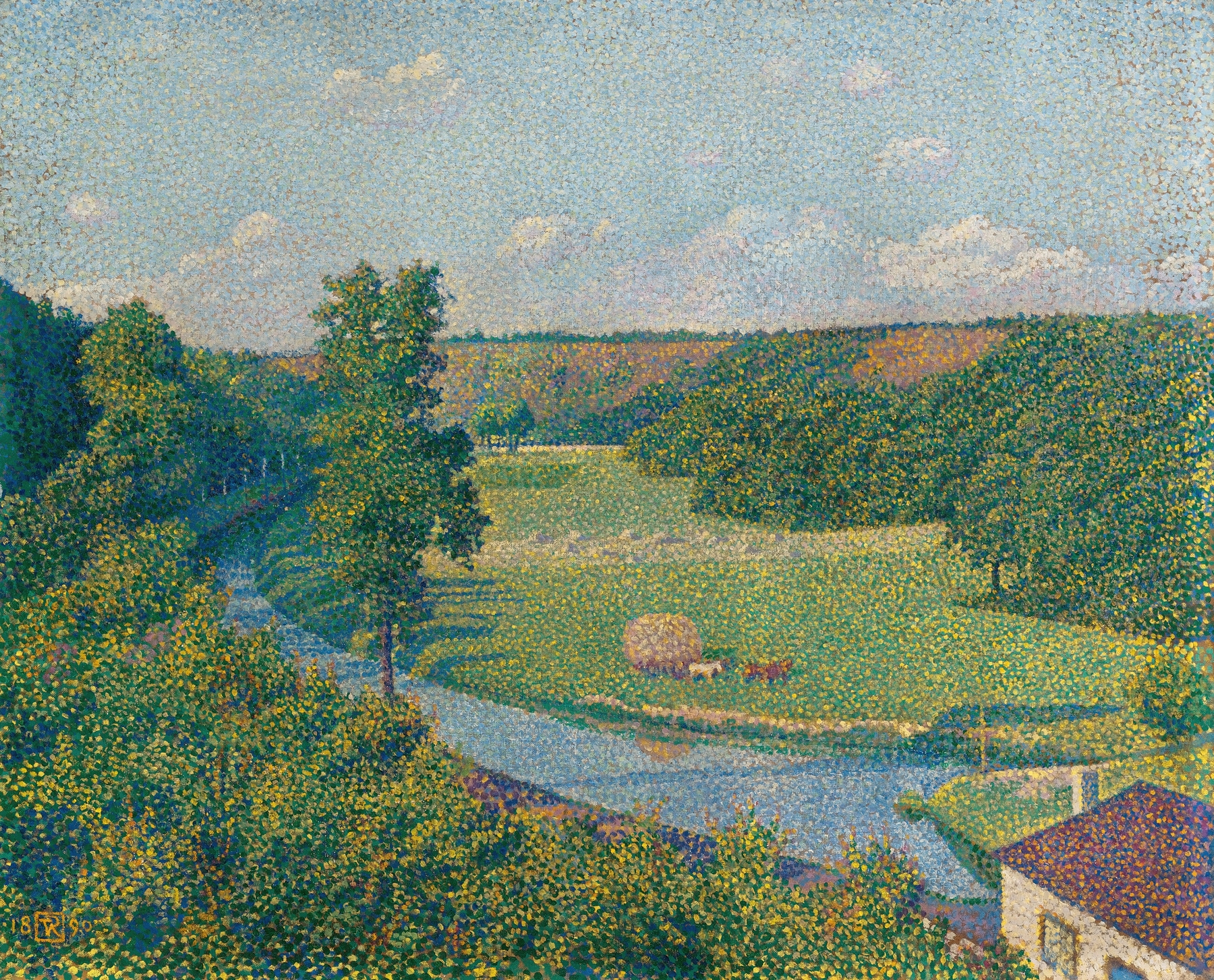
“Every brushstroke is a heartbeat remembered.” In Pont en Hollande, a masterful orchestration of movement and light finds its way into the viewer's heart, beckoning them to explore the life that dances on the canvas. Focus first on the bridge that gracefully arcs across the horizon, its delicate structure inviting the eye to traverse the canvas. Notice how the sun bathes the scene in soft hues of gold and azure, illuminating the vibrant strokes of green in the foliage below.
Each brushstroke pulsates with energy, capturing the gentle rolling of the water and the lively figures populating the landscape, their gestures full of purpose and connection. Hidden beneath the idyllic surface are contrasts that suggest a deeper narrative. The vibrant color palette evokes a sense of joy and freedom, yet the figures, while engaged, seem distant from one another, hinting at a fleeting nature of human connection.
The way the bridge seems to both connect and separate the elements of land and water speaks to the complexities of relationships and the passage of time—a reminder that movement can be both unifying and isolating. Theo van Rysselberghe painted Pont en Hollande in 1896 during a period of artistic exploration in Belgium, where he was influenced by the Pointillist technique of Georges Seurat. This era was marked by a shift toward modernism, as artists began to embrace the interplay of light and color, reflecting their own evolving sensibilities amidst a rapidly changing world.