La Vallée De La Sambre — History & Analysis
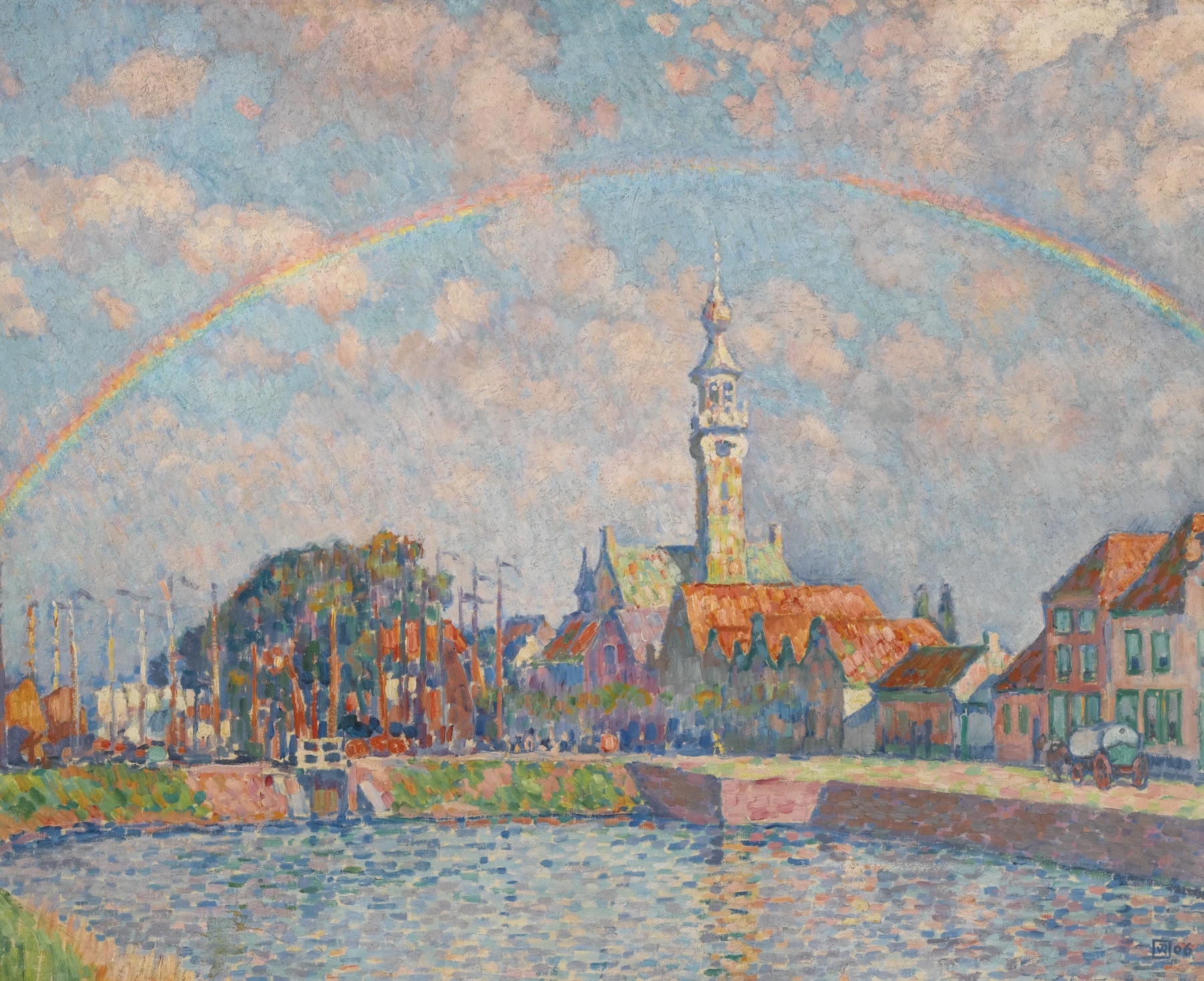
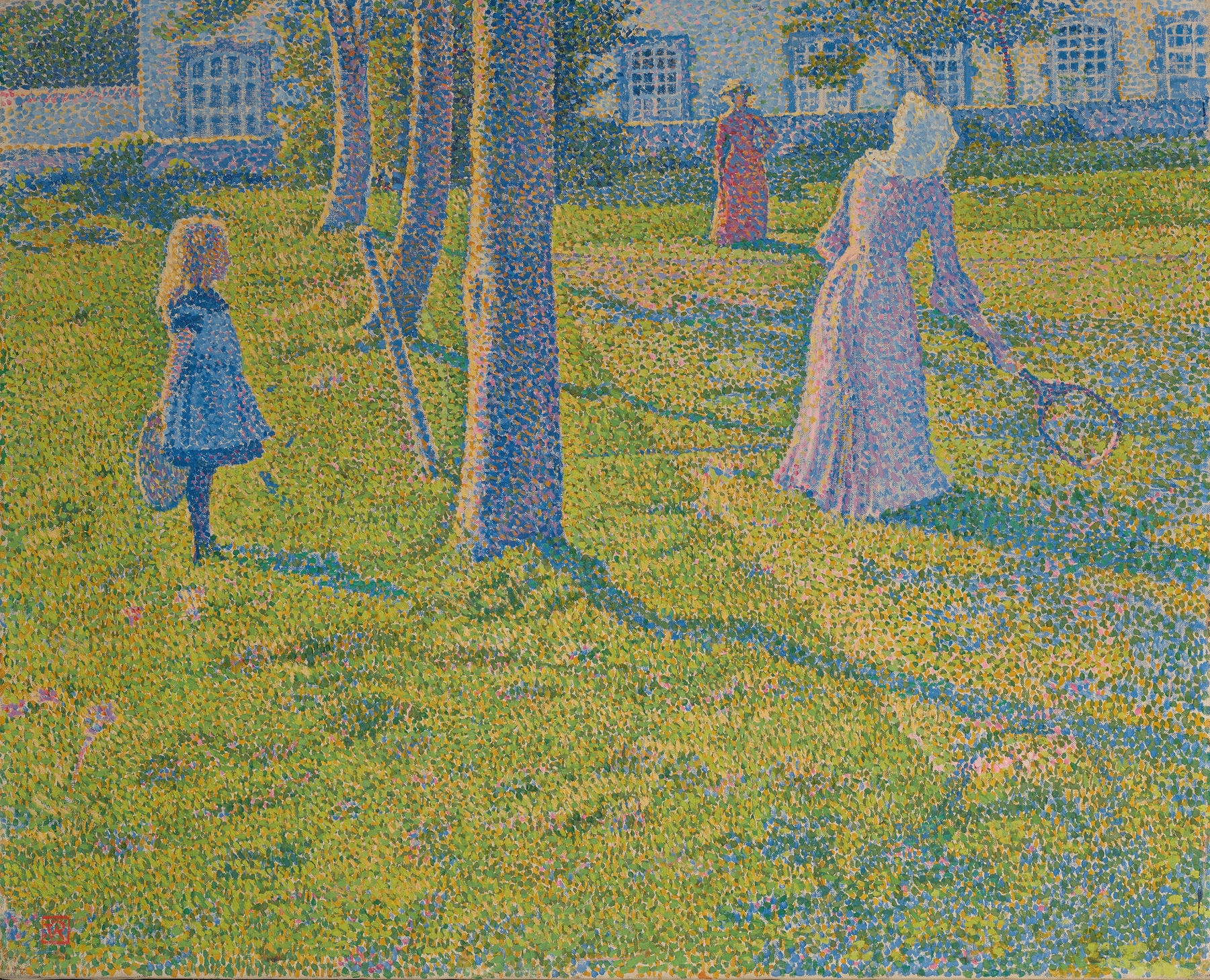
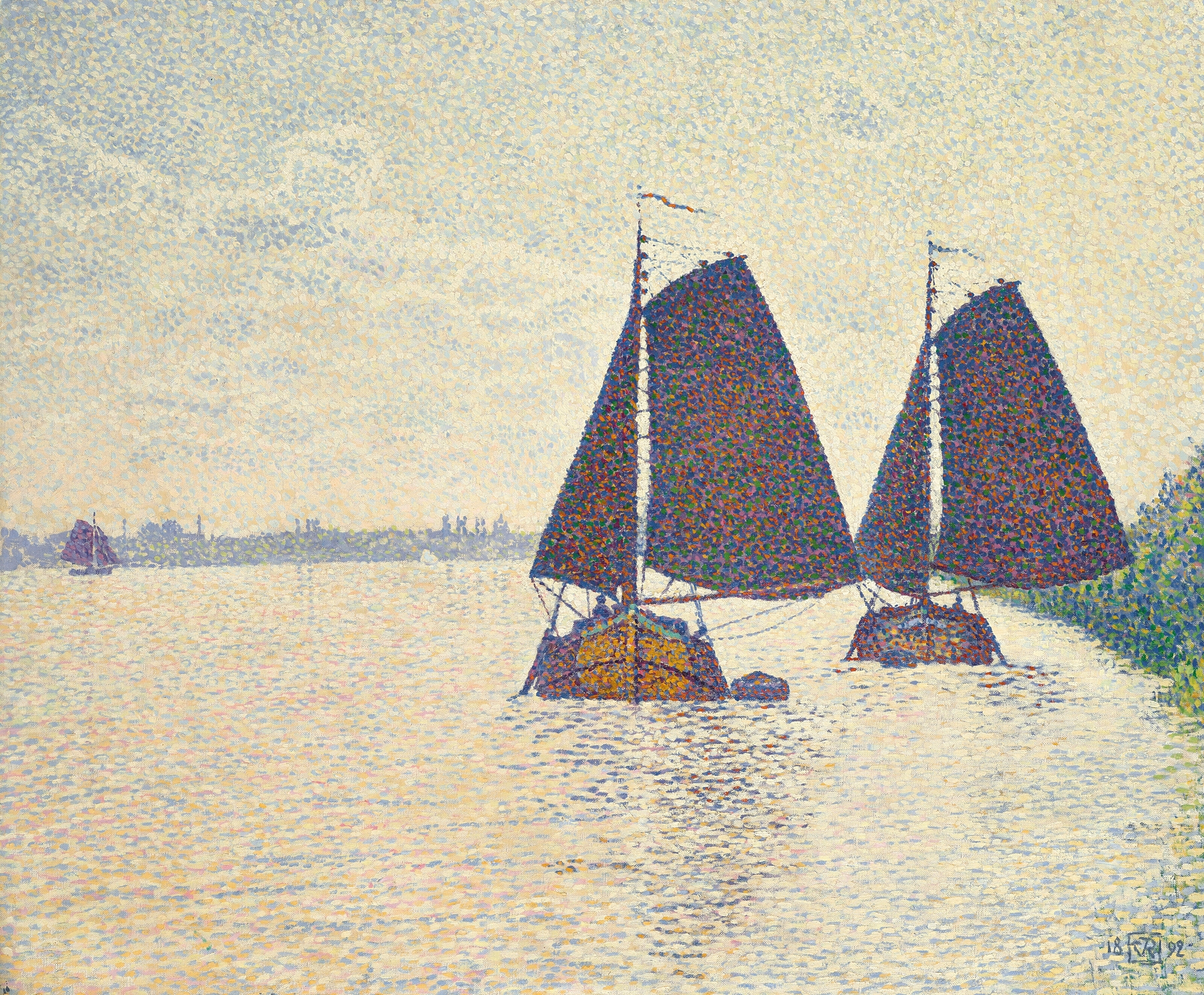
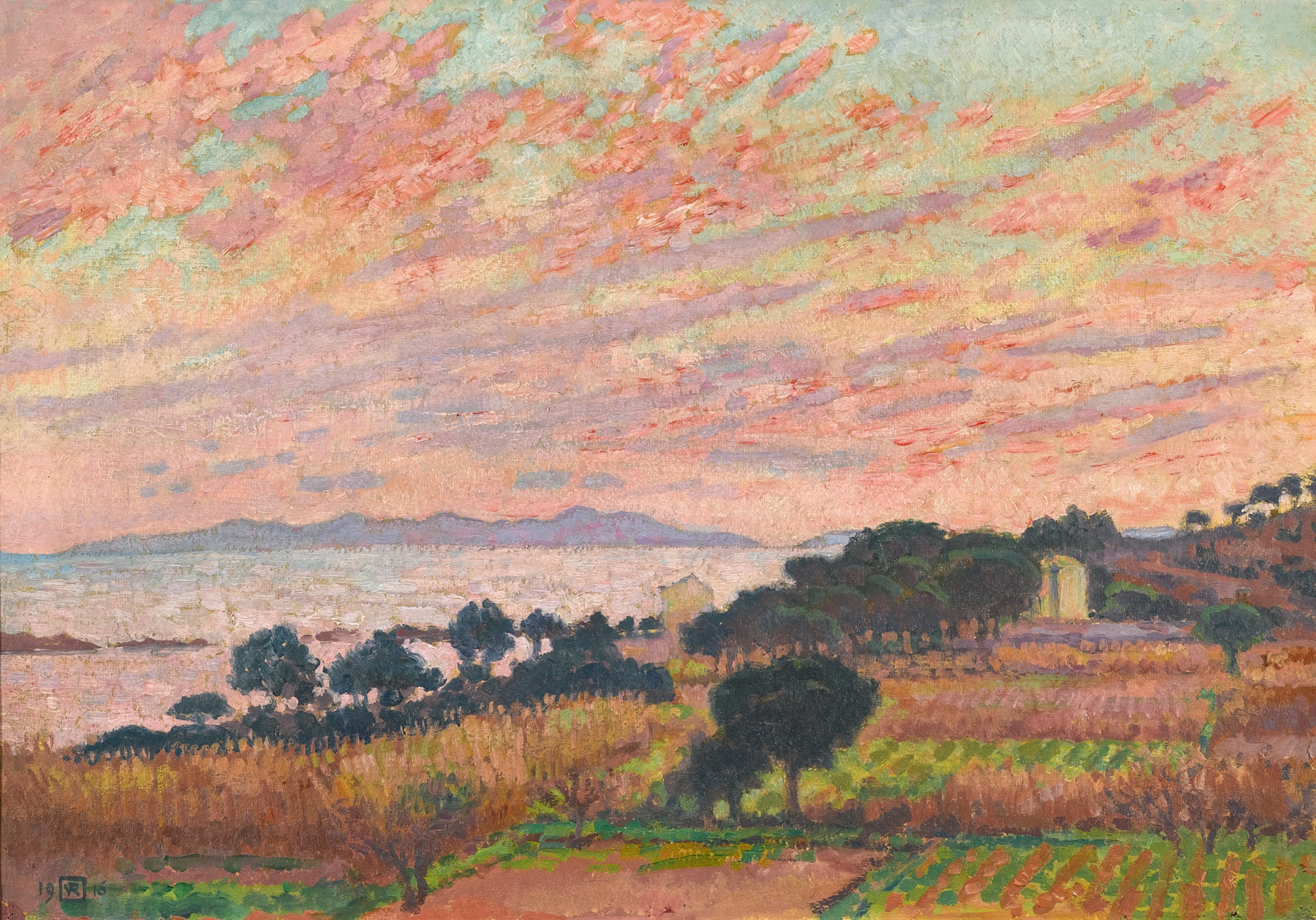
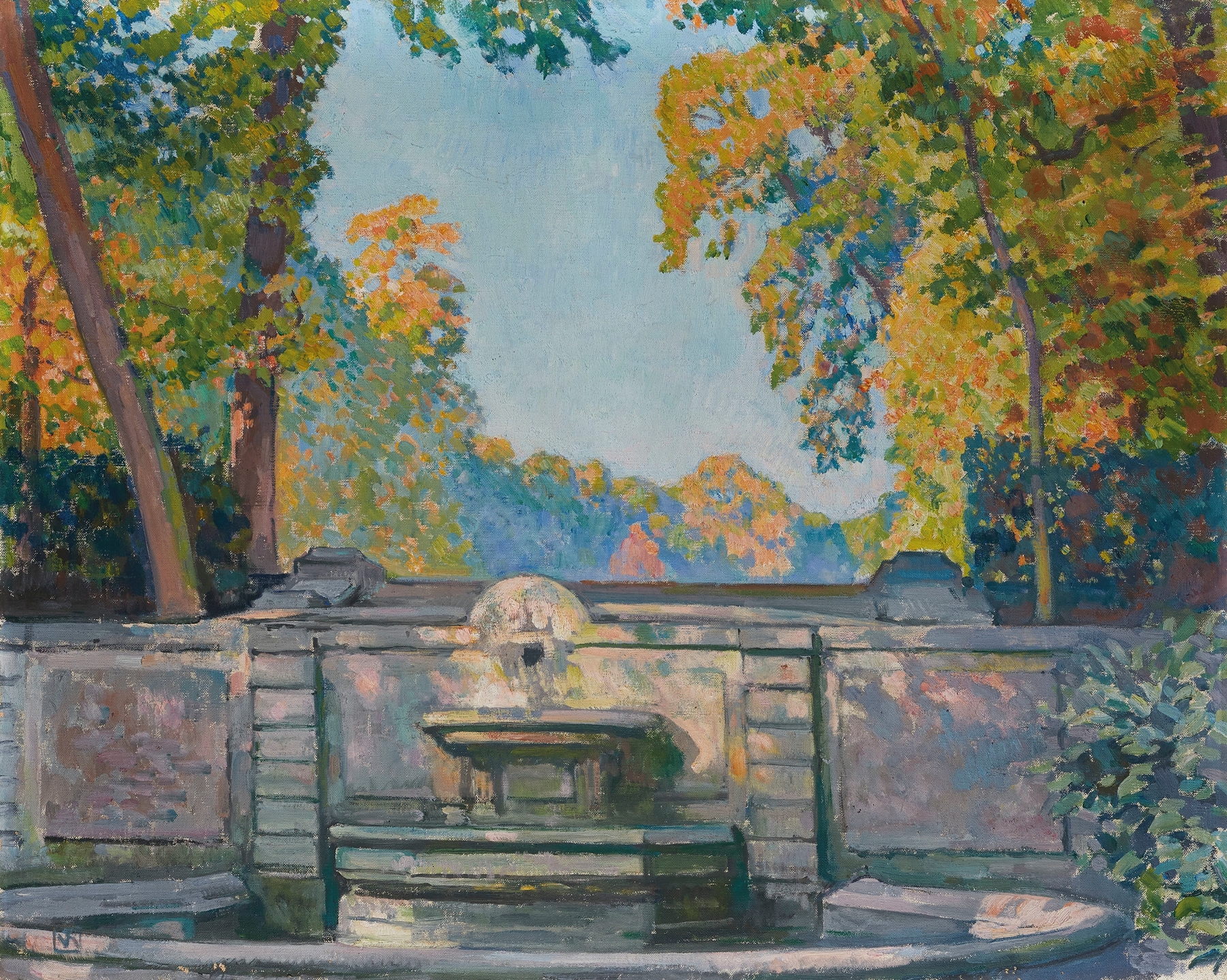
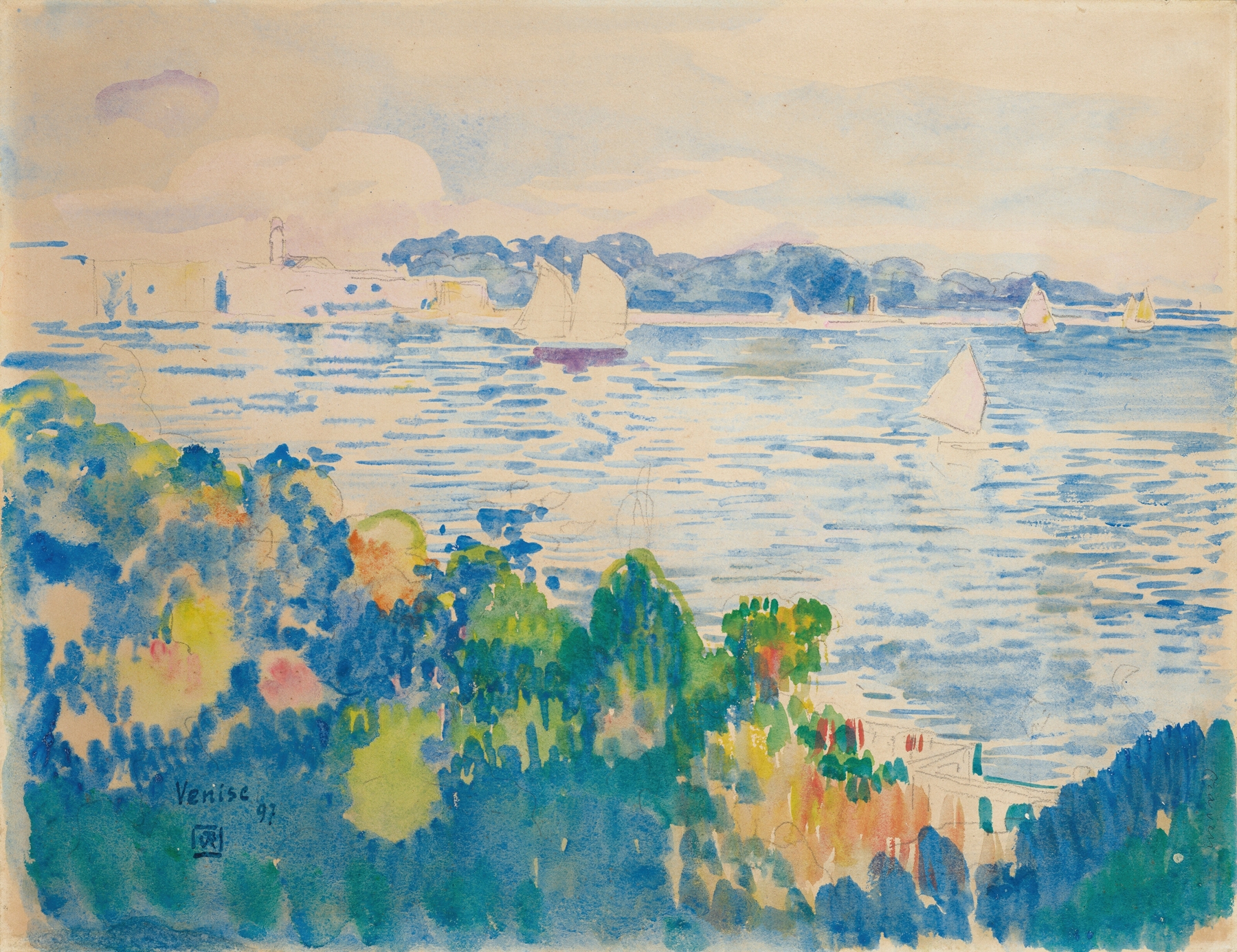
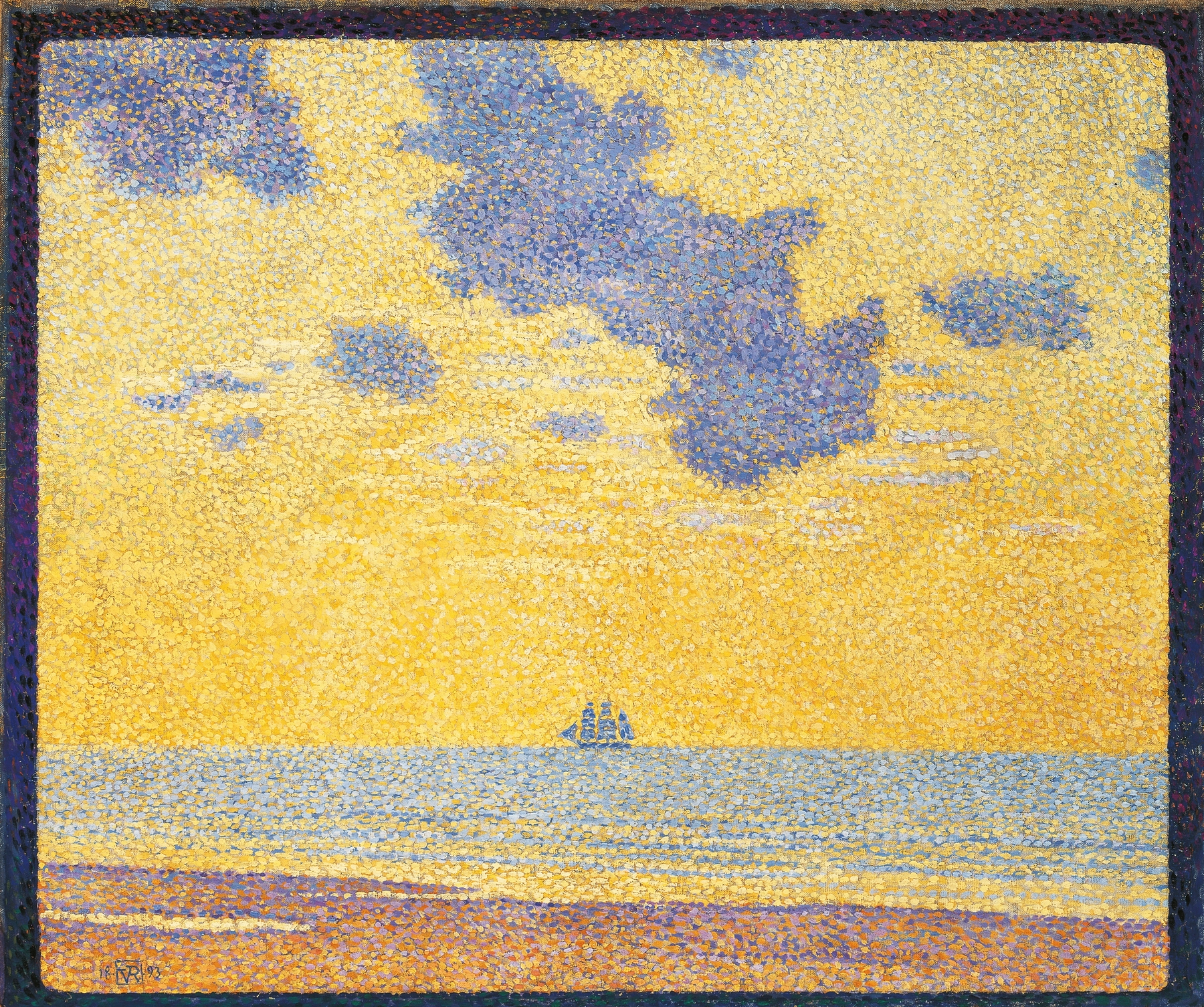
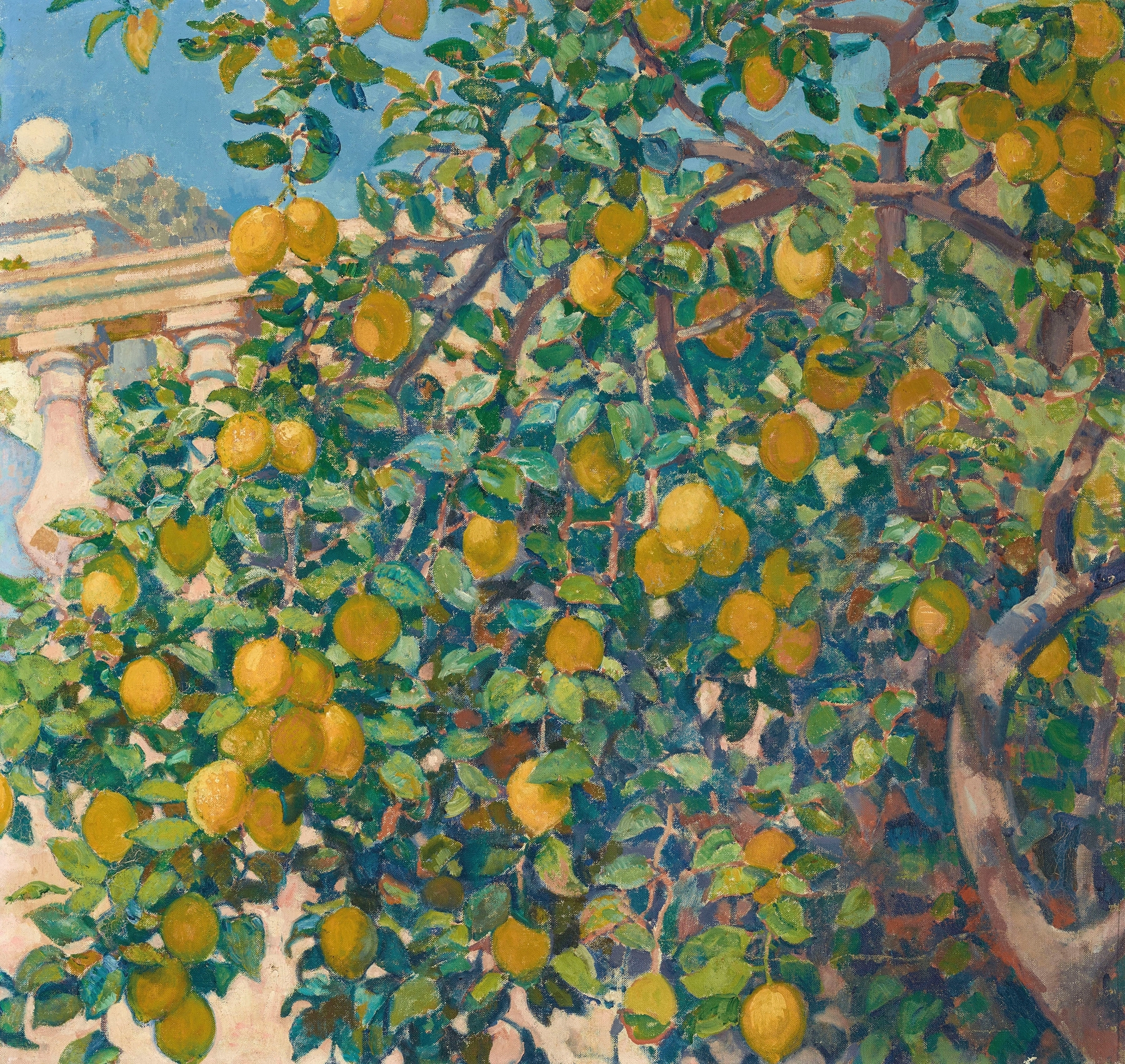
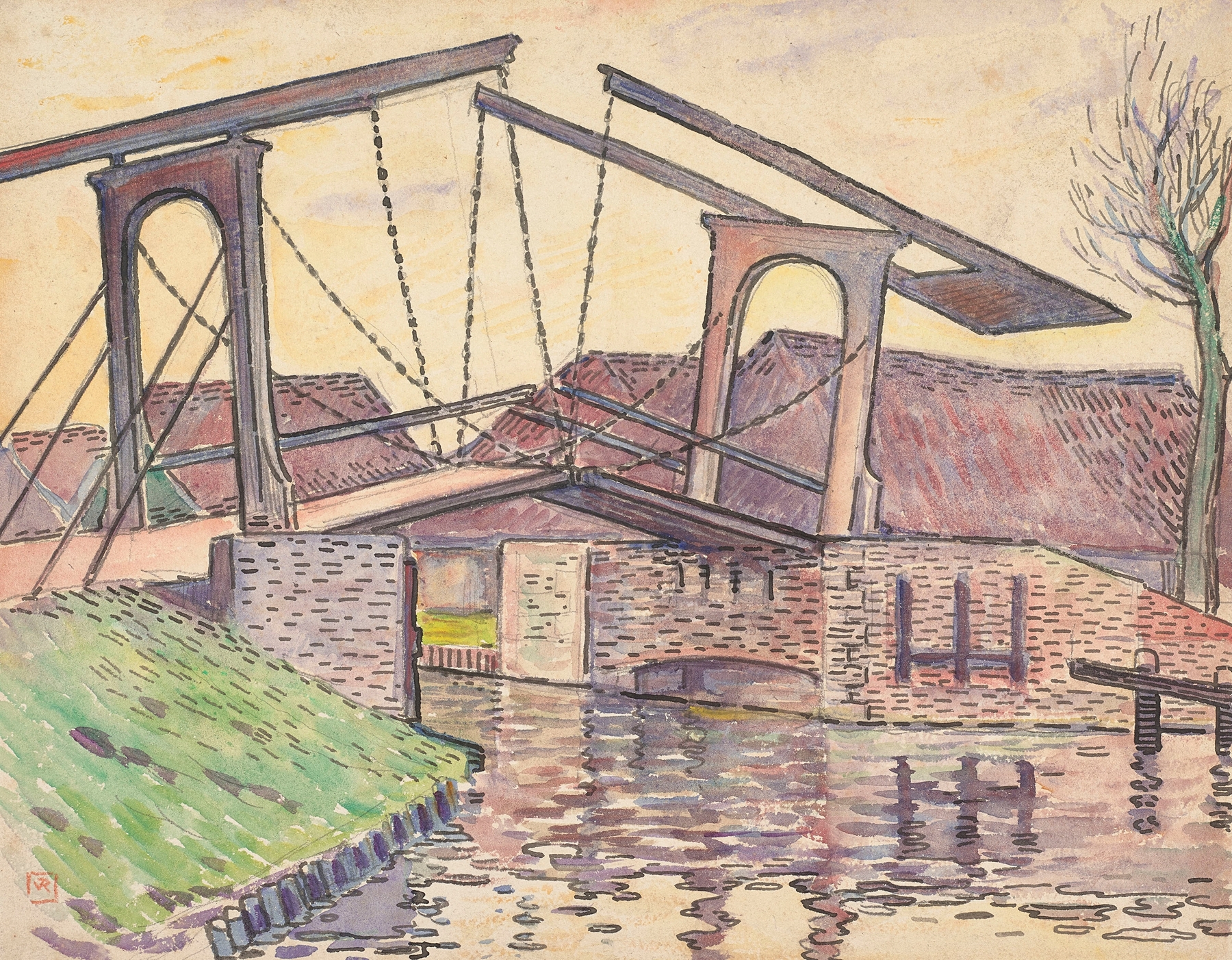
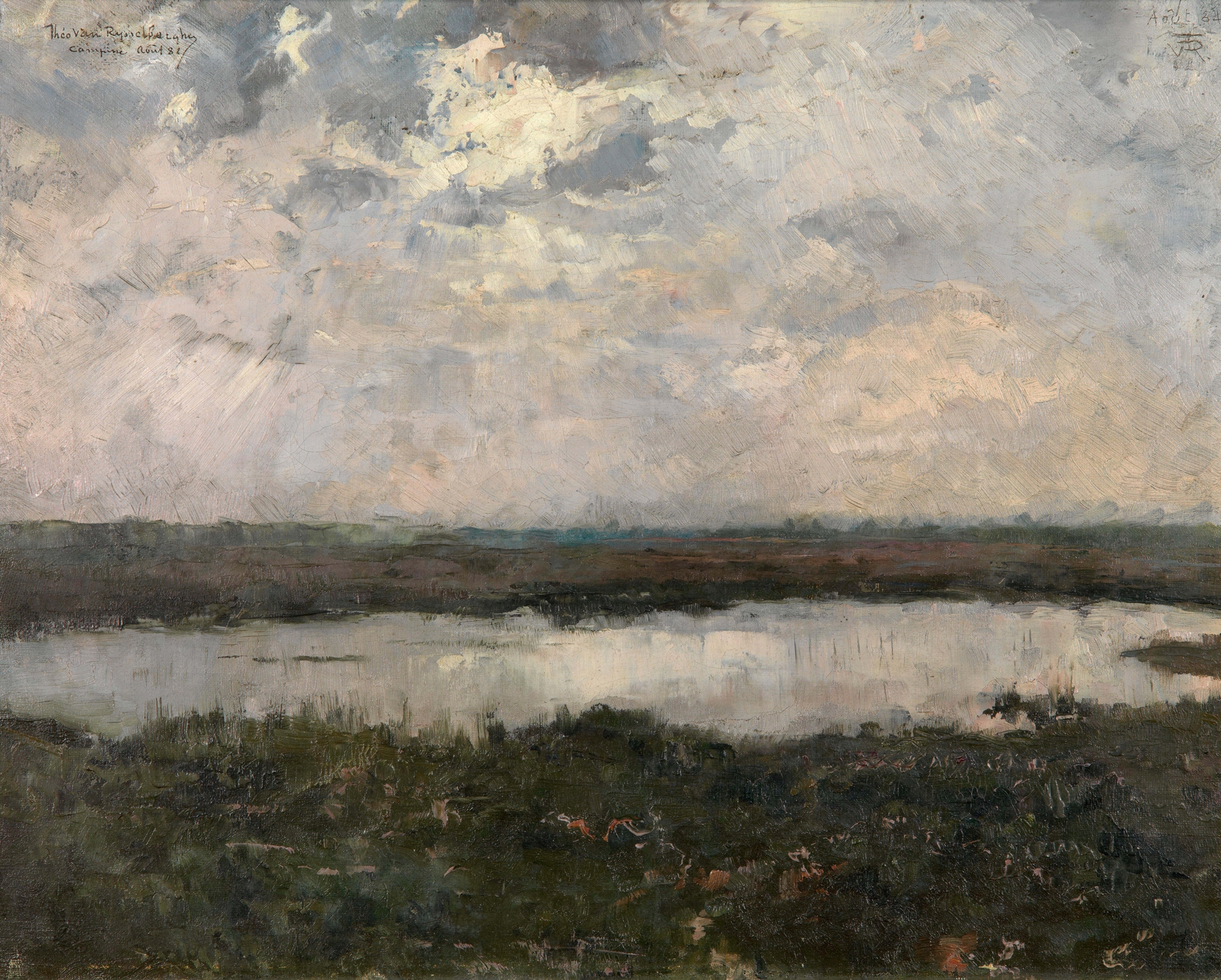
What secret hides in the quiet of the canvas? In La Vallée De La Sambre, the silent embrace of nature envelops the viewer, inviting contemplation of the unseen stories nestled within the landscape. Look to the horizon where the soft, muted greens and blues blend seamlessly, creating an illusion of depth and tranquility. The brushwork, a delicate dance of pointillism, draws your eyes across the winding river, capturing the gentle flow of water under the dappled sunlight.
Notice how the trees stand as guardians along the banks, their leaves fluttering lightly, a whisper caught between the earth and sky. Beneath the surface calm, the painting offers an exploration of solitude and introspection. The stillness of the scene evokes a sense of peaceful isolation, yet the vibrant flecks of color hint at life just out of reach, challenging the viewer to ponder the transient nature of existence.
The juxtaposition of light and shadow weaves a narrative of both comfort and loneliness, inviting deeper reflection on the beauty and fragility of the moment captured. In 1890, while painting this piece in France, Theo van Rysselberghe was at the forefront of the Neo-Impressionist movement, exploring new techniques that would redefine color and form. This period marked a significant transition in his artistic journey, as he sought to blend the influences of Impressionism with a more structured approach, ultimately shaping the evolution of modern art.