Citronniers à La Mortola — History & Analysis
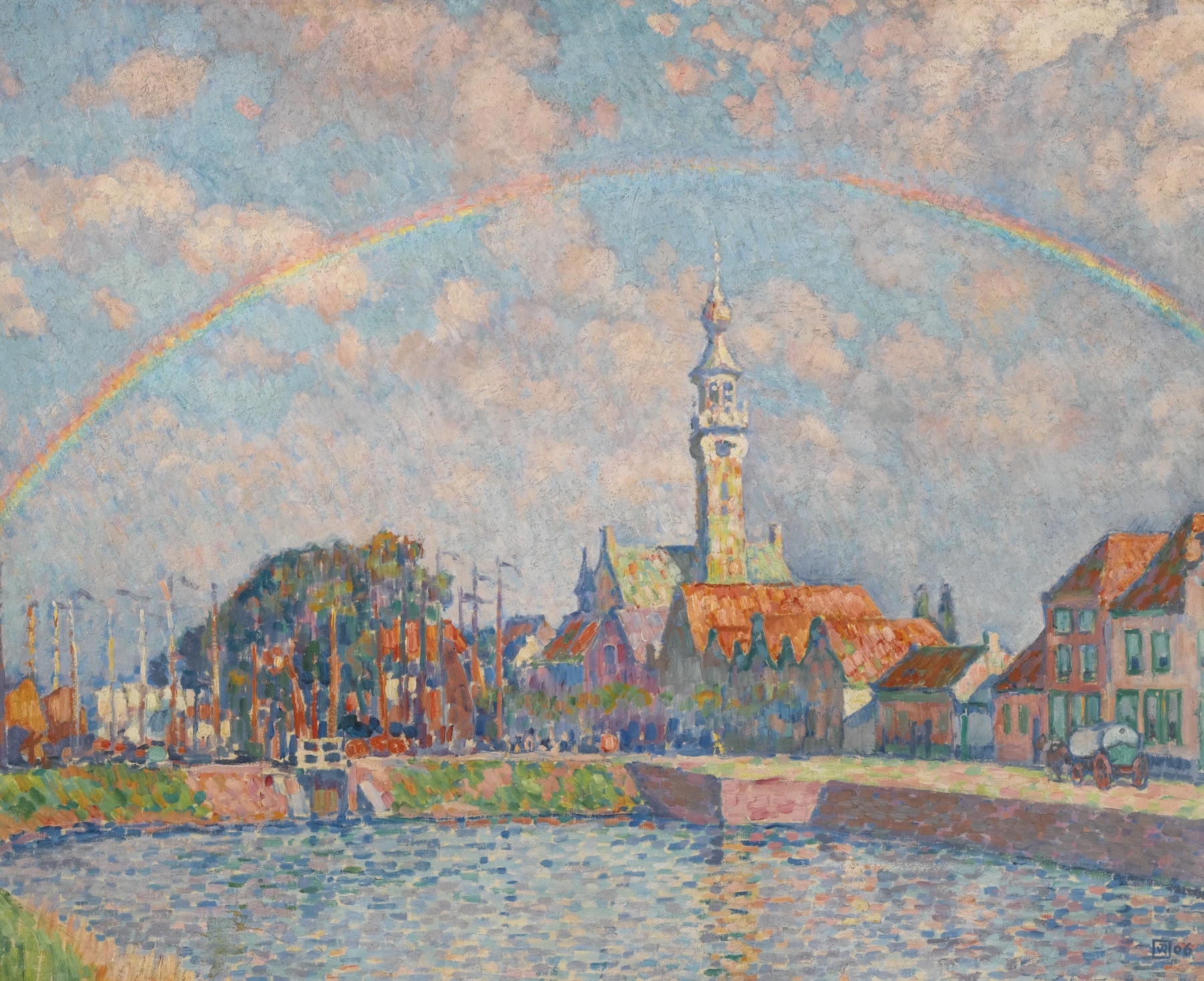
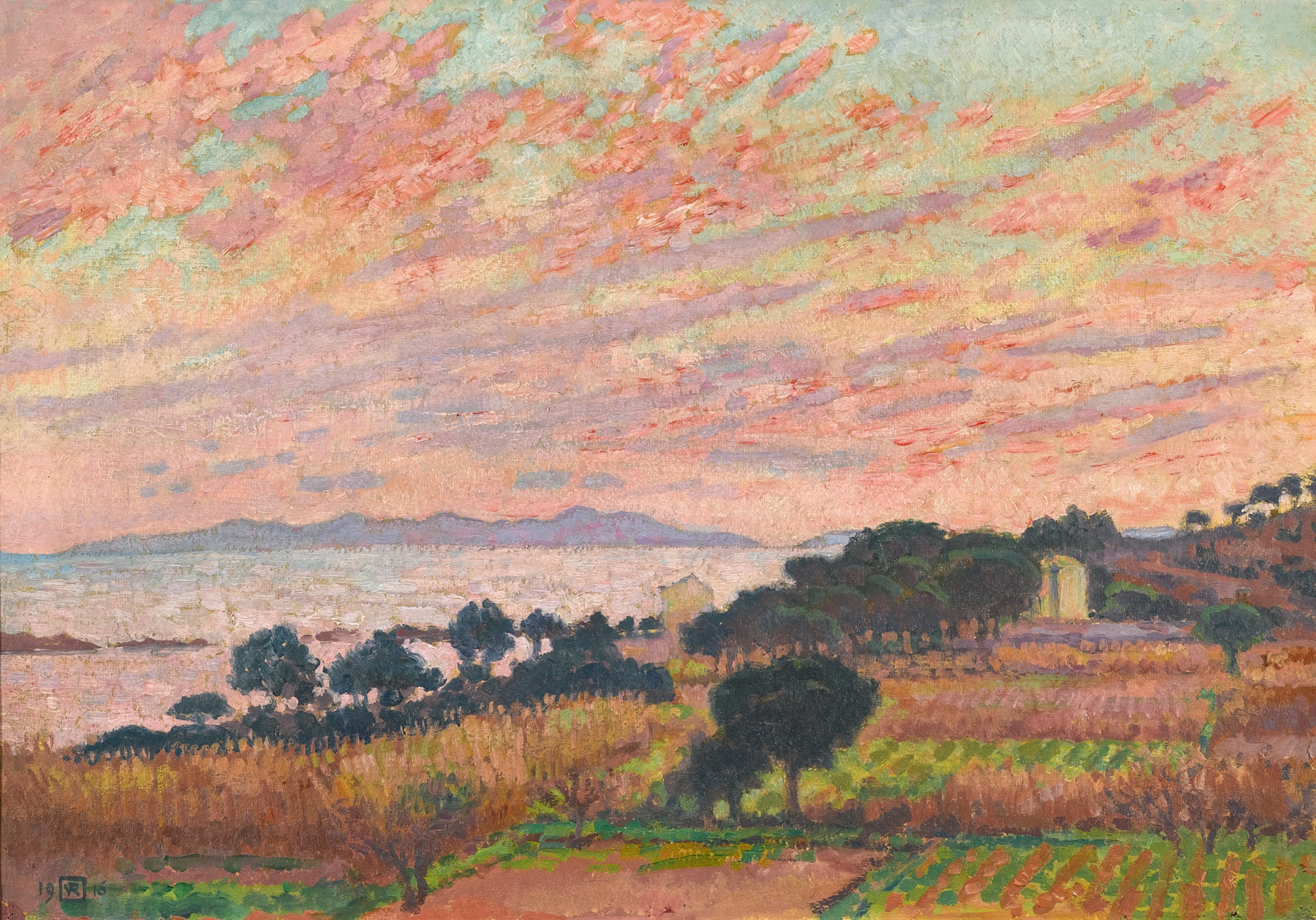
Can paint confess what words never could? In Citronniers à La Mortola, the vibrant lemons burst forth with a life that whispers of hope, illuminating the canvas with their radiant yellow. Look to the lower left at the clusters of lemons hanging heavily from the verdant branches. Notice how the artist captures the dappled sunlight filtering through the leaves, creating a dance of light and shadow that breathes warmth into the scene. The brushwork, composed of swift, deliberate strokes, merges impressionism with a touch of pointillism, inviting your gaze to wander across each textured surface.
The composition is grounded, with the bright colors providing a striking contrast to the lush greenery, evoking a sense of abundance and vitality. As you explore further, consider the layers of meaning embedded within the fruit. The lemons, symbols of both sweetness and tartness, reflect the duality of life itself—joy interwoven with sorrow. The backdrop of Mortola, a place steeped in history, serves as a metaphor for resilience; the lemons thrive in their sun-drenched haven, offering a glimpse of optimism amid the passage of time.
The subtle interplay between light and shadow hints at the transient nature of hope, quietly urging the viewer to embrace the present. In 1921, while residing in France, the artist experienced a period of innovative exploration. This painting emerged during a time of personal reflection and artistic evolution, as the post-war world struggled to find its footing. Van Rysselberghe’s work during this era reflected the shifting tides of art, bridging the gap between traditional techniques and modern expression, all while seeking solace in the natural beauty around him.