Verzoeking van Antonius met aanval door demonen — History & Analysis
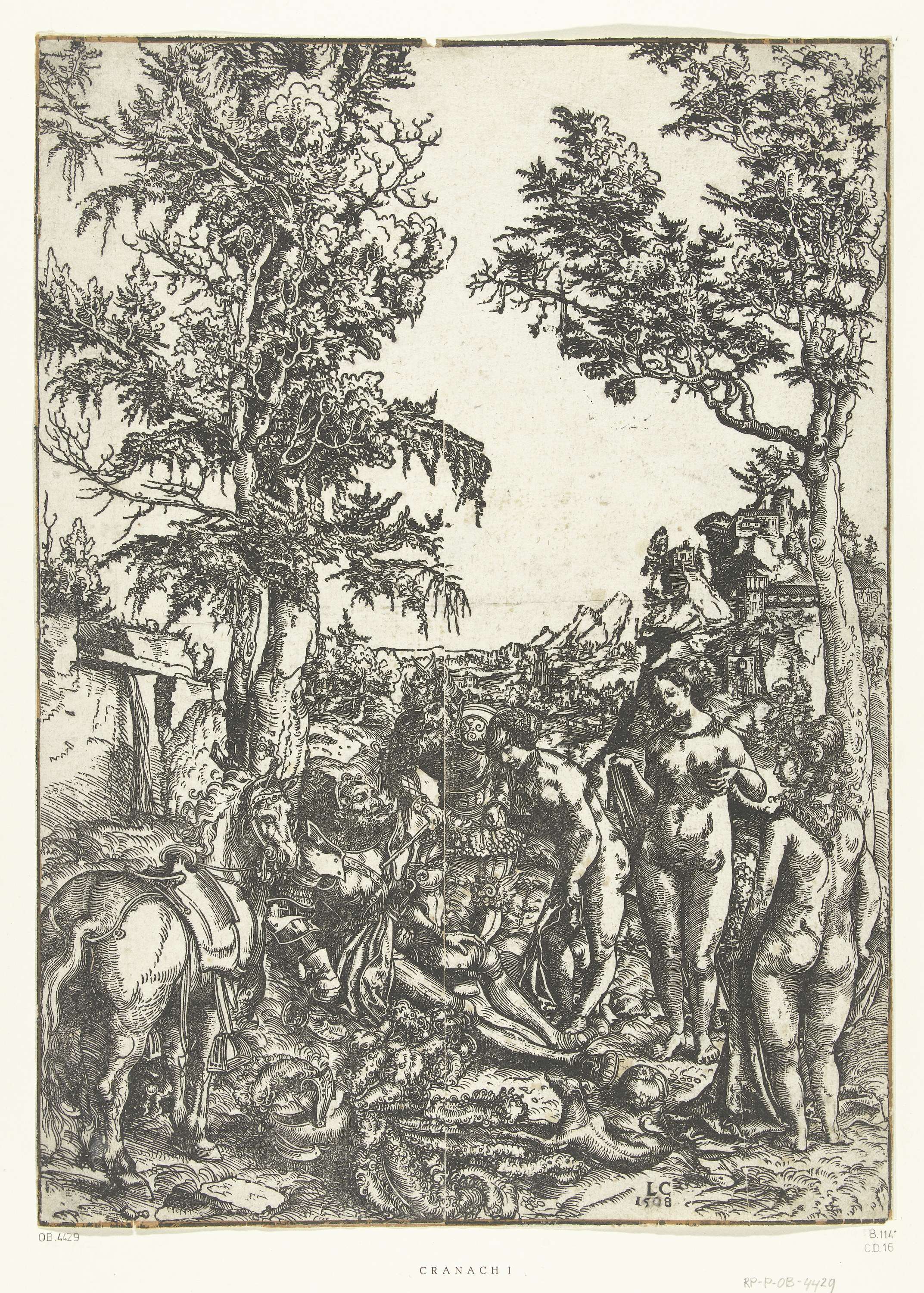
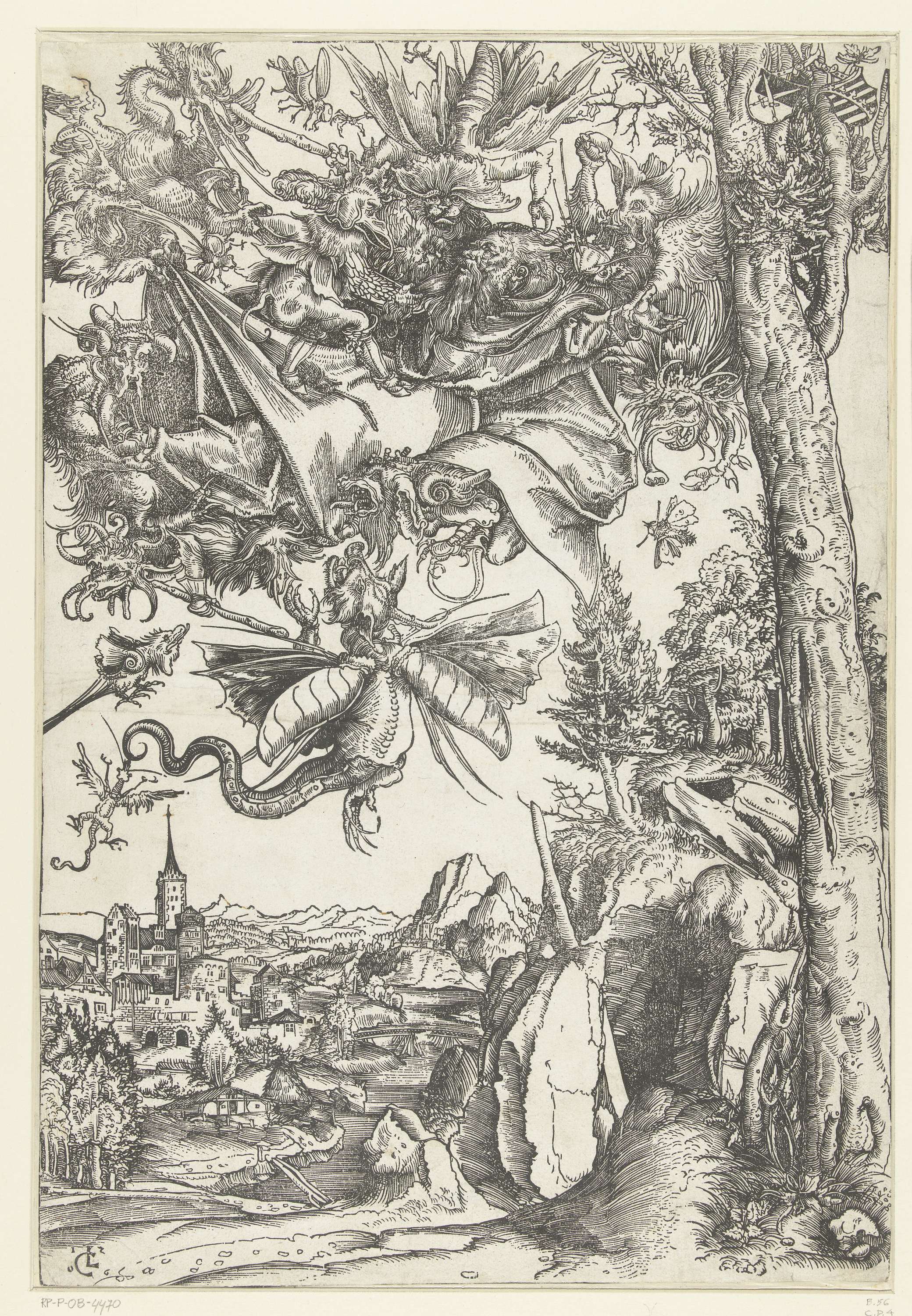
Could a single brushstroke hold eternity? In Lucas Cranach's Verzoeking van Antonius met aanval door demonen, time bends as the artist captures a moment of profound spiritual struggle and ethereal chaos. Look to the left at the figure of St. Anthony, depicted with a serene expression that contrasts sharply with the tumultuous energy surrounding him. His body is rendered in rich, warm tones suggesting an inner glow, while the demons swirl in a frenzy of deep blues and blacks, their grotesque forms twisted and elongated.
Notice how the light dramatically illuminates the saint's face, casting shadows that deepen the tension between serenity and turmoil. This careful use of chiaroscuro emphasizes the gravity of his battle against temptation. Beneath the surface, the painting invites contemplation on the duality of human experience: the allure of sin juxtaposed against the fight for purity. Each demon, with its distorted features, symbolizes personal vices and societal temptations, making it clear that the struggle is both external and internal.
The almost theatrical composition, with figures positioned dynamically around the saint, draws the viewer into this tumultuous clash, evoking empathy and reflection. Created in 1506 in Wittenberg, Germany, Cranach was deeply embedded in the artistic and religious upheavals of the early Reformation. During this time, he was not only a painter but also a court artist for the Elector of Saxony, reflecting the changing attitudes towards faith and art. This work illustrates the tension between human frailty and divine aspiration, marking an era where every brushstroke became a testament to the unfolding of new ideas in the realm of spirituality.