Vesuvius and Pompeii — History & Analysis
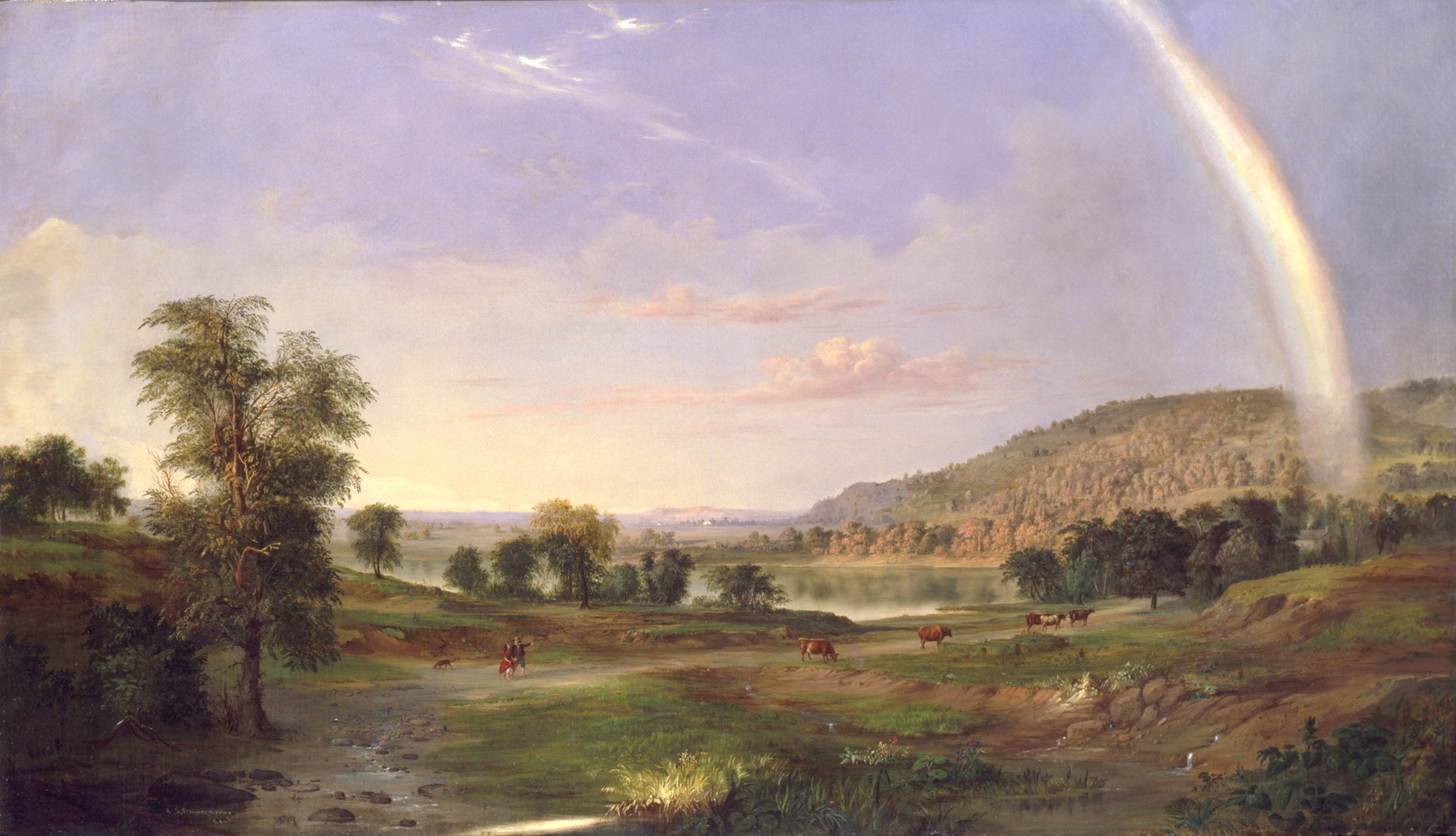
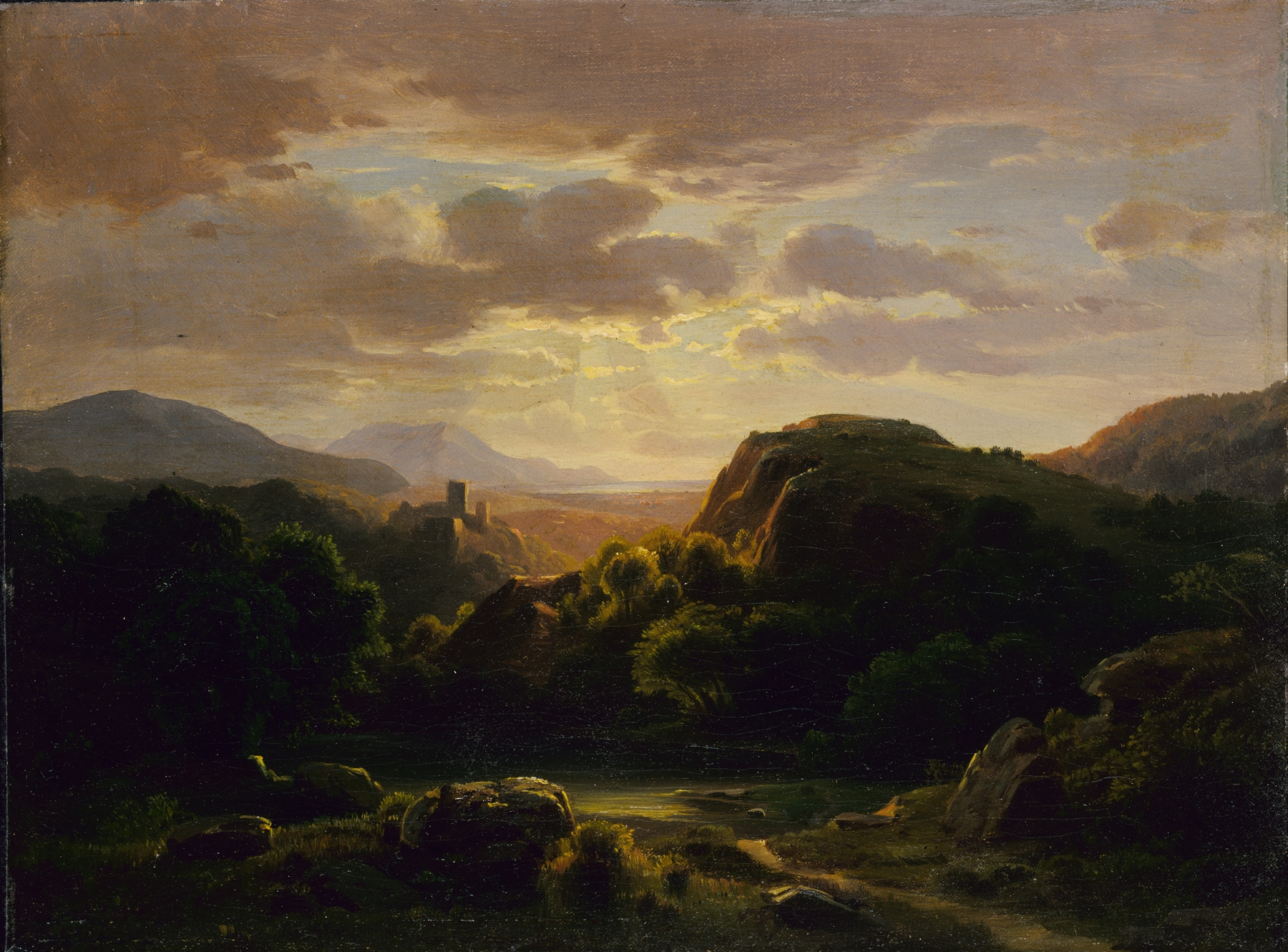
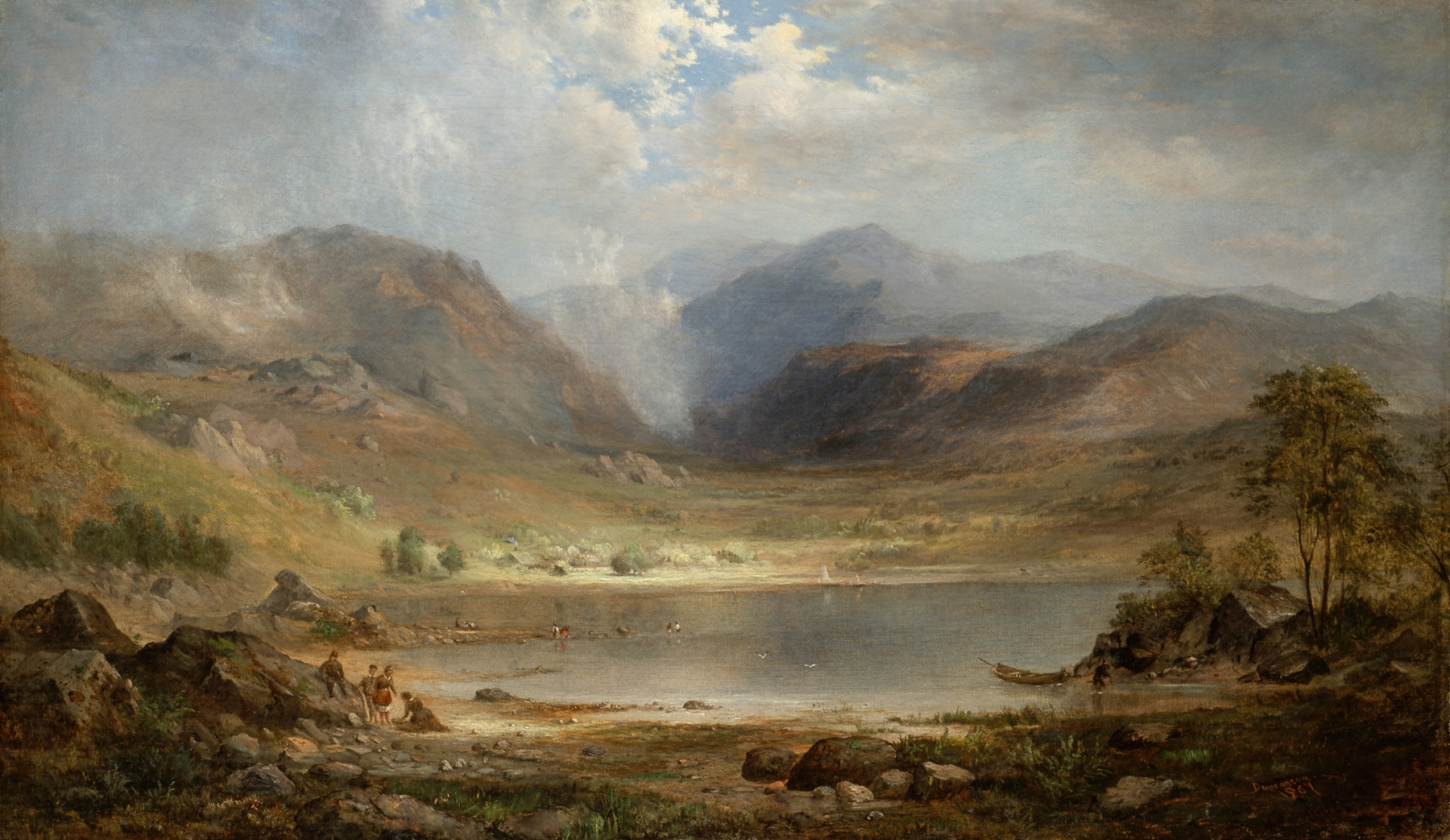
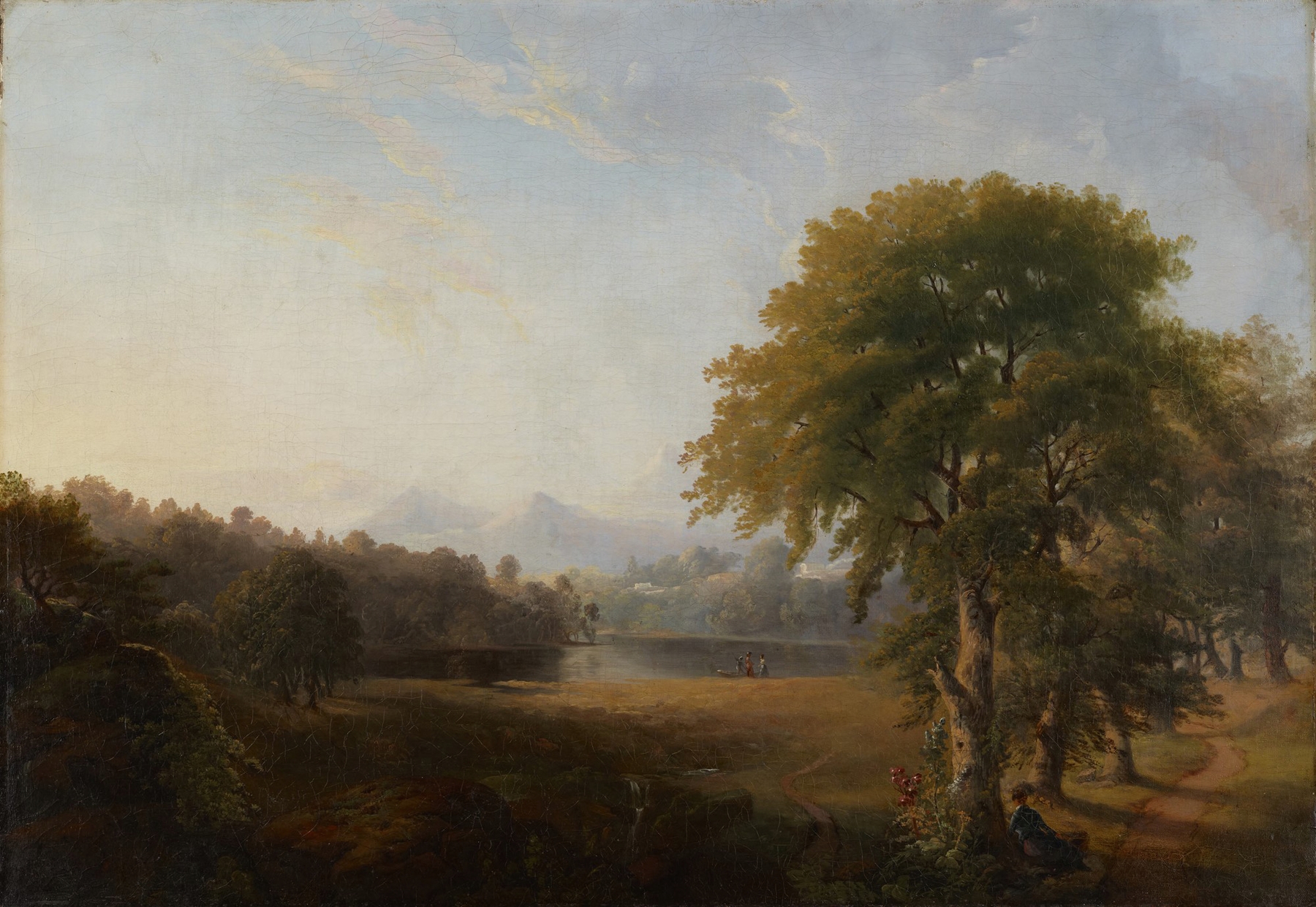
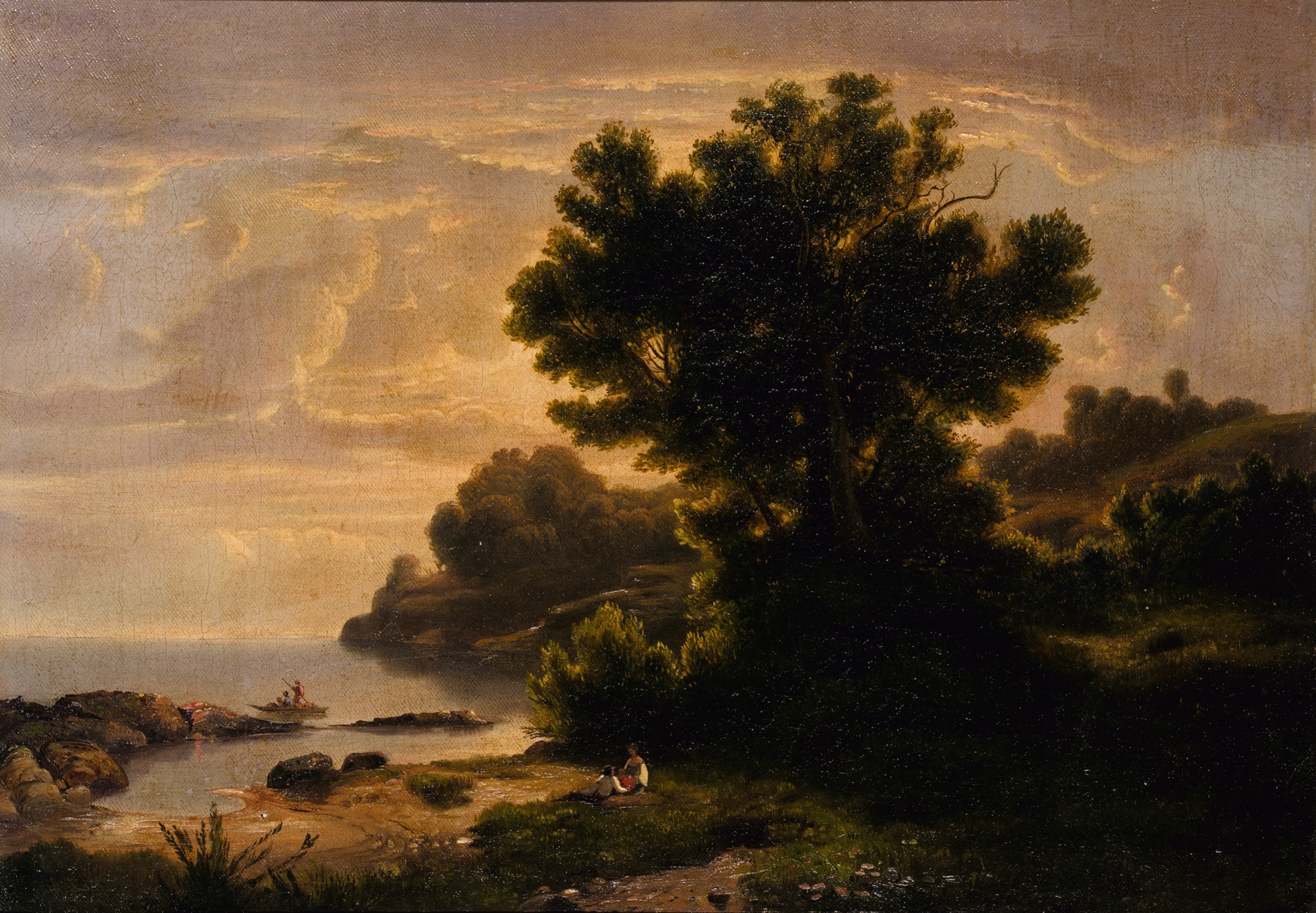
“Sometimes beauty is just pain, disguised in gold.” This notion resonates deeply as one gazes at a landscape that entwines vibrancy and tragedy, revealing how the colors of nature can mask the darkness of human fate. Look to the foreground where lush greens and golden tones dance in harmony, showcasing Duncanson's masterful use of color. The vivid hues contrast sharply with the ominous silhouette of Vesuvius looming in the background, a reminder of its catastrophic history. Notice how the light bathes the landscape in warmth, creating an inviting scene that belies the tension underlying the composition.
Each brushstroke invites the viewer deeper into this vivid portrayal, juxtaposing life and death within its vibrant palette. Delve further into the details: the plumes of smoke curling from the volcano and the way they blend into the serene sky. Here, the interplay of light and shadow forms a dialogue between the beauty of the idyllic landscape and the threat of impending doom. This duality prompts reflection on the fragility of existence; how the most splendid vistas can harbor the shadows of destruction.
The brilliant colors serve not just to enchant but to remind us that joy and sorrow often coexist, a poignant truth of the human experience. In 1870, at a time when Duncanson was establishing his reputation amidst an evolving art world, he painted this piece in America, far from the historical events it depicts. As the country grappled with its own struggles, including the aftermath of the Civil War, he drew inspiration from both the grandeur of nature and the vestiges of human tragedy, echoing the broader themes of resilience and reflection that were beginning to emerge in American art.