Vierkantshoeve — History & Analysis
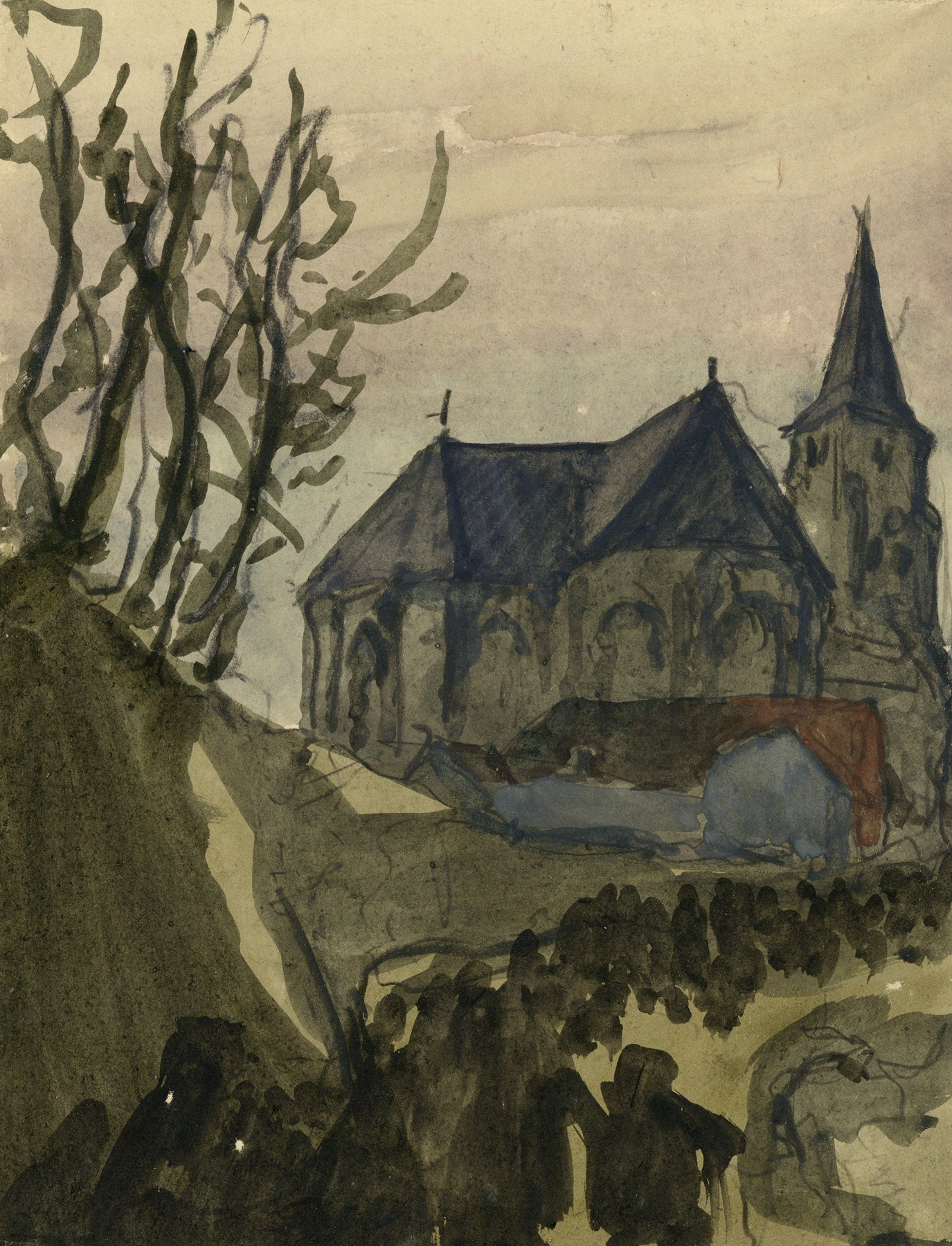
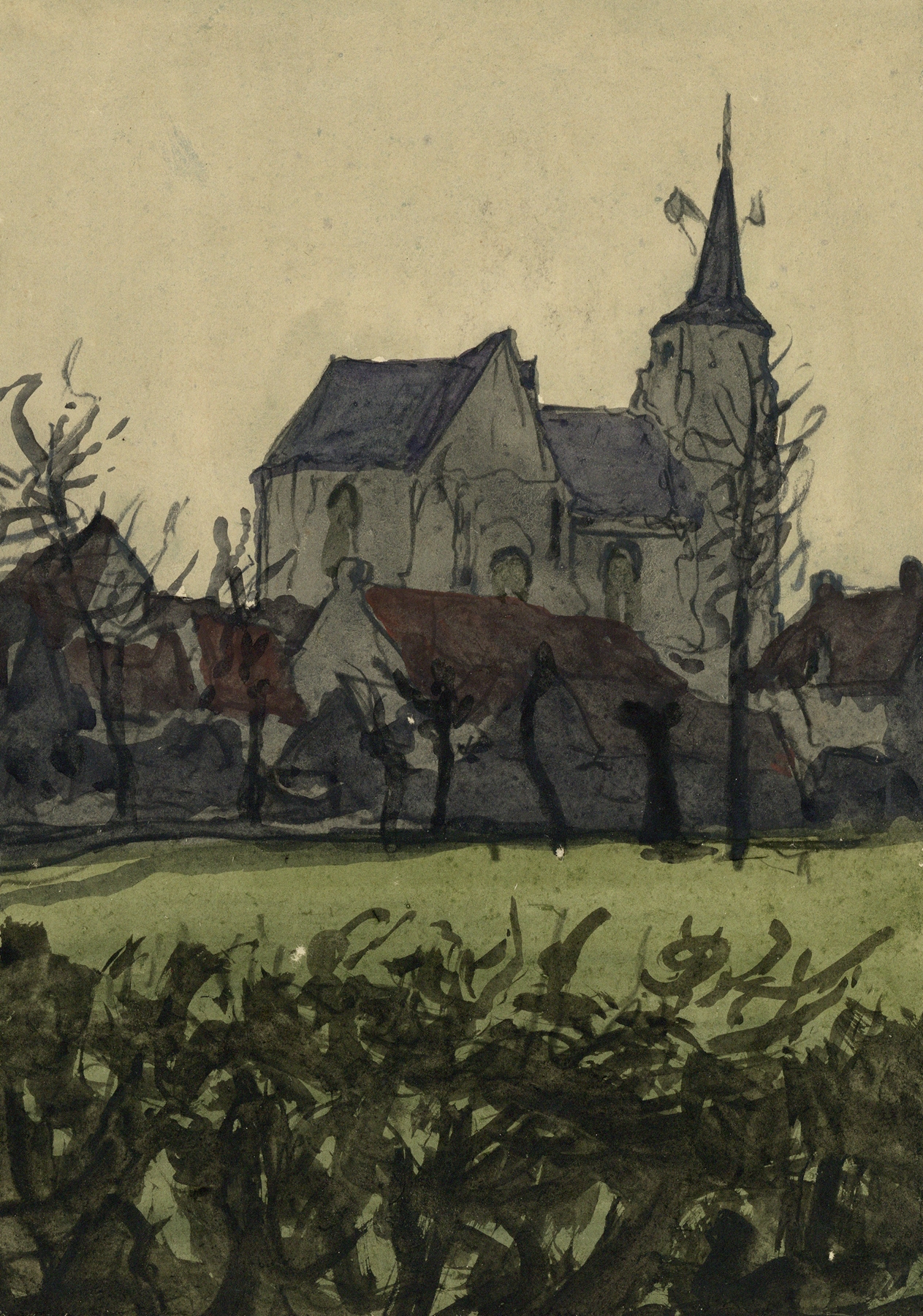
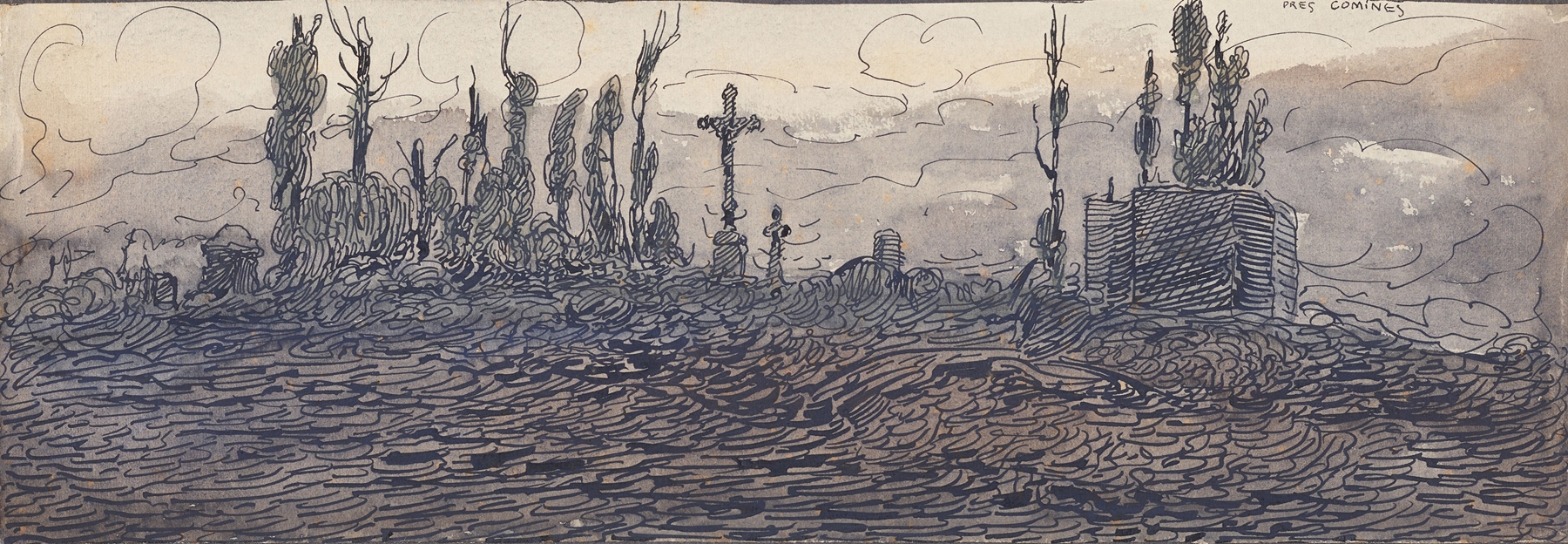
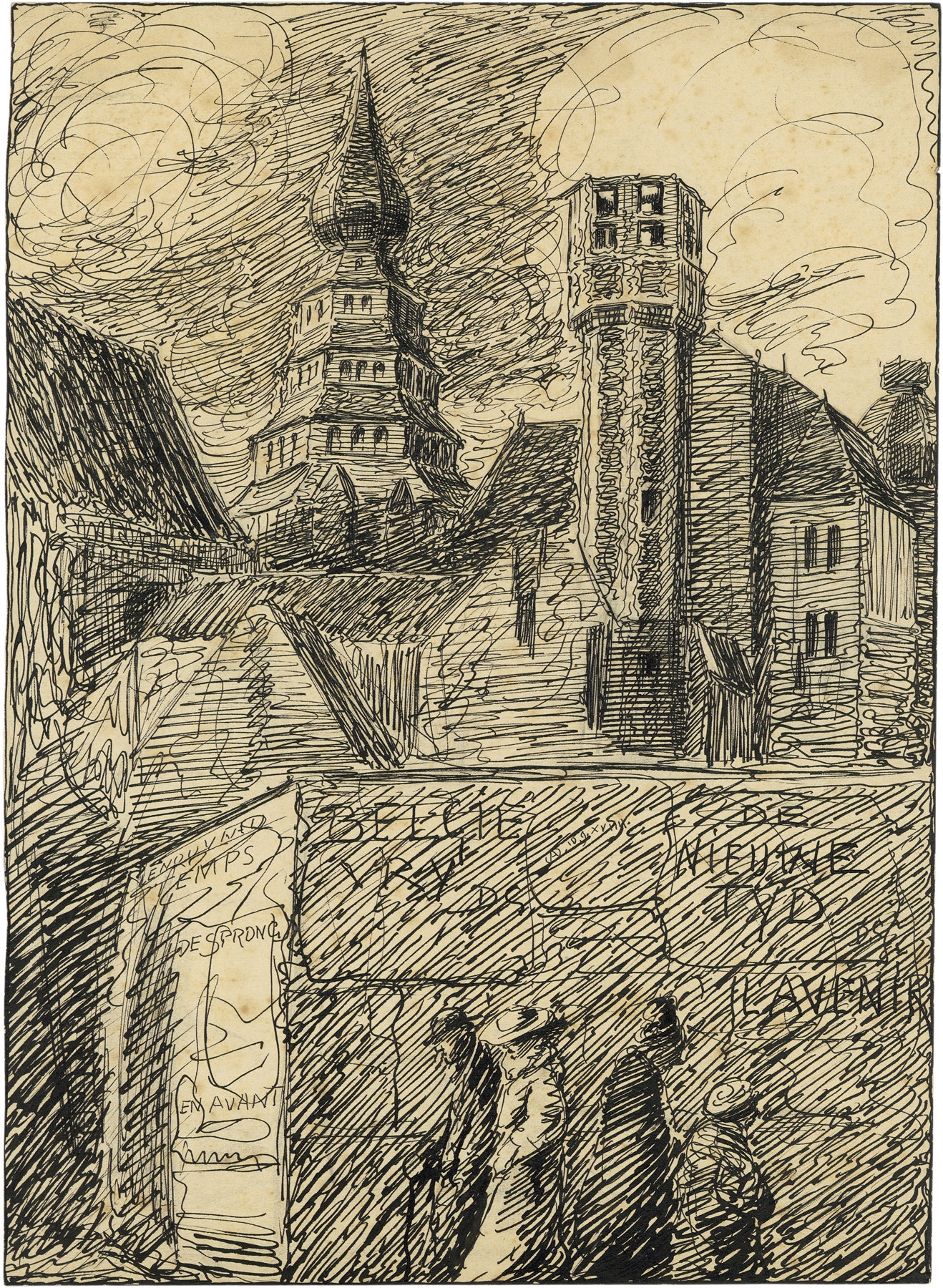
Could a single brushstroke hold eternity? In the stillness of Vierkantshoeve, silence envelops the viewer, inviting contemplation and deep reflection. The interplay of colors and shapes creates a profound dialogue with the observer, urging them to explore the layers of meaning hidden within the canvas. Direct your gaze to the left, where a gentle play of light dances across the textured surface, illuminating the soft hues of greens and browns. The artist's brushwork is meticulous yet spontaneous, guiding the eye through a serene landscape that feels both familiar and enigmatic.
Notice how the framing of the composition draws your attention to the central structure, inviting curiosity about the stories it might hold, while the surrounding foliage fades softly into the background. Within this quiet scene, emotional tensions arise from the contrast between the solidity of the farmhouse and the fluidity of the natural elements. Each brushstroke suggests a moment frozen in time, an invitation to experience the ephemeral beauty of rural life. The colors convey warmth and nostalgia, evoking a sense of longing for simplicity.
Here, silence is not empty but filled with whispers of the past, urging a deeper connection with the essence of the scene. Created in an unspecified year, Vierkantshoeve reflects Alfred Ost's commitment to capturing the tranquil essence of rural landscapes. Working amid the cultural shifts of early 20th-century Europe, Ost was part of a movement that sought to reconnect with nature and simplicity in a rapidly industrializing world. His exploration of light and texture reveals a deliberate effort to evoke emotion, allowing the viewer to step into a moment that transcends time itself.