View Along the Amstel — History & Analysis
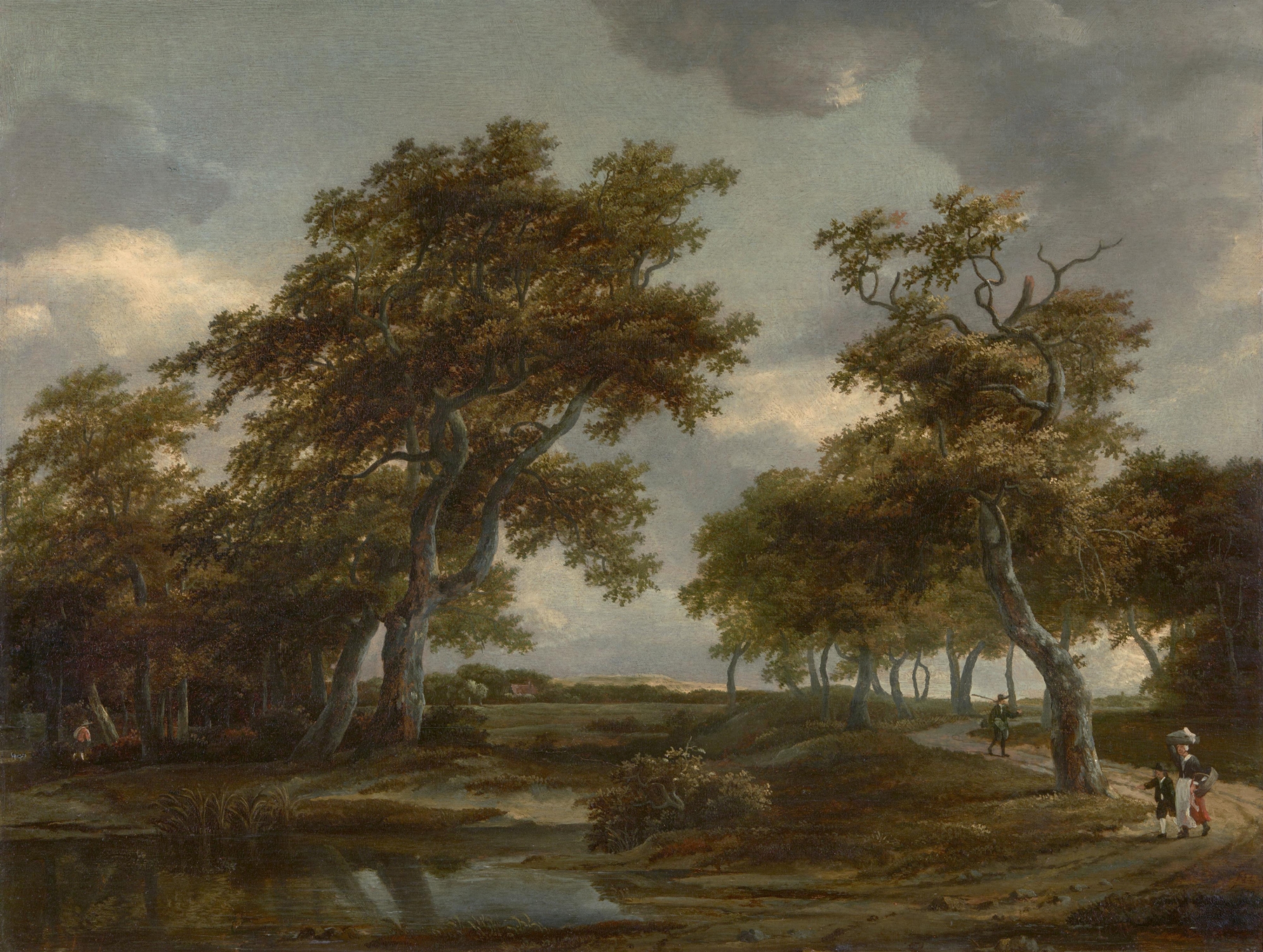
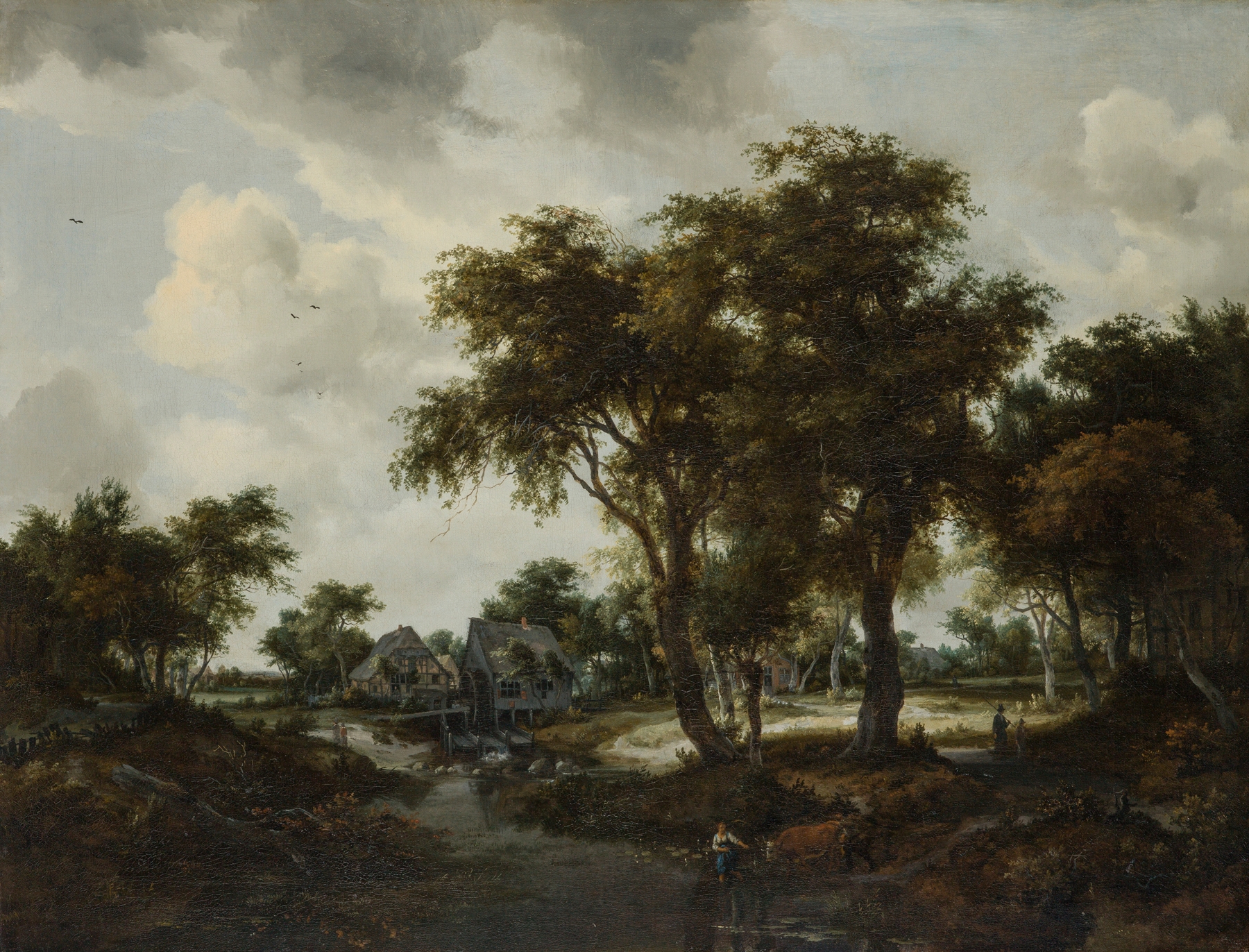
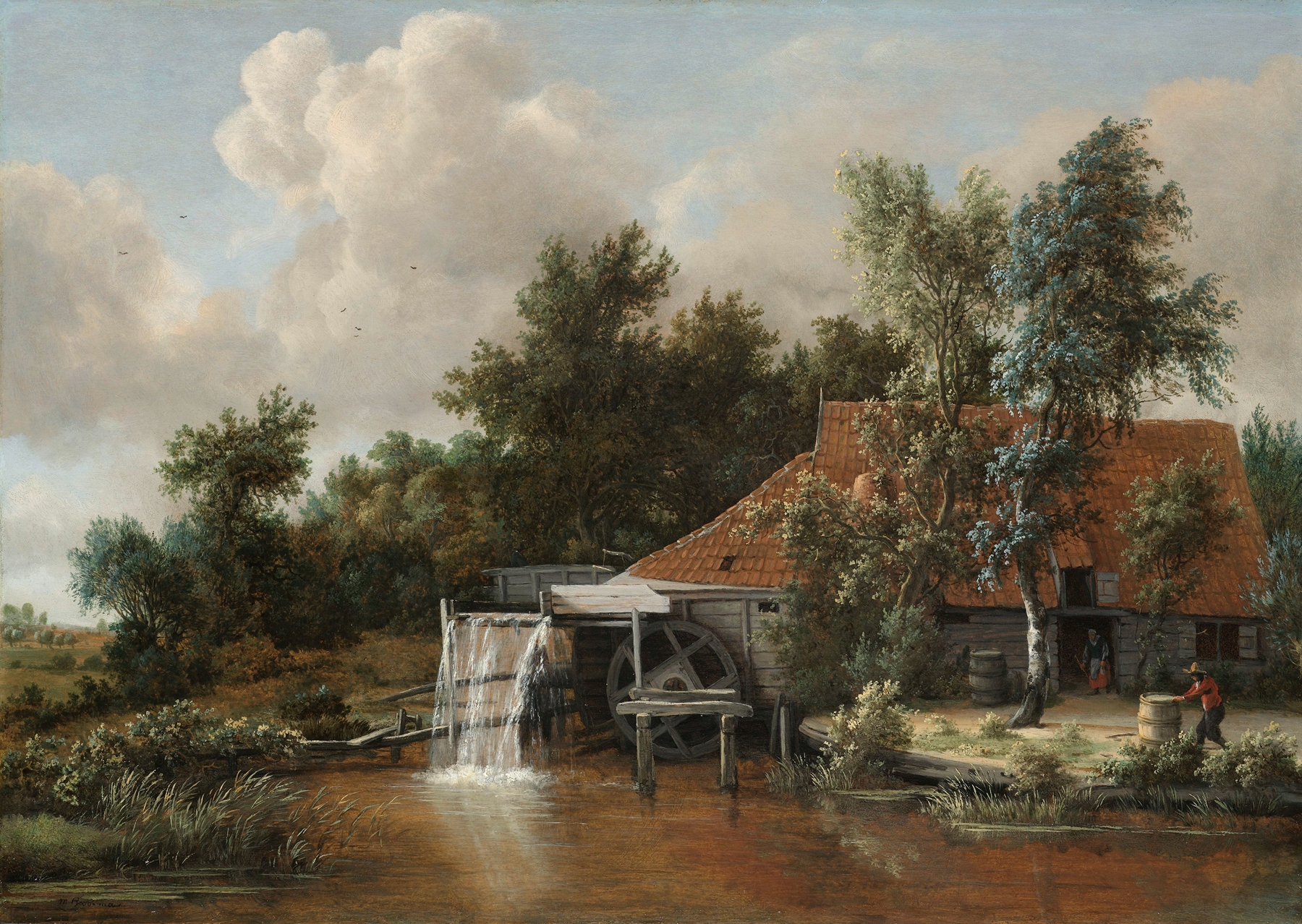
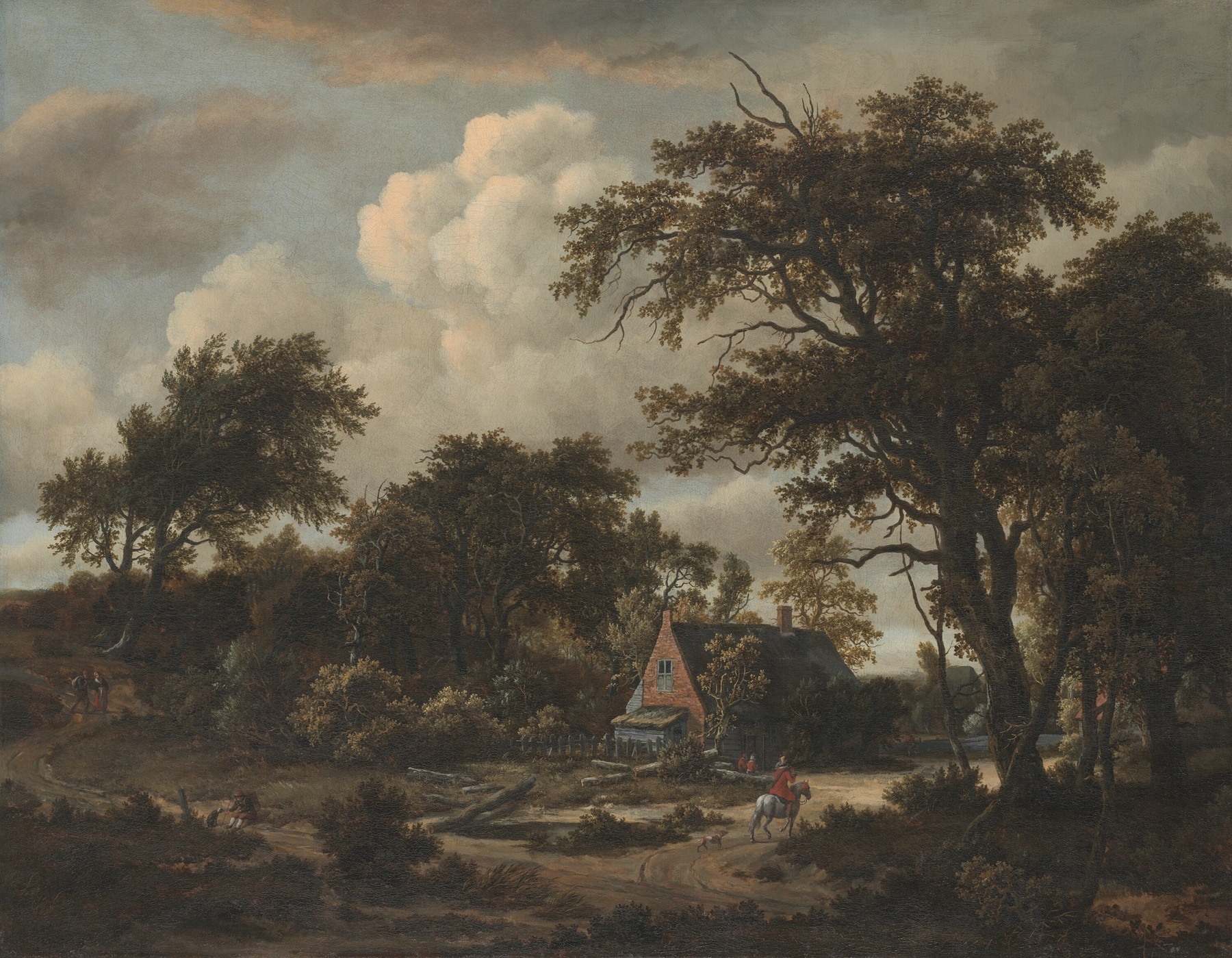
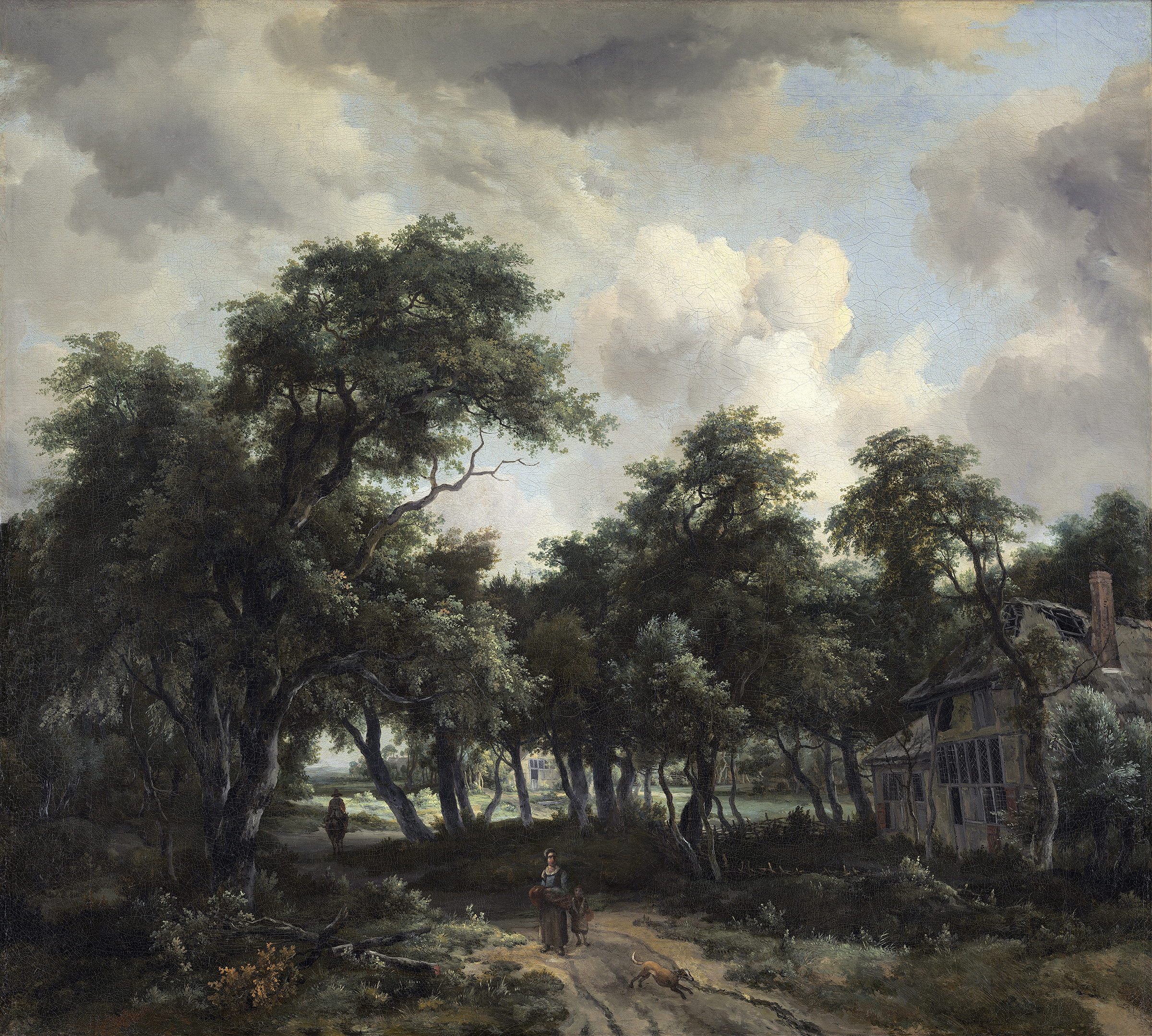
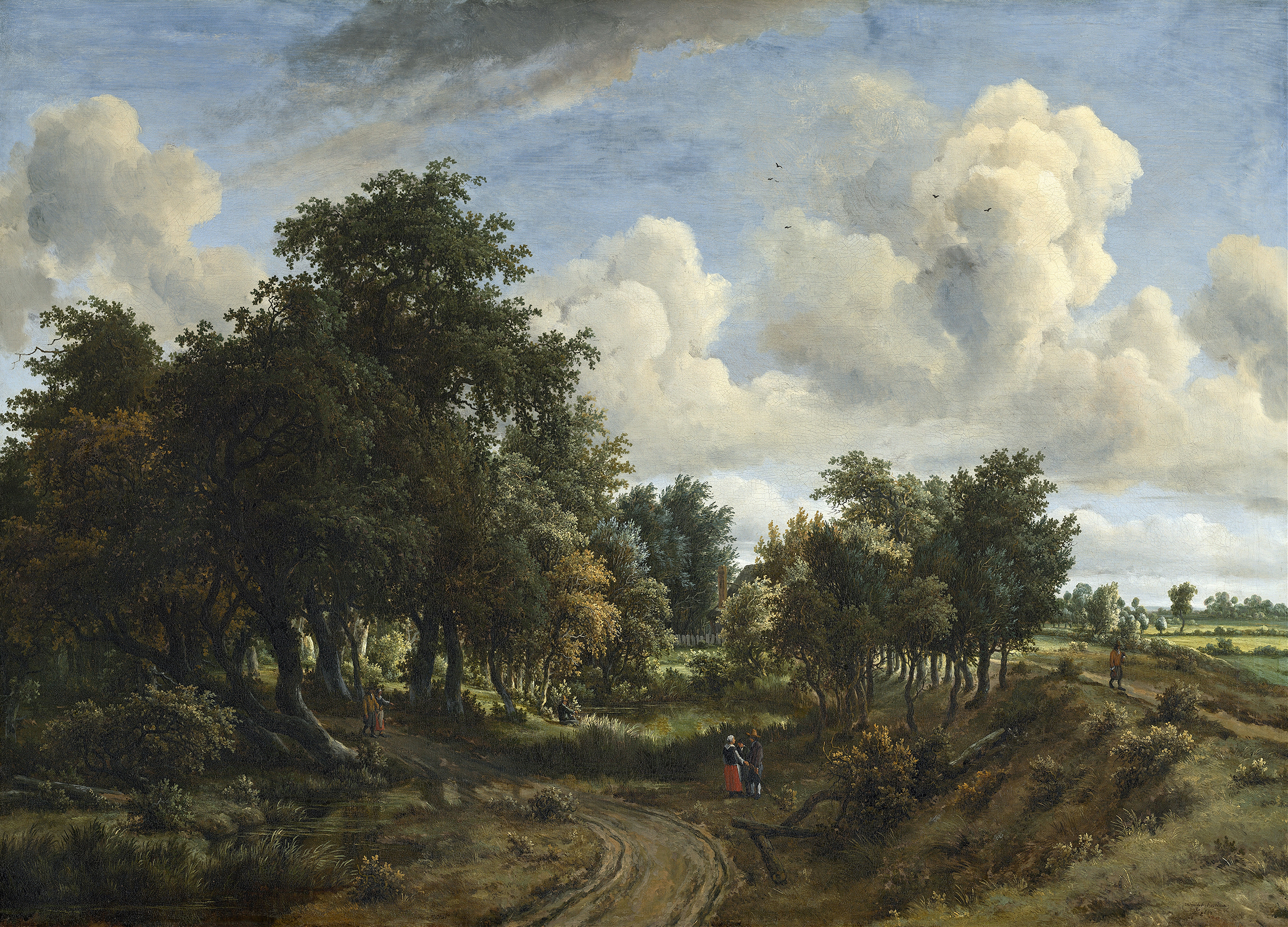
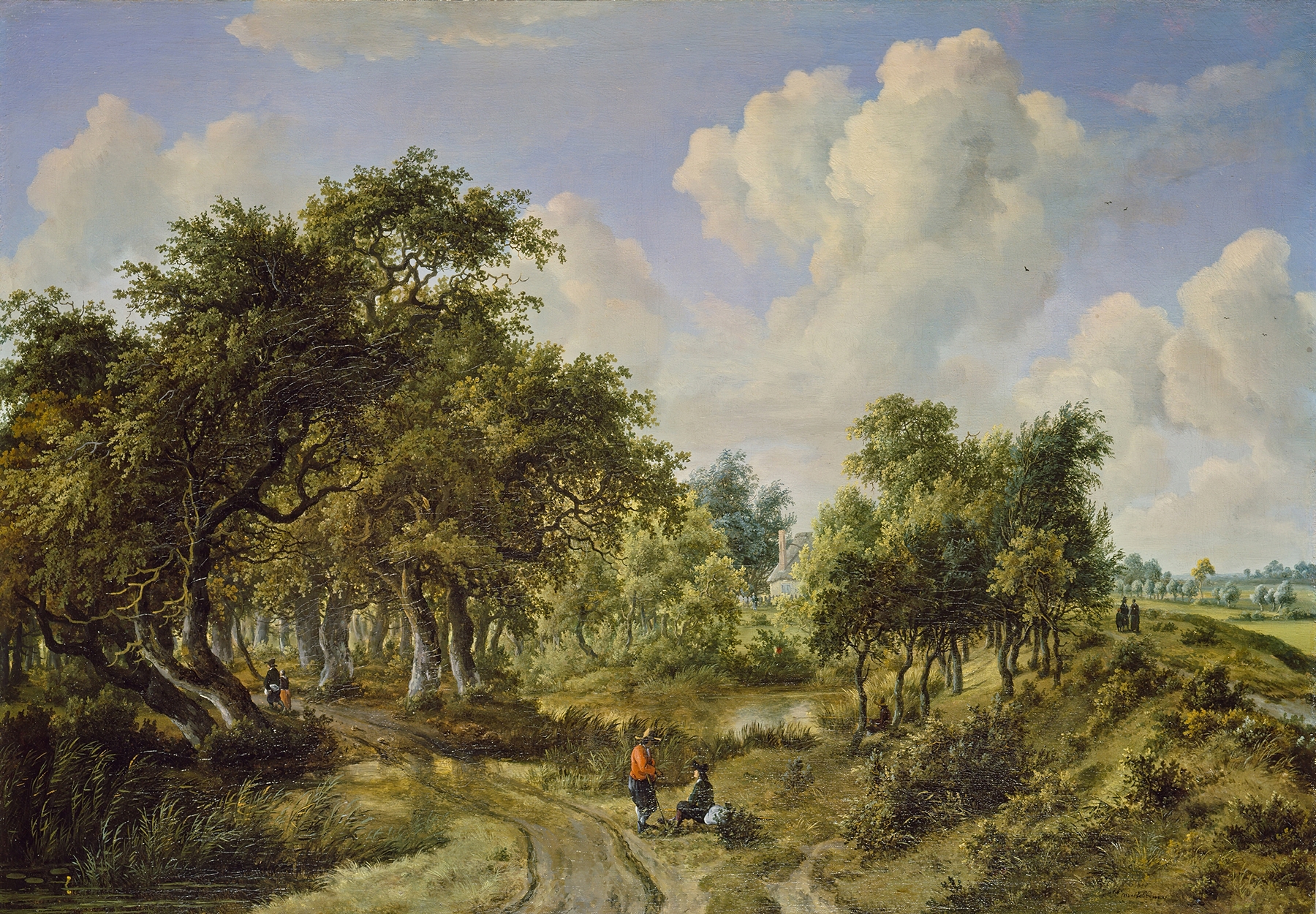
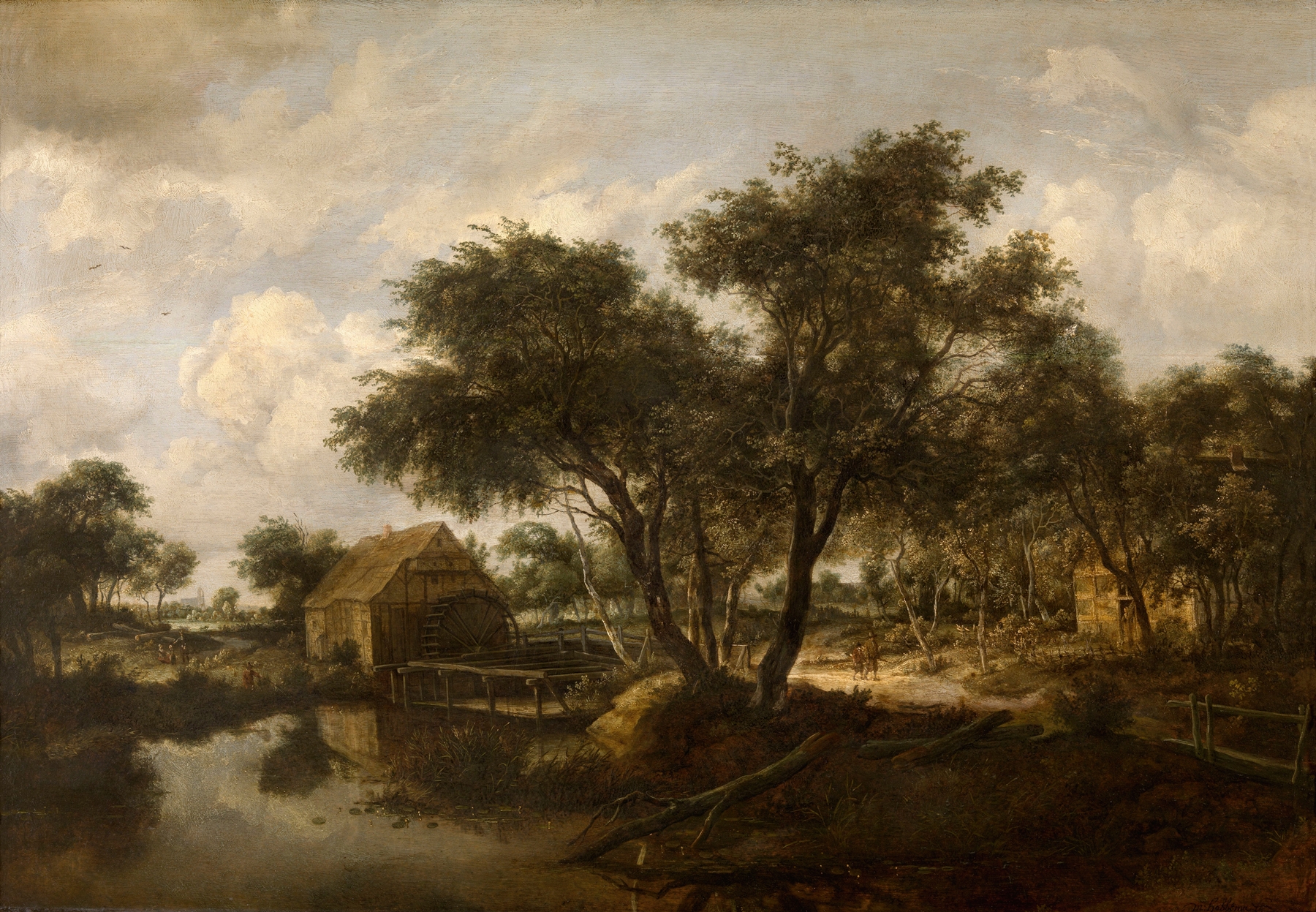
Art reveals the soul when the world turns away. In this stillness, one feels the weight of solitude, a personal echo resonating through the landscape. Focus on the winding river that glimmers under a pale sky; it draws the eye toward the horizon, where trees stand like silent sentinels. Notice how the subtle brushwork captures the soft undulations of the water, a mirror to the sky's reflective mood.
The palette is a harmonious blend of earthy greens and muted browns, evoking a sense of tranquility, yet hinting at an underlying melancholy. A closer look reveals the tension between the vibrant foliage and the solitude of the scene. The trees, though lush, stand isolated, contrasting the flowing river that, in its journey, remains apart from any human presence. This absence hints at the loneliness of the landscape, where nature thrives in quietude, untouched by the chaos of civilization.
Each stroke encapsulates not only a place but the emotional weight of longing and separation. Meindert Hobbema painted View Along the Amstel around 1660, during a time when the Dutch Golden Age was at its peak. Living in Amsterdam, he found inspiration in the natural beauty surrounding the city. While his contemporaries focused on bustling urban scenes, Hobbema chose to depict the serenity of nature, reflecting his personal affinity for solitude and the introspective quality of the landscape genre.