View from the Woods — History & Analysis
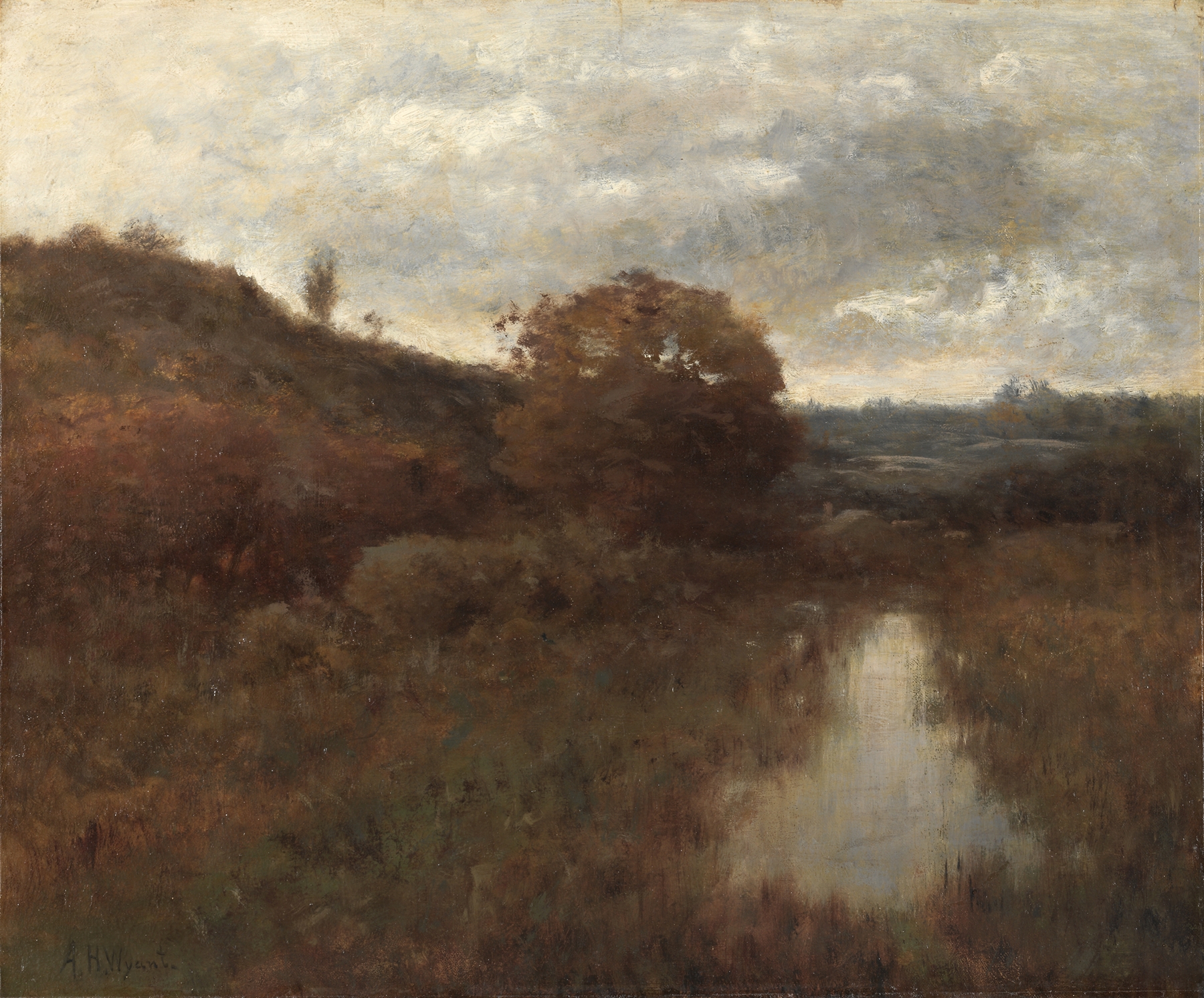
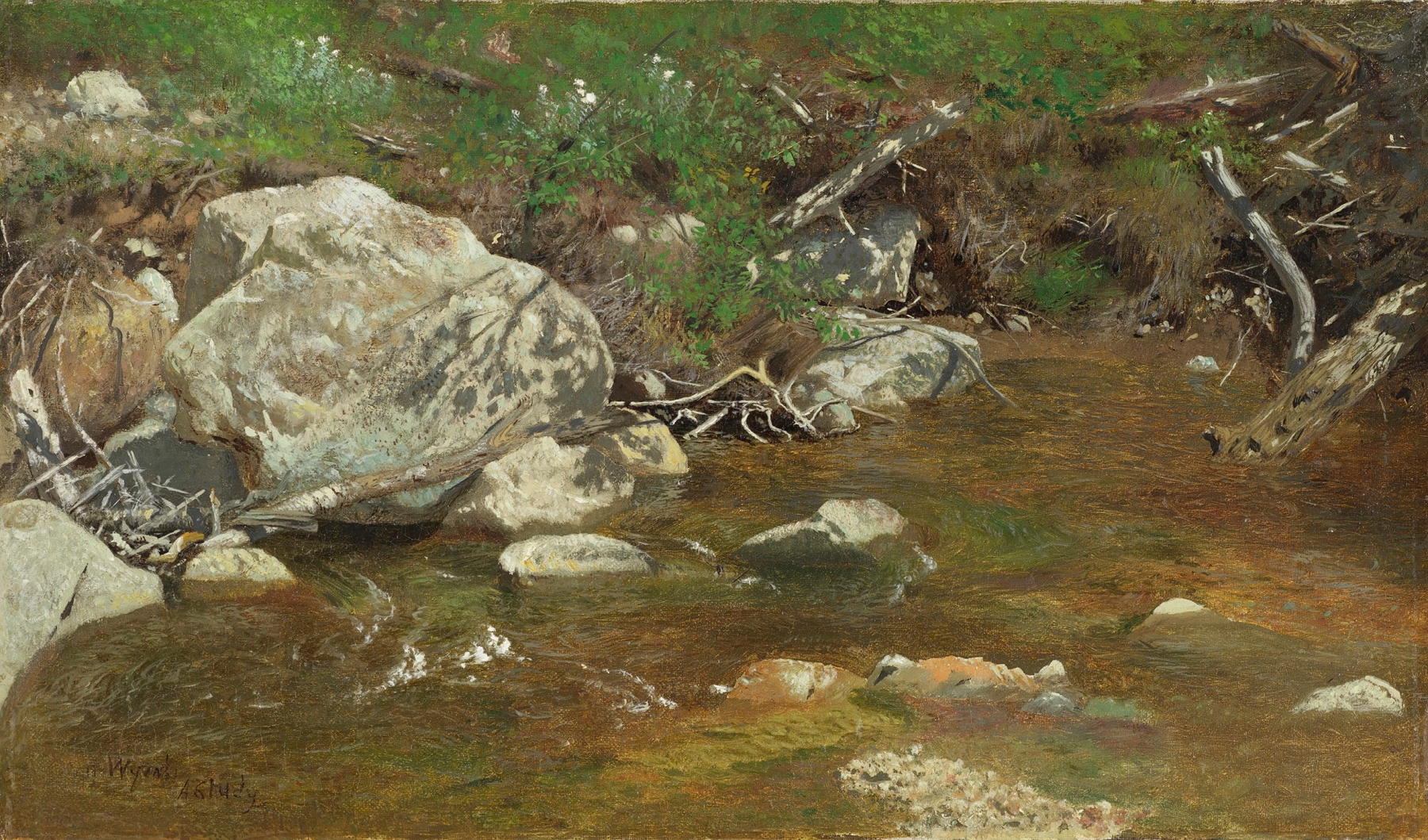
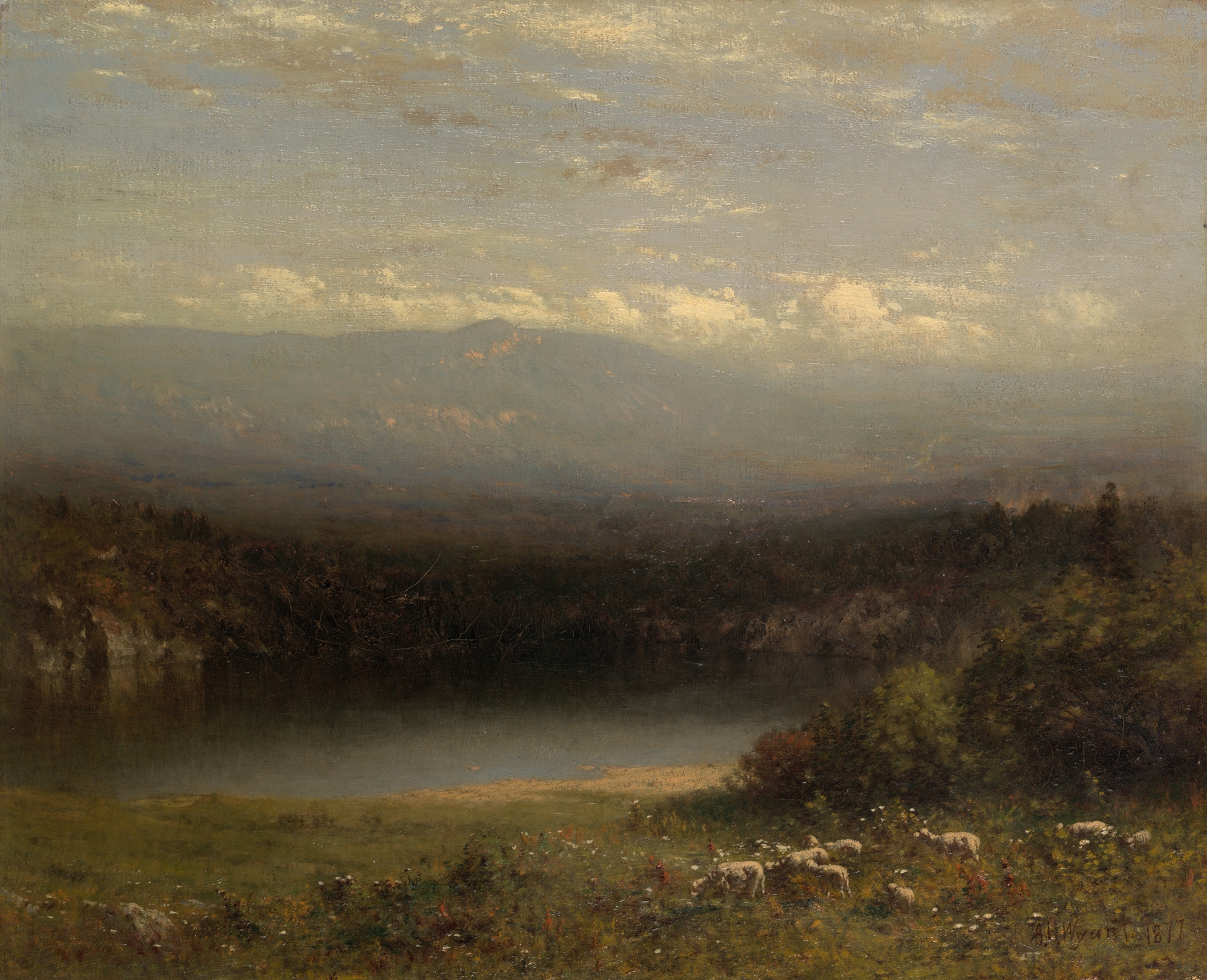
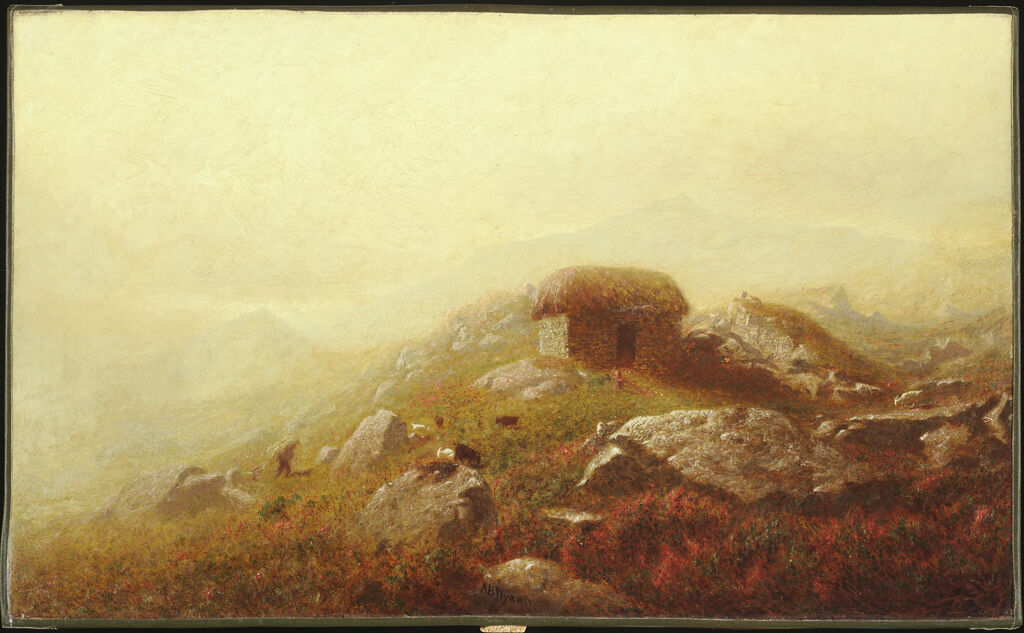
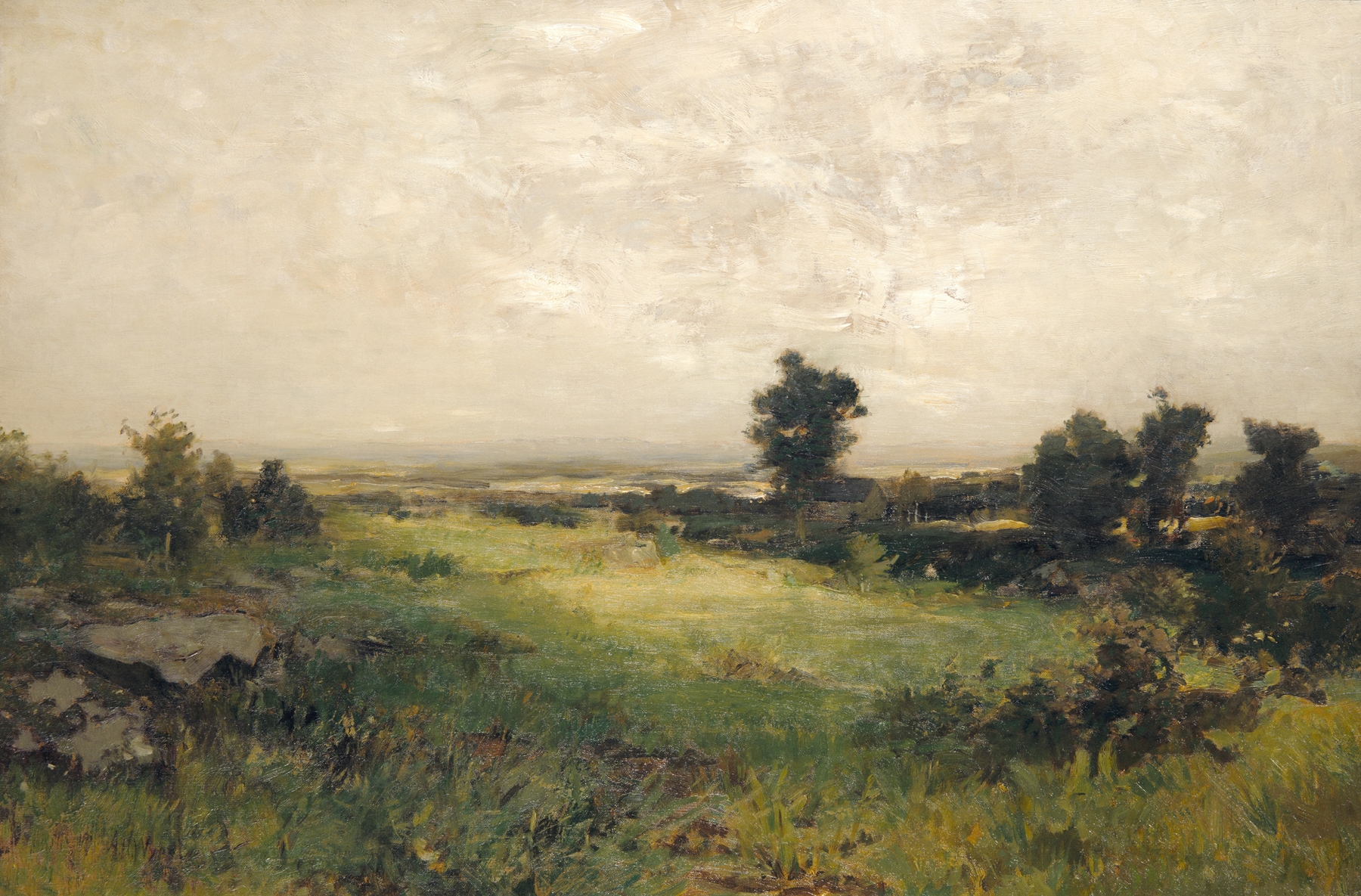
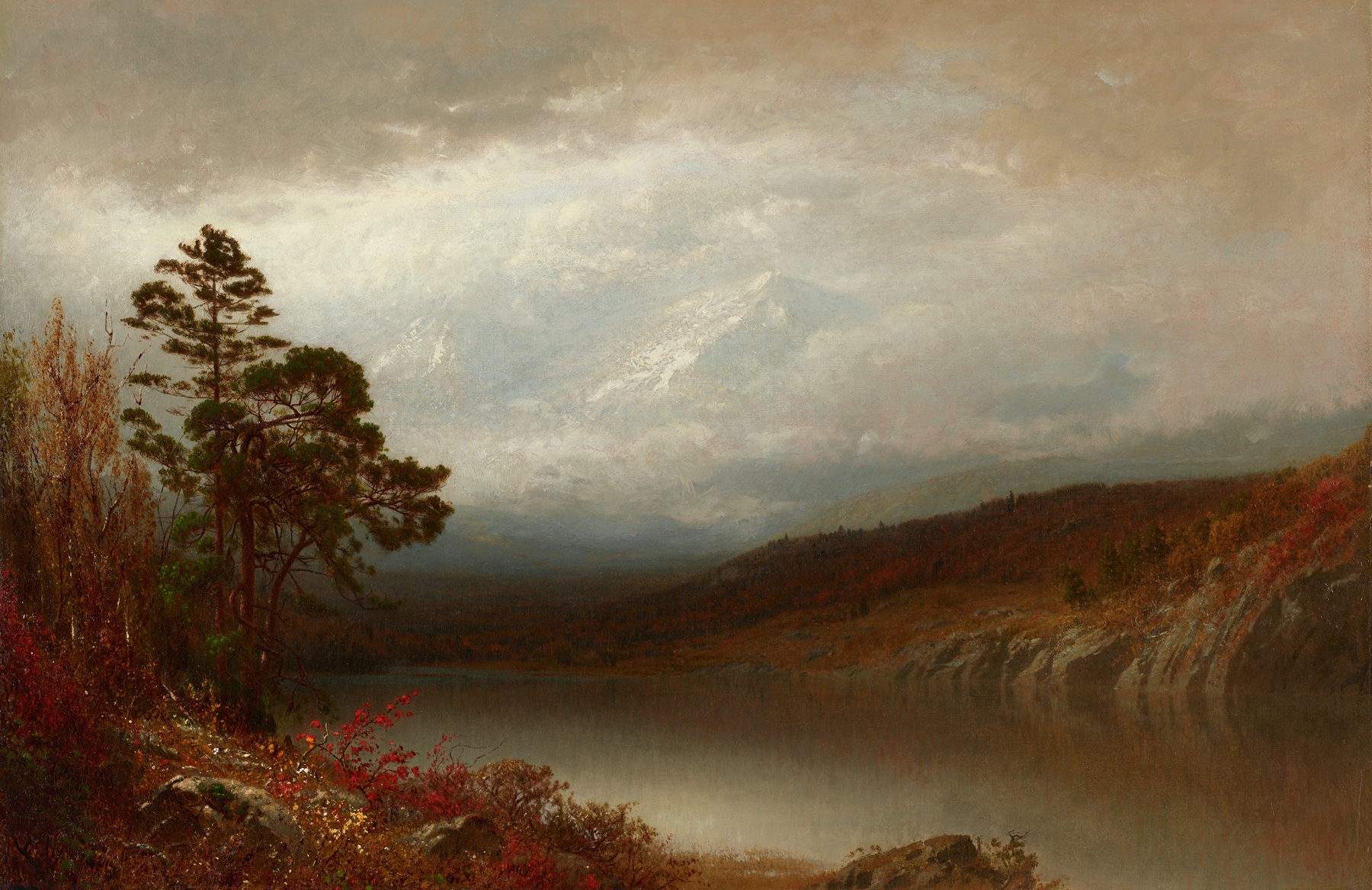
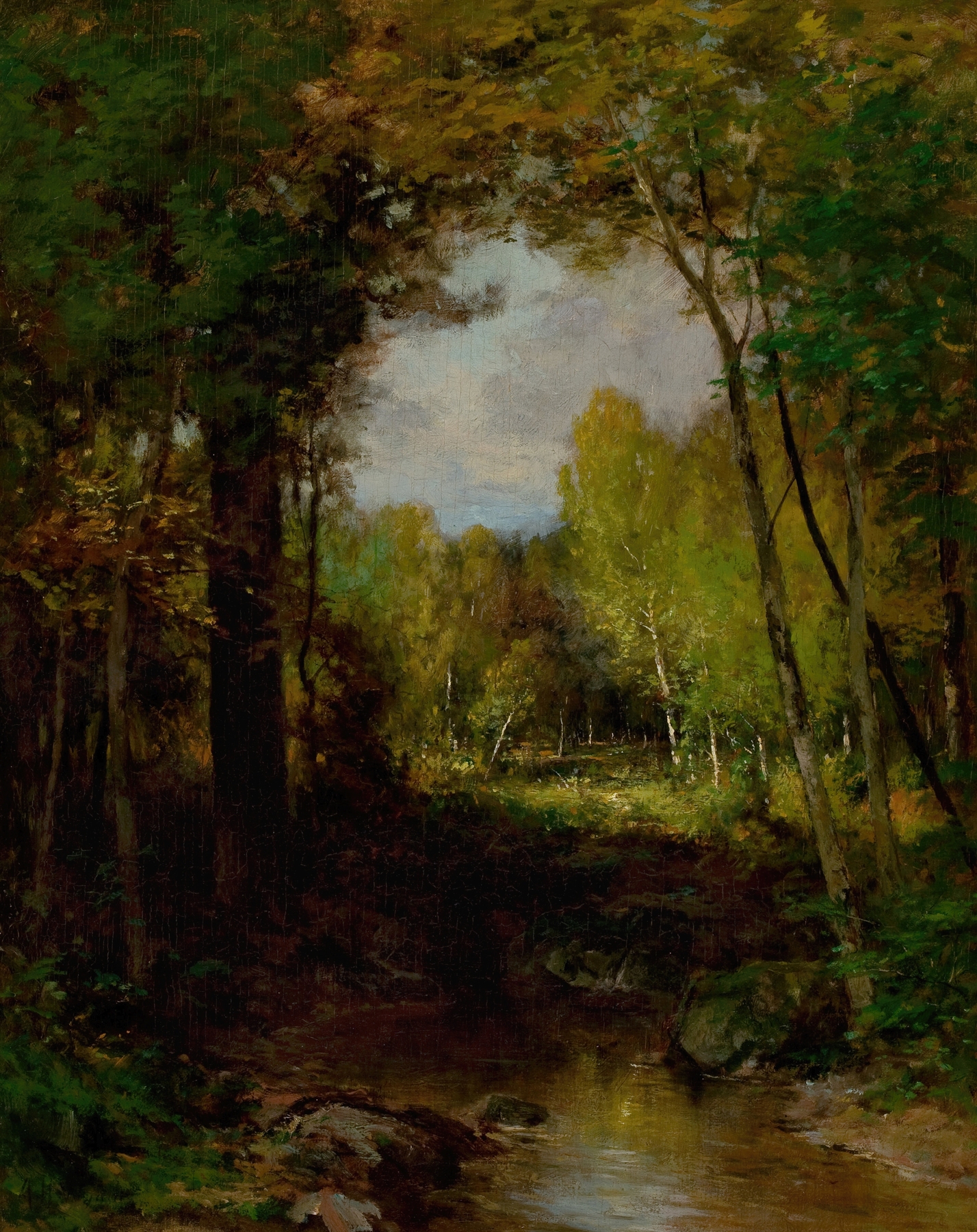
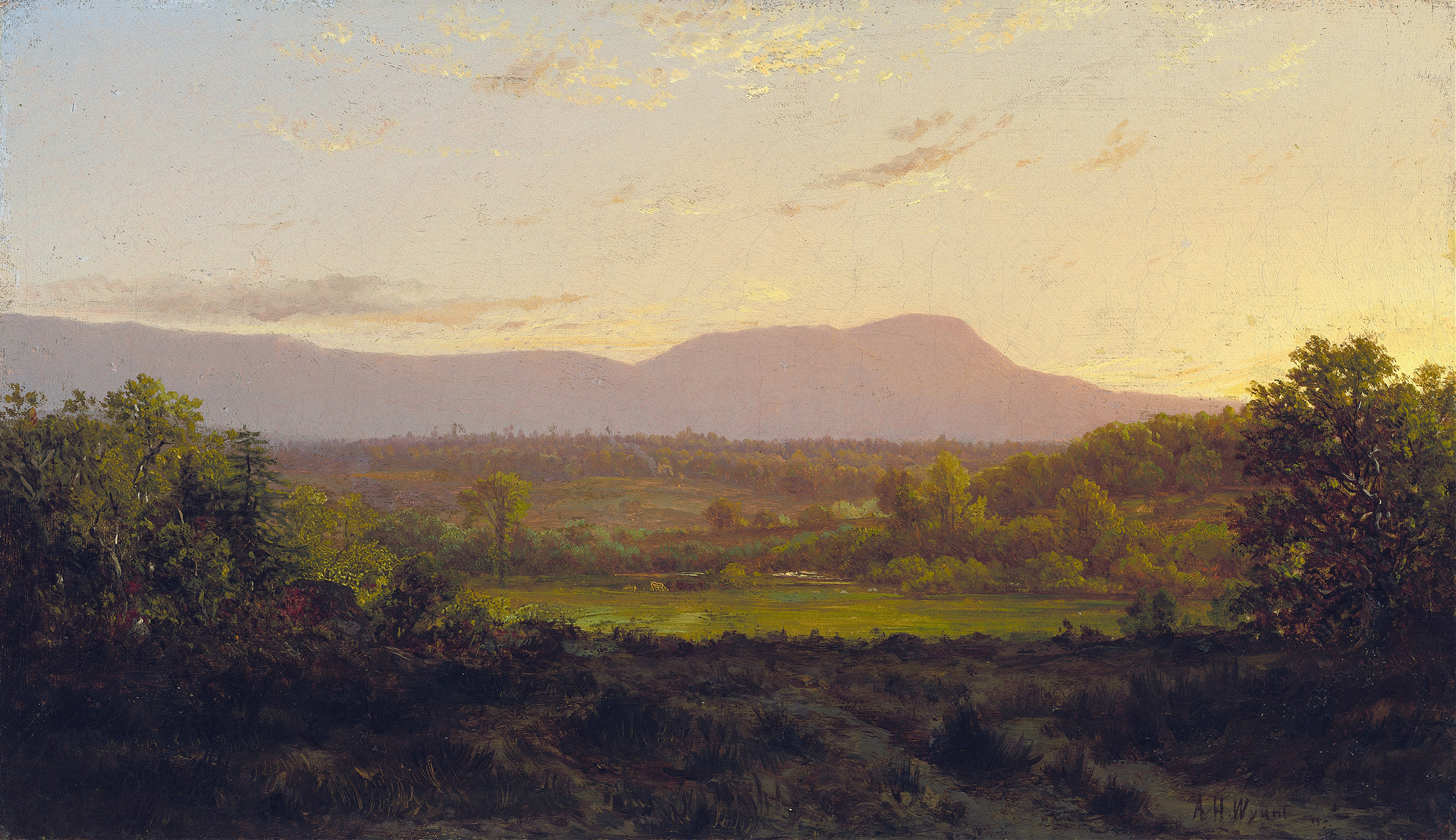
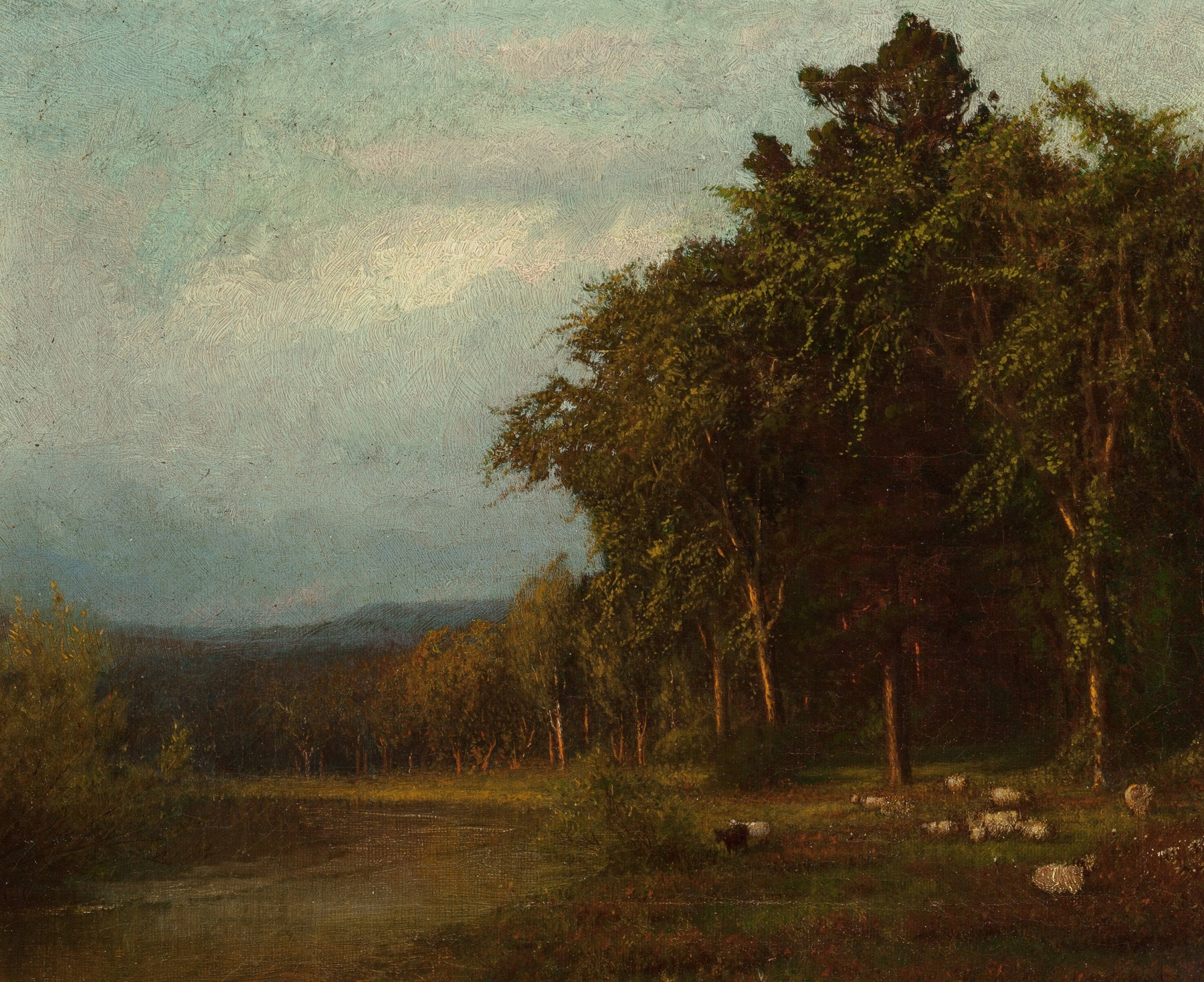
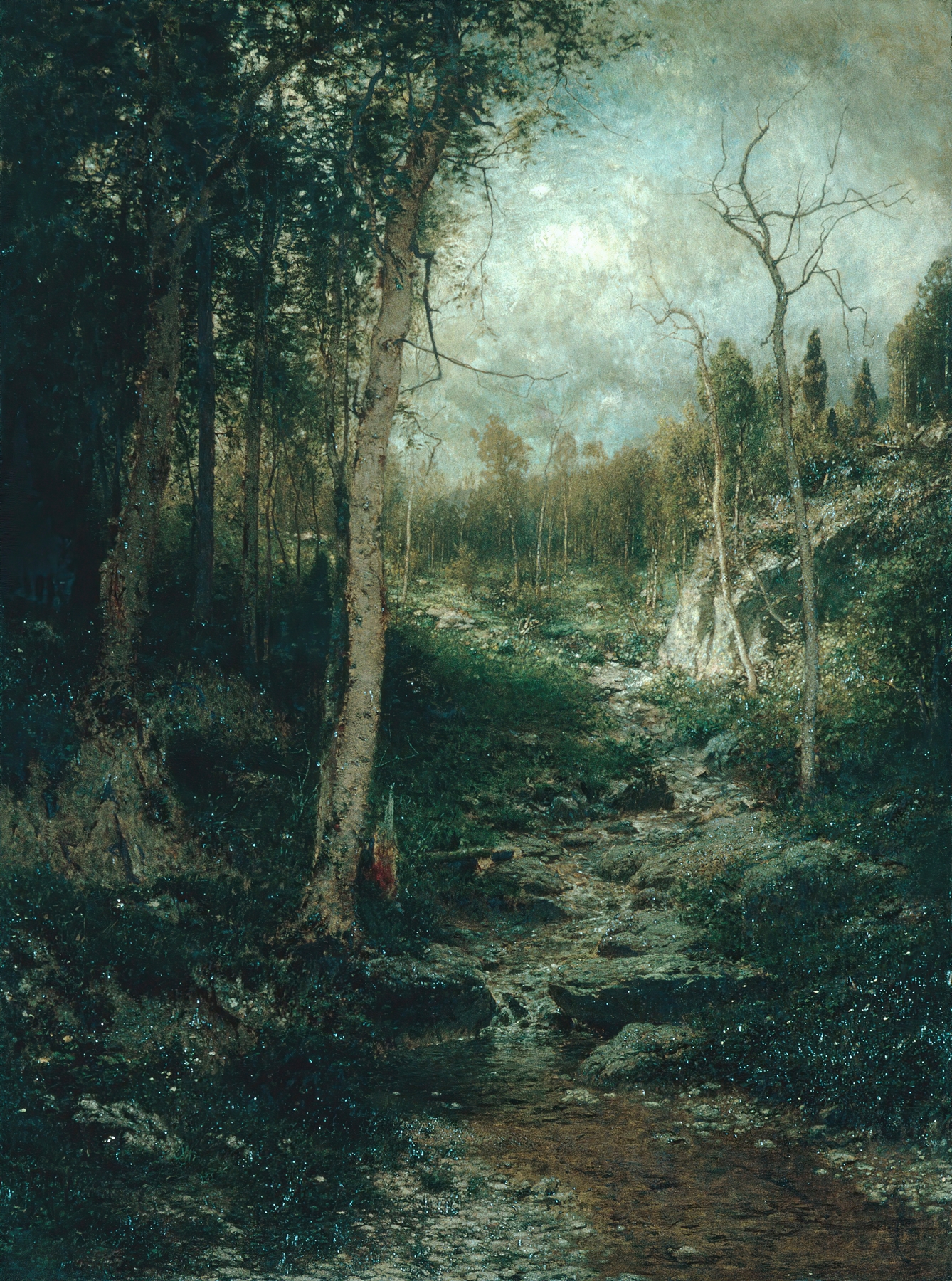
“To paint is to remember what time wants us to forget.” In a fleeting moment, a revelation unfolds, where the past and present intertwine, revealing the beauty of nature's quiet persistence. Look to the foreground, where gentle strokes of green emerge, creating a tapestry of lush foliage that invites you into a serene woodland sanctuary. Notice how the light filters through the trees, bathing the scene in a soft, ethereal glow that dances upon the leaves. The depth of color varies between the vibrant greens of new growth and the muted browns of the earth, drawing your eye toward the horizon where the trees recede, hinting at an endless expanse beyond the canvas.
As you gaze deeper, the interplay of light and shadow becomes a metaphor for the duality of existence. The dappling of sunlight suggests hope and renewal, while the darker undertones evoke the passage of time and the inevitability of change. Each element, from the delicate branches swaying in the breeze to the subtle path winding through the woods, invites introspection and contemplation of our own journeys through life’s landscapes.
In 1891, Wyant painted this piece amid a burgeoning interest in naturalism and impressionism. It was a time when American artists were exploring the depths of their connection to nature, reflecting broader societal shifts and a growing appreciation for the environment. Wyant's work, emerging from his studio in New York, encapsulated this moment in artistic history, capturing both the tranquility of the woods and the profound emotions they stir within us.