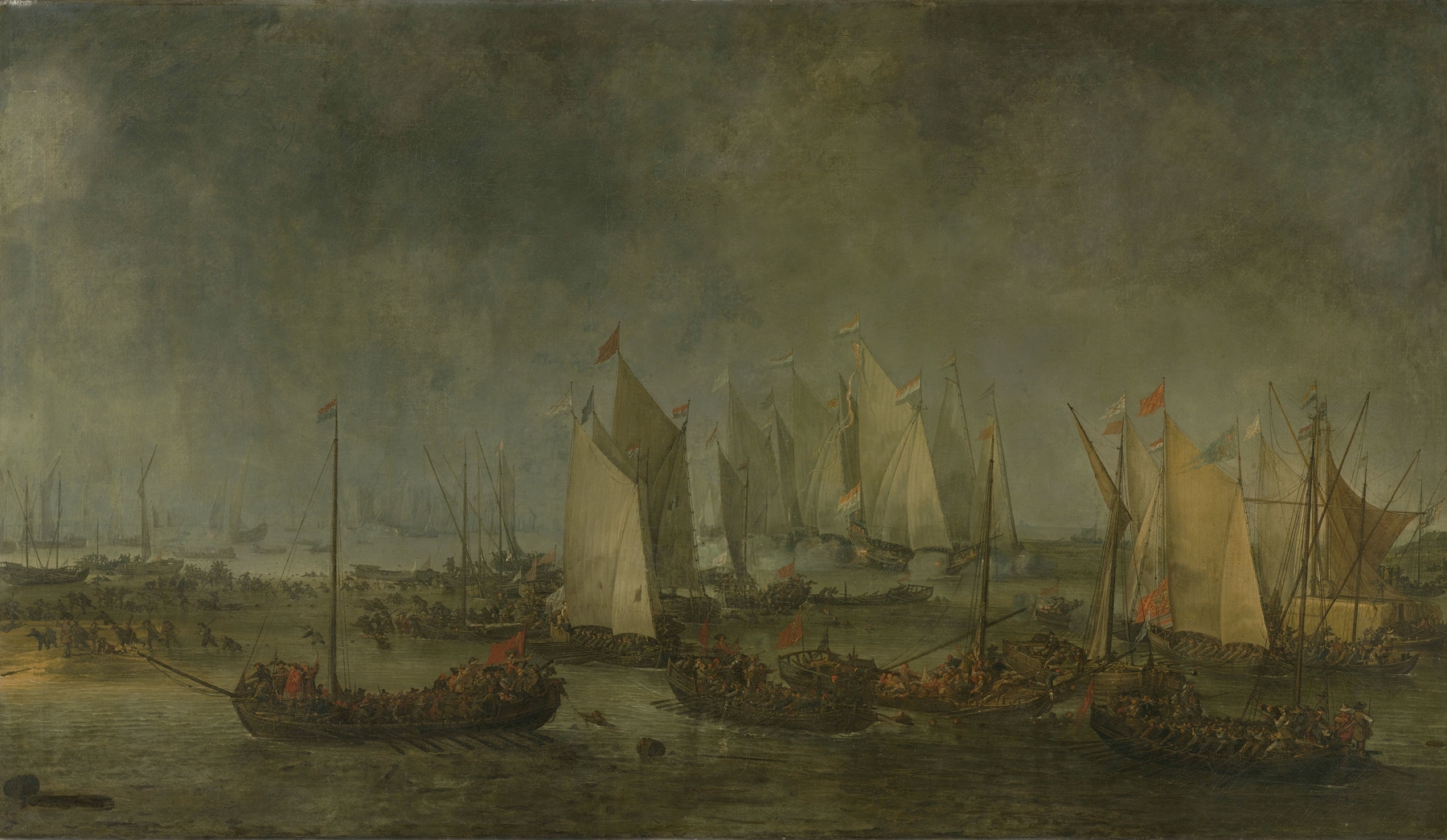
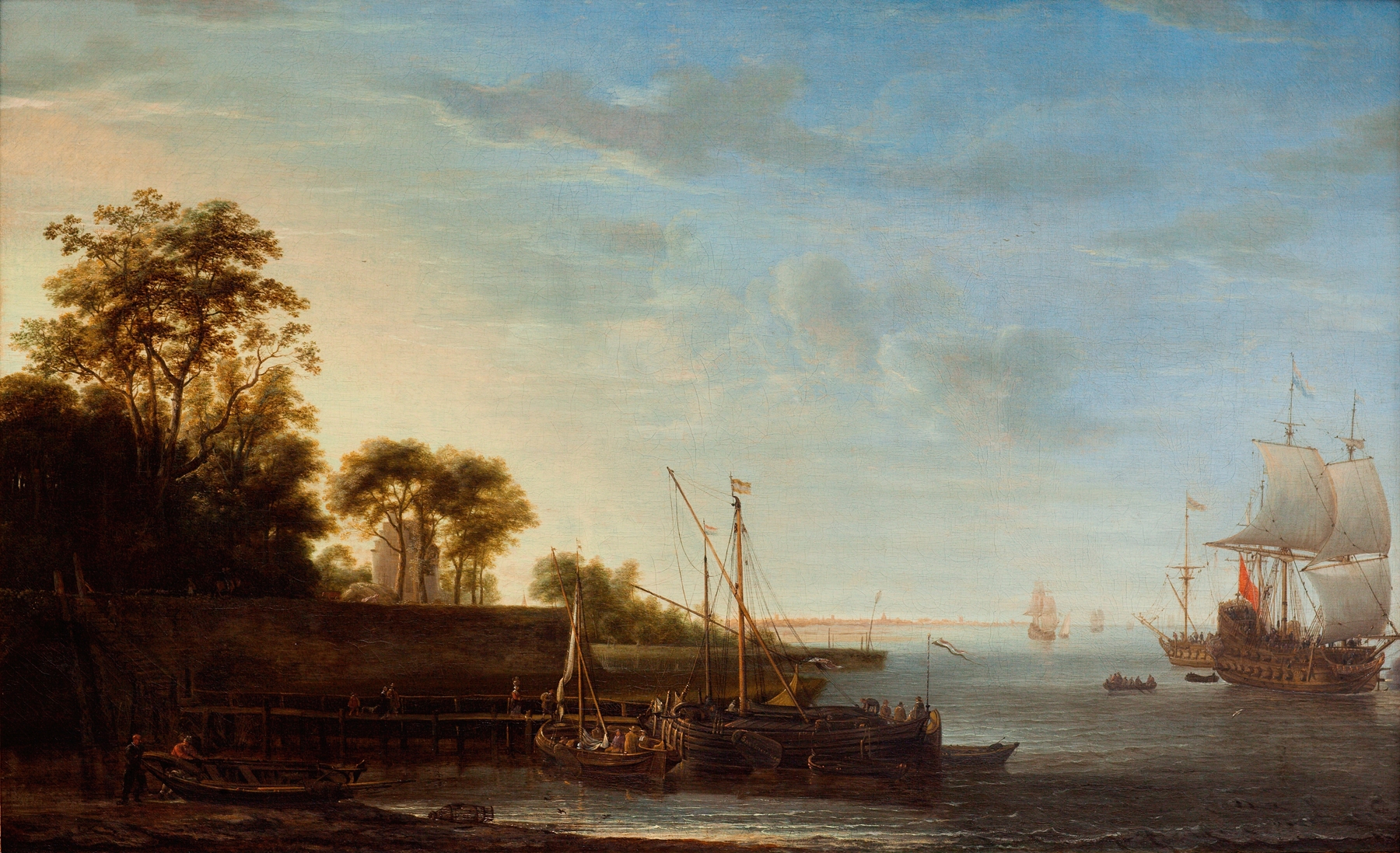
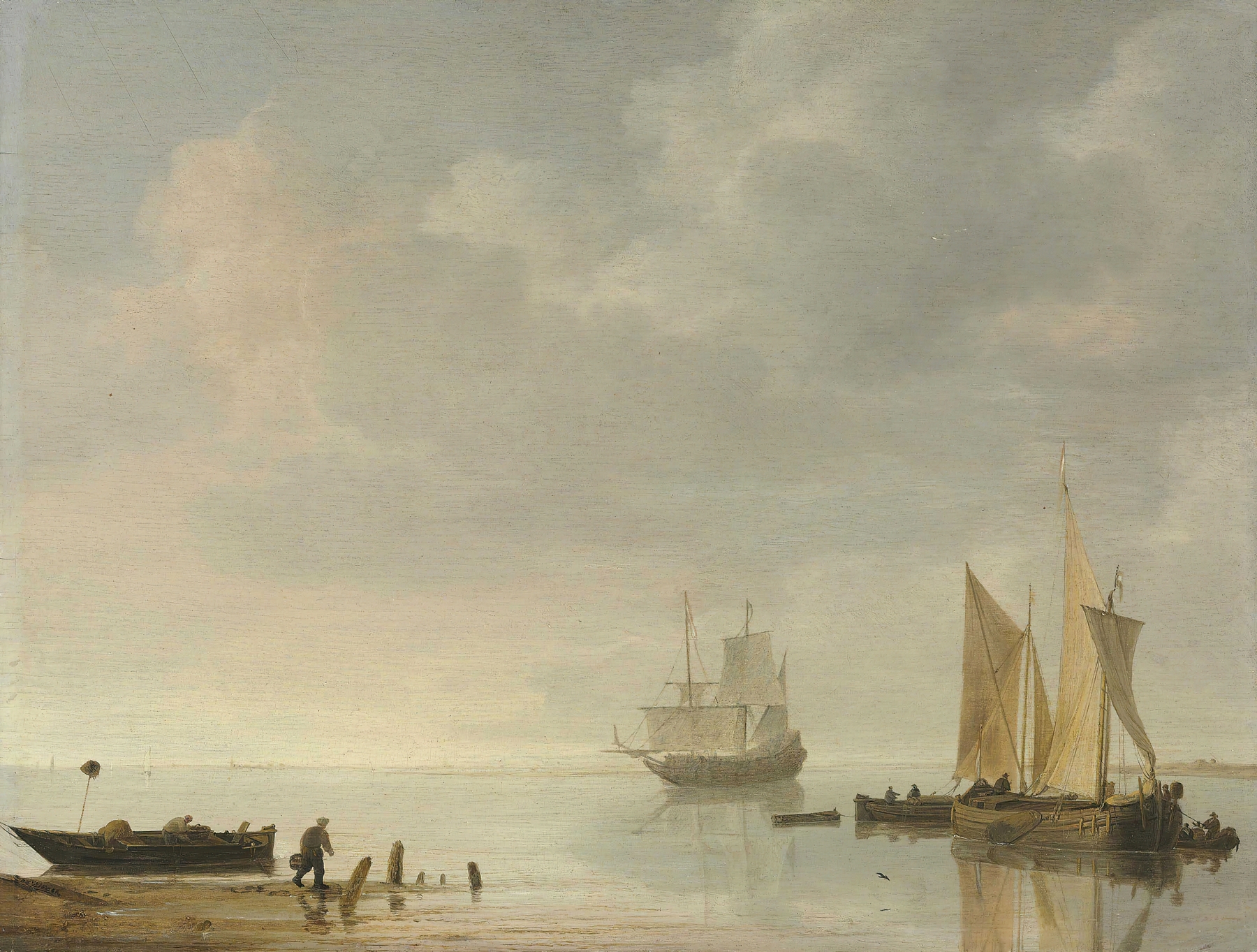
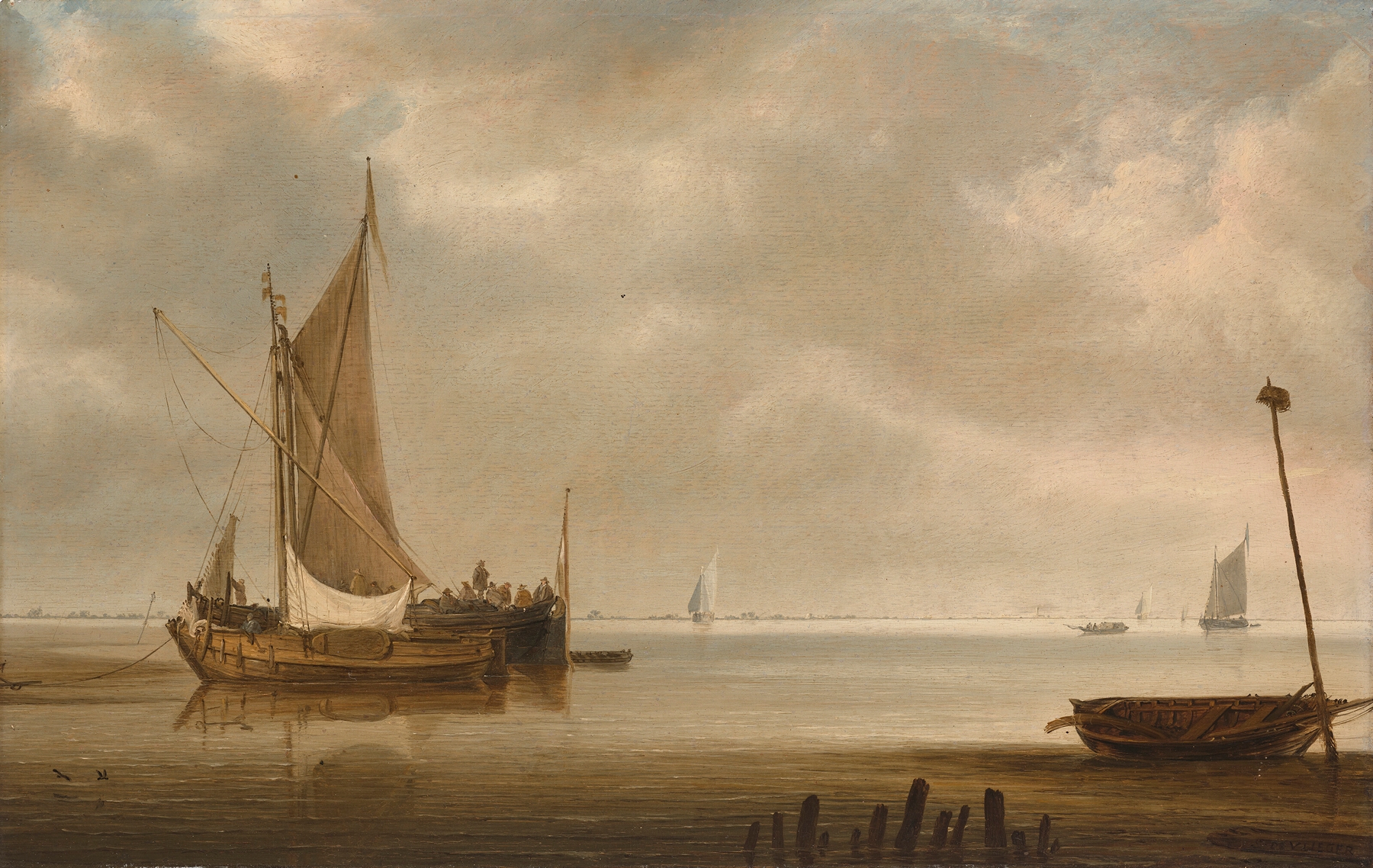
View of a Beach — History & Analysis
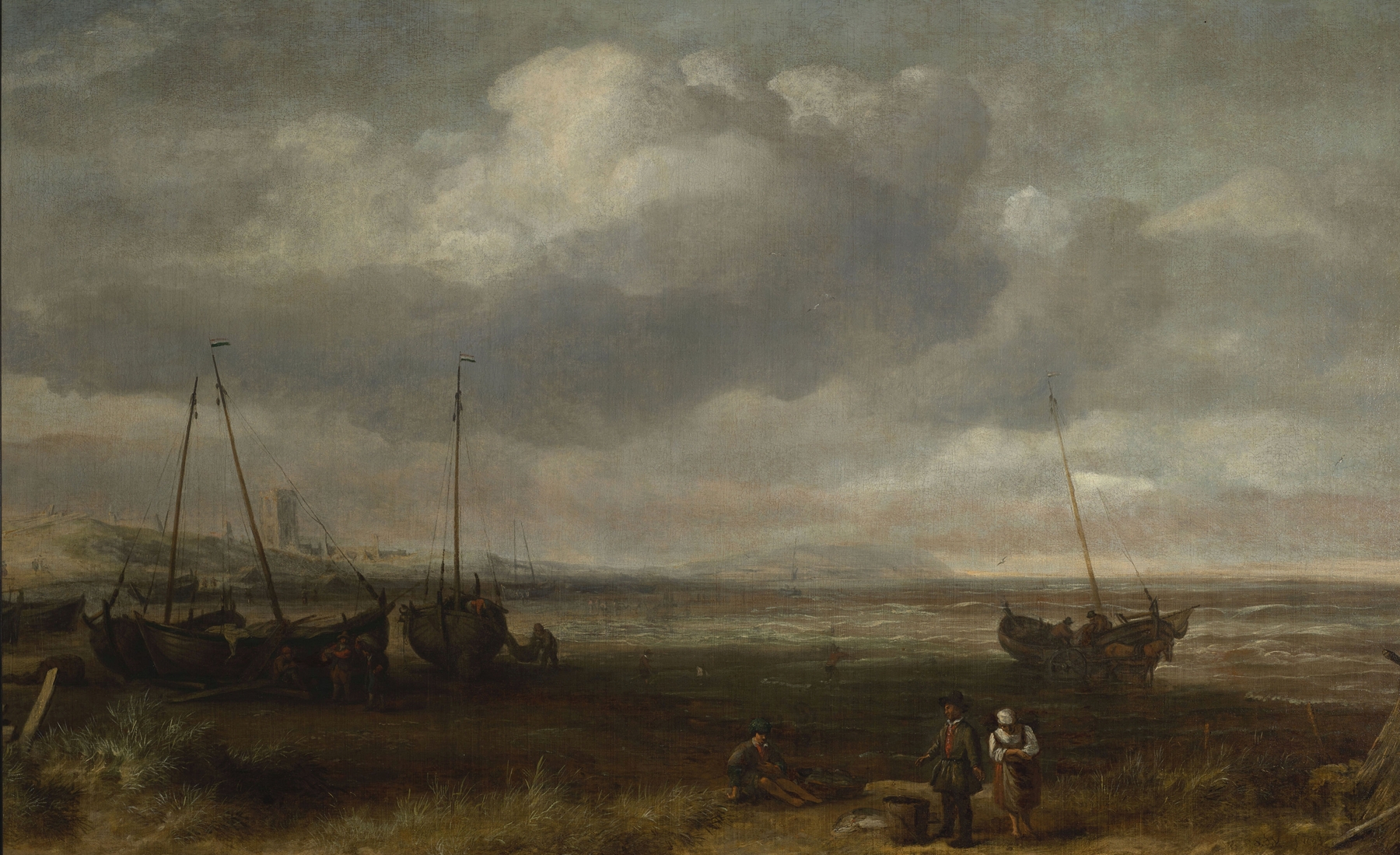
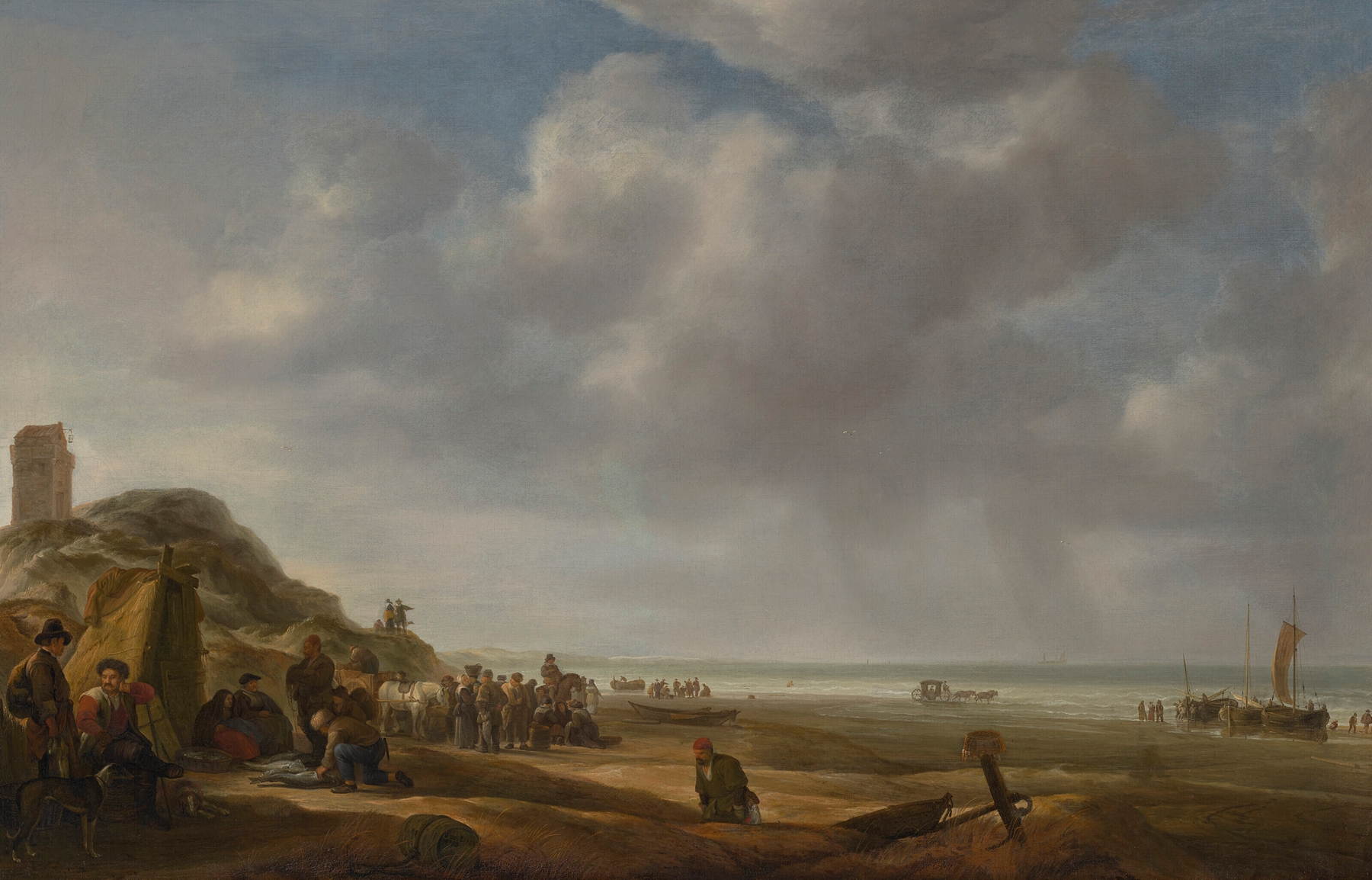
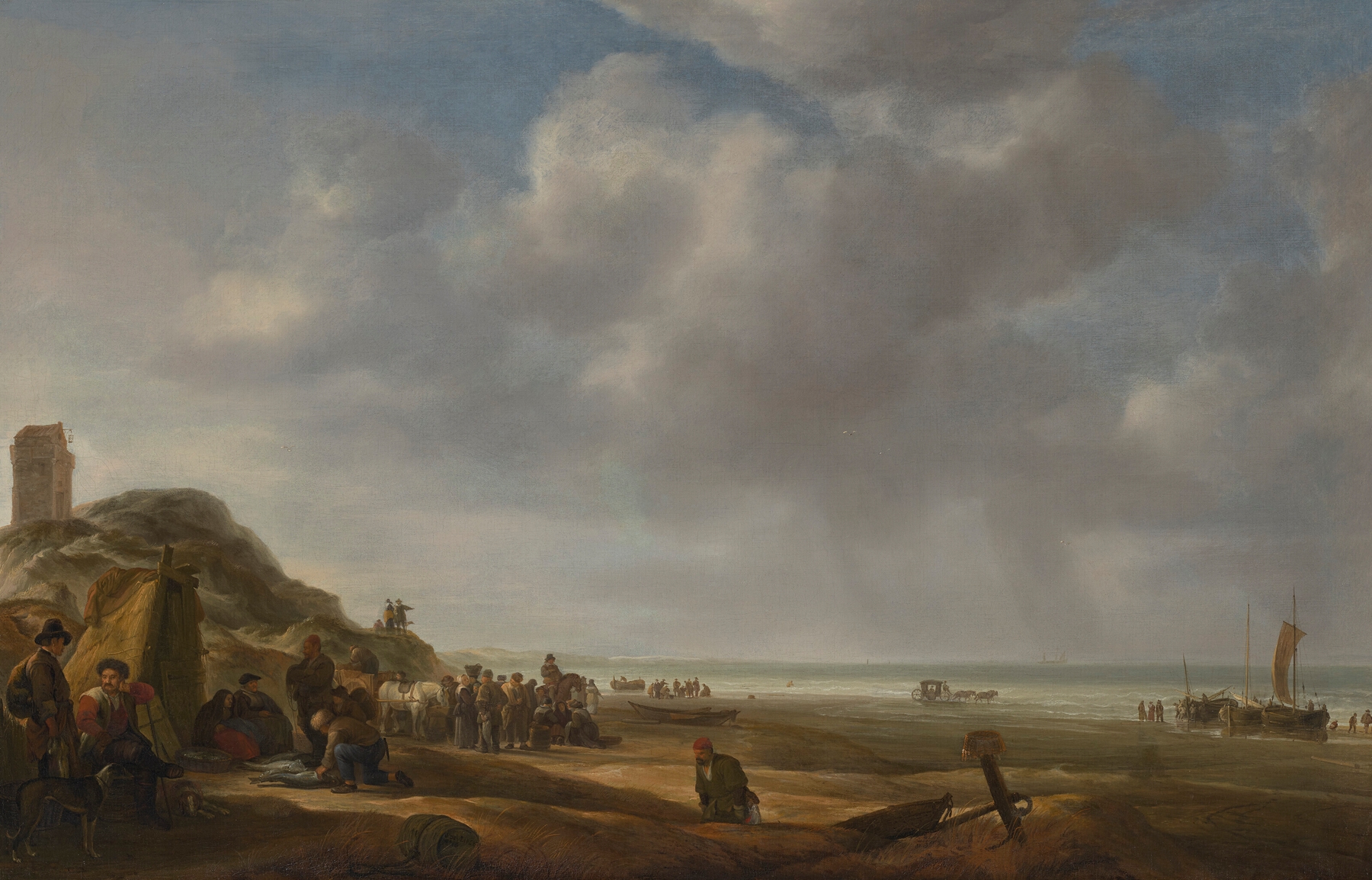
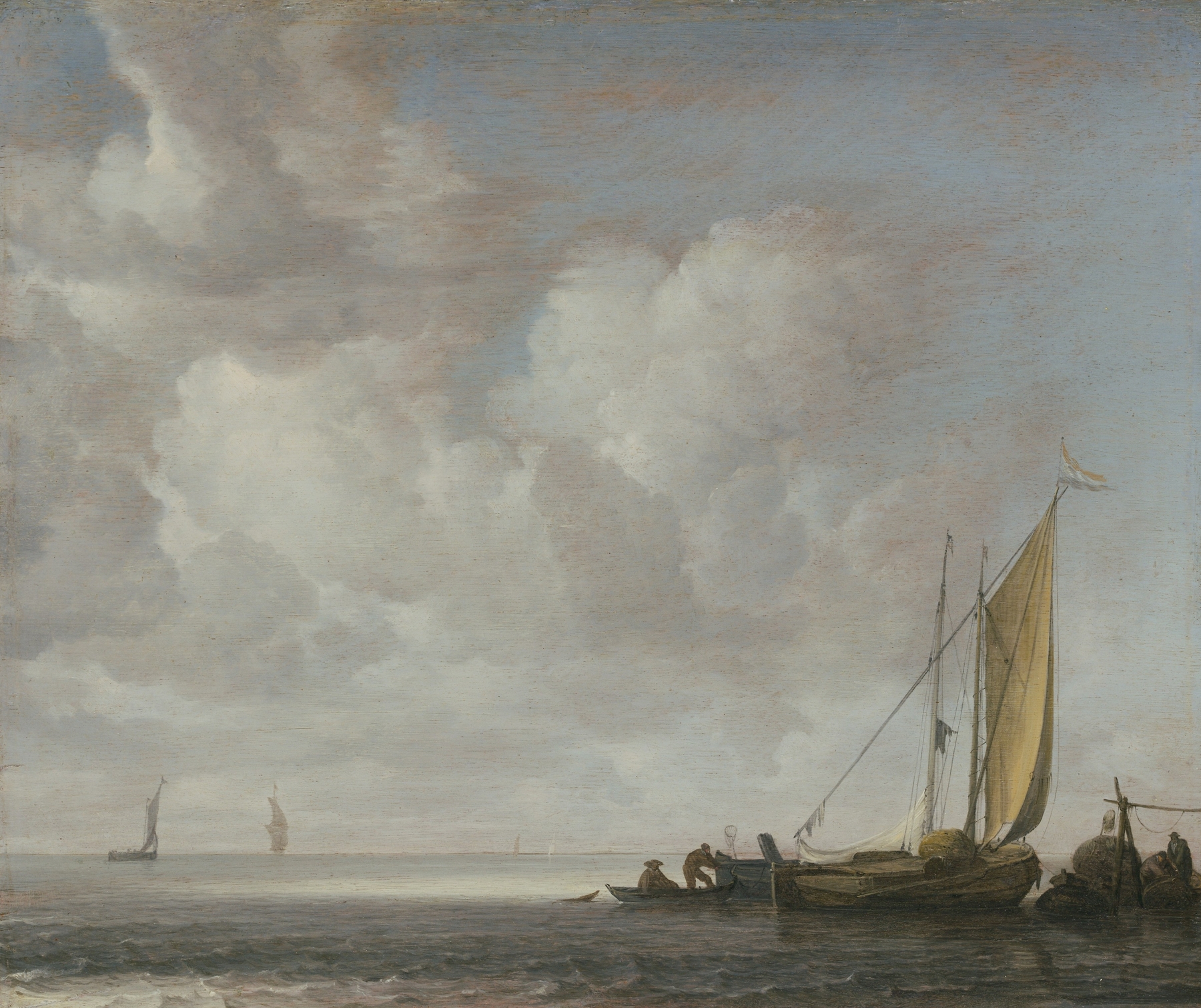
What if silence could speak through light? In View of a Beach, an ethereal landscape unfolds, whispering the sacred stories of faith inscribed in nature’s beauty. Look to the horizon where the soft hues of the setting sun bleed into the gentle waves; this is where the eye naturally finds solace. Notice how the subtle interplay of warm and cool tones evokes a serene harmony, drawing you into the tranquil moment.
The detailed brushwork captures the rippling water and fine sands, while distant figures dot the shore, suggesting a narrative of connection and contemplation. Beneath the surface, the painting resonates with themes of faith and solitude. The beach, with its vastness, invites interpretation of the human experience—a space for reflection or a metaphor for spiritual journeying.
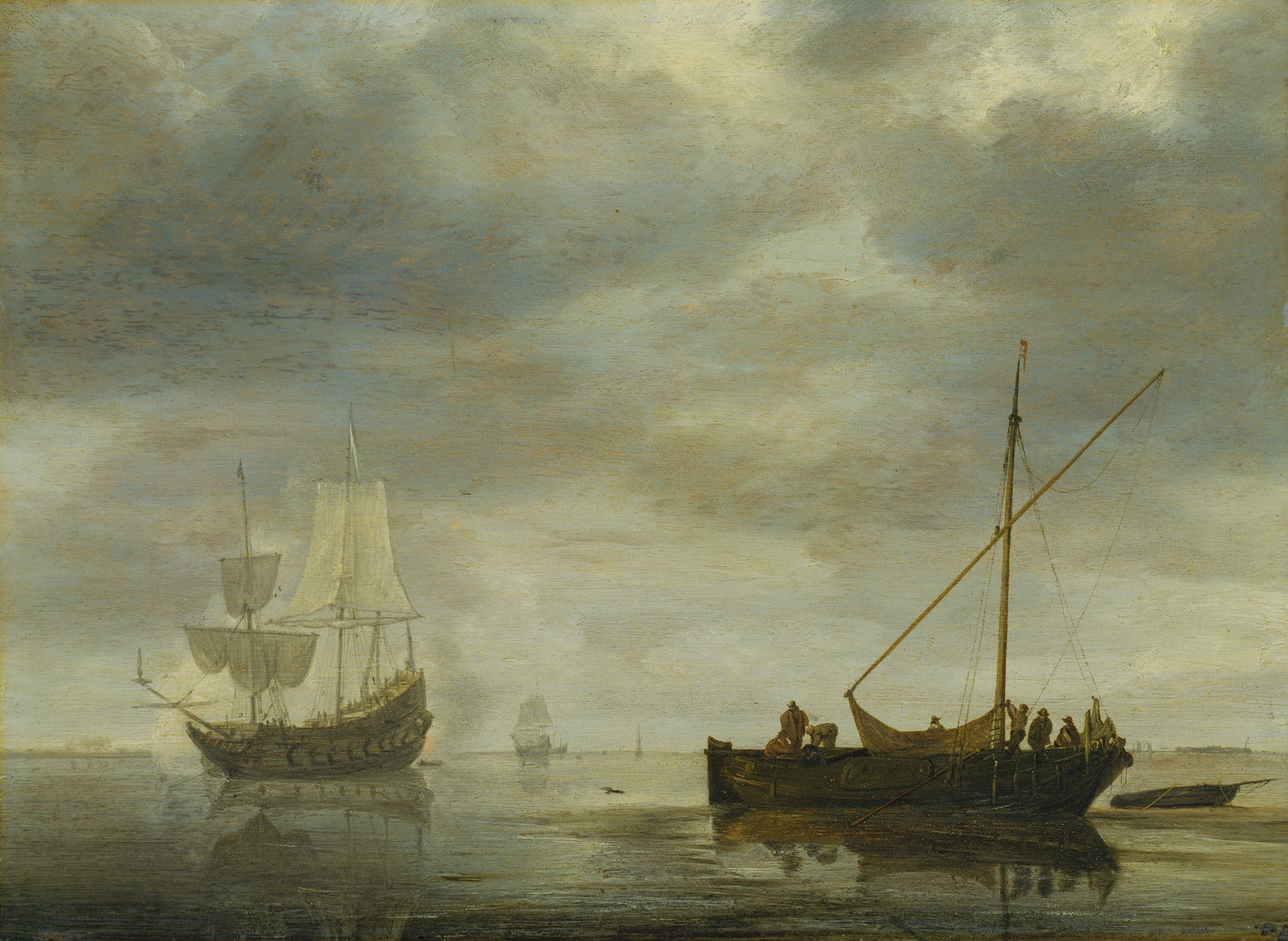
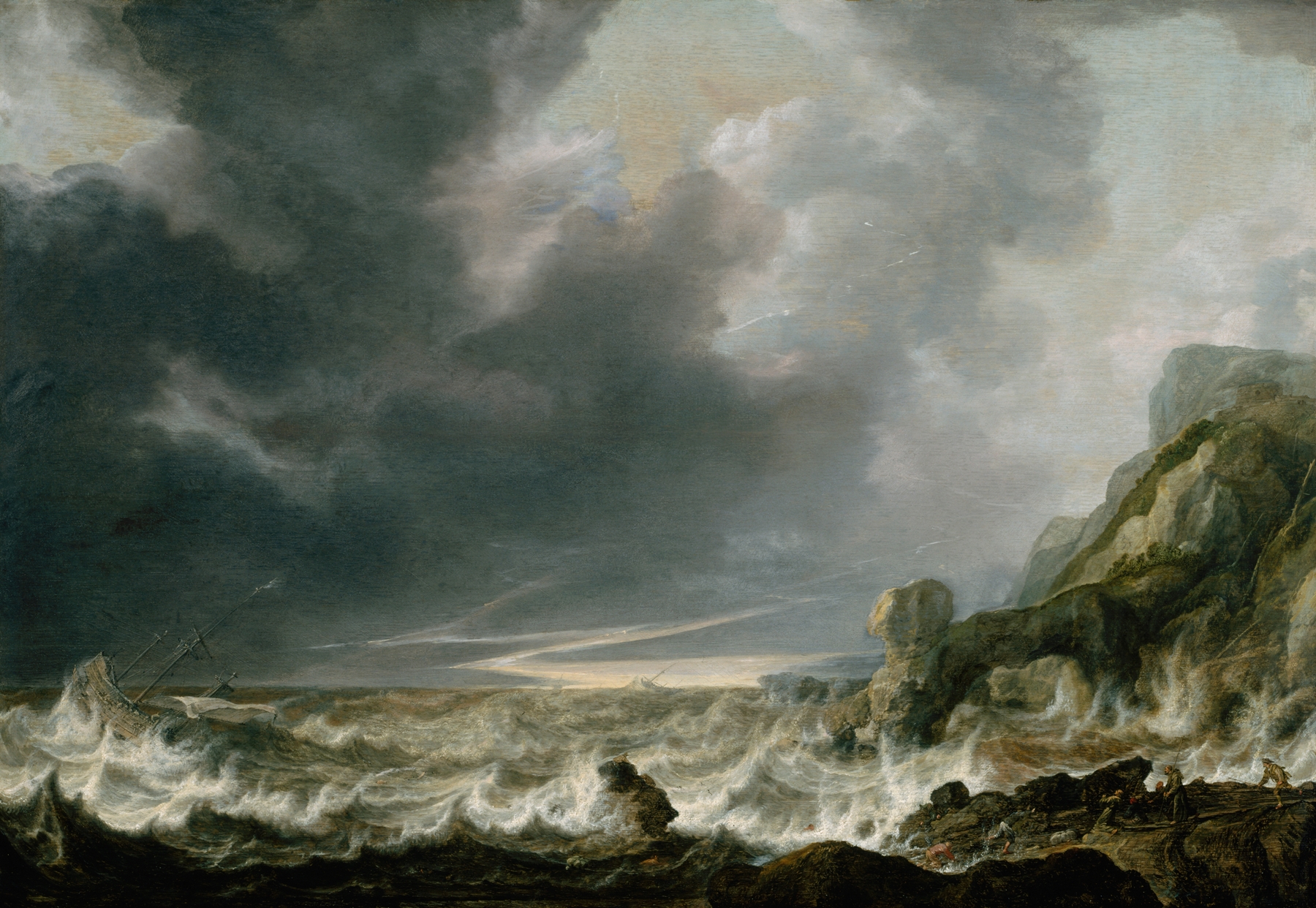
The scattered figures, small against the grand landscape, symbolize a quest for divine presence, while the luminous sky serves as a reminder of hope amidst the silence of the sea. Simon de Vlieger painted this work in 1646 during a time when Dutch art was flourishing, characterized by its focus on realism and the beauty of everyday life. Living in the Netherlands, a hub of trade and religious reform, he explored landscapes that melded earthly beauty with spiritual depth, reflecting the cultural currents of his era.