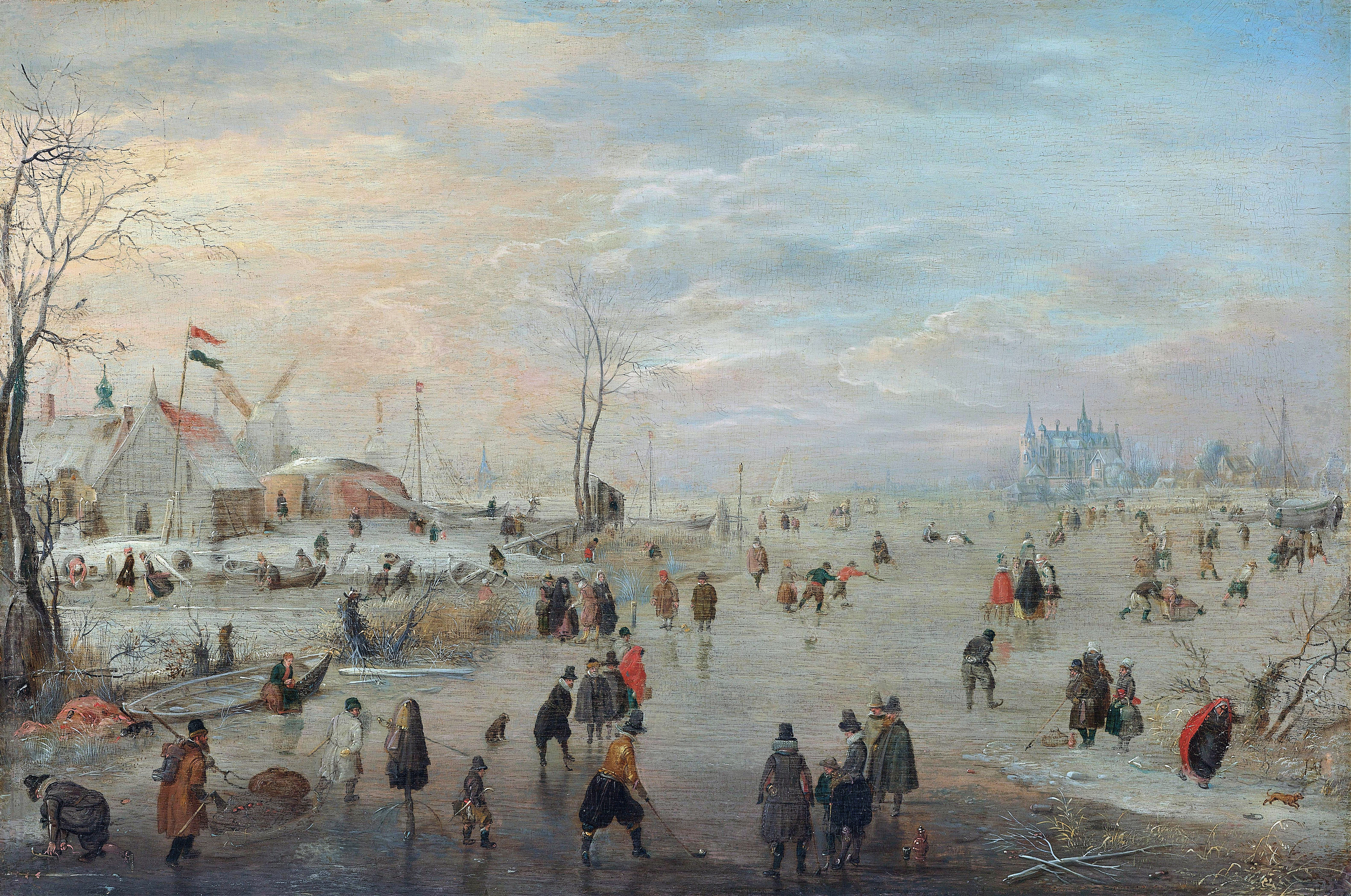
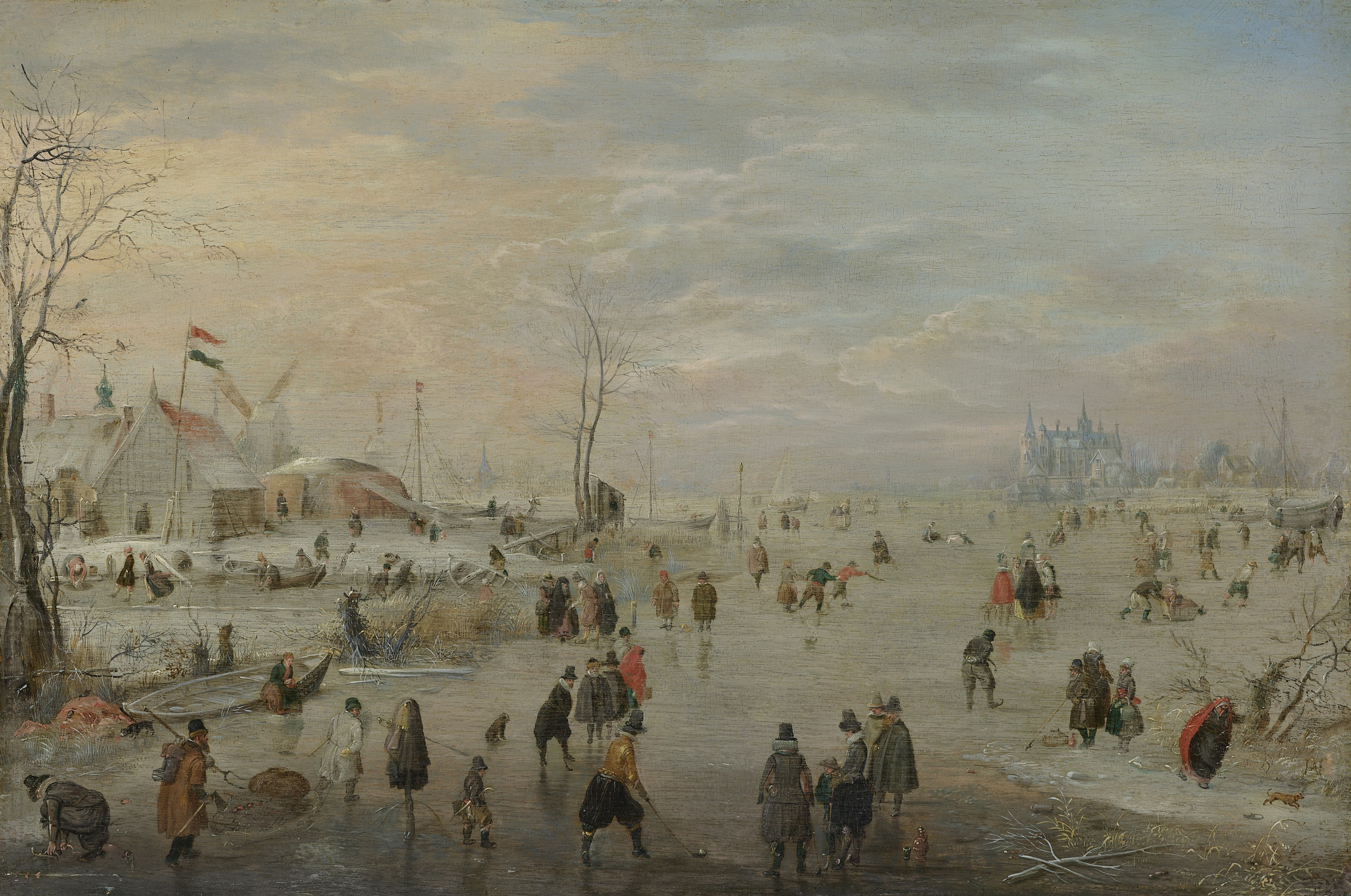
View of a Country House with Sowers in the Field — History & Analysis
Who listens when art speaks of silence? In View of a Country House with Sowers in the Field, the quietude is palpable, suspended between the vibrant act of sowing and the haunting absence of voice that often accompanies labor in solitude. Look closely at the center of the canvas where figures bend to their task, hands deftly scattering seeds across the earth. The muted tones of the soil contrast with the soft greens and blues of the surrounding fields and sky, drawing your gaze to the harmonious interplay of labor and landscape.
The distant country house stands sentinel, its modest architecture a reminder of the simplicity and difficulty of rural life, while the overall composition evokes a rhythmic flow, as if time itself is sowing the seeds of memory. Yet, beneath the surface, an undercurrent of grief lingers. The act of sowing symbolizes not just the promise of life but also the persistent ache of loss, echoing the quiet desperation of those who depend on the land.
The figures—though engaged in their labor—seem isolated, as if bound by an invisible weight, highlighting the contrast between vigor and melancholy that defines human existence. Created between 1610 and 1615, this piece emerged during a time of transformation in the art world as Northern Europe grappled with socio-political changes and economic shifts. Avercamp, a Dutch artist known for his landscapes and genre scenes, painted during a period marked by personal and collective reflection on life's transience, capturing moments that resonate with deeper emotional truths.