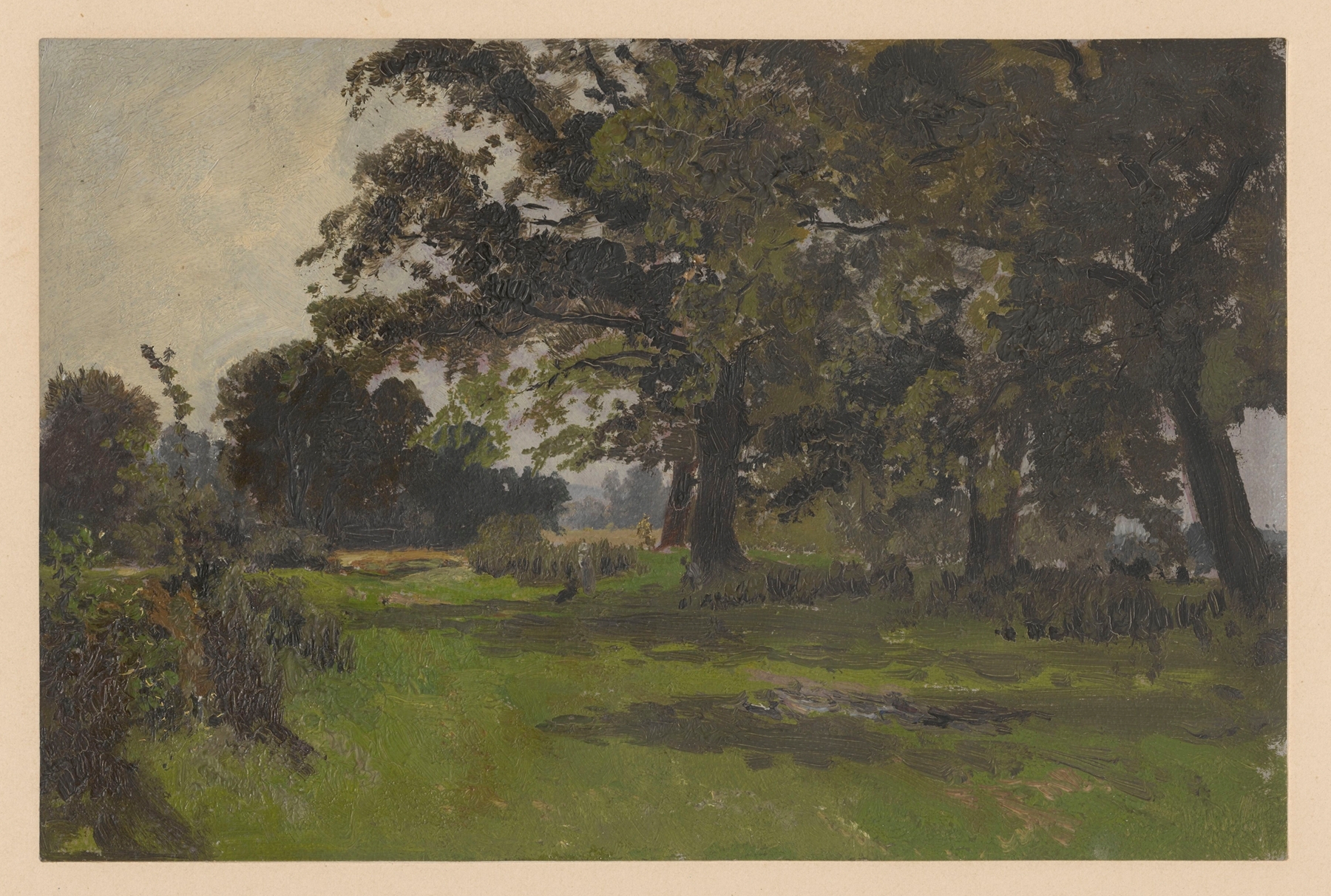
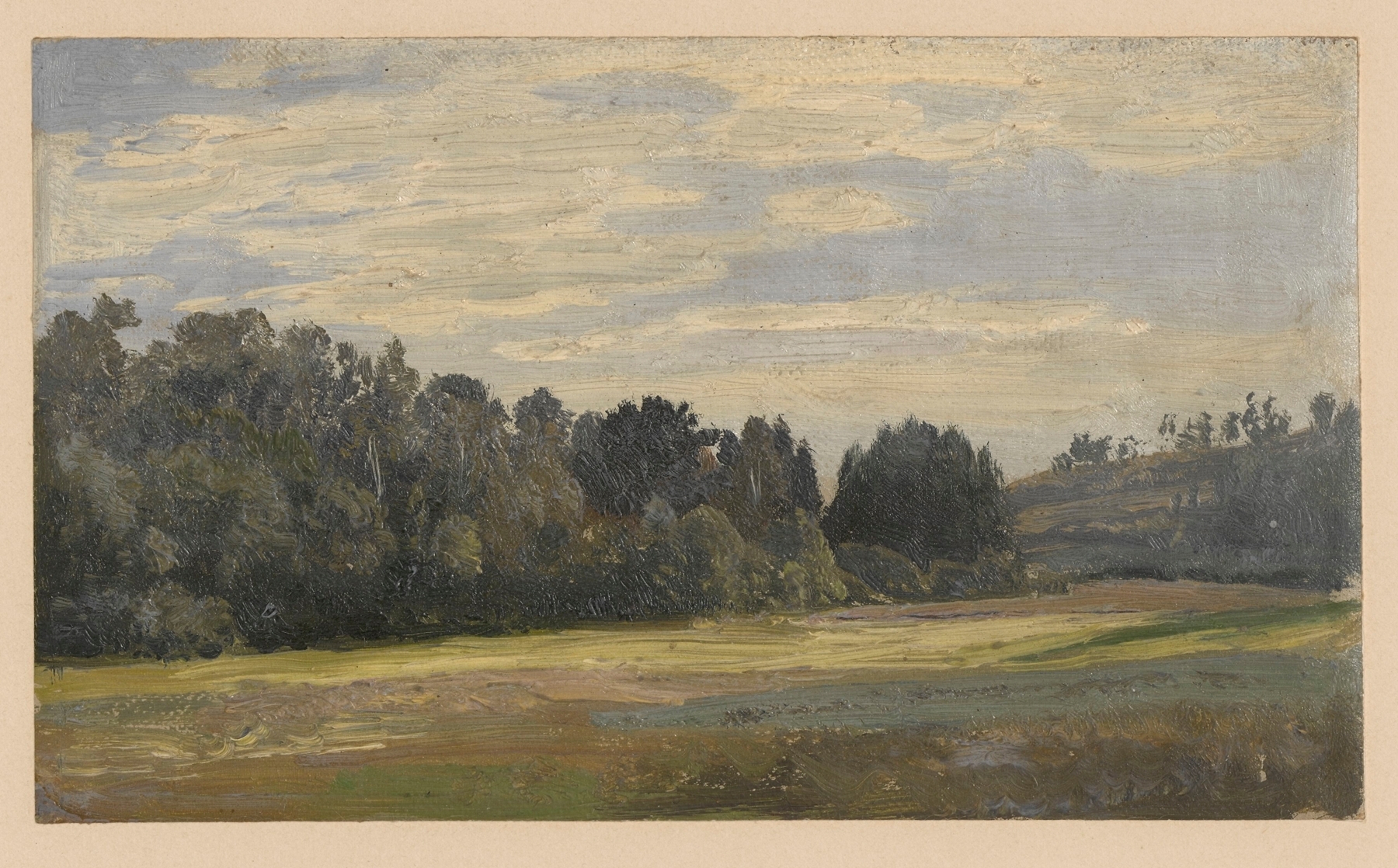
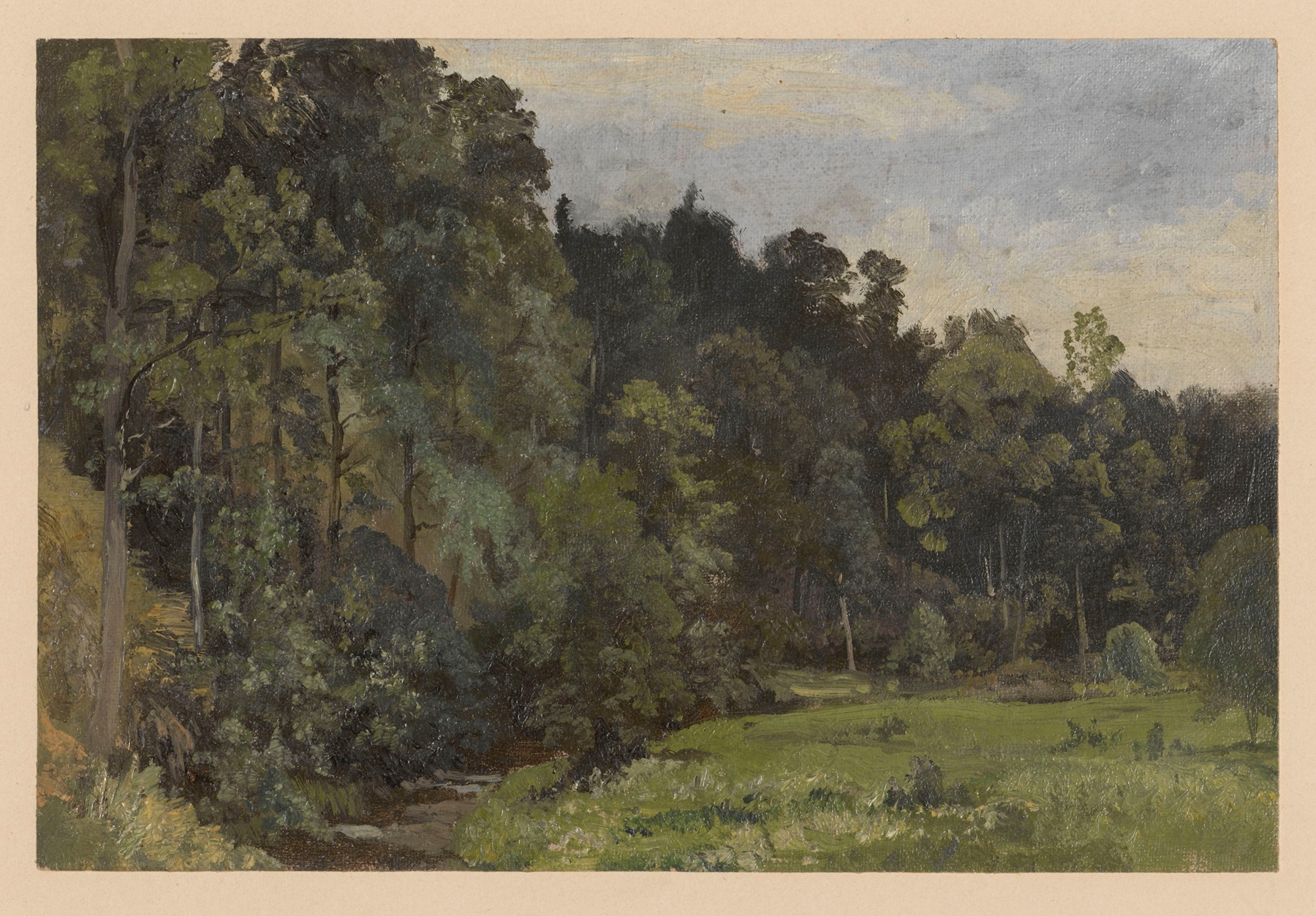
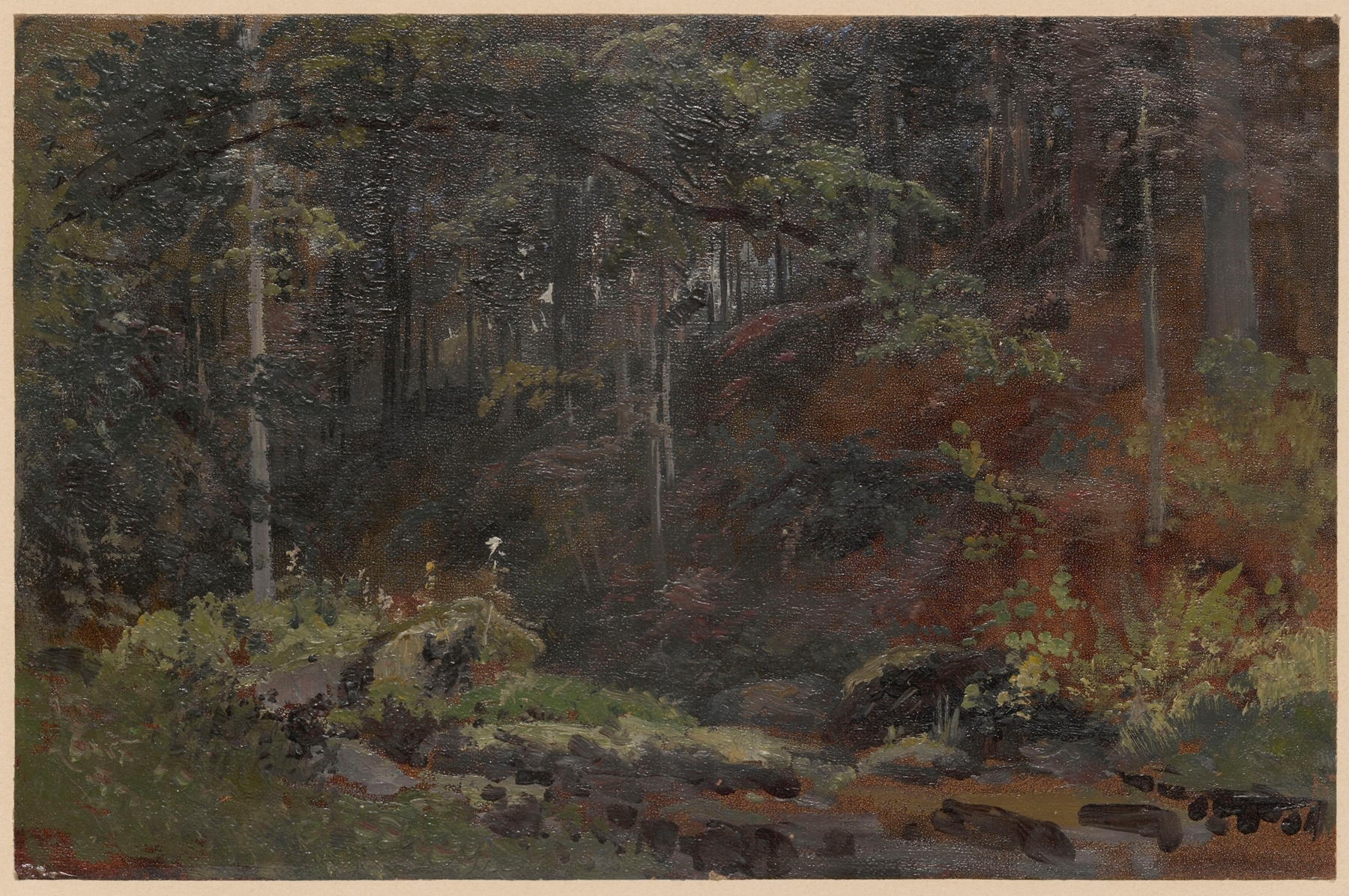
View of a meadow in the Oder valley — History & Analysis
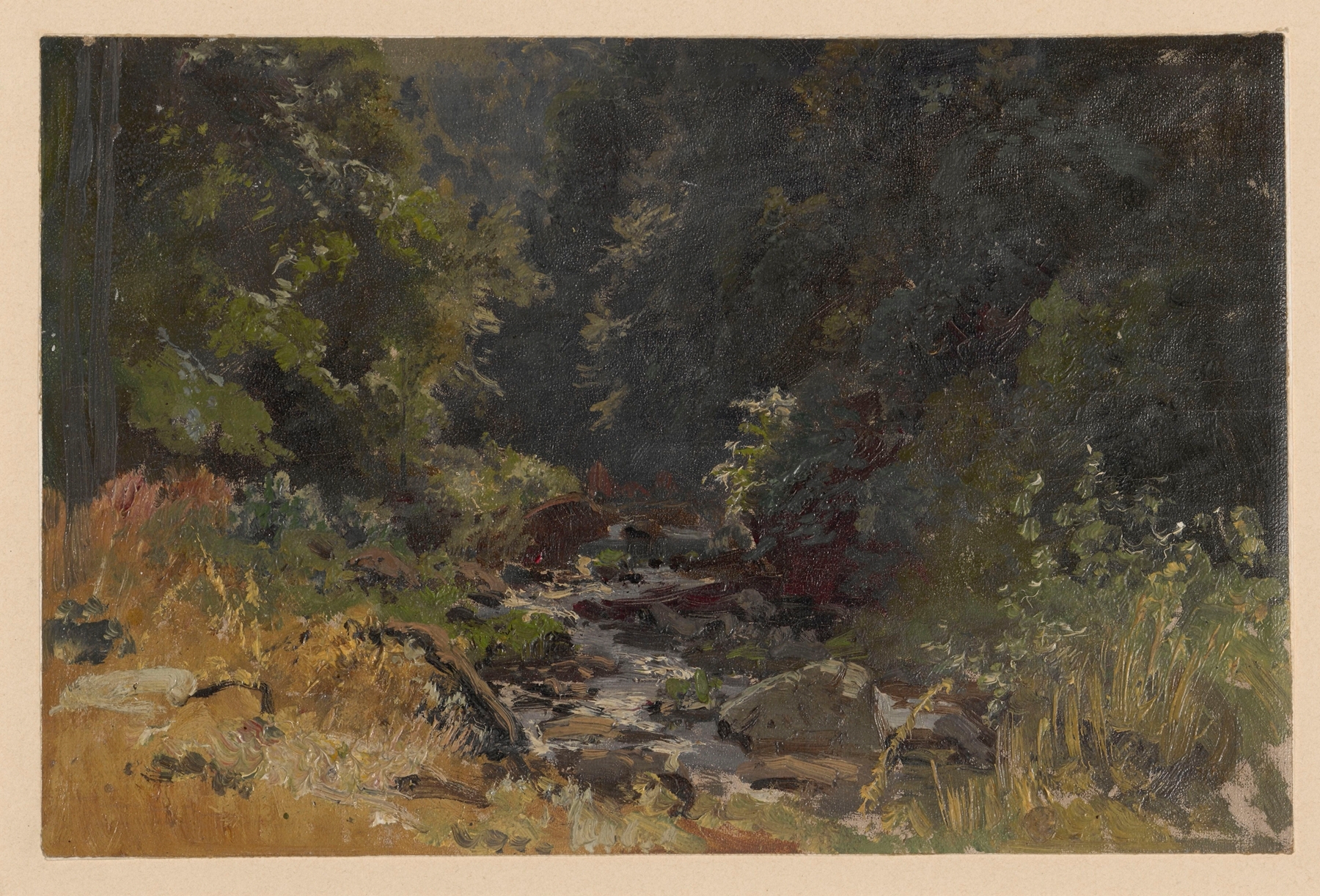
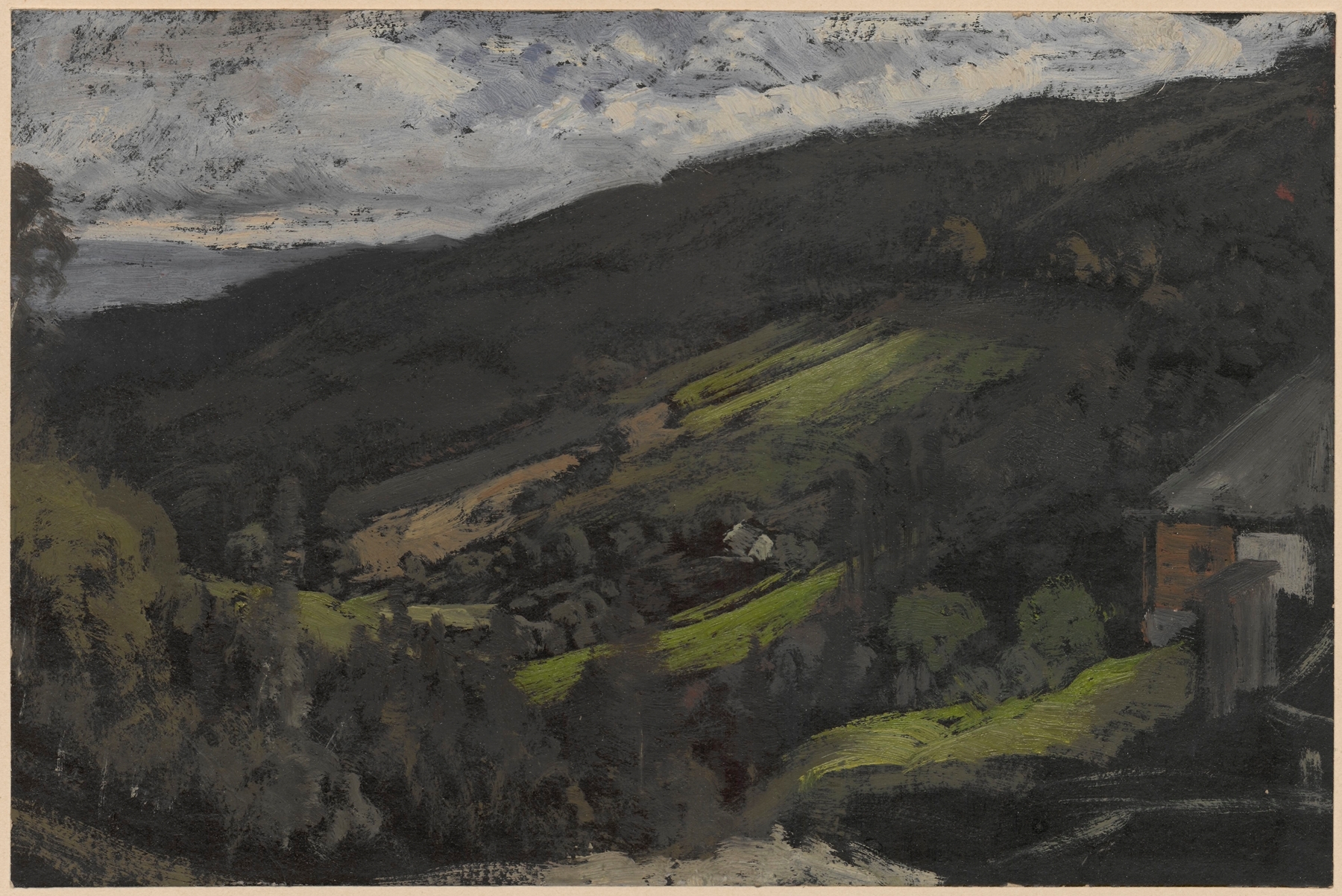
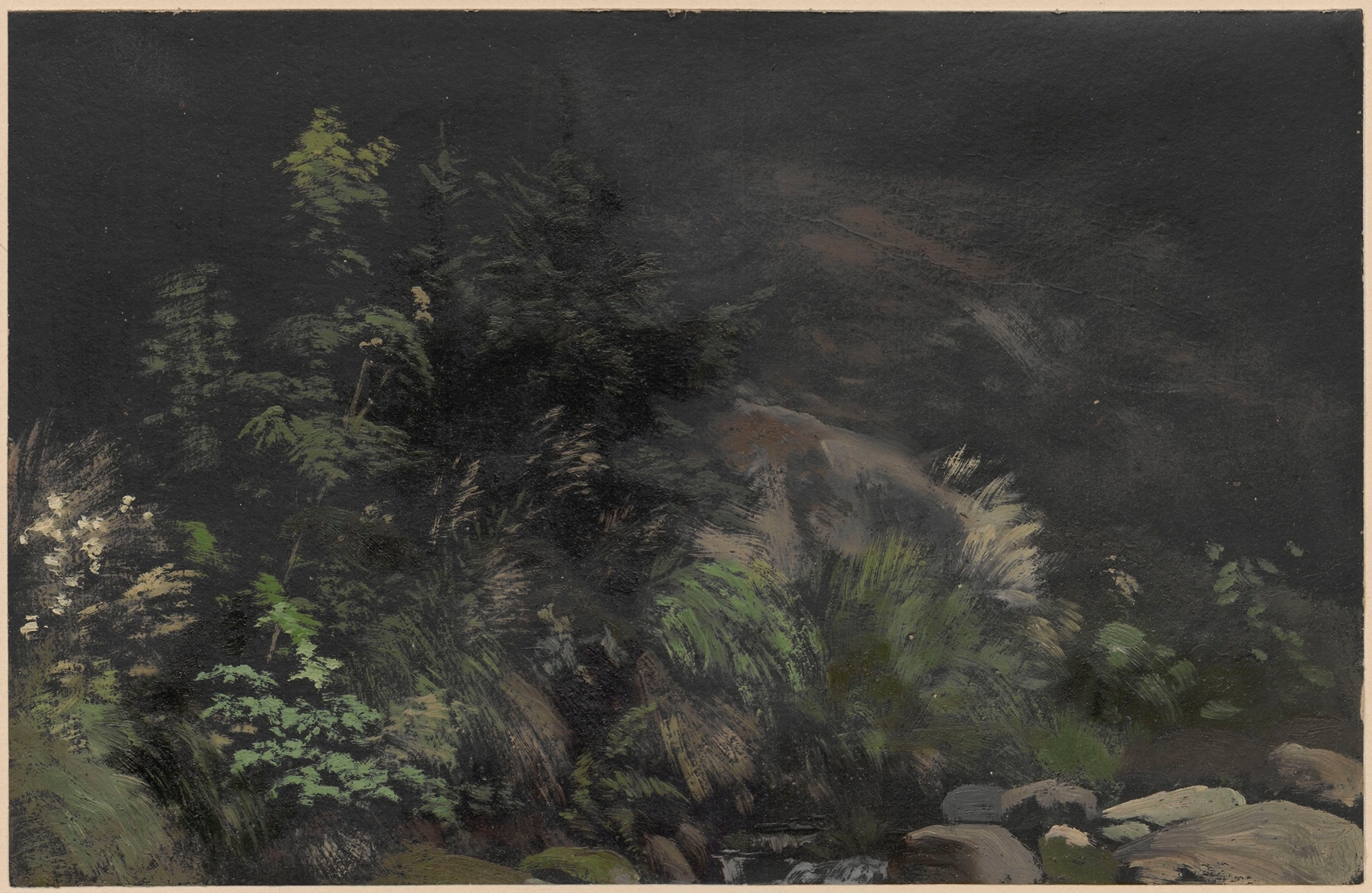
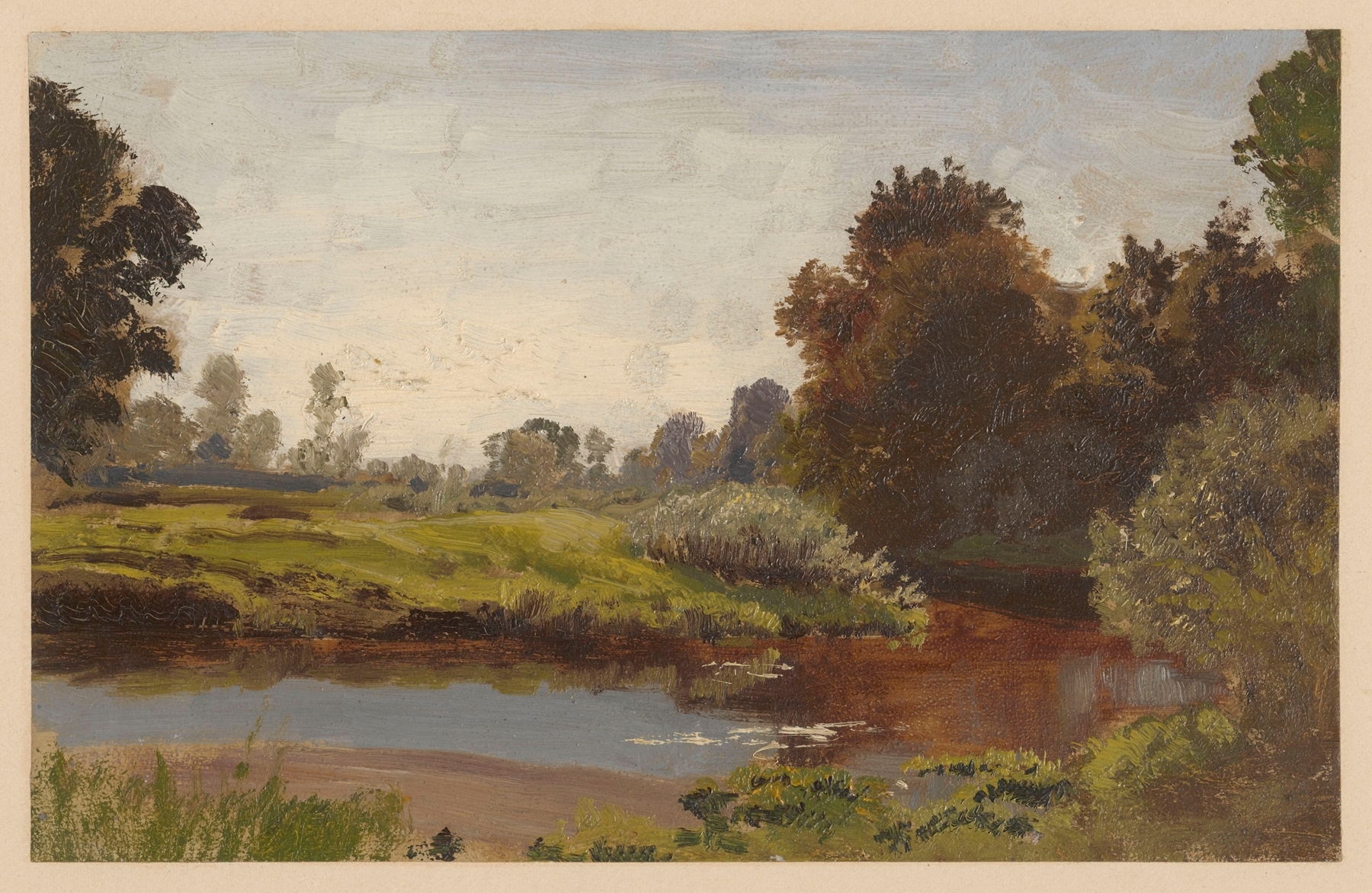
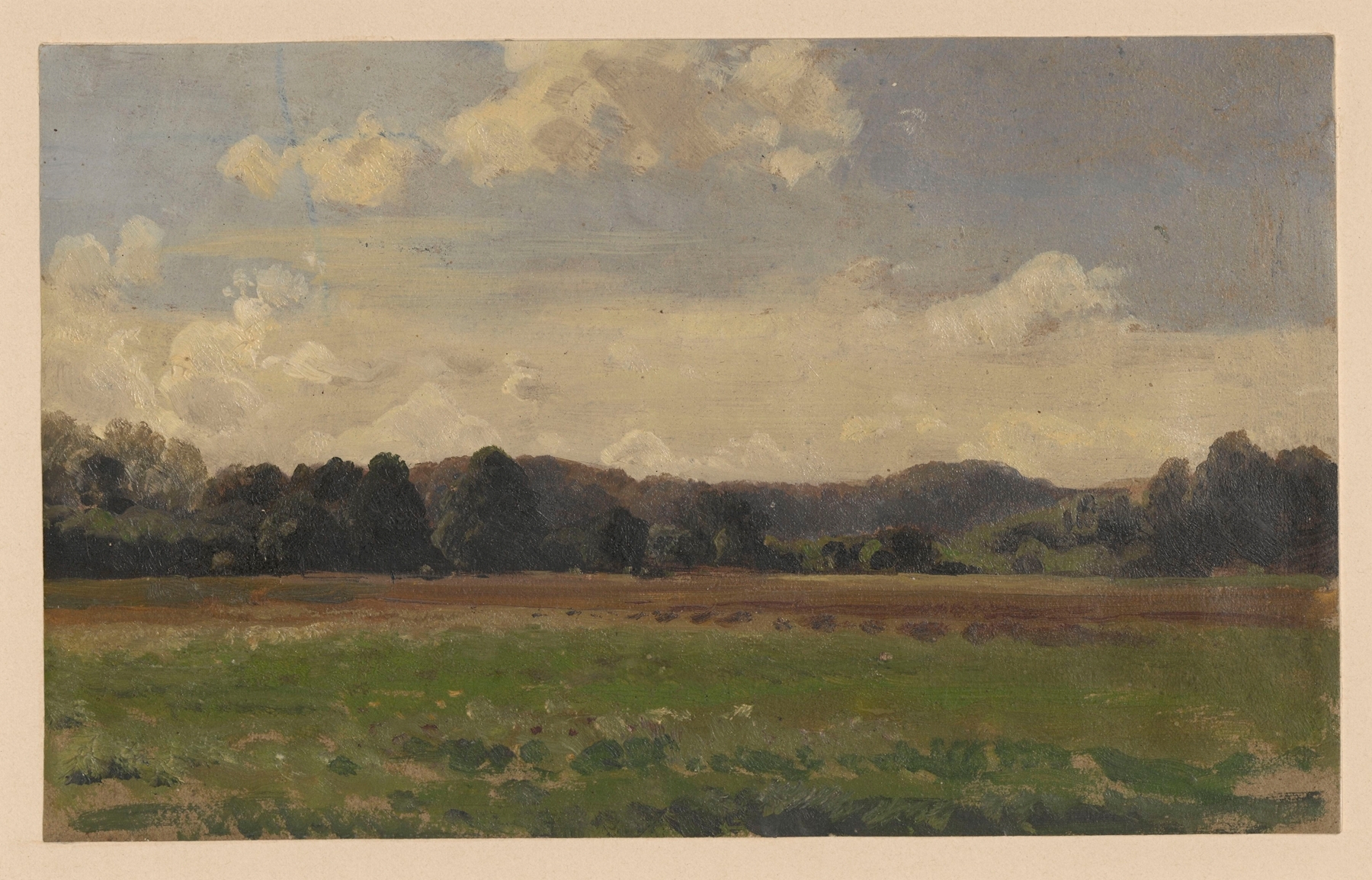
Is this a mirror — or a memory? The tranquil expanse of a meadow invites contemplation, reflecting the innocence of nature in its purest form, as though whispering secrets of time to the observer. Focus on the embrace of soft greens and golds where the grass dances with the gentle breeze. Notice how the sunlight bathes the landscape, casting a warm glow that highlights the delicate flowers scattered across the canvas. Each brushstroke flows effortlessly, creating a fluidity that draws the eye deeper into the scene.
The horizon, defined by a subtle gradient, invites a sense of expansive possibility, while the wispy clouds float lazily, offering a moment of pause in the vibrant symphony of colors. Hidden beneath the surface lies a duality — the peace of the meadow juxtaposed against the fleeting nature of time. The brightness of the flowers suggests joy, yet their transient existence hints at a bittersweet truth. This balance of innocence and ephemerality evokes a longing for simplicity, encouraging the viewer to reflect on their own encounters with nature and memory.
It is here that Dressler captures not just a scene, but an emotional resonance that lingers long after the gaze has shifted. Adolf Dressler created this piece during a period of blossoming Romanticism in the 19th century, between 1850 and 1881. As a German artist, he immersed himself in the cultural movement that celebrated nature, emotion, and the individual experience. His focus on pastoral landscapes like this one mirrored a broader societal yearning for tranquility and connection to the natural world amidst the rapid industrial changes of his time.