View of an English House — History & Analysis
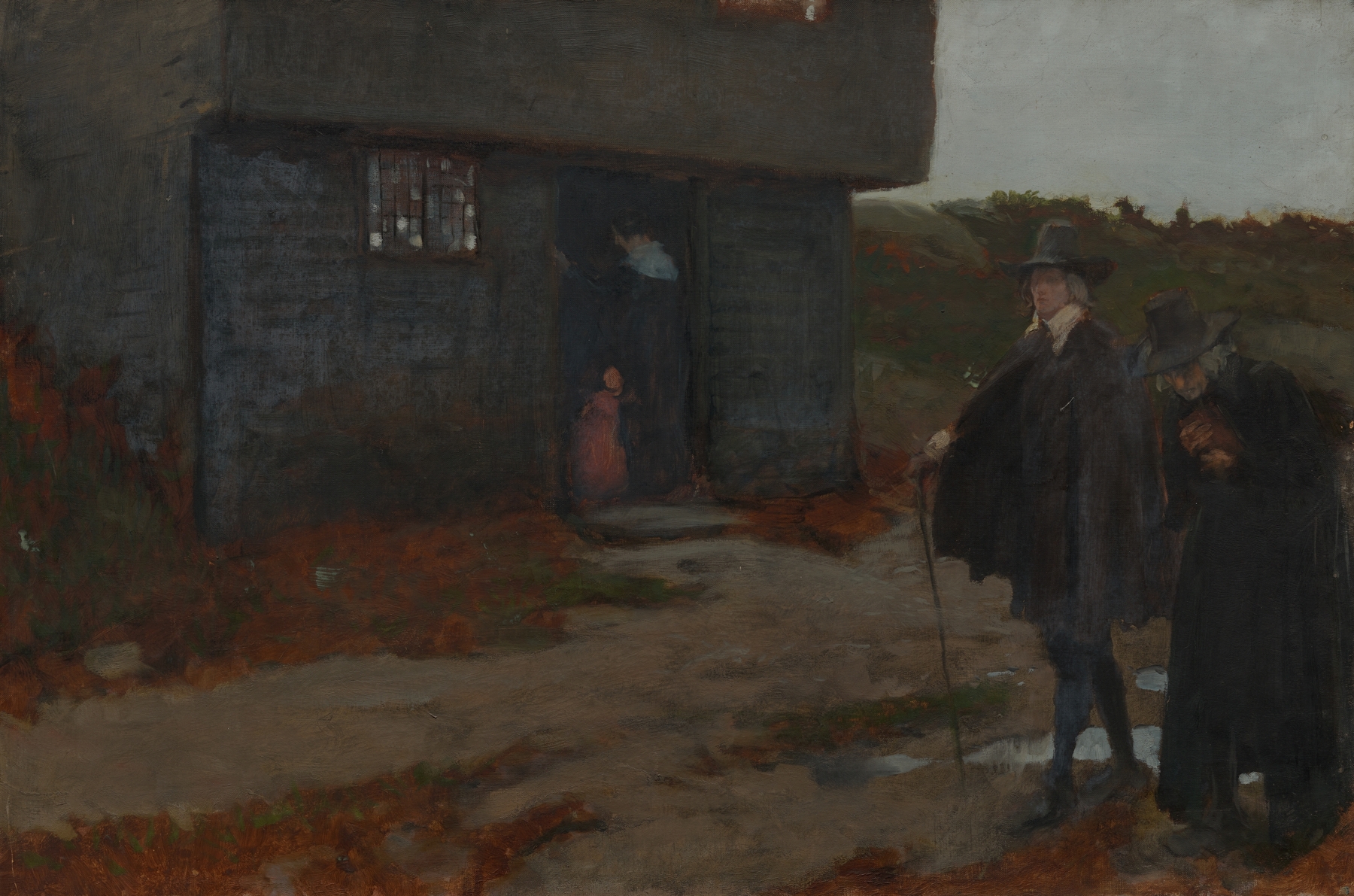
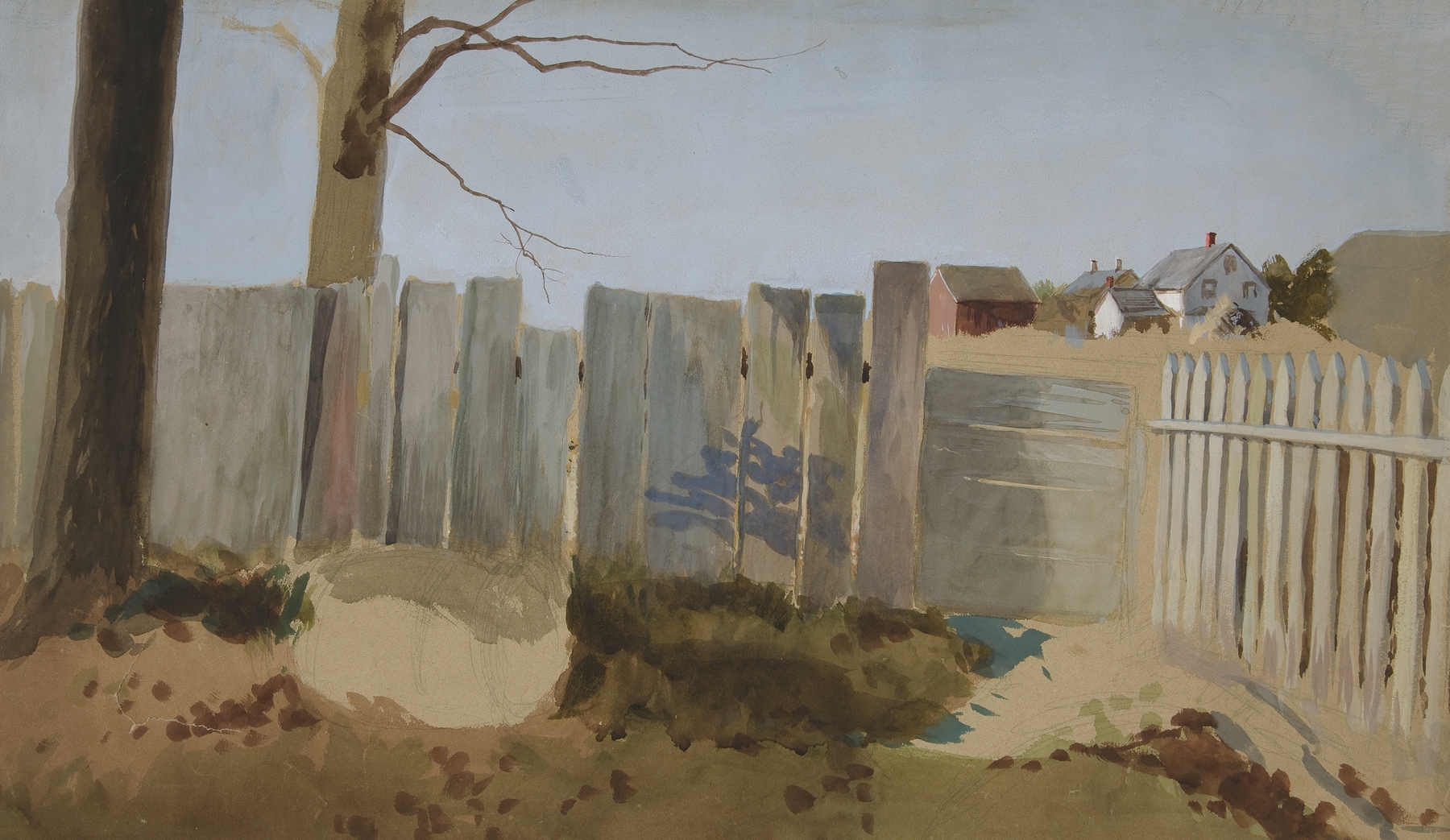
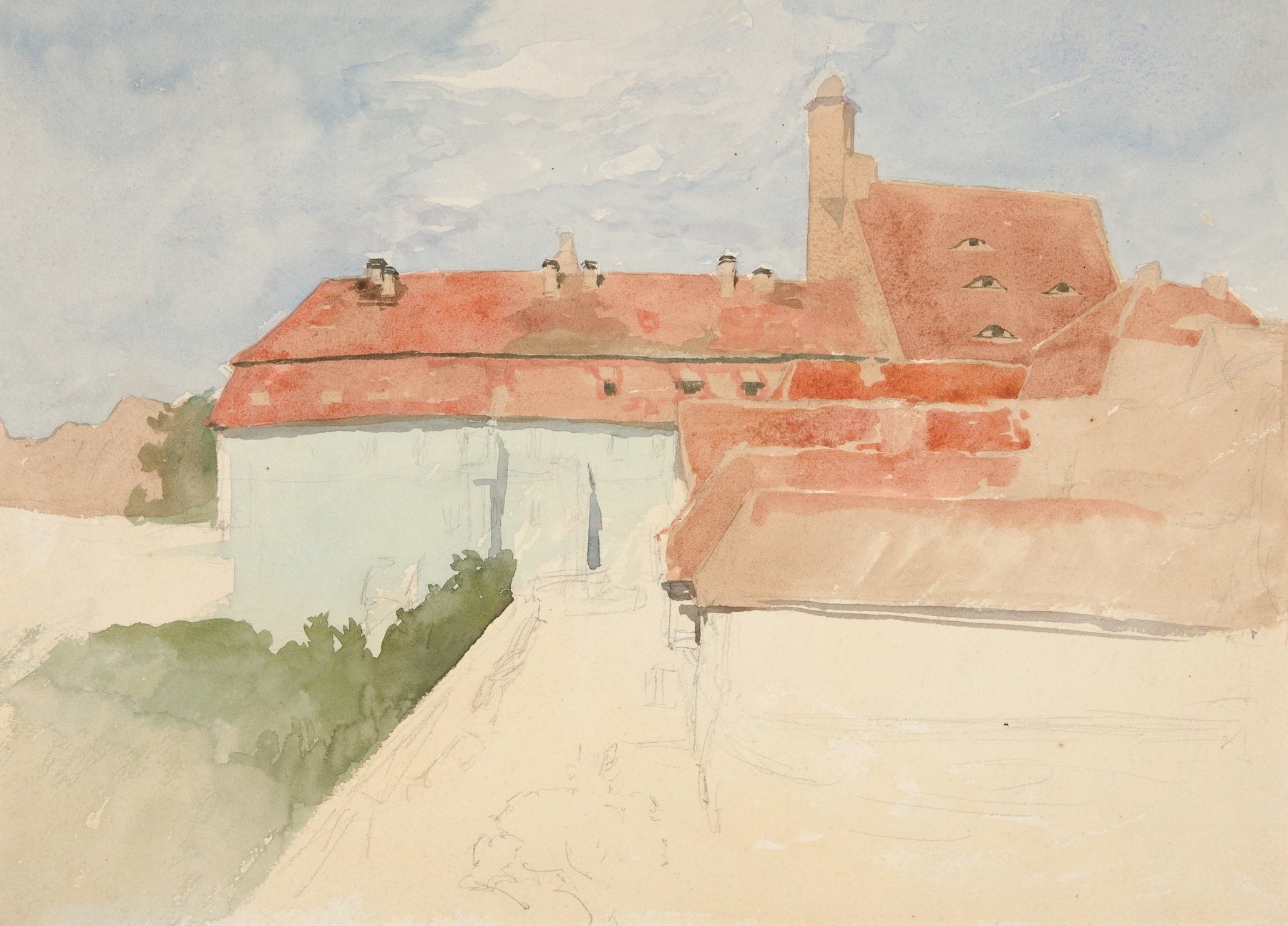
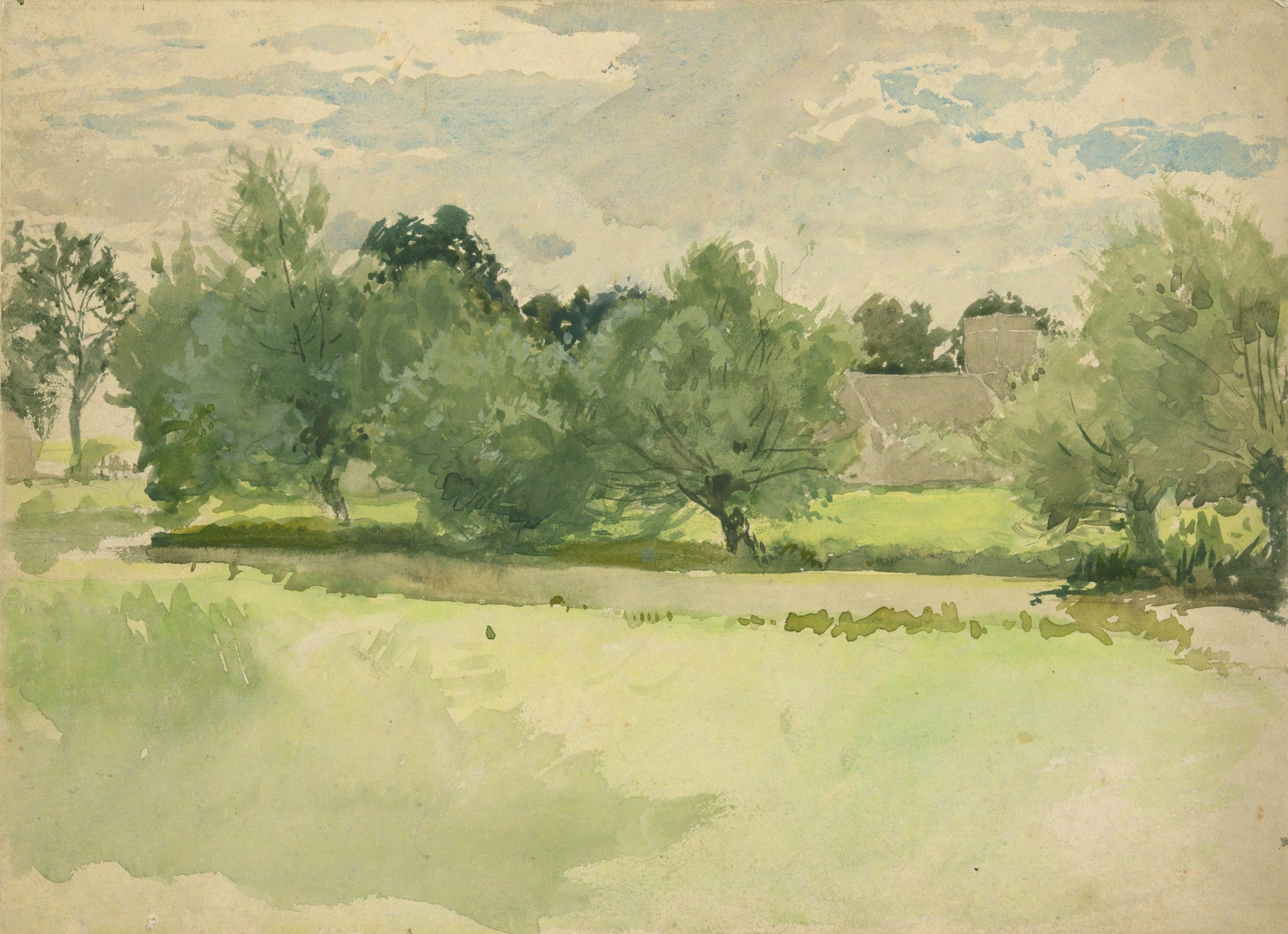
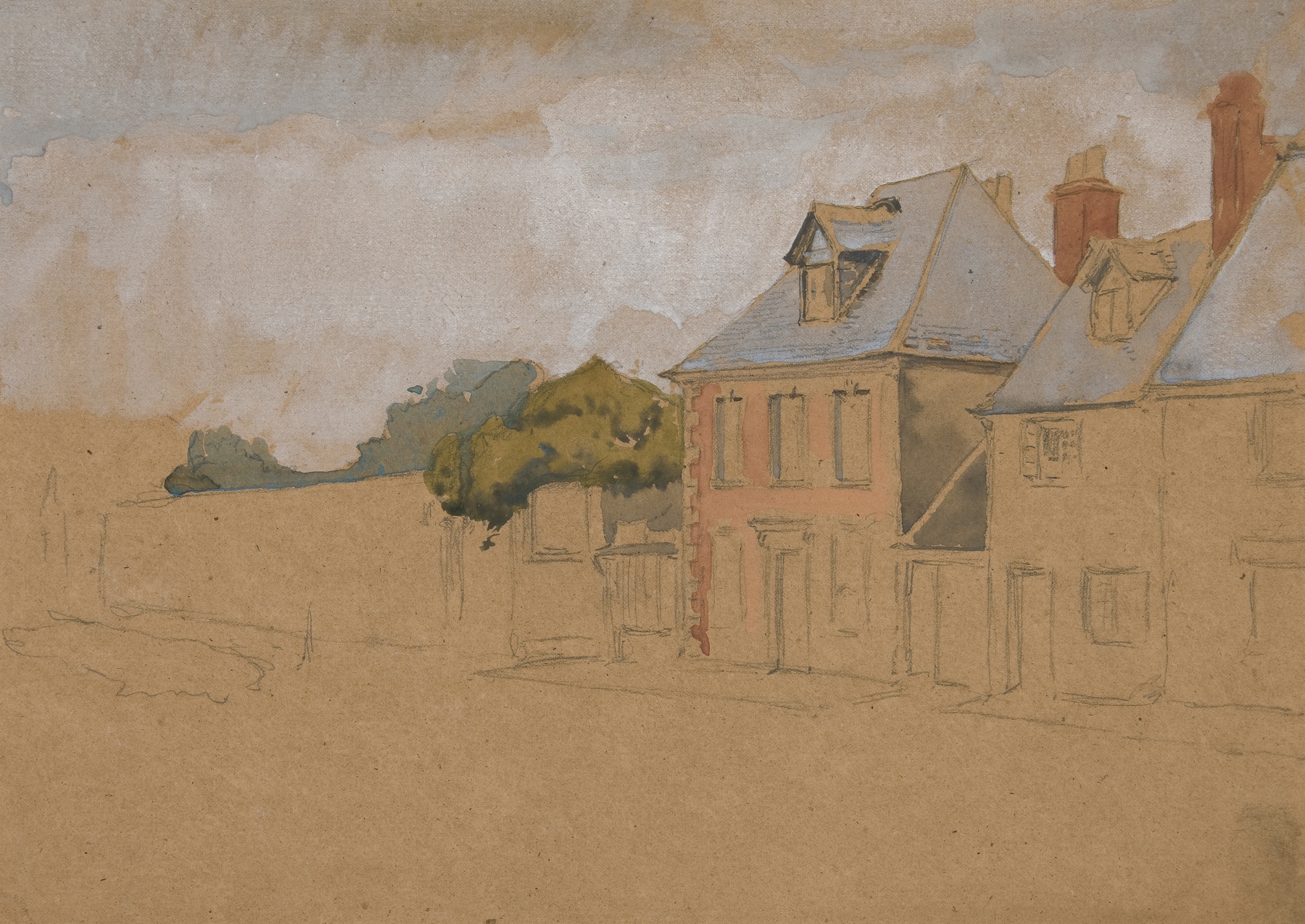
Can paint confess what words never could? In the delicate brushstrokes of a quiet landscape, dreams linger like the morning mist, inviting the viewer to step into a world of reverie. Look to the left at the serene English house, standing gracefully amidst gently swaying trees and lush greenery. Notice how the light filters through the foliage, casting dappled shadows that dance across the soft earth. The warm, muted palette evokes a sense of nostalgia, each hue whispering secrets of a pastoral life untouched by the chaos of modernity.
Abbey's precise technique draws your eye to the intricacies of the house's architecture, inviting admiration for its ornate details and the harmony it shares with its surroundings. Hidden within the composition lies a poignant tension between the constructed and the natural. The house, a symbol of human endeavor, contrasts with the untamed beauty of nature, suggesting both a refuge and an intrusion. The gentle brushstrokes evoke a sense of calm, yet the stillness hints at the stories that may have unfolded within those walls, stories of joy, sorrow, and the passage of time.
Each element, from the sky to the blossom-laden trees, encapsulates the transient beauty of a moment that feels simultaneously alive and dreamlike. During the late 19th century, Abbey found himself deeply immersed in the artistic currents of the Pre-Raphaelite Brotherhood and the Arts and Crafts Movement. Painting this piece in England, he was influenced by a desire to capture the essence of his surroundings, merging realism with a sense of fantasy. As he focused on the idyllic scenes of English life, he sought to convey the profound connection between humanity and nature, a theme that echoes throughout his body of work.