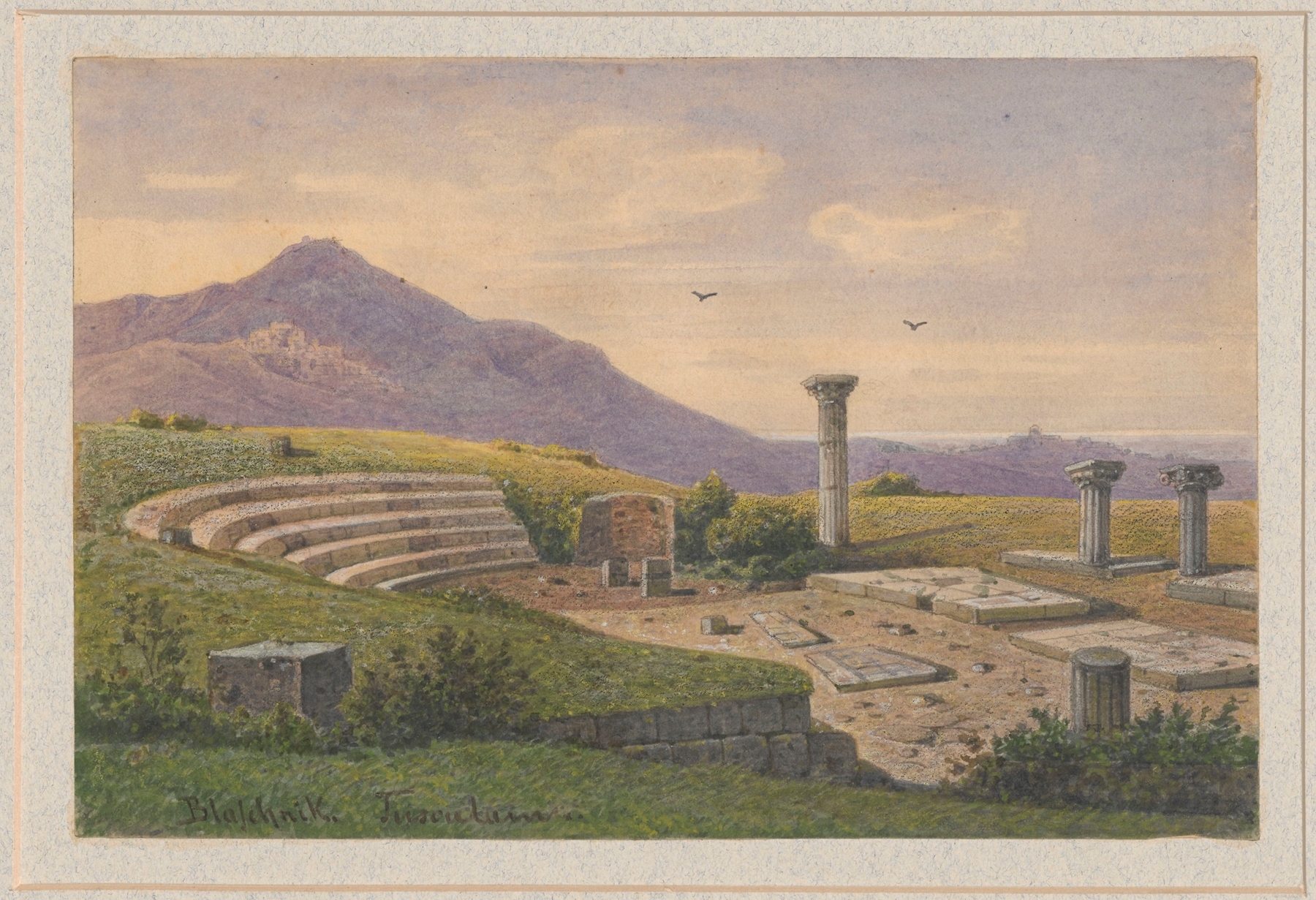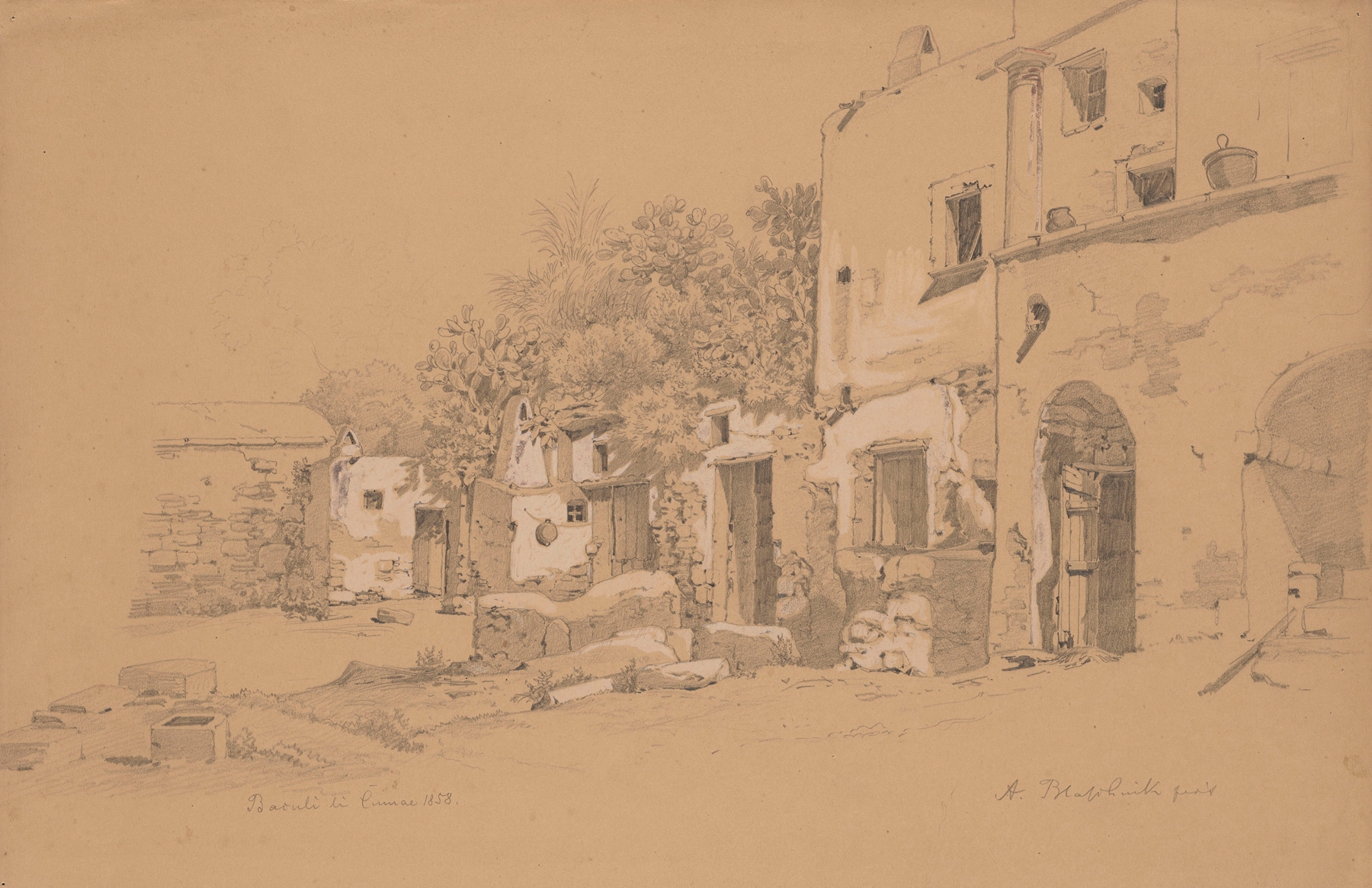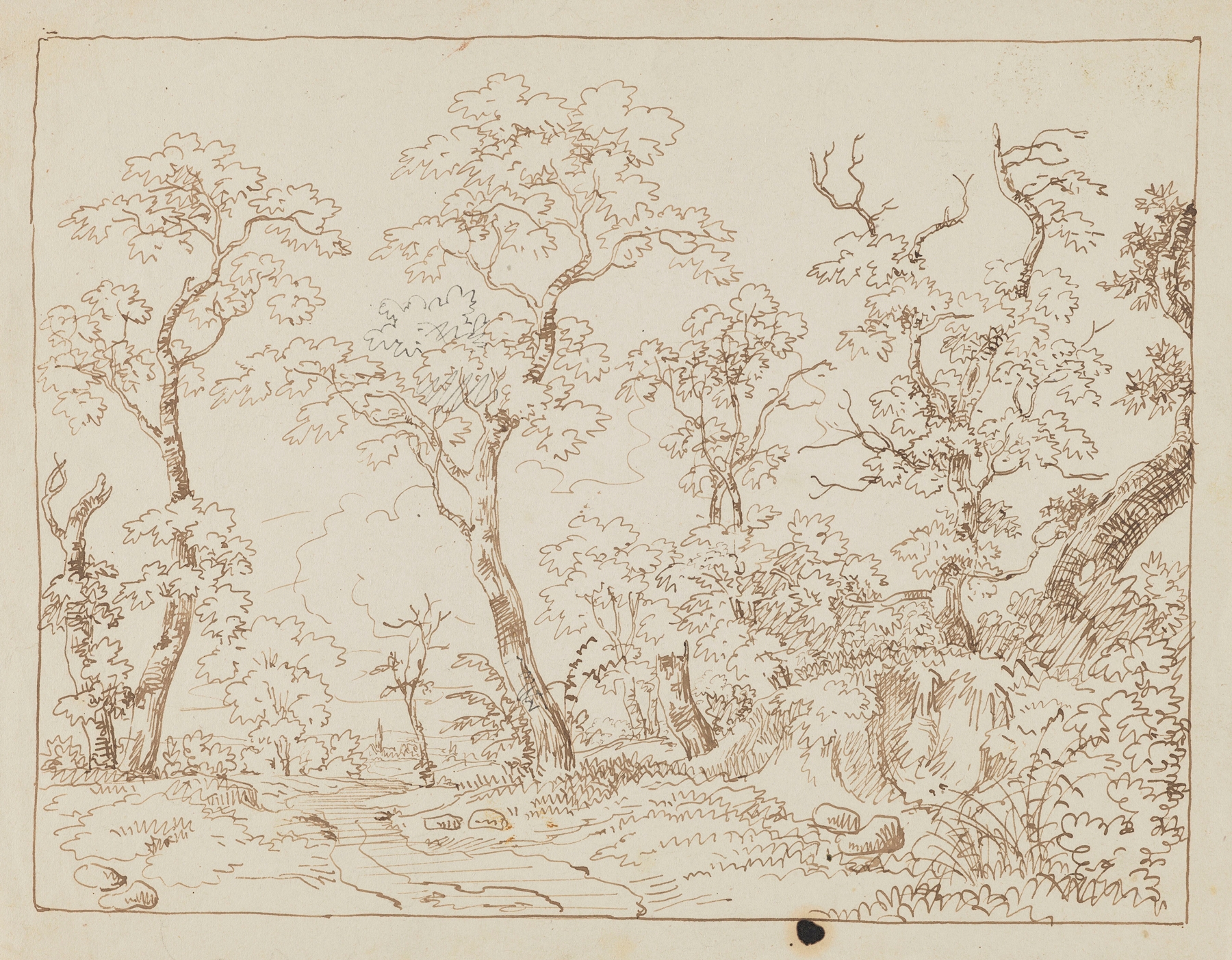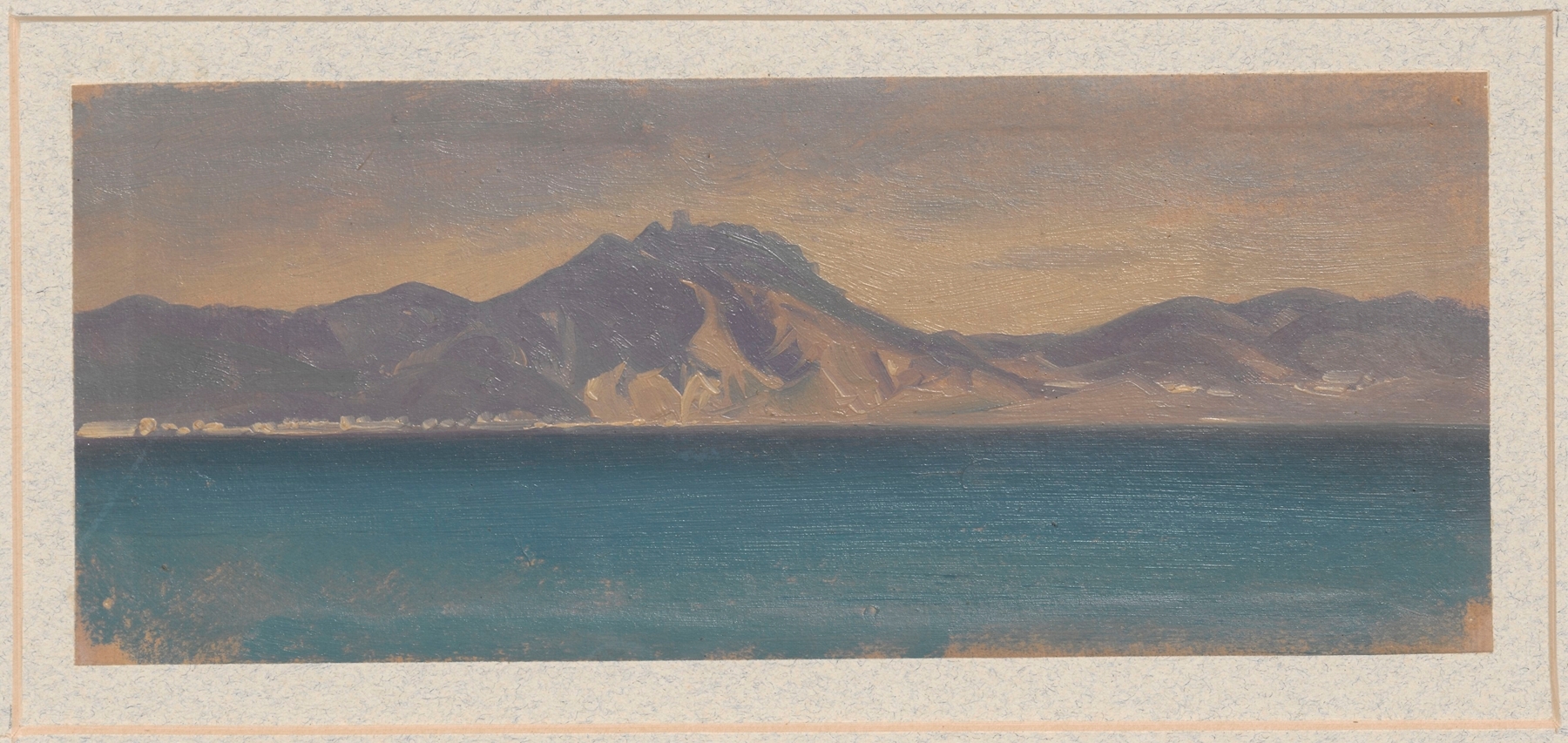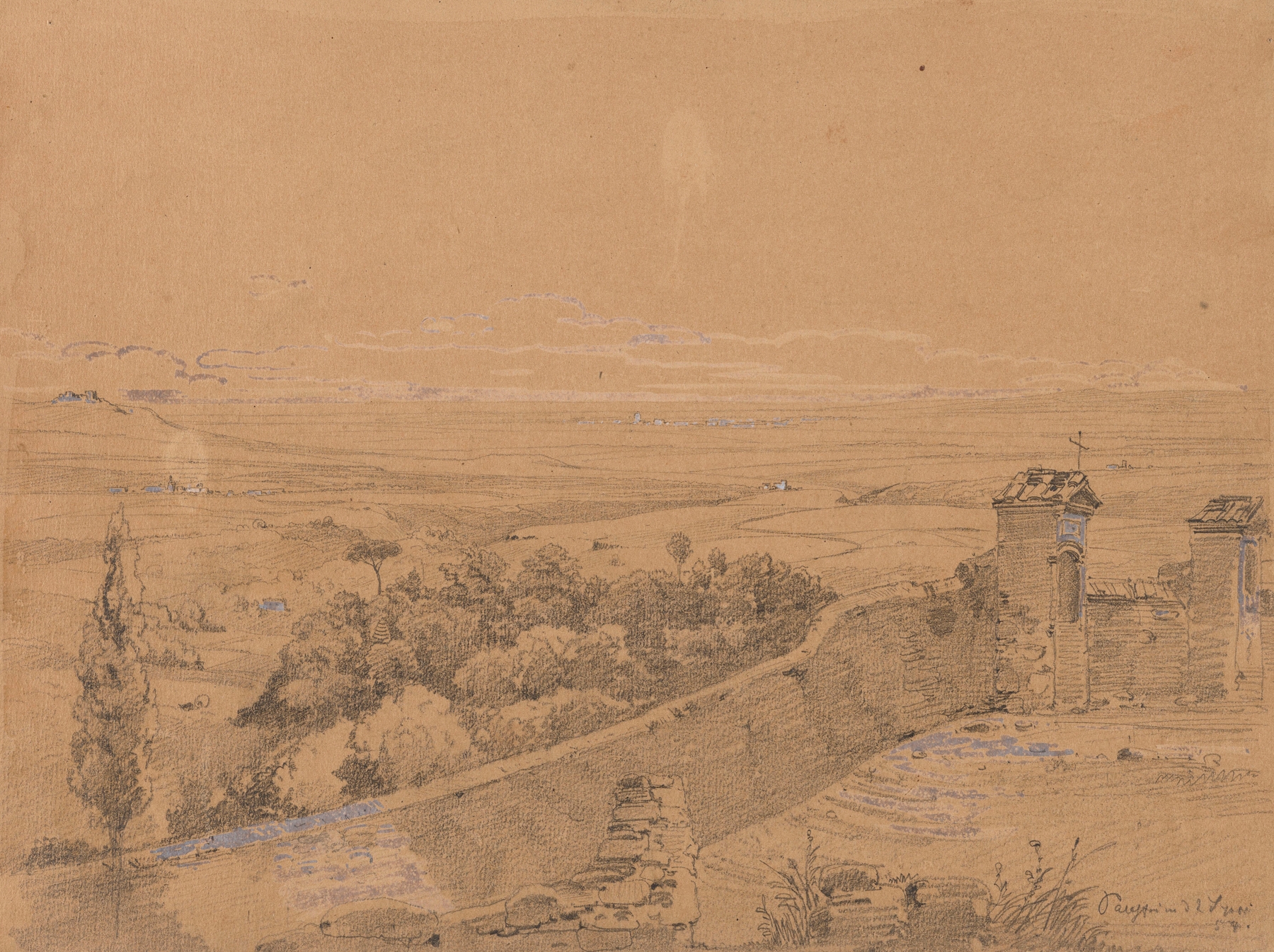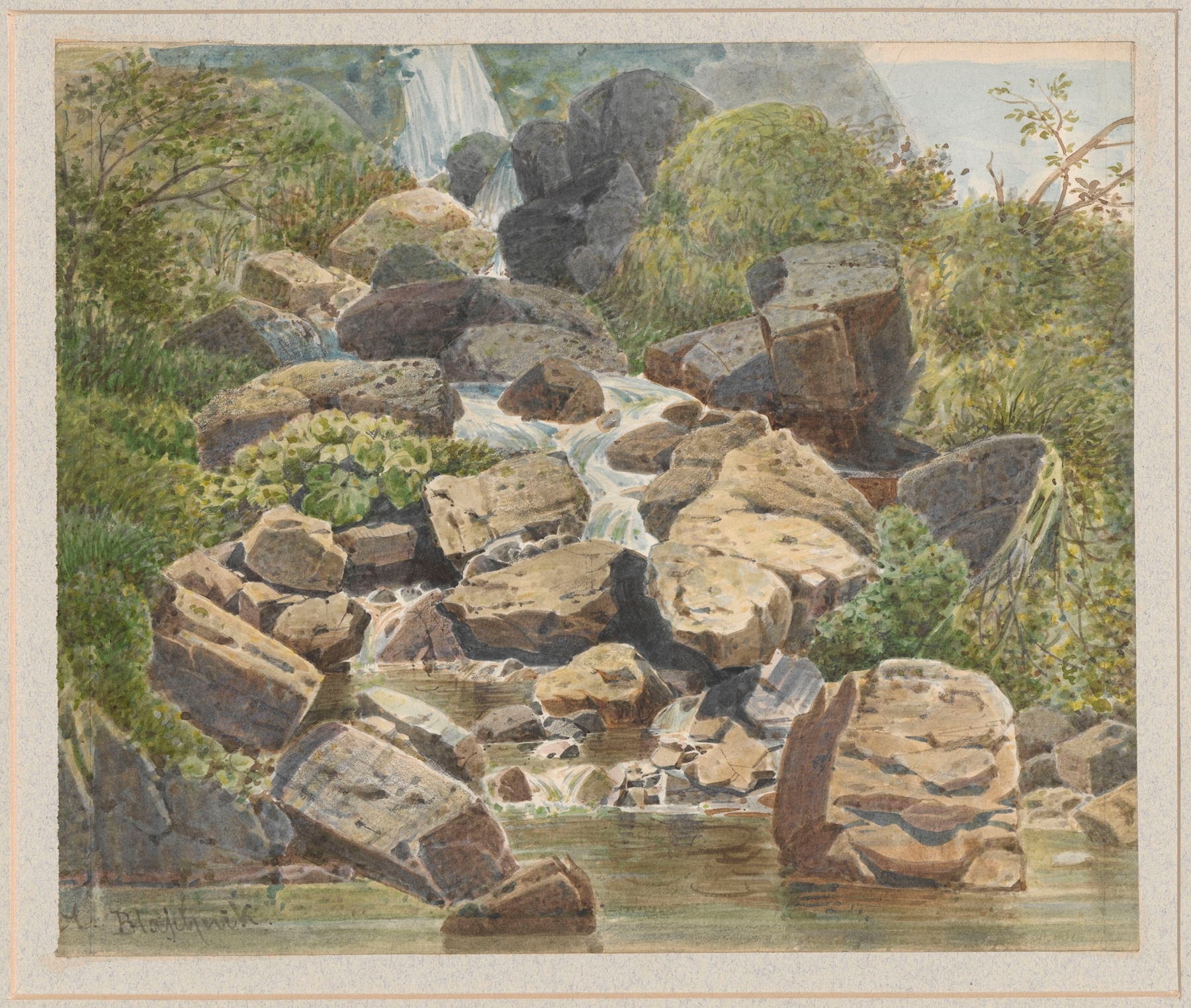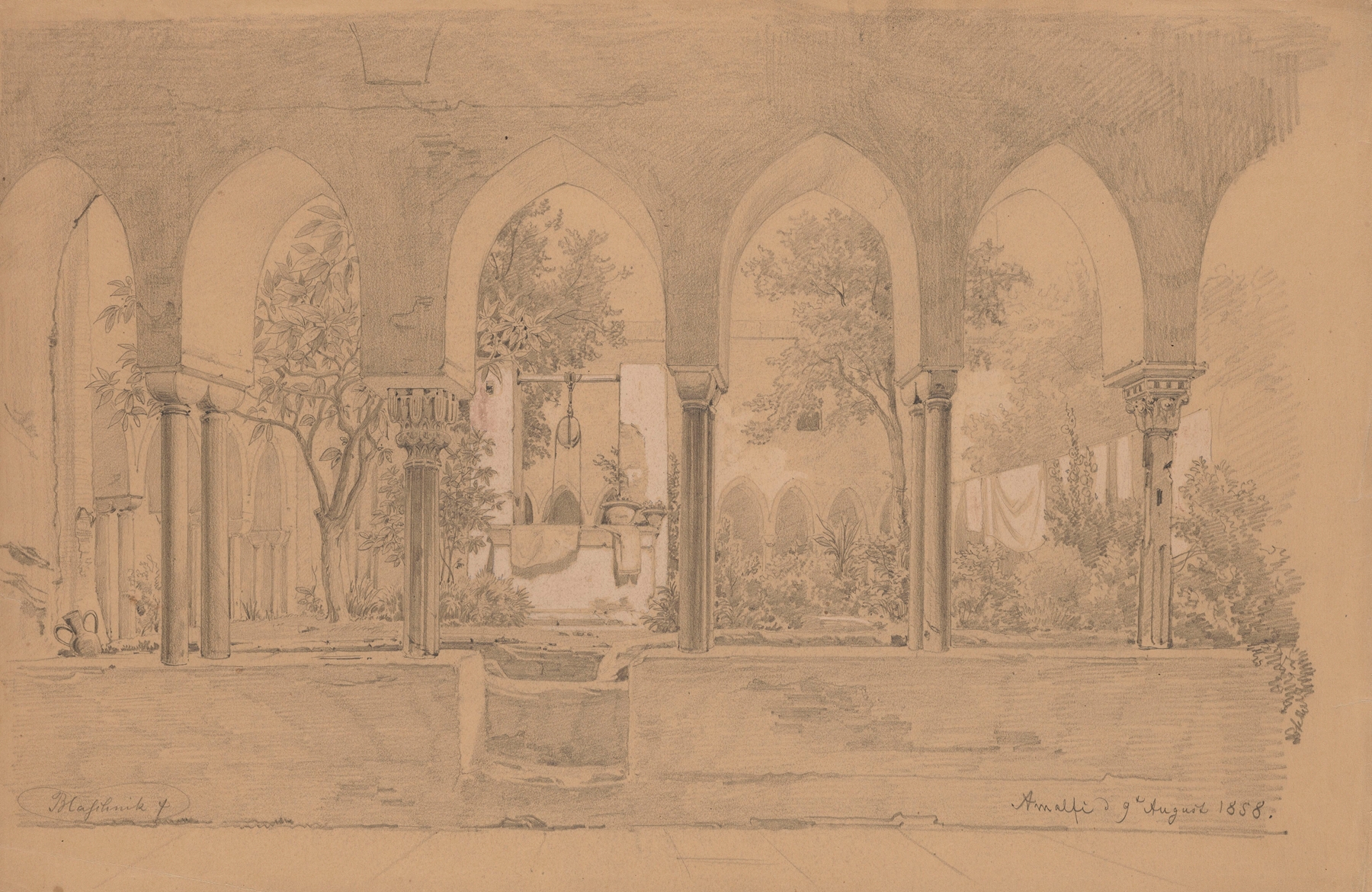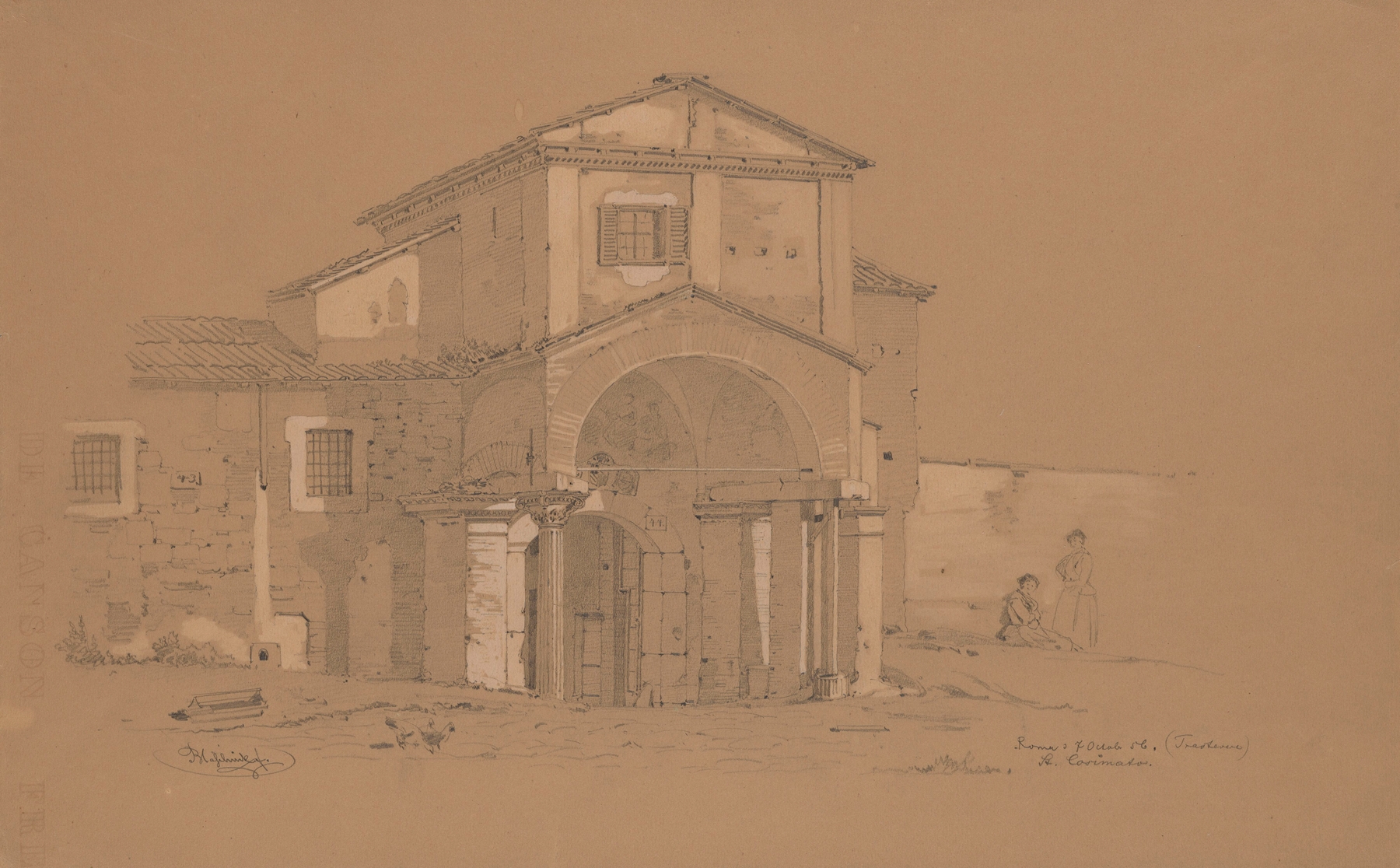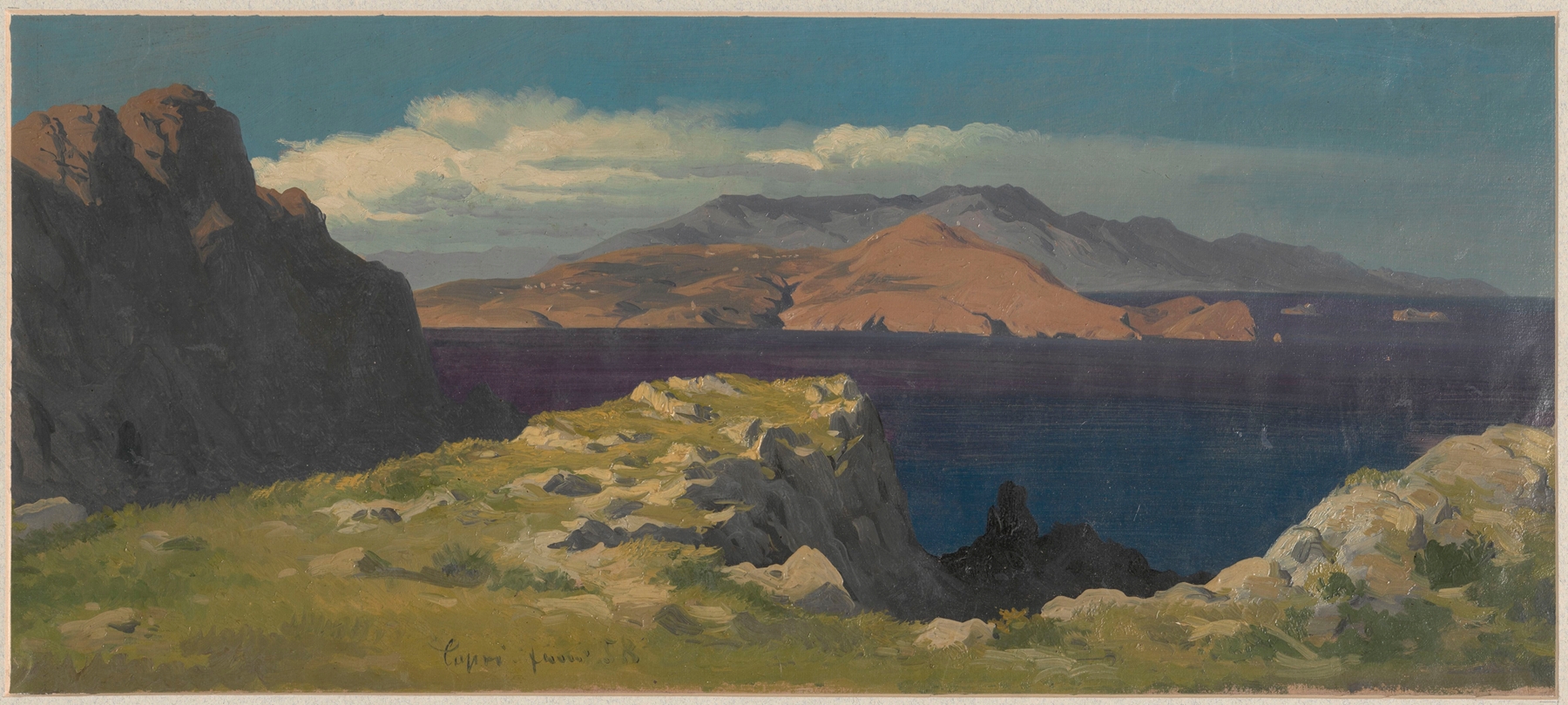
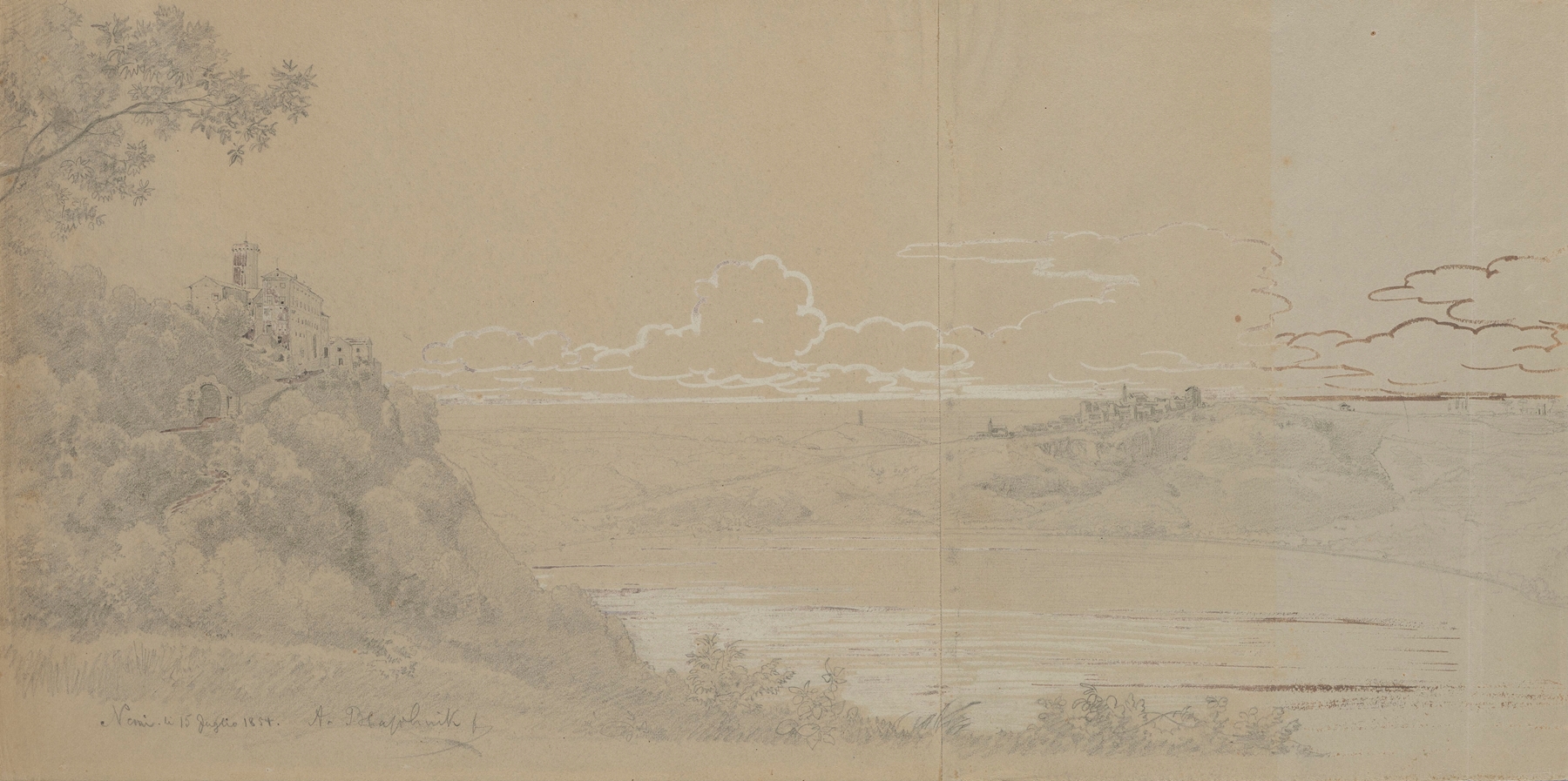
Is this a mirror — or a memory? The radiant vistas of Capri stretch before us, an enchanting façade that invites contemplation yet conceals an underlying tension, much like a relationship marred by betrayal. Look to the foreground, where the cerulean waters shimmer under the embrace of sunlight, inviting your gaze to wander over the rocky cliffs. Notice how Blaschnik employs delicate brush strokes to convey both vitality and tranquility in the landscape, evoking a sense of nostalgia. The vibrant greens of the vegetation contrast starkly with the soft, muted blues of the sea, suggesting a deeper emotional interplay between the natural world and human experience. As you delve deeper, consider the interplay of light and shadow; they dance across the canvas, revealing a duality that mirrors the intricacies of betrayal. Each shadow cast by the cliffs hints at the hidden truths obscured by beauty, while the bright sky above symbolizes hope or perhaps the fragility of trust. The painting becomes a reflection of the viewer’s own emotional landscape, challenging us to confront the moments when our perceptions of paradise have been marred by unseen fractures. In 1858, Arthur Blaschnik captured *View of Capri* during a period when artists were increasingly drawn to the picturesque charm of the Italian coast. Influenced by the Romantic ideals of beauty and nature, he sought to express not only the allure of this famed location but also a deeper emotional resonance, likely shaped by his own experiences and the turbulent currents of the art world, which was beginning to embrace more varied expressions of human sentiment.