View Of Constantinople And The Bosphorus — History & Analysis
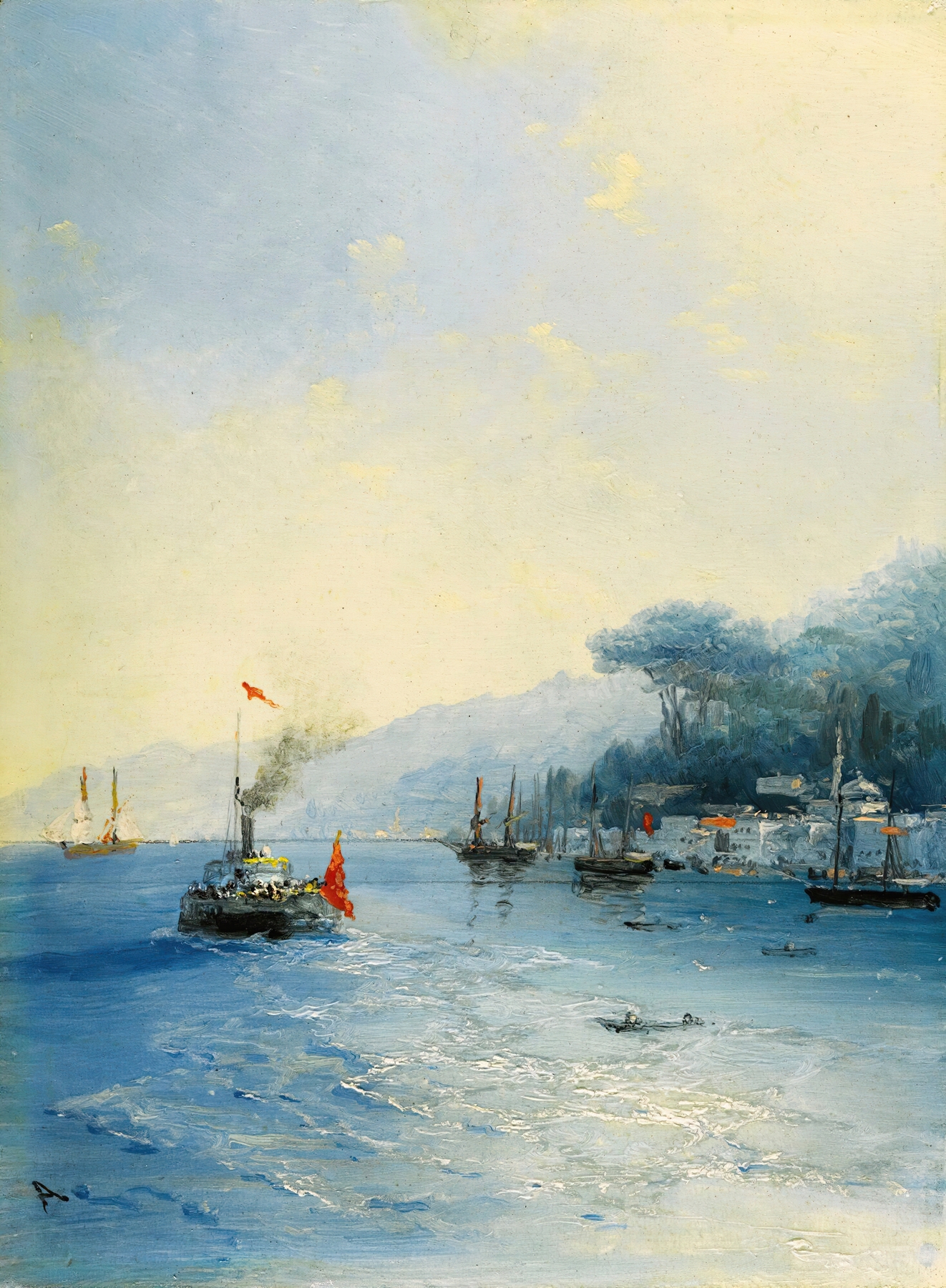
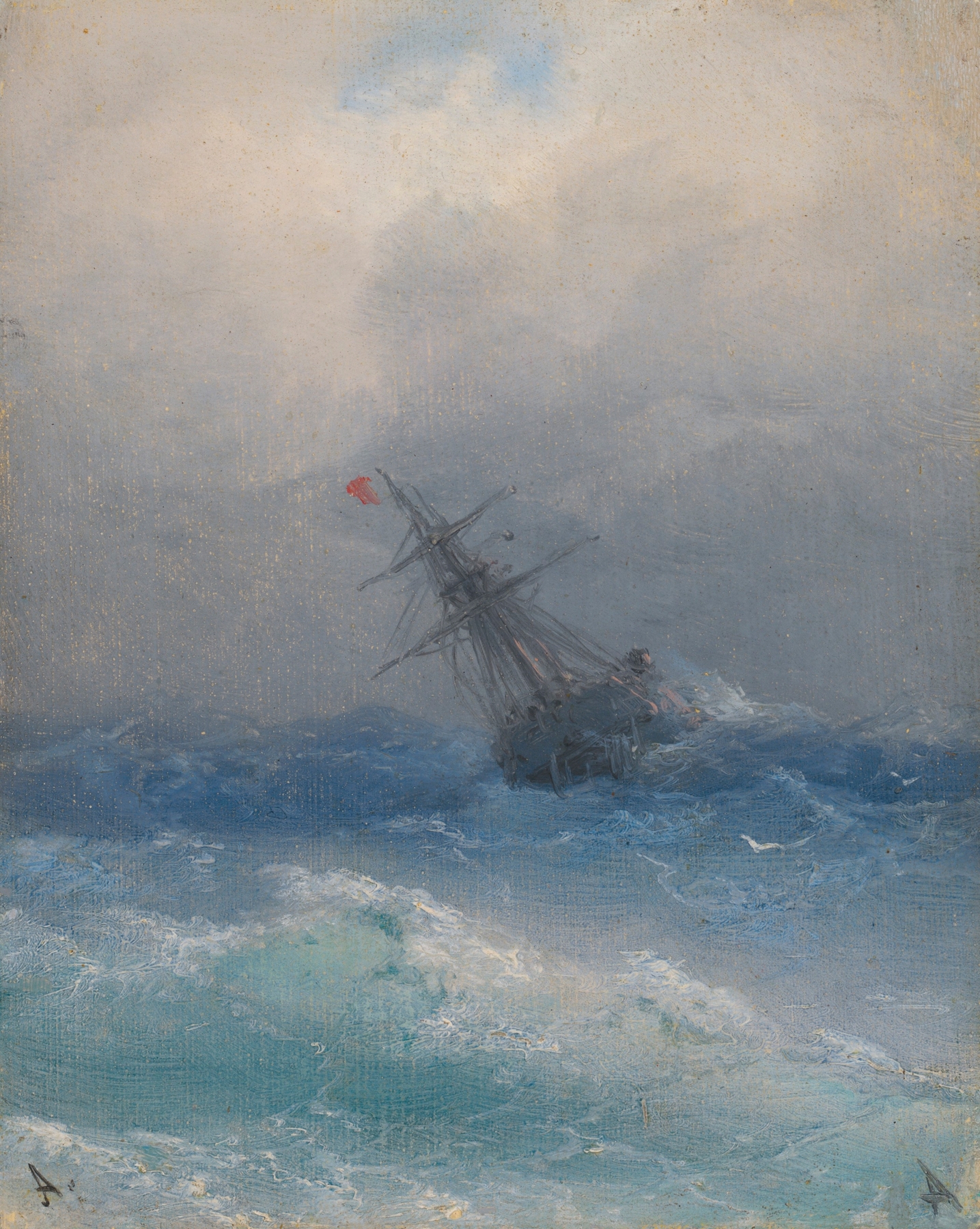
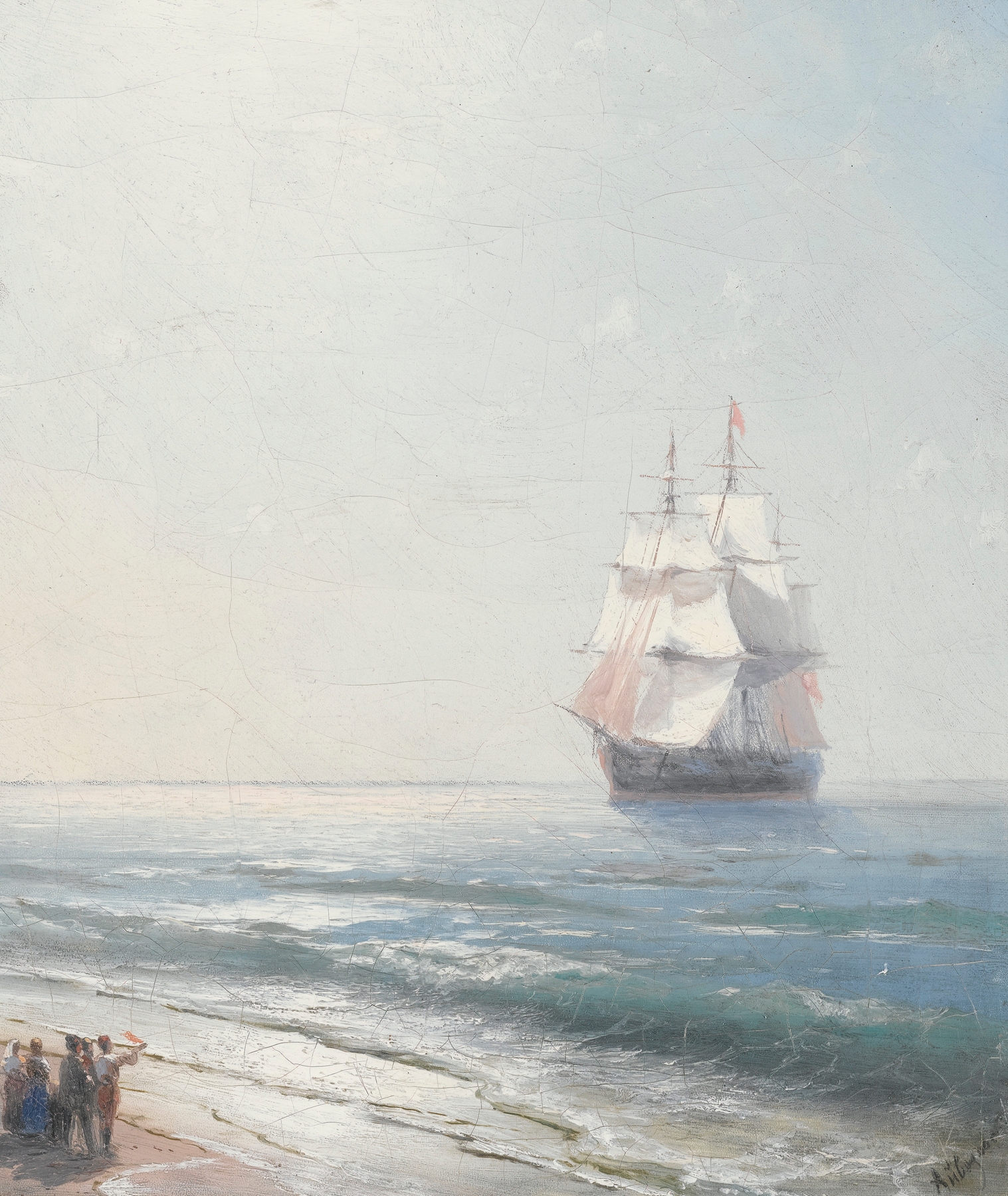
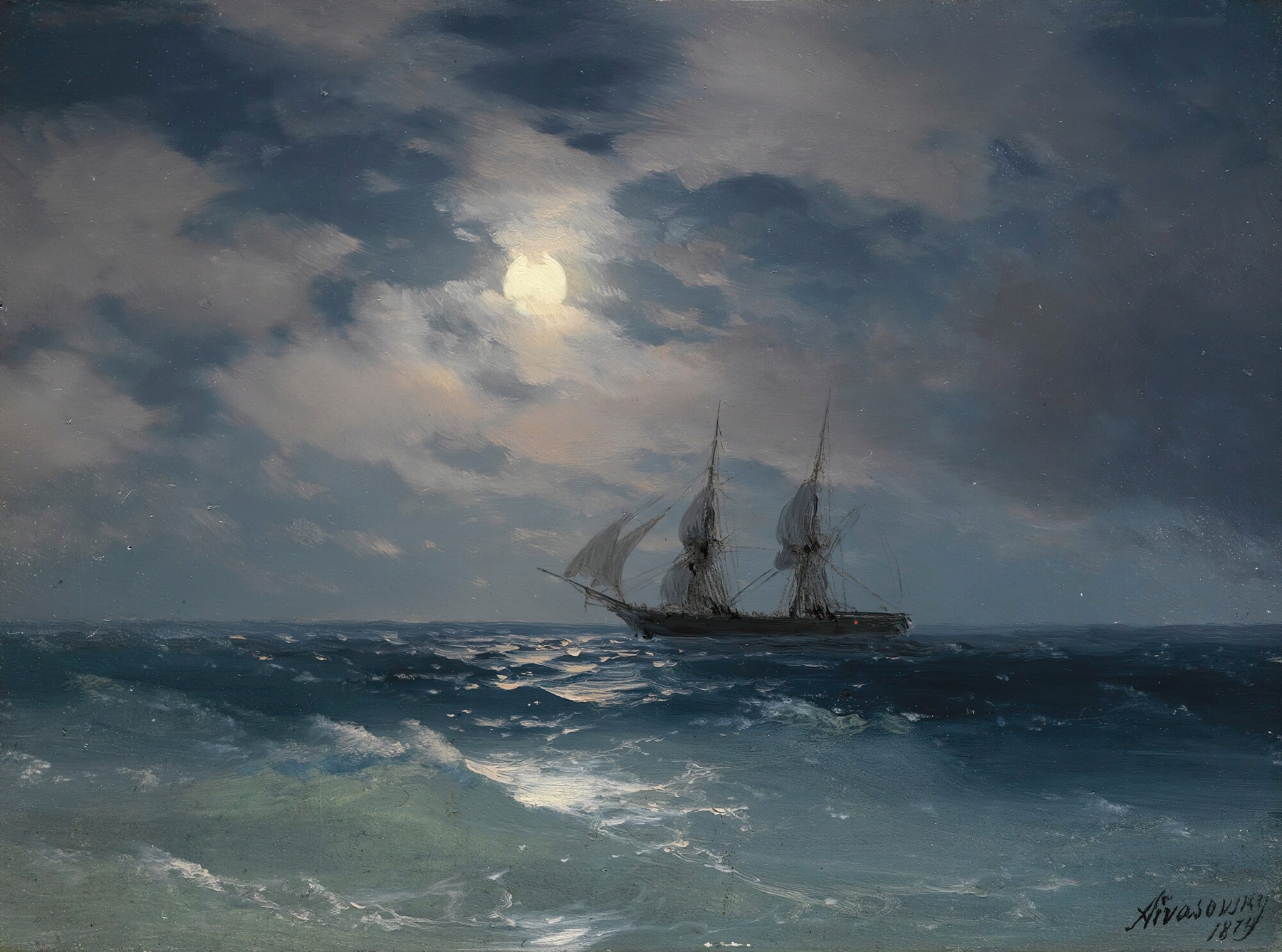
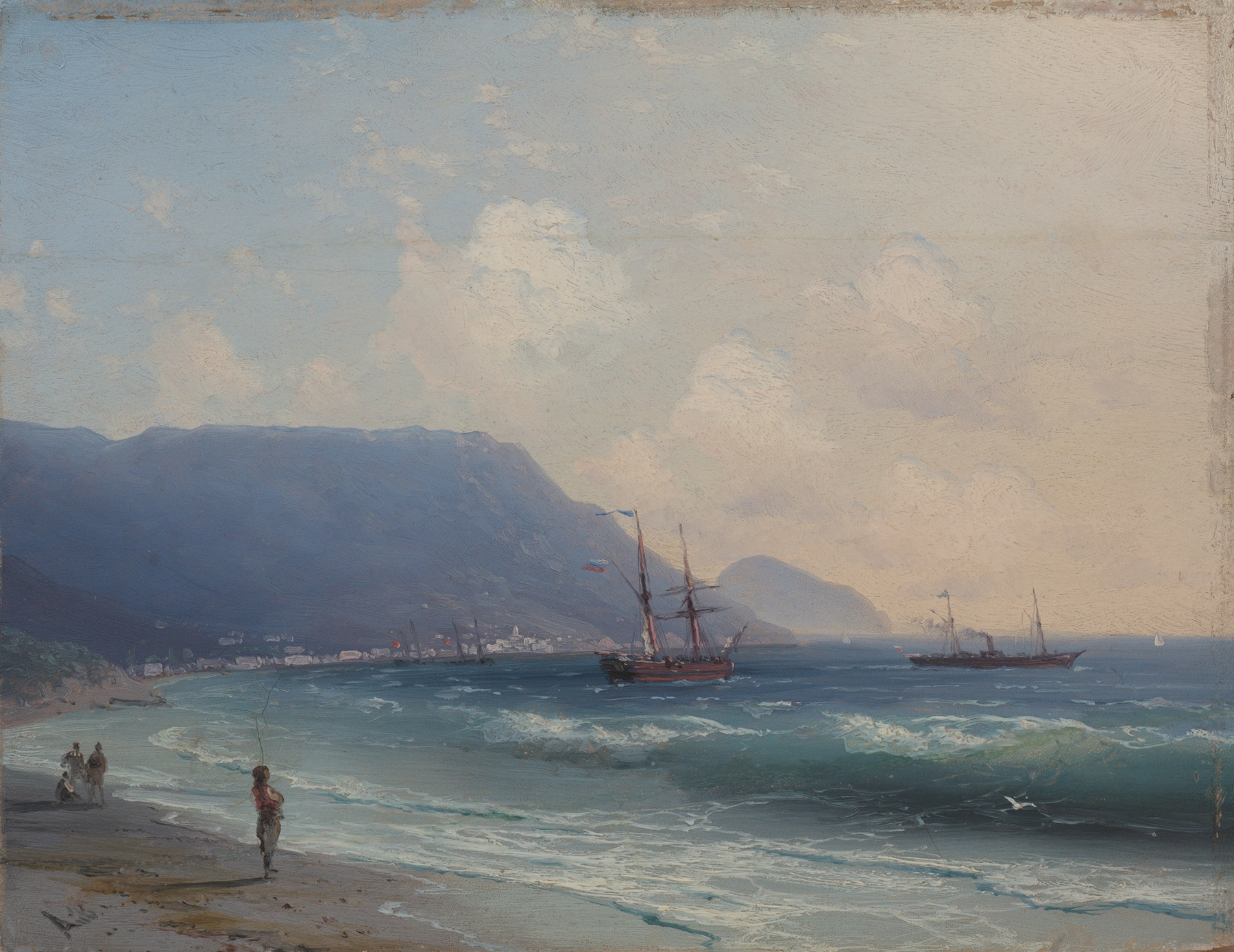
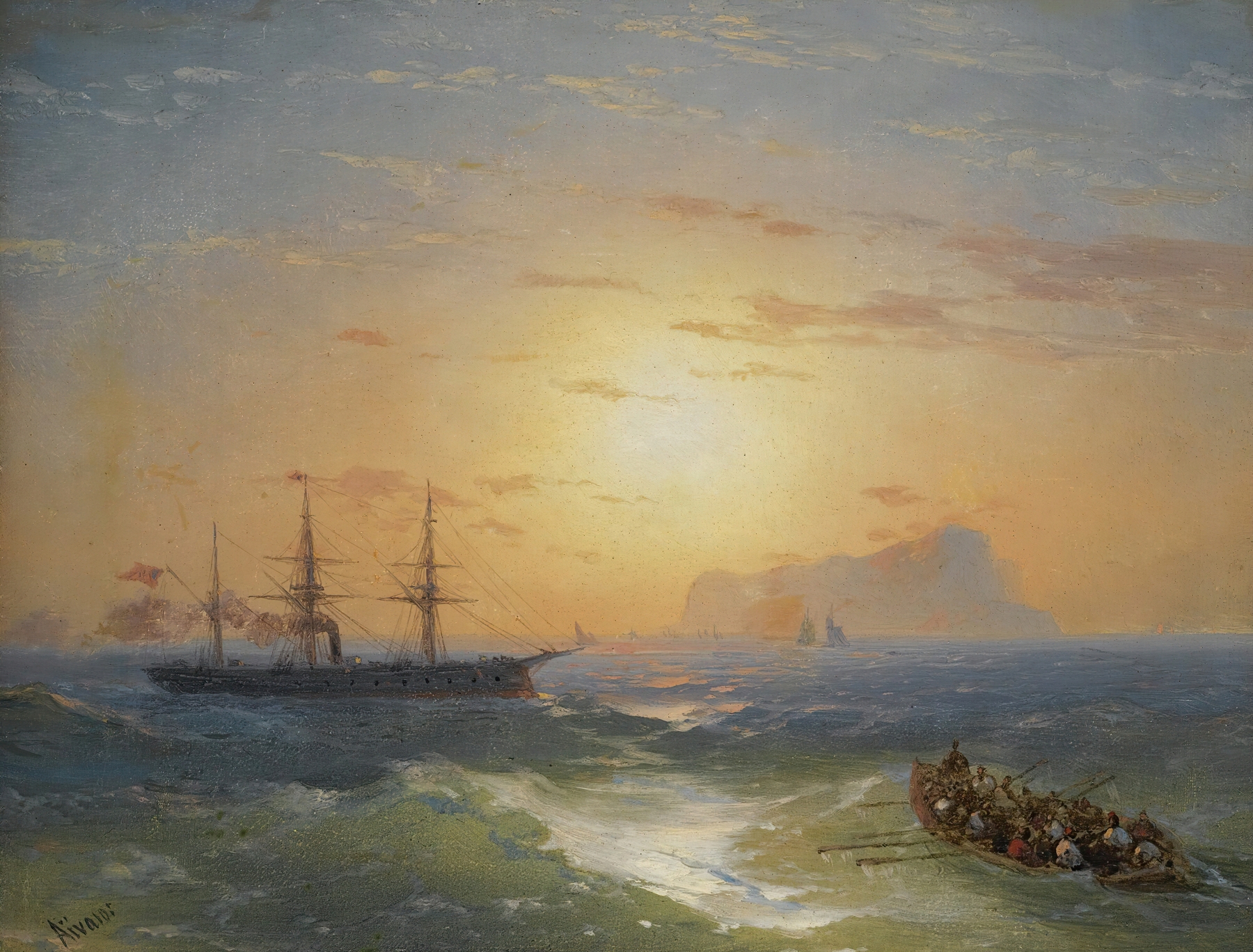
Did the painter know this moment would outlive them? In the vast expanse of a sun-drenched seascape, each brushstroke captures an eternal transformation—a world poised between the earthly and the divine. Look to the horizon, where the shimmering waters of the Bosphorus meet the skyline of Constantinople. The artist employs a delicate palette of blues and golds, guiding your gaze toward the distant silhouettes of minarets and domes bathed in a warm glow. The gentle ripples of the water add a dynamic texture, creating a sense of movement that contrasts with the stillness of the city above.
The luminous quality of the sky reflects the artist’s mastery of light and shadow, inviting the viewer to experience a moment that is both tranquil and alive. Within this serene depiction lies a deeper narrative of transformation. The interplay between light and shadow suggests a city caught in transition—historically rich yet modernizing, at the crossroads of East and West. The boats, caught in the currents of the Bosphorus, symbolize the constant flux of life and commerce, while the ethereal atmosphere imbues the scene with a sense of hope and possibility.
This tension between the enduring nature of the city and the ephemeral beauty of the moment resonates powerfully with those who gaze upon it. In 1856, Aivazovsky was at the height of his career, painting from his studio in Feodosia, Crimea. This era marked a time of great change in Russia and Europe, with burgeoning interest in Romanticism and realism in art. The works created during this period reflect not only personal evolution but also the shifting tides of society as it faced the impact of industrialization and globalization.