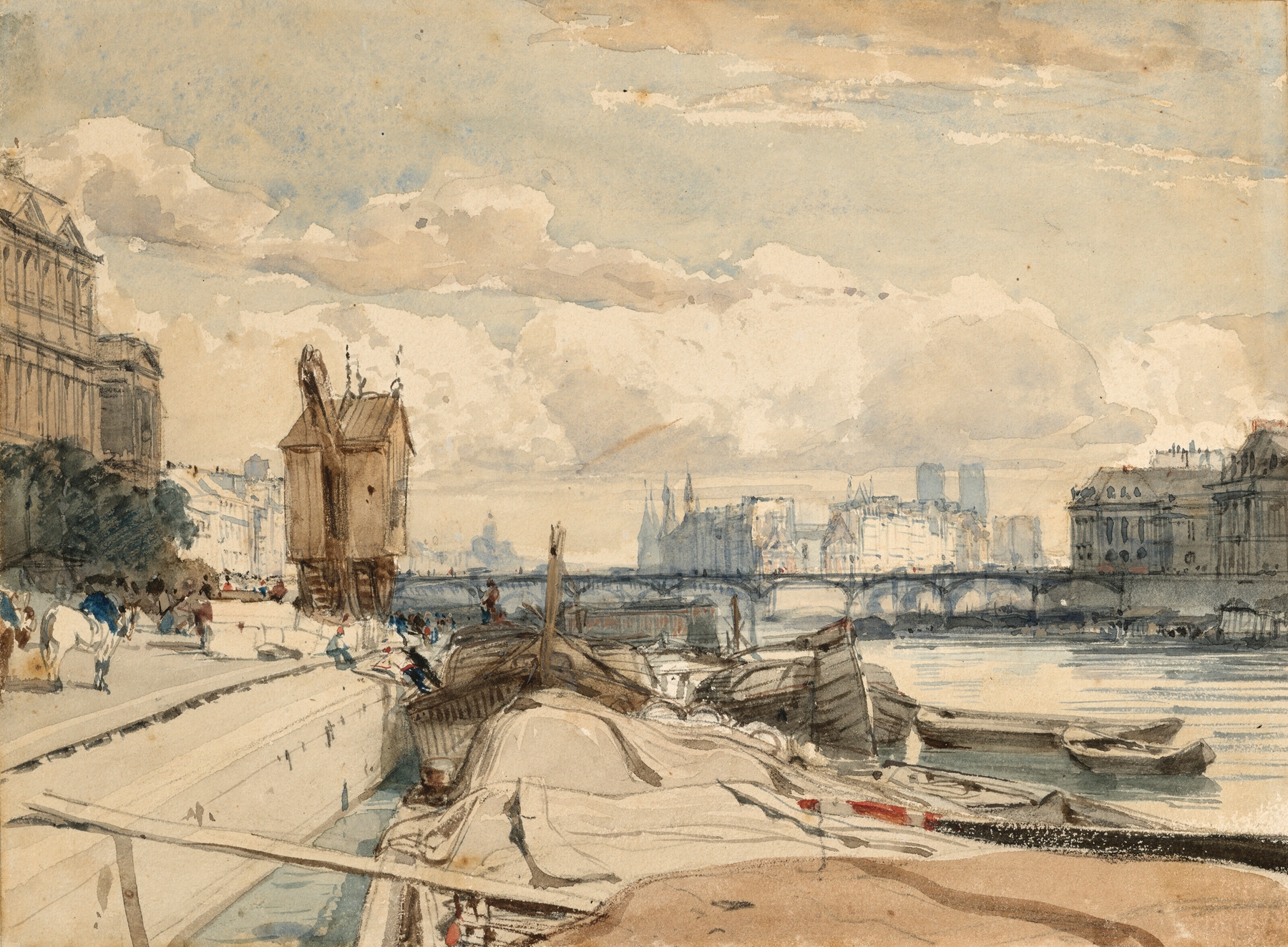
View of the Pont des Arts and Île de la Cité from the Quai du Louvre, Paris — History & Analysis
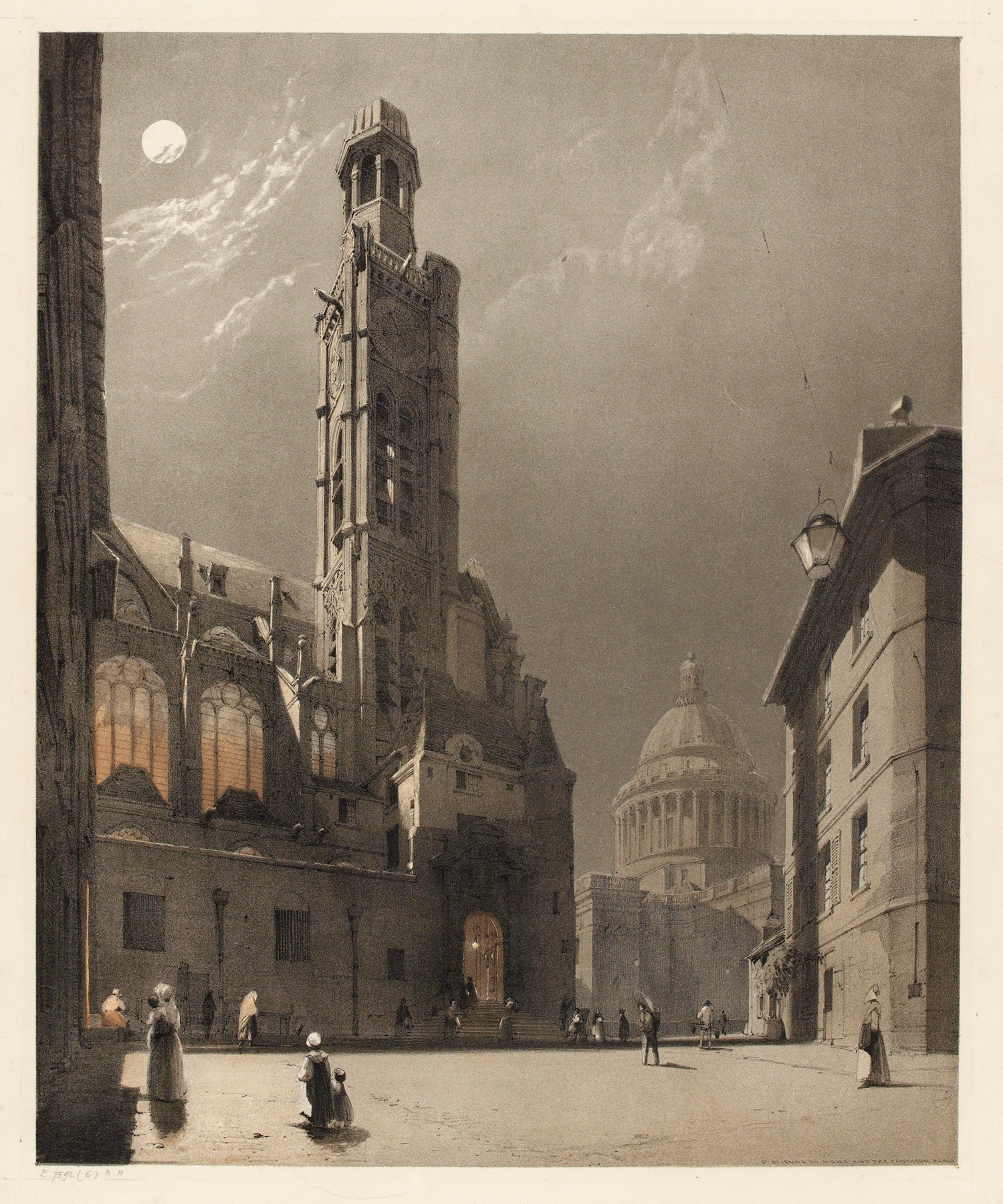
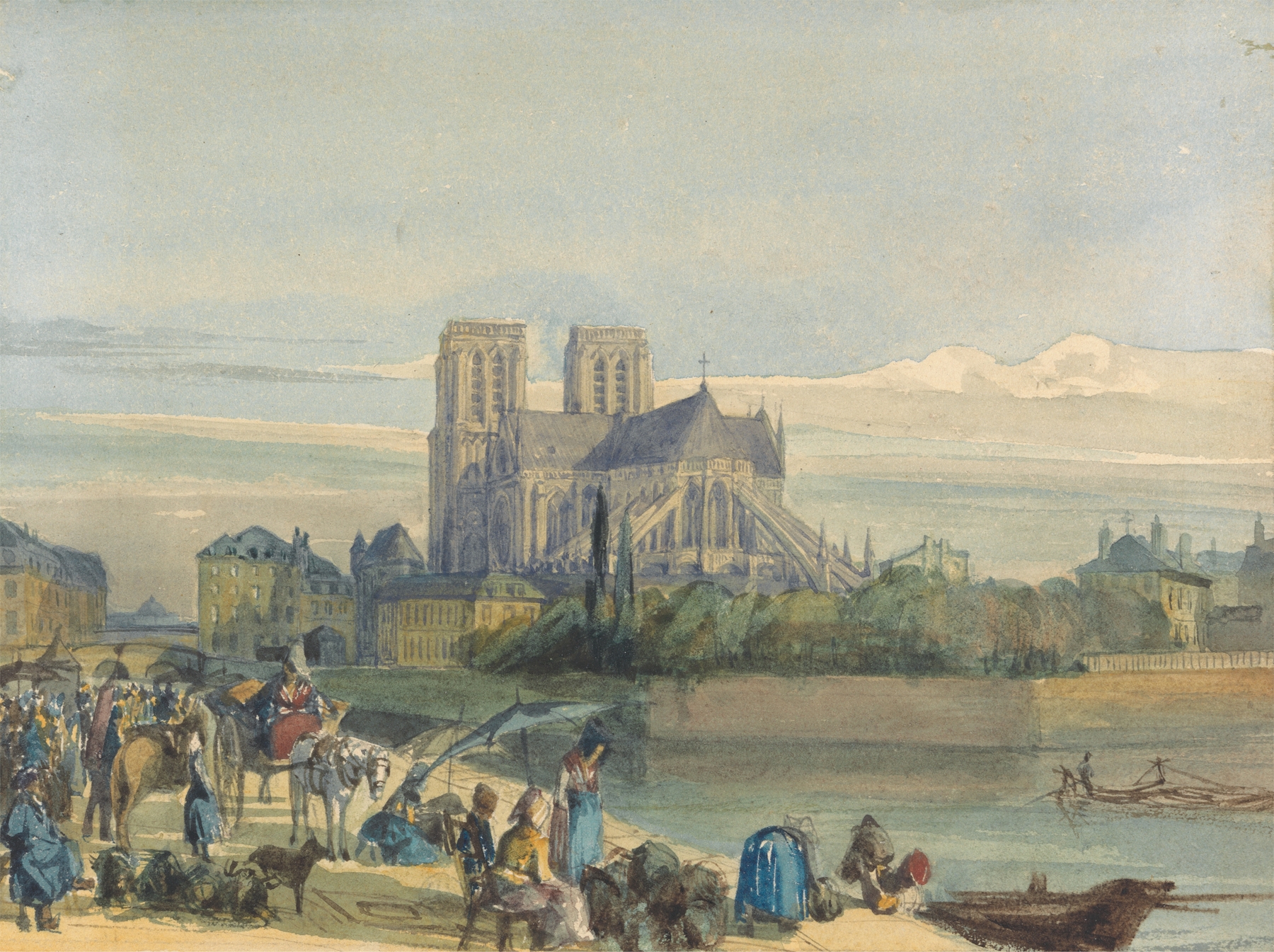
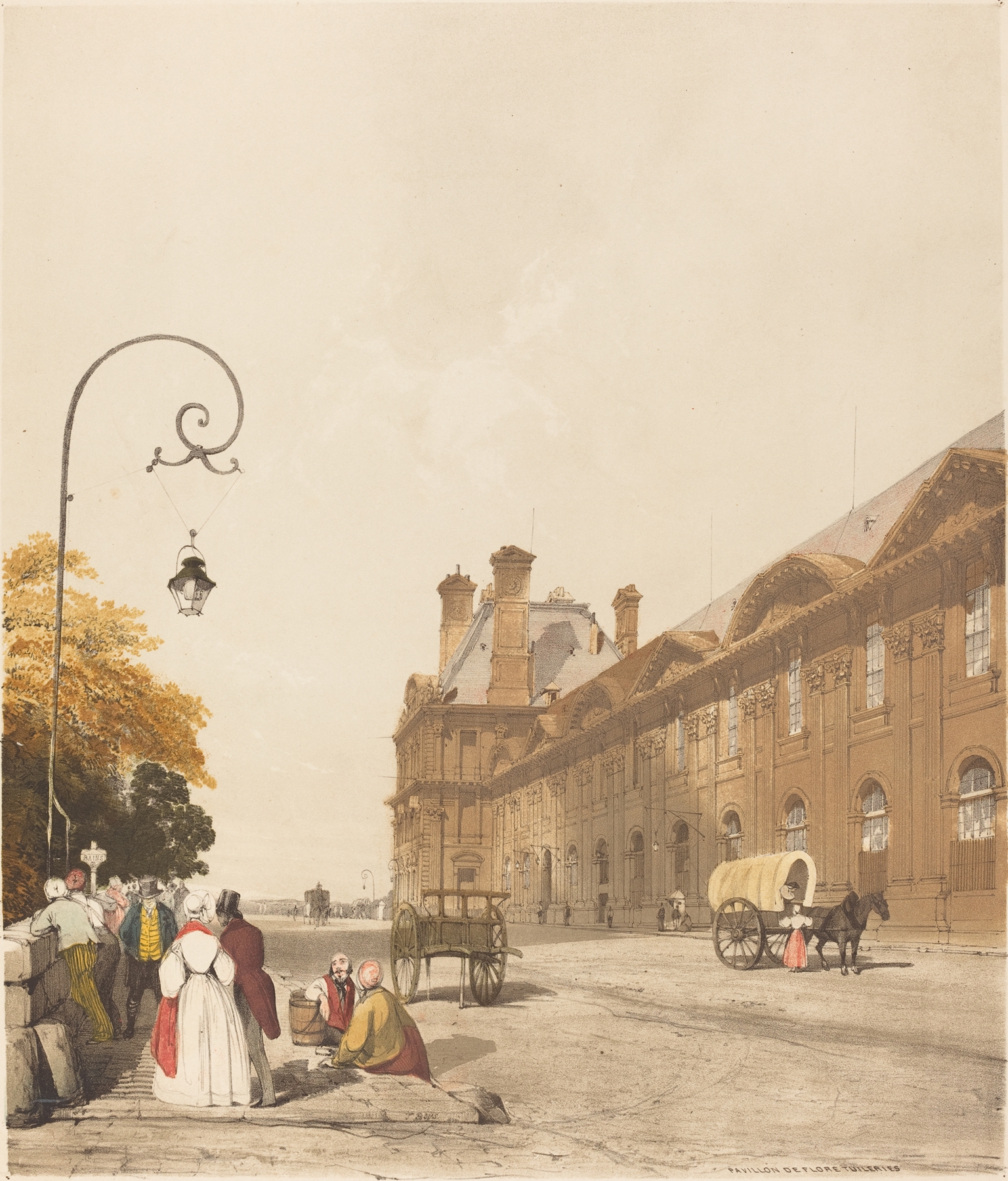
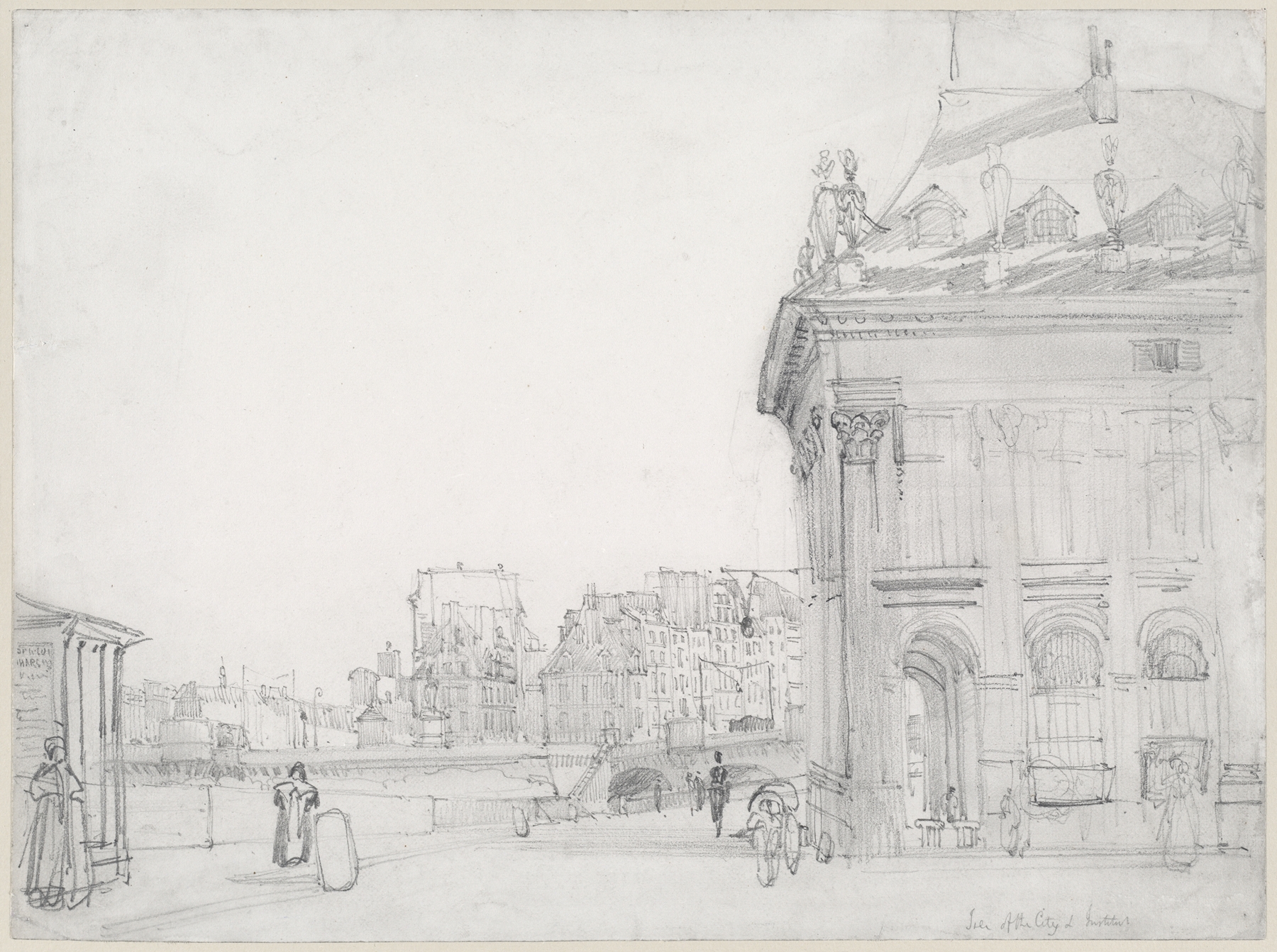
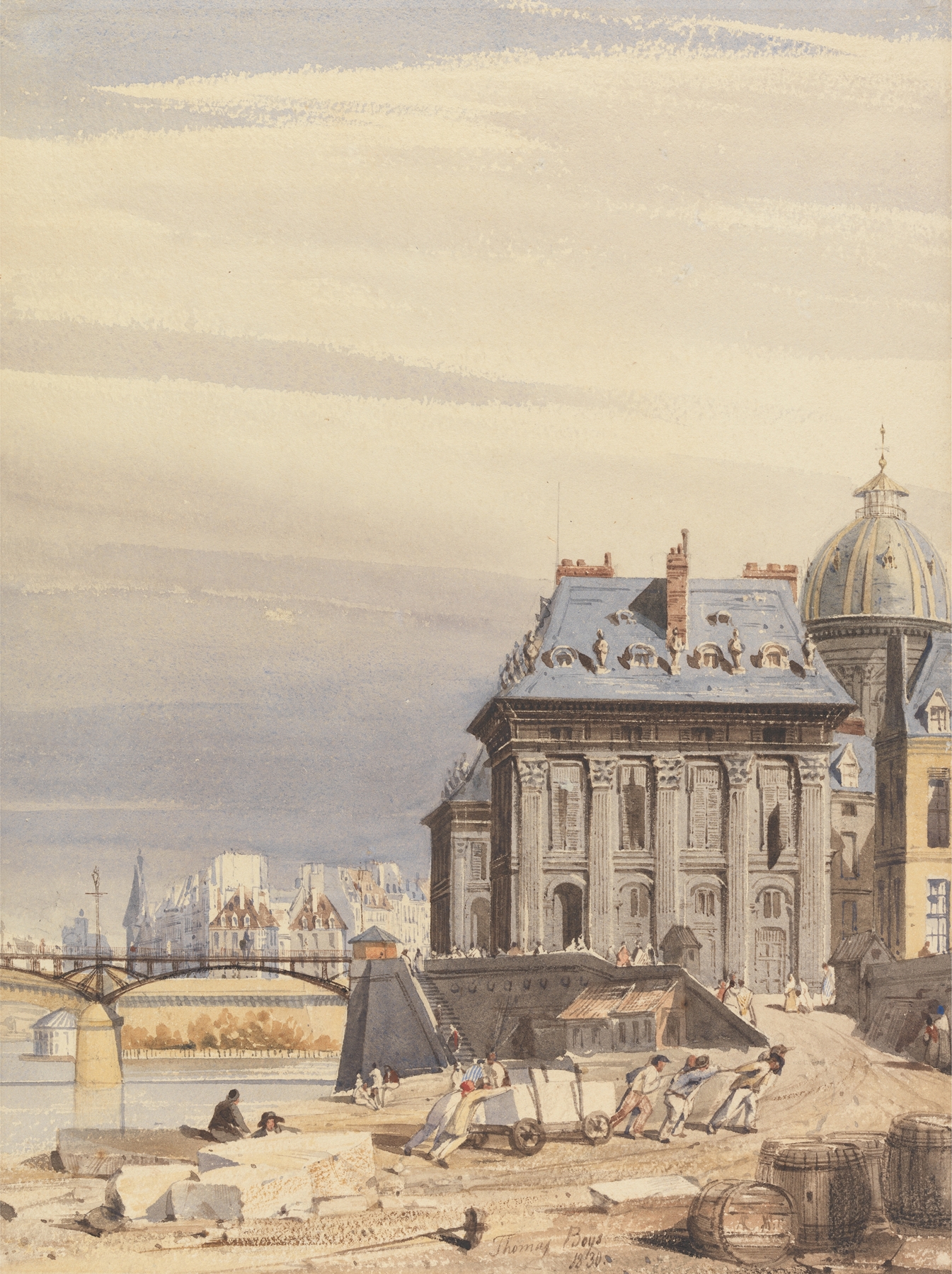
What secret hides in the quiet of the canvas? In the gentle whispers of the Parisian skyline, there lies a testament to innocence, a moment captured in time that invites contemplation and wonder. Look to the left at the delicate arches of the Pont des Arts, where the muted colors of the bridge blend seamlessly with the cool hues of the Seine below. The artist employs a soft palette, using gentle blues and earthy tones, enhancing a sense of tranquility. Notice how the fleeting light plays off the water’s surface, creating a shimmering reflection that mirrors the intimacy of the scene. The composition draws the eye into a serene dance between architecture and nature, enveloping viewers in an embrace of harmony. Deeper insights emerge as you explore the subtle contrasts within the work; the solidity of the bridge juxtaposed with the ephemeral clouds above suggests the delicate balance between permanence and transience. The figures in the distance, almost ghostly in their simplicity, evoke a sense of nostalgia, hinting at stories untold. Here, innocence is interwoven with the passage of time, capturing fleeting moments of connection among those who traverse the landscape. The artist created this work amidst a flourishing period for landscape painting in the mid-19th century, likely while residing in London or Paris. At this time, Thomas Shotter Boys was establishing his reputation, focusing on capturing the beauty and charm of urban scenes. Influenced by the Romantic movement's fascination with nature, he imbued his representation of the city with a sense of grace, reflecting both the societal changes of the era and the enduring allure of the Parisian landscape.