View Of Tivoli — History & Analysis
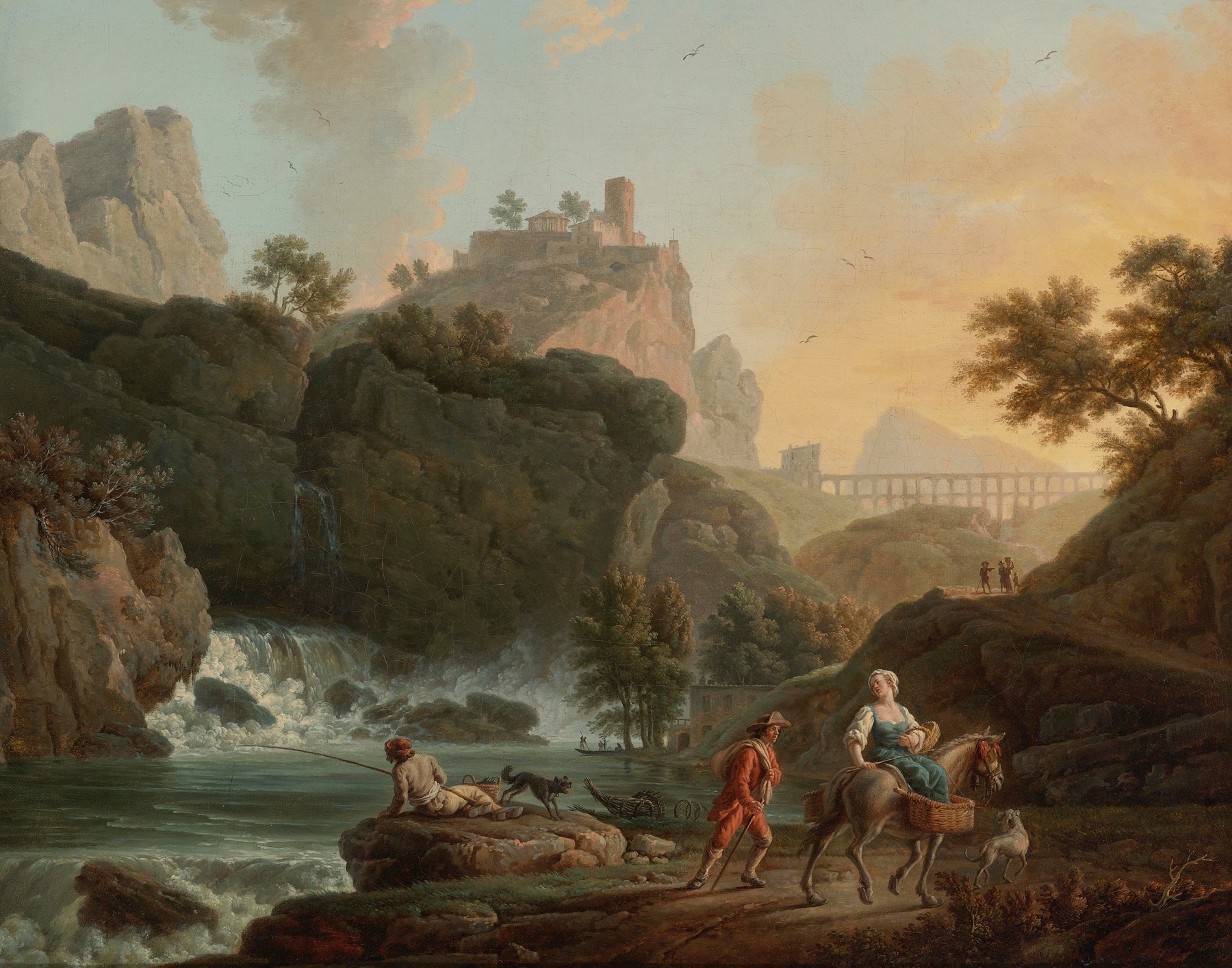
“To paint is to remember what time wants us to forget.” In View of Tivoli, the artist captures a moment suspended in the balance between nature’s eternal beauty and the fleeting human experience, echoing the whispers of revolution that stir beneath the surface. Look to the left, where the cascading waterfall tumbles gracefully into the serene valley below. The vibrant greens and blues dominate the palette, imbuing the landscape with a life that feels both lush and fleeting. Notice how the brushstrokes dance across the canvas, creating movement that draws the eye upward towards the intricate ruins perched high above, hinting at a glorious past.
The warm glow of sunlight filters through the clouds, illuminating the scene with a divine light that contrasts against the looming shadows of change. Beneath the tranquil facade lies a tension between the idyllic and the decayed. The ruins suggest a civilization that has weathered storms, symbolizing not just the passage of time but the tumult of revolution that challenges the status quo. Each element—the powerful waterfall, the majestic mountains, and the remnants of human ambition—coalesce to evoke a sense of nostalgia tinged with melancholy.
The viewer is prompted to ponder what has been lost and what threatens to vanish. Created during a period marked by both artistic transformation and political upheaval in the late 18th century, this work reflects Vernet’s experiences as he navigated the shifting tides of his era. He painted this masterpiece amidst a growing appreciation for landscape art, capturing not only the beauty of Tivoli but also the undercurrents of change that would soon reshape both society and artistic expression.