Villa at Caprarola — History & Analysis
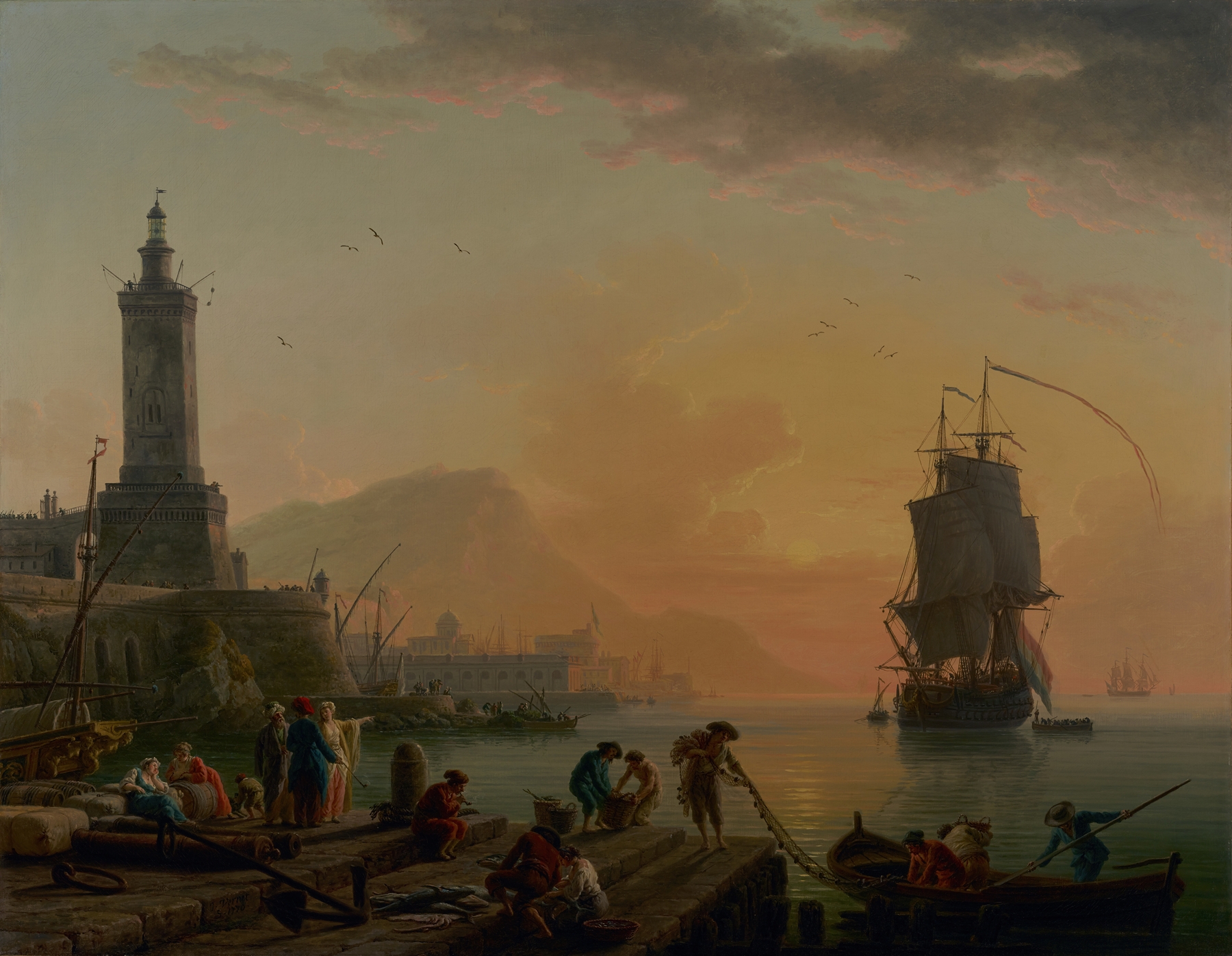
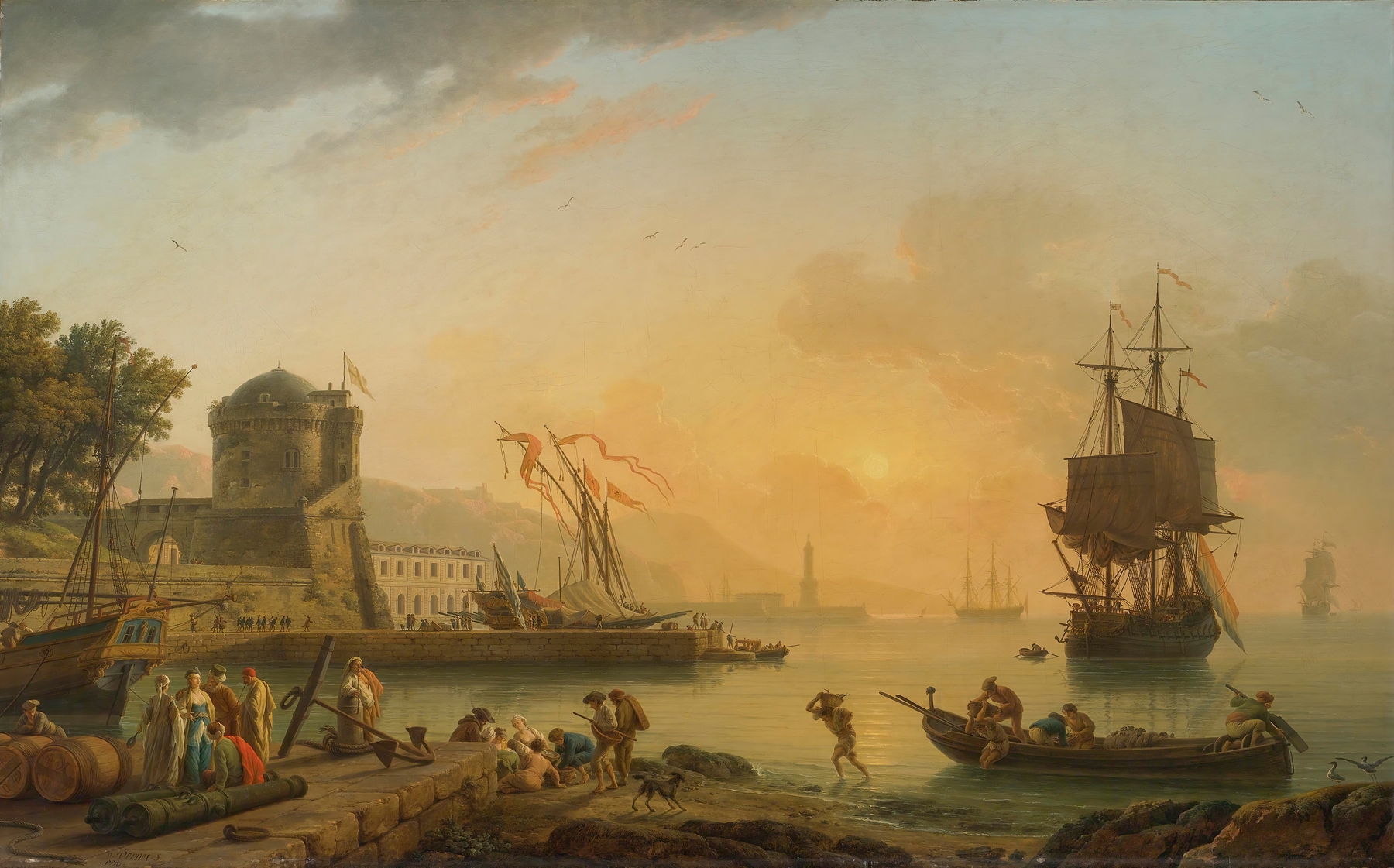
Can beauty exist without sorrow? The answer resonates through the serene yet melancholic vistas of Villa at Caprarola, where nature and architecture intertwine, reflecting an emotional landscape as complex as the human experience itself. Look to the left at the imposing villa, its grand façade bathed in the golden light of late afternoon. The careful strokes of the artist reveal the intricate details of the stonework, each curve and arch echoing the weight of history.
Notice how the vibrant greenery envelops the villa, contrasting the rigid structure, while the sky, a soft blend of blues and whites, creates an ethereal backdrop that invites contemplation. Hidden within this idyllic setting lies a profound tension between tranquility and loss. The elegance of the villa suggests a life of privilege and beauty, yet the barren branches of the nearby trees hint at a harsher reality, a reminder that all splendor comes with an inevitable decay.
The interplay of light and shadow across the landscape further emphasizes this duality, as if the scene itself mourns the fleeting nature of joy and life. Created in 1746, this work emerged during a time of significant evolution in the art world, as Vernet sought to capture the sublime beauty of Italy while grappling with personal grief over the death of close relatives. As he painted this scene of serene beauty, he was also reflecting the complexities of his own heart, embodying a moment where nature, architecture, and emotion coalesce into a poignant narrative.