Village near a Pool — History & Analysis
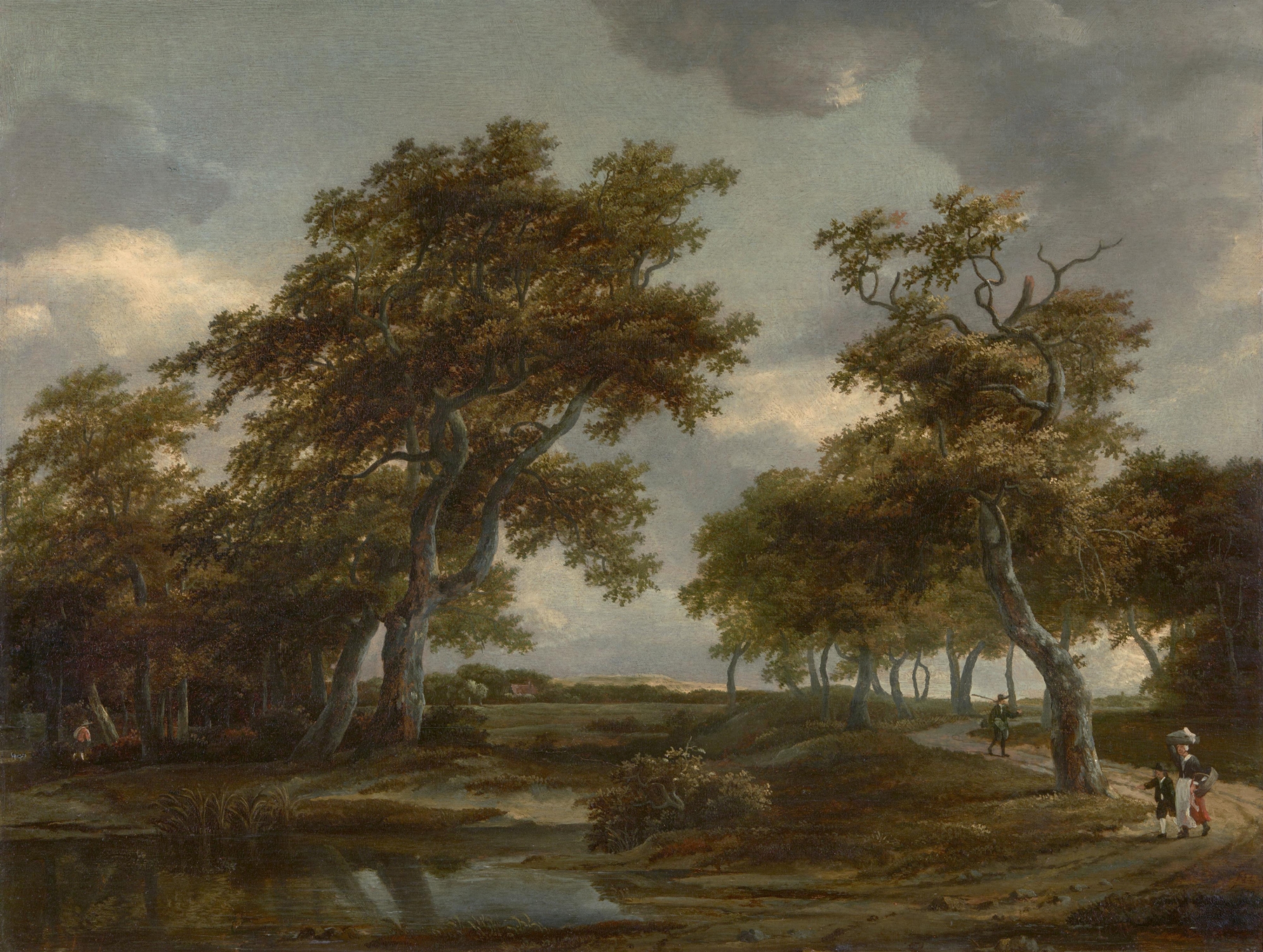
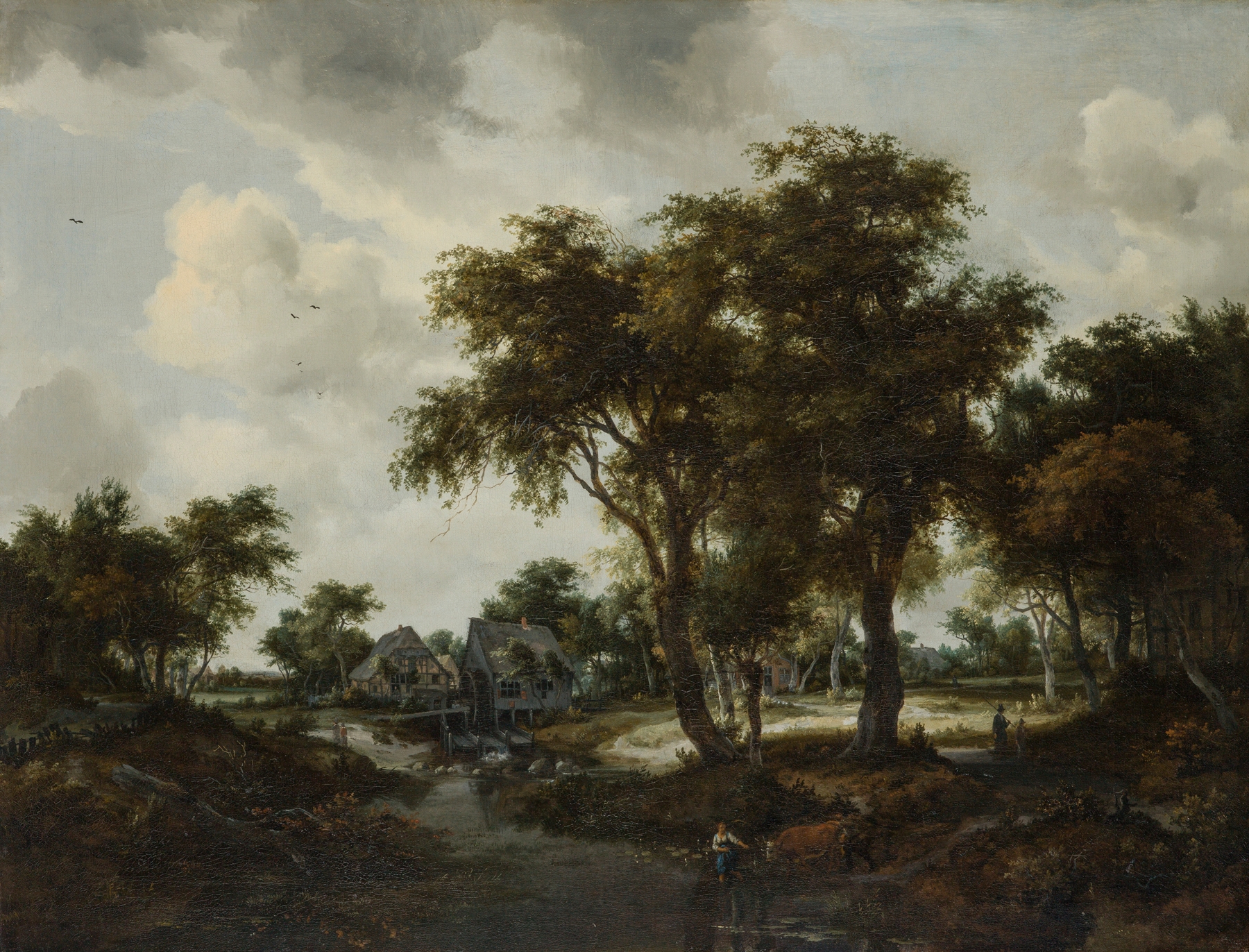
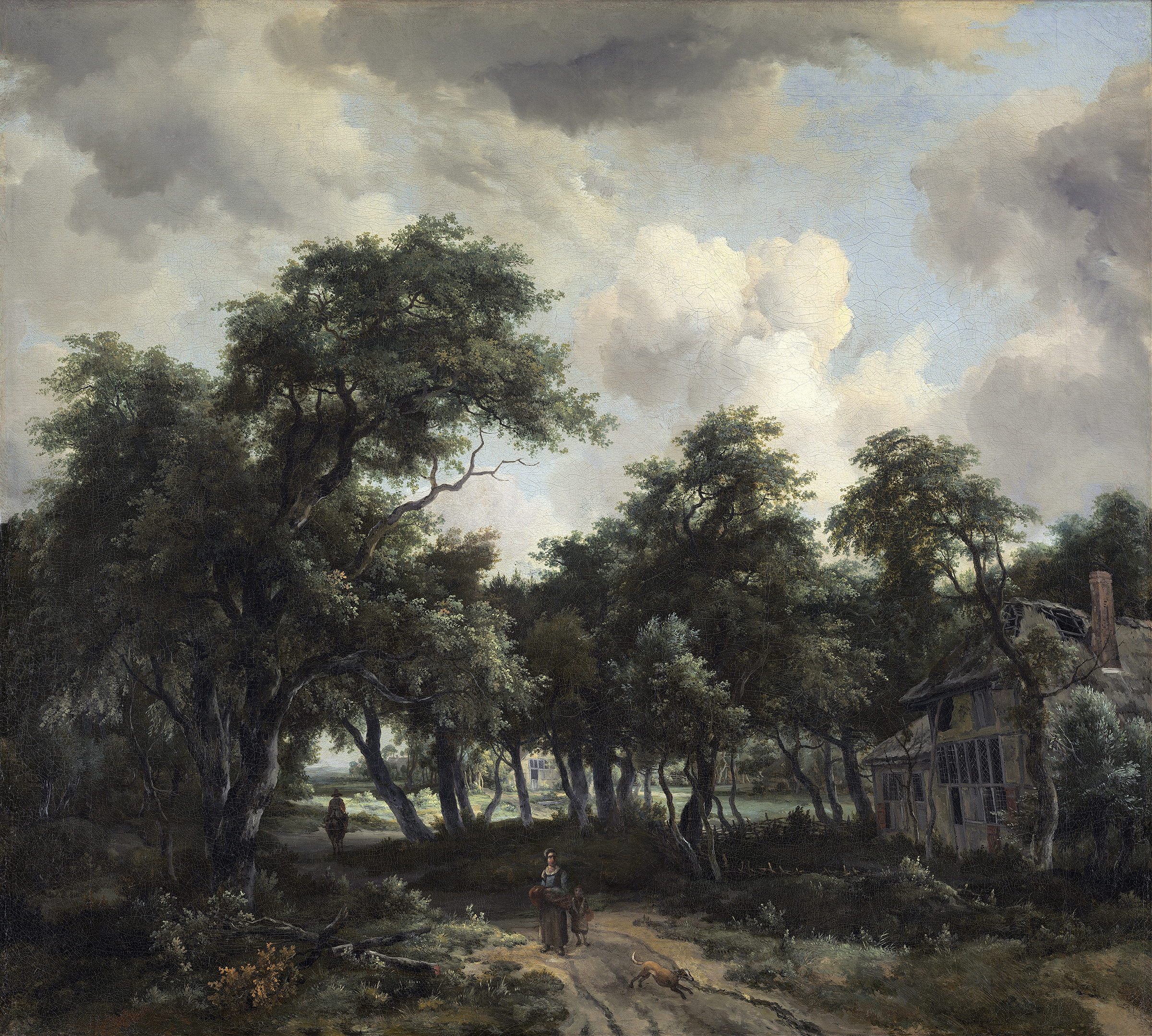
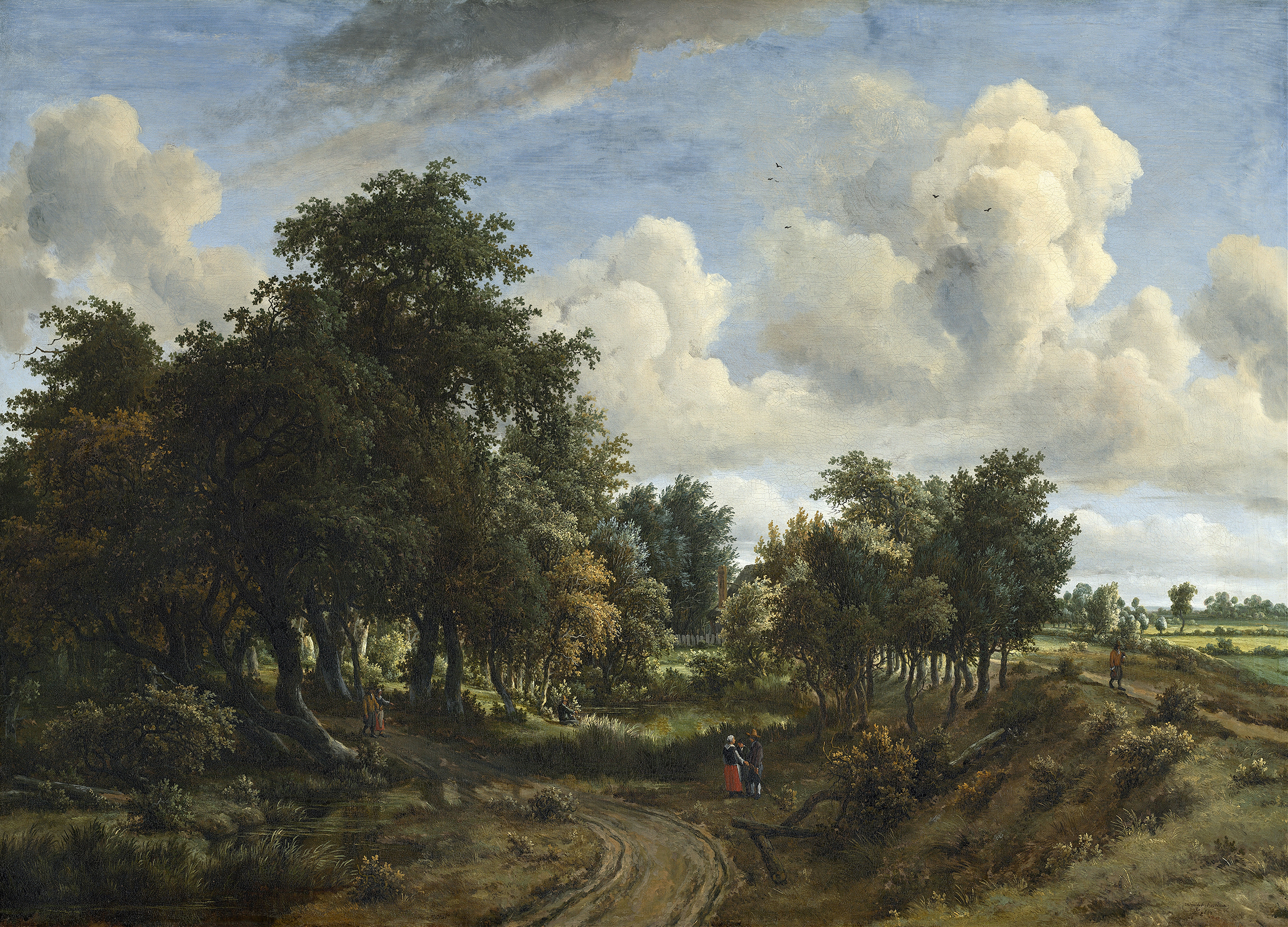
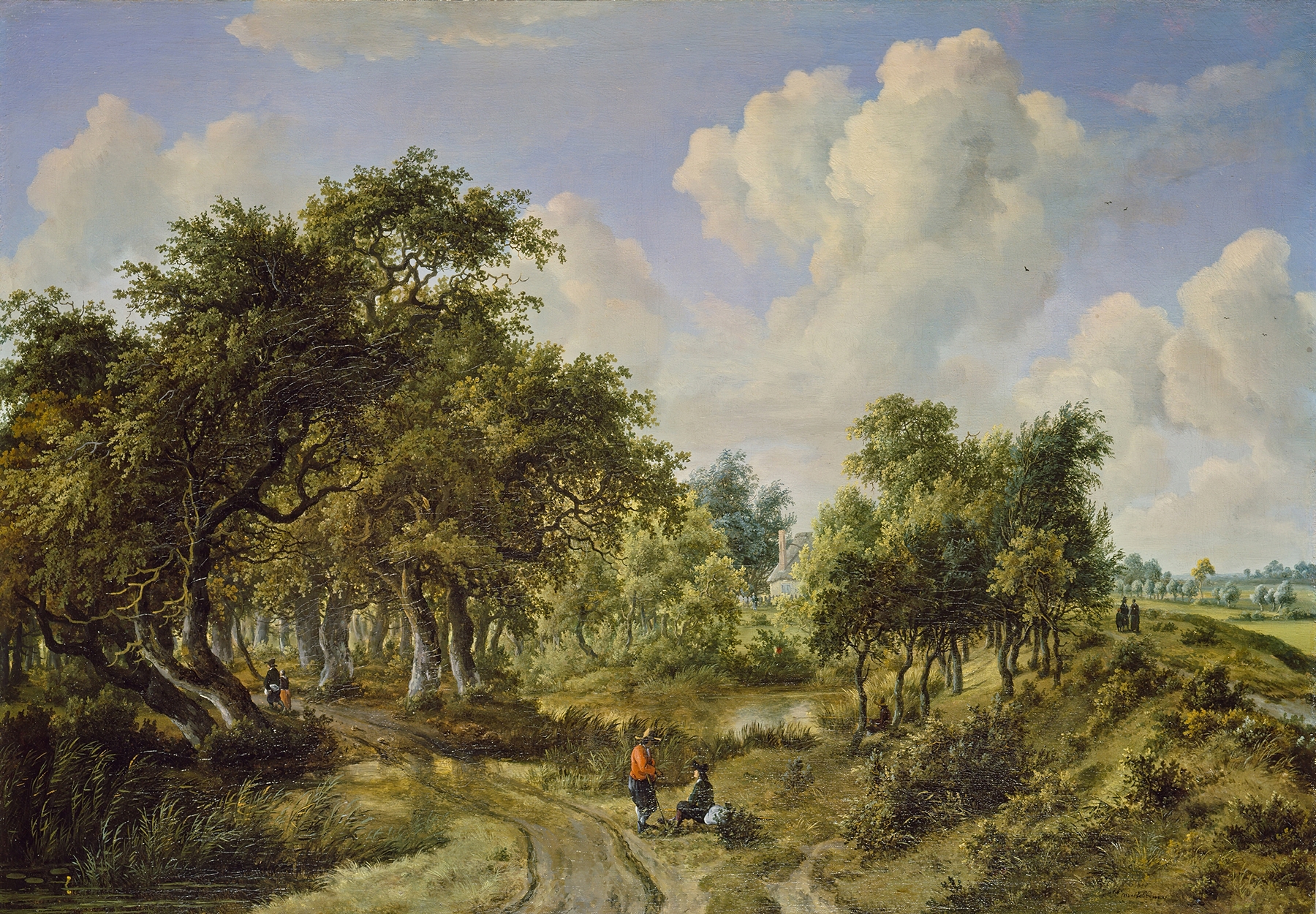
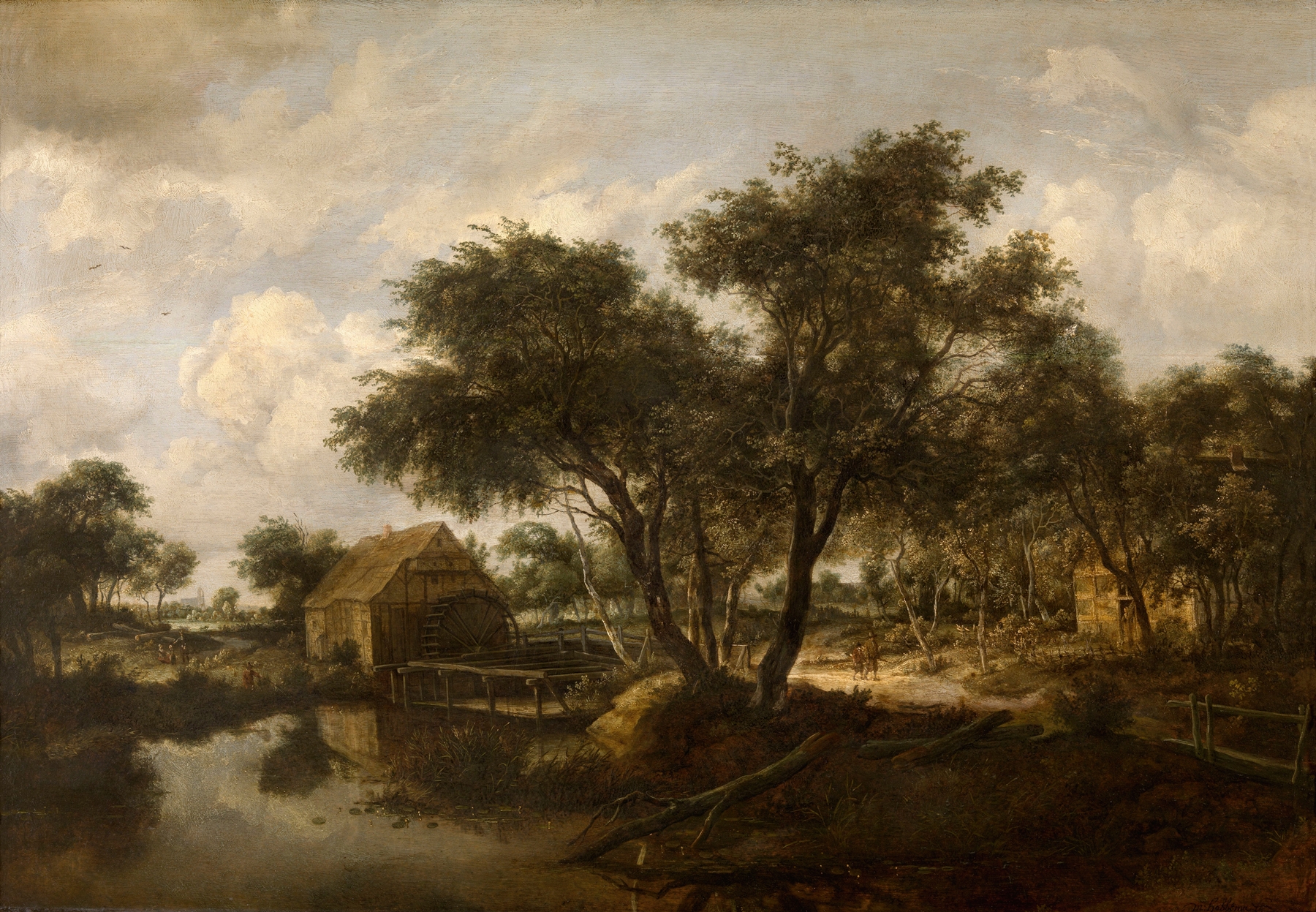
“Every silence here is a confession.” In the tranquil embrace of this landscape, whispers of the past float upon the water's surface, echoing legacies left behind. A village, cradled by nature, offers a glimpse into the interconnectedness of humanity and the earth, where every brushstroke weaves together stories of time. Look to the left at the shimmering pool, where delicate reflections of trees and cottages ripple gently across the water. The palette, rich with earthy greens and deep browns, evokes a sense of harmony and balance.
Notice how the light filters through the foliage, creating dappled shadows that dance on the ground, inviting you to walk through this serene tableau. The careful arrangement of buildings and nature draws the eye inward, revealing a tranquil coexistence that speaks to both the beauty and fragility of life. Hidden beneath the serene surface lies a tension between permanence and impermanence. The sturdy architecture of the village looms as a testament to human endeavor, while the ever-changing reflections in the water remind us of nature's transient beauty.
The juxtaposition of solidity and fluidity subtly reinforces the notion that while structures may endure, the essence of life is always in motion, echoing the legacies we leave behind. Each element—be it the crumbling cottage or the vibrant foliage—carries stories waiting to be unveiled. Created around 1670, this piece reflects Meindert Hobbema's engagement with the Dutch landscape tradition during a period marked by burgeoning urbanization and a deep appreciation for the natural world. Living in Amsterdam, he found inspiration in the interplay of light and nature, and this painting stands as a testament to his mastery of the genre amidst the evolving artistic landscape of his time.