Ville-d’Avray — History & Analysis
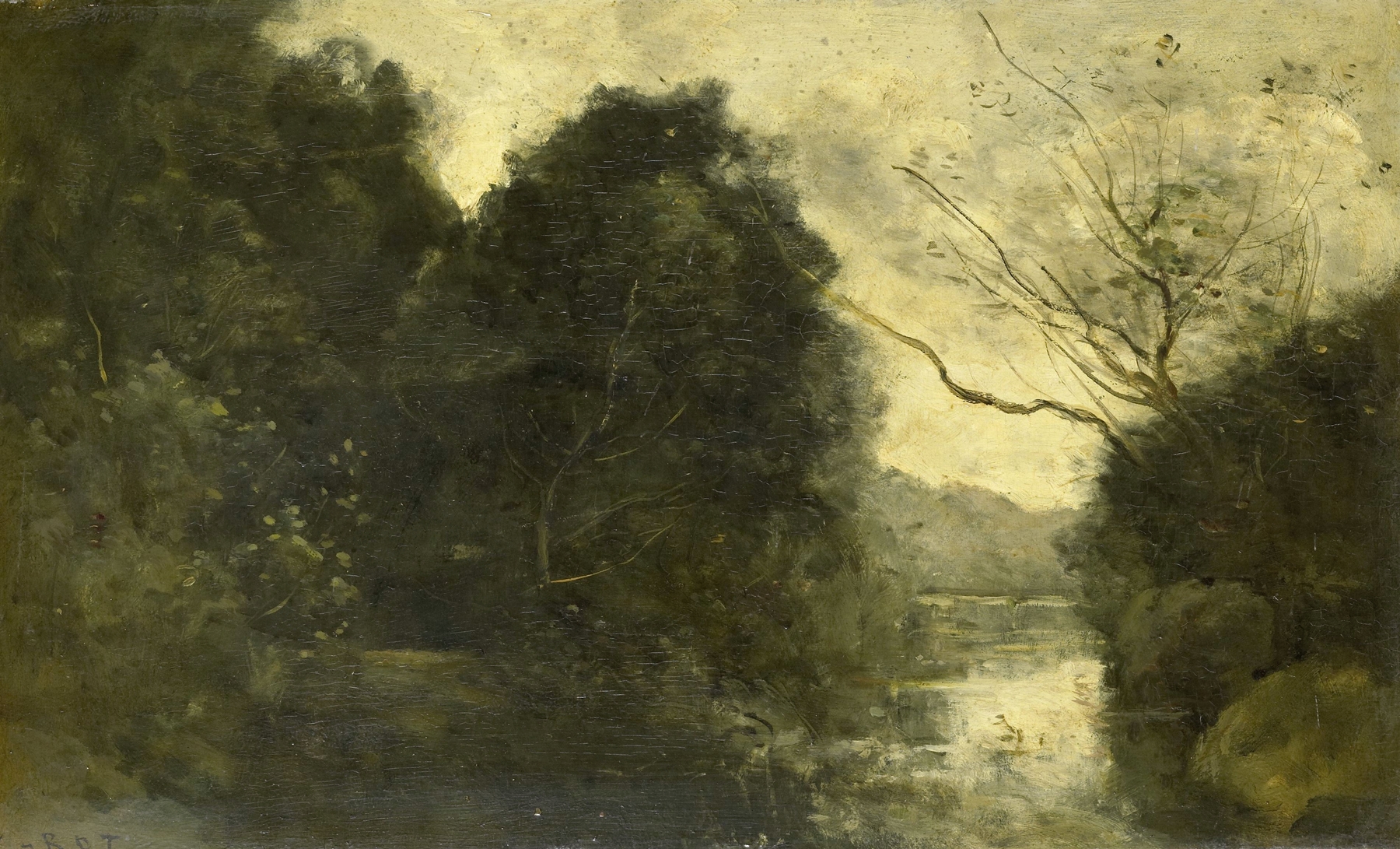
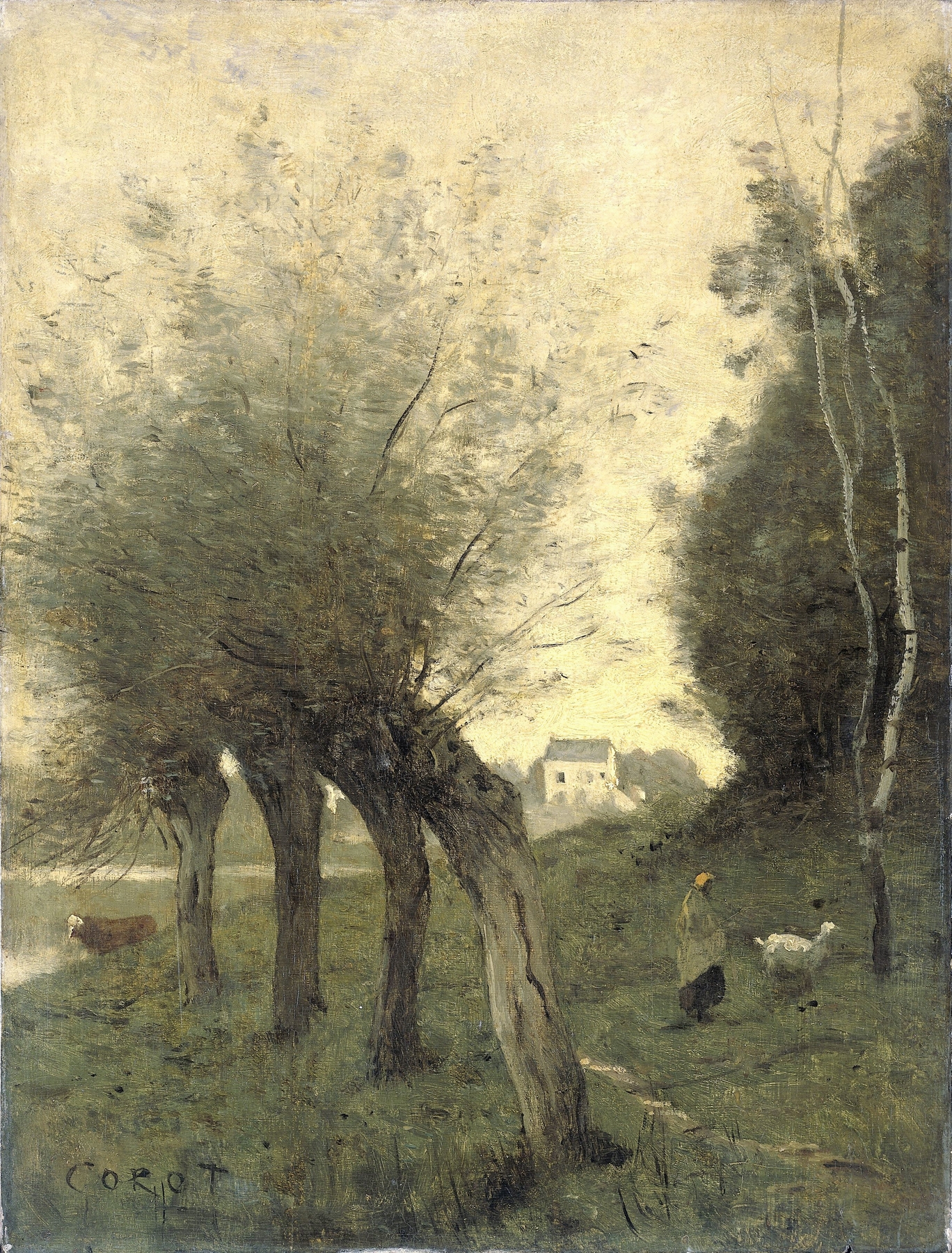
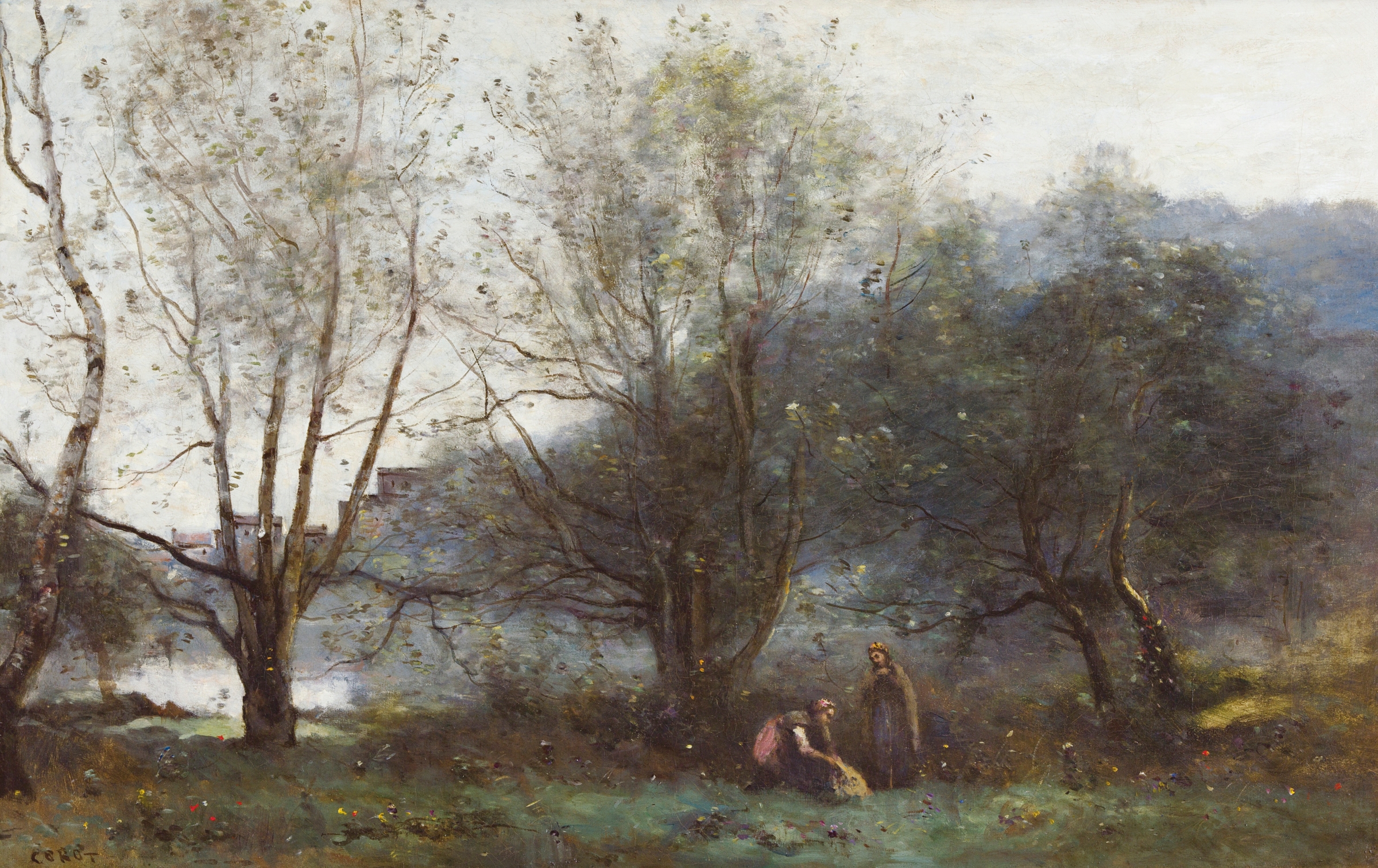
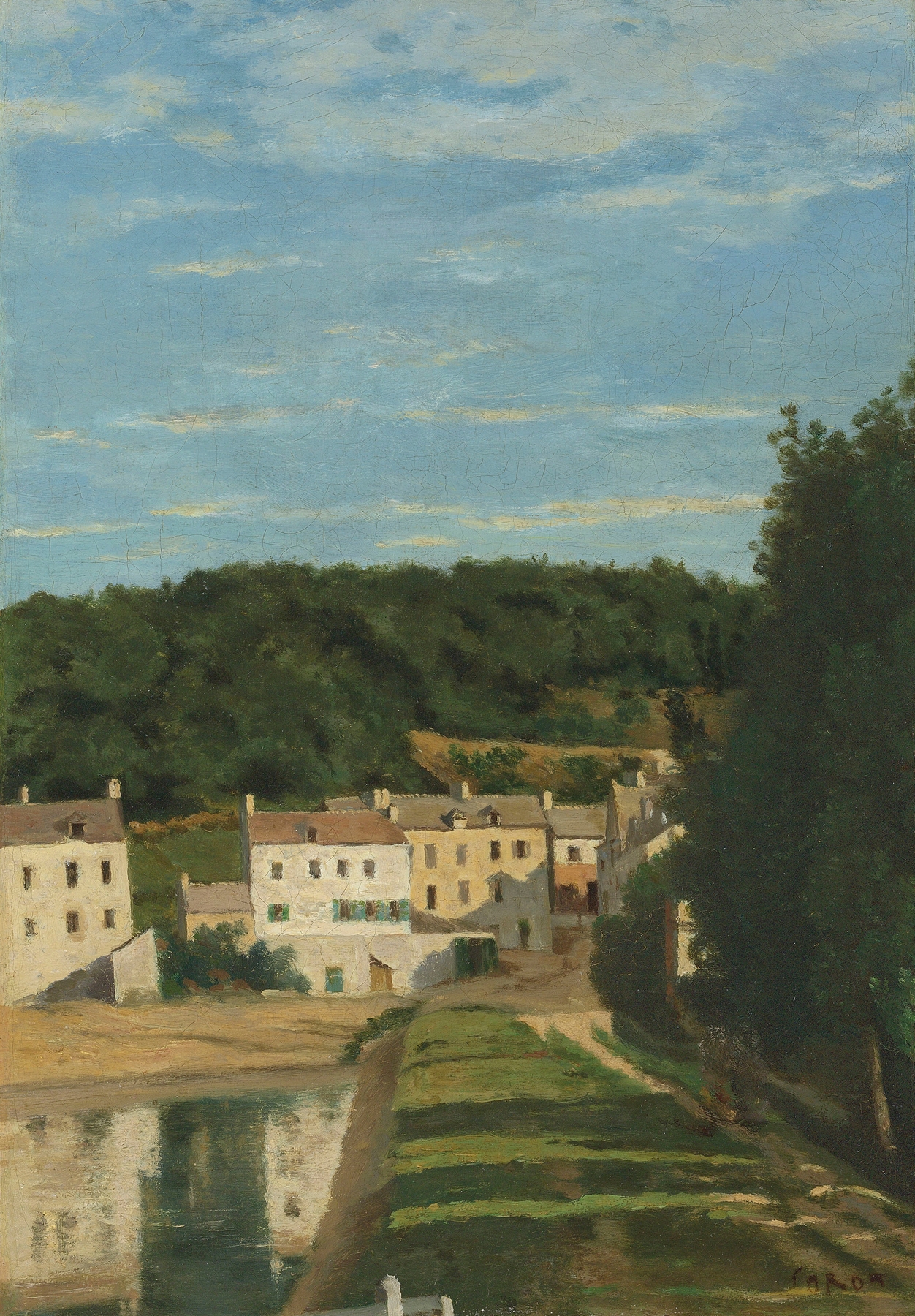
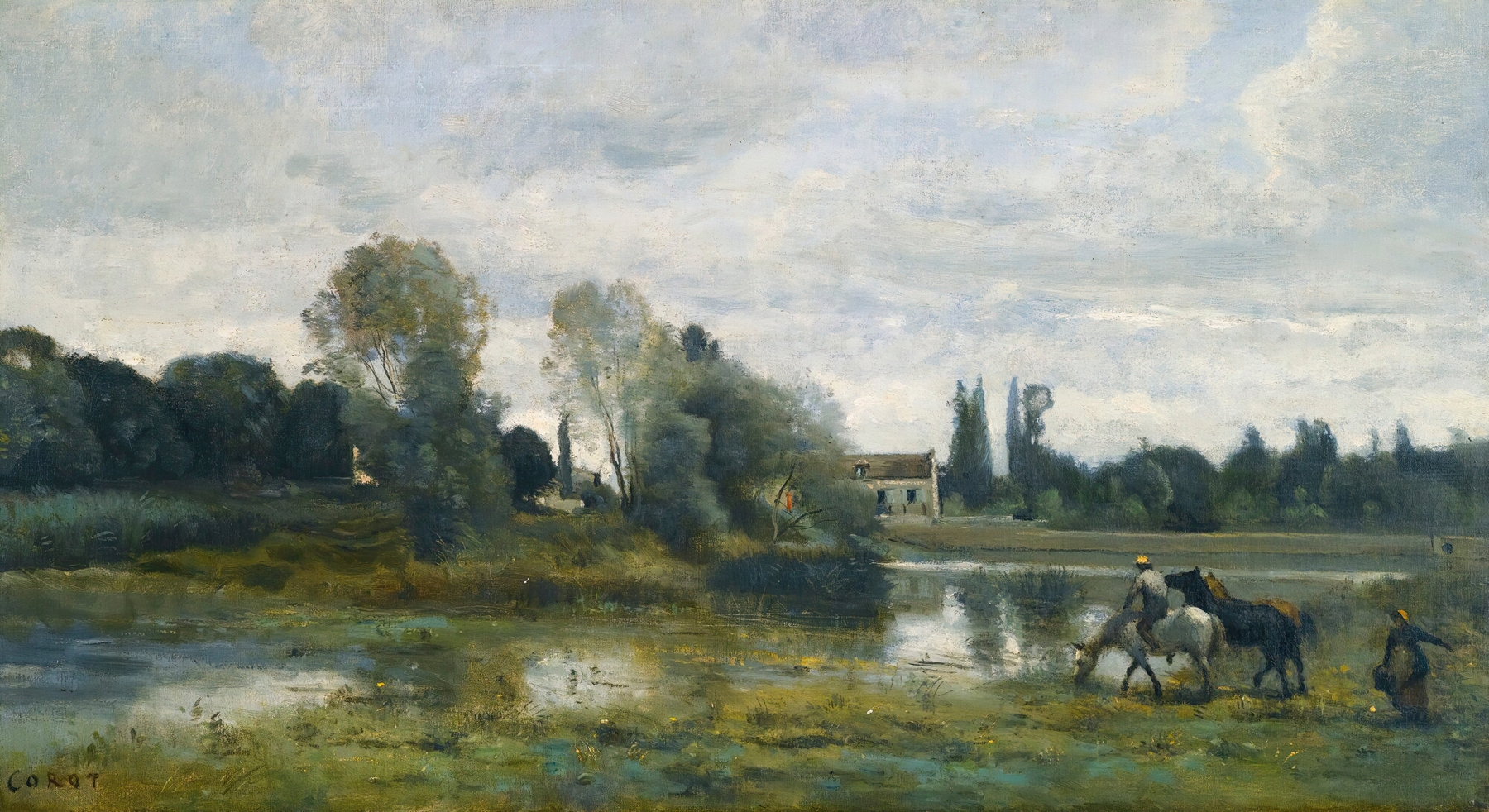
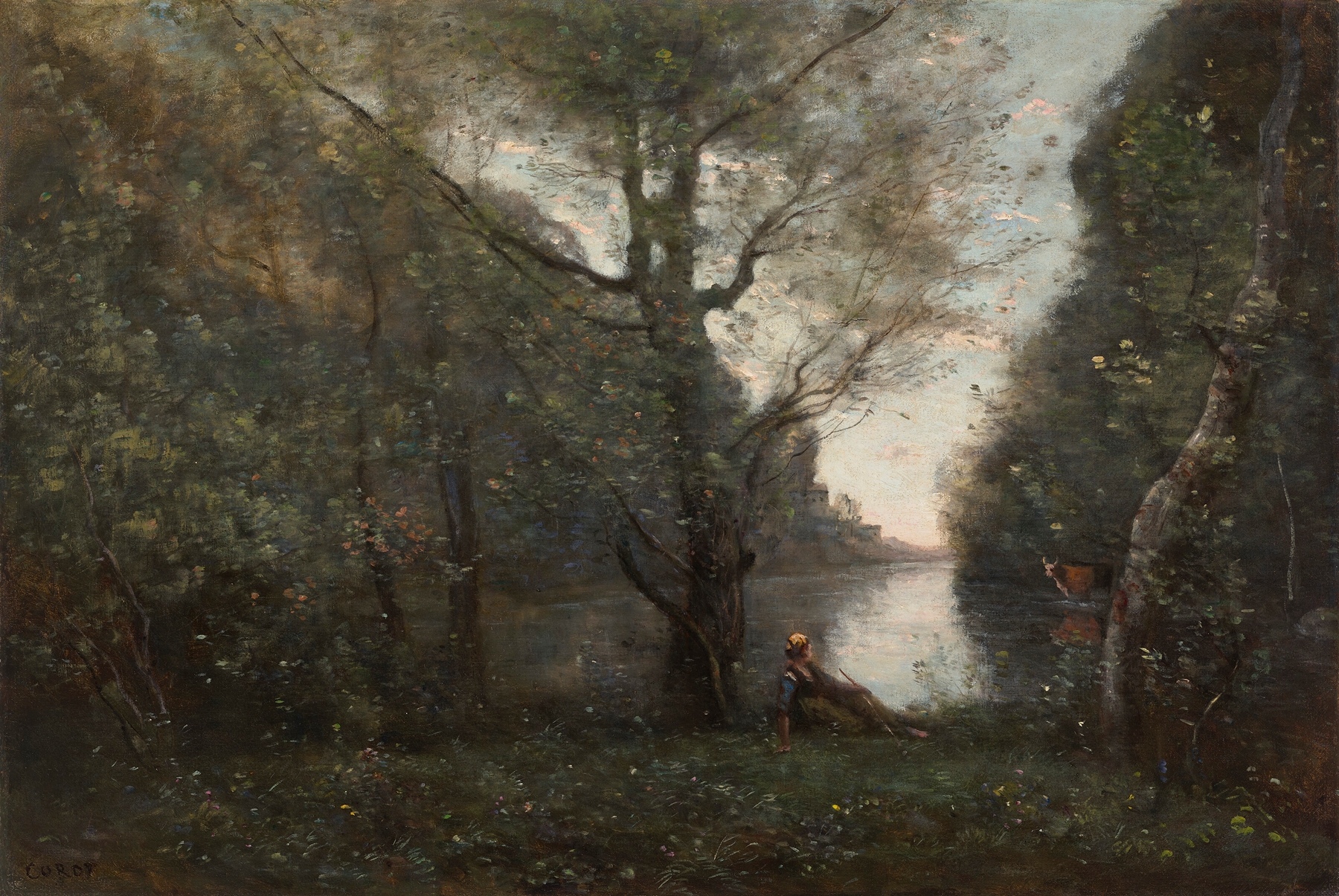
Can paint confess what words never could? The brush captures an ethereal dance of light and nature, whispering secrets of movement and stillness that echo in the heart. Look to the left, where the soft greens of the foliage cradle the tranquility of a shimmering pond. Notice how the light falls upon the water's surface, creating a gentle play of reflections that mirror the lush landscape.
The palette—a harmonious blend of muted greens and warm earth tones—invites the viewer into a serene world, while the soft, feathery strokes evoke the fleeting nature of the moment. Each brushstroke carries a sense of tenderness, as if the artist is breathing life into the canvas. Zoom in on the contrasting elements: the stillness of the water juxtaposed with the dynamic movement of the trees swaying in the breeze. The way the towering trees seem to lean toward the water, as if drawn by an invisible force, encapsulates a longing for connection.
This tension between static and kinetic reveals a deeper narrative about the relationship between humanity and the natural world, reflecting both harmony and fragility. In 1865, while creating Ville-d’Avray, Corot was immersed in a revolutionary period of French landscape painting. Having settled into his style, he was exploring the nuances of plein air painting, capturing immediate impressions of nature. This was an era marked by shifting artistic ideals, as artists began to break free from academic constraints, seeking to express their connection to the ephemeral beauty of the world around them.