Vrouw met de peer — History & Analysis
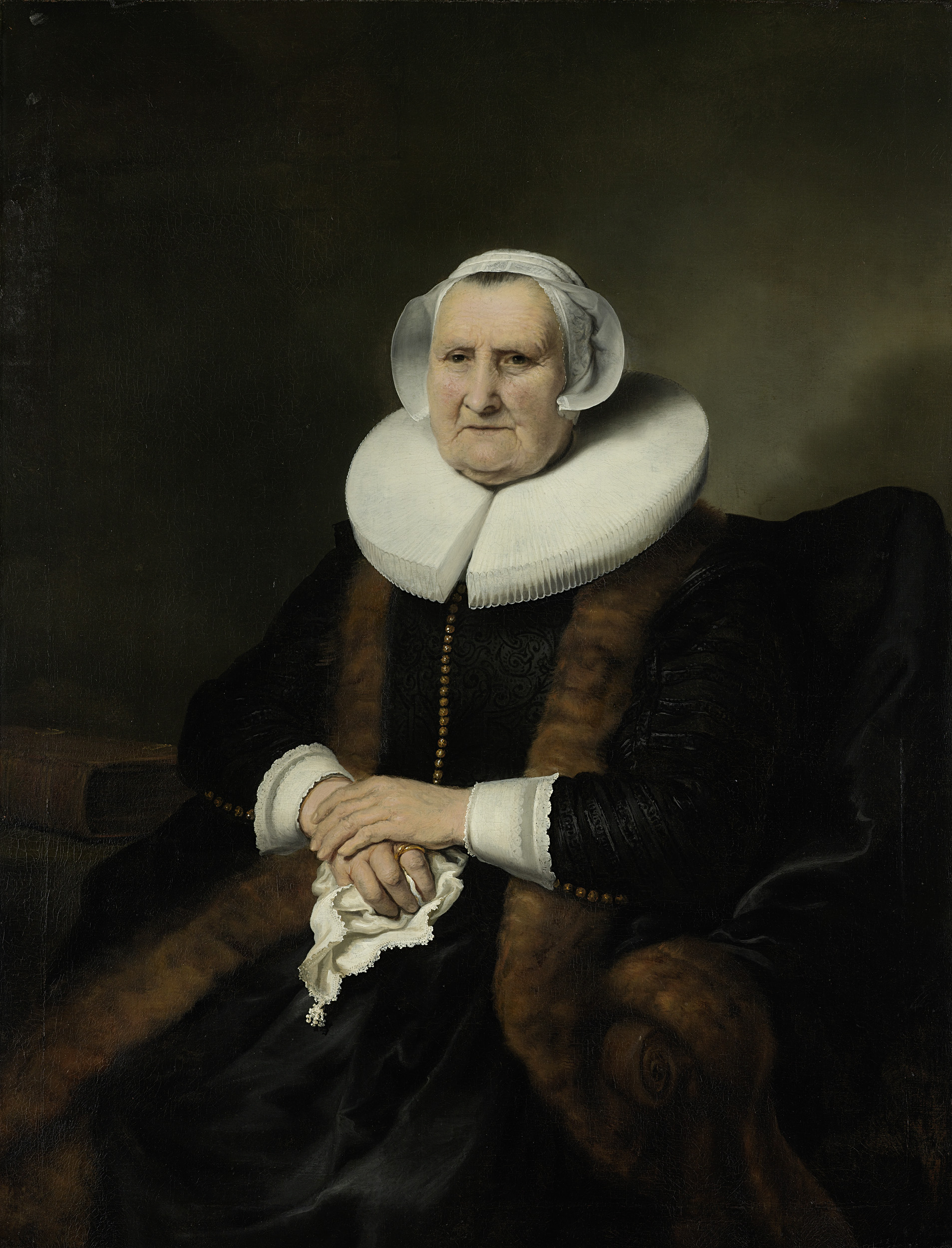
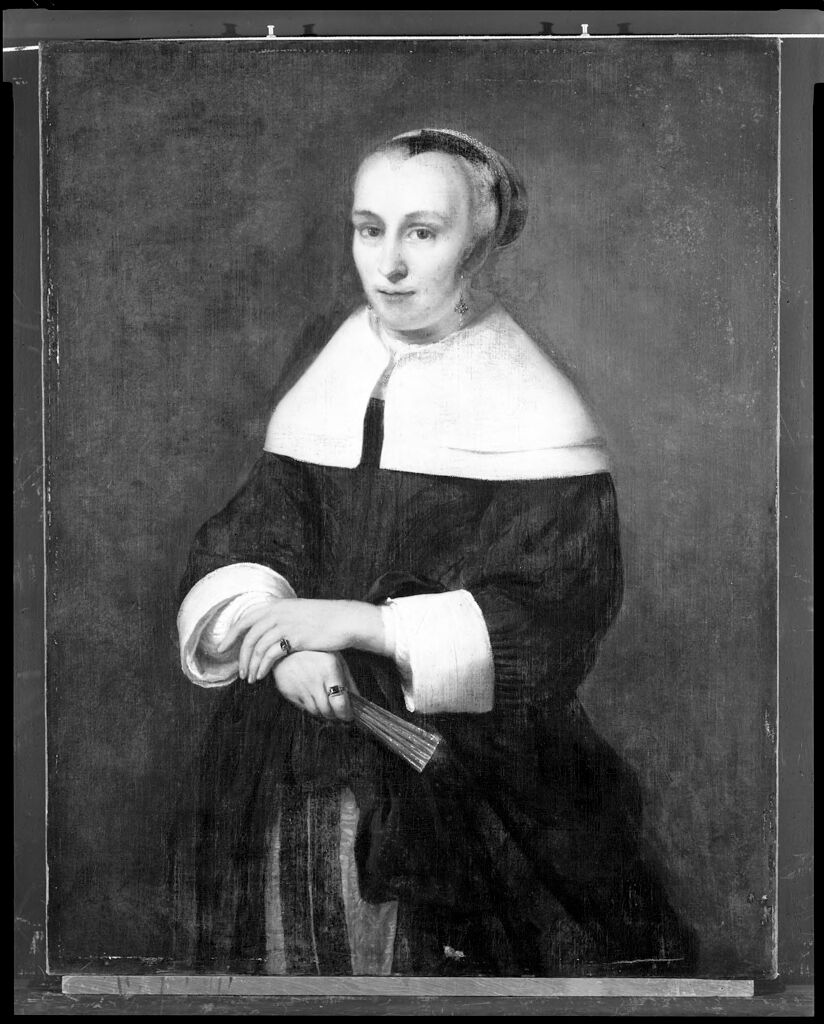
“Every silence here is a confession.” In the stillness of Vrouw met de peer, we are invited into a conversation with truth, laid bare. This intimate portrayal of a woman holding a pear speaks volumes, suggesting layers of meaning waiting to be unearthed. Look to the left at the soft contours of her face, illuminated by a gentle, diffused light that bathes her features in warmth. The delicate textures of her clothing contrast with the smooth, unblemished surface of the pear, drawing our eye to this emblem of both sensuality and innocence.
The deep, earthy tones of the background envelop her, creating a sense of seclusion that heightens the emotional gravity of the moment, making her expression both contemplative and poignant. There is a subtle juxtaposition in this work: the fruit, a symbol of abundance and temptation, rests in her delicate grip while her gaze is directed elsewhere, hinting at thoughts unspoken. The way she holds the pear aligns with the historical idea of femininity and virtue, yet her demeanor encourages us to reflect upon what lies beyond mere appearances. Each brushstroke speaks to the duality of existence, where beauty can be both protective armor and revealing vulnerability.
Ferdinand Bol painted this work in 1651, during a period when he was establishing himself as a prominent artist in Amsterdam. Influenced by Rembrandt’s mastery of light and chiaroscuro, Bol was navigating his own artistic identity amid the flourishing Dutch Golden Age. This painting reflects not only his technical prowess but also the introspective nature that characterizes much of his work, as he grapples with the complexities of human emotion and existence.