Wannseegarten — History & Analysis
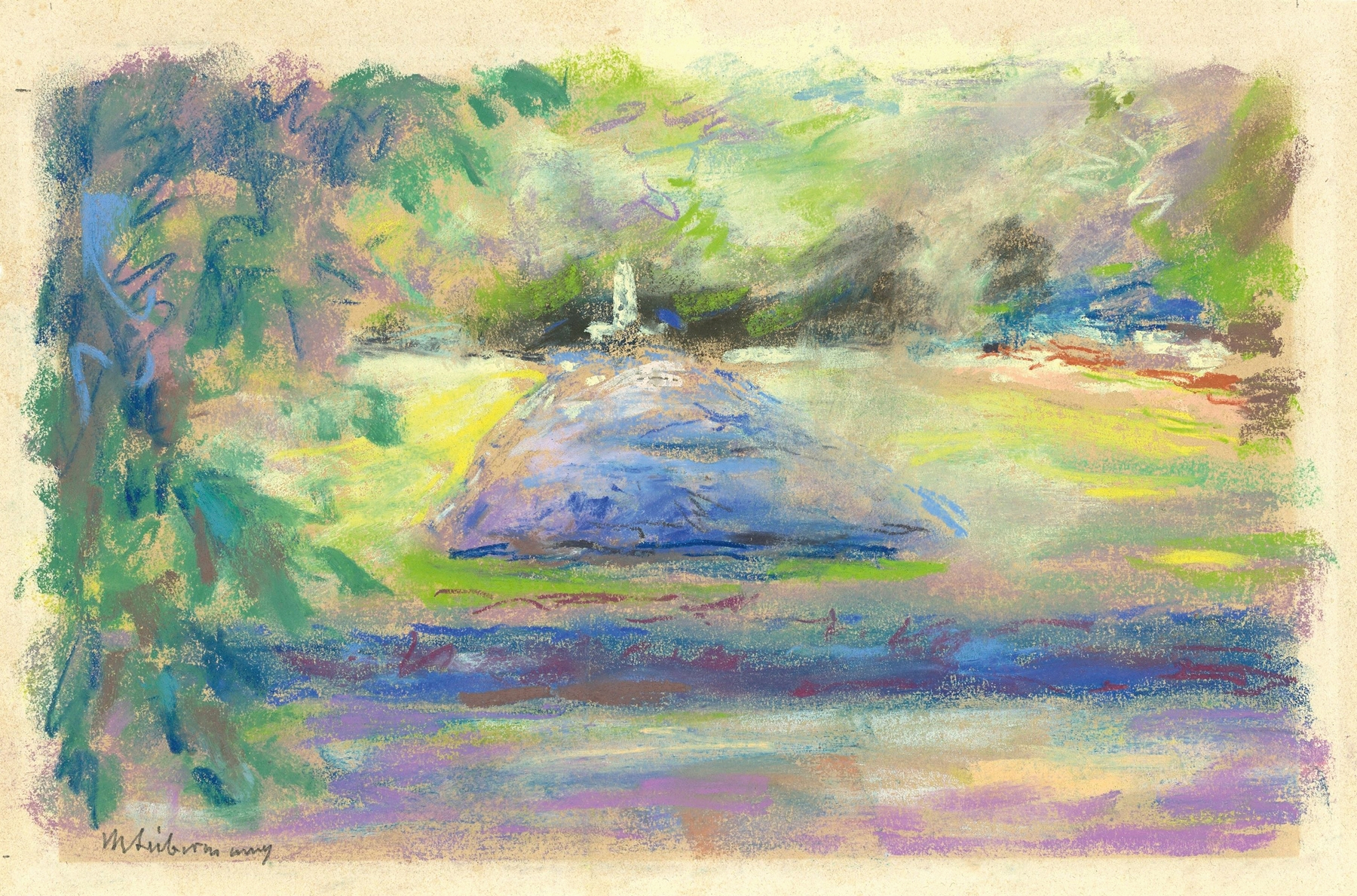
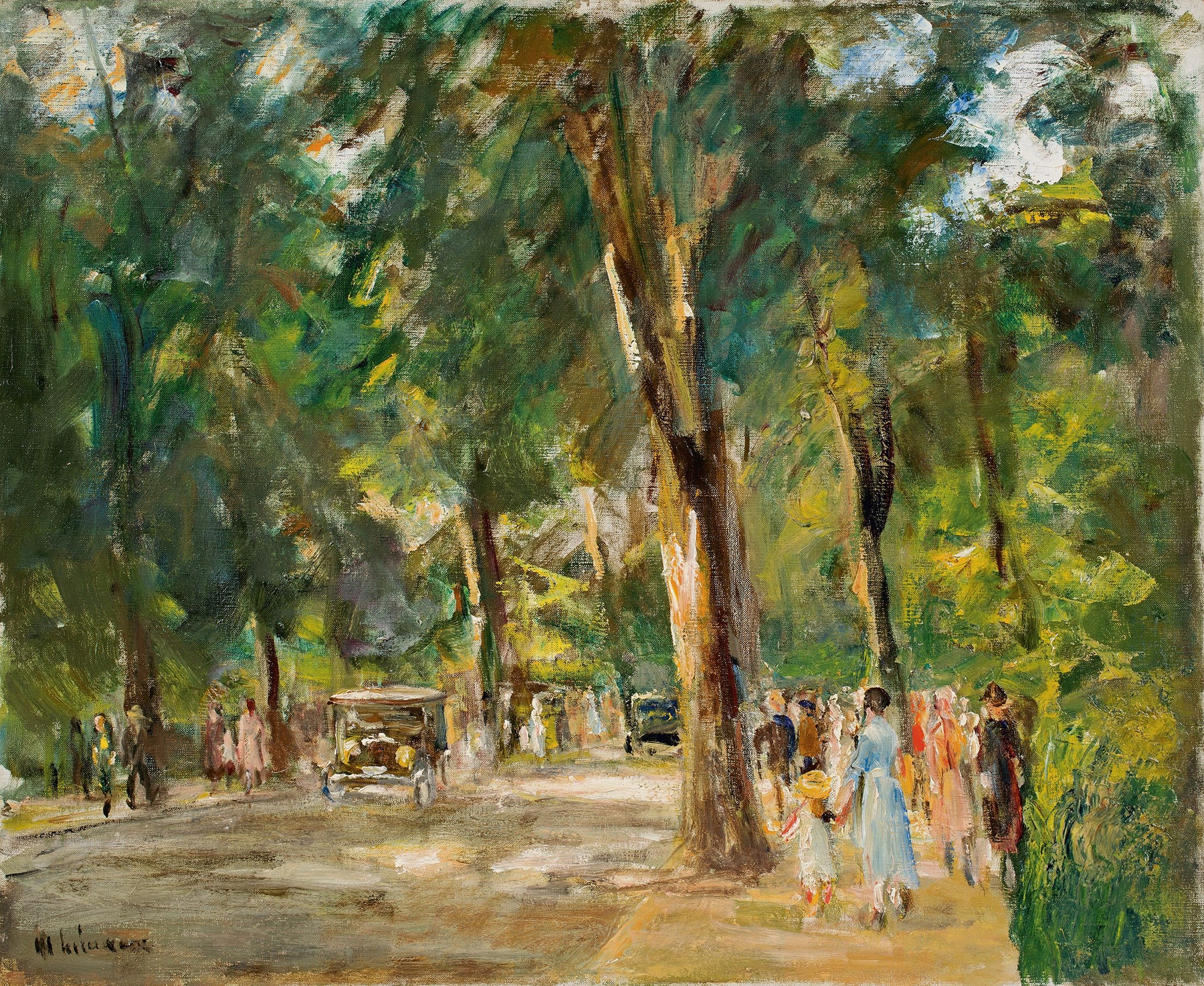
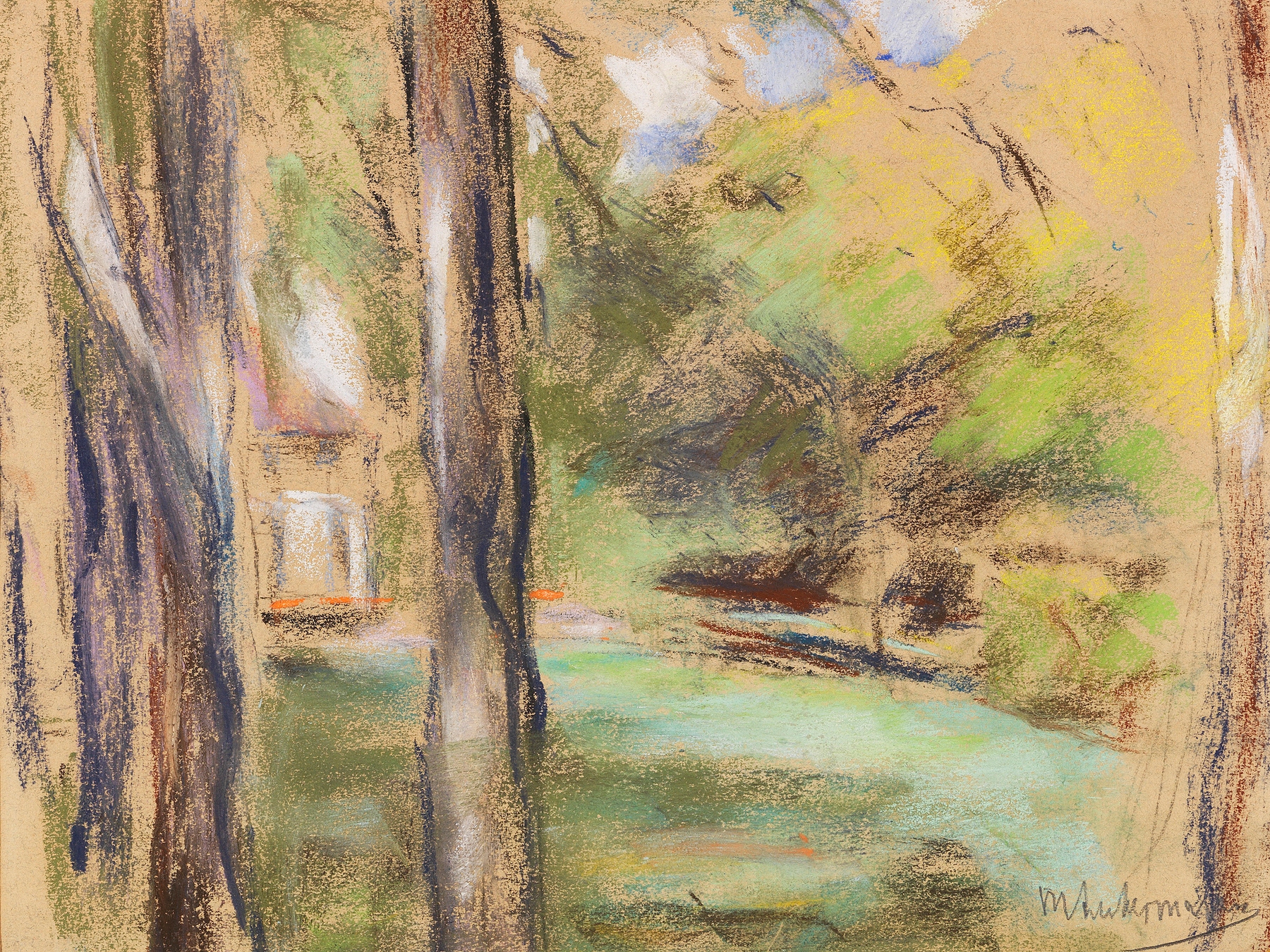
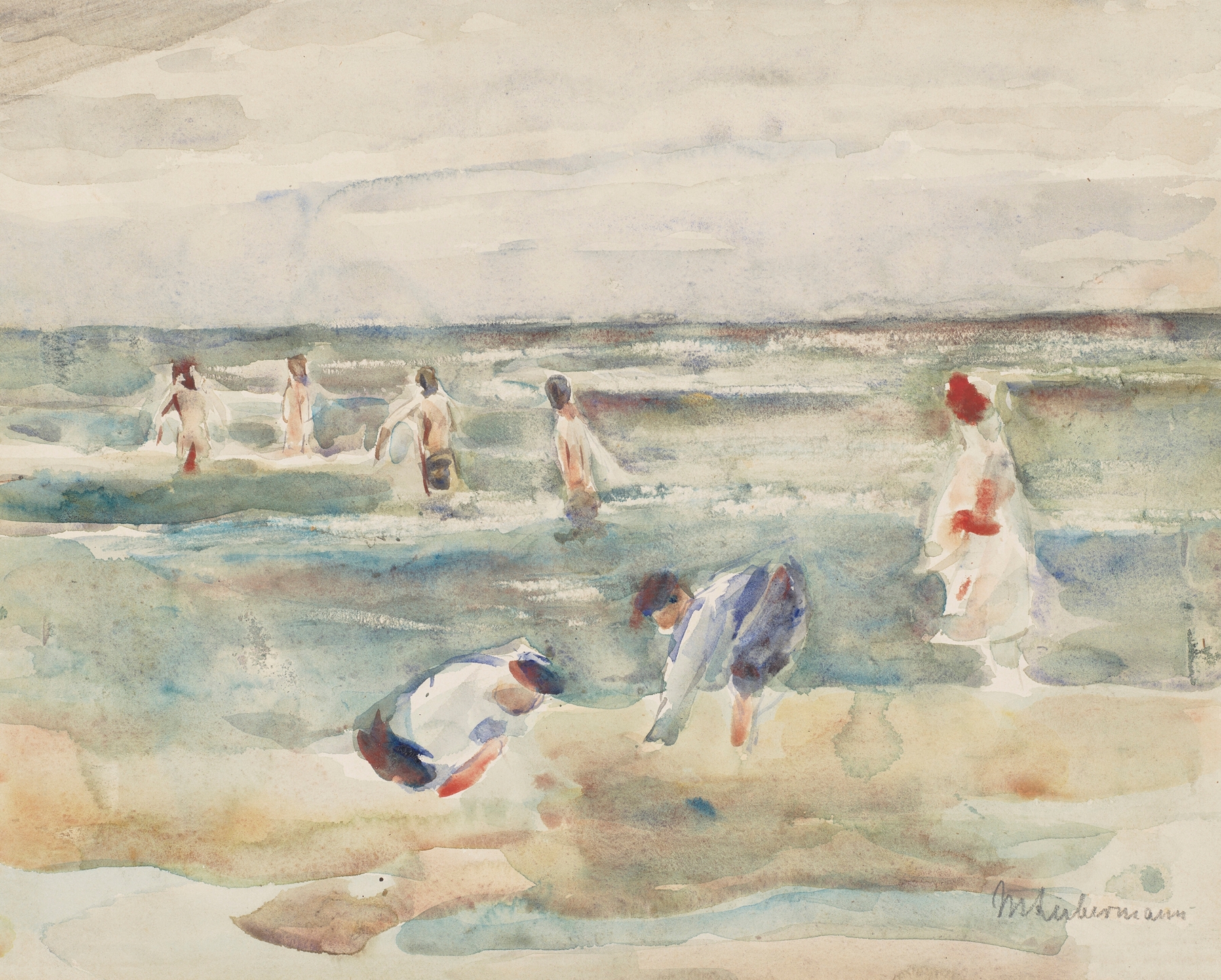
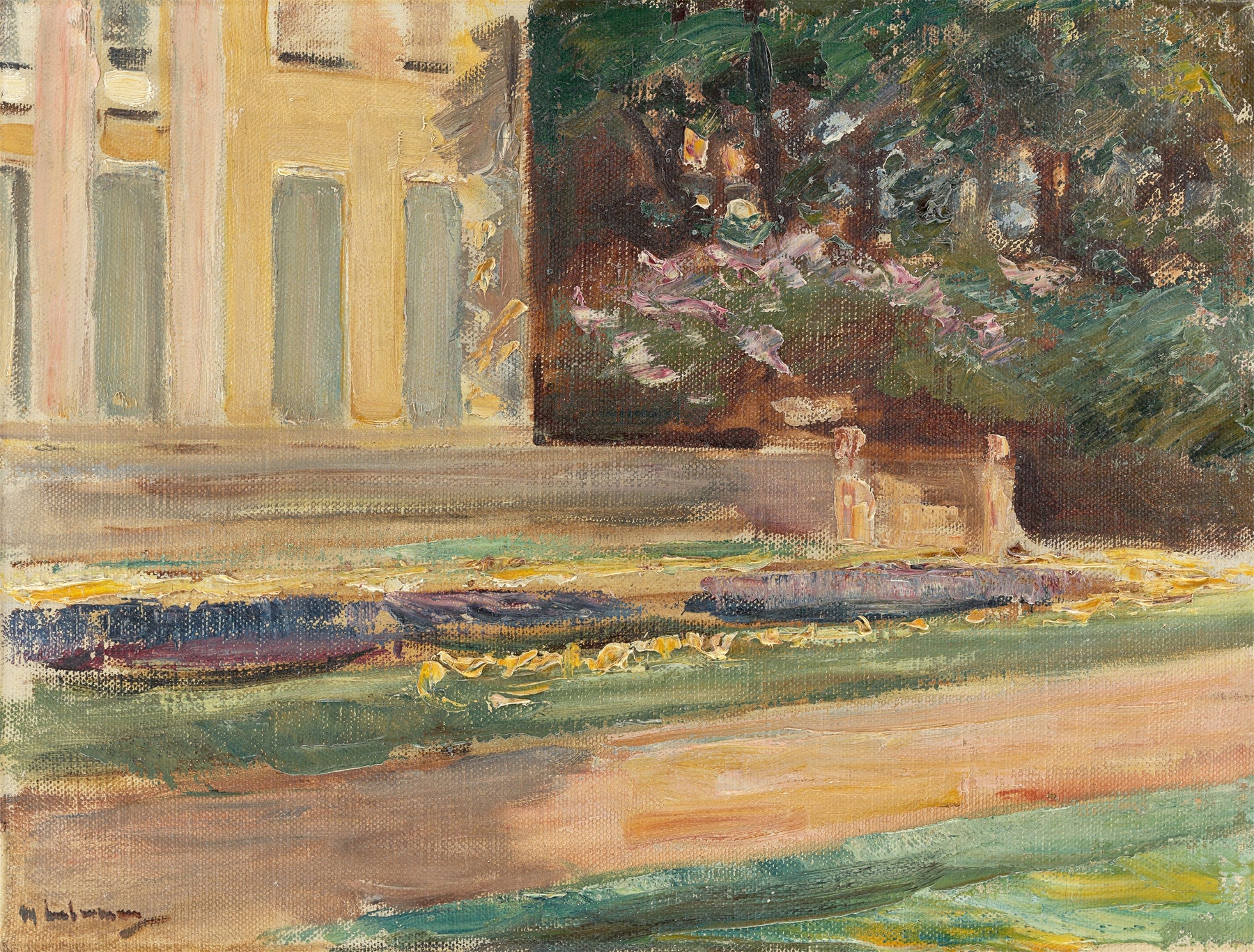
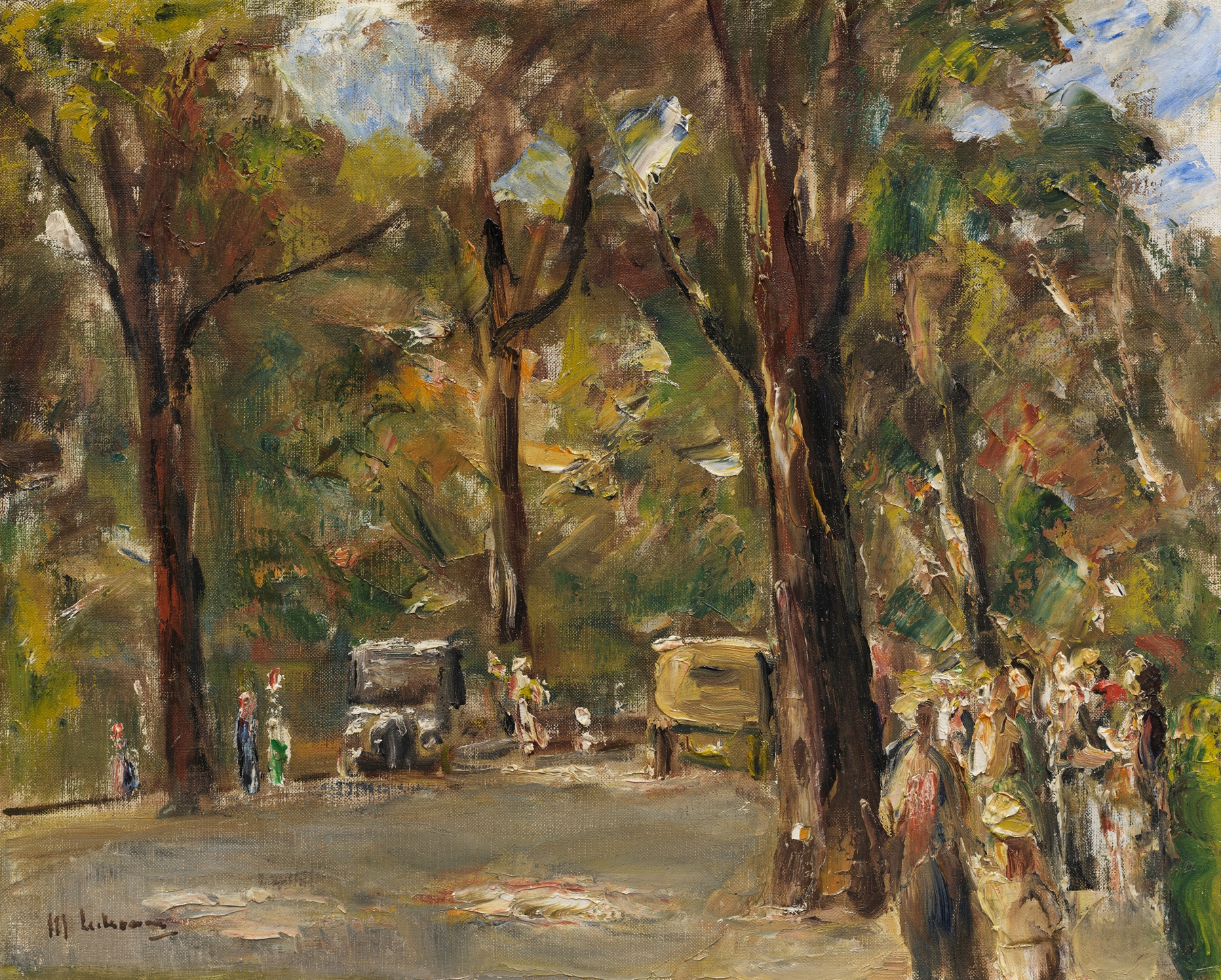
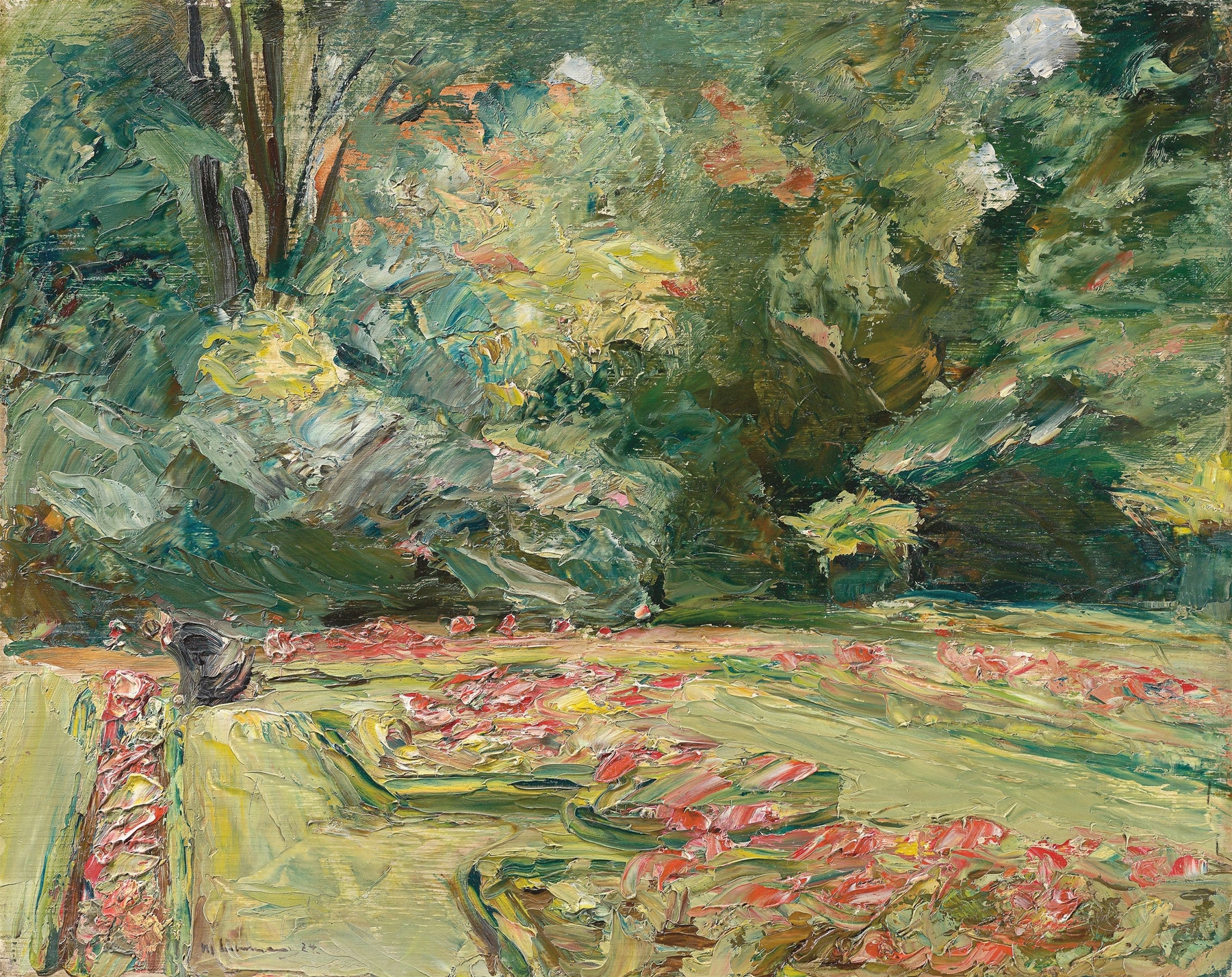
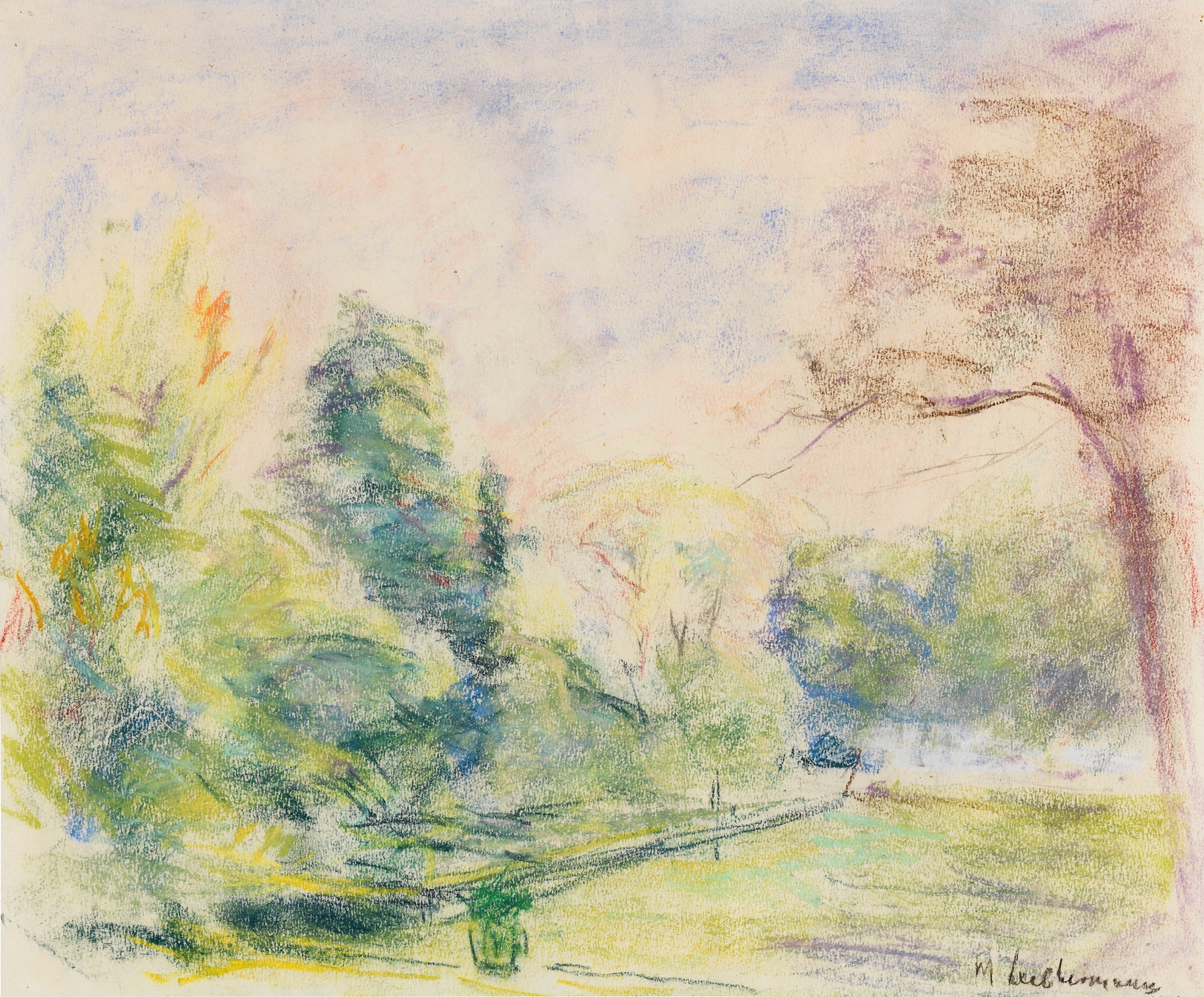
Where does light end, and longing begin? In this ethereal composition, serenity permeates every brushstroke, inviting us to linger in a moment suspended between reality and reverie. Focus on the tranquil expanse of the water, where soft ripples capture the reflection of trees and sky, merging heaven and earth. Notice how the light falls upon the verdant foliage, illuminating speckles of sunlight that seem to dance among the leaves.
The painter’s deft use of color—gentle greens, cool blues, and hints of gold—creates a harmonious palette that soothes the spirit, drawing the eye toward the horizon where sky and water meet. Beneath the surface, the painting resonates with a deeper emotional undercurrent. There is a palpable tension between the stillness of nature and the inner yearnings of the soul, as if the serene landscape reflects unspoken desires. The absence of human figures serves to amplify this solitude, inviting contemplation and introspection.
The juxtaposition of the serene setting against the vibrancy of nature evokes a longing for connection, not just with the external world, but with one’s own inner landscape. In 1925, Max Liebermann painted Wannseegarten during a period when he was celebrated as a leading figure in German Impressionism. Living in Berlin, his work was marked by a deep appreciation for light and color, reflecting the changing times in a post-war Germany. This serene landscape encapsulates his artistic vision, a moment of quiet beauty amidst the complexities of an evolving society.