Waterdichtmaken van de romp van een schip — History & Analysis
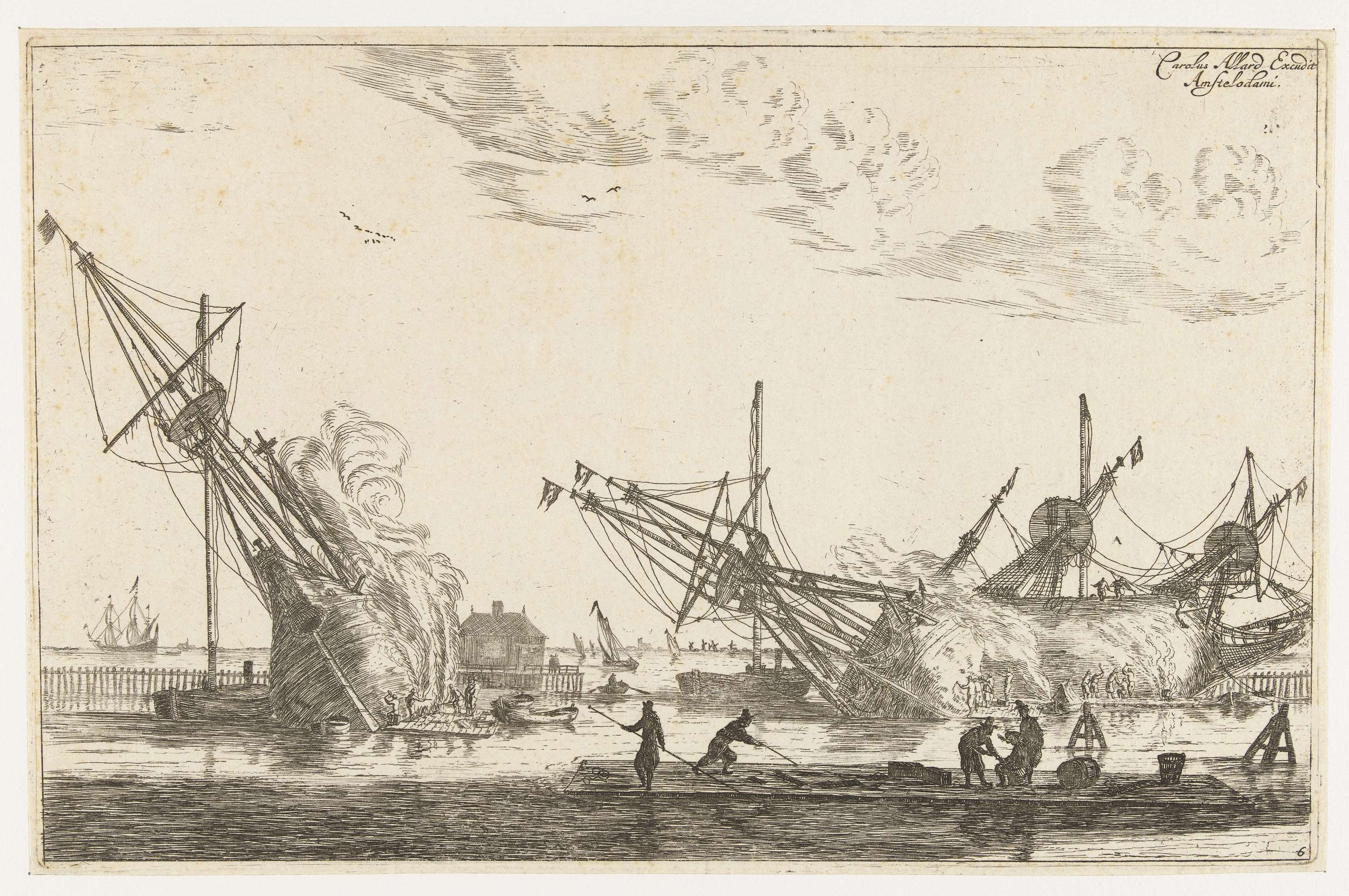
What secret hides in the quiet of the canvas? In the stillness of Waterdichtmaken van de romp van een schip, an obsession with detail unfolds, compelling us to look deeper into the life of the seafaring world. Focus first on the ship at the center, its hull stark against the muted browns and soft grays of the dock. The laborers, small in scale but monumental in their dedication, are poised with tools that suggest a harmony between man and vessel. Notice how the sunlight dances off the water, illuminating the scene with an almost ethereal glow, casting intricate shadows that echo the tension of their labor.
Each brushstroke captures not just the form but the spirit of craftsmanship, inviting you to linger on every meticulously painted plank. Delve into the emotional currents woven within the artwork. The ship is not merely a vessel but a symbol of ambition and the relentless pursuit of perfection. The workers' posture, bent and concentrated, reflects an obsession not just with their task but with the dreams and fears bound to the sea.
This scene, steeped in silence, speaks volumes about the fragility of human endeavor against the vastness of nature, the fleeting moment of creation, and the quiet desperation that drives men to master the unfathomable. In the years 1651 to 1652, Reinier Nooms, also known as Zeeman, painted this work amidst the burgeoning Dutch maritime industry. Living in Amsterdam, he was deeply influenced by the scene around him—where trade and navigation thrived. This period marked a significant point in art, where realism and technical skill in depicting maritime life became prominent; Nooms emerged as a pivotal figure in celebrating this intricate relationship with the sea.