Waterdichtmaken van de romp van een schip — History & Analysis
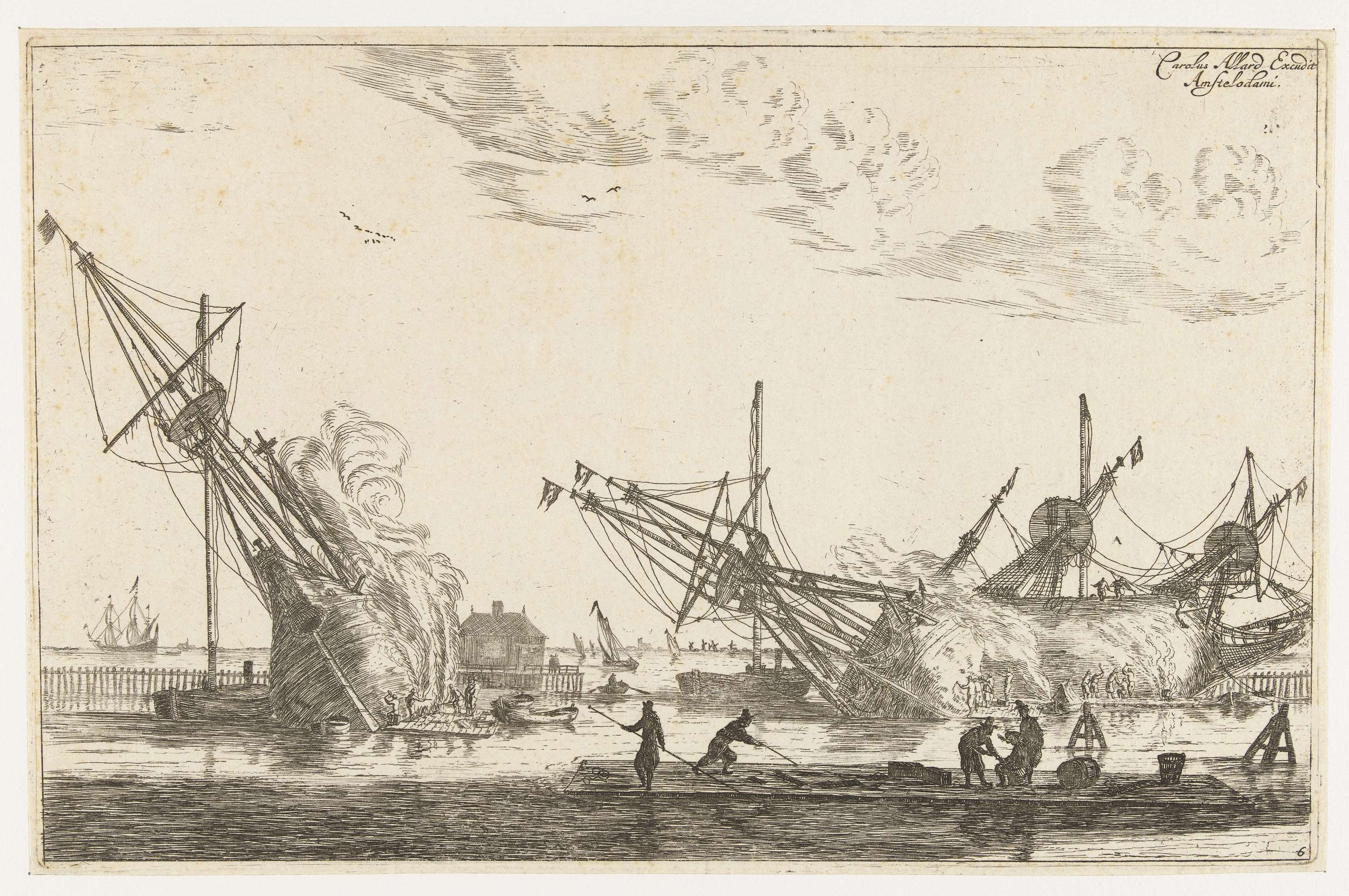
Who listens when art speaks of silence? In Waterdichtmaken van de romp van een schip, the stillness of the moment invites us to contemplate the unseen narratives that ripple beneath the surface. Look to the left at the shipwright, a solitary figure working diligently amidst the broad expanse of the dry dock. The muted tones of earth and wood contrast sharply with the vivid blues and greens of the water, drawing your eye towards the meticulous details of the hull being caulked. The careful strokes of the artist’s brush breathe life into the textures of the wood, evoking a sense of labor and devotion.
The interplay of light and shadow not only highlights the craftsmanship but also imbues the scene with a quiet, almost reverent atmosphere, suggesting the weight of human endeavor against the vastness of nature. Beneath the surface, hidden meanings emerge. The act of sealing the ship's hull symbolizes protection, both physical and emotional, against the unpredictable tides of destiny. There is a contrast between the serene water and the hard labor of the shipwright, hinting at the ancient human struggle between ambition and vulnerability.
This tension reflects the broader themes of resilience and the fragile beauty of human creations in a world that constantly tests their limits. Reinier Nooms created this work around 1650, during a time when the Dutch Republic was thriving in maritime trade and exploration. The artist, who lived primarily in Amsterdam, was influenced by the rising interest in realism and the detailed depiction of everyday life, a trend that was shaping the Baroque period. As he painted, the world was witnessing advancements in shipbuilding and exploration, highlighting humanity's desire to conquer both the seas and the silence of the unknown.