Waterloo Bridge, Gray Weather — History & Analysis
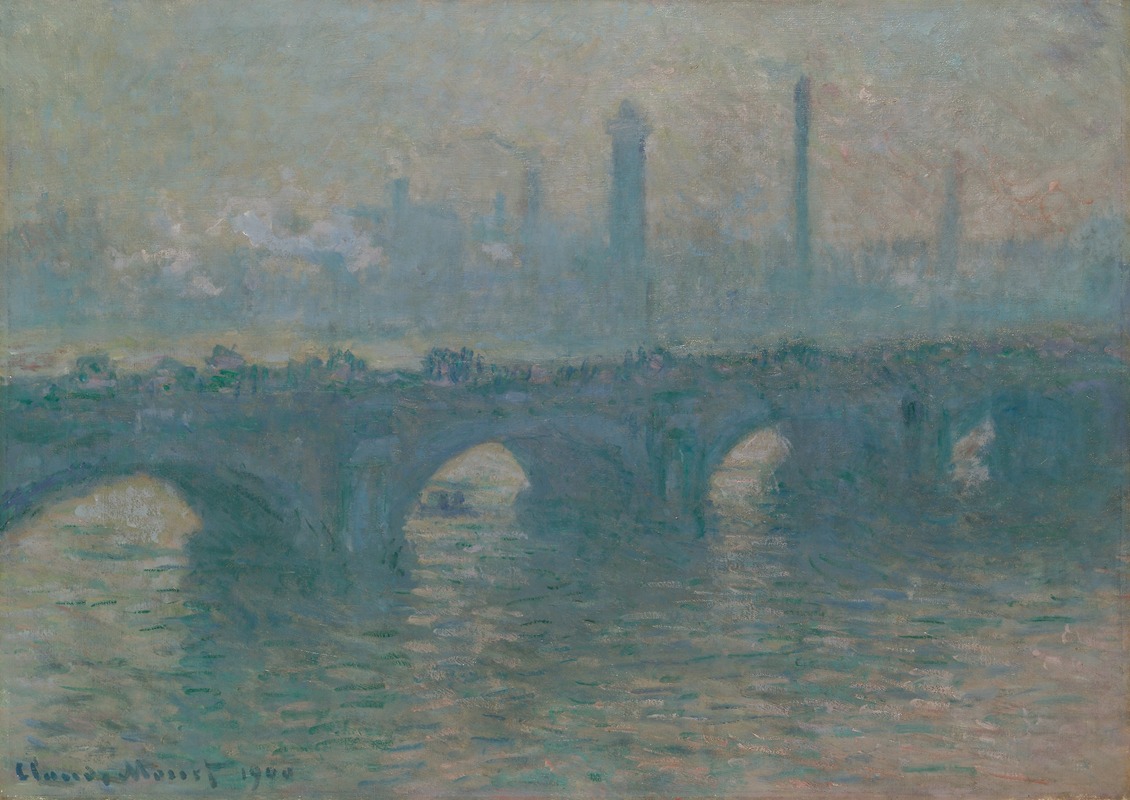
“The canvas doesn’t lie — it simply waits.” In Monet’s Waterloo Bridge, Gray Weather, the essence of yearning is encapsulated within the hazy atmosphere, inviting us to linger in its soft embrace and contemplate the mysteries of light and form. Look to the left at the gentle stroke of grays and blues sweeping across the canvas, where the bridge emerges like a ghostly silhouette against the dim backdrop. The artist’s loose brushwork evokes the fleeting nature of the moment, and the ethereal quality of the scene amplifies the emotional resonance. The fog rolls in, shrouding the bridge while filtering the sunlight, illuminating only fragments of color that hint at life beneath the surface.
As you explore, notice the delicate interplay between shadow and light. The muted tones create a sense of melancholy, suggesting a world in flux, where clarity is elusive. Each brushstroke carries a weight of nostalgia, reflecting the artist's longing for connection and beauty in an ever-changing landscape.
The bridge, an emblem of transition, stands resolute yet ephemeral, embodying the tension between permanence and transience. In 1900, Monet was deeply immersed in capturing the effects of light and atmosphere, working in his garden in Giverny while exploring a series of studies on the Thames. At this time, he faced personal and professional challenges, yet his commitment to impressionism flourished, marking a period of continual evolution in his artistic journey.