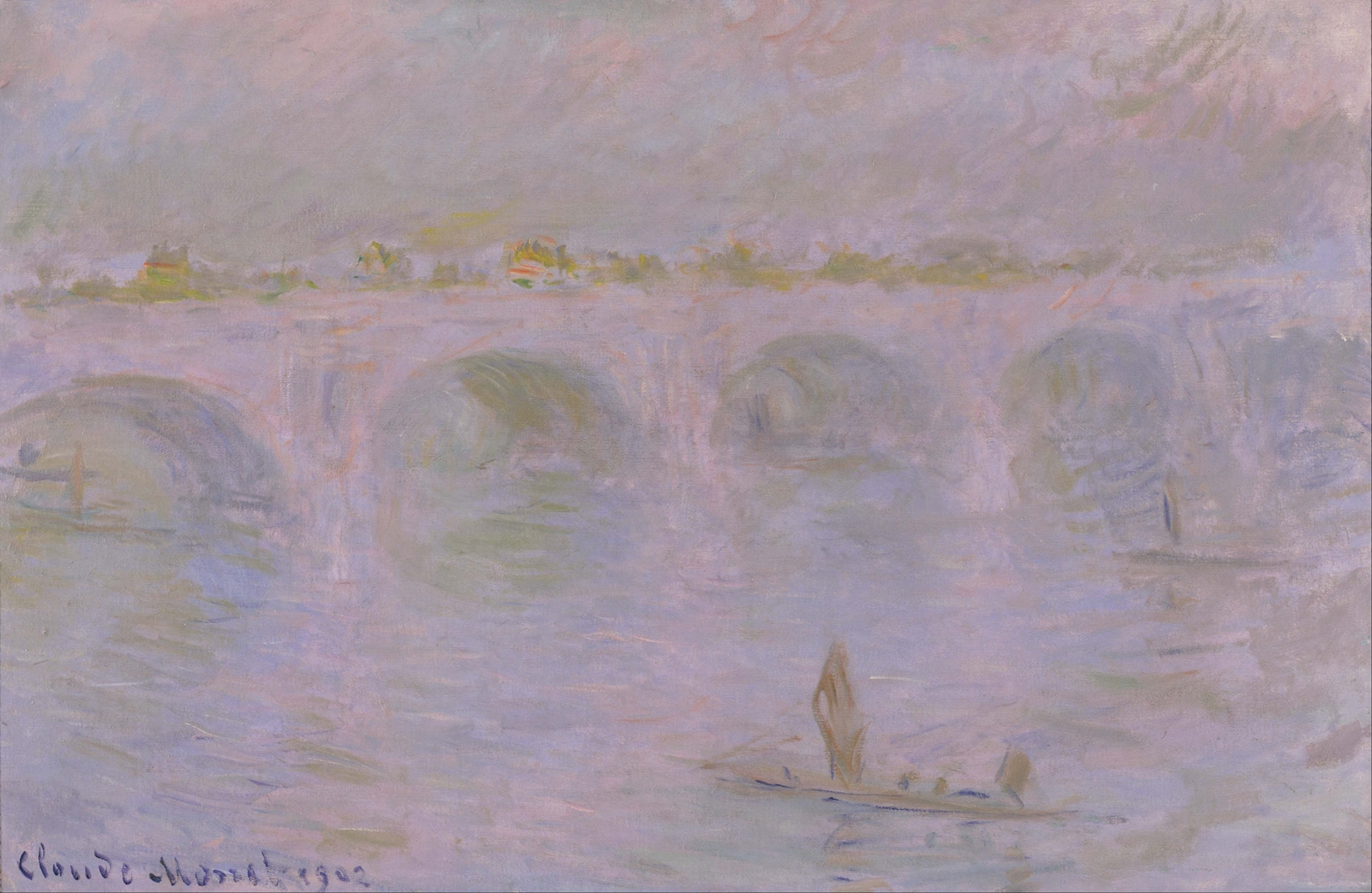
Waterloo Bridge in London — History & Analysis
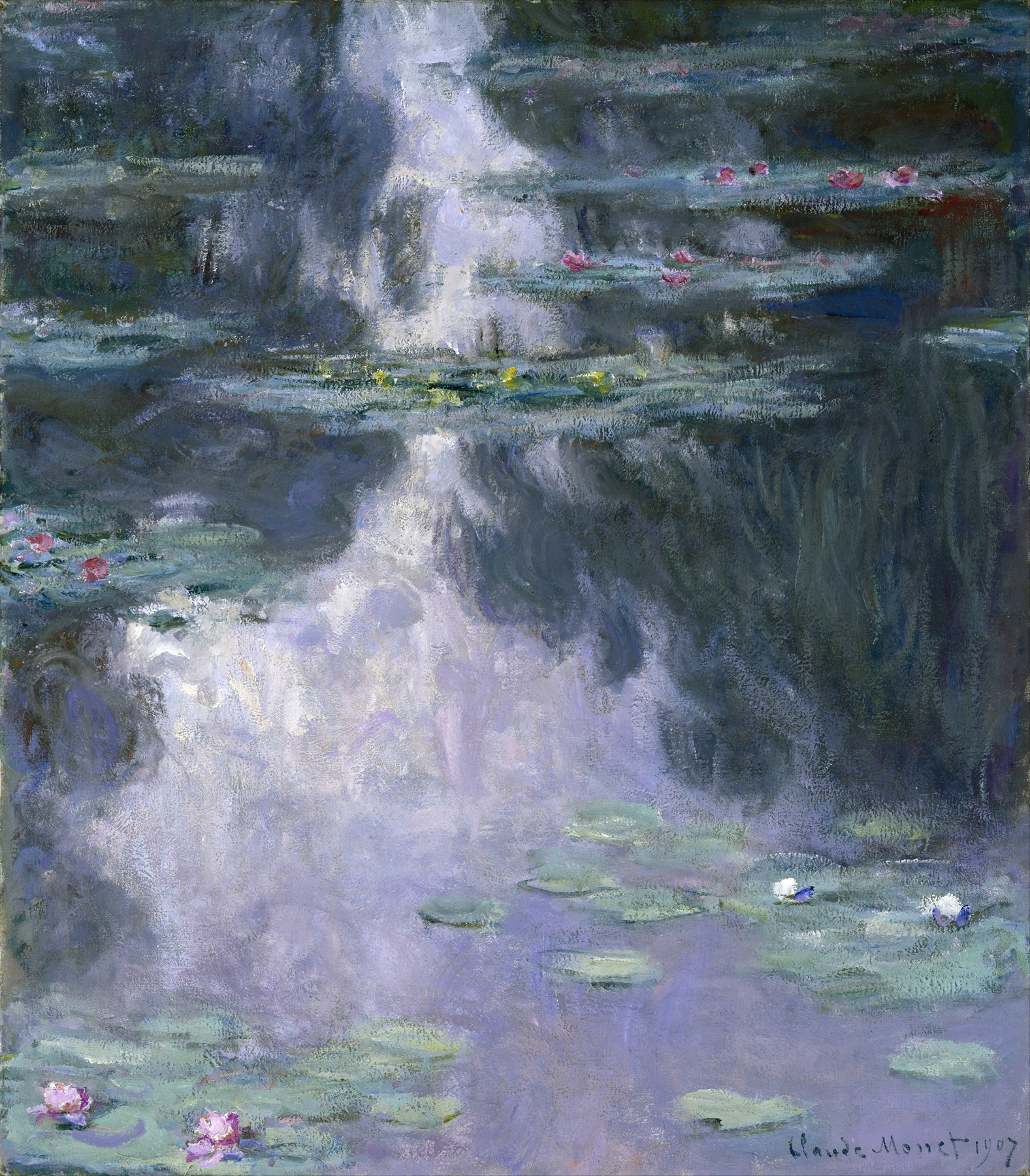
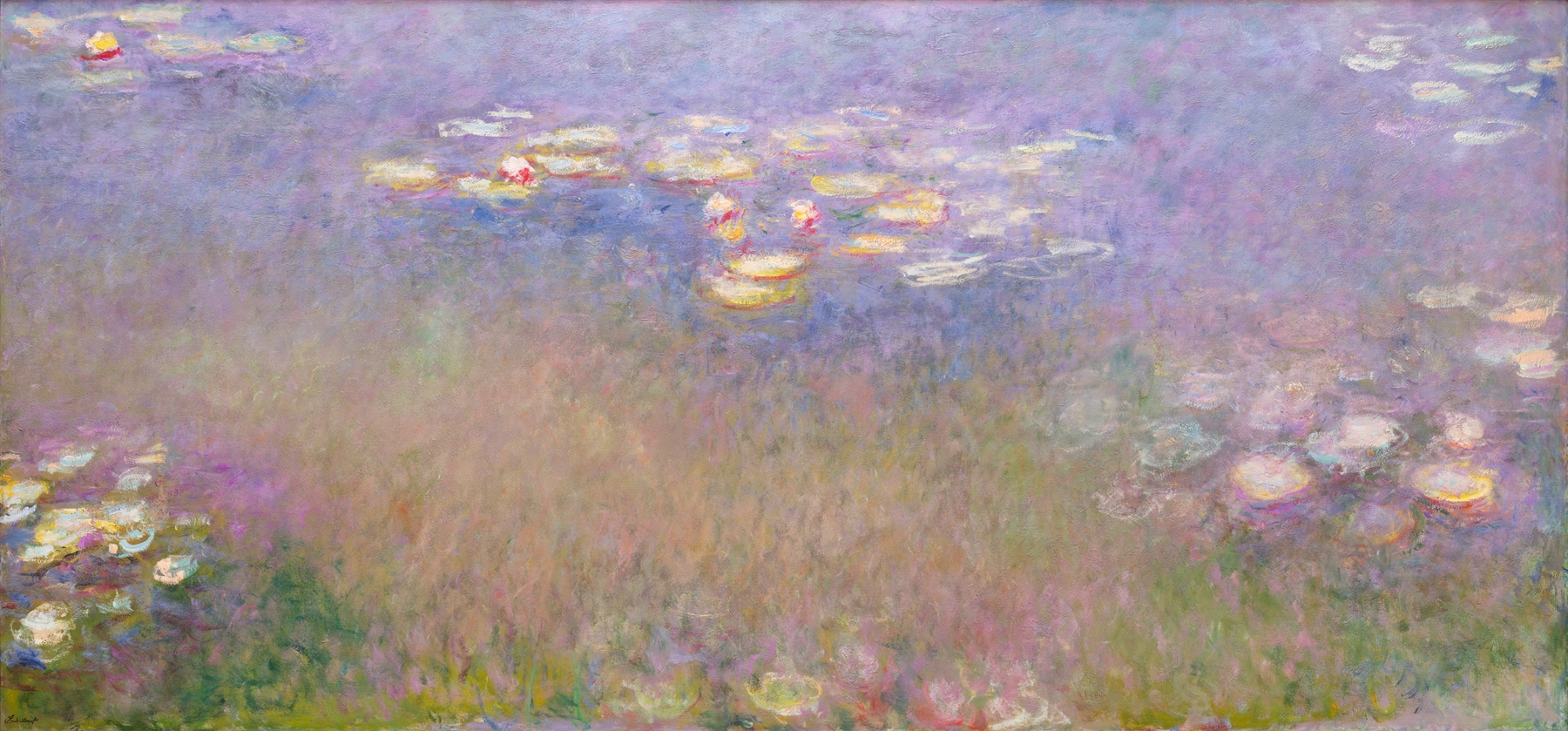
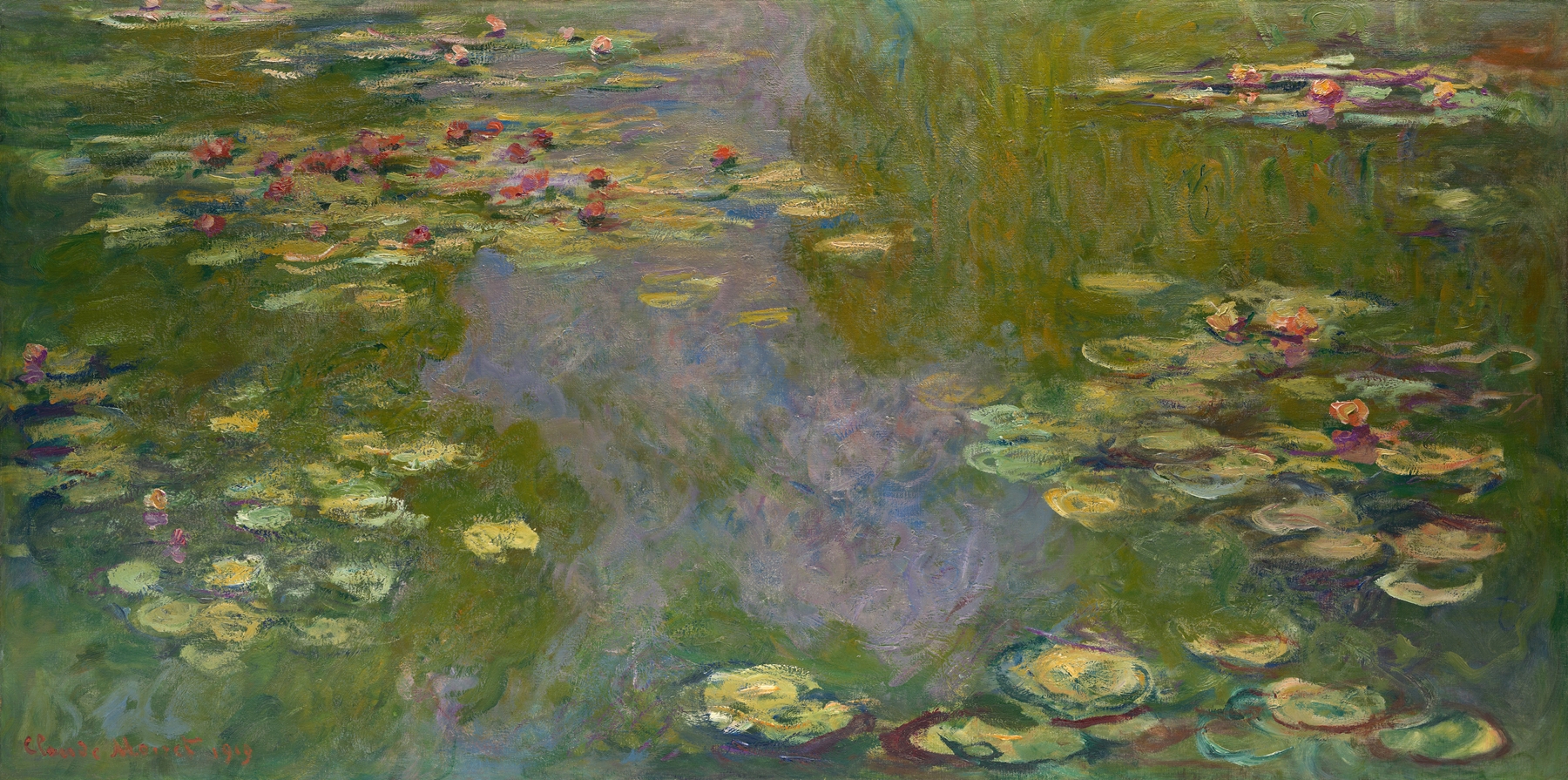
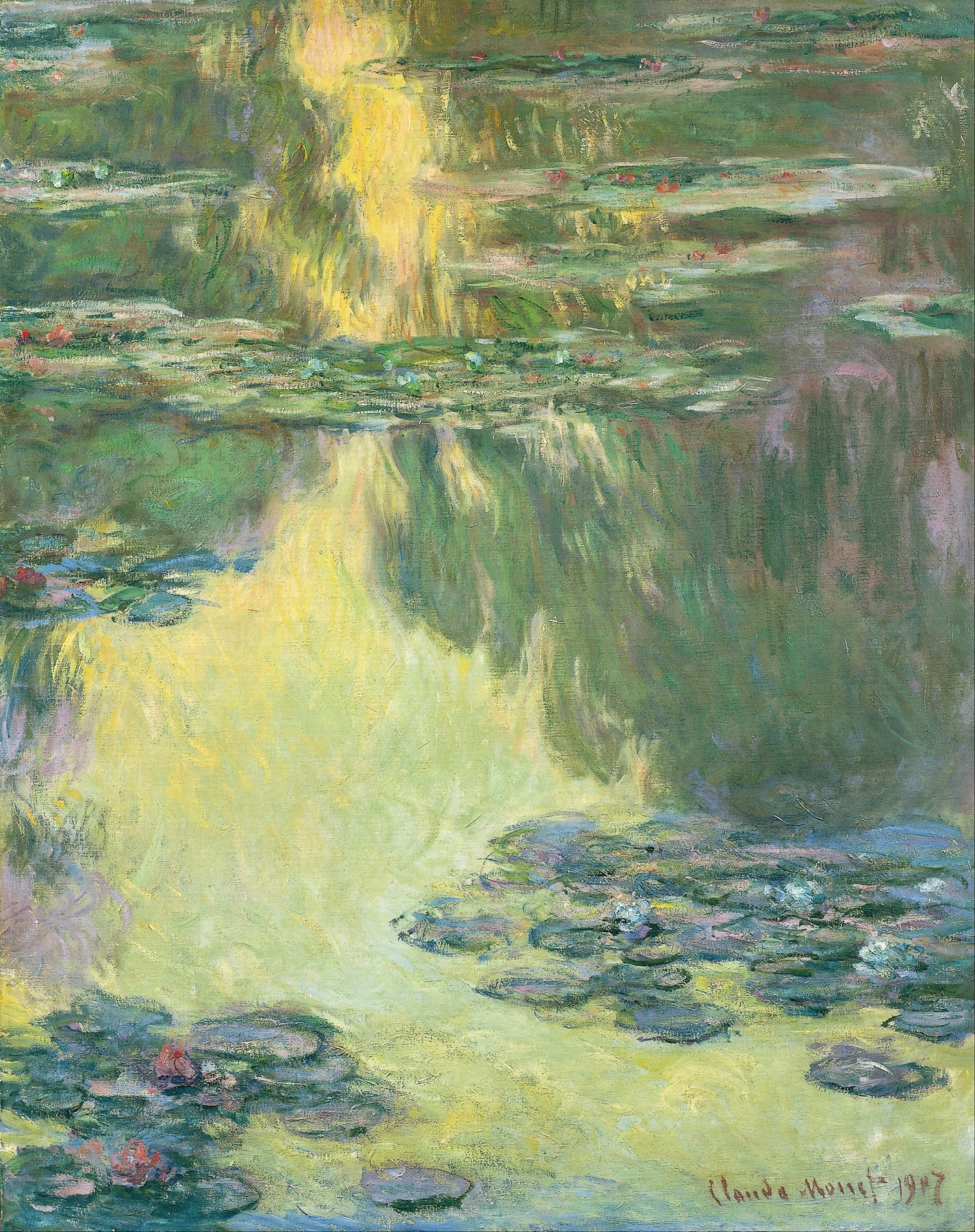
“To paint is to remember what time wants us to forget.” This sentiment resonates in the gentle haze that envelops the iconic bridge, a testament to obsession in all its forms. Focus on the ethereal quality of light as it dances across the water below. The mist, a soft veil, blurs the sharp edges of the bridge and the city, creating a dreamlike atmosphere. Notice the palette of blues and purples swirling together, suggesting not only the time of day but also the weight of memories that cling to the air.
Monet’s brushstrokes are spontaneous yet deliberate, each dab of color capturing a fleeting moment in time. Within this canvas lies a profound exploration of transience and permanence. The bridge, while a steadfast structure, becomes ephemeral against the backdrop of changing weather and light. This duality emphasizes the tension between human endeavors and nature’s relentless passage, as if the artist grapples with the inevitable fade of memory.
The ghostly silhouettes of figures suggest lives intertwined yet fleeting, echoing the persistence of their existence in Monet's mind. In 1902, during a period of personal loss and artistic exploration, the artist found solace in capturing the beauty of everyday life. Living in Giverny, he was deeply engaged in the Impressionist movement that sought to convey the ephemeral qualities of light and atmosphere. This piece reflects not only his mastery of color and form but also his quest to immortalize the beauty that time relentlessly seeks to obscure.