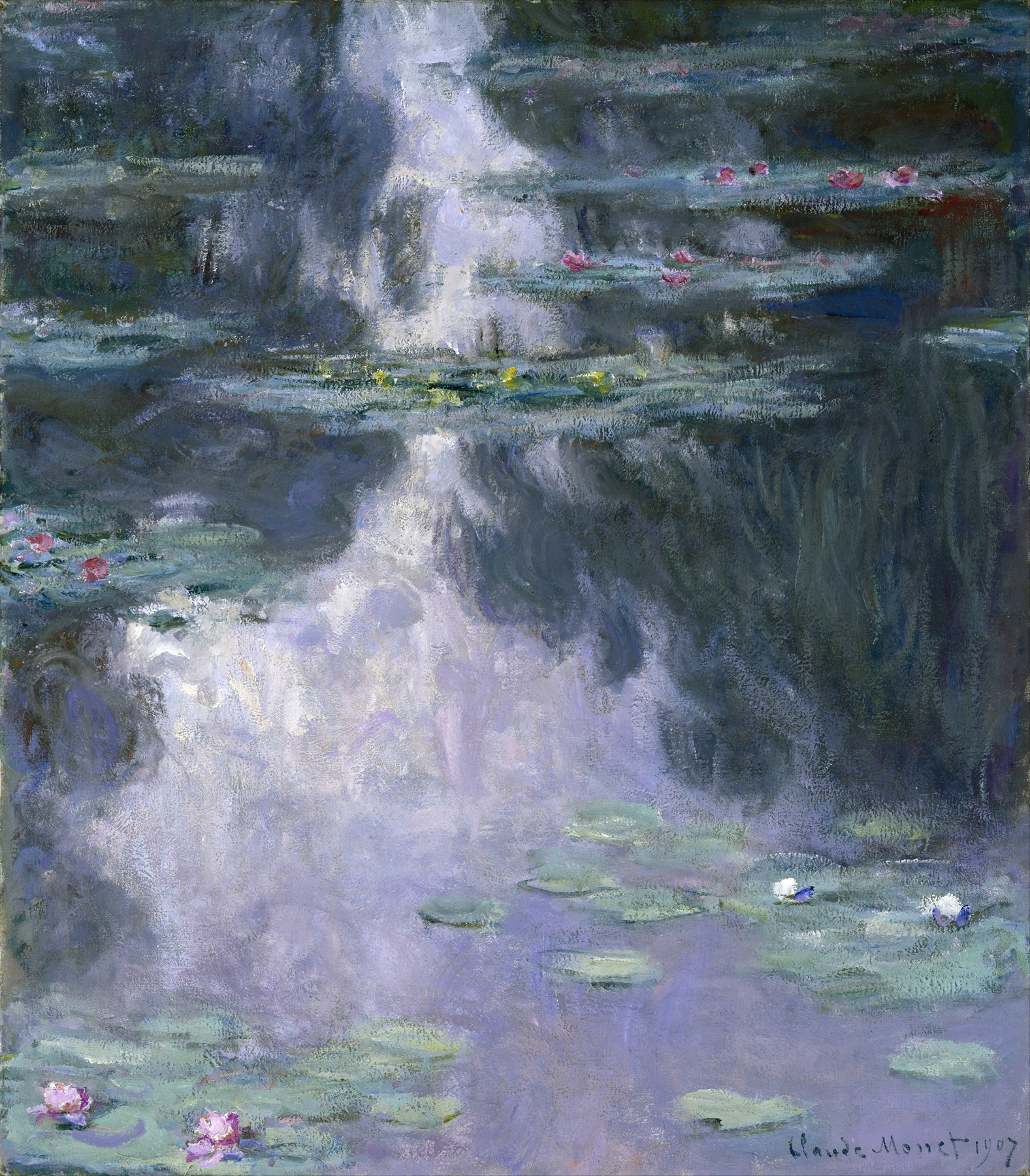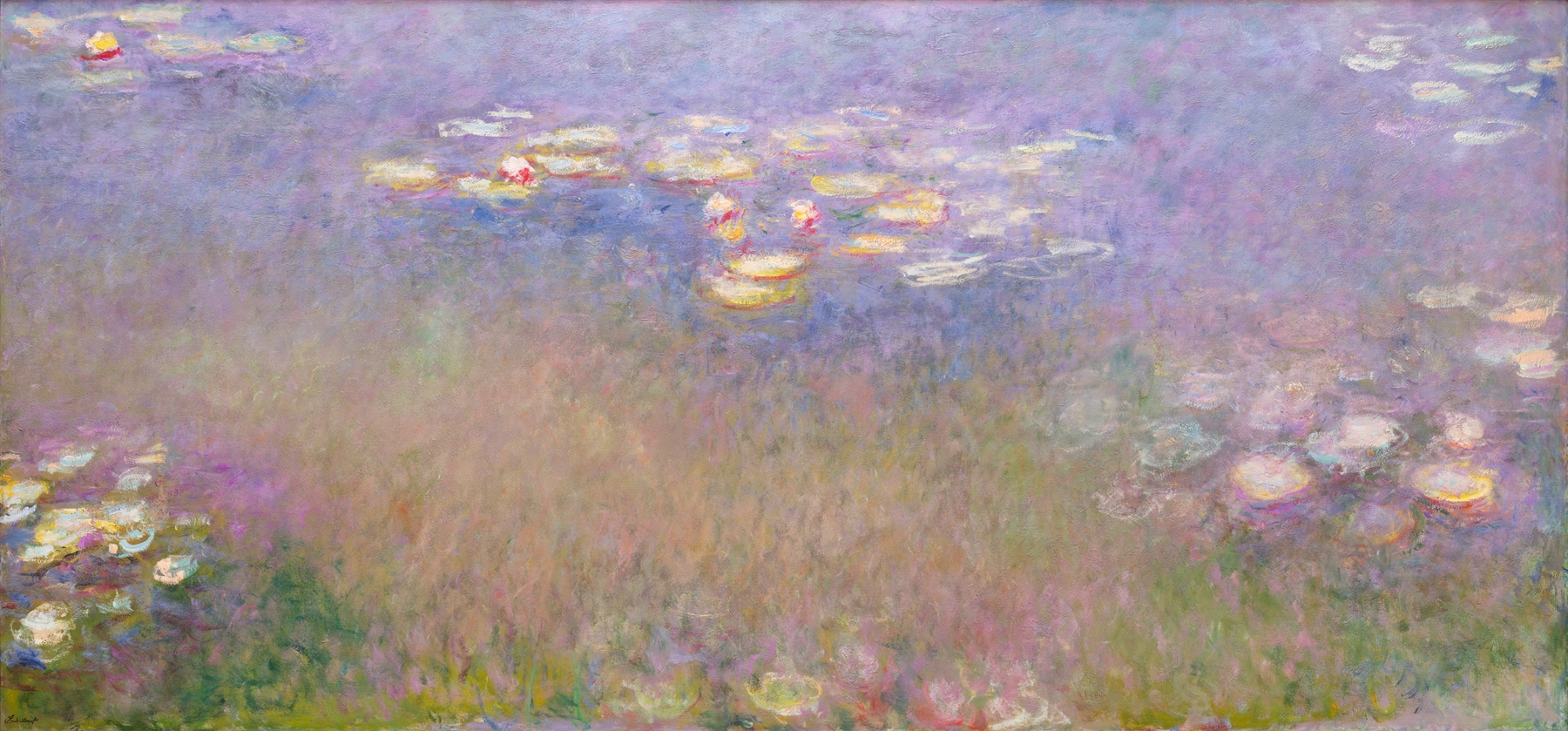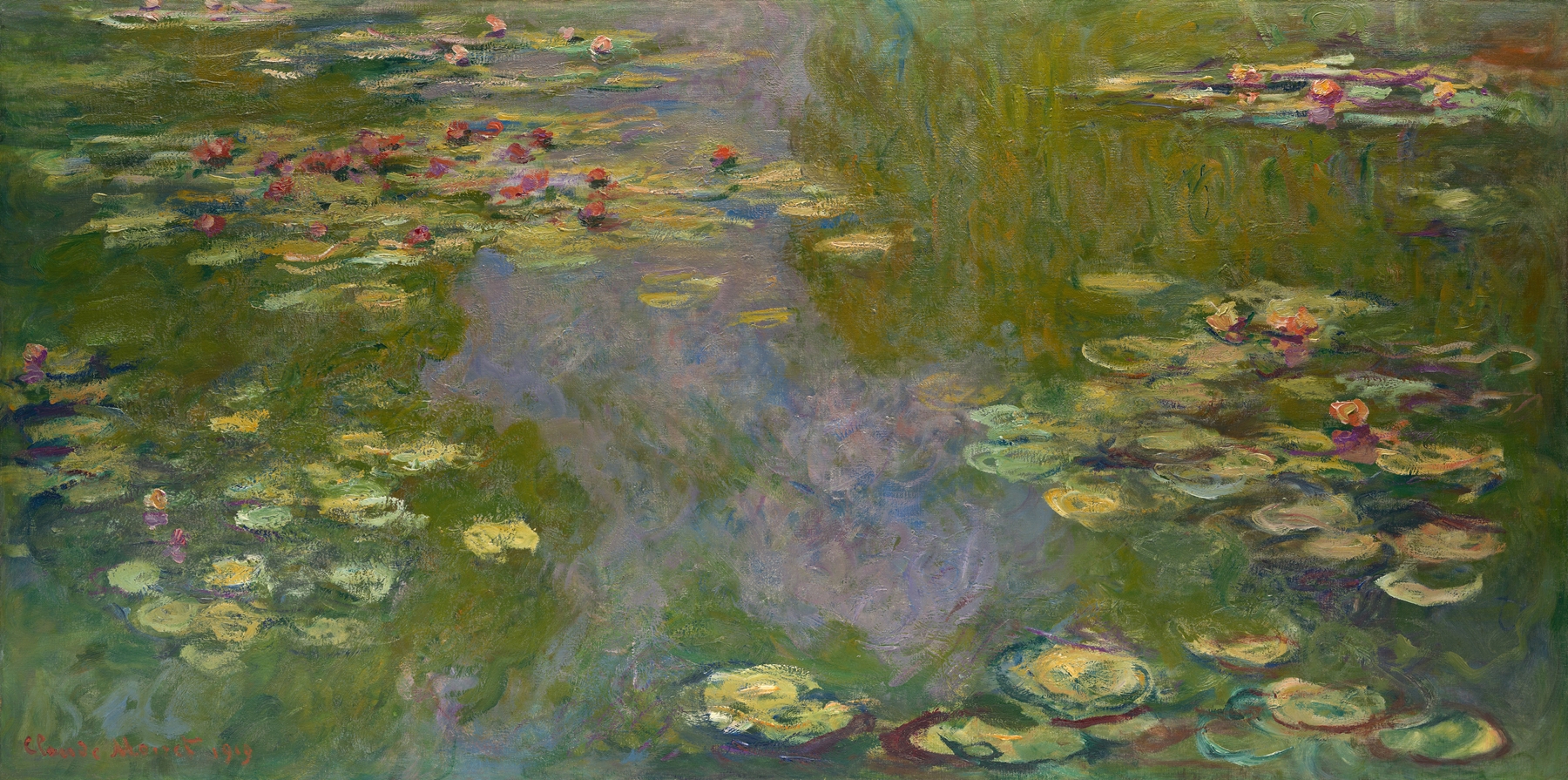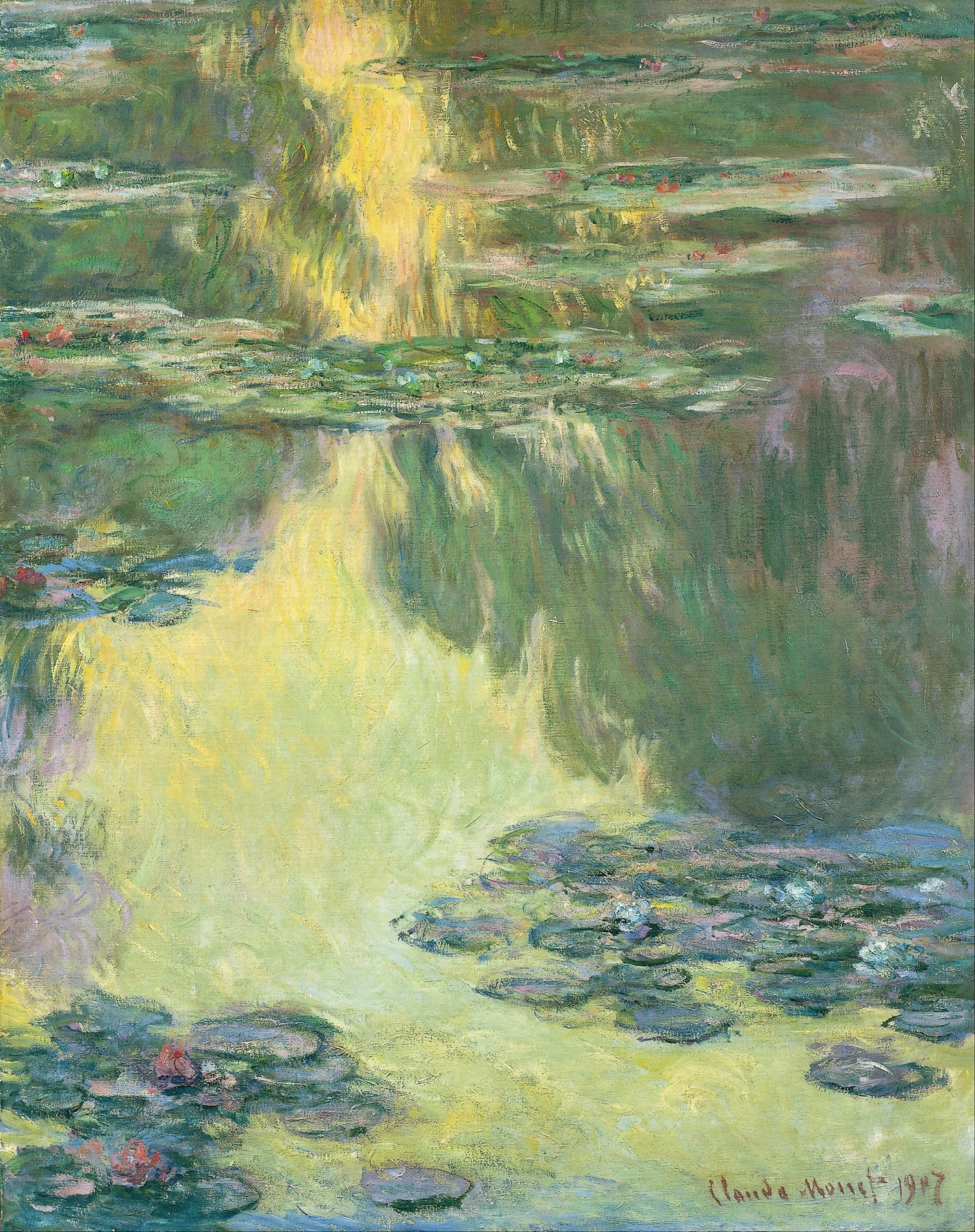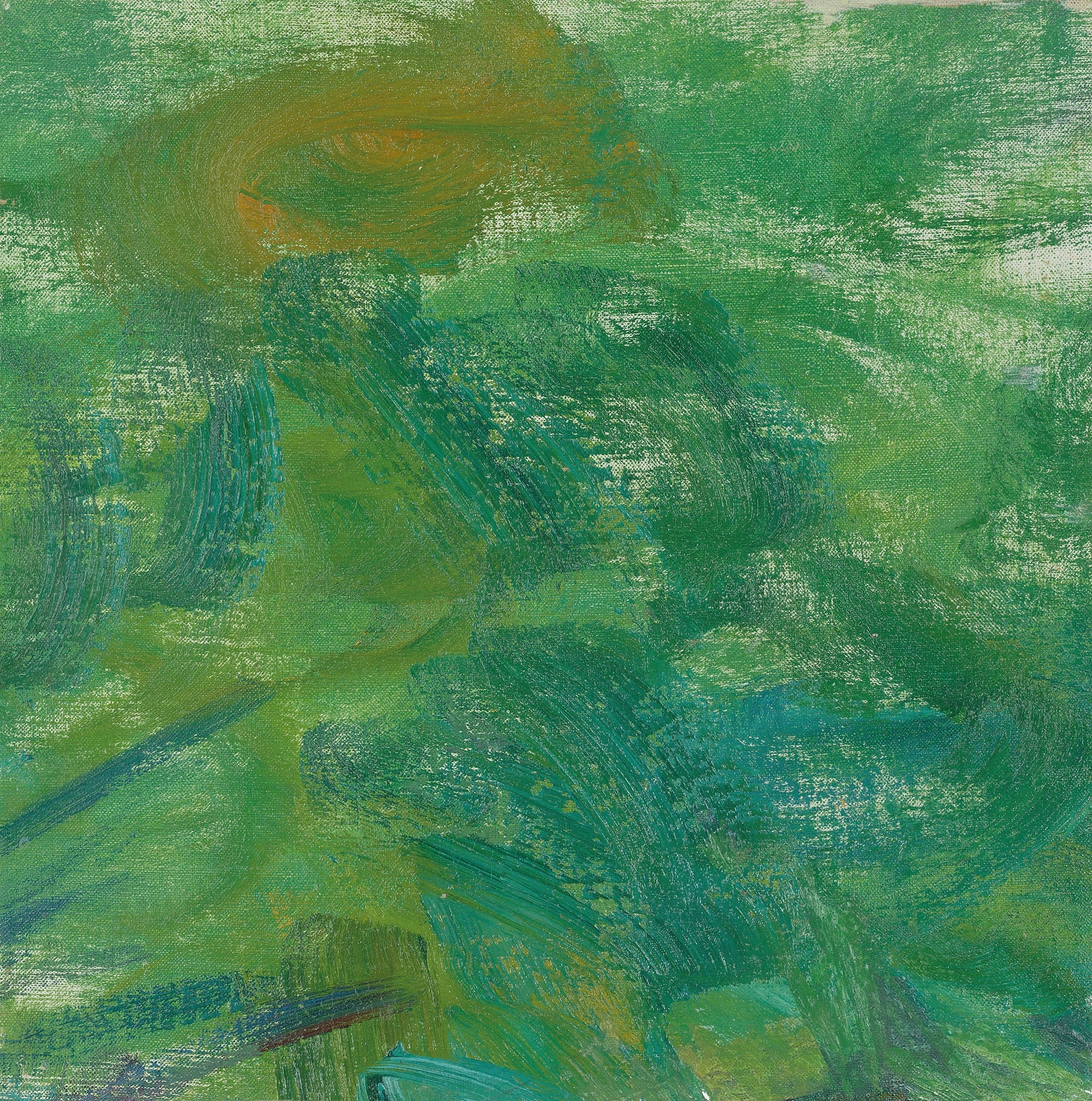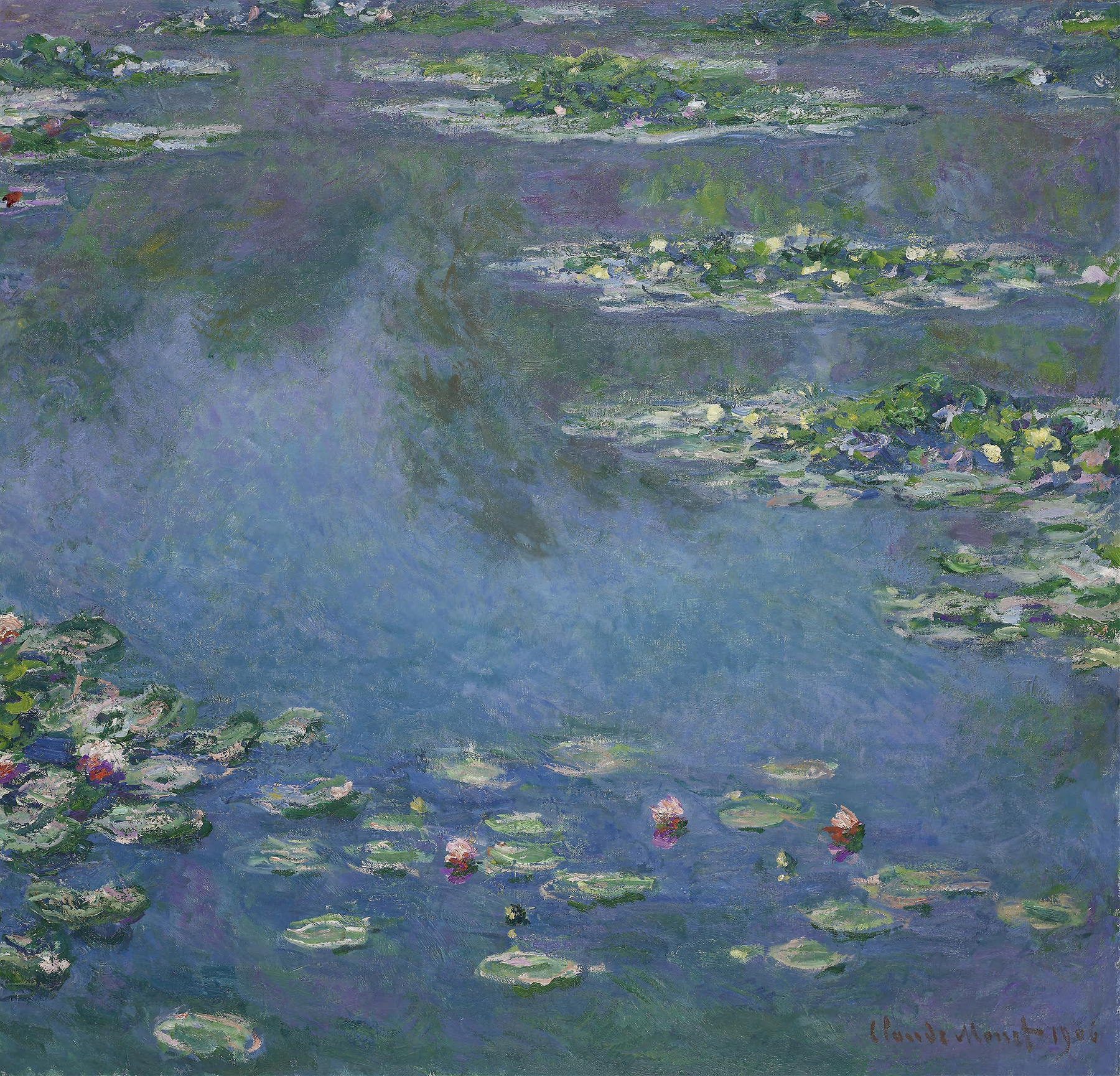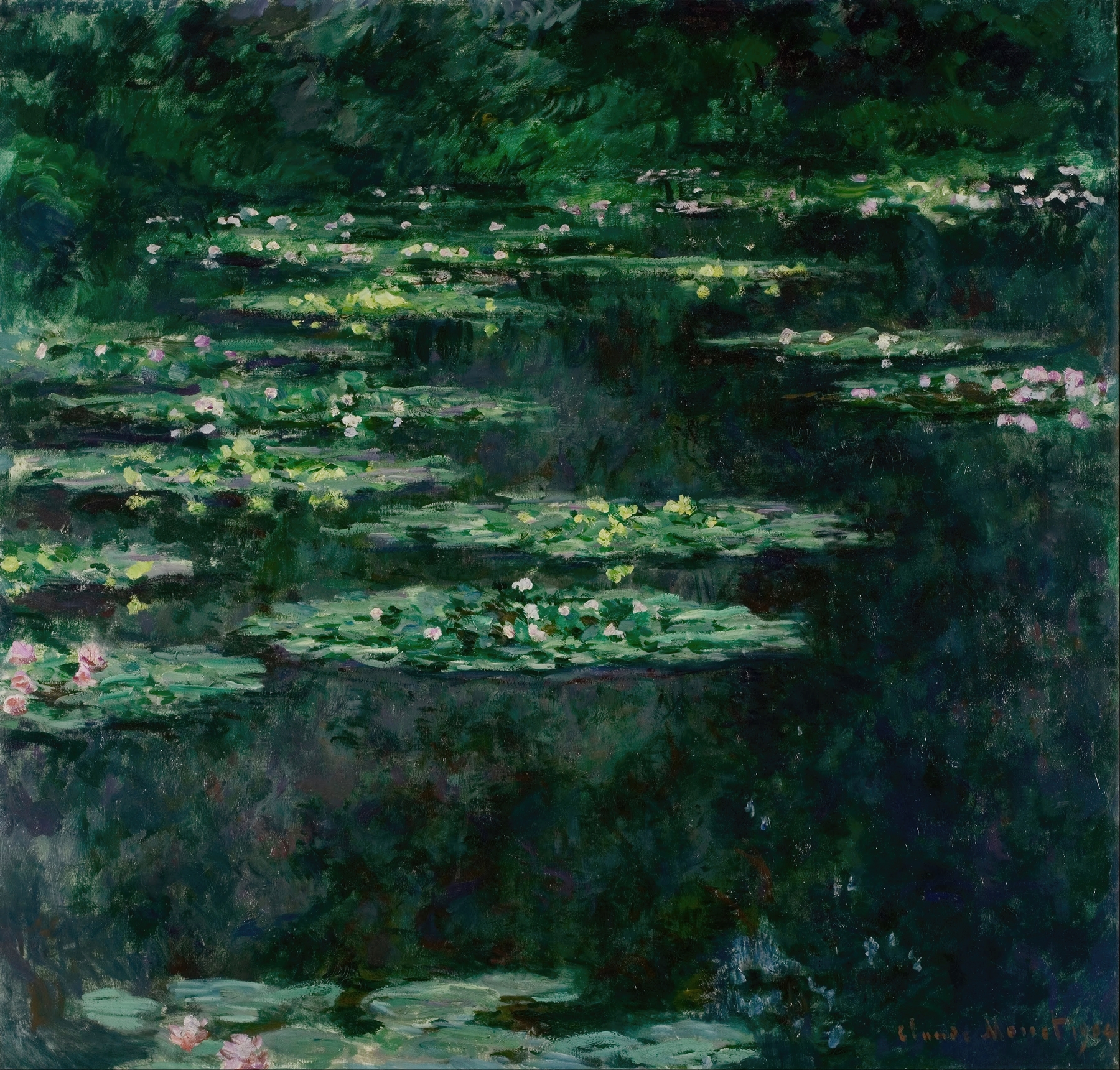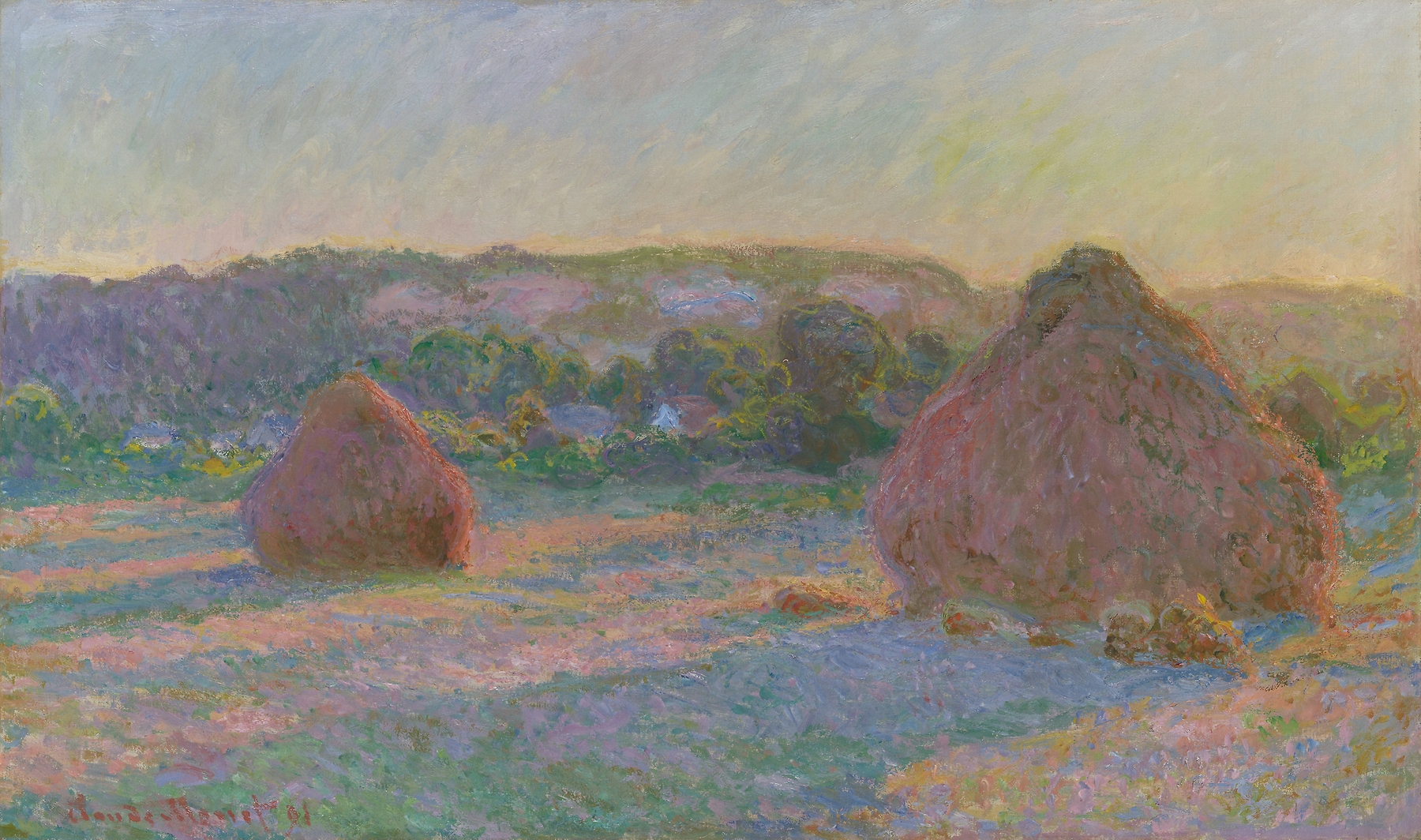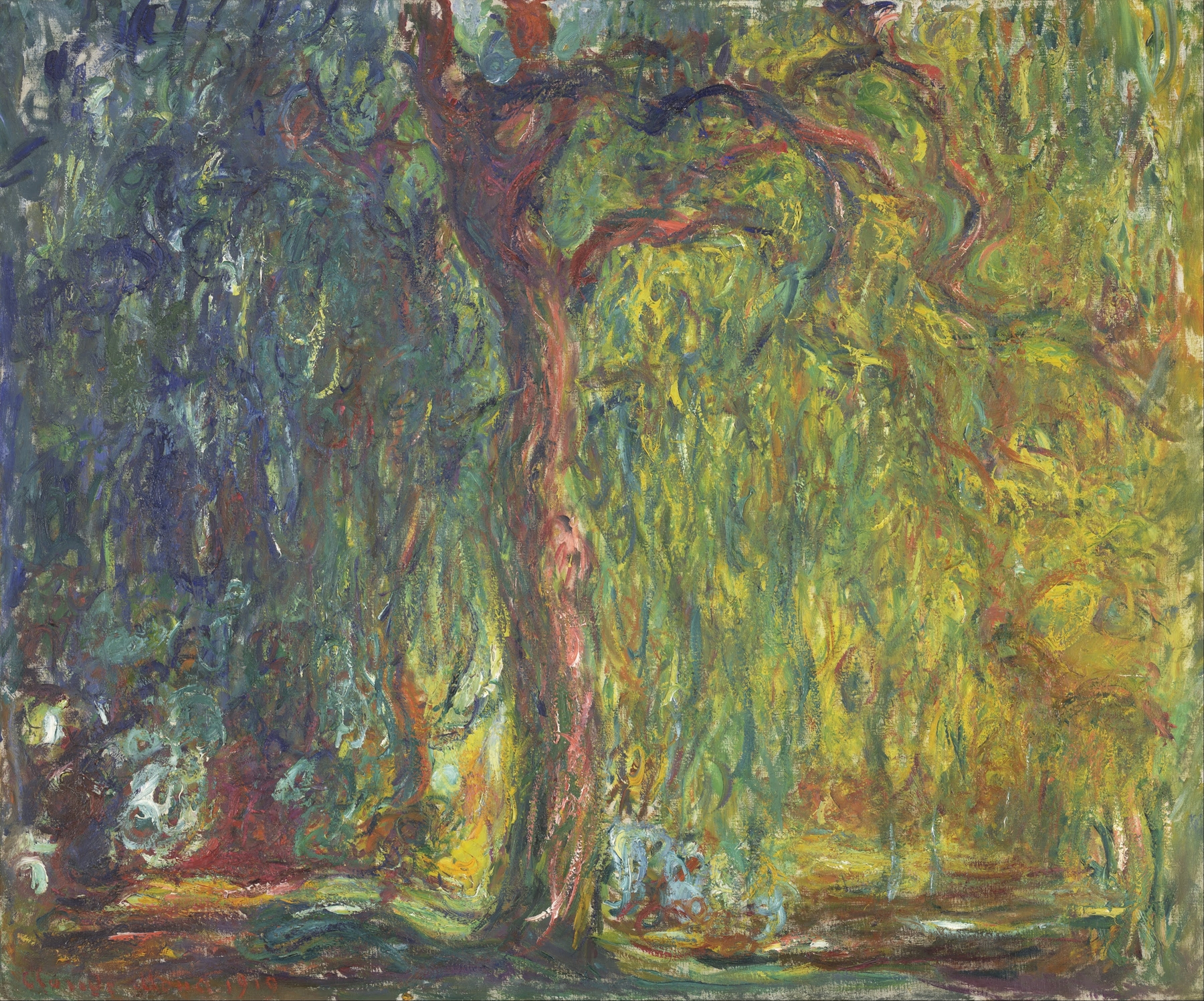
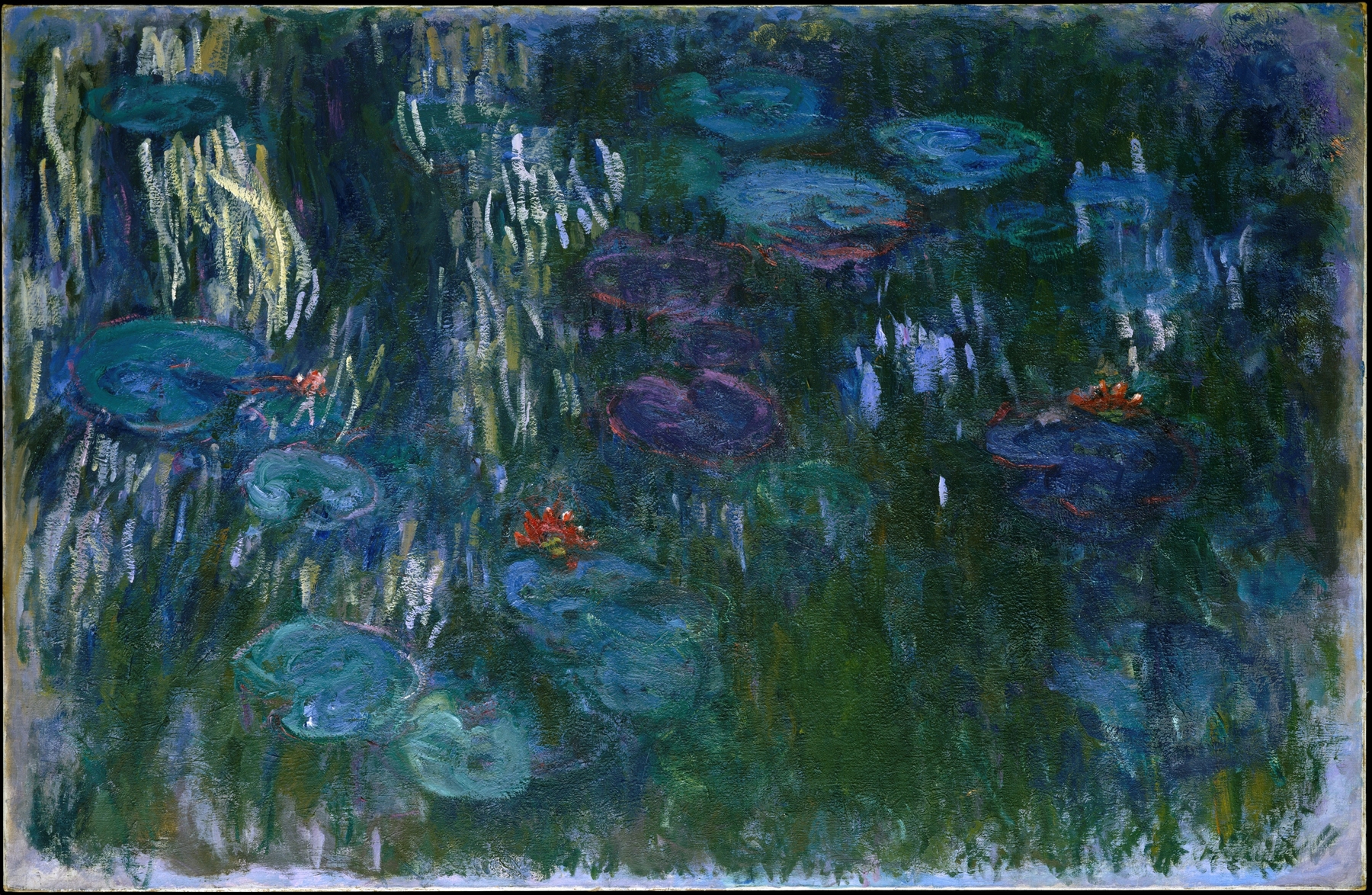
“To paint is to remember what time wants us to forget.” In the soft embrace of fading light, the weeping willow stands as a testament to both life and decay, its tendrils reaching out like gentle fingers into the murky waters below. The vibrancy of nature is intertwined with an inevitable surrender, capturing a moment of bittersweet reflection that lingers in the air. Look closely at the left side of the canvas; notice how the willow's branches cascade with such fluid grace, painted in rich greens that contrast with the deep blues and muted browns of the water. Monet employs a delicate interplay of light and shadow, allowing dappled sunlight to dance across the surface, suggesting movement and the passage of time. The brushstrokes are lively yet tender, encapsulating the fleeting beauty of the natural world while hinting at its fragility. Beneath the surface, a tension emerges between vitality and decline. The vibrant hues of the willow evoke a sense of nostalgia, while the subtle decay in the water hints at the impermanence of existence. It speaks to the duality of life—a celebration of flourishing beauty against the backdrop of inevitable loss, inviting the viewer to contemplate their own relationship with nature and memory. In this period, between 1918 and 1919, the artist found himself grappling with both personal and global turmoil, having recently faced the trials of war. Working in the gardens of Giverny, Monet focused on themes of nature and reflection as a means of solace during a time of upheaval. This painting embodies his pursuit of capturing transient emotions and the impermanence of life, using his mastery of color and light to evoke deep, resonant feelings.