Wild Ground — History & Analysis
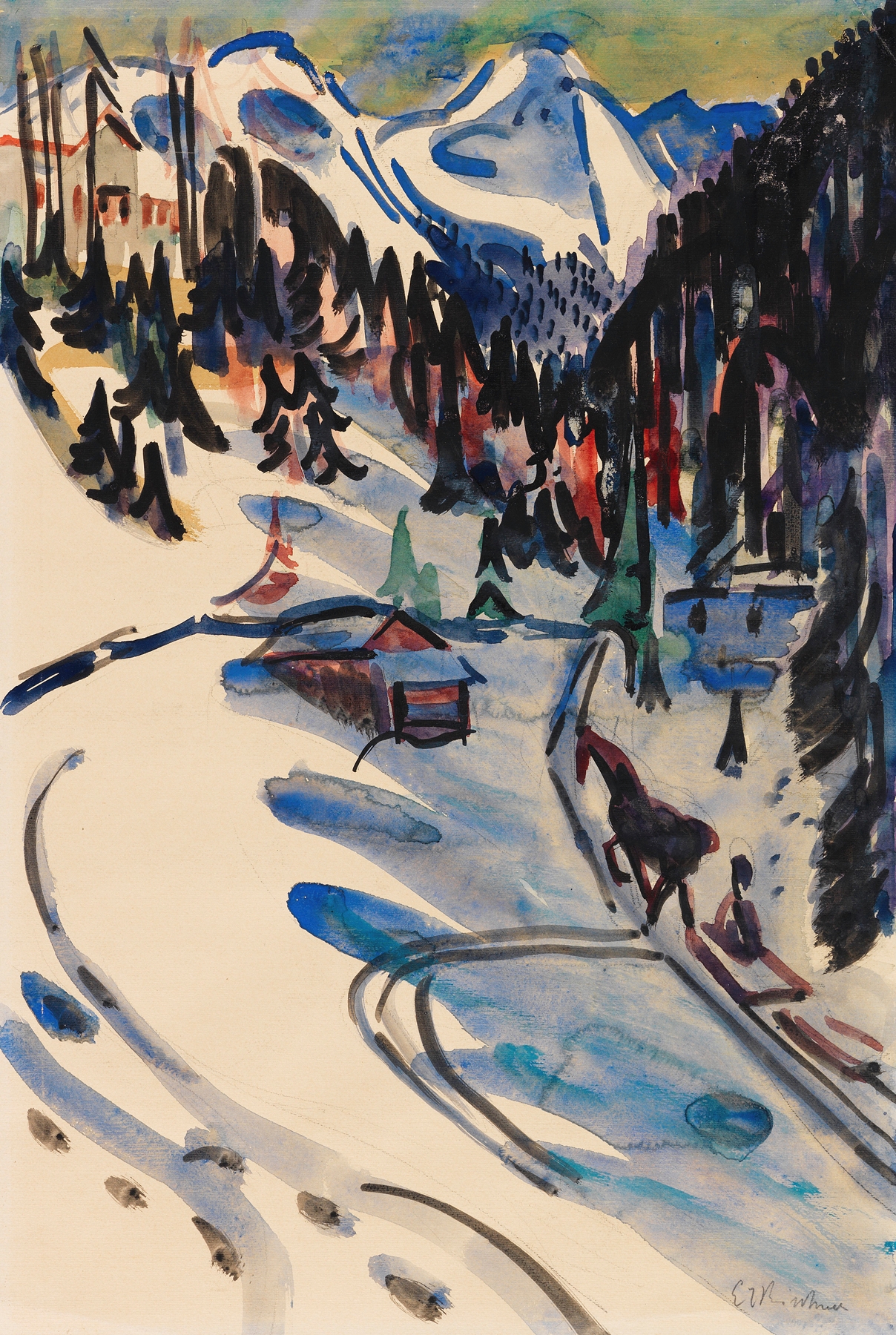
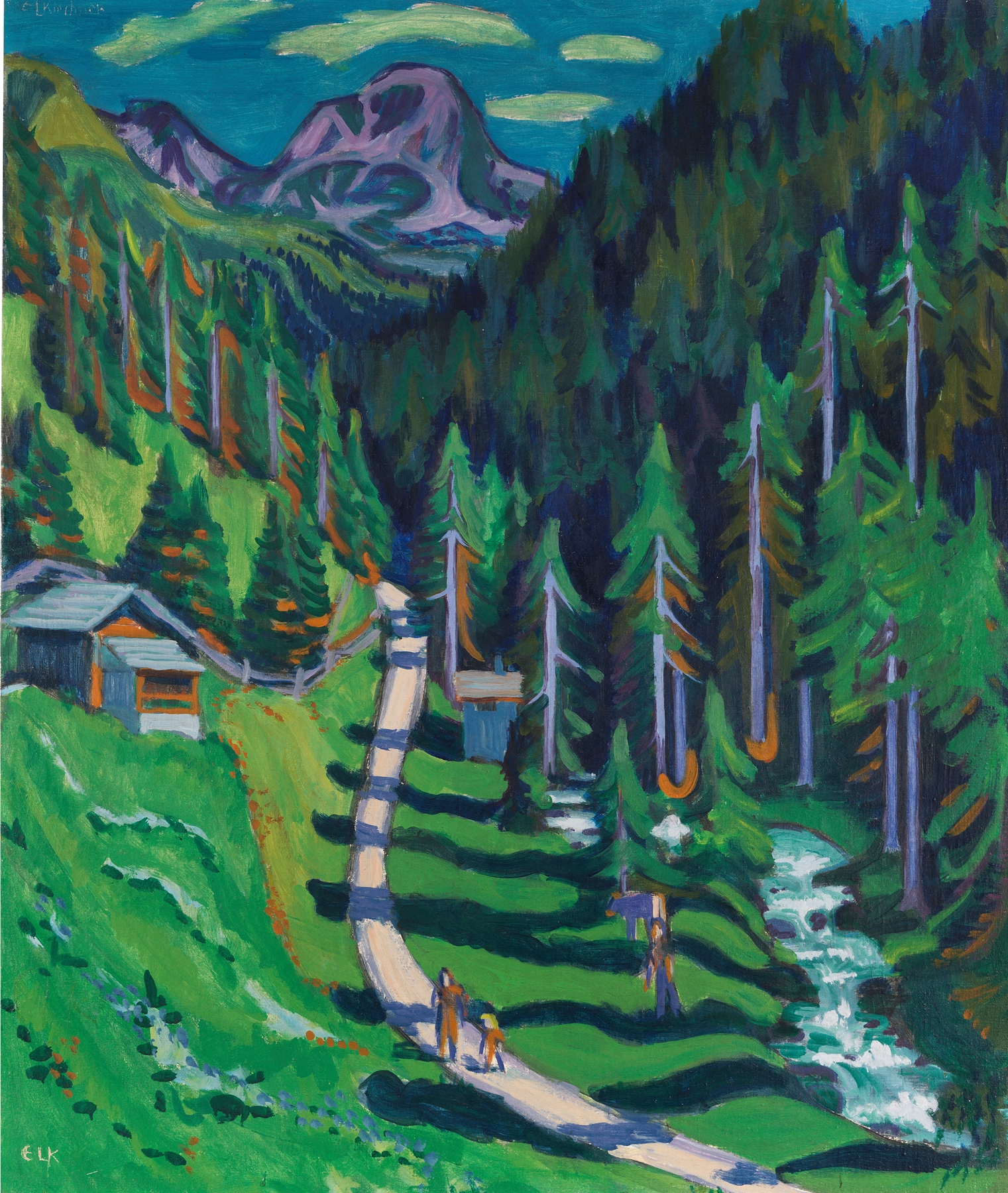
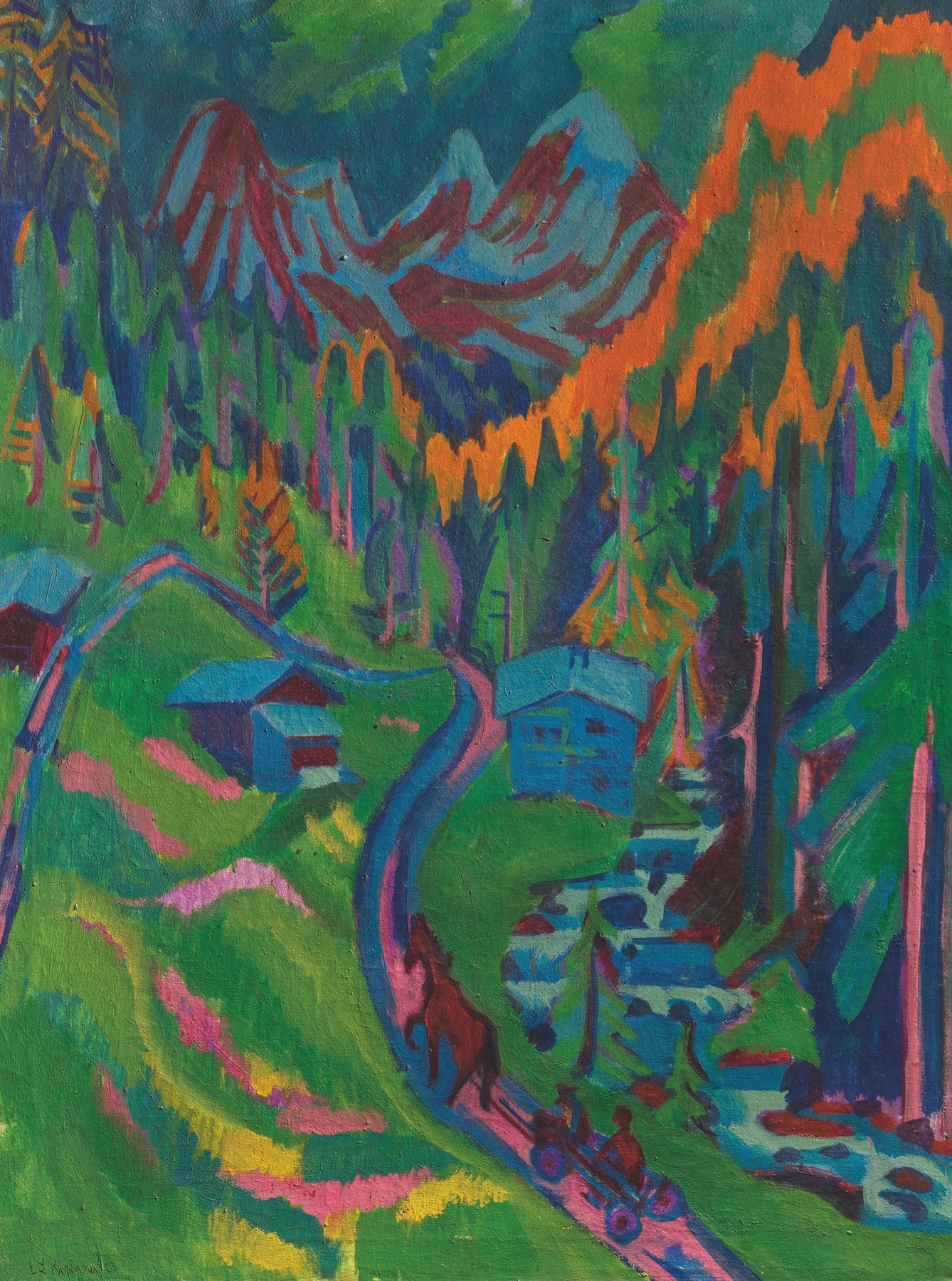
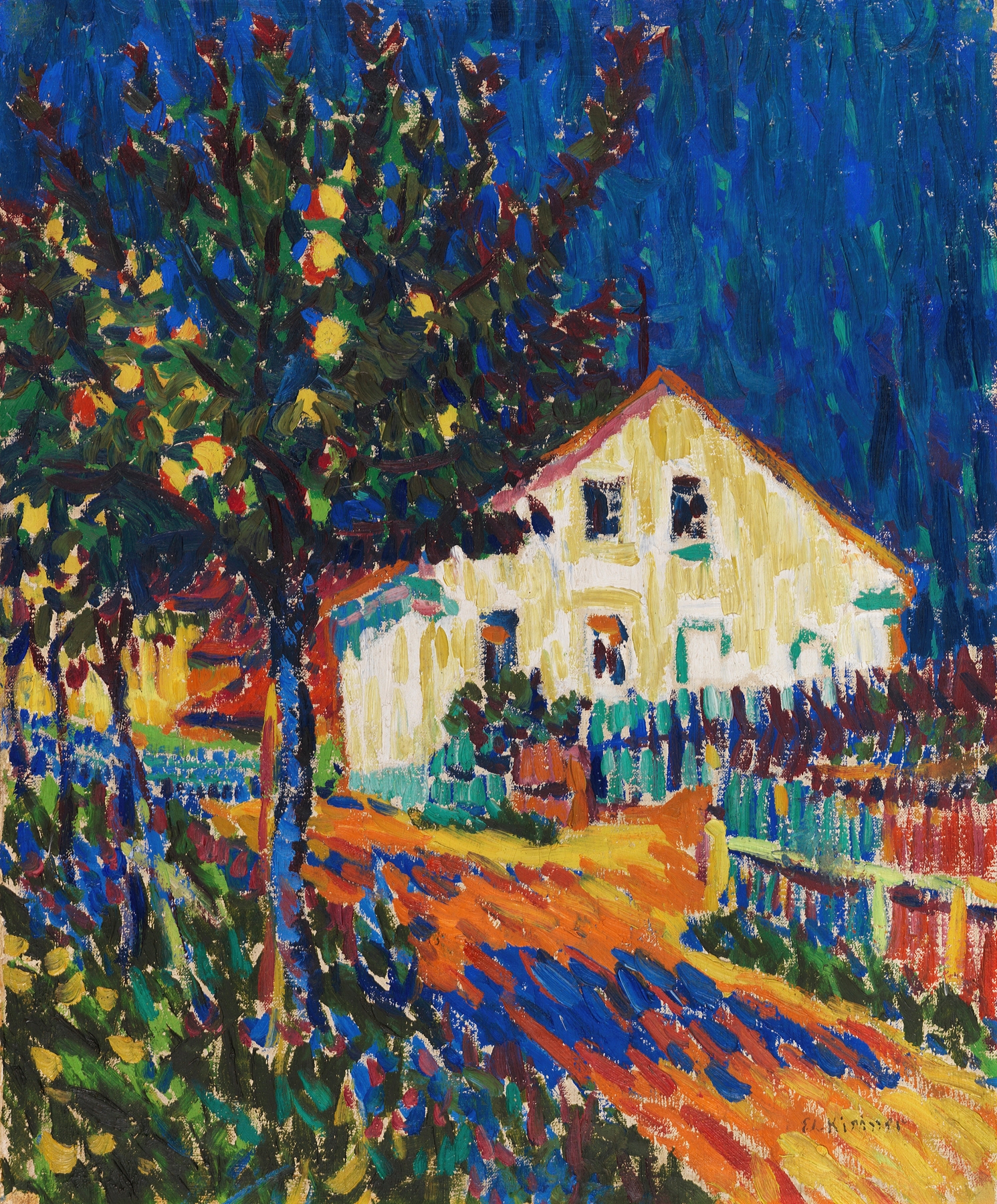
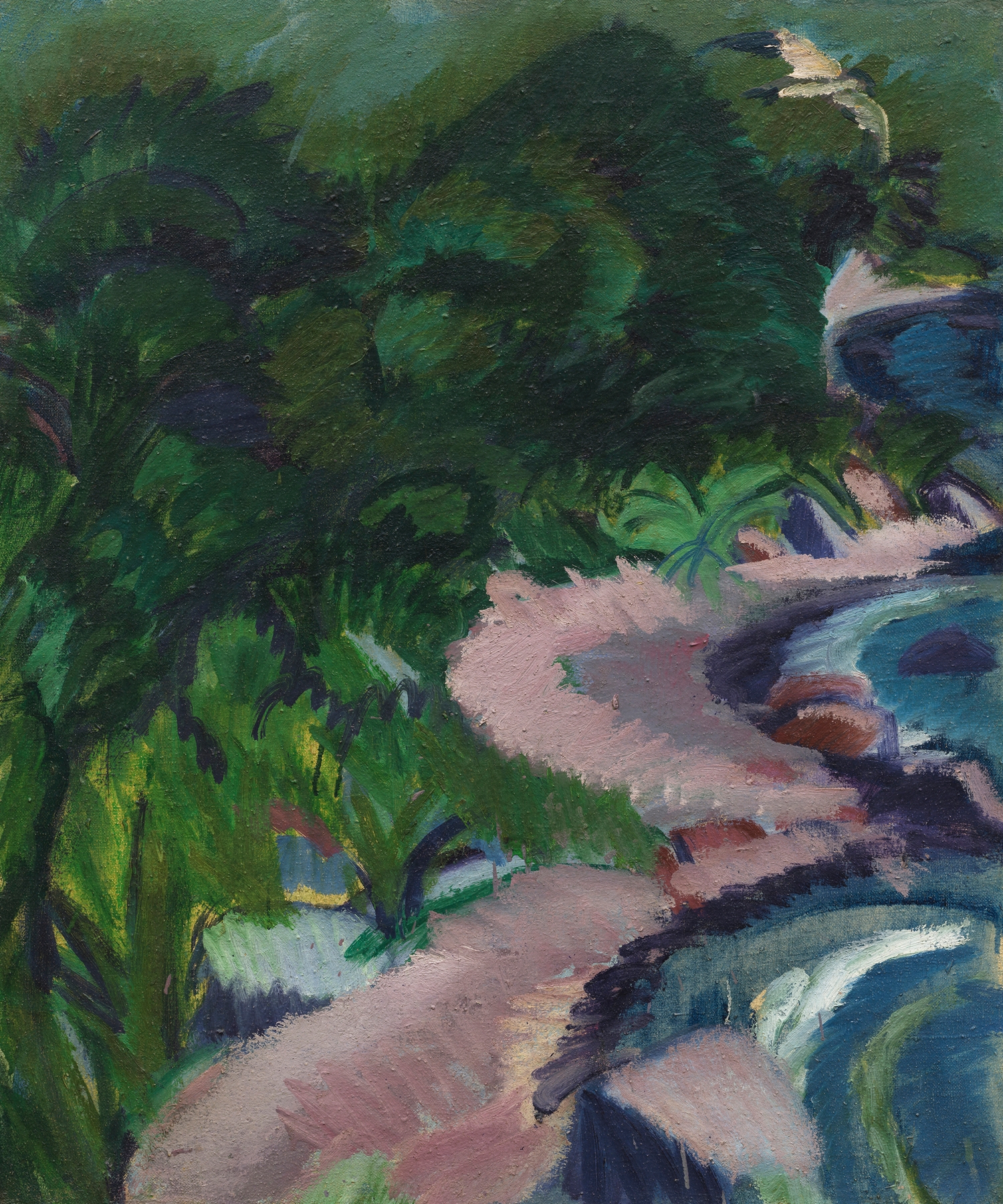
“To paint is to remember what time wants us to forget.” In a world where faith flickers like a candle in the wind, the beauty of a vivid landscape can ground us, intertwining memory and the essence of being. Focus first on the striking interplay between bold hues and delicate brushwork. Notice how the vivid greens and vibrant blues converge in the foreground, drawing your attention towards the lively patches of grass. The rhythmic strokes lead your gaze upward, where dark trees silhouette against a soft, luminous sky, imparting a sense of both depth and turbulence.
Kirchner’s technique invites the viewer to lose themselves in the texture, creating a palpable sensation of being enveloped by nature. Delve deeper into the emotional landscape. The contrasting elements of light and shadow evoke a tension between serenity and chaos, perhaps reflecting the struggle between inner faith and external turmoil. The wildness of the scene speaks to the untamed human spirit, where each brushstroke resonates with the desire for connection, both to the earth and to oneself.
In the midst of this wild beauty, a sense of hope emerges, inviting contemplation on the complexities of existence. In 1924, Kirchner found himself in a pivotal moment of his artistic journey, living in Switzerland after fleeing the tumultuous atmosphere of Germany. The post-war years were rife with change, and his work began to reflect a desire for tranquility amidst chaos. This painting was created during a time when the world was grappling with the aftermath of conflict, and the artist sought solace in the beauty of nature, capturing a spirit of faith amid uncertainty.