Wildboden Mit Kirchners Haus (Kirchner’s House In The Forest) — History & Analysis
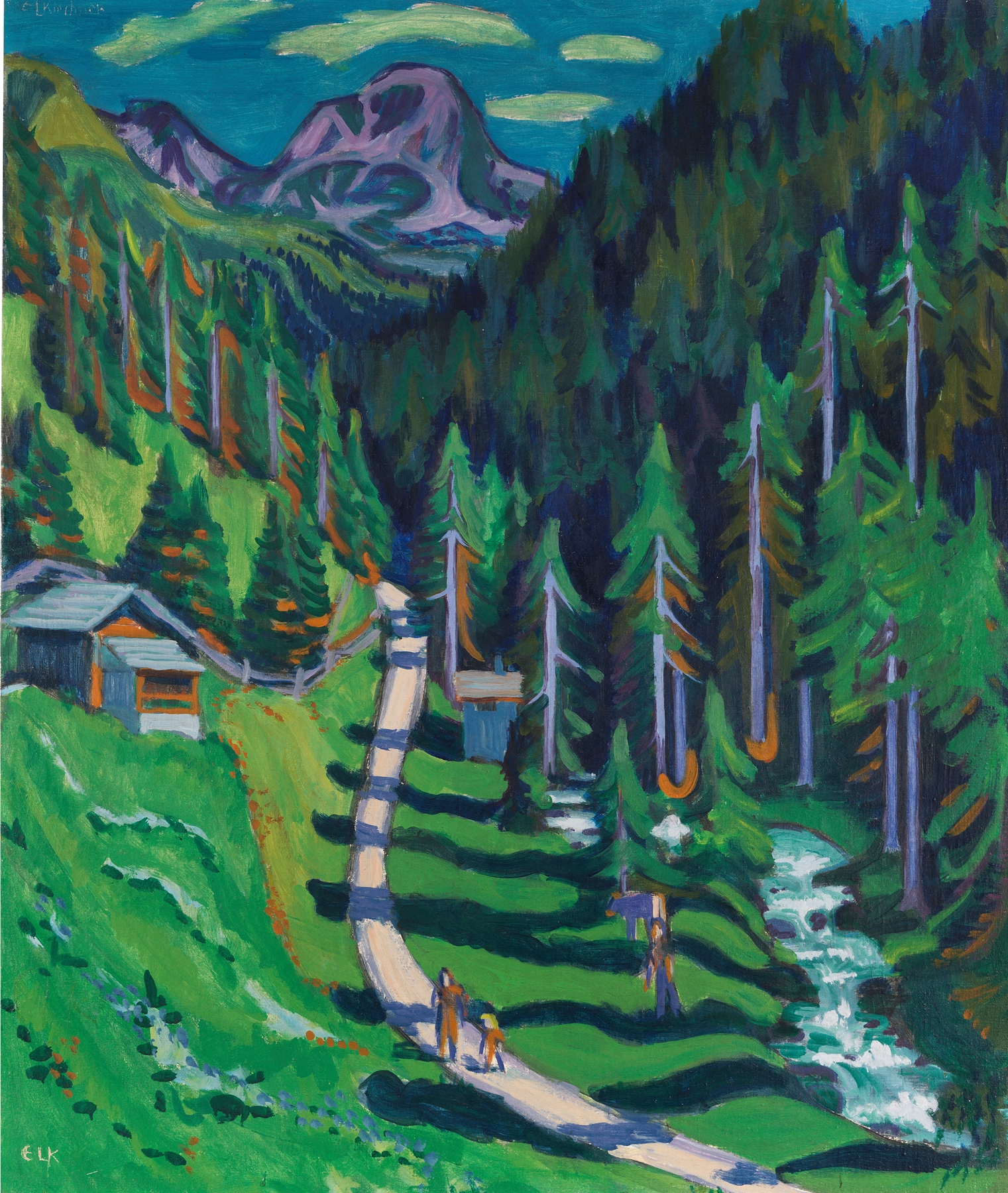
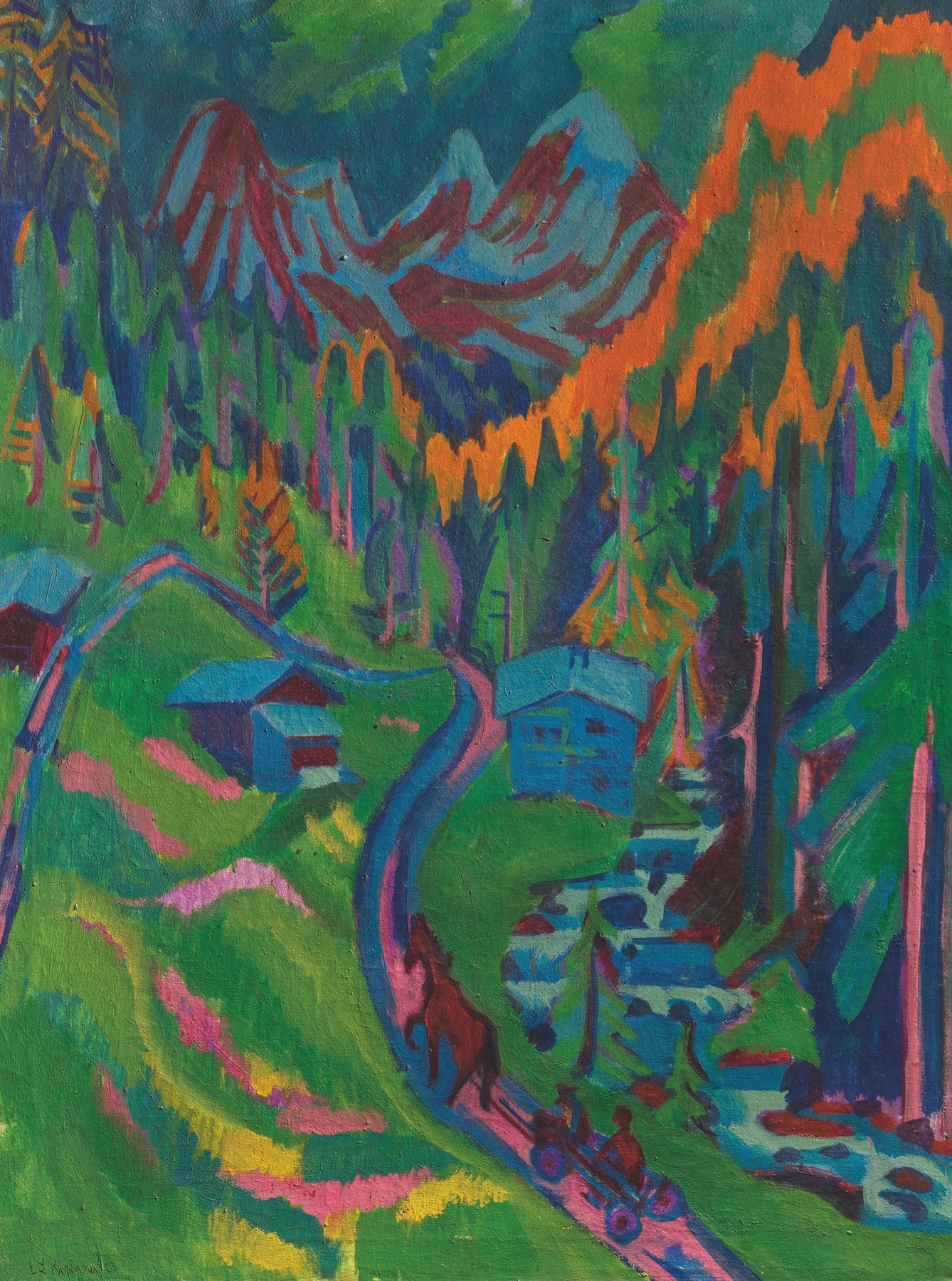
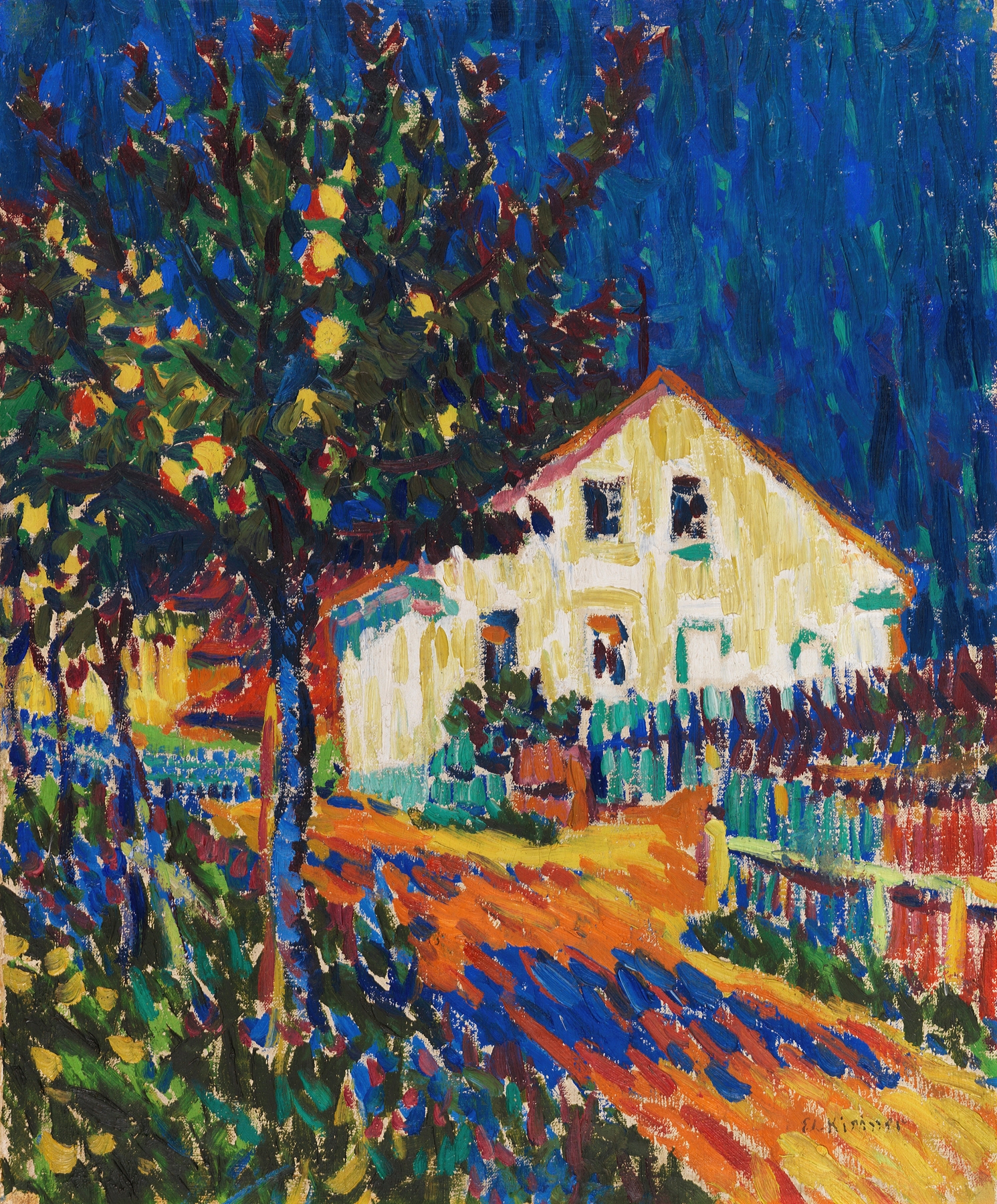
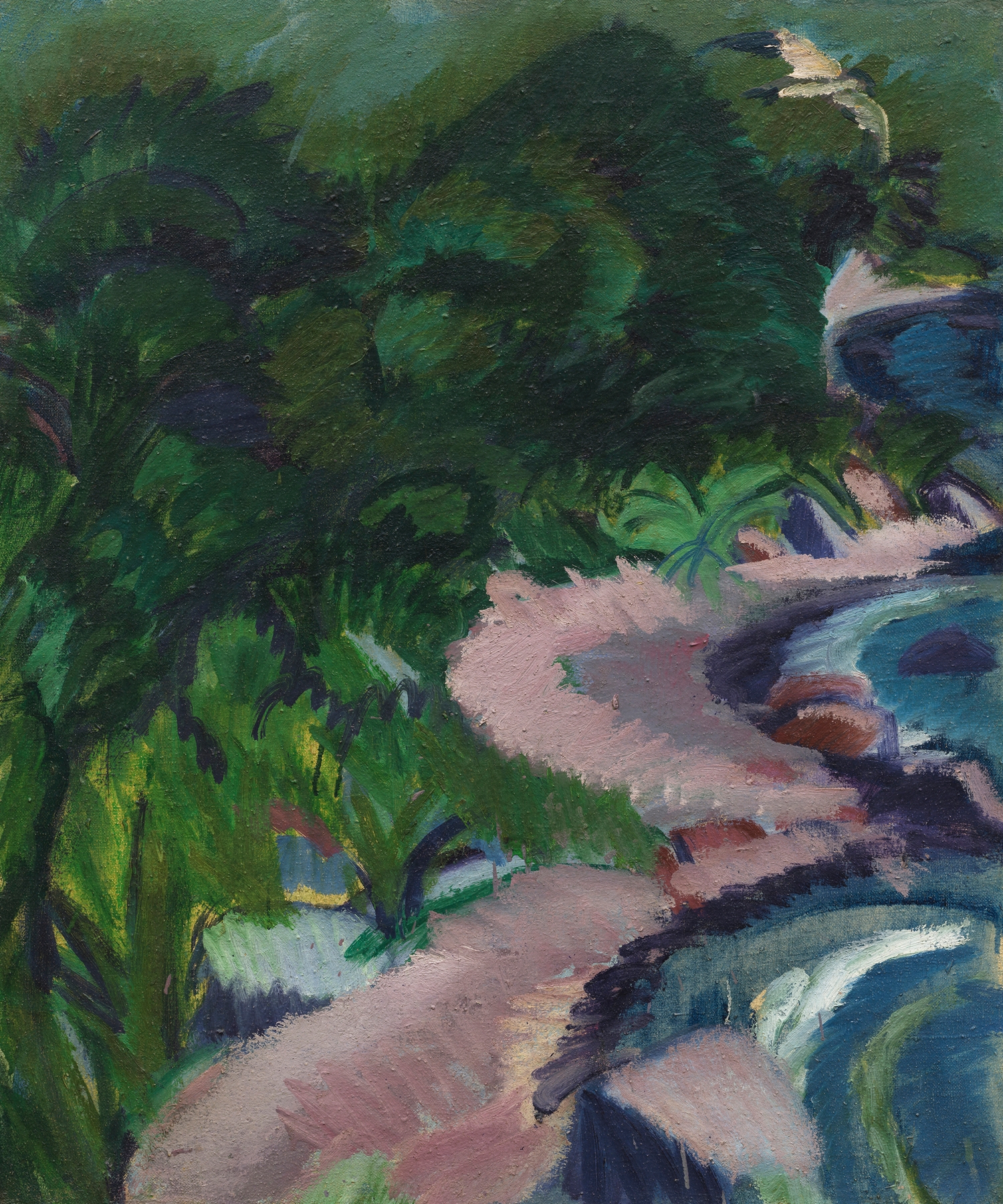
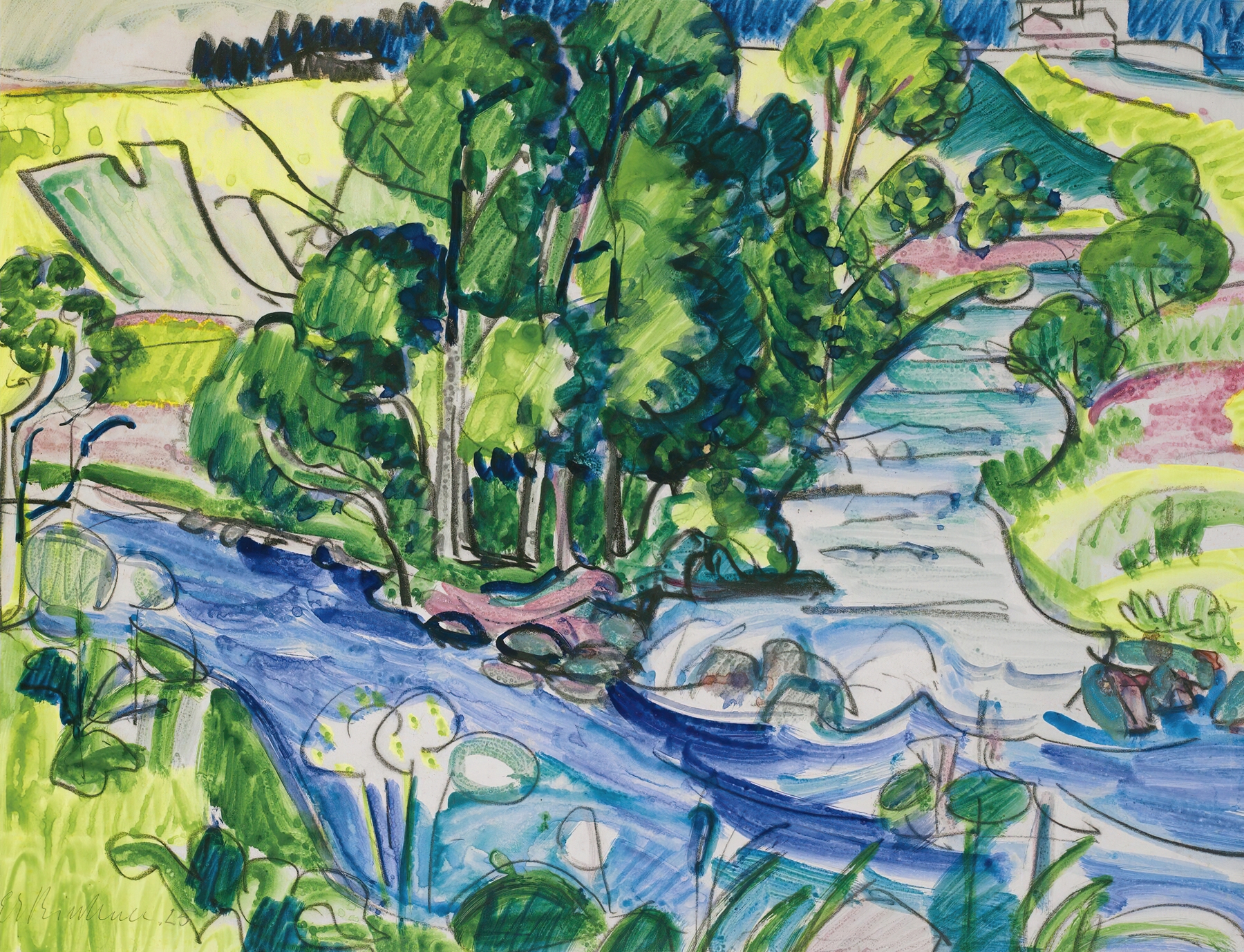
“Every silence here is a confession.” In the quiet woods, shades of green emerge like whispers, hinting at the secrets held within their depths. This tranquil scene becomes a refuge, a sanctuary where hope thrives amidst nature's embrace. Look to the right at the vibrant hues that dance upon the foliage, revealing Kirchner’s masterful brushwork. The dappled light filters through the trees, painting patches of sun upon the forest floor, creating a harmonious dialogue between light and shadow.
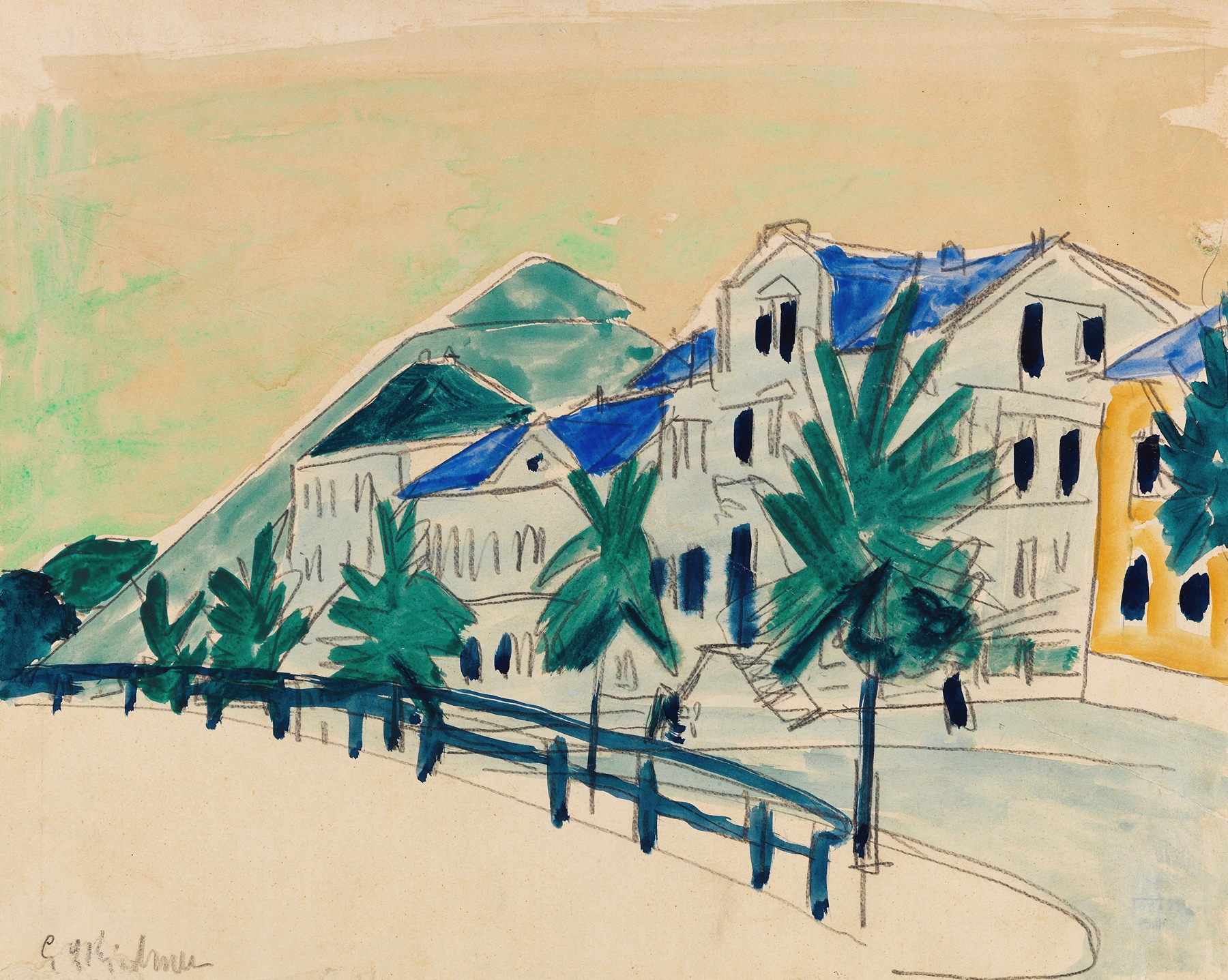
The house, nestled among the trees, offers a sense of solace, framed by the organic lines of the surrounding landscape, showcasing the artist’s ability to intertwine architecture and nature. Delve deeper into the contrast between the vibrant colors and the serene atmosphere, where each stroke seems to invite both introspection and peace. The house stands as a symbol of refuge, while the trees embody strength and resilience; together, they capture the delicate balance of human existence within the wild. It evokes a sense of longing and warmth, a reminder that hope flourishes even in the most secluded corners of life.
Kirchner painted this work in 1925 while living in Germany, a time of personal upheaval as he navigated the tumult of post-World War I society. His art reflected both his struggles and yearnings, showcasing a shift toward expressing inner emotions rather than external realities. This piece captures a moment of retreat and introspection, offering a glimpse into the artist’s desire for peace amidst a chaotic world.