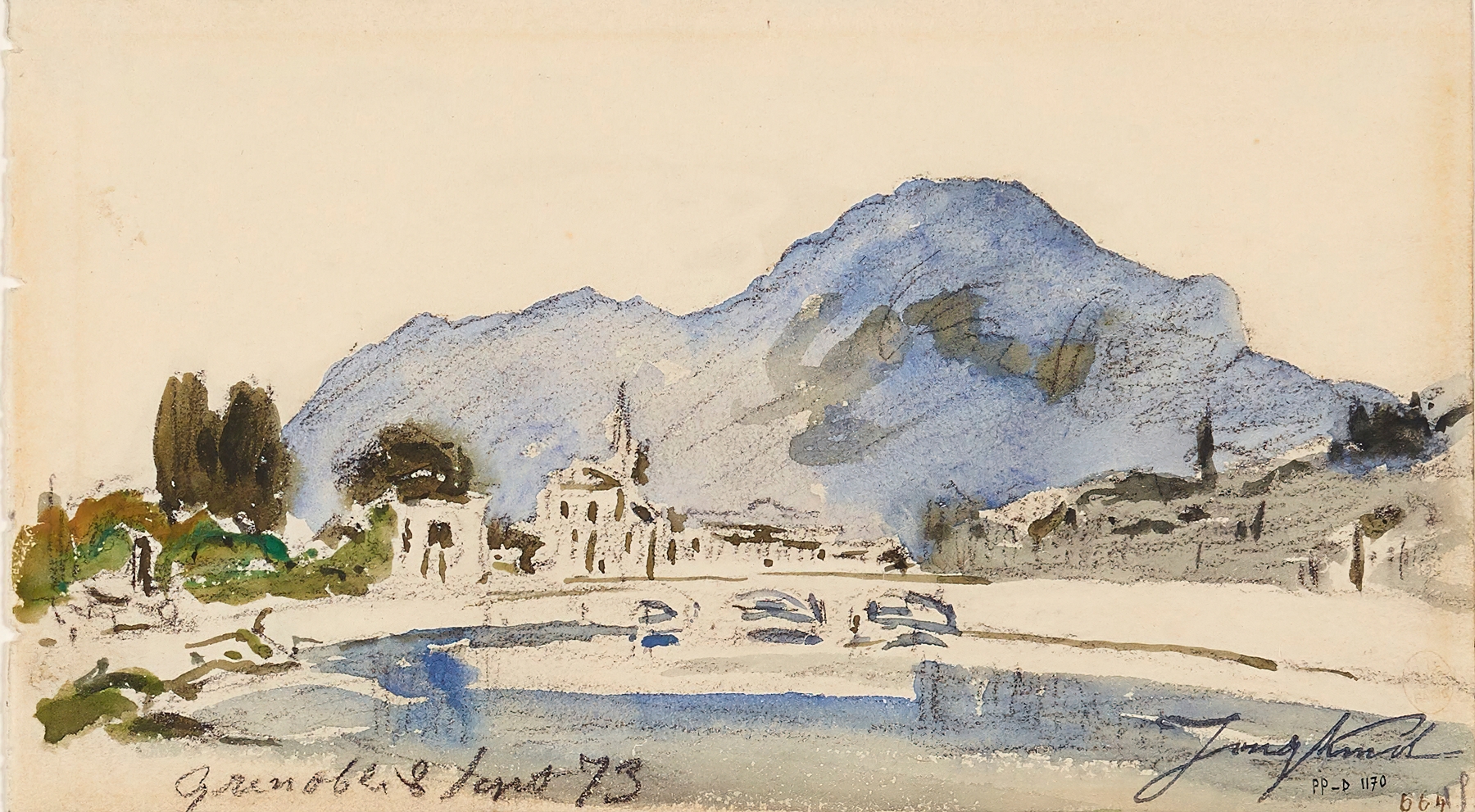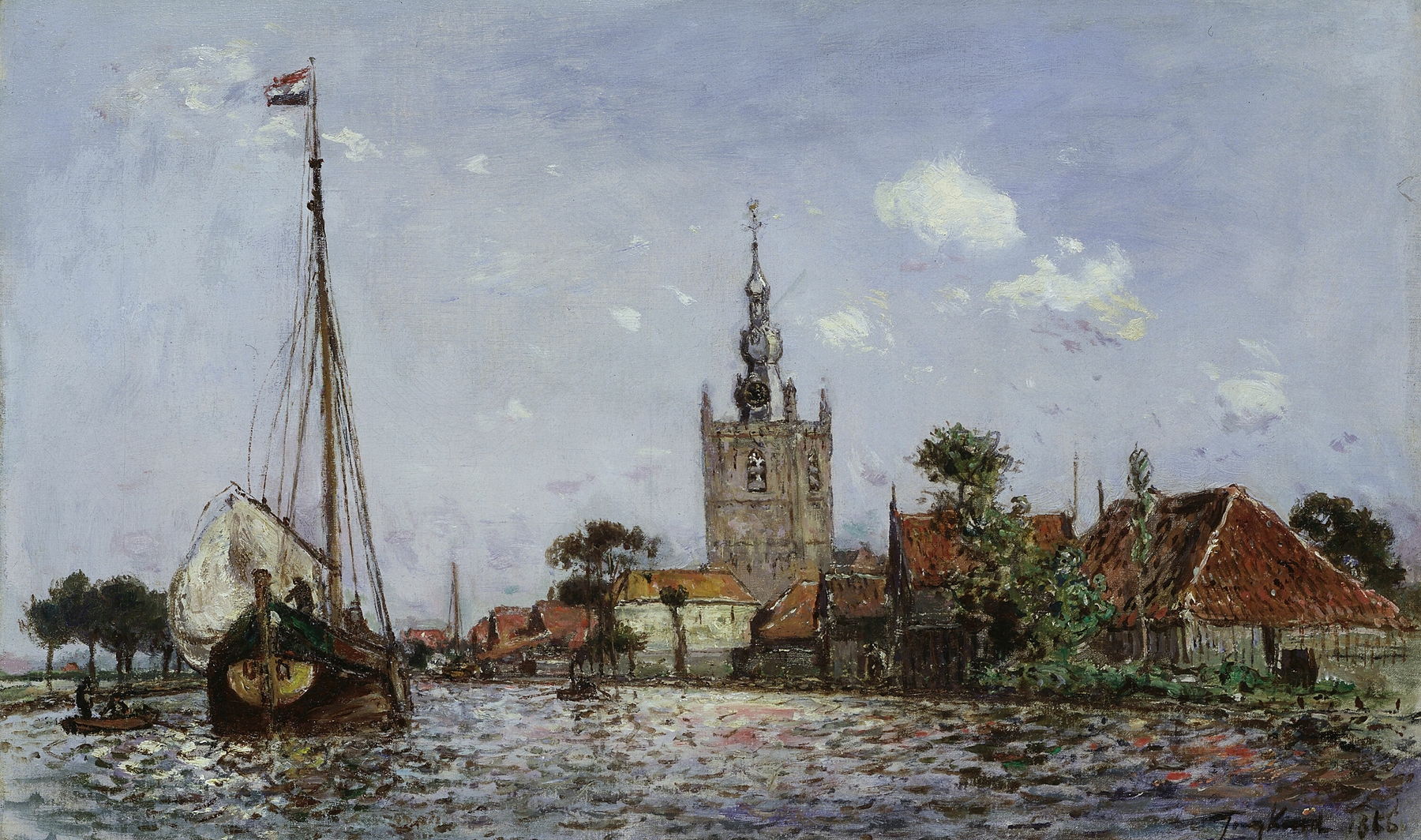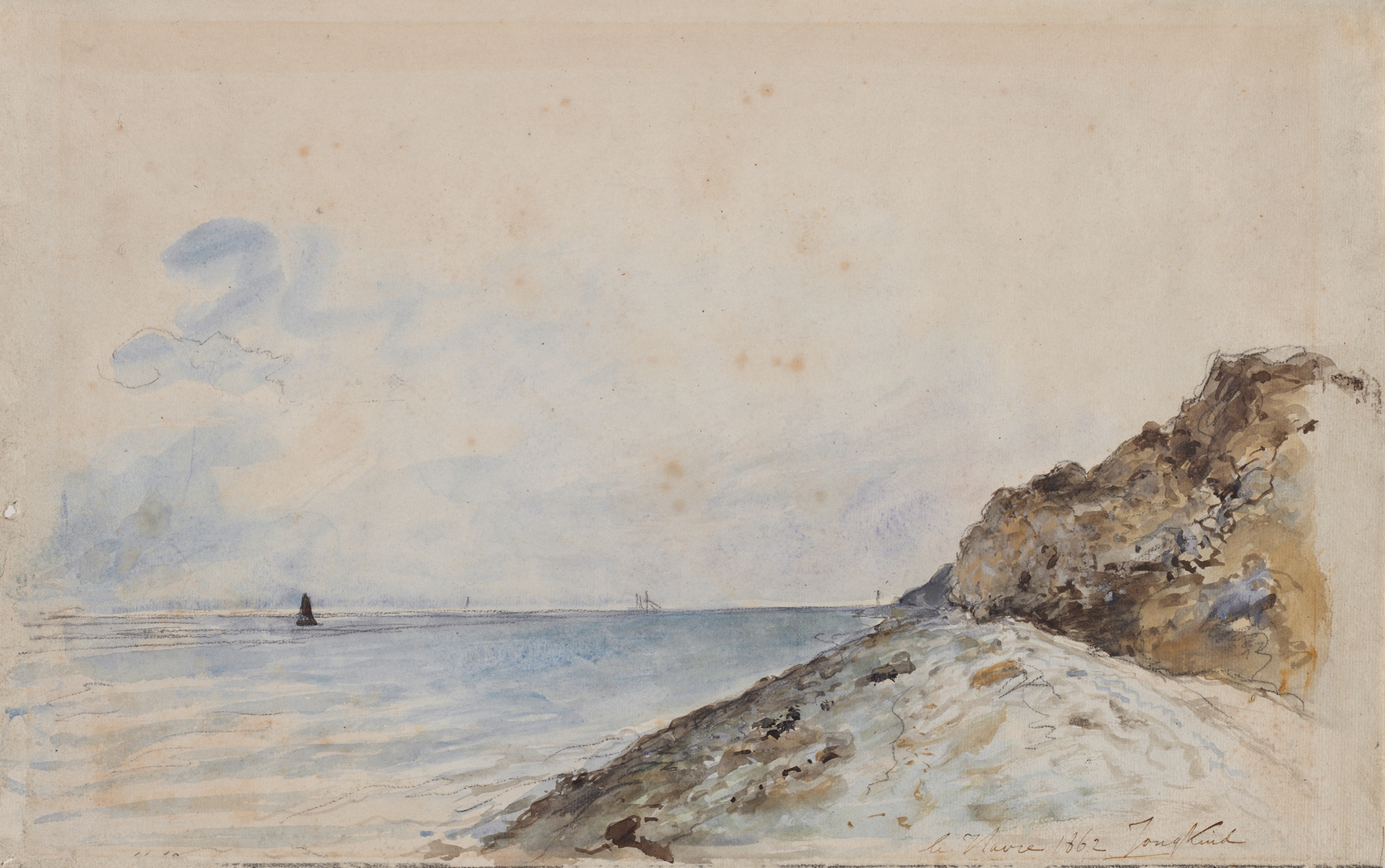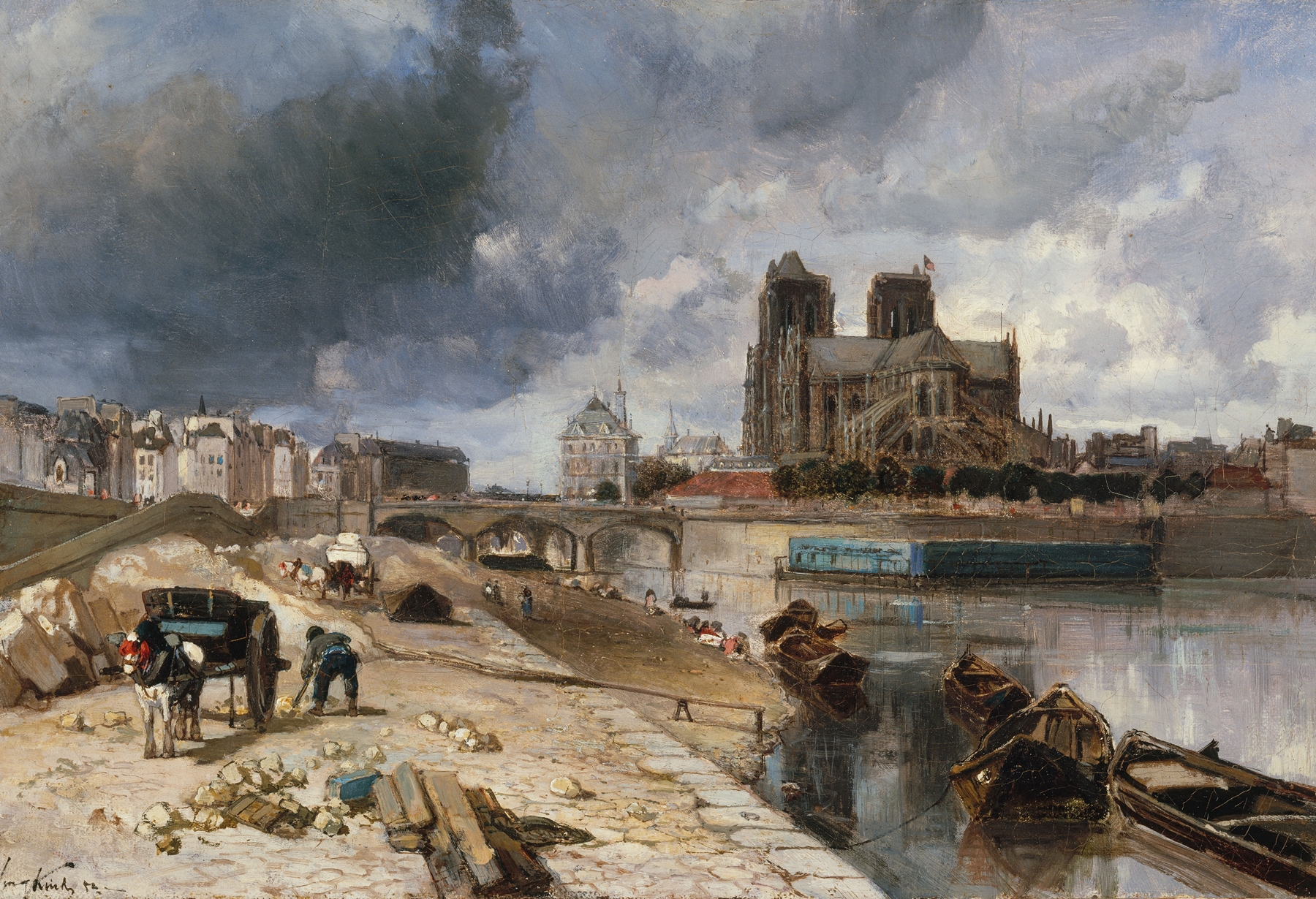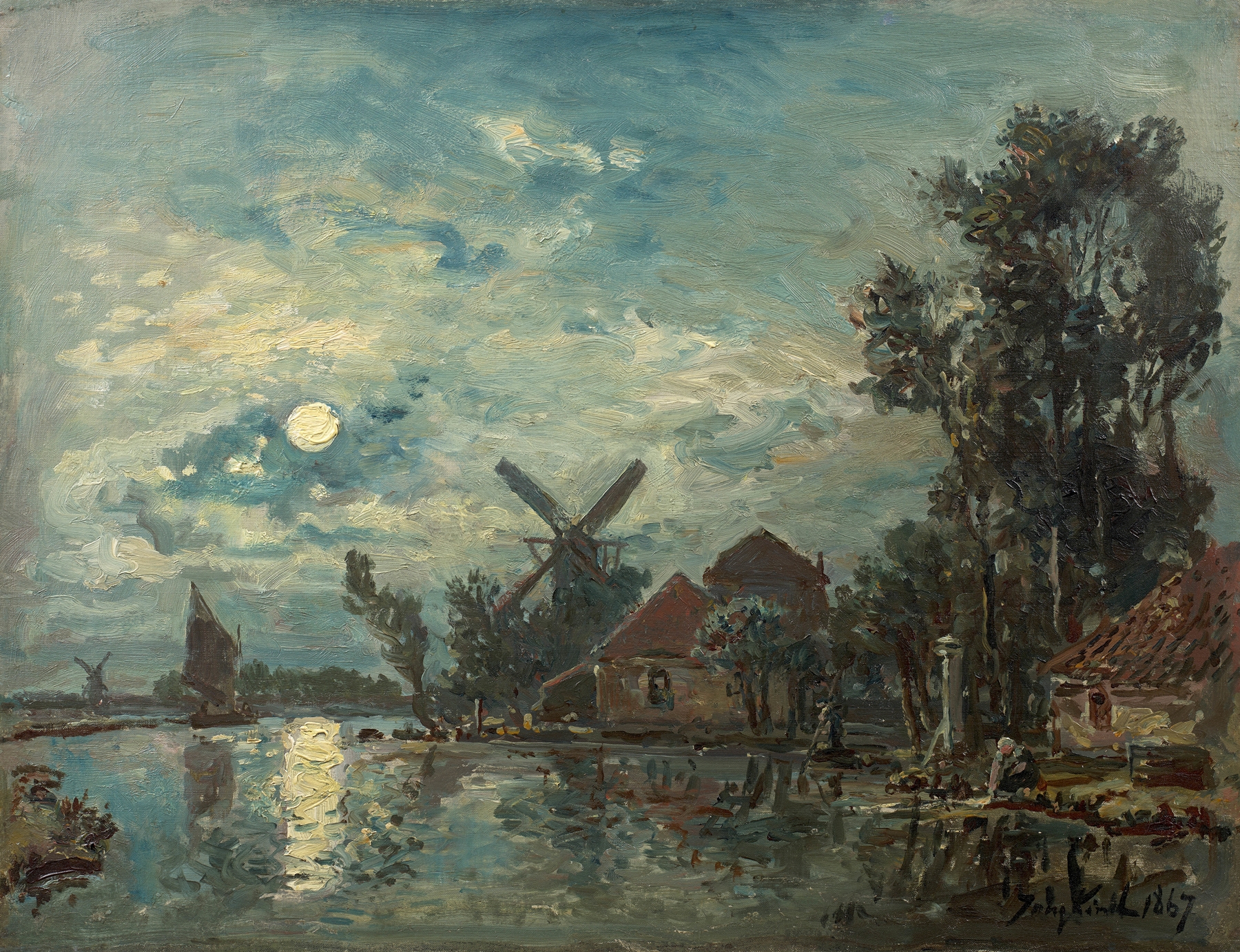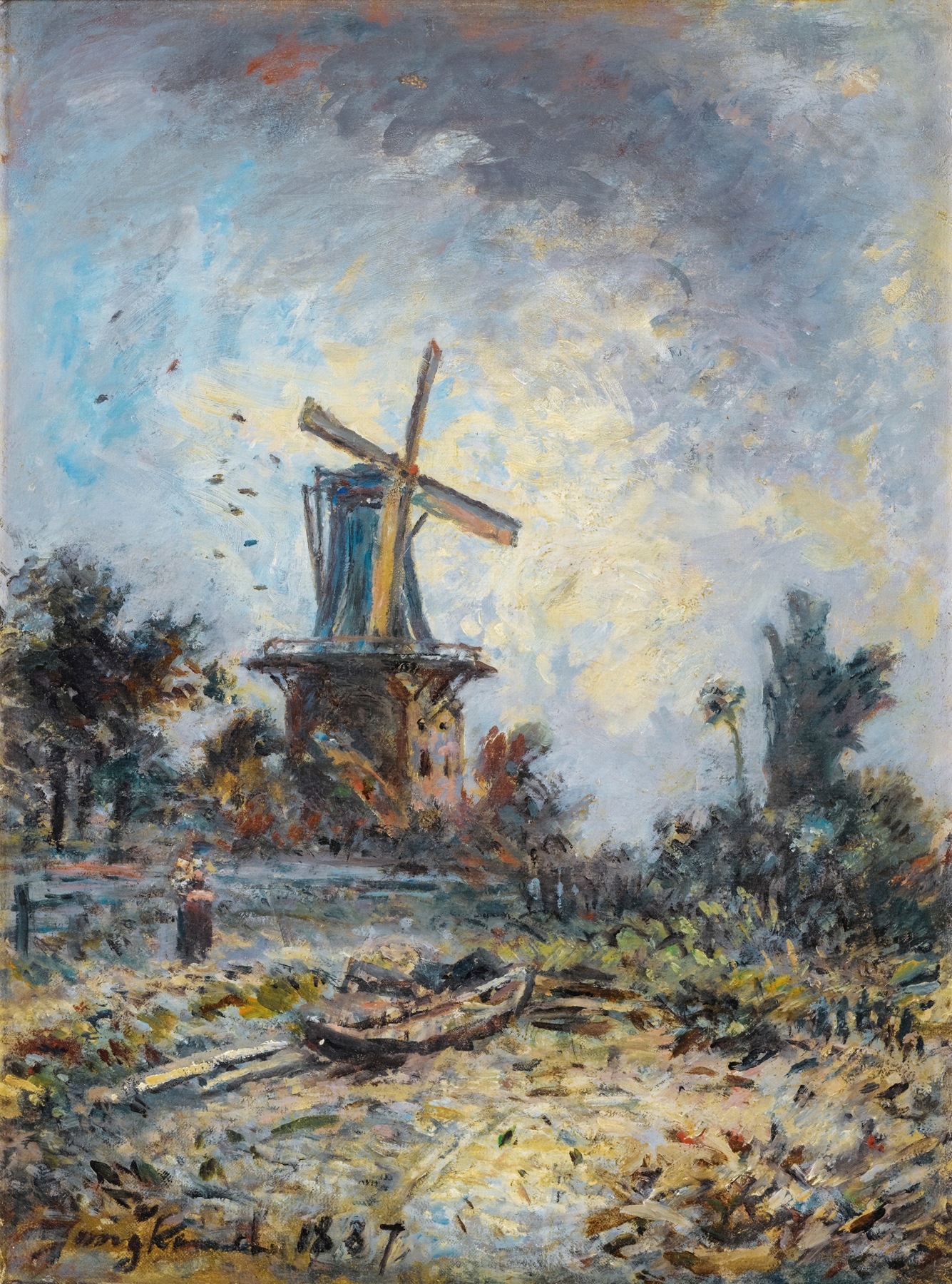
Can beauty exist without sorrow? In *Windmill In Dordrecht*, the interplay of light and shadow reveals a haunting yearning that transcends the canvas. Focus on the swirling clouds above—notice how they frame the windmill, a steadfast monument reaching toward the heavens, reflecting the bittersweet relationship between nature and human ambition. The muted palette, dominated by soft blues and grays, evokes a sense of tranquility while simultaneously hinting at underlying unrest. The brushwork is fluid, almost ethereal, capturing the movement of the breeze that stirs the scene, pulling viewers into a moment suspended in time. Yet, it's the details that truly resonate—the delicate ripples in the water below, mirroring the sky's tumult. This interplay of reflection suggests a duality inherent in life, where hope and melancholy coexist. The windmill, a symbol of industry and perseverance, stands resilient against the encroaching clouds, embodying a longing for stability amid nature’s capriciousness. The simplicity of the landscape belies a complex emotional landscape, inviting contemplation on life's transitory beauty. In 1887, Jongkind crafted this piece in Dordrecht, where he sought to capture the essence of the Dutch landscape. At this time, he was influenced by the Impressionists, striving to depict the effects of light and atmosphere with spontaneity. Jongkind, often regarded as a precursor to Impressionism, found himself grappling with both personal and artistic identity during this period, reflecting a transitional moment in his career that would ultimately shape his legacy.